Beniamin Iron Age Echo

下载的 PDF 是图像副本。如需可选中文本及更好的辅助技术支持,请使用打印功能。

跳转到主内容
文明焦点

Beniamin Iron Age Echo

A lone Iron Age voice from Shirak that links archaeology to ancient DNA

1047 CE - 926 BCE
Shirak Province, Armenia

剧情

A single human genome from Beniamin (Shirak Province, Armenia), dated 1047–926 BCE, offers a tentative window into Iron Age Armenia. Archaeology and genetics together hint at regional continuity and connections across the Caucasus, but conclusions remain preliminary.

Time Period

1047–926 BCE

Region

Shirak Province, Armenia

Common Y-DNA

Unknown (single sample)

Common mtDNA

Unknown (single sample)

时间线

1000 BCE

Burial at Beniamin dated

Human remains from Beniamin in Shirak Province are radiocarbon-dated to about 1047–926 BCE, producing the single genome attributed to this culture.

Origins & Emergence

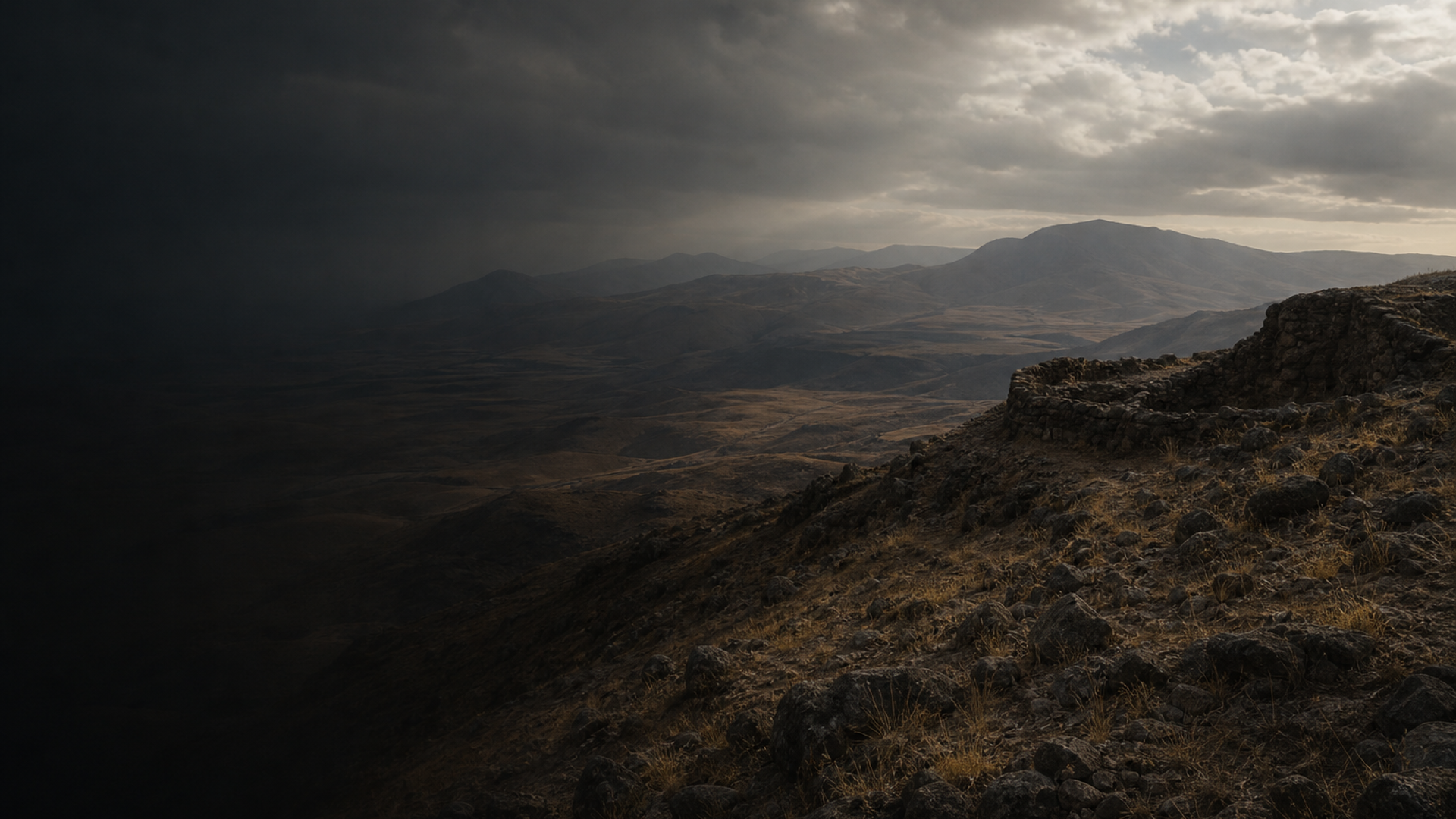
Beniamin sits on the high, windswept terraces of Shirak Province in northwestern Armenia. The human remain sampled and dated to 1047–926 BCE places this individual squarely within the Iron Age Armenia horizon, a period of shifting polities, intensified metallurgy, and expanding trade across the southern Caucasus.

Archaeological data indicates that Iron Age communities in the region lived in a landscape of fortified settlements, pastoral valleys, and agrarian terraces. While Beniamin itself is known primarily through the recovered burial context that produced this genome, nearby sites—part of a mosaic including early Iron Age centers and later Urartian-era strongholds—provide context for technological innovations such as iron-working and increasingly complex social hierarchies.

Limited evidence suggests cultural continuity from Late Bronze Age traditions combined with new influences carried along mountain and river corridors. Material culture in the wider region shows pottery styles, metalwork, and architectural features that reflect local development rather than wholesale population replacement. With only one genetic sample from Beniamin, origins are best framed as provisional: this genome is a single thread in a larger tapestry that future excavations and analyses must weave together.

  • Sample from Beniamin (Shirak Province) dated 1047–926 BCE
  • Context fits within Iron Age Armenia's landscape of forts, farms, and metalwork
  • Conclusions about population origins remain provisional due to single sample

Daily Life & Society

Everyday life in Iron Age Armenia combined resilient mountain agriculture with mobile pastoralism and expanding artisanry. Archaeological indicators from the broader Shirak region—settlement mounds, hearths, and scattered workshop debris—point to households engaged in cereal cultivation, sheep and cattle herding, and local metalworking. Trade routes threaded the highlands, bringing exchange in raw metals, finished goods, and stylistic ideas from Anatolia, the Caucasus, and the Iranian plateau.

Funerary contexts like the burial at Beniamin provide intimate glimpses: osteological data can reveal diet, workload, and health stress, while grave goods (when present) help place individuals within social networks. For this single individual, the archaeological record is sparse, and thus any reconstructions of status, occupation, or lifestyle are speculative. Nonetheless, the material world surrounding Iron Age communities suggests a rhythm of seasonal herding, agricultural cycles, and specialized craft production—lives shaped by the demands of mountain climate and the opportunities of interregional exchange.

Archaeology therefore paints a cinematic picture of a community negotiating continuity and change: rooted in local landscapes yet in conversation with neighbors across valleys and mountains.

  • Economy: mixed agriculture, pastoralism, local metalworking
  • Burial contexts provide limited but valuable insight into health and social ties

Genetic Profile

Genome-wide data from a single individual at Beniamin (1047–926 BCE) offers a tantalizing but preliminary genetic snapshot of Iron Age Armenia. Because only one sample is available, any statements about population structure, haplogroup frequencies, or demographic shifts must be cautious. No common Y- or mtDNA haplogroups are reported for this sample in the input data, limiting direct paternal or maternal lineage statements.

Despite these limitations, ancient DNA analyses typically evaluate ancestry components that recur across the southern Caucasus: contributions related to local Neolithic farmers (Anatolian/Levantine-derived), Caucasus hunter-gatherer ancestry, and varying degrees of Steppe-related input associated with Bronze-to-Iron Age movements. The Beniamin genome can be compared to regional reference panels to test hypotheses about continuity versus admixture: does the individual cluster with earlier Bronze Age inhabitants, or does it show additional influxes consistent with Iron Age mobility? With one genome, results will be highly provisional and sensitive to comparison sets and statistical noise.

Future sampling from Shirak Province and neighboring sites will be essential to transform this solitary data point into robust inferences about migration, kinship, and population dynamics in Iron Age Armenia. For now, the genetic signal from Beniamin is an evocative hint rather than a definitive narrative.

  • Only one genome available—interpretations are tentative
  • Analyses can test for Anatolian, Caucasus, and Steppe-related ancestry components

Legacy & Modern Connections

The Beniamin individual occupies a poignant place between past and present. Genetically and culturally, Iron Age communities in Armenia contribute to the layered heritage of the modern Caucasus. Archaeological continuity in settlement patterns and some material traditions suggests threads of local persistence, while historical records and material change indicate episodes of contact and reorganization in the first millennium BCE.

Linking one ancient genome to modern populations requires many comparative samples across time and space. If larger datasets show genetic continuity, Beniamin-like ancestries could be part of the substrate contributing to contemporary Armenian and regional genepools. Alternatively, further sampling might reveal complex admixture episodes that reshape our understanding of demographic history. In either case, Beniamin stands as an invitation: a single, evocative data point that underscores the power of combining archaeology and DNA to tell nuanced stories about identity, migration, and resilience in the ancient Caucasus.

  • Potential contribution to broader genetic history of the Armenian Highlands
  • Definitive modern connections require many more ancient and modern genomes

AI 助手

AI 助手 由DNAGENICS公司制作

解锁此特性
Ask questions about the Beniamin Iron Age Echo culture. Our AI assistant can explain genetic findings, historical context, archaeological evidence, and modern connections.
AI 样本分析

Beniamin Iron Age Echo 文化是人类历史中值得了解的一章……

遗传分析揭示了与早期种群的联系,同时显示了独特的适应和文化创新的证据。 古代DNA样本提供了对迁徙模式、社会结构以及古代种群之间的生物关系的深刻见解。

这是人工智能分析的预览。 解锁全AI 助手, 以探索关于:

  • 遗传组成和祖先
  • 移徙模式和起源
  • 日常生活和文化习俗
  • 现代遗传遗产
使用优惠码 可减免 30% • 11月15日 到期