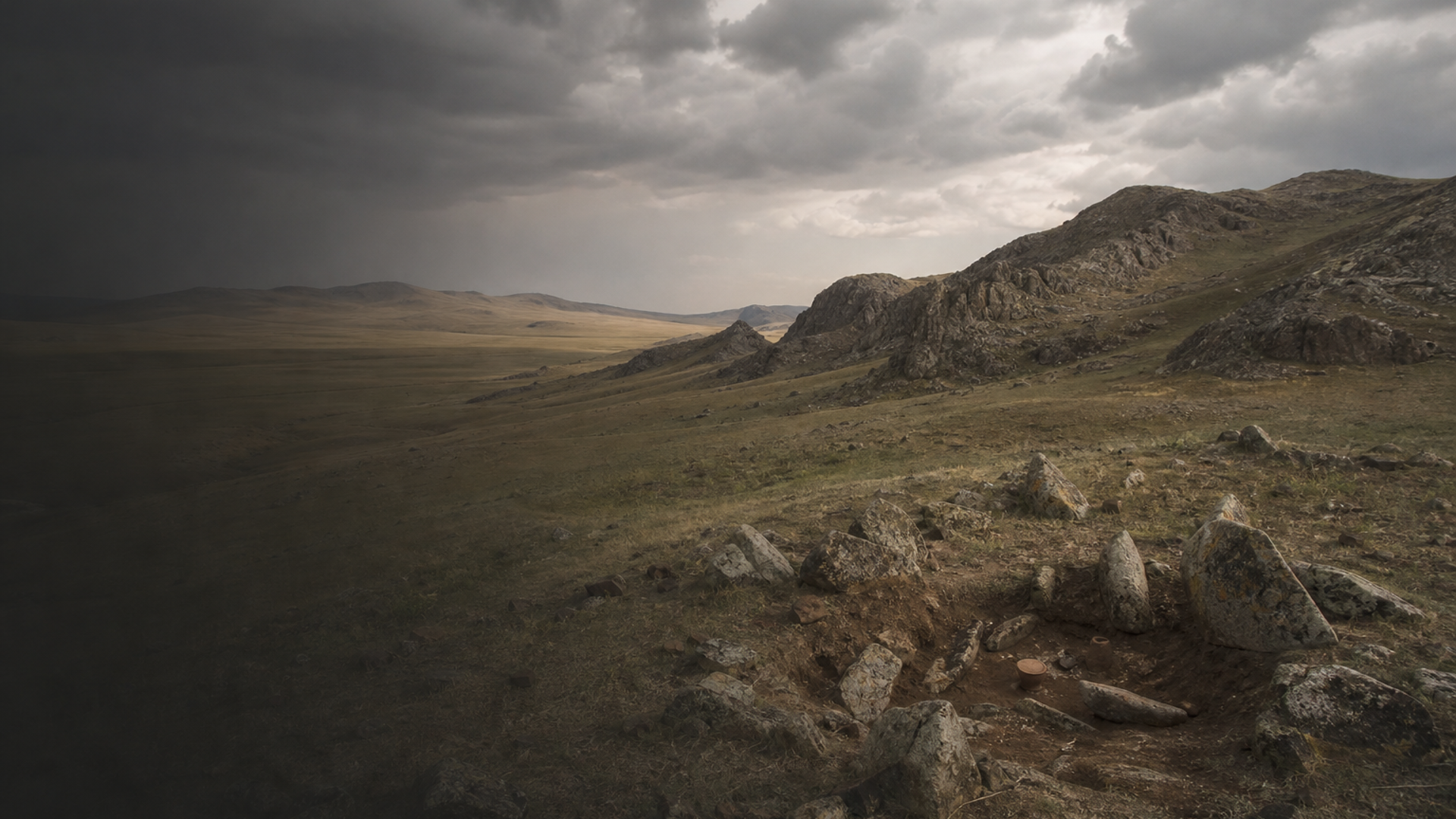
The Ulaanzukh 2 burials evoke a life shaped by open horizons and seasonal rhythms. Archaeological indicators across the region—animal remains, portable tools, and the burial contexts themselves—are consistent with a pastoral economy centered on sheep, goat, horse, and possibly cattle. Settlement traces elsewhere in eastern Mongolia suggest temporary camps and corralling structures rather than dense, permanent villages, implying mobility as an economic and social strategy.
Mortuary behavior recorded in the four tombs shows individual interments with varying accompanying goods, reflecting differentiated identities or roles within small communities. Grave contexts hint at personal belongings being taken on life’s journeys and placed with the dead, a cinematic gesture that underscores both continuity and change across generations. Craft items and wear patterns on remains may indicate tasks related to herd management, leatherworking, and horseback riding—activities that structured daily routines.
Archaeological data indicates strong connections with neighboring steppe groups through shared material styles and funerary norms. However, without larger excavation datasets, interpretations of social hierarchy, gender roles, and community size remain necessarily tentative.