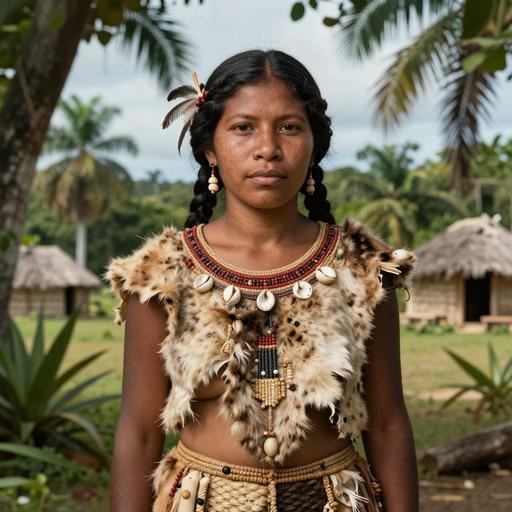
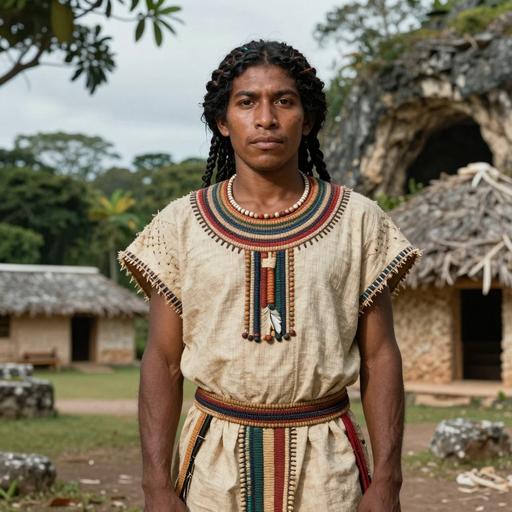
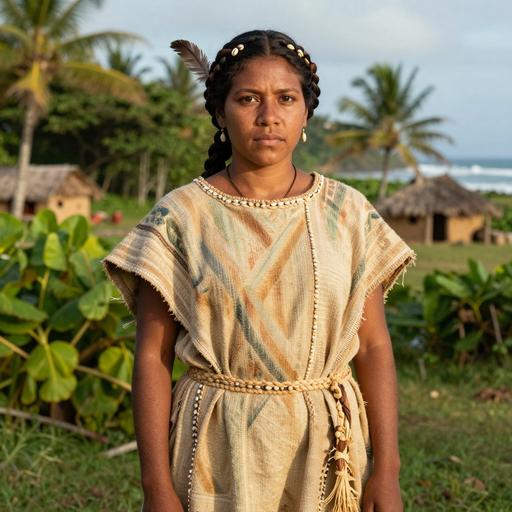
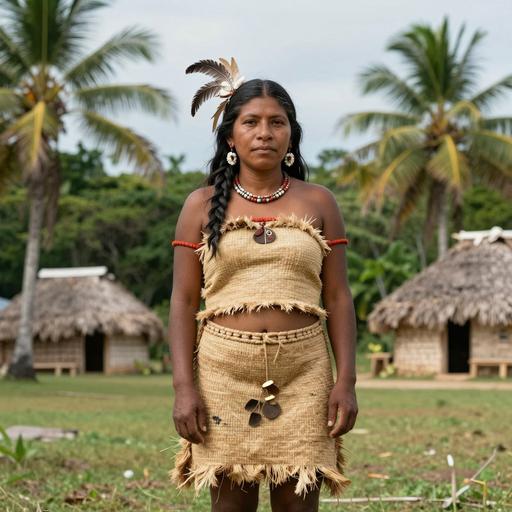
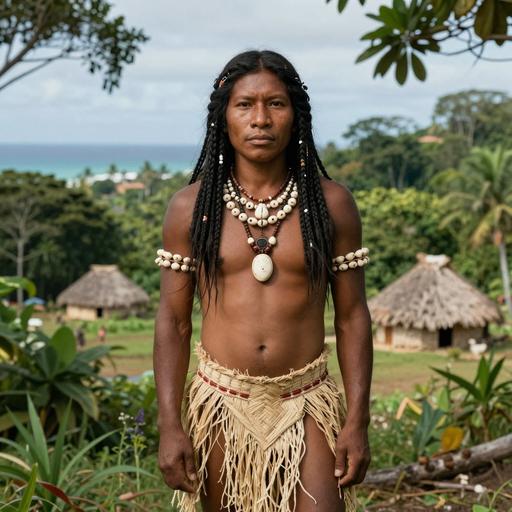
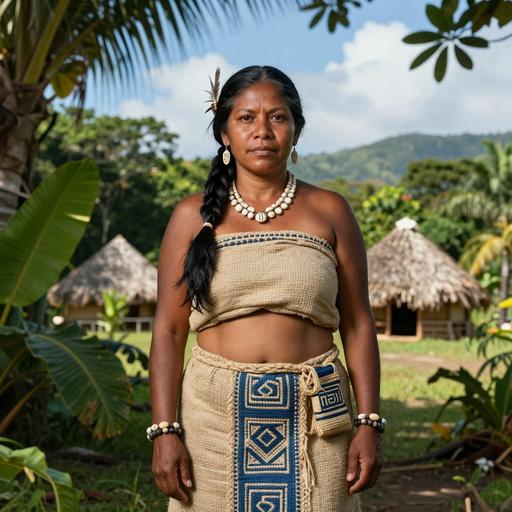
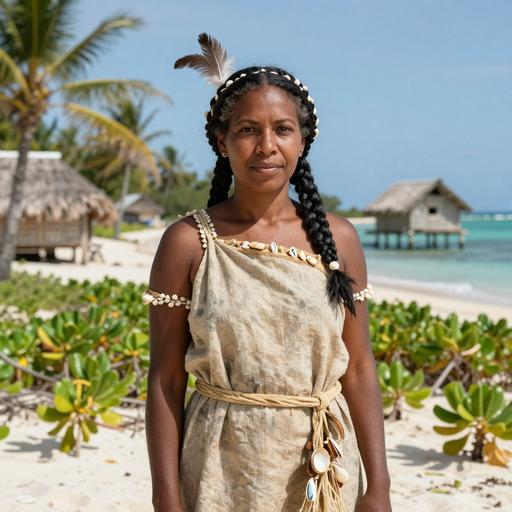
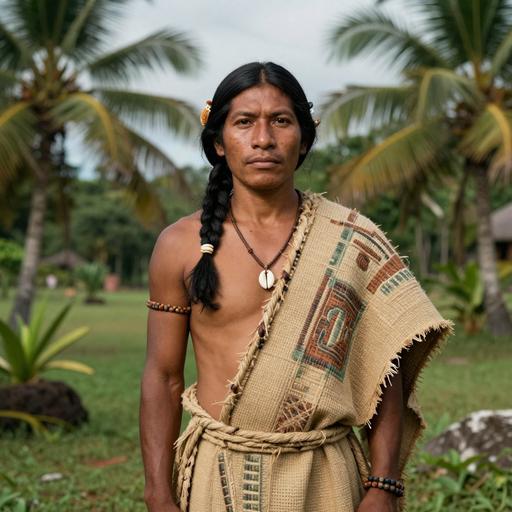
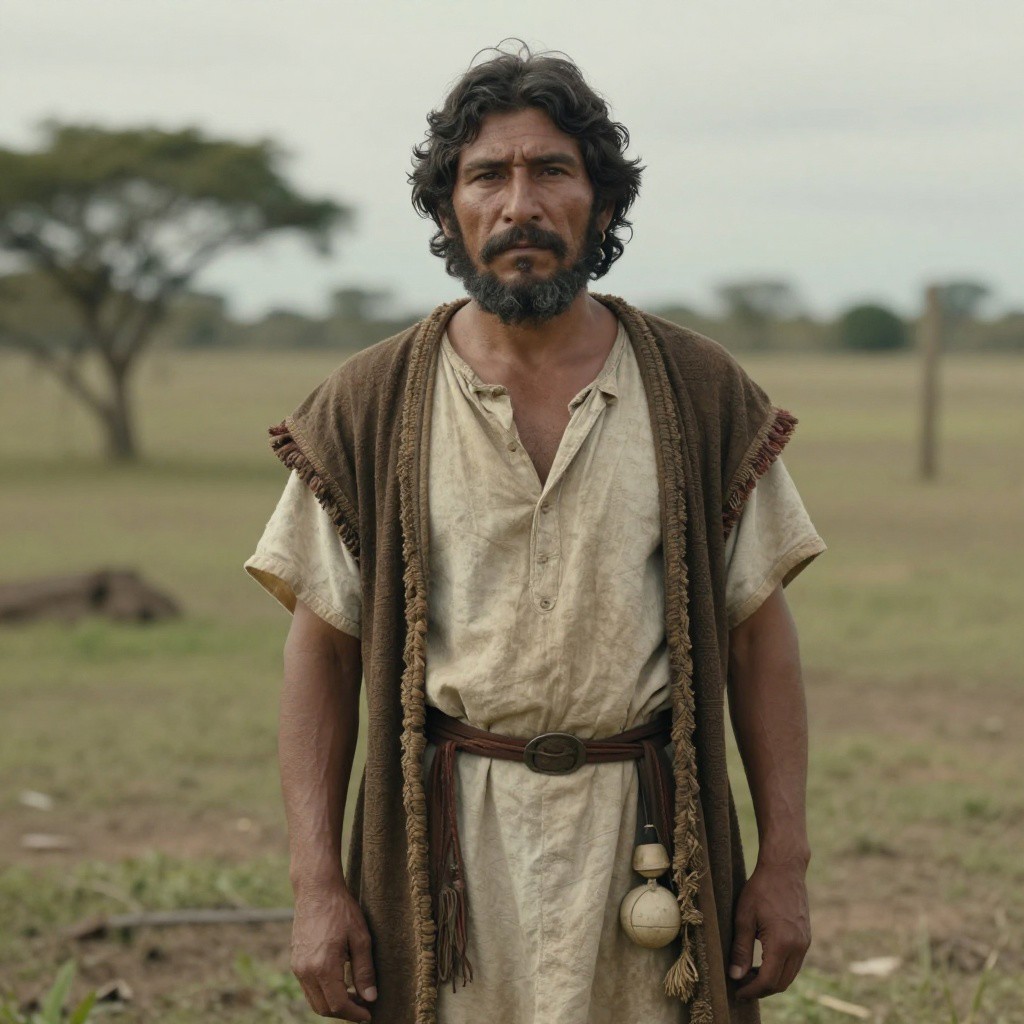
Ein Referenzprofil für einen Abstammungszweig. Gemeinsame Haplogruppen begründen weder eine familiäre Beziehung noch eine kulturelle Identität.
Referenzprofil
Hintergrund des Zweigs
Historischer Kontext für den mtDNA-Abstammungszweig C1D1
Origins and Evolution
mtDNA haplogroup C1D1 sits within the broader C1 branch of macro-haplogroup C, a maternal lineage that is one of the founding mtDNA clades of Native American populations. Based on its phylogenetic position as a subclade of C1DA and comparisons with molecular clock estimates for other C1 subclades, C1D1 most plausibly coalesced in the late Pleistocene to early Holocene (roughly ~12 kya) in the Beringian/North American region. This timing is consistent with models of a Beringian standstill followed by rapid southward dispersal into the Americas. Because C1D1 is an intermediate clade, it likely represents a regional diversification that occurred after the initial peopling events but relatively early in the Holocene.
Subclades
C1D1 is currently recognized as a downstream branch of C1DA in phylogenies such as Phylotree; however, high-resolution internal structure (further subclades below C1D1) is not well characterized in published literature. Deep sequencing of complete mitogenomes from under-sampled Indigenous populations in Central and South America will be necessary to resolve internal sublineages, date coalescent times more precisely, and distinguish local founder effects from wider dispersal events.
Geographical Distribution
Available population-genetic evidence and the distribution of related C1 lineages support a primary concentration of C1D1 in the Americas, with the strongest signals in South America (Andean and Amazonian regions). Frequencies are expected to be lower in Central and North America, reflecting either reduced survival of the lineage in northern groups or subsequent regional drift and replacement. Sparse matches or related lineages in Northeast Asian / Siberian samples may reflect ancestral variation or rare back-migration events, but such occurrences require confirmation through complete mtDNA sequences and ancient DNA data.
Historical and Cultural Significance
As a maternal lineage tied to early Holocene populations, C1D1 is informative for reconstructing the routes and timing of post‑glacial dispersals in the Americas. It likely reflects demographic processes associated with Paleoindian and early Archaic hunter‑gatherer groups, and its present-day geographic pattern can illuminate regional founder effects, local continuity, and interactions among precontact communities. In genetic studies, C1D1 frequently appears alongside other Native American mtDNA founder clades (e.g., A2, B2, D1) and complements paternal patterns dominated by Y‑DNA haplogroup Q in many Indigenous populations.
Conclusion
C1D1 is an intermediate, regionally significant mtDNA clade that helps link parent C1DA diversity to downstream Native American maternal lineages. While current evidence places its origin in a Beringian/North American context around the end of the Pleistocene, more comprehensive mitogenome sampling and ancient DNA analyses are required to define its substructure, refine age estimates, and map its precise prehistoric dispersal routes across the Americas.
Wichtige Punkte
Origins and Evolution
Subclades
Geographical Distribution
Historical and Cultural Significance
Conclusion
Referenzprofil
Baum und Verwandtschaft
Phylogenetischer Kontext und Subkladen
Entwicklungsweg
Folgen Sie den erfassten übergeordneten Zweigen bis C1D1. Die Daten sind Schätzungen und können sich ändern, wenn Referenzdaten überarbeitet werden.
The populations where mtDNA haplogroup C1D1 is found include:
Indigenous peoples of South America (Andean highland and Amazonian groups)
Indigenous peoples of Central America (localized occurrences)
Indigenous peoples of North America (lower-frequency, primarily in the northwest and interior)
Ancient or modern samples from the circum‑Beringian region (possible ancestral ties; requires confirmation)
Under-sampled indigenous communities where targeted mitogenome sequencing may reveal additional occurrences
Historischer Kontext
Ein Zweig durch die Zeit
Geschätzte Entstehung in einer breiten historischen Zeitleiste. Zeitmarken liefern Kontext und implizieren keine Verbindung zu bestimmten Kulturen.
~12k Jahre zurück
Haplogruppe C1D1
Geschätzte Entstehung dieses mtDNA-Zweigs; Daten und Orte sind Referenzschätzungen.
Dieser Zweig
~10k Jahre zurück
Neolithische Revolution
Beginn der Landwirtschaft und feste Siedlungen
~5k Jahre zurück
Bronzezeit
Metallverarbeitung, Schrift und frühe Zivilisationen
~3k Jahre zurück
Eisenzeit
Eisenwerkzeuge und ausgedehnte Handelsnetze
~2.5k Jahre zurück
Klassische Antike
Blüte griechischer und römischer Kulturen
Gegenwart
Gegenwart
Moderne Zeit
Referenzprofil
Archäologischer Kontext
Erfasste archäologische Zuordnungen für den mtDNA-Zweig C1D1
Erfasste Zuordnungen
Diese Bezeichnungen beschreiben archäologische Kontexte erfasster Referenzproben mit Bezug zu C1D1. Eine Zuordnung bedeutet nicht, dass alle Träger einer Kultur angehörten oder einer bestimmten Migrationsroute folgten.
Argentina_Cordoba_3900BPArgentina_SantiagodelEstero_400BPAtajadizo CeramicCanimar AbajoCueva EsqueletosLa UnionLagoa Santa CultureLapa do SantoSan Sebastian CultureTrincheras
Kulturzuordnungen basieren auf dem archäologischen Kontext antiker DNA-Proben und können regionale Verknüpfungen in bestimmten Zeiträumen widerspiegeln.
Referenzprofil
Probencatalog
41 direkte Träger und 11 Subkladen-Träger der Haplogruppe C1D1
10 angezeigt · 50 passende Proben
Keine Proben entsprechen diesen Filtern. Versuchen Sie eine andere Bezeichnung, einen anderen Ort oder eine andere Epoche.
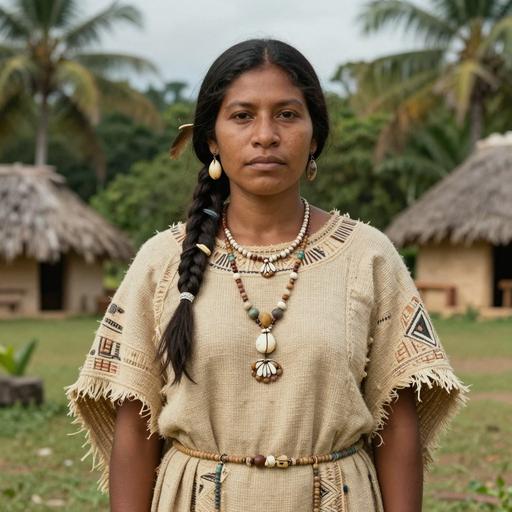
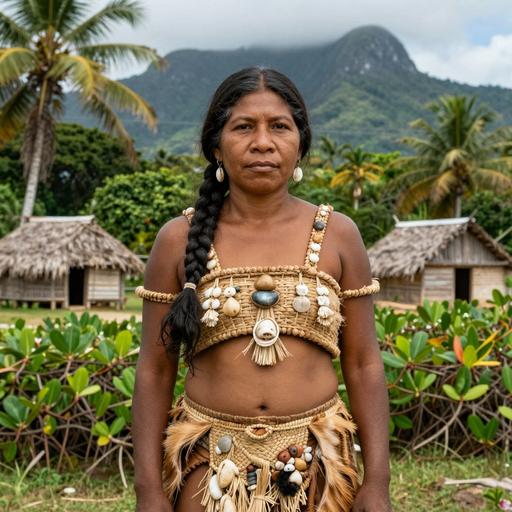
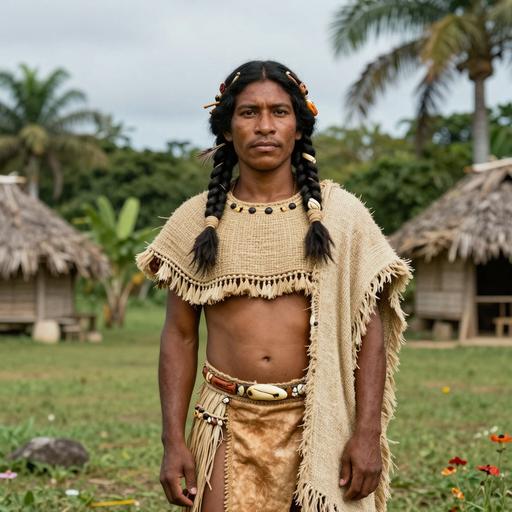
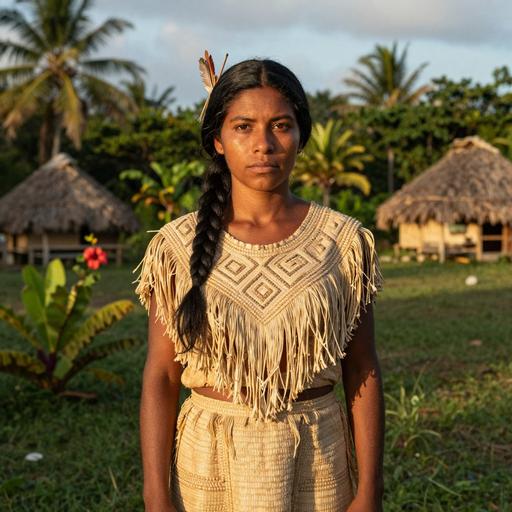
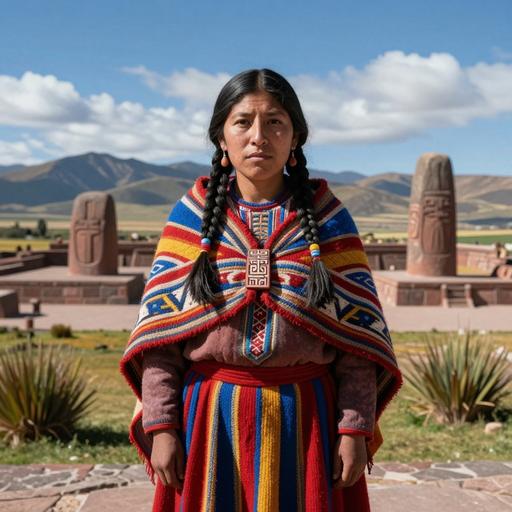
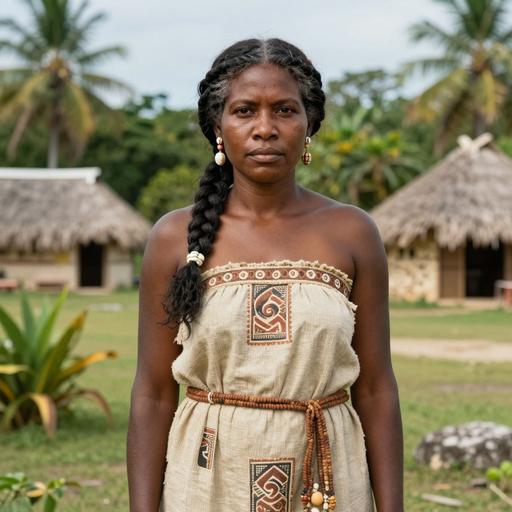
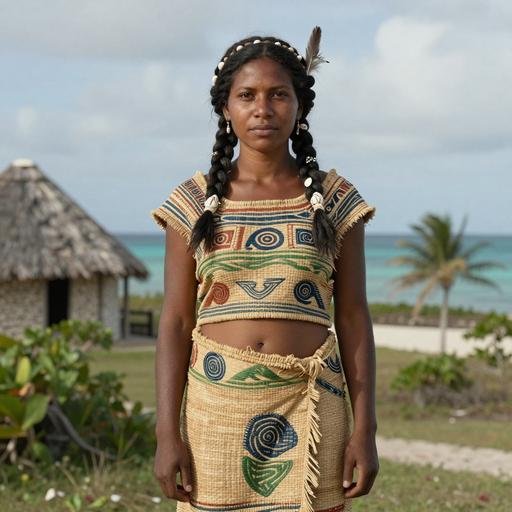
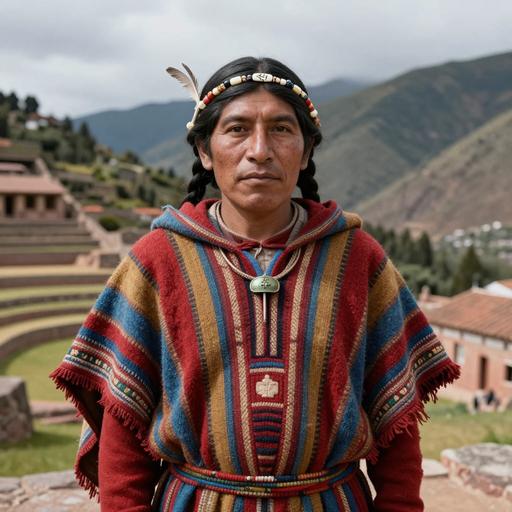
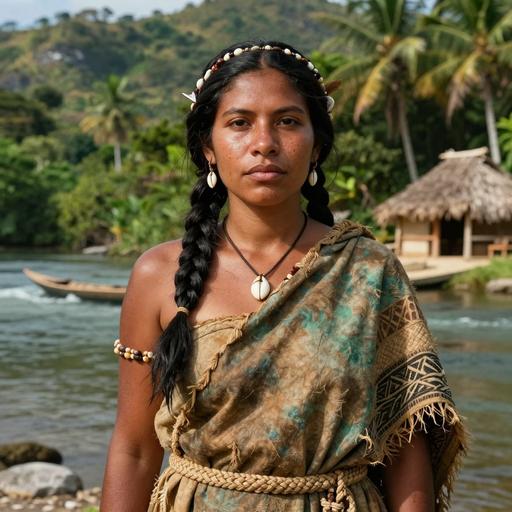
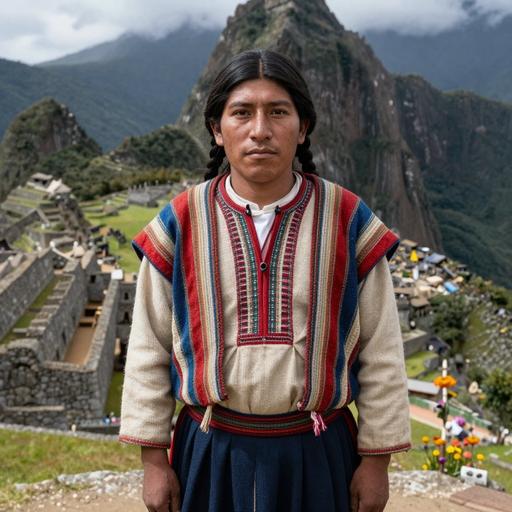
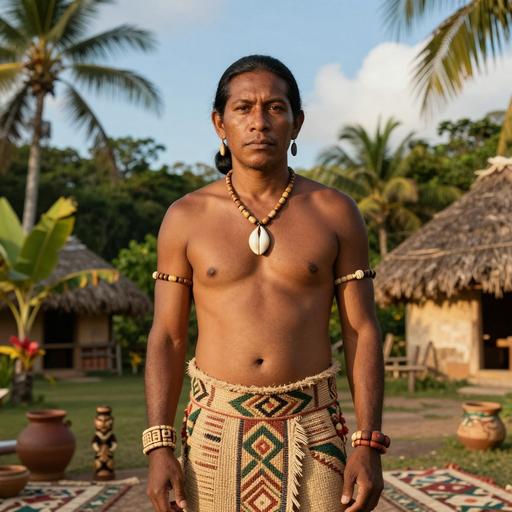
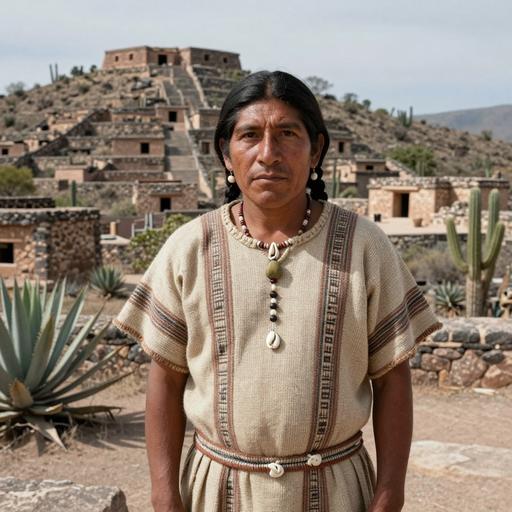
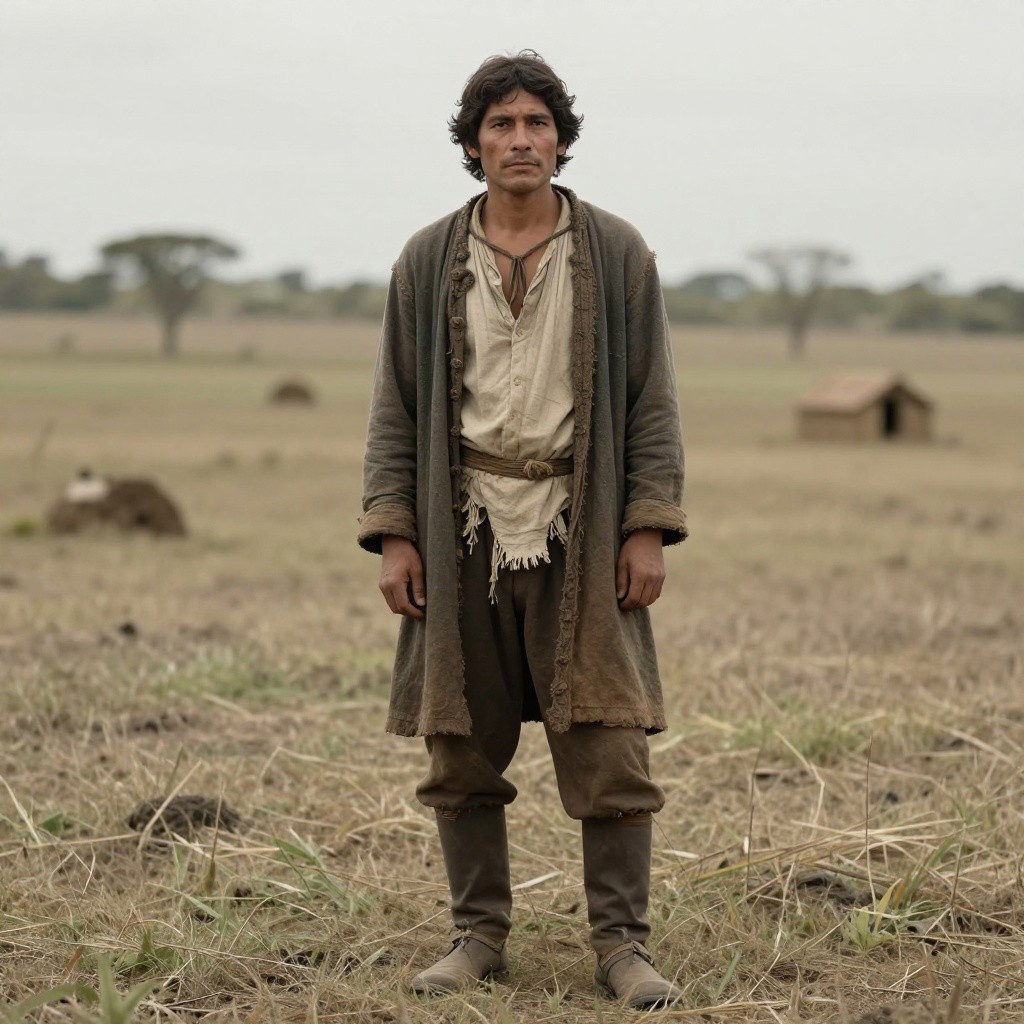
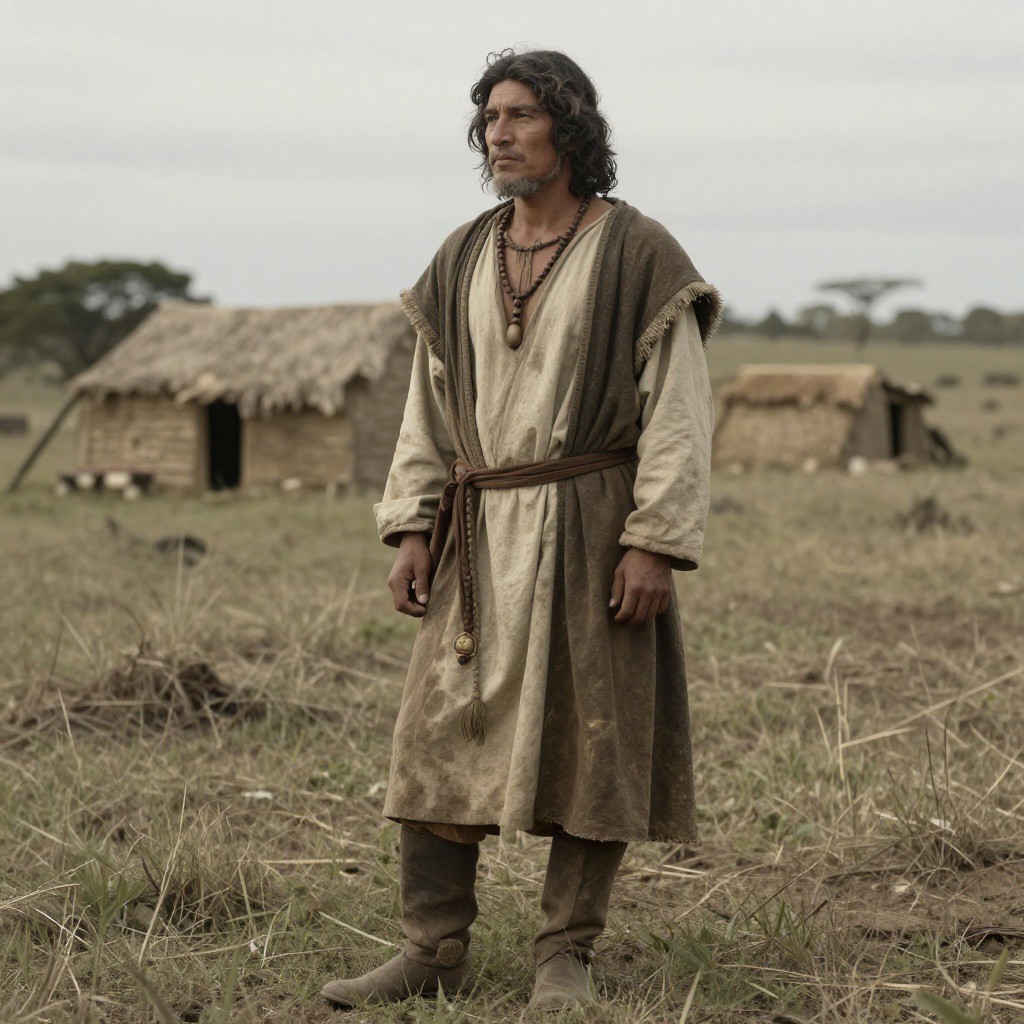
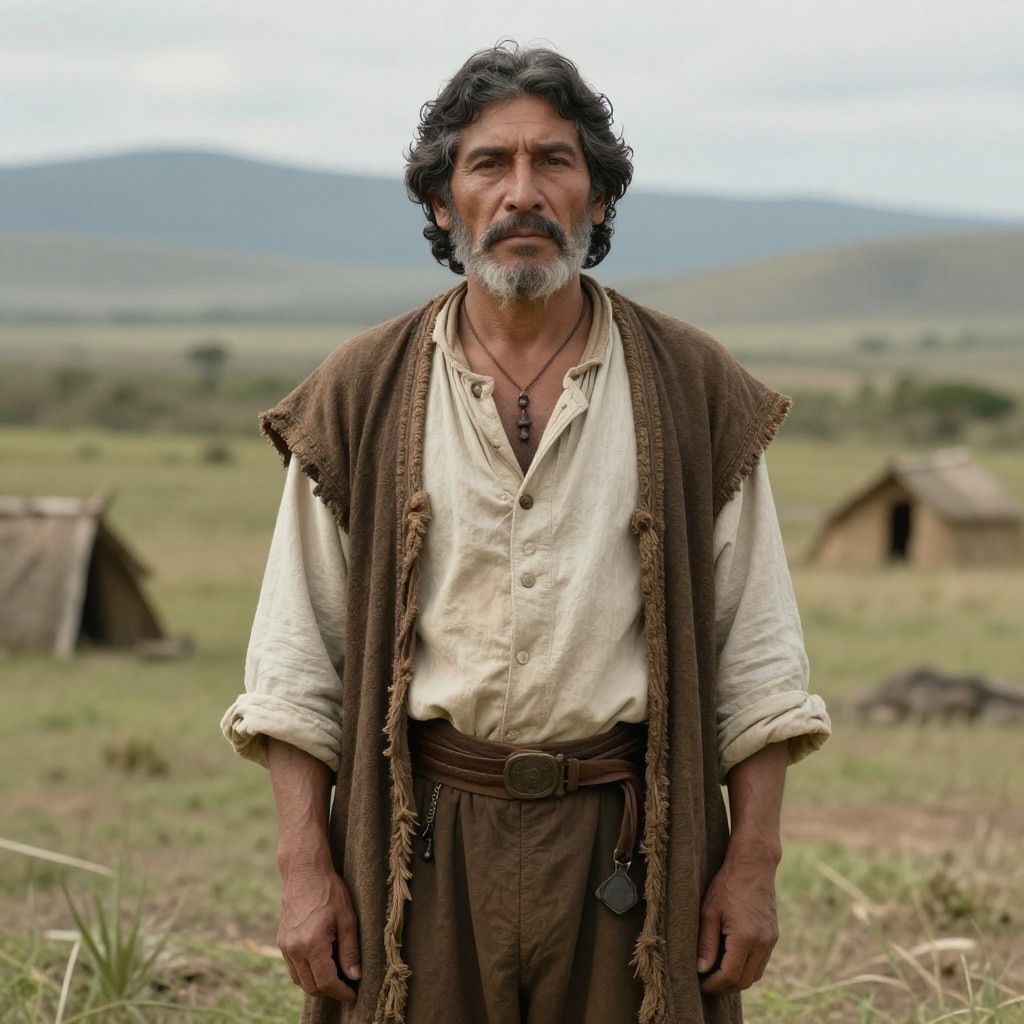
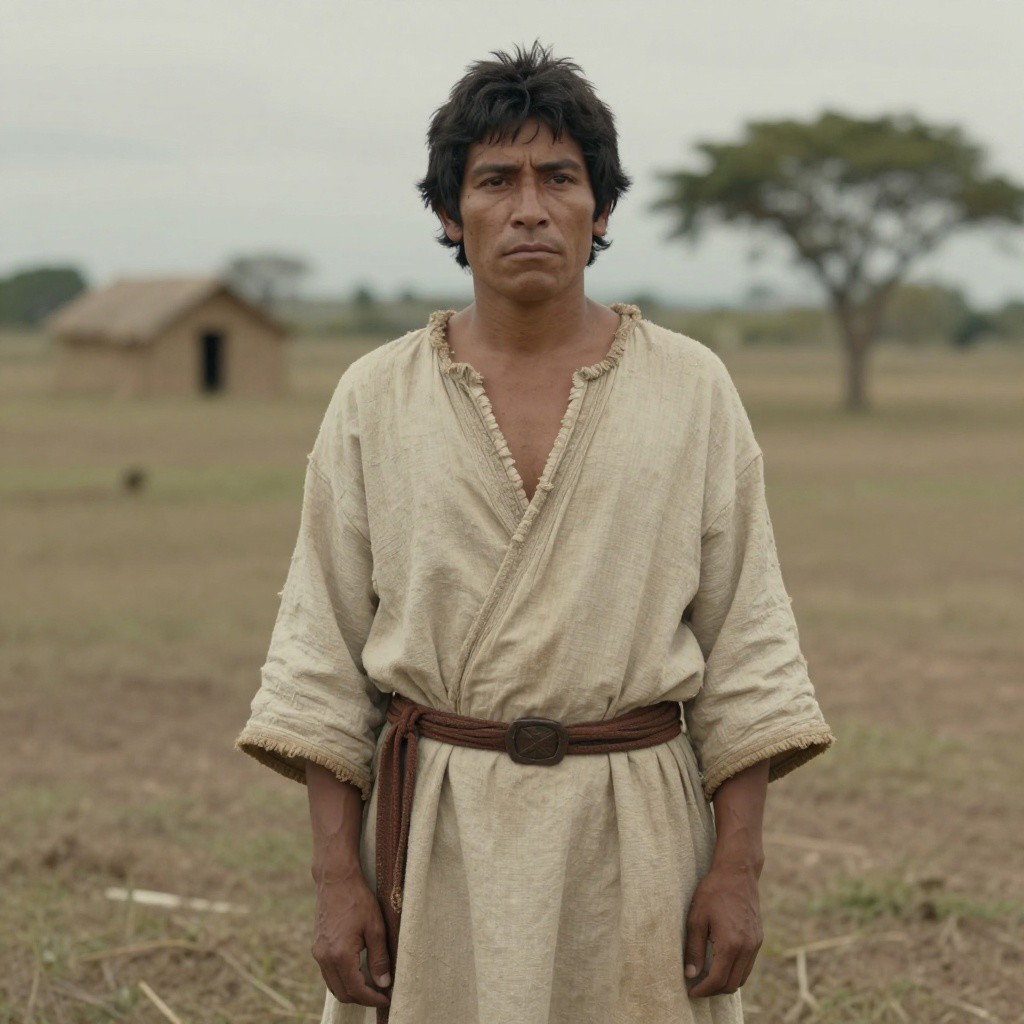
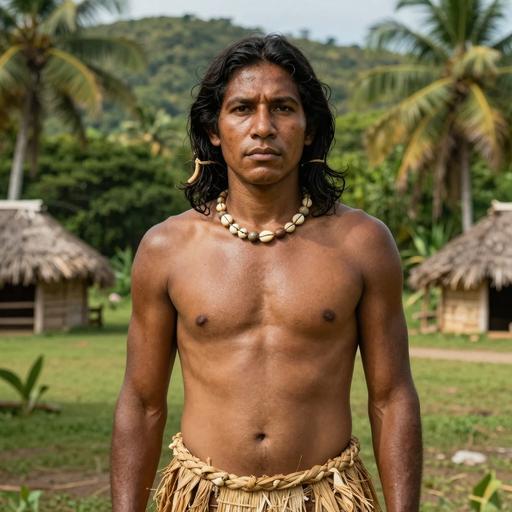
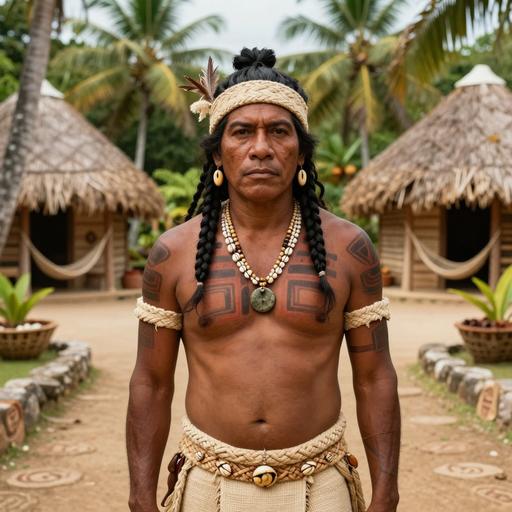
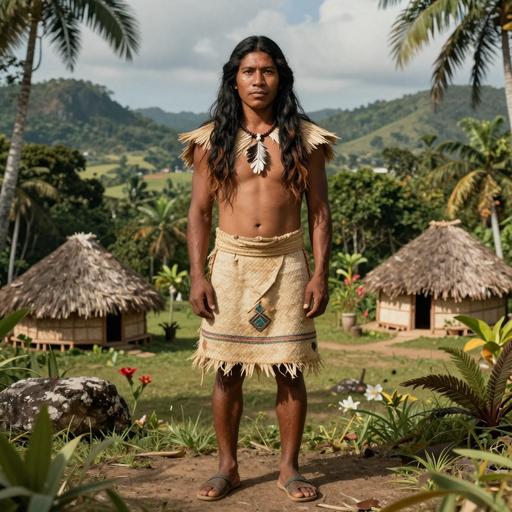
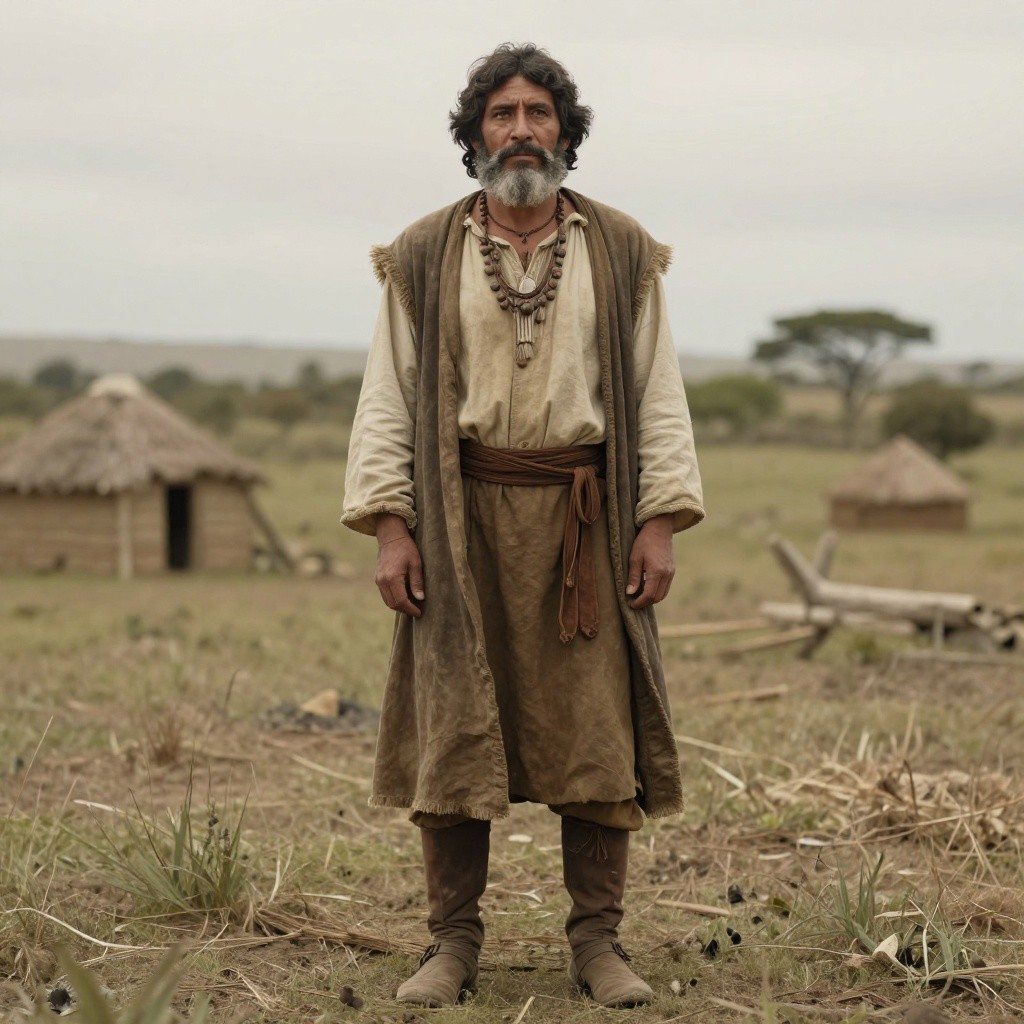
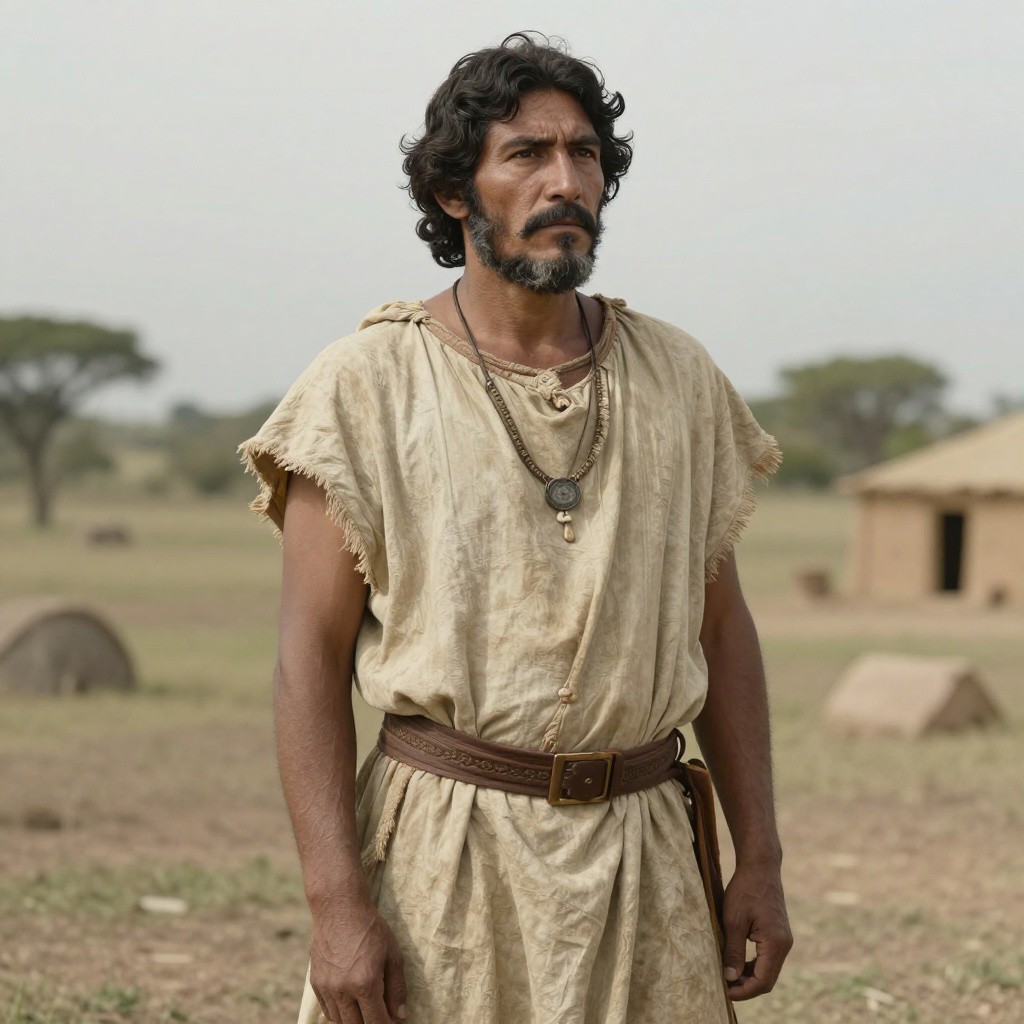
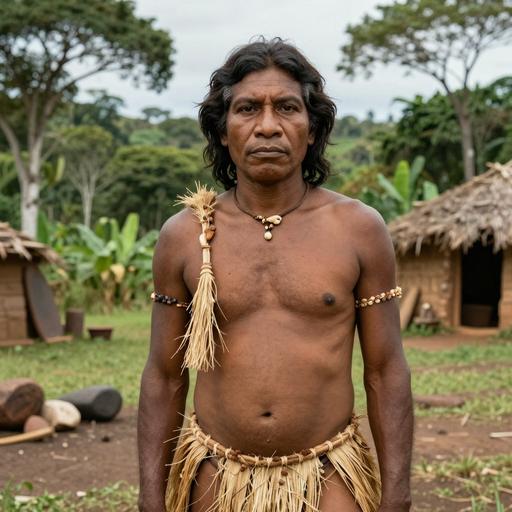
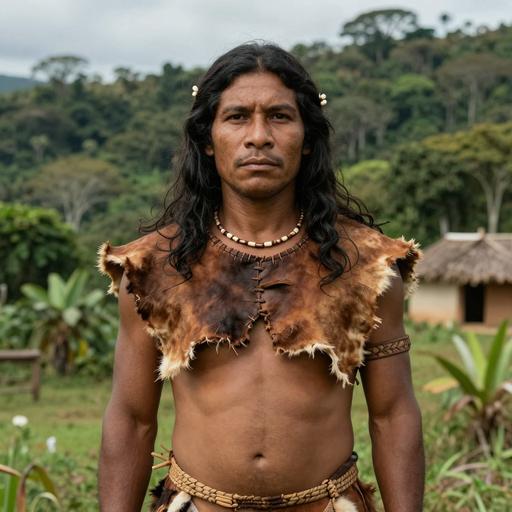
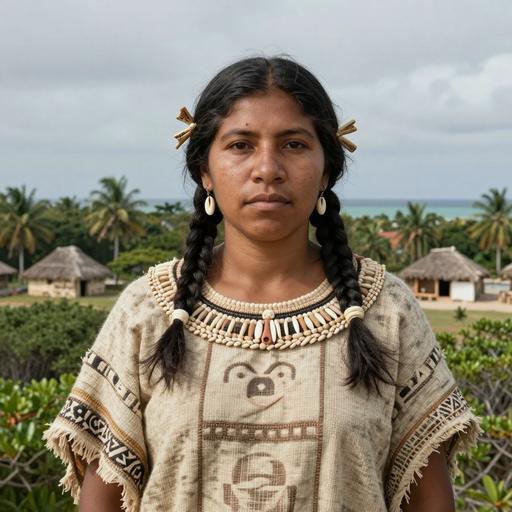
Porträts sind KI-generierte Illustrationen. Probenbezeichnungen und Zugangs-IDs identifizieren die Referenzdatensätze.
Porträt
Probe
Land
Epoche
Datum
Kultur
mtDNA
Übereinstimmung
Proben-ID: I7977
Dominican Republic
Archaic Period Cueva Roja, Dominican Republic
8-123 calCE (1960±20 BP, PSUAMS-7385)
Cueva Roja
C1d1
Direkt
Proben-ID: PDM001
Cuba
Archaic Period Playa del Mango, Cuba
19-231 calCE (1913±43 BP, UOC-4085)
Playa del Mango
C1d1
Direkt
Proben-ID: PDM004
Cuba
Archaic Period Playa del Mango, Cuba
31-210 calCE (1915±23 BP, MAMS-36505)
Playa del Mango
C1d1
Direkt
Proben-ID: PDM002
Cuba
Archaic Period Playa del Mango, Cuba
150 BCE - 250 CE
Playa del Mango
C1d1
Direkt
Proben-ID: PDM009
Cuba
Archaic Period Playa del Mango, Cuba
150 BCE - 250 CE
Playa del Mango
C1d1
Direkt
Proben-ID: PDM003
Cuba
Archaic Period Playa del Mango, Cuba
151 calBCE - 117 calCE (2021±43 BP, UOC-4086)
Playa del Mango
C1d1
Direkt
Proben-ID: PDM006
Cuba
Archaic Period Playa del Mango, Cuba
151 calBCE - 25 calCE (2047±24 BP, UOC-6849)
Playa del Mango
C1d1
Direkt
Proben-ID: CAA002
Cuba
Archaic Period Las Carolinas, Cuba
261-430 calCE (1667±21 BP, MAMS-36504)
Las Carolinas
C1d1
Direkt
Proben-ID: CIP001
Cuba
Archaic Period Cueva Perico, Cuba
434-557 calCE (MAMS-39629)
Cueva Perico
C1d1
Direkt
Proben-ID: CIP010
Cuba
Archaic Period Cueva Perico, Cuba
441-600 calCE (1528±20 BP, MAMS-39618)
Cueva Perico
C1d1
Direkt
Proben-ID: PDI003
Puerto Rico
Ceramic Period Paso del Indio, Puerto Rico
650 CE - 1400 CE
Paso del Indio Culture
C1d1
Direkt
Proben-ID: MTO001
Cuba
Archaic Period Manuelito, Cuba
660-775 calCE (1308±21 BP, MAMS-36506)
Manuelito
C1d1
Direkt
Proben-ID: I12341
Dominican Republic
Ceramic Period El Soco, Dominican Republic
850-1450 CE
El Soco
C1d1
Direkt
Proben-ID: I12350
Dominican Republic
Ceramic Period El Soco, Dominican Republic
850-1450 CE
El Soco
C1d1
Direkt
Proben-ID: I13322
Bahamas
Ceramic Period Long Island, Bahamas
885-990 calCE (1127±19 BP, OxA-39169)
Lucayan
C1d1
Direkt
Proben-ID: I20527
Dominican Republic
Ceramic Period El Soco, Dominican Republic
893 CE - 995 CE
El Soco
C1d1
Direkt
Proben-ID: TW056
Bolivia
Tiwanaku Culture at Monolito Descabezado, Bolivia
893-990 calCE (1158±20 BP, Wk-49173)
Tiwanaku
C1d1
Direkt
Proben-ID: I20527
Dominican Republic
The First Peoples of the Caribbean
893 CE - 995 CE
C1d1
Direkt
Proben-ID: I20527
Dominican Republic
The First Peoples of the Caribbean
893 CE - 995 CE
C1d1
Direkt
Proben-ID: I13736
Bahamas
Ceramic Period Eleuthera Island, Bahamas
900-1500 CE
Lucayan
C1d1
Direkt
Proben-ID: PCV004
Bahamas
Ceramic Period Eleuthera Island, Bahamas
950-1200 CE
Lucayan
C1d1
Direkt
Proben-ID: I2543
Peru
Middle Horizon Campanayuq, Peru 1,000 Years Ago
985-1030 calCE (1085±20 BP, PSUAMS-1620)
Campanayuq
C1d1
Direkt
Proben-ID: I15677
Dominican Republic
Ceramic Period La Caleta, Dominican Republic
1029-1154 calCE (965±15 BP, PSUAMS-9153)
La Caleta
C1d1
Direkt
Proben-ID: CAO001
Cuba
Archaic Period Canimar Abajo, Cuba
1035-1159 calCE (941±21 BP, MAMS-36503)
Canimar Abajo
C1d1
Direkt
Proben-ID: PDI011
Puerto Rico
Ceramic Period Paso del Indio, Puerto Rico
1037-1256 calCE (885±44 BP, AA-79346)
Paso del Indio Culture
C1d1
Direkt
Proben-ID: I17025
Argentina
Argentina Cordoba 700BP
1150-1450 CE
Argentina_Cordoba_700BP
C1d1
Direkt
Proben-ID: CAO015
Cuba
Archaic Period Canimar Abajo, Cuba
1263-1118 calBCE (2967±20 BP, MAMS-44070)
Canimar Abajo
C1d1
Direkt
Proben-ID: I1744
Peru
Late Intermediate Period San Sebastian, Peru 600 Years Ago
1285-1395 calCE (640±20 BP, PSUAMS-1612)
San Sebastian Culture
C1d1
Direkt
Proben-ID: I7969
Dominican Republic
Ceramic Period La Union, Dominican Republic
1296-1394 calCE (635±15 BP, PSUAMS-7285)
La Union
C1d1
Direkt
Proben-ID: I23707
Mexico
Trincheras Culture La Playa 600 Before Present
1305-1400 calCE (605±15 BP, PSUAMS-12553)
Trincheras
C1d1
Direkt
Proben-ID: I14554
Argentina
Argentina SantiagodelEstero 400BP
1400-1700 CE
Argentina_SantiagodelEstero_400BP
C1d1
Direkt
Proben-ID: I14556
Argentina
Argentina SantiagodelEstero 400BP
1400-1700 CE
Argentina_SantiagodelEstero_400BP
C1d1
Direkt
Proben-ID: I14562
Argentina
Argentina SantiagodelEstero 400BP
1400-1700 CE
Argentina_SantiagodelEstero_400BP
C1d1
Direkt
Proben-ID: I12716
Argentina
Argentina SantiagodelEstero 400BP
1400-1650 CE
Argentina_SantiagodelEstero_400BP
C1d1
Direkt
Proben-ID: CAO010
Cuba
Archaic Period Canimar Abajo, Cuba
1400 BCE - 1300 CE
Canimar Abajo
C1d1
Direkt
Proben-ID: I17901
Dominican Republic
Ceramic Period Atajadizo, Dominican Republic
1414-1450 calCE (480±20 BP, PSUAMS-7393)
Atajadizo Ceramic
C1d1
Direkt
Proben-ID: CDE003
Cuba
Ceramic Period Cueva Esqueletos, Cuba
1420-1453 calCE (472±20 BP, MAMS-44095)
Cueva Esqueletos
C1d1
Direkt
Proben-ID: I12732
Argentina
Argentina SantiagodelEstero 400BP
1455-1627 calCE (400±25 BP, PSUAMS-15103)
Argentina_SantiagodelEstero_400BP
C1d1
Direkt
Proben-ID: I17032
Argentina
Argentina Cordoba 3900BP
1501-1204 calBCE (3140±60 BP, LP-3720)
Argentina_Cordoba_3900BP
C1d1
Direkt
Proben-ID: Lapa01
Brazil
Lapa do Santo Site, Brazil 9,600 Years Ago
8204-7610 calBCE (8840±60 BP, Beta-271249)
Lapa do Santo
C1d1
Direkt
Proben-ID: CAP007
Brazil
Lagoa Santa Culture
8547-8304 calBCE (9253±25, MAMS-17754)
Lagoa Santa Culture
C1d1
Direkt
Proben-ID: CAO004
Cuba
Archaic Period Canimar Abajo, Cuba
653 CE - 874 CE
Canimar Abajo
C1d1c1
Subklade
Proben-ID: CAO004
Cuba
The First Peoples of the Caribbean
653 CE - 874 CE
C1d1c1
Subklade
Proben-ID: I12712
Argentina
Argentina Cordoba 2500BP
756-388 calBCE (2438±47 BP, AA-93741)
Argentina_Cordoba_2500BP
C1d1b
Subklade
Proben-ID: LU-06
Canada
Arctic Small Tool Tradition, Canada
1200 CE - 1450 CE
Arctic Small Tool
C1d1a1
Subklade
Proben-ID: LU-03
Canada
Arctic Small Tool Tradition, Canada
1200 CE - 1450 CE
Arctic Small Tool
C1d1a1
Subklade
Proben-ID: I23712
Mexico
Trincheras Culture La Playa 600 Before Present
1200-1450 CE
Trincheras
C1d1c
Subklade
Proben-ID: LU-03
Canada
The First Peoples of North America
1200 CE - 1450 CE
C1d1a1
Subklade
Proben-ID: LU-06
Canada
The First Peoples of North America
1200 CE - 1450 CE
C1d1a1
Subklade
Proben-ID: I12745
Argentina
Argentina SantiagodelEstero 400BP
1400-1700 CE
Argentina_SantiagodelEstero_400BP
C1d1b
Subklade
Proben-ID: I7977
Archaic Period Cueva Roja, Dominican Republic - Dominican Republic - Cueva Roja
Canada Arctic Small Tool Tradition, Canada 1200 CE - 1450 CE
C1d1a1Subklade
Proben-ID: I23712
Trincheras Culture La Playa 600 Before Present - Mexico - La Playa (Sonora, Cerro Trincheras, Terraza B4)
Mexico Trincheras Culture La Playa 600 Before Present 1200-1450 CE
C1d1cSubklade
Proben-ID: LU-03
Canada The First Peoples of North America 1200 CE - 1450 CE
C1d1a1Subklade
Proben-ID: LU-06
Canada The First Peoples of North America 1200 CE - 1450 CE
C1d1a1Subklade
Proben-ID: I12745
I12745
Argentina Argentina SantiagodelEstero 400BP 1400-1700 CE
C1d1bSubklade
MATERNAL LINEAGE · ANCIENT DNA
Ancient lineage evidence map
Follow parent clades toward this branch and explore where ancient carriers were found.
Loading ancient observations…
Reduced motion is enabled. Use the timeline or Show all to explore at your own pace.
Read observations as a table
Displayed ancient observations by branch, period and date midpoint
Branch
Period
Date range
Sample
Sample ID
Location
Haplogroup
Relationship
Markers are archaeological find locations. A dashed connector is an uncertain, proposed geographic transition between consecutive branches supported by multiple dated observations; it is not an exact travel route, birthplace or proof of direct descent. Parent-clade samples may belong to other descendant branches. Gaps remain where evidence is insufficient. Sample dates differ from haplogroup formation dates.
Grouping by historical period reflects when each ancient individual lived, combined across every branch on this lineage chain; it is not a migration sequence or a personal timeline between periods.
Referenzprofil
Trägerverteilungskarte
Geografische Verteilung von 52 antiken DNA-Proben (direkte und Subkladen-Träger von C1D1)
Direkter Träger Subkladen-Träger
Zeitraumfilter
Alle Zeiträume
Alle Proben werden angezeigt
Referenzprofil
Zeitliche Verteilung
Verteilung der Träger über archäologische Epochen
Referenzprofil
Geografische Verteilung
Anzahlen nach erfasstem Probenland. Sie spiegeln die verfügbare Referenzauswahl wider, nicht Bevölkerungshäufigkeiten.
Referenzprofil
Verteilung Land × Epoche
Vergleichen Sie erfasste Probenanzahlen nach Ländern und archäologischen Epochen. Wählen Sie eine belegte Zelle, um eine Probe anzusehen.
Daten
Daten und Herkunft
Quellenangaben und Datenqualität
Zuletzt aktualisiert2026-06-14
Konfidenzwert50/100
AbdeckungLow
Datenquelle
Klassifikation, geschätzte Daten und geografischer Kontext spiegeln die erfassten Referenzdaten wider und können sich bei überarbeiteten Belegen ändern. Die Probenabdeckung ist ungleichmäßig; erfasste Orte und archäologische Zuordnungen begründen weder persönliche Herkunft noch kulturelle Identität.
Eine Haplogruppe beschreibt eine einzelne mütterliche oder väterliche Linie. Welcher Zweig sich vorhersagen lässt, hängt von den Markern in der DNA-Datei ab.
So analysieren wir DNA