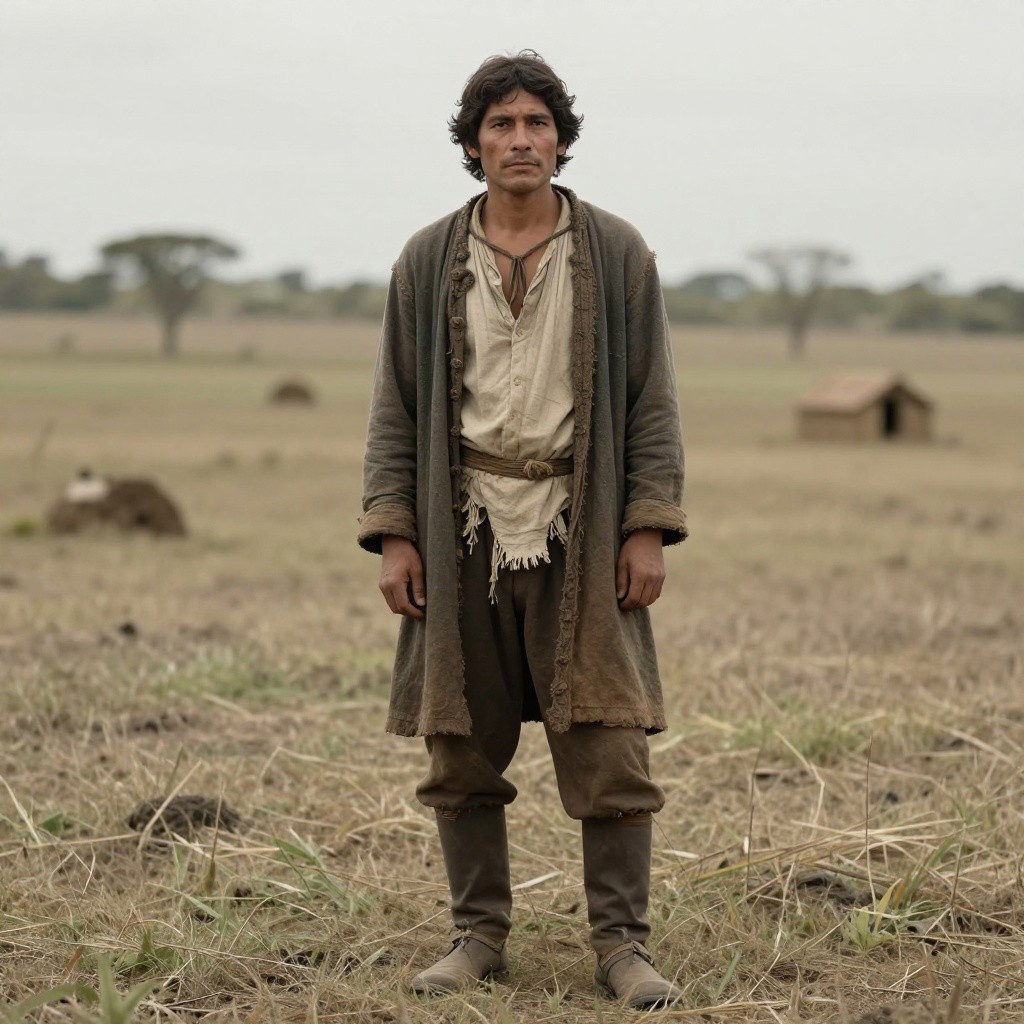
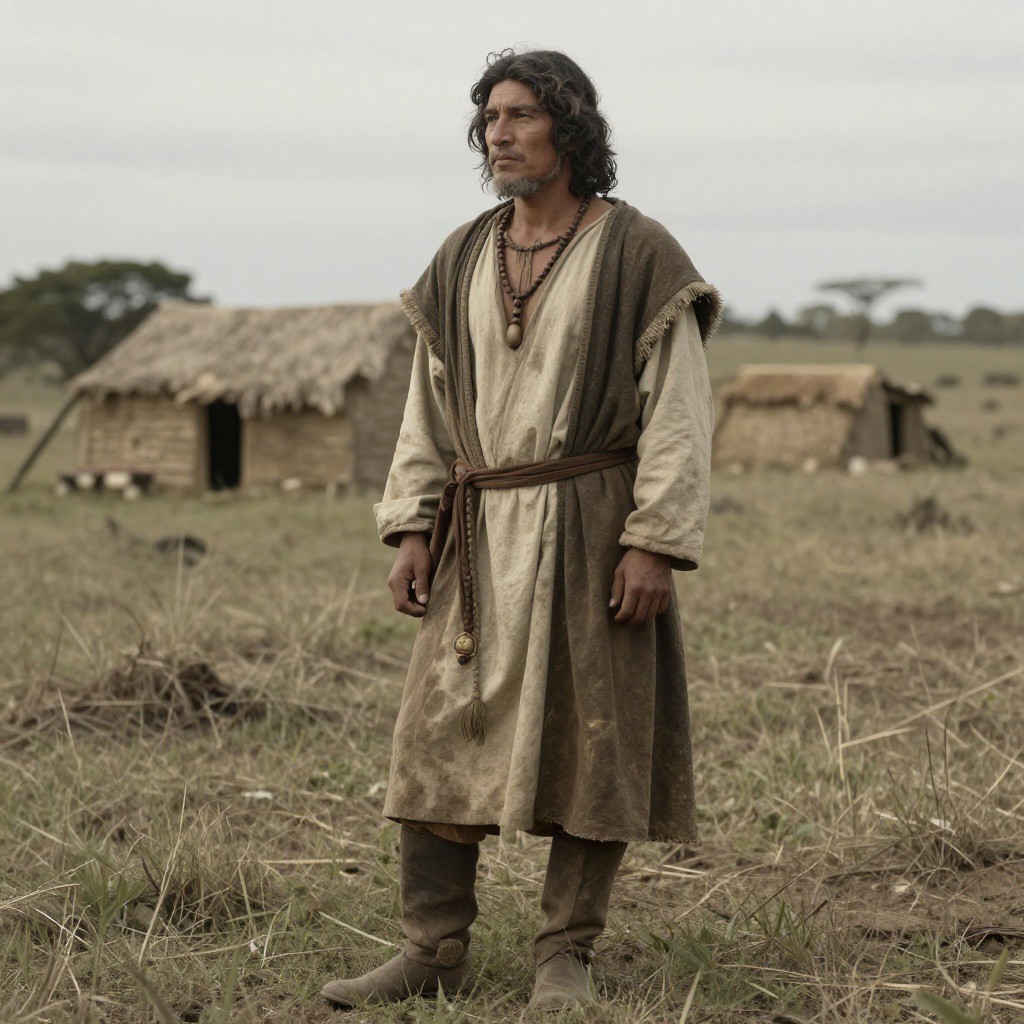
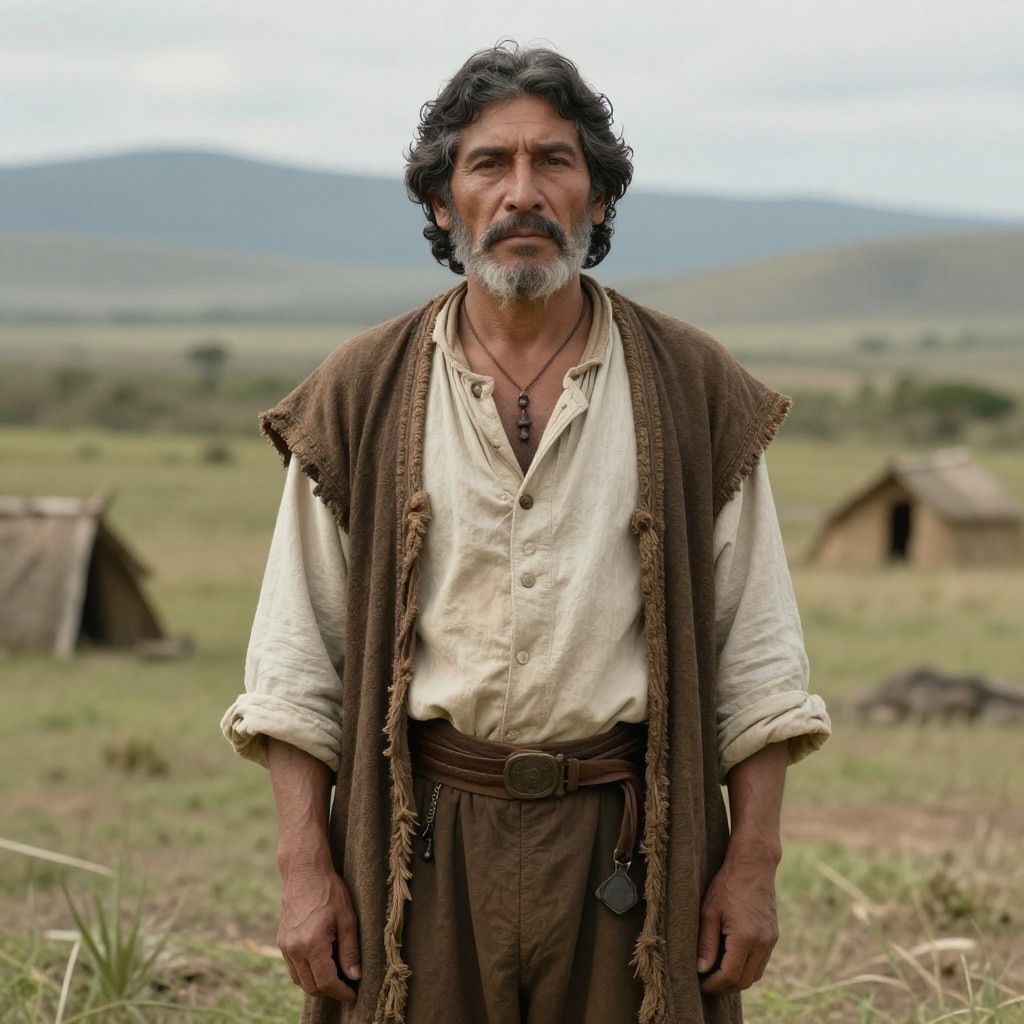
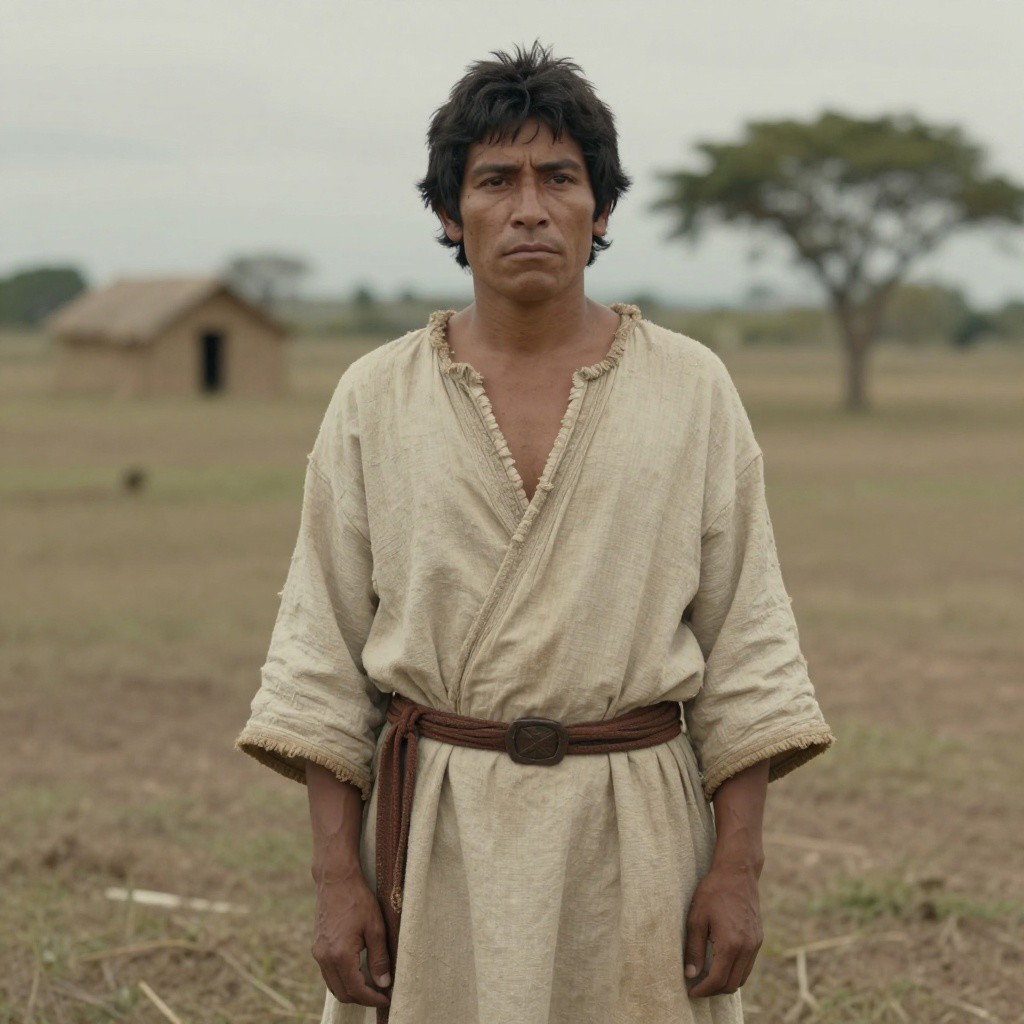
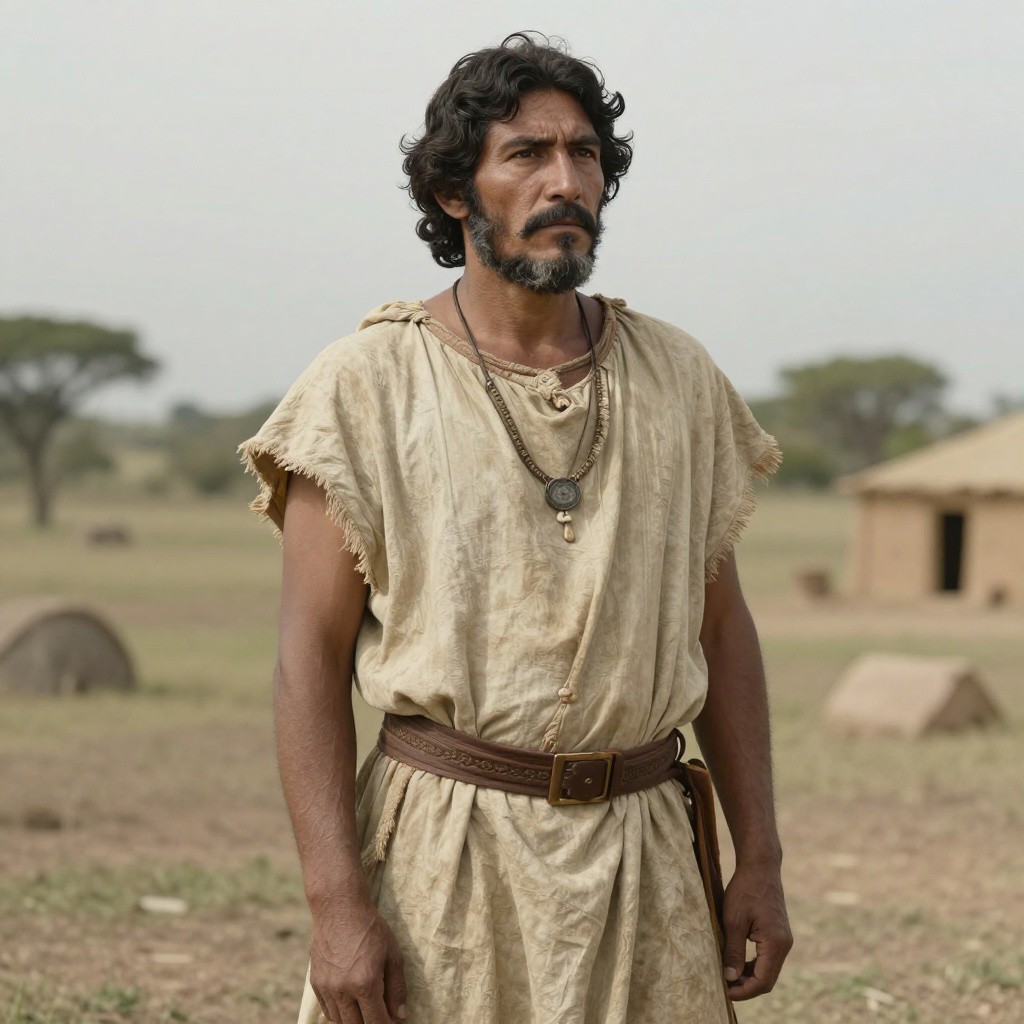
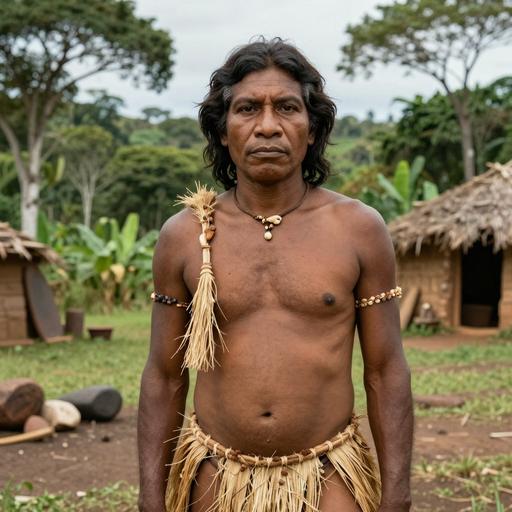
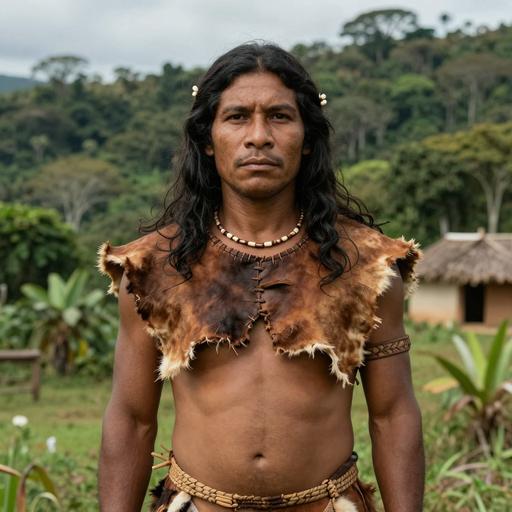
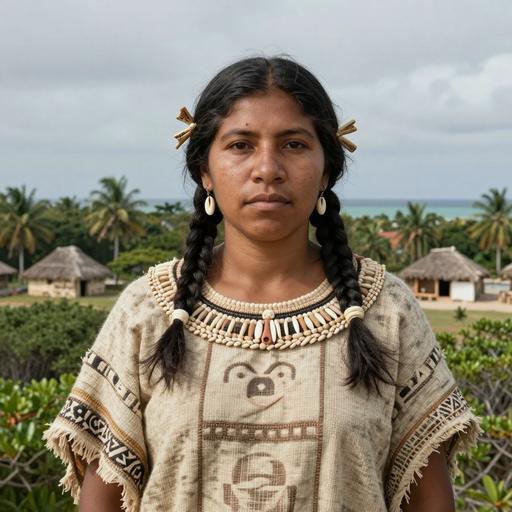
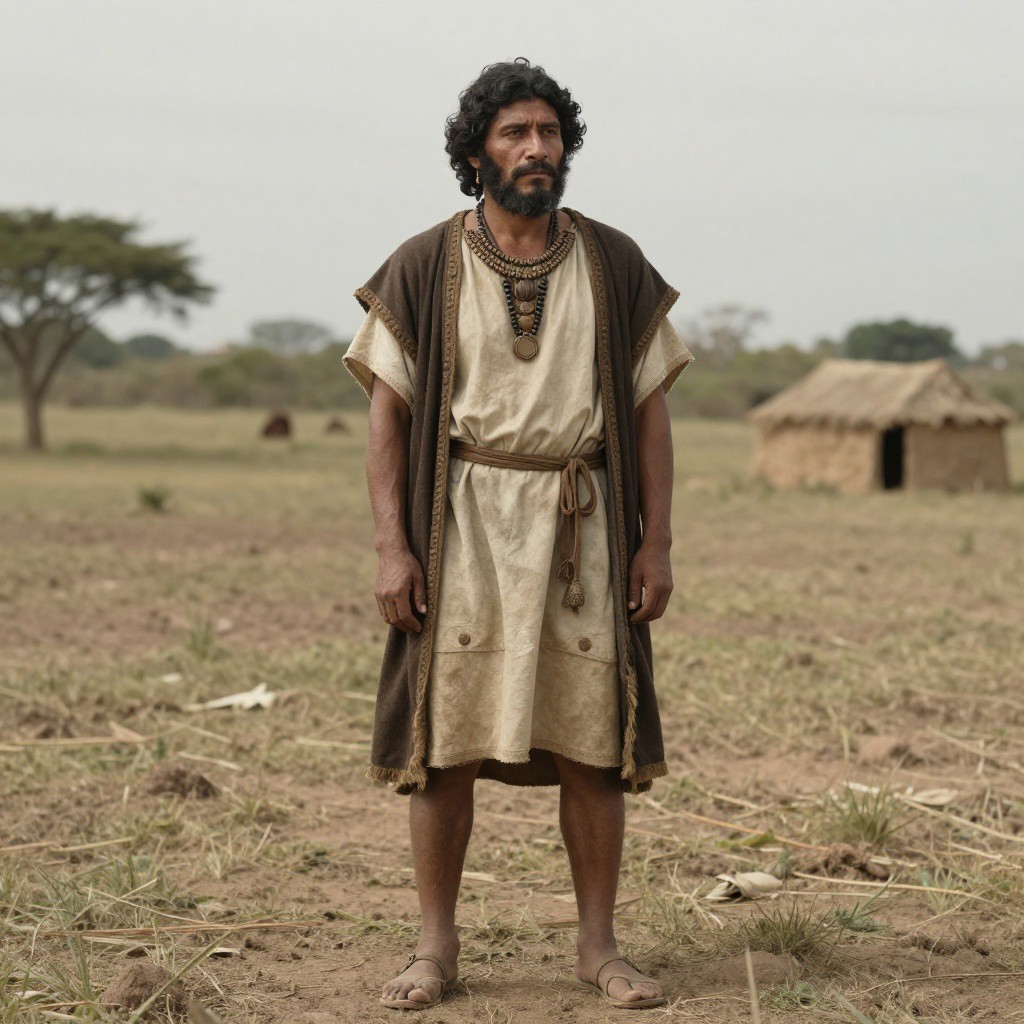
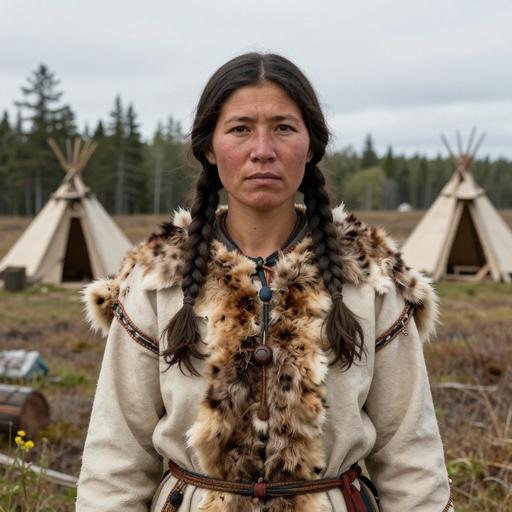
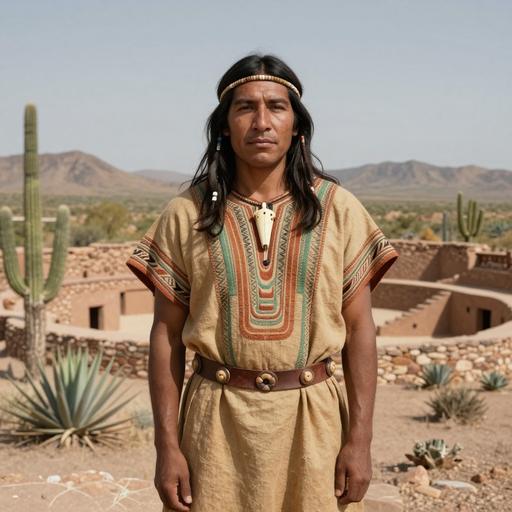
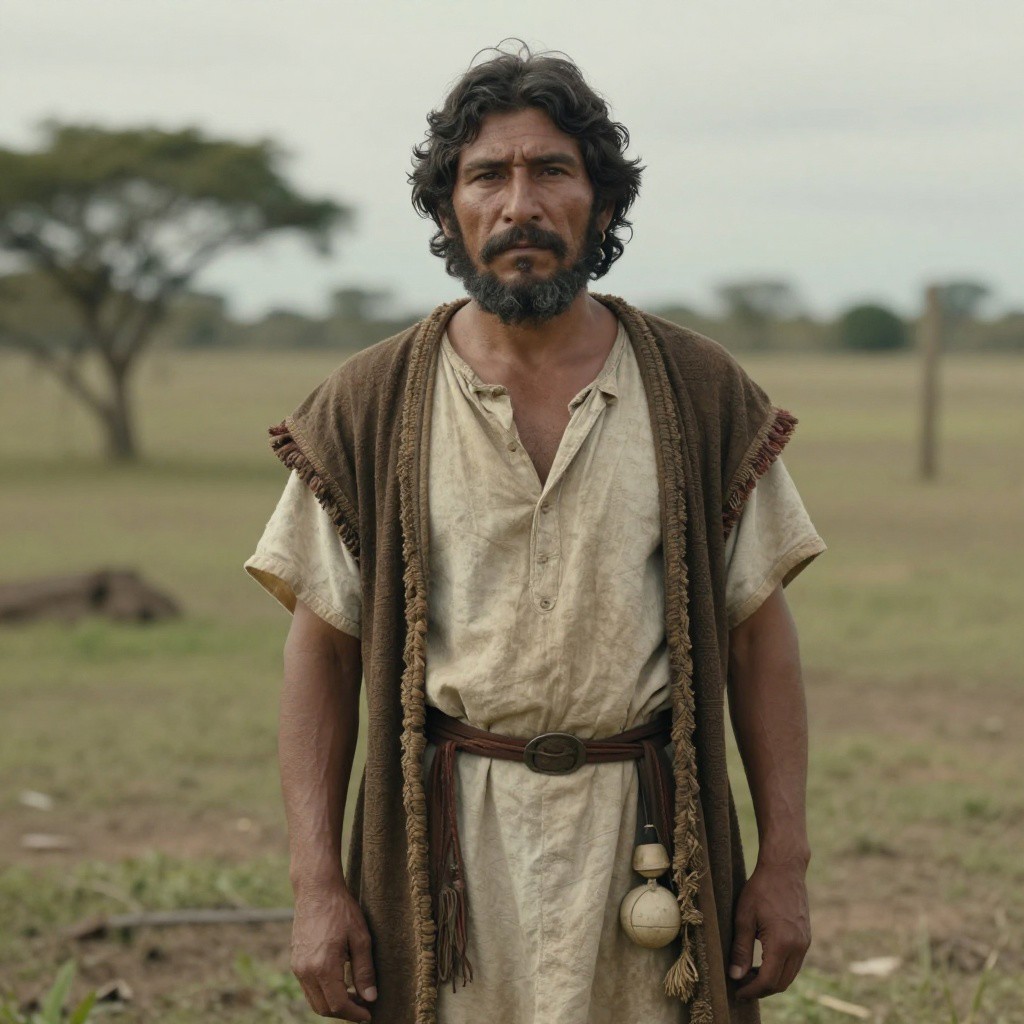
Profil de référence pour une branche de lignée. Des haplogroupes partagés n'établissent pas de lien familial ni d'identité culturelle.
Profil de référence
Contexte de la branche
Contexte historique de la branche de lignée mtDNA C1D1
Origins and Evolution
mtDNA haplogroup C1D1 sits within the broader C1 branch of macro-haplogroup C, a maternal lineage that is one of the founding mtDNA clades of Native American populations. Based on its phylogenetic position as a subclade of C1DA and comparisons with molecular clock estimates for other C1 subclades, C1D1 most plausibly coalesced in the late Pleistocene to early Holocene (roughly ~12 kya) in the Beringian/North American region. This timing is consistent with models of a Beringian standstill followed by rapid southward dispersal into the Americas. Because C1D1 is an intermediate clade, it likely represents a regional diversification that occurred after the initial peopling events but relatively early in the Holocene.
Subclades
C1D1 is currently recognized as a downstream branch of C1DA in phylogenies such as Phylotree; however, high-resolution internal structure (further subclades below C1D1) is not well characterized in published literature. Deep sequencing of complete mitogenomes from under-sampled Indigenous populations in Central and South America will be necessary to resolve internal sublineages, date coalescent times more precisely, and distinguish local founder effects from wider dispersal events.
Geographical Distribution
Available population-genetic evidence and the distribution of related C1 lineages support a primary concentration of C1D1 in the Americas, with the strongest signals in South America (Andean and Amazonian regions). Frequencies are expected to be lower in Central and North America, reflecting either reduced survival of the lineage in northern groups or subsequent regional drift and replacement. Sparse matches or related lineages in Northeast Asian / Siberian samples may reflect ancestral variation or rare back-migration events, but such occurrences require confirmation through complete mtDNA sequences and ancient DNA data.
Historical and Cultural Significance
As a maternal lineage tied to early Holocene populations, C1D1 is informative for reconstructing the routes and timing of post‑glacial dispersals in the Americas. It likely reflects demographic processes associated with Paleoindian and early Archaic hunter‑gatherer groups, and its present-day geographic pattern can illuminate regional founder effects, local continuity, and interactions among precontact communities. In genetic studies, C1D1 frequently appears alongside other Native American mtDNA founder clades (e.g., A2, B2, D1) and complements paternal patterns dominated by Y‑DNA haplogroup Q in many Indigenous populations.
Conclusion
C1D1 is an intermediate, regionally significant mtDNA clade that helps link parent C1DA diversity to downstream Native American maternal lineages. While current evidence places its origin in a Beringian/North American context around the end of the Pleistocene, more comprehensive mitogenome sampling and ancient DNA analyses are required to define its substructure, refine age estimates, and map its precise prehistoric dispersal routes across the Americas.
Points clés
Origins and Evolution
Subclades
Geographical Distribution
Historical and Cultural Significance
Conclusion
Profil de référence
Arbre et relations
Contexte phylogénétique et sous-clades
Voie évolutive
Suivez les branches parentes consignées jusqu'à C1D1. Les dates sont des estimations et peuvent évoluer lorsque les données de référence sont révisées.
The populations where mtDNA haplogroup C1D1 is found include:
Indigenous peoples of South America (Andean highland and Amazonian groups)
Indigenous peoples of Central America (localized occurrences)
Indigenous peoples of North America (lower-frequency, primarily in the northwest and interior)
Ancient or modern samples from the circum‑Beringian region (possible ancestral ties; requires confirmation)
Under-sampled indigenous communities where targeted mitogenome sequencing may reveal additional occurrences
Contexte historique
Une branche dans le temps
Formation estimée sur une chronologie historique large. Les repères de période servent de contexte et n'impliquent pas de lien avec des cultures particulières.
Il y a ~12k ans
Haplogroupe C1D1
Formation estimée de cette branche mtDNA ; les dates et les lieux sont des estimations de référence.
Cette branche
Il y a ~10k ans
Révolution néolithique
Début de l'agriculture et émergence de communautés sédentaires
Il y a ~5k ans
Âge du bronze
Travail des métaux, écriture et premières civilisations
Il y a ~3k ans
Âge du fer
Outils en fer, réseaux d'échanges élargis
Il y a ~2.5k ans
Antiquité classique
Floraison des civilisations grecque et romaine
Aujourd'hui
Aujourd'hui
Époque moderne
Profil de référence
Contexte archéologique
Associations archéologiques consignées pour la branche mtDNA C1D1
Associations consignées
Ces libellés décrivent des contextes archéologiques consignés pour des échantillons de référence liés à C1D1. Une association n'établit pas que tous les porteurs appartenaient à une culture ni qu'ils ont suivi une route migratoire précise.
Argentina_Cordoba_3900BPArgentina_SantiagodelEstero_400BPAtajadizo CeramicCanimar AbajoCueva EsqueletosLa UnionLagoa Santa CultureLapa do SantoSan Sebastian CultureTrincheras
Les attributions culturelles reposent sur le contexte archéologique des échantillons d'ADN ancien et peuvent refléter des associations régionales à certaines périodes.
Profil de référence
Catalogue d'échantillons
41 porteurs directs et 11 porteurs de sous-clade de l'haplogroupe C1D1
10 affiché(s) · 50 échantillons correspondants
Aucun échantillon ne correspond à ces filtres. Essayez un autre libellé, lieu ou période.
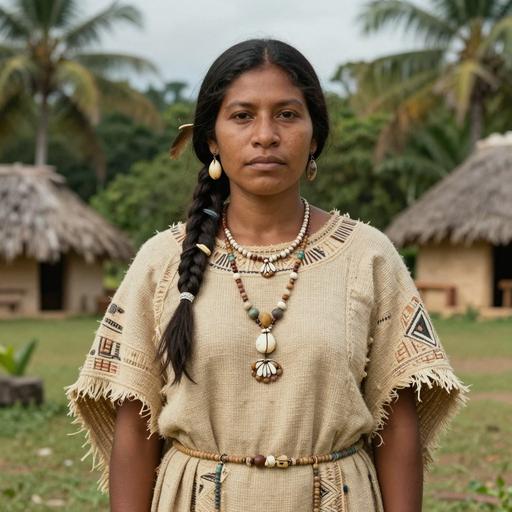
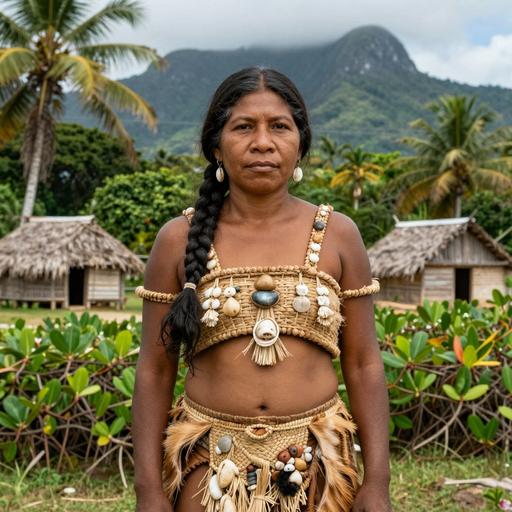
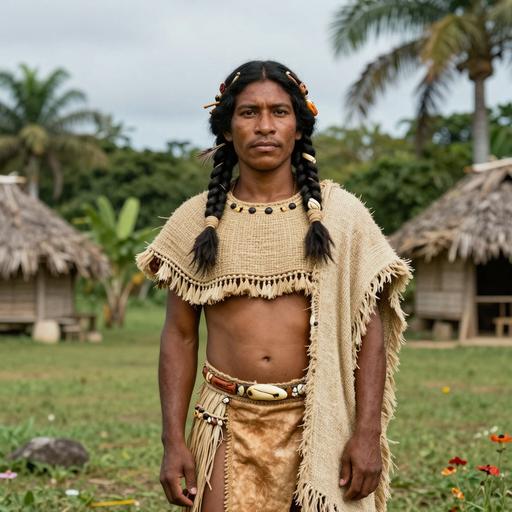
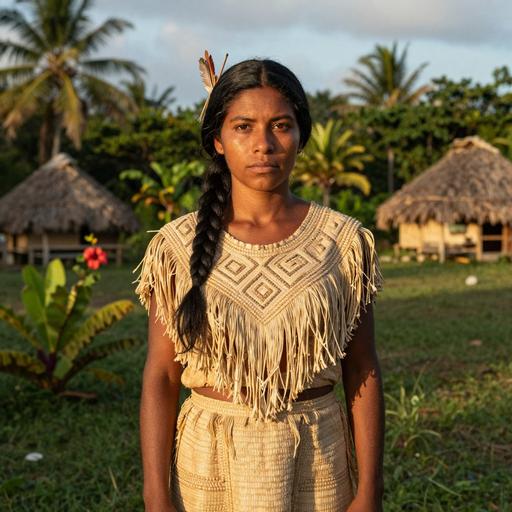
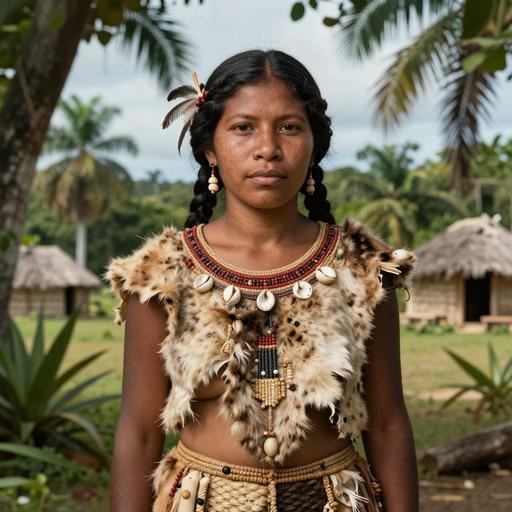
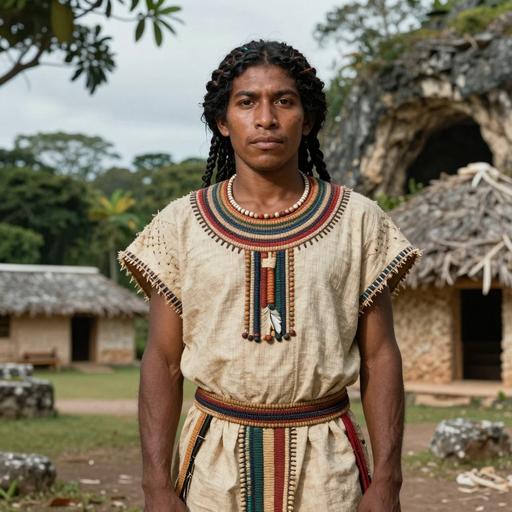
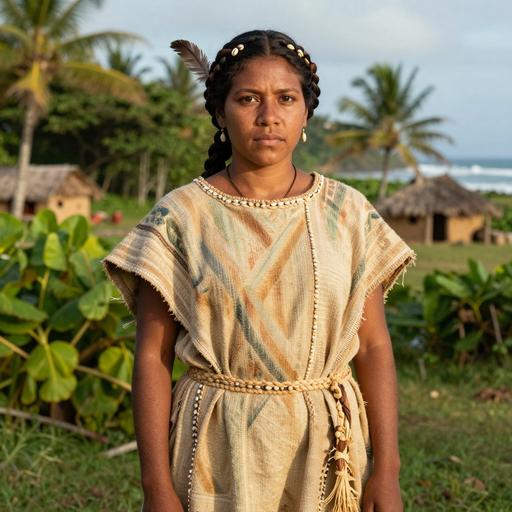
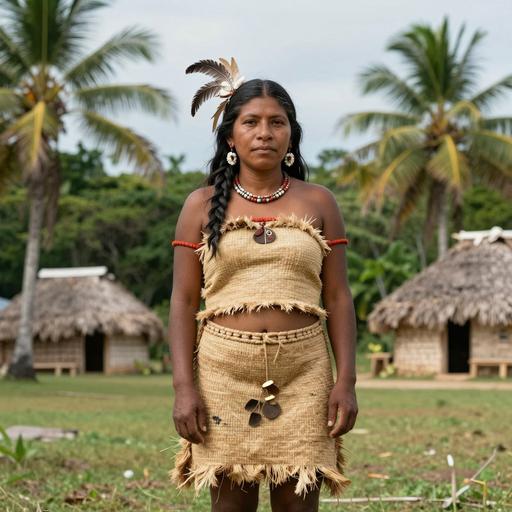
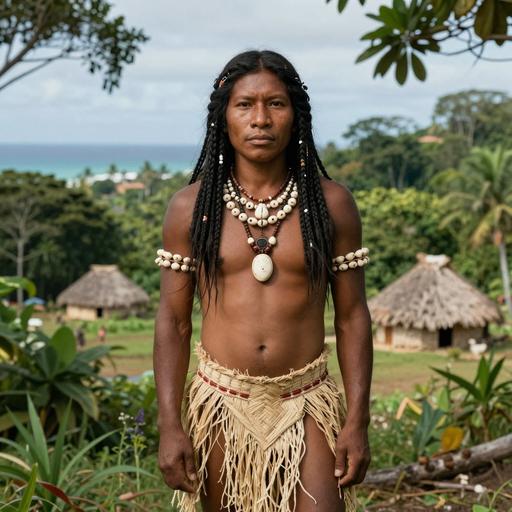
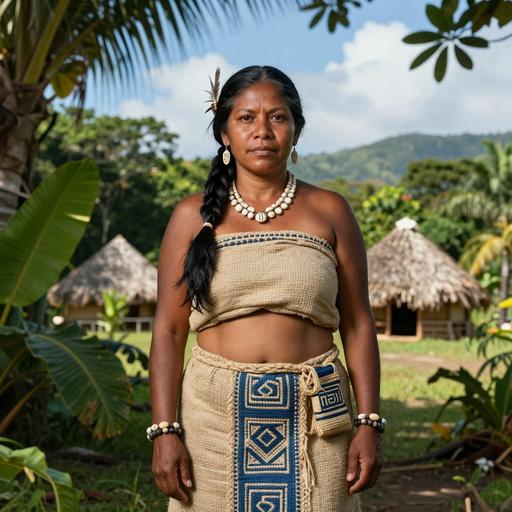
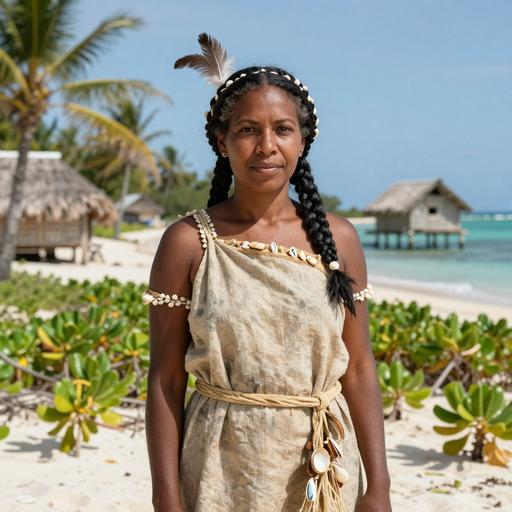
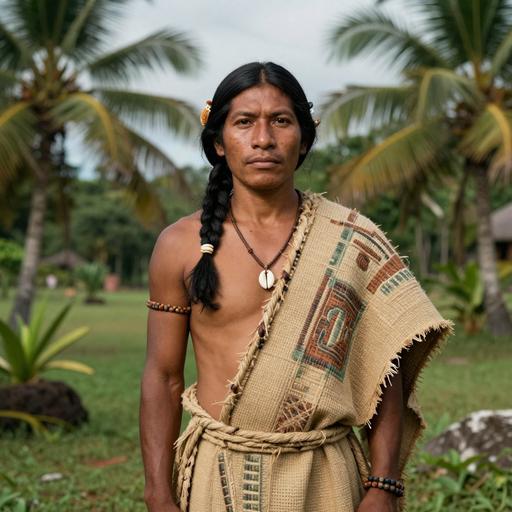
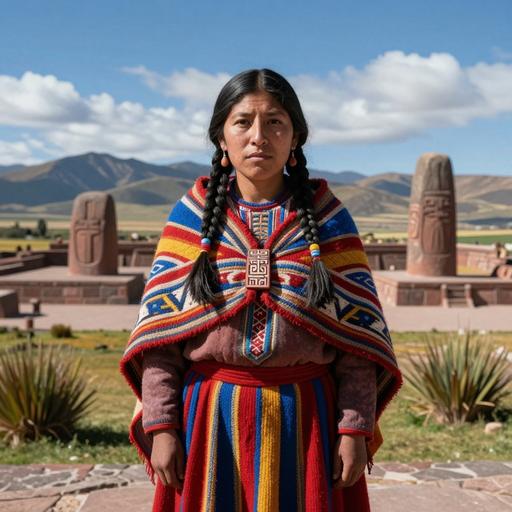
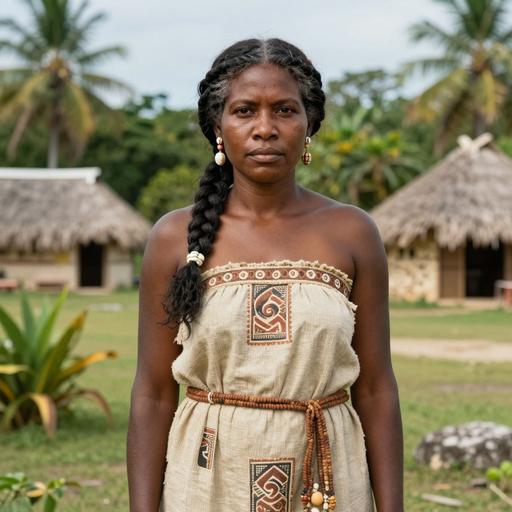
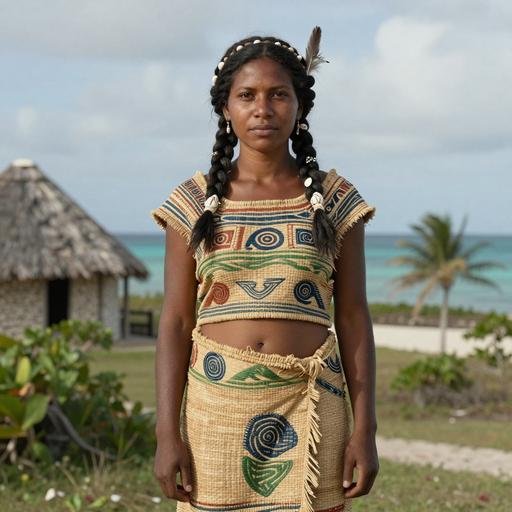
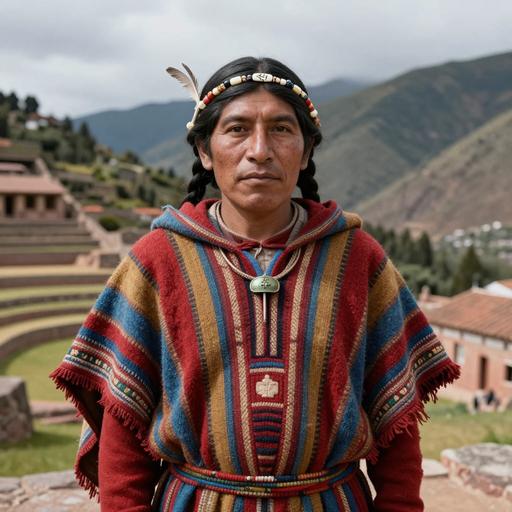
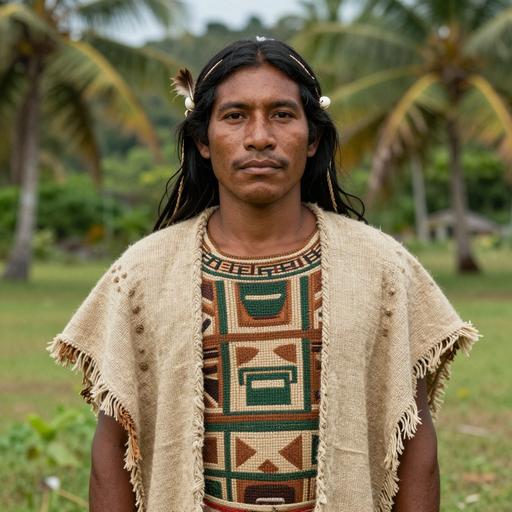
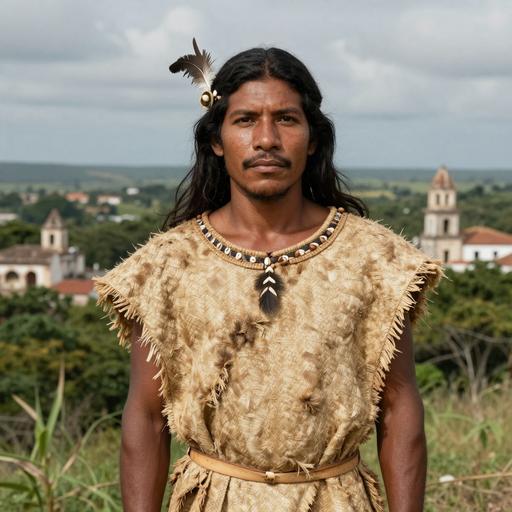
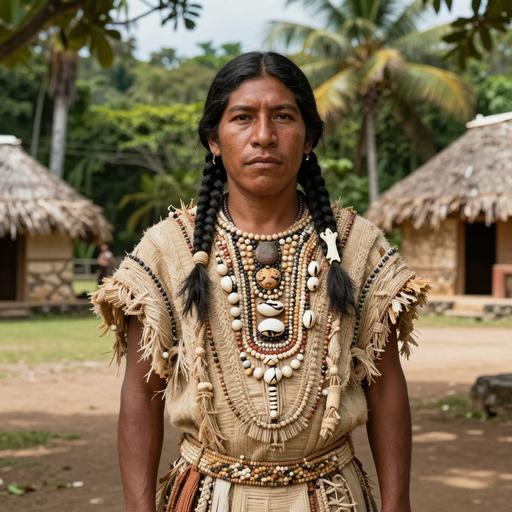
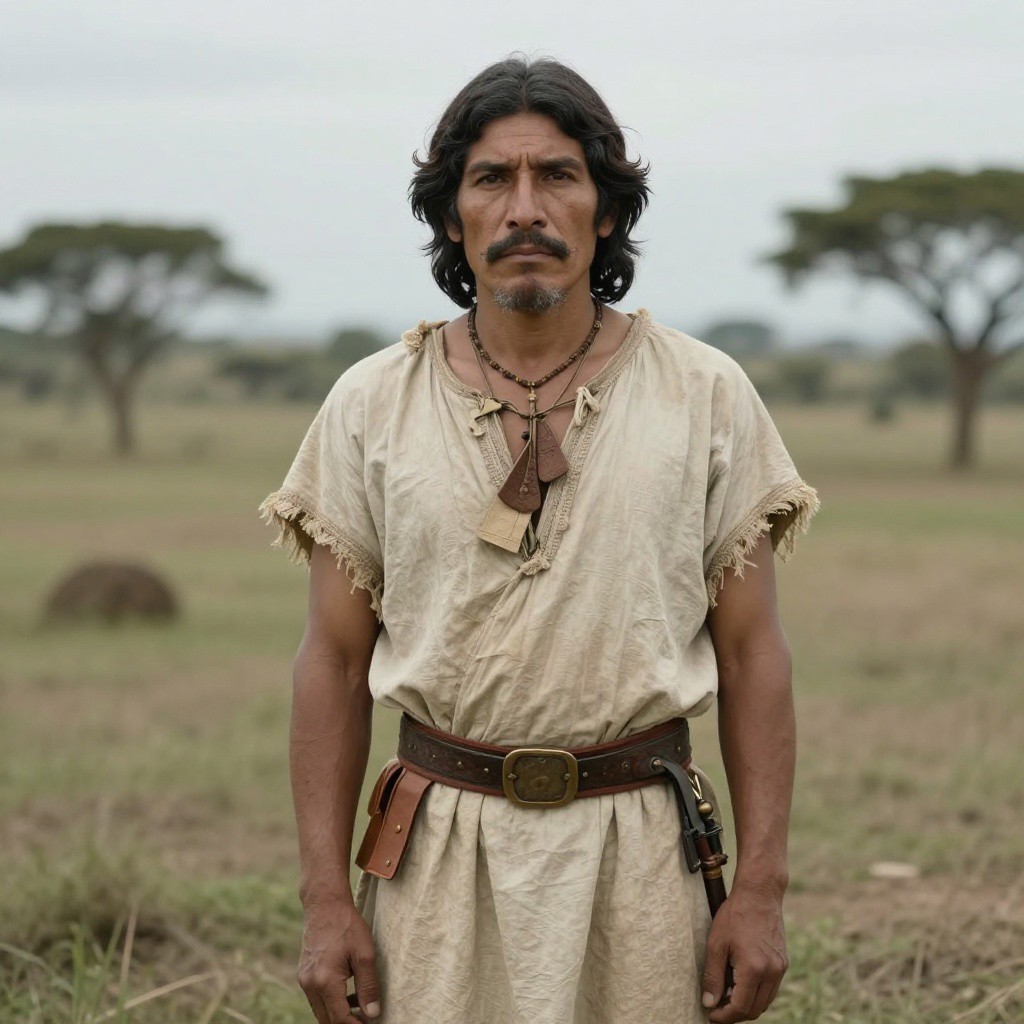
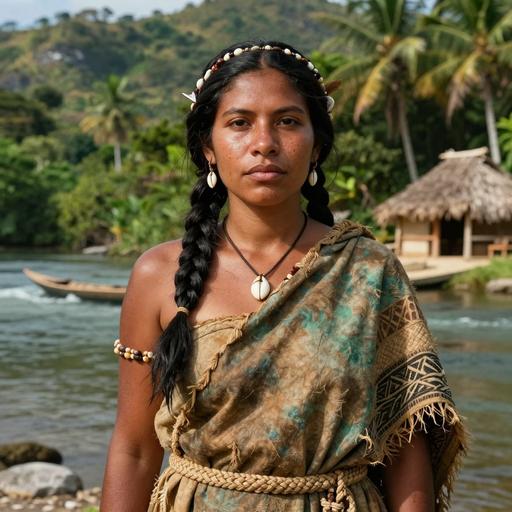
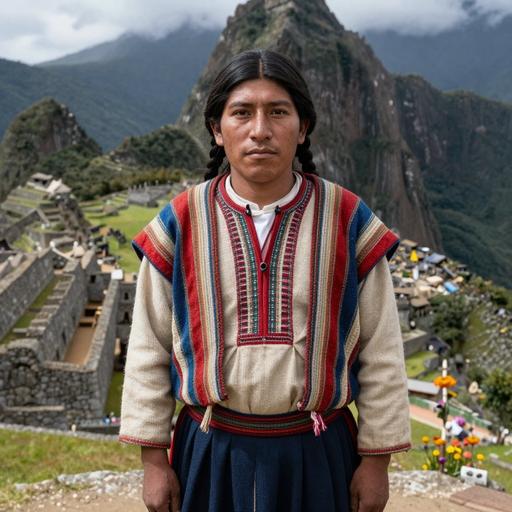
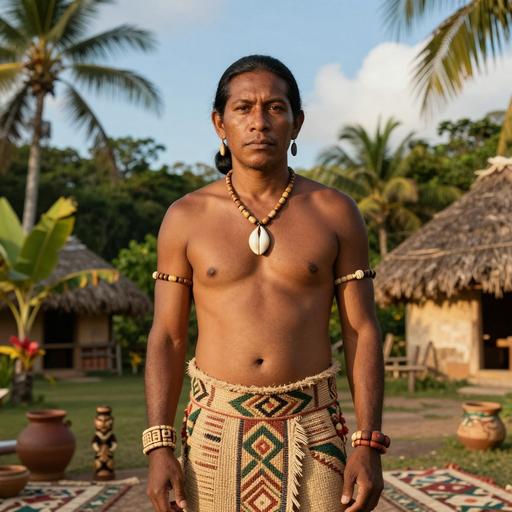
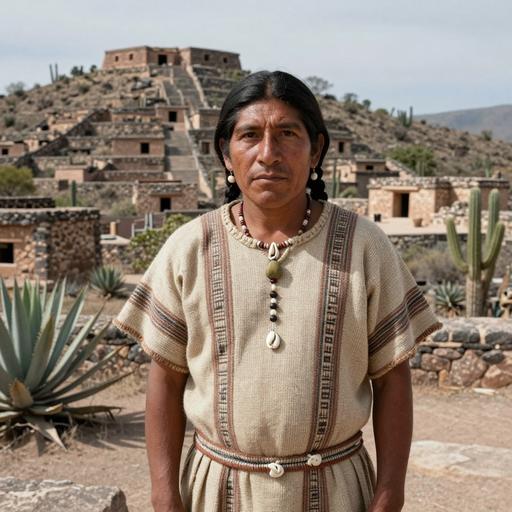
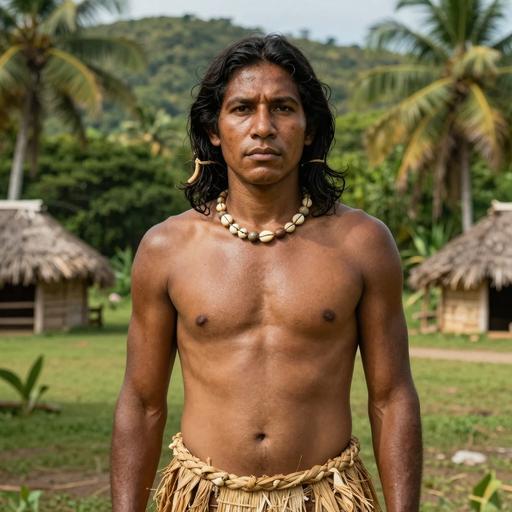
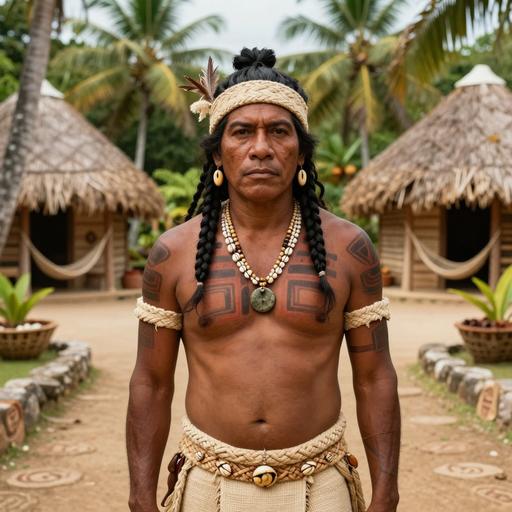
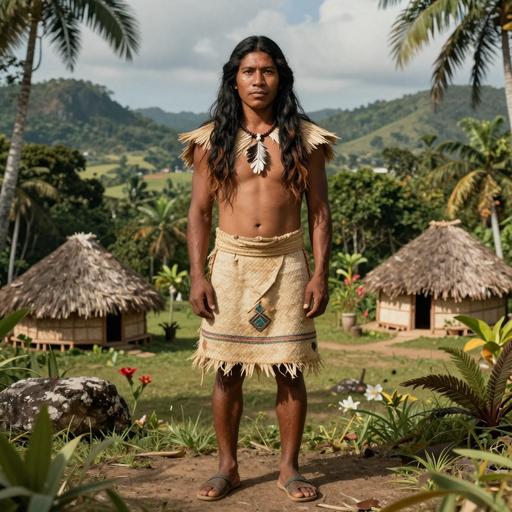
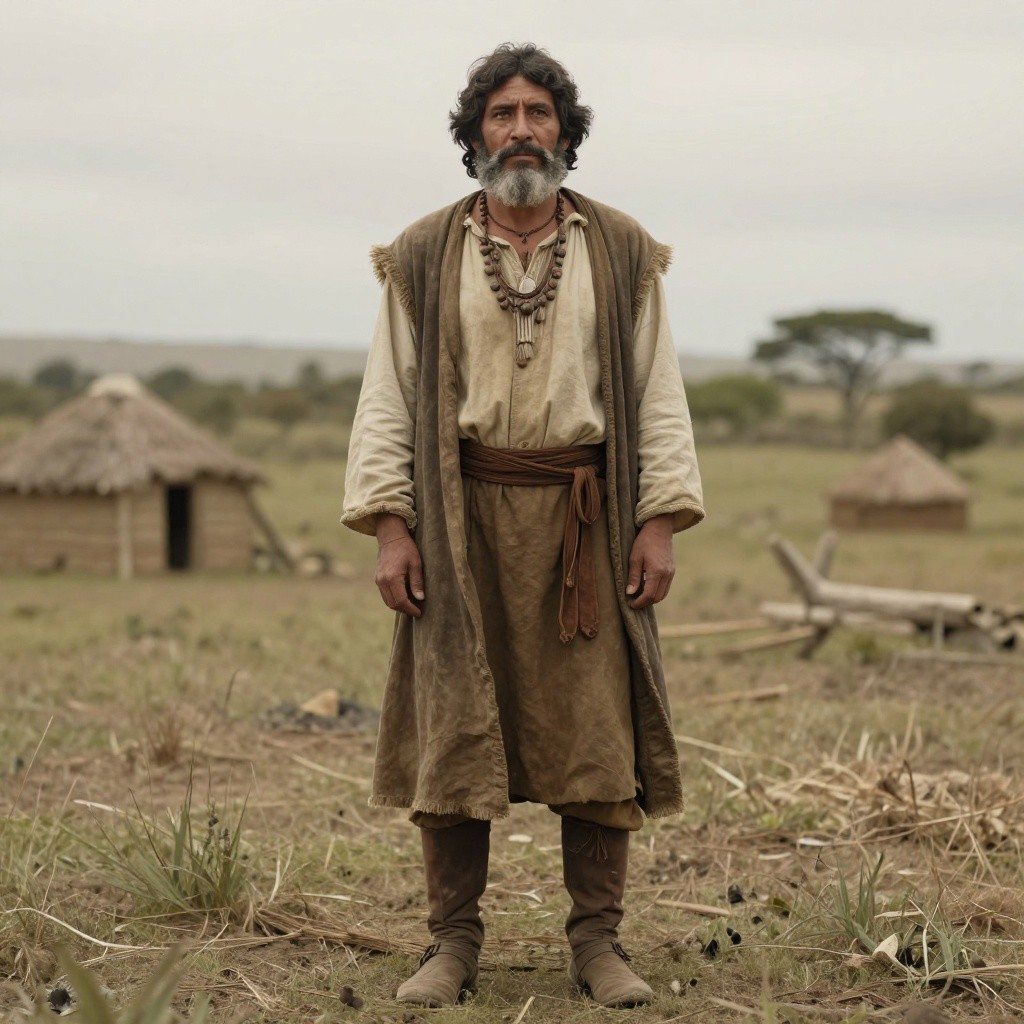
Les portraits sont des illustrations générées par IA. Les libellés d'échantillon et identifiants d'accès désignent les enregistrements de référence.
Portrait
Échantillon
Pays
Époque
Date
Culture
mtDNA
Correspondance
Identifiant d'échantillon : I7977
Dominican Republic
Archaic Period Cueva Roja, Dominican Republic
8-123 calCE (1960±20 BP, PSUAMS-7385)
Cueva Roja
C1d1
Direct
Identifiant d'échantillon : PDM001
Cuba
Archaic Period Playa del Mango, Cuba
19-231 calCE (1913±43 BP, UOC-4085)
Playa del Mango
C1d1
Direct
Identifiant d'échantillon : PDM004
Cuba
Archaic Period Playa del Mango, Cuba
31-210 calCE (1915±23 BP, MAMS-36505)
Playa del Mango
C1d1
Direct
Identifiant d'échantillon : PDM002
Cuba
Archaic Period Playa del Mango, Cuba
150 BCE - 250 CE
Playa del Mango
C1d1
Direct
Identifiant d'échantillon : PDM009
Cuba
Archaic Period Playa del Mango, Cuba
150 BCE - 250 CE
Playa del Mango
C1d1
Direct
Identifiant d'échantillon : PDM003
Cuba
Archaic Period Playa del Mango, Cuba
151 calBCE - 117 calCE (2021±43 BP, UOC-4086)
Playa del Mango
C1d1
Direct
Identifiant d'échantillon : PDM006
Cuba
Archaic Period Playa del Mango, Cuba
151 calBCE - 25 calCE (2047±24 BP, UOC-6849)
Playa del Mango
C1d1
Direct
Identifiant d'échantillon : CAA002
Cuba
Archaic Period Las Carolinas, Cuba
261-430 calCE (1667±21 BP, MAMS-36504)
Las Carolinas
C1d1
Direct
Identifiant d'échantillon : CIP001
Cuba
Archaic Period Cueva Perico, Cuba
434-557 calCE (MAMS-39629)
Cueva Perico
C1d1
Direct
Identifiant d'échantillon : CIP010
Cuba
Archaic Period Cueva Perico, Cuba
441-600 calCE (1528±20 BP, MAMS-39618)
Cueva Perico
C1d1
Direct
Identifiant d'échantillon : PDI003
Puerto Rico
Ceramic Period Paso del Indio, Puerto Rico
650 CE - 1400 CE
Paso del Indio Culture
C1d1
Direct
Identifiant d'échantillon : MTO001
Cuba
Archaic Period Manuelito, Cuba
660-775 calCE (1308±21 BP, MAMS-36506)
Manuelito
C1d1
Direct
Identifiant d'échantillon : I12341
Dominican Republic
Ceramic Period El Soco, Dominican Republic
850-1450 CE
El Soco
C1d1
Direct
Identifiant d'échantillon : I12350
Dominican Republic
Ceramic Period El Soco, Dominican Republic
850-1450 CE
El Soco
C1d1
Direct
Identifiant d'échantillon : I13322
Bahamas
Ceramic Period Long Island, Bahamas
885-990 calCE (1127±19 BP, OxA-39169)
Lucayan
C1d1
Direct
Identifiant d'échantillon : I20527
Dominican Republic
Ceramic Period El Soco, Dominican Republic
893 CE - 995 CE
El Soco
C1d1
Direct
Identifiant d'échantillon : TW056
Bolivia
Tiwanaku Culture at Monolito Descabezado, Bolivia
893-990 calCE (1158±20 BP, Wk-49173)
Tiwanaku
C1d1
Direct
Identifiant d'échantillon : I20527
Dominican Republic
The First Peoples of the Caribbean
893 CE - 995 CE
C1d1
Direct
Identifiant d'échantillon : I20527
Dominican Republic
The First Peoples of the Caribbean
893 CE - 995 CE
C1d1
Direct
Identifiant d'échantillon : I13736
Bahamas
Ceramic Period Eleuthera Island, Bahamas
900-1500 CE
Lucayan
C1d1
Direct
Identifiant d'échantillon : PCV004
Bahamas
Ceramic Period Eleuthera Island, Bahamas
950-1200 CE
Lucayan
C1d1
Direct
Identifiant d'échantillon : I2543
Peru
Middle Horizon Campanayuq, Peru 1,000 Years Ago
985-1030 calCE (1085±20 BP, PSUAMS-1620)
Campanayuq
C1d1
Direct
Identifiant d'échantillon : I15677
Dominican Republic
Ceramic Period La Caleta, Dominican Republic
1029-1154 calCE (965±15 BP, PSUAMS-9153)
La Caleta
C1d1
Direct
Identifiant d'échantillon : CAO001
Cuba
Archaic Period Canimar Abajo, Cuba
1035-1159 calCE (941±21 BP, MAMS-36503)
Canimar Abajo
C1d1
Direct
Identifiant d'échantillon : PDI011
Puerto Rico
Ceramic Period Paso del Indio, Puerto Rico
1037-1256 calCE (885±44 BP, AA-79346)
Paso del Indio Culture
C1d1
Direct
Identifiant d'échantillon : I17025
Argentina
Argentina Cordoba 700BP
1150-1450 CE
Argentina_Cordoba_700BP
C1d1
Direct
Identifiant d'échantillon : CAO015
Cuba
Archaic Period Canimar Abajo, Cuba
1263-1118 calBCE (2967±20 BP, MAMS-44070)
Canimar Abajo
C1d1
Direct
Identifiant d'échantillon : I1744
Peru
Late Intermediate Period San Sebastian, Peru 600 Years Ago
1285-1395 calCE (640±20 BP, PSUAMS-1612)
San Sebastian Culture
C1d1
Direct
Identifiant d'échantillon : I7969
Dominican Republic
Ceramic Period La Union, Dominican Republic
1296-1394 calCE (635±15 BP, PSUAMS-7285)
La Union
C1d1
Direct
Identifiant d'échantillon : I23707
Mexico
Trincheras Culture La Playa 600 Before Present
1305-1400 calCE (605±15 BP, PSUAMS-12553)
Trincheras
C1d1
Direct
Identifiant d'échantillon : I14554
Argentina
Argentina SantiagodelEstero 400BP
1400-1700 CE
Argentina_SantiagodelEstero_400BP
C1d1
Direct
Identifiant d'échantillon : I14556
Argentina
Argentina SantiagodelEstero 400BP
1400-1700 CE
Argentina_SantiagodelEstero_400BP
C1d1
Direct
Identifiant d'échantillon : I14562
Argentina
Argentina SantiagodelEstero 400BP
1400-1700 CE
Argentina_SantiagodelEstero_400BP
C1d1
Direct
Identifiant d'échantillon : I12716
Argentina
Argentina SantiagodelEstero 400BP
1400-1650 CE
Argentina_SantiagodelEstero_400BP
C1d1
Direct
Identifiant d'échantillon : CAO010
Cuba
Archaic Period Canimar Abajo, Cuba
1400 BCE - 1300 CE
Canimar Abajo
C1d1
Direct
Identifiant d'échantillon : I17901
Dominican Republic
Ceramic Period Atajadizo, Dominican Republic
1414-1450 calCE (480±20 BP, PSUAMS-7393)
Atajadizo Ceramic
C1d1
Direct
Identifiant d'échantillon : CDE003
Cuba
Ceramic Period Cueva Esqueletos, Cuba
1420-1453 calCE (472±20 BP, MAMS-44095)
Cueva Esqueletos
C1d1
Direct
Identifiant d'échantillon : I12732
Argentina
Argentina SantiagodelEstero 400BP
1455-1627 calCE (400±25 BP, PSUAMS-15103)
Argentina_SantiagodelEstero_400BP
C1d1
Direct
Identifiant d'échantillon : I17032
Argentina
Argentina Cordoba 3900BP
1501-1204 calBCE (3140±60 BP, LP-3720)
Argentina_Cordoba_3900BP
C1d1
Direct
Identifiant d'échantillon : Lapa01
Brazil
Lapa do Santo Site, Brazil 9,600 Years Ago
8204-7610 calBCE (8840±60 BP, Beta-271249)
Lapa do Santo
C1d1
Direct
Identifiant d'échantillon : CAP007
Brazil
Lagoa Santa Culture
8547-8304 calBCE (9253±25, MAMS-17754)
Lagoa Santa Culture
C1d1
Direct
Identifiant d'échantillon : CAO004
Cuba
Archaic Period Canimar Abajo, Cuba
653 CE - 874 CE
Canimar Abajo
C1d1c1
Sous-clade
Identifiant d'échantillon : CAO004
Cuba
The First Peoples of the Caribbean
653 CE - 874 CE
C1d1c1
Sous-clade
Identifiant d'échantillon : I12712
Argentina
Argentina Cordoba 2500BP
756-388 calBCE (2438±47 BP, AA-93741)
Argentina_Cordoba_2500BP
C1d1b
Sous-clade
Identifiant d'échantillon : LU-06
Canada
Arctic Small Tool Tradition, Canada
1200 CE - 1450 CE
Arctic Small Tool
C1d1a1
Sous-clade
Identifiant d'échantillon : LU-03
Canada
Arctic Small Tool Tradition, Canada
1200 CE - 1450 CE
Arctic Small Tool
C1d1a1
Sous-clade
Identifiant d'échantillon : I23712
Mexico
Trincheras Culture La Playa 600 Before Present
1200-1450 CE
Trincheras
C1d1c
Sous-clade
Identifiant d'échantillon : LU-03
Canada
The First Peoples of North America
1200 CE - 1450 CE
C1d1a1
Sous-clade
Identifiant d'échantillon : LU-06
Canada
The First Peoples of North America
1200 CE - 1450 CE
C1d1a1
Sous-clade
Identifiant d'échantillon : I12745
Argentina
Argentina SantiagodelEstero 400BP
1400-1700 CE
Argentina_SantiagodelEstero_400BP
C1d1b
Sous-clade
Identifiant d'échantillon : I7977
Archaic Period Cueva Roja, Dominican Republic - Dominican Republic - Cueva Roja
Canada Arctic Small Tool Tradition, Canada 1200 CE - 1450 CE
C1d1a1Sous-clade
Identifiant d'échantillon : I23712
Trincheras Culture La Playa 600 Before Present - Mexico - La Playa (Sonora, Cerro Trincheras, Terraza B4)
Mexico Trincheras Culture La Playa 600 Before Present 1200-1450 CE
C1d1cSous-clade
Identifiant d'échantillon : LU-03
Canada The First Peoples of North America 1200 CE - 1450 CE
C1d1a1Sous-clade
Identifiant d'échantillon : LU-06
Canada The First Peoples of North America 1200 CE - 1450 CE
C1d1a1Sous-clade
Identifiant d'échantillon : I12745
I12745
Argentina Argentina SantiagodelEstero 400BP 1400-1700 CE
C1d1bSous-clade
LIGNÉE MATERNELLE · ADN ANTIQUE
Carte des preuves de lignées antiques
Suivez les clades parents jusqu'à cette branche et explorez où des porteurs antiques ont été identifiés.
Chargement des observations antiques…
La réduction des animations est activée. Utilisez la chronologie ou Tout afficher pour explorer à votre rythme.
Lire les observations sous forme de tableau
Observations antiques affichées par branche, période et date médiane
Branche
Période
Plage de dates
Échantillon
Identifiant d'échantillon
Emplacement
Haplogroupe
Relation
Les marqueurs indiquent des lieux de découvertes archéologiques. Un trait pointillé représente une transition géographique proposée et incertaine entre branches consécutives, appuyée sur plusieurs observations datées ; ce n'est pas un itinéraire exact, un lieu de naissance ni une preuve de descendance directe. Des échantillons de clades parents peuvent appartenir à d'autres branches descendantes. Des lacunes subsistent lorsque les preuves sont insuffisantes. Les dates d'échantillon diffèrent des dates de formation des haplogroupes.
Le regroupement par période historique reflète quand chaque individu antique a vécu, en combinant toutes les branches de cette chaîne de lignée ; ce n'est pas une séquence migratoire ni une chronologie personnelle entre périodes.
Profil de référence
Carte de répartition des porteurs
Répartition géographique de 52 échantillons d'ADN ancien (porteurs directs et de sous-clade de C1D1)
Porteur direct Porteur de sous-clade
Filtre de période
Toutes les périodes
Affichage de tous les échantillons
Profil de référence
Répartition temporelle
Répartition des porteurs selon les périodes archéologiques
Profil de référence
Répartition géographique
Effectifs par pays d'échantillon consigné. Ils reflètent la sélection de référence disponible, pas des fréquences de population.
Profil de référence
Répartition pays × époque
Comparez les effectifs d'échantillons consignés selon les pays et les périodes archéologiques. Sélectionnez une cellule renseignée pour examiner un échantillon.
Données
Données et provenance
Informations sur les sources et qualité des données
Dernière mise à jour2026-06-14
Score de confiance50/100
CouvertureLow
Source des données
La classification, les dates estimées et le contexte géographique reflètent les données de référence consignées et peuvent évoluer lorsque les éléments sont révisés. La couverture d'échantillons est inégale ; les lieux consignés et les associations archéologiques n'établissent pas une origine personnelle ni une identité culturelle.
Un haplogroupe suit une seule lignée maternelle ou paternelle. La branche que l’on peut prédire dépend des marqueurs présents dans le fichier ADN.
Nos méthodes d’analyse