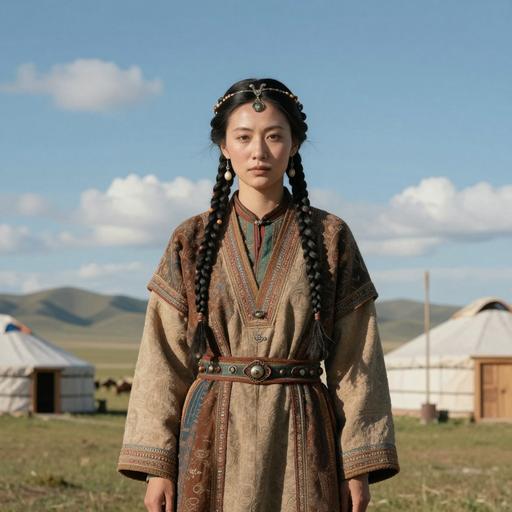
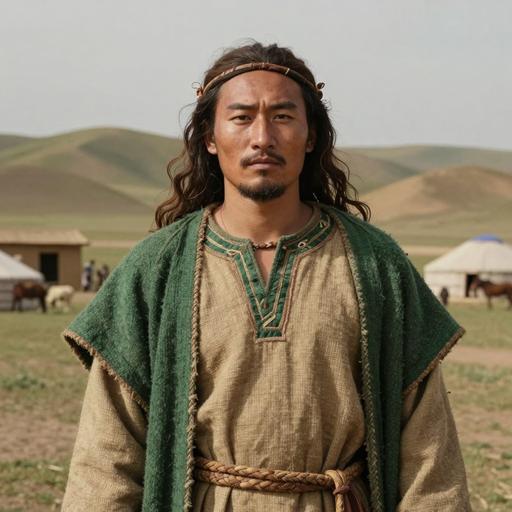
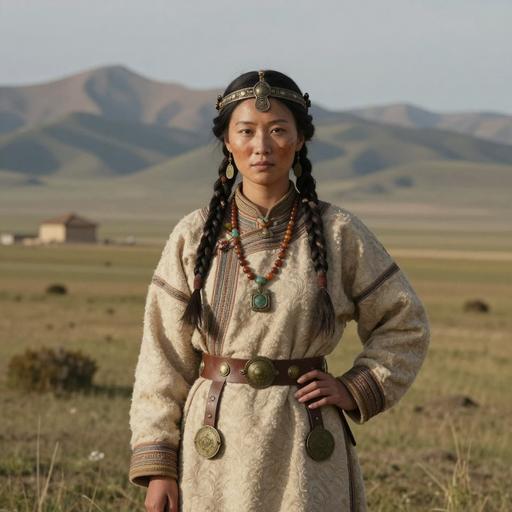
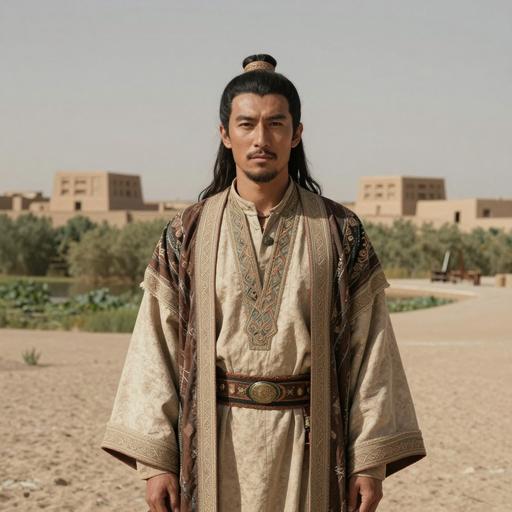
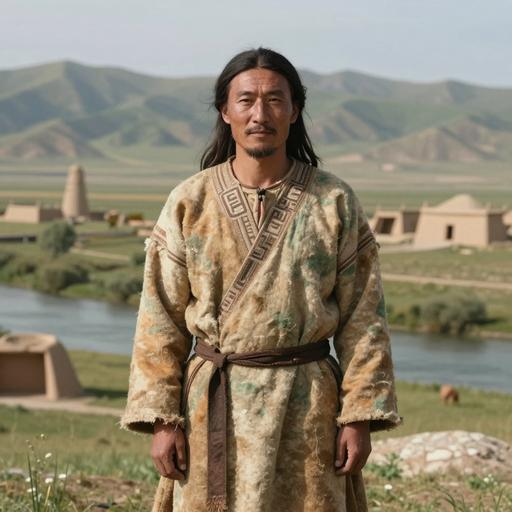
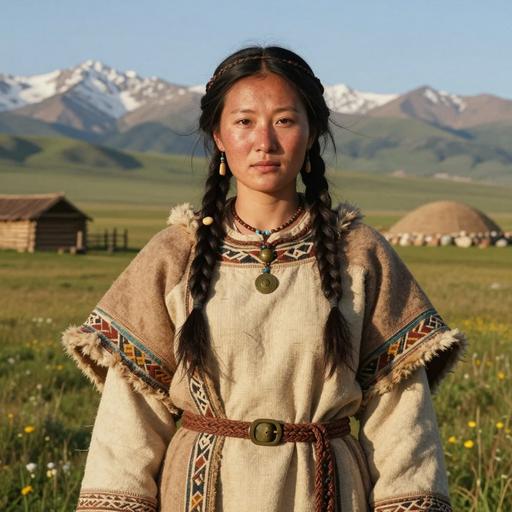
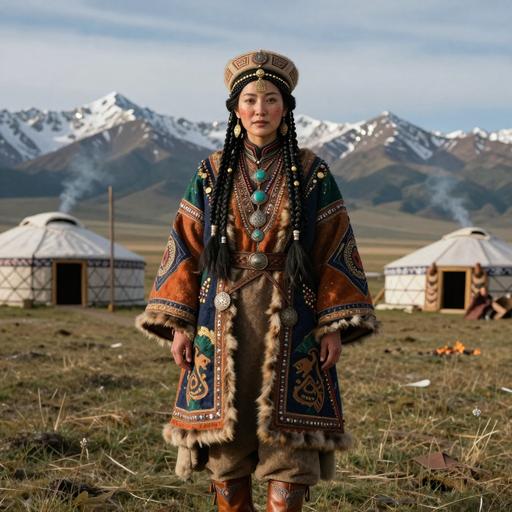
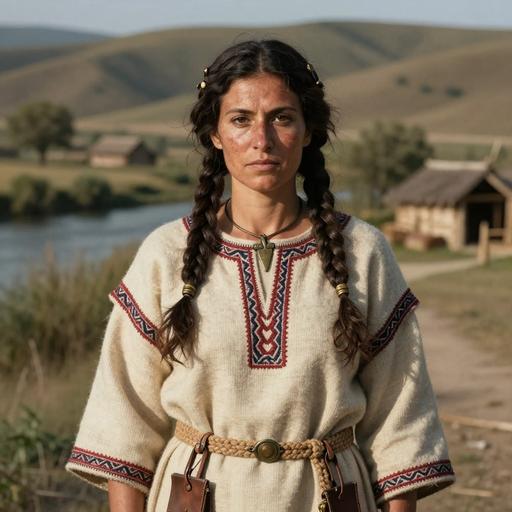
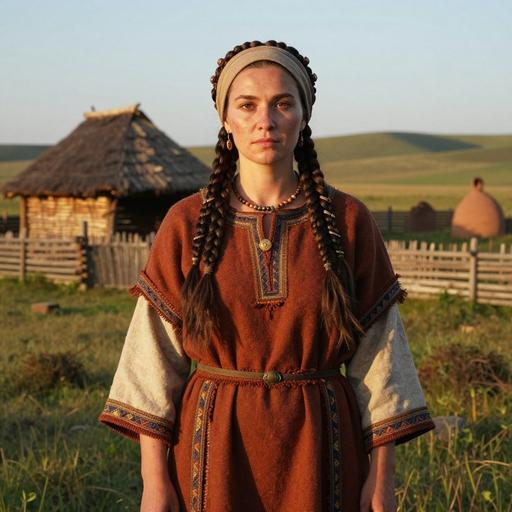
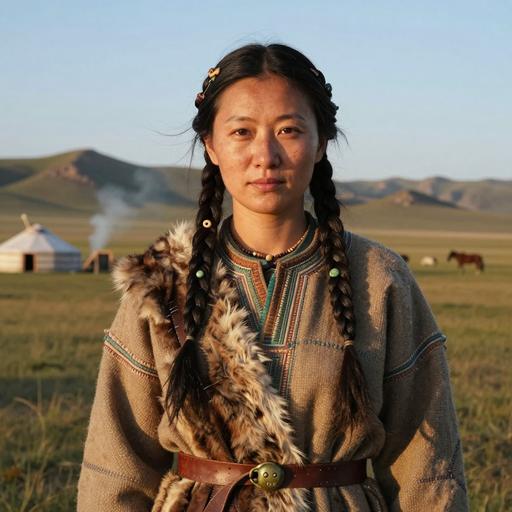
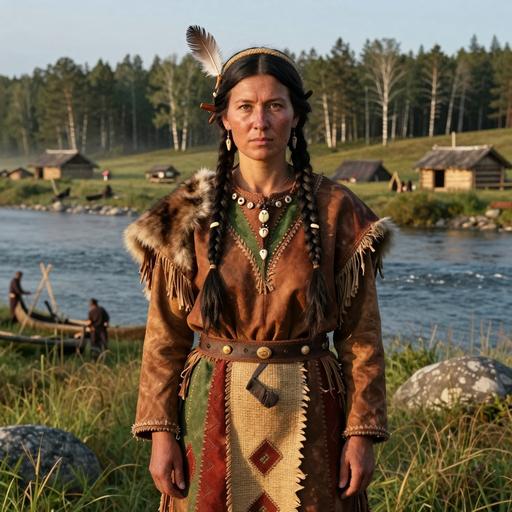
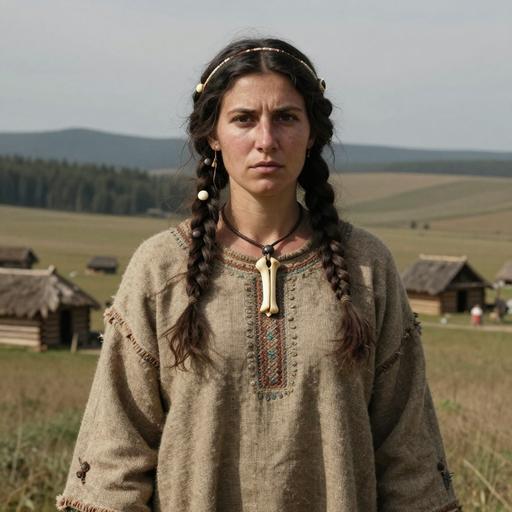
Ein Referenzprofil für einen Abstammungszweig. Gemeinsame Haplogruppen begründen weder eine familiäre Beziehung noch eine kulturelle Identität.
Referenzprofil
Hintergrund des Zweigs
Historischer Kontext für den mtDNA-Abstammungszweig C4A1A
Origins and Evolution
mtDNA haplogroup C4A1A is a subclade of C4A1, itself nested within the broader C4 lineage that is characteristic of northern Eurasian maternal ancestry. Based on the phylogenetic position beneath C4A1 (which has been estimated to arise in the early Holocene ~12 kya) and the distribution of derived mutations, C4A1A most plausibly arose in northeastern Asia or Siberia during the early to mid-Holocene (roughly ~9 kya). The emergence of C4A1A reflects continued diversification of C4 lineages in high-latitude environments after the Last Glacial Maximum, likely in populations that persisted or expanded in Siberia and adjacent regions.
Subclades
C4A1A is itself a terminal or near-terminal branch in many published trees; where further internal structure exists it is generally shallow and regionally restricted. Substructure within C4A1A is typically seen as geographically localized variants in different Siberian and Mongolic/Tungusic groups. Because sampling of modern and ancient mtDNA in some parts of Siberia is still incomplete, additional subclades may be resolved as more full mitogenomes from the region are produced.
Geographical Distribution
Modern populations: C4A1A is most frequently observed among indigenous Siberian groups (Yakut, Evenk, Even, Nenets), Mongolic and Tungusic-speaking peoples (Buryat, Mongolian groups, Evens), and in some Central Asian northern highland populations (Tuvans, Altaians). It also appears at low frequencies in northern East Asian populations (northern Han, occasional Korean or Japanese samples) and in Arctic/Beringia-adjacent coastal groups (Koryak, Chukchi, some Aleut or Alaskan Native individuals) in isolated cases.
Ancient DNA: C4-lineage haplotypes, including C4A1 and derivatives, are reported from Holocene archaeological contexts in the Lake Baikal region and other parts of Siberia. These occurrences indicate that maternal lineages ancestral to or identical with C4A1A were present among Neolithic and post-Neolithic hunter-gatherer communities of interior and northeastern Asia.
Historical and Cultural Significance
C4A1A and related C4 lineages are informative markers of northern Eurasian maternal continuity and local population histories. Their presence in both contemporary northern Asian groups and Holocene ancient samples links modern populations to local hunter-gatherer and early Holocene communities around Lake Baikal, eastern Siberia, and adjacent regions. The haplogroup therefore contributes to reconstructions of postglacial recolonization, regional continuity versus replacement debates in Siberia, and patterns of gene flow between Siberia, northeastern Asia, and Beringia. C4A1A is not associated with a single expansive pan-continental migration event but rather with regional persistence and patchy dispersals across northern Eurasia.
Conclusion
C4A1A is a regionally important maternal lineage that documents northern Asian matrilineal continuity since the early Holocene. It is most common in Siberian, Mongolic, and Tungusic-speaking groups and appears sporadically in neighboring Central and Northeast Asian populations and in Arctic/Beringia-adjacent contexts. Continued mitogenome sequencing and ancient DNA sampling in underrepresented parts of Siberia will refine the substructure and chronology of C4A1A and clarify its role in Holocene population dynamics of northern Eurasia.
Wichtige Punkte
Origins and Evolution
Subclades
Geographical Distribution
Historical and Cultural Significance
Conclusion
Referenzprofil
Baum und Verwandtschaft
Phylogenetischer Kontext und Subkladen
Entwicklungsweg
Folgen Sie den erfassten übergeordneten Zweigen bis C4A1A. Die Daten sind Schätzungen und können sich ändern, wenn Referenzdaten überarbeitet werden.
The populations where mtDNA haplogroup C4A1A is found include:
Siberian indigenous groups (e.g., Yakut, Evenk, Nenets, Even)
Mongolic and Tungusic-speaking populations (e.g., Buryats, Mongolians, Evens)
Central Asian highland groups (e.g., Tuvans, Altaians)
Northern East Asian populations at low frequency (e.g., northern Han Chinese, occasional Korean or Japanese samples)
Arctic and Beringia-adjacent peoples at low or occasional frequency (e.g., Koryak, Chukchi, some Aleut/Native communities)
Ancient Holocene archaeological populations of the Lake Baikal region and other Siberian sites
Historischer Kontext
Ein Zweig durch die Zeit
Geschätzte Entstehung in einer breiten historischen Zeitleiste. Zeitmarken liefern Kontext und implizieren keine Verbindung zu bestimmten Kulturen.
~10k Jahre zurück
Neolithische Revolution
Beginn der Landwirtschaft und feste Siedlungen
~9k Jahre zurück
Haplogruppe C4A1A
Geschätzte Entstehung dieses mtDNA-Zweigs; Daten und Orte sind Referenzschätzungen.
Dieser Zweig
~5k Jahre zurück
Bronzezeit
Metallverarbeitung, Schrift und frühe Zivilisationen
~3k Jahre zurück
Eisenzeit
Eisenwerkzeuge und ausgedehnte Handelsnetze
~2.5k Jahre zurück
Klassische Antike
Blüte griechischer und römischer Kulturen
Gegenwart
Gegenwart
Moderne Zeit
Referenzprofil
Archäologischer Kontext
Erfasste archäologische Zuordnungen für den mtDNA-Zweig C4A1A
Erfasste Zuordnungen
Diese Bezeichnungen beschreiben archäologische Kontexte erfasster Referenzproben mit Bezug zu C4A1A. Eine Zuordnung bedeutet nicht, dass alle Träger einer Kultur angehörten oder einer bestimmten Migrationsroute folgten.
Kulturzuordnungen basieren auf dem archäologischen Kontext antiker DNA-Proben und können regionale Verknüpfungen in bestimmten Zeiträumen widerspiegeln.
Referenzprofil
Probencatalog
28 direkte Träger und 30 Subkladen-Träger der Haplogruppe C4A1A
10 angezeigt · 50 passende Proben
Keine Proben entsprechen diesen Filtern. Versuchen Sie eine andere Bezeichnung, einen anderen Ort oder eine andere Epoche.
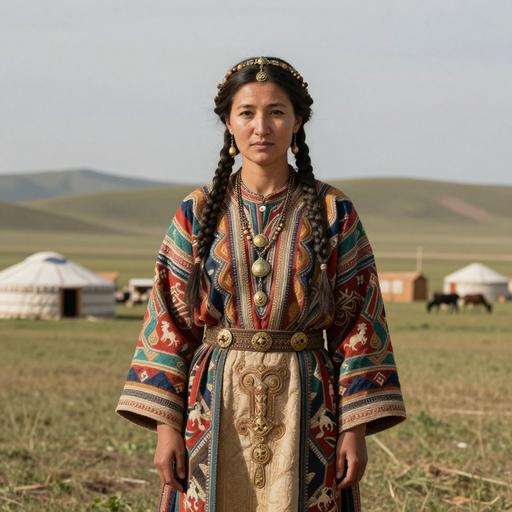
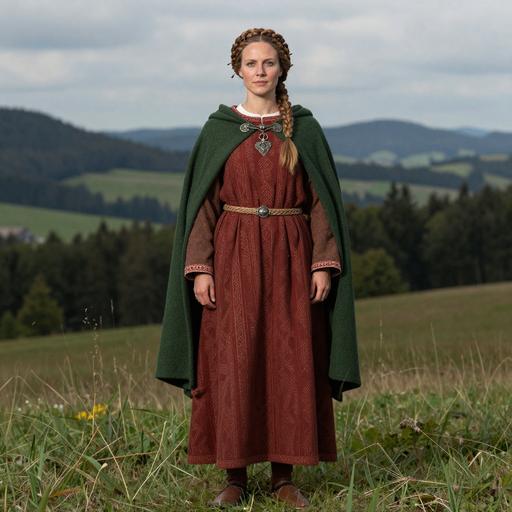
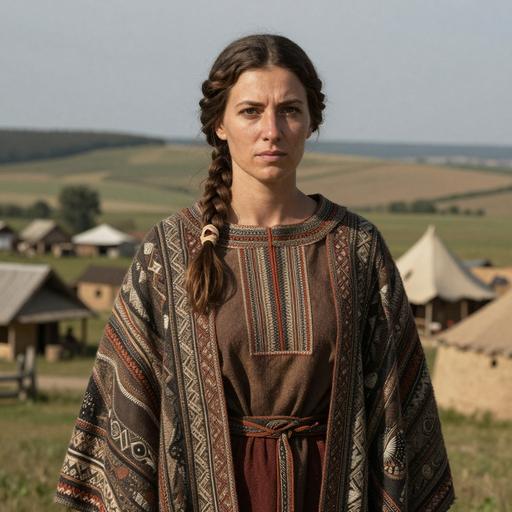
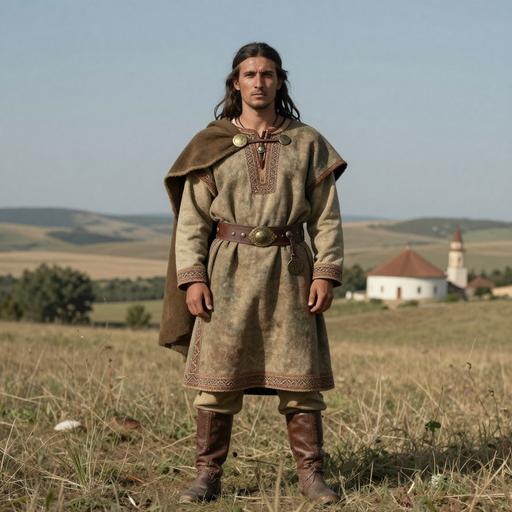
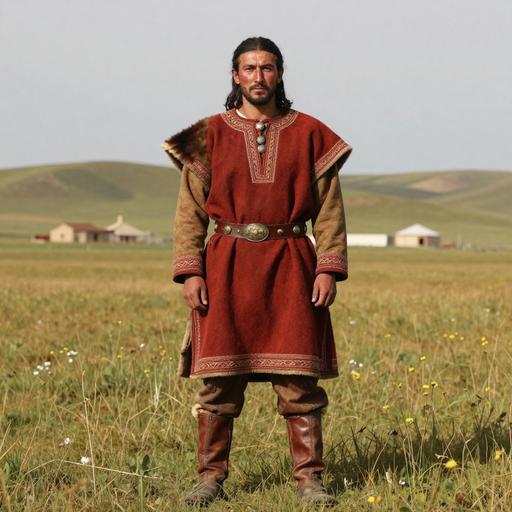
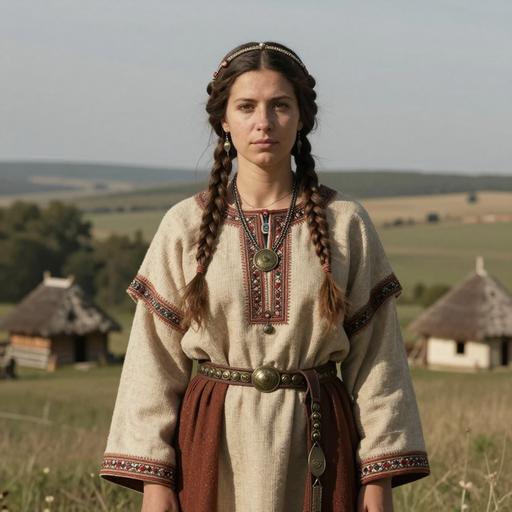
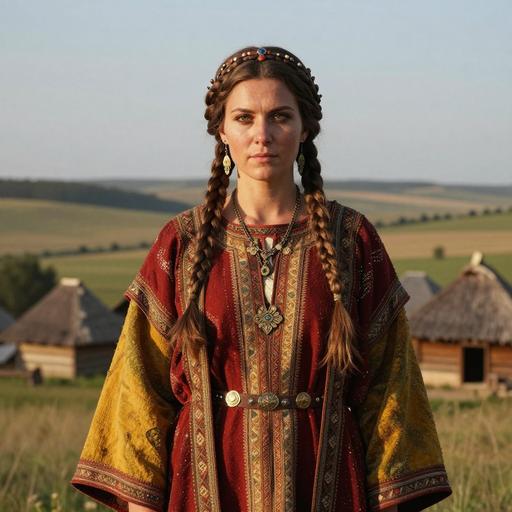
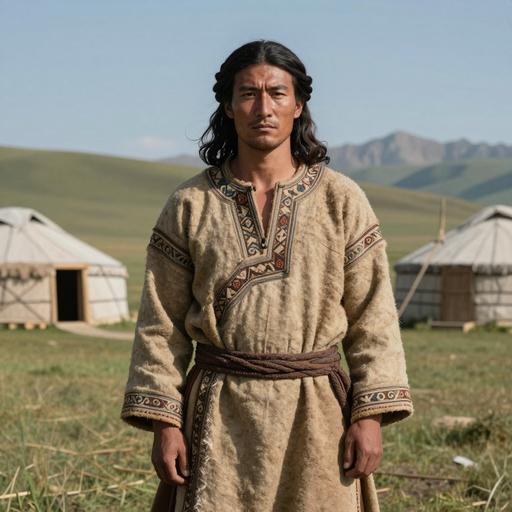
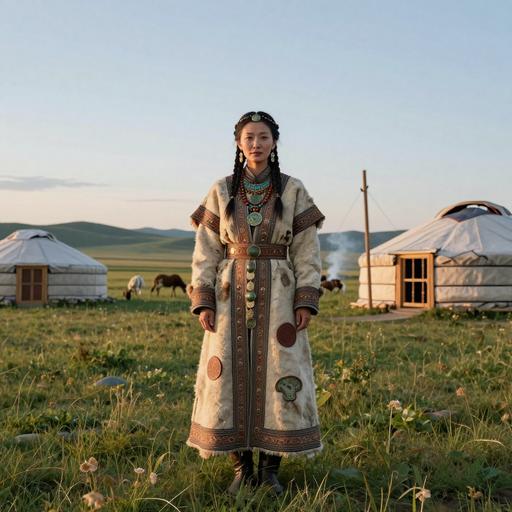
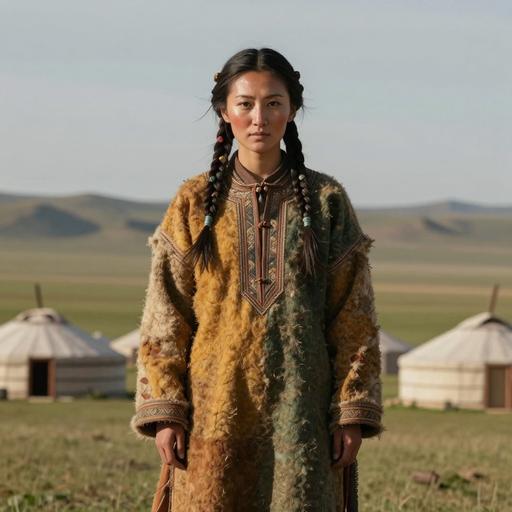
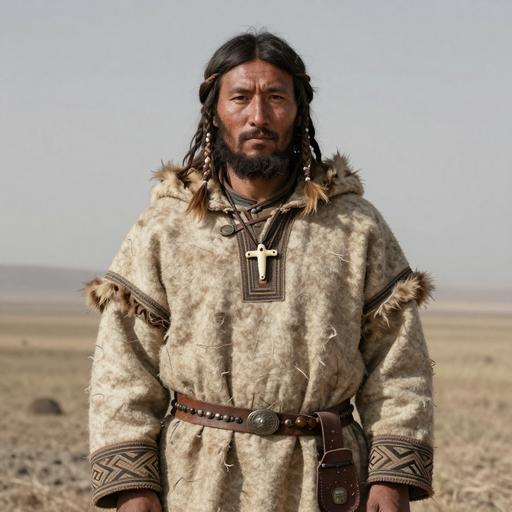
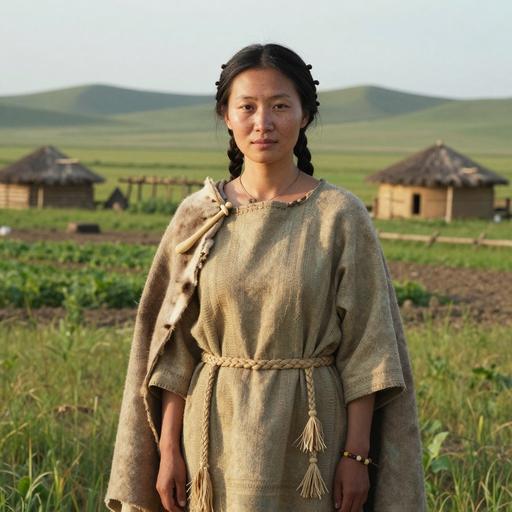
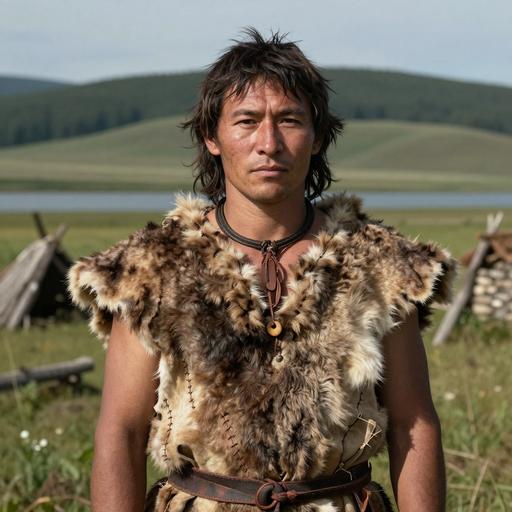
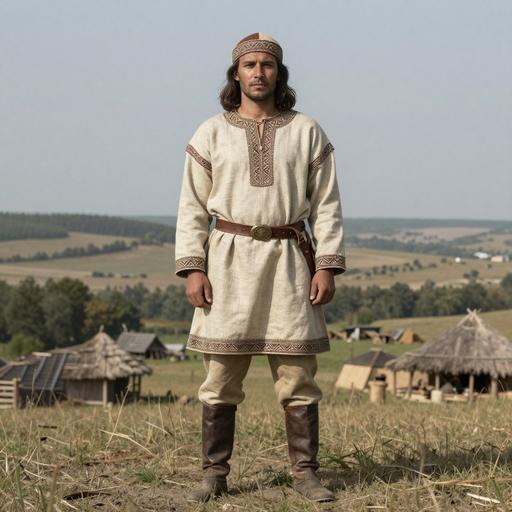
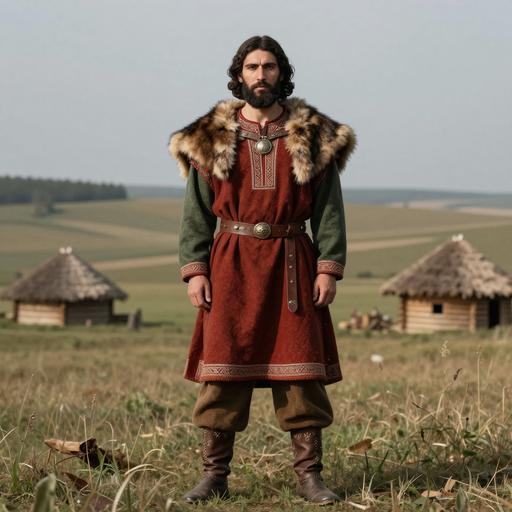
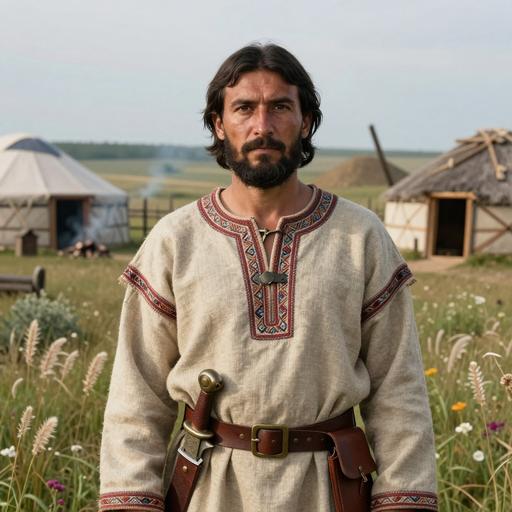
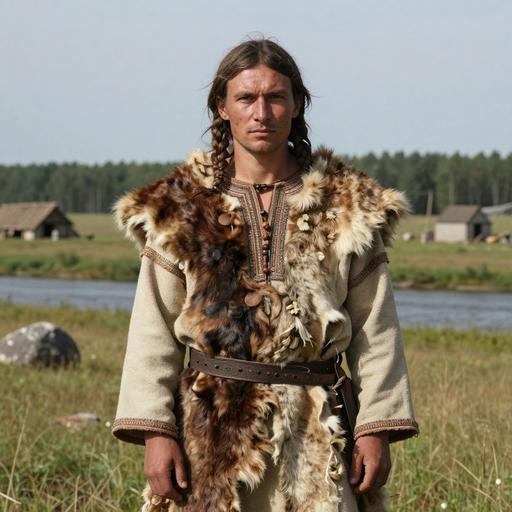
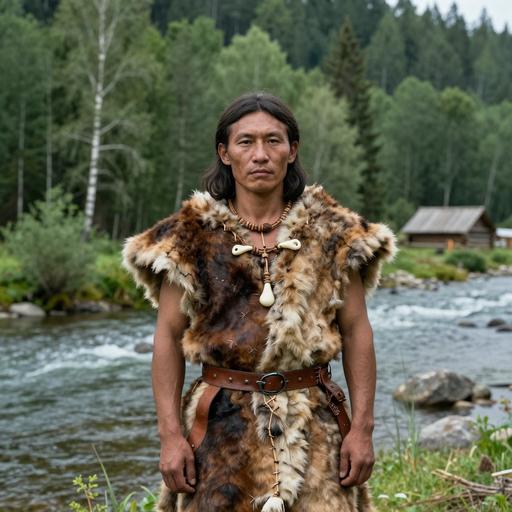
Porträts sind KI-generierte Illustrationen. Probenbezeichnungen und Zugangs-IDs identifizieren die Referenzdatensätze.
Porträt
Probe
Land
Epoche
Datum
Kultur
mtDNA
Übereinstimmung
Proben-ID: ATS001
Mongolia
Xiongnu Period Tuv, Mongolia
23-121 calCE (1954±15 BP, GrM-12988)
Xiongnu Tuv
C4a1a
Direkt
Proben-ID: C3356
China
China Xinjiang Tielieketesai IA 2
149-59 calBCE
Tielieketesai Culture
C4a1a
Direkt
Proben-ID: DOL001
Mongolia
Xiongnu Period Khentii, Mongolia
200 BCE - 100 CE
Xiongnu Culture
C4a1a
Direkt
Proben-ID: C402
China
Historical Period Hetian, Xinjiang, China
200-400 CE
Hetian Culture
C4a1a+195
Direkt
Proben-ID: C1652
China
China Xinjiang Junmachanyilian Historical
262-537 calCE
Junmachanyilian Culture
C4a1a
Direkt
Proben-ID: DA201
Kazakhstan
Late Saka Culture in Kazakhstan
344 calBCE - 5 calCE (2099±38 BP, UBA-33594)
Late Saka
C4a1a+195
Direkt
Proben-ID: AED125b
Germany
Early Medieval Germany
385 CE - 537 CE
Early Medieval German
C4a1a
Direkt
Proben-ID: AED125b
Germany
The Germanic Tribes
385 CE - 537 CE
C4a1a
Direkt
Proben-ID: NW54
Germany
Early Medieval Germany
409-537 calCE (1624±20 BP)
Early Medieval German
C4a1a
Direkt
Proben-ID: RKF061
Hungary
Hungary EarlyAvar
550-700 CE
Early Avar
C4a1a+195
Direkt
Proben-ID: RKF081
Hungary
Hungary EarlyAvar
550-700 CE
Early Avar
C4a1a
Direkt
Proben-ID: RKF145
Hungary
Hungary EarlyAvar
550-700 CE
Early Avar
C4a1a+195
Direkt
Proben-ID: KUP001
Hungary
Hungary Avar
550-850 CE
Avar
C4a1a
Direkt
Proben-ID: KKB002
Kazakhstan
Iron Age Sarmatian-Turkic, Kazakhstan
600-800 CE
Sarmatian-Turkic Culture
C4a1a
Direkt
Proben-ID: MM-83
Hungary
Hungary EarlyAvar
600-650 CE
Early Avar
C4a1a+195
Direkt
Proben-ID: KV-3456
Hungary
Middle to Late Avar Period Hungary
706-883 calCE (1220±20 BP, UGAMS-51298)
Avar Culture
C4a1a
Direkt
Proben-ID: C851
China
China Xinjiang Wuzan IA
750-350 BCE
Wuzan Culture
C4a1a
Direkt
Proben-ID: C1660
China
Iron Age Ayousaigoukou, Xinjiang, China
754 BCE - 412 BCE
Ayousaigoukou Culture
C4a1a+195
Direkt
Proben-ID: C2057
China
Iron Age Sandaohaizi, Xinjiang, China
800 BCE - 1 BCE
Sandaohaizi Culture
C4a1a+195
Direkt
Proben-ID: DA10
Kazakhstan
Central Saka Culture in Kazakhstan
800 BCE - 400 BCE
Central Saka
C4a1a
Direkt
Proben-ID: DA10
Kazakhstan
The Scythian and Saka Cultures
800 BCE - 400 BCE
C4a1a
Direkt
Proben-ID: I19488
Bulgaria
Early Iron Age Bulgaria
900-700 BCE
Bulgarian EIA
C4a1a+195
Direkt
Proben-ID: ULN003
Mongolia
Middle to Late Bronze Age to Xiongnu to Late Medieval Sukhbaatar, Mongolia
1416-1264 calBCE (3075±27 BP, OxA-36232)
Sukhbaatar Multi-Period
C4a1a
Direkt
Proben-ID: ULN009
Mongolia
Middle to Late Bronze Age to Xiongnu to Late Medieval Sukhbaatar, Mongolia
1550-1250 BCE
Sukhbaatar Multi-Period
C4a1a
Direkt
Proben-ID: KHU001
Mongolia
Middle to Late Bronze Age Zavkhan, Mongolia
2000-700 BCE
Zavkhan Culture
C4a1a
Direkt
Proben-ID: WQM4
China
Early Neolithic Amur River Region, China
5478 BCE - 5331 BCE
Amur Neolithic
C4a1a
Direkt
Proben-ID: WQM4
China
Early Neolithic China
5478 BCE - 5331 BCE
C4a1a
Direkt
Proben-ID: NEO117
Russia
Transbaikal Mesolithic Culture
6062-5802 calBCE (7064±63 BP, UBA-33758)
Transbaikal Culture
C4a1a+195
Direkt
Proben-ID: A1813
Hungary
Late Avar Period Danube-Tisza, Hungary
600-800 CE
Late Avar
C4a1a4
Subklade
Proben-ID: I18223
Hungary
Middle to Late Avar Period Danube-Tisza, Hungary
650-750 CE
Middle-Late Avar
C4a1a4
Subklade
Proben-ID: RKF047
Hungary
Hungary MiddleAvar
650-800 CE
Avar Culture
C4a1a4
Subklade
Proben-ID: RKF042
Hungary
Hungary MiddleAvar
668-772 calCE
Avar Culture
C4a1a4
Subklade
Proben-ID: A1815
Hungary
Late Avar Period Danube-Tisza, Hungary
700-800 CE
Late Avar
C4a1a4
Subklade
Proben-ID: KFJ009
Hungary
Hungary LateAvar
700-850 CE
Avar Culture
C4a1a4
Subklade
Proben-ID: KFJ017
Hungary
Hungary LateAvar
700-850 CE
Avar Culture
C4a1a4
Subklade
Proben-ID: KFJ022
Hungary
Hungary LateAvar
700-850 CE
Avar Culture
C4a1a4
Subklade
Proben-ID: KFJ040
Hungary
Hungary LateAvar
700-850 CE
Avar Culture
C4a1a4
Subklade
Proben-ID: SP-2
Hungary
Conqueror Elite Hungary
950-1000 CE
Magyar Elite Culture
C4a1a3
Subklade
Proben-ID: ARS024
Mongolia
Late Bronze Age Khovsgol 6, Mongolia
1385-1057 calBCE (2990±38 BP, A-)
Khovsgol Culture
C4a1a1
Subklade
Proben-ID: JXNTM23
China
Late Bronze Age to Iron Age China
1504 BCE - 1262 BCE
Chinese Bronze-Iron
C4a1a2
Subklade
Proben-ID: JXNTM23
China
Bronze Age China
1504 BCE - 1262 BCE
C4a1a2
Subklade
Proben-ID: irk008
Russia
Bronze Age Lena River, Russia
1931 BCE - 1749 BCE
Lena River Culture
C4a1a3
Subklade
Proben-ID: irk008
Russia
Bronze Age Cis-Baikal, Siberia
1931 BCE - 1749 BCE
C4a1a3
Subklade
Proben-ID: DA361
Russia
Early Bronze Age Ust-Ida, Russia
2445 BCE - 1978 BCE
Ust-Ida Culture
C4a1a3
Subklade
Proben-ID: DA361
Russia
Early Bronze Age Cis-Baikal, Siberia
2445 BCE - 1978 BCE
C4a1a3
Subklade
Proben-ID: DA356
Russia
Early Bronze Age Ust-Ida, Russia
2456 BCE - 2206 BCE
Ust-Ida Culture
C4a1a3
Subklade
Proben-ID: DA356
Russia
Early Bronze Age Cis-Baikal, Siberia
2456 BCE - 2206 BCE
C4a1a3
Subklade
Proben-ID: DA337
Russia
Early Bronze Age Shamanka, Russia
2461 BCE - 2295 BCE
Shamanka Culture
C4a1a3
Subklade
Proben-ID: DA337
Russia
Early Bronze Age Cis-Baikal, Siberia
2461 BCE - 2295 BCE
C4a1a3
Subklade
Proben-ID: I7335
Russia
Ust-Belaya Angara Culture, Russia
2570-2460 calBCE (3995±20 BP, PSUAMS-5326)
Ust-Belaya Culture
C4a1a3
Subklade
Proben-ID: ATS001
Xiongnu Period Tuv, Mongolia - Mongolia - Tuv. Atsyn Am
Mongolia Xiongnu Period Tuv, Mongolia 23-121 calCE (1954±15 BP, GrM-12988)
C4a1aDirekt
Proben-ID: C3356
Iron Age Tielieketesai 2, Xinjiang, China - China - Xinjiang. Yili Region. Xinyuan County. Tielieketesai
China China Xinjiang Tielieketesai IA 2 149-59 calBCE
C4a1aDirekt
Proben-ID: DOL001
Xiongnu Period Khentii, Mongolia - Mongolia - Khentii. Khanan Uul
Mongolia Xiongnu Period Khentii, Mongolia 200 BCE - 100 CE
C4a1aDirekt
Proben-ID: C402
Historical Period Hetian, Xinjiang, China - China - Xinjiang. Hetian Region. Luopu County. Hetian
China Historical Period Hetian, Xinjiang, China 200-400 CE
C4a1a+195Direkt
Proben-ID: C1652
Historical Period Junmachanyilian, Xinjiang, China - China - Xinjiang. Yili Region. Tekesi County. Junmachanyilian
China China Xinjiang Junmachanyilian Historical 262-537 calCE
C4a1aDirekt
Proben-ID: DA201
Late Saka Culture in Kazakhstan - Kazakhstan - Turgen-2 (Almaty Region, Enbekshikazakh District)
Kazakhstan Late Saka Culture in Kazakhstan 344 calBCE - 5 calCE (2099±38 BP, UBA-33594)
C4a1a+195Direkt
Proben-ID: AED125b
Early Medieval Germany - Germany - Bavaria. Altenerding- Klettham
Germany Early Medieval Germany 385 CE - 537 CE
C4a1aDirekt
Proben-ID: AED125b
Germany The Germanic Tribes 385 CE - 537 CE
C4a1aDirekt
Proben-ID: NW54
Early Medieval Germany - Germany - Burgweinting - Nord-West II (Bavaria)
Germany Early Medieval Germany 409-537 calCE (1624±20 BP)
C4a1aDirekt
Proben-ID: RKF061
Early Avar Period Hungary - Hungary - Rákóczifalva-Bagi-földek (Jász-Nagykun-Szolnok Coiunty, Szolnok)
Hungary Hungary EarlyAvar 550-700 CE
C4a1a+195Direkt
Proben-ID: RKF081
Early Avar Period Hungary - Hungary - Rákóczifalva-Bagi-földek (Jász-Nagykun-Szolnok Coiunty, Szolnok)
Hungary Hungary EarlyAvar 550-700 CE
C4a1aDirekt
Proben-ID: RKF145
Early Avar Period Hungary - Hungary - Rákóczifalva-Bagi-földek (Jász-Nagykun-Szolnok Coiunty, Szolnok)
Hungary Hungary EarlyAvar 550-700 CE
C4a1a+195Direkt
Proben-ID: KUP001
Avar Khaganate - Hungary - Kunpeszér-Felsőpeszéri út (Bács-Kiskun County)
Hungary Hungary Avar 550-850 CE
C4a1aDirekt
Proben-ID: KKB002
Iron Age Sarmatian-Turkic, Kazakhstan - Kazakhstan - East Kazakhstan. Karakaba River Valley. Karakaba. mound 11
Kazakhstan Iron Age Sarmatian-Turkic, Kazakhstan 600-800 CE
C4a1aDirekt
Proben-ID: MM-83
Early Avar Period Hungary - Hungary - Csongrád-Csanád County. Makó-Mikócsa-halom
Hungary Hungary EarlyAvar 600-650 CE
C4a1a+195Direkt
Proben-ID: KV-3456
Middle to Late Avar Period Hungary - Hungary - Bács-Kiskun County. Kiskőrös-Vágóhídidűlő
Hungary Middle to Late Avar Period Hungary 706-883 calCE (1220±20 BP, UGAMS-51298)
C4a1aDirekt
Proben-ID: C851
Iron Age Wuzan, Xinjiang, China - China - Xinjiang. Yili Region. Nileke County. Wuzan
China China Xinjiang Wuzan IA 750-350 BCE
C4a1aDirekt
Proben-ID: C1660
Iron Age Ayousaigoukou, Xinjiang, China - China - Xinjiang. Yili Region. Xinyuan County. Ayousaigoukou
China Iron Age Ayousaigoukou, Xinjiang, China 754 BCE - 412 BCE
C4a1a+195Direkt
Proben-ID: C2057
Iron Age Sandaohaizi, Xinjiang, China - China - Xinjiang. Aletai Region. Qinghe County. Sandaohaizi
China Iron Age Sandaohaizi, Xinjiang, China 800 BCE - 1 BCE
C4a1a+195Direkt
Proben-ID: DA10
Central Saka Culture in Kazakhstan - Kazakhstan - Tian Shan. Central Steppe
Kazakhstan Central Saka Culture in Kazakhstan 800 BCE - 400 BCE
C4a1aDirekt
Proben-ID: DA10
Kazakhstan The Scythian and Saka Cultures 800 BCE - 400 BCE
C4a1aDirekt
Proben-ID: I19488
Early Iron Age Bulgaria - Bulgaria - Svilengrad ( Haskovo)
Bulgaria Early Iron Age Bulgaria 900-700 BCE
C4a1a+195Direkt
Proben-ID: ULN003
Middle to Late Bronze Age to Xiongnu to Late Medieval Sukhbaatar, Mongolia - Mongolia - Sukhbaatar. Ulaanzuukh
Mongolia Middle to Late Bronze Age to Xiongnu to Late Medieval Sukhbaatar, Mongolia 1416-1264 calBCE (3075±27 BP, OxA-36232)
C4a1aDirekt
Proben-ID: ULN009
Middle to Late Bronze Age to Xiongnu to Late Medieval Sukhbaatar, Mongolia - Mongolia - Sukhbaatar. Ulaanzuukh
Mongolia Middle to Late Bronze Age to Xiongnu to Late Medieval Sukhbaatar, Mongolia 1550-1250 BCE
C4a1aDirekt
Proben-ID: KHU001
Middle to Late Bronze Age Zavkhan, Mongolia - Mongolia - Zavkhan. Khukh Khoshuunii Boom
Mongolia Middle to Late Bronze Age Zavkhan, Mongolia 2000-700 BCE
C4a1aDirekt
Proben-ID: WQM4
Early Neolithic Amur River Region, China - China - Inner Mongolia. Zhalainuoer district. Wuqi farm site
China Early Neolithic Amur River Region, China 5478 BCE - 5331 BCE
Late Bronze Age Khovsgol 6, Mongolia - Mongolia - Khovsgol aimag. Arbulag sorum
Mongolia Late Bronze Age Khovsgol 6, Mongolia 1385-1057 calBCE (2990±38 BP, A-)
C4a1a1Subklade
Proben-ID: JXNTM23
Late Bronze Age to Iron Age China - China - Henan province. Jiazuo city. Jiaozuoniecun site
China Late Bronze Age to Iron Age China 1504 BCE - 1262 BCE
C4a1a2Subklade
Proben-ID: JXNTM23
China Bronze Age China 1504 BCE - 1262 BCE
C4a1a2Subklade
Proben-ID: irk008
Bronze Age Lena River, Russia - Russia - Siberian Federal District. Cis-Baikal. Lena River. Silinskij burial site
Russia Bronze Age Lena River, Russia 1931 BCE - 1749 BCE
C4a1a3Subklade
Proben-ID: irk008
Russia Bronze Age Cis-Baikal, Siberia 1931 BCE - 1749 BCE
C4a1a3Subklade
Proben-ID: DA361
Early Bronze Age Ust-Ida, Russia - Russia - Ust'-Ida
Russia Early Bronze Age Ust-Ida, Russia 2445 BCE - 1978 BCE
C4a1a3Subklade
Proben-ID: DA361
Russia Early Bronze Age Cis-Baikal, Siberia 2445 BCE - 1978 BCE
C4a1a3Subklade
Proben-ID: DA356
Early Bronze Age Ust-Ida, Russia - Russia - Ust'-Ida
Russia Early Bronze Age Ust-Ida, Russia 2456 BCE - 2206 BCE
C4a1a3Subklade
Proben-ID: DA356
Russia Early Bronze Age Cis-Baikal, Siberia 2456 BCE - 2206 BCE
C4a1a3Subklade
Proben-ID: DA337
Early Bronze Age Shamanka, Russia - Russia - Shamanka II
Russia Early Bronze Age Shamanka, Russia 2461 BCE - 2295 BCE
C4a1a3Subklade
Proben-ID: DA337
Russia Early Bronze Age Cis-Baikal, Siberia 2461 BCE - 2295 BCE
C4a1a3Subklade
Proben-ID: I7335
Ust-Belaya Angara Culture, Russia - Russia - Baikal Region. Angara river basin. Mouth of the Belaya River
Russia Ust-Belaya Angara Culture, Russia 2570-2460 calBCE (3995±20 BP, PSUAMS-5326)
C4a1a3Subklade
MATERNAL LINEAGE · ANCIENT DNA
Ancient lineage evidence map
Follow parent clades toward this branch and explore where ancient carriers were found.
Loading ancient observations…
Reduced motion is enabled. Use the timeline or Show all to explore at your own pace.
Read observations as a table
Displayed ancient observations by branch, period and date midpoint
Branch
Period
Date range
Sample
Sample ID
Location
Haplogroup
Relationship
Markers are archaeological find locations. A dashed connector is an uncertain, proposed geographic transition between consecutive branches supported by multiple dated observations; it is not an exact travel route, birthplace or proof of direct descent. Parent-clade samples may belong to other descendant branches. Gaps remain where evidence is insufficient. Sample dates differ from haplogroup formation dates.
Grouping by historical period reflects when each ancient individual lived, combined across every branch on this lineage chain; it is not a migration sequence or a personal timeline between periods.
Referenzprofil
Trägerverteilungskarte
Geografische Verteilung von 58 antiken DNA-Proben (direkte und Subkladen-Träger von C4A1A)
Direkter Träger Subkladen-Träger
Zeitraumfilter
Alle Zeiträume
Alle Proben werden angezeigt
Referenzprofil
Zeitliche Verteilung
Verteilung der Träger über archäologische Epochen
Referenzprofil
Geografische Verteilung
Anzahlen nach erfasstem Probenland. Sie spiegeln die verfügbare Referenzauswahl wider, nicht Bevölkerungshäufigkeiten.
Referenzprofil
Verteilung Land × Epoche
Vergleichen Sie erfasste Probenanzahlen nach Ländern und archäologischen Epochen. Wählen Sie eine belegte Zelle, um eine Probe anzusehen.
Daten
Daten und Herkunft
Quellenangaben und Datenqualität
Zuletzt aktualisiert2026-02-16
Konfidenzwert50/100
AbdeckungLow
Datenquelle
Klassifikation, geschätzte Daten und geografischer Kontext spiegeln die erfassten Referenzdaten wider und können sich bei überarbeiteten Belegen ändern. Die Probenabdeckung ist ungleichmäßig; erfasste Orte und archäologische Zuordnungen begründen weder persönliche Herkunft noch kulturelle Identität.
Eine Haplogruppe beschreibt eine einzelne mütterliche oder väterliche Linie. Welcher Zweig sich vorhersagen lässt, hängt von den Markern in der DNA-Datei ab.
So analysieren wir DNA