Zum Hauptinhalt springen
mtDNA · Mütterliche Linie

C5B1

mtDNA Haplogroup C5B1

Ein Referenzprofil für einen Abstammungszweig. Gemeinsame Haplogruppen begründen weder eine familiäre Beziehung noch eine kulturelle Identität.

Referenzprofil

Hintergrund des Zweigs

Historischer Kontext für den mtDNA-Abstammungszweig C5B1

Origins and Evolution

mtDNA haplogroup C5B1 is a downstream branch of C5B, itself part of mitochondrial haplogroup C5 which derives from haplogroup C — a lineage with deep roots across northern Eurasia and East Asia. Based on the phylogenetic position of C5B and published coalescent estimates for neighboring subclades, C5B1 most likely arose in the early Holocene (~10 kya) in the broad Central-East Siberian / Mongolian region as populations that had survived the Last Glacial Maximum expanded and differentiated in the postglacial environment. The subclade shows the expected pattern for a Holocene northern Eurasian lineage: concentration in indigenous Siberian, Mongolic and Tungusic-speaking groups, with scattered downstream dispersals into adjacent highland and steppe populations.

Subclades (if applicable)

At present, C5B1 is a relatively specific branch within C5B with only limited deeply-divergent internal structure described in the literature and public mtDNA databases. Where fine-scale sequencing (complete mitogenomes) has been performed, small localized sub-branches have been observed in particular ethnic groups (for example, specific C5B1 haplotypes in Yakut or Buryat samples), but the subclade does not yet show the broad multilayered substructure seen in older, broadly-distributed haplogroups. Continued mitogenome sampling in underrepresented Siberian and Himalayan populations may reveal further internal branches.

Geographical Distribution

C5B1 is most frequent and best-documented in northern Eurasia. Modern population surveys and ancient DNA finds indicate a pattern concentrated in:

  • Siberian ethnic groups (Yakut, Evenk, Nenets, Chukchi, Tuvan and related peoples)
  • Mongolic and Tungusic speakers (Mongolians, Buryats, Even, and other groups of the Lake Baikal and eastern steppe regions)
  • Tibetan Plateau and Himalayan foothills (low-frequency occurrences among Tibetans, some Sherpa and Tibeto-Burman groups), reflecting prehistoric upland gene flow or later contacts
  • Central Asian populations (e.g., Kazakh, Altaians, and some Tuvan communities) at low to moderate frequency, consistent with steppe and mountain corridor-mediated movement
  • Occasional East Asian and Northern European admixed individuals, the latter reflecting historic Siberian-to-Europe gene flow (e.g., via medieval or more recent contacts)

A small number of ancient DNA specimens from northern Eurasian archaeological contexts have been assigned to C5B1, confirming Holocene presence in the region and supporting continuity between ancient hunter-gatherer/early pastoralist populations and some modern indigenous groups.

Historical and Cultural Significance

C5B1 is principally informative for reconstructing maternal ancestry among northern Eurasian peoples rather than indicating a single archaeological culture. Its distribution matches the geography of postglacial recolonization, north Asian hunter-gatherer persistence and the later demographic processes that shaped Mongolia, Siberia and adjacent highlands. The haplogroup appears in contexts connected to:

  • Long-term subsistence and demographic continuity among indigenous Siberian hunter-gatherers and reindeer-herding groups.
  • Genetic contributions to steppe and highland populations during Bronze Age and later movements, where C5B1 occurs at low frequency among populations influenced by steppe pastoralist expansions or local admixture.

Because C5B1 is not a diagnostic marker of major pan-regional archaeological complexes (unlike some Y-chromosome lineages), its primary value is in regional maternal lineage tracing, ancient–modern continuity studies, and identifying east–west gene flow episodes in northern Eurasia.

Conclusion

mtDNA C5B1 is a Holocene northern Eurasian maternal lineage that reflects postglacial differentiation in central–eastern Siberia/Mongolia with downstream low-frequency spread into neighboring regions (Tibet, Central Asia, occasional East Asian and northern European contexts). It is best interpreted within multi-locus and archaeological frameworks: its presence points to Siberian or adjacent highland maternal ancestry and contributes to reconstructions of population history in the Eurasian north during the Holocene. Continued complete-mitogenome sampling and a larger ancient DNA record will refine its internal structure and timing.

Wichtige Punkte

  • Origins and Evolution
  • Subclades (if applicable)
  • Geographical Distribution
  • Historical and Cultural Significance
  • Conclusion
Referenzprofil

Baum und Verwandtschaft

Phylogenetischer Kontext und Subkladen

Entwicklungsweg

Folgen Sie den erfassten übergeordneten Zweigen bis C5B1. Die Daten sind Schätzungen und können sich ändern, wenn Referenzdaten überarbeitet werden.

Schritte Haplogruppe Altersschätzung Archäologische Epoche Vergangene Zeit Unmittelbare Nachkommen Getestete moderne Nachkommen Antike Verknüpfungen
1 C5B1 Aktuell ~10,000 years ago Neolithic 10,000 Jahre 2 0 0
2 C5B ~12,000 years ago Neolithic 12,000 Jahre 1 0 23
3 C5 ~18,000 years ago Mesolithic 18,000 Jahre 4 7 4
4 C ~35,000 years ago Paleolithic 35,000 Jahre 5 806 75
5 CZ ~40,000 years ago Paleolithic 40,000 Jahre 2 856 4
6 M8 ~42,000 years ago Paleolithic 42,000 Jahre 2 873 5
7 M ~60,000 years ago Paleolithic 60,000 Jahre 42 2,671 41
8 L3 ~70,000 years ago Paleolithic 70,000 Jahre 7 30,162 6
9 L3'4 - - - 2 30,212 0
10 L3'4'6 - - - 2 30,216 0
11 L2'3'4'6 - - - 2 31,333 0
12 L2'3'4'5'6'7 - - - 2 31,349 0
13 L1'2'3'4'5'6'7 - - - 2 31,852 0
14 L ~160,000 years ago Paleolithic 160,000 Jahre 2 32,236 5
Referenzprofil

Verbreitung weltweit

Geografische Verbreitung und moderne Präsenz

Erfasster Ursprung

Central-East Siberia / Mongolia

Moderne Verbreitung

The populations where mtDNA haplogroup C5B1 is found include:

  1. Siberian ethnic groups (e.g., Yakut, Evenk, Nenets, Chukchi, Tuvan)
  2. Mongolic and Tungusic-speaking populations (e.g., Mongolians, Buryats, Even)
  3. Tibetan and Himalayan populations (e.g., Tibetans, Sherpa, some Nepalese Tibeto-Burman groups)
  4. Central Asian groups (e.g., Kazakh, Altaians, some Tuvan and Altaic communities)
  5. Selected South Asian populations in Himalayan foothills and Tibeto-Burman speakers
  6. East Asian populations at low frequency (occasional reports in Koreans, Japanese)
  7. Archaeological/ancient contexts in northern Eurasia (identified in multiple ancient DNA samples)
  8. Occasional admixed individuals in northern and eastern Europe in contexts of Siberian/East Asian gene flow
Historischer Kontext

Ein Zweig durch die Zeit

Geschätzte Entstehung in einer breiten historischen Zeitleiste. Zeitmarken liefern Kontext und implizieren keine Verbindung zu bestimmten Kulturen.

  1. ~10k Jahre zurück

    Neolithische Revolution

    Beginn der Landwirtschaft und feste Siedlungen

  2. ~10k Jahre zurück

    Haplogruppe C5B1

    Geschätzte Entstehung dieses mtDNA-Zweigs; Daten und Orte sind Referenzschätzungen.

    Dieser Zweig
  3. ~5k Jahre zurück

    Bronzezeit

    Metallverarbeitung, Schrift und frühe Zivilisationen

  4. ~3k Jahre zurück

    Eisenzeit

    Eisenwerkzeuge und ausgedehnte Handelsnetze

  5. ~2.5k Jahre zurück

    Klassische Antike

    Blüte griechischer und römischer Kulturen

  6. Gegenwart

    Gegenwart

    Moderne Zeit

Referenzprofil

Archäologischer Kontext

Erfasste archäologische Zuordnungen für den mtDNA-Zweig C5B1

Erfasste Zuordnungen

Diese Bezeichnungen beschreiben archäologische Kontexte erfasster Referenzproben mit Bezug zu C5B1. Eine Zuordnung bedeutet nicht, dass alle Träger einer Kultur angehörten oder einer bestimmten Migrationsroute folgten.

Archaic Belize Boisman Center West 4 Ceramic Period Khovd Long-Term Olmec Russia_AltaiKrai_N Russia_Omsk_Eneolithic_Chernoozersky Russia_Omsk_Eneolithic-2 San Clemente Island Culture Santa Rosa Island Culture
Kulturzuordnungen basieren auf dem archäologischen Kontext antiker DNA-Proben und können regionale Verknüpfungen in bestimmten Zeiträumen widerspiegeln.
Referenzprofil

Probencatalog

2 direkte Träger und 5 Subkladen-Träger der Haplogruppe C5B1

7 angezeigt · 7 passende Proben

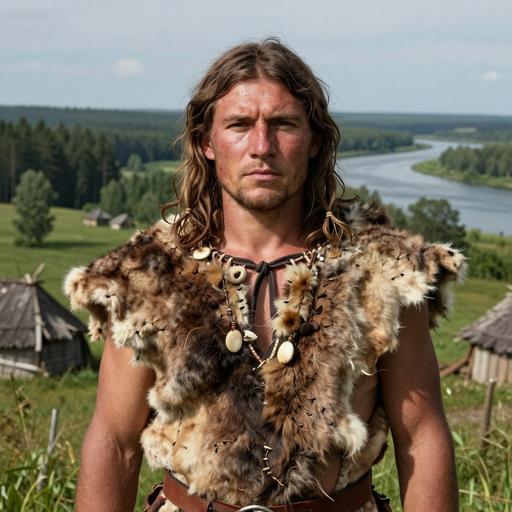
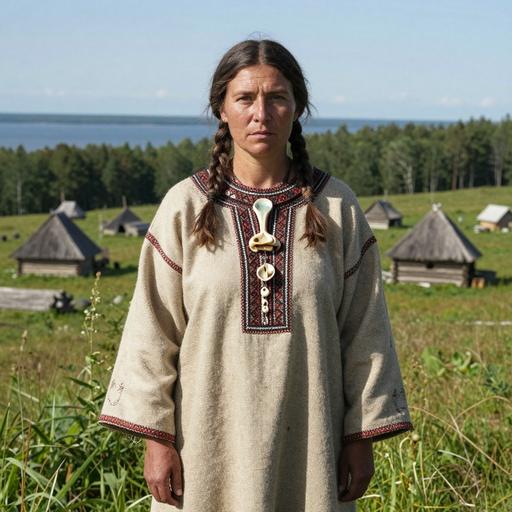
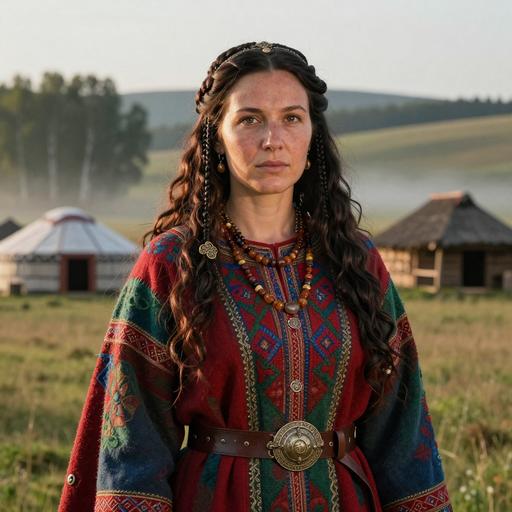
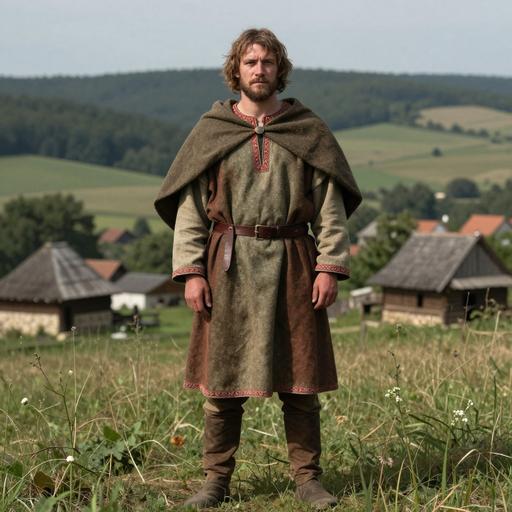
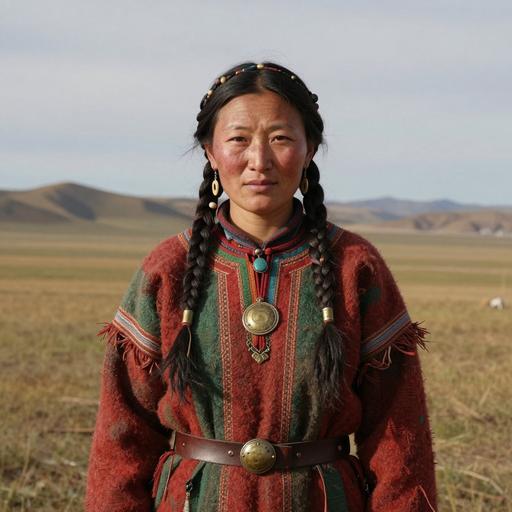
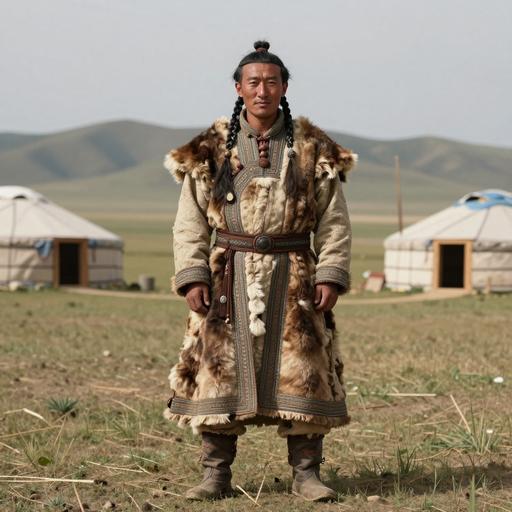
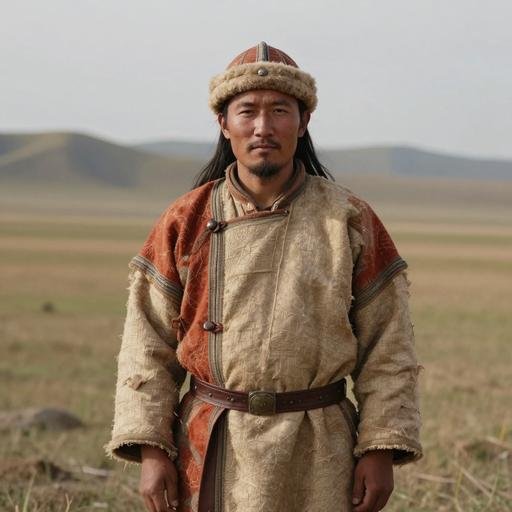
Porträts sind KI-generierte Illustrationen. Probenbezeichnungen und Zugangs-IDs identifizieren die Referenzdatensätze.

Porträt Probe Land Epoche Datum Kultur mtDNA Übereinstimmung
KI-generiertes illustratives Porträt von Primorsky Krai MN Boisman individual, Primorsky Krai. Boisman-2, Russia (3,705-3,633 BCE)
Proben-ID: I3356
Russia Boisman Culture in Russia's Middle Neolithic 3705-3633 calBCE (4875±20 BP, PSUAMS-2160) Boisman C5b1 Direkt
KI-generiertes illustratives Porträt von Primorsky Krai MN Boisman individual, Primorsky Krai. Boisman-2, Russia (5,211-5,001 BCE)
Proben-ID: I1196
Russia Boisman Culture in Russia's Middle Neolithic 5211-5001 calBCE (6155±35 BP, Poz-83476) Boisman C5b1 Direkt
KI-generiertes illustratives Porträt von Avar-o Low East Asia individual, Kunszállás-Fülöpjakab (Bács-Kiskun County, Kecskemét), Hungary (550-850 CE)
Proben-ID: KFJ031
Hungary Hungary Avar 550-850 CE Avar C5b1b Subklade
KI-generiertes illustratives Porträt von Commoner individual, Bács-Kiskun County. Homokmégy-Székes, Hungary (900-1,100 CE)
Proben-ID: HMSZ-88
Hungary Hungary Conqueror Commoner 900-1100 CE Magyar Commoner Culture C5b1a Subklade
KI-generiertes illustratives Porträt von EIA Slab Grave-1 individual, Khentii. Delgerkhaan sum. Rashaant tolgoi. tomb 6, Mongolia (967-827 BCE)
Proben-ID: I13963
Mongolia Mongolia EIA SlabGrave 1 967-827 calBCE (2750±20 BP, PSUAMS-6943) Slab Grave Culture C5b1b Subklade
KI-generiertes illustratives Porträt von Khovd Xiongnu Period individual, Khovd. Khoit Tsenkher. Tarvagatain Am, Mongolia (1,150 BCE-1,300 CE)
Proben-ID: KHO006
Mongolia Middle to Late Bronze Age to Xiongnu to Late Medieval Khovd, Mongolia 1150 BCE - 1300 CE Khovd Long-Term C5b1b Subklade
KI-generiertes illustratives Porträt von Center West LBA-4 individual, Bayankhongor aimag. Erdentsogt sum, Mongolia (1,384-1,128 BCE)
Proben-ID: I13766
Mongolia Late Bronze Age Center West 4, Mongolia 1384-1128 calBCE (3010±25 BP, UCIAMS-226533, PSUG-5436) Center West 4 C5b1b Subklade
MATERNAL LINEAGE · ANCIENT DNA

Ancient lineage evidence map

Follow parent clades toward this branch and explore where ancient carriers were found.

Loading ancient observations…

Markers are archaeological find locations. A dashed connector is an uncertain, proposed geographic transition between consecutive branches supported by multiple dated observations; it is not an exact travel route, birthplace or proof of direct descent. Parent-clade samples may belong to other descendant branches. Gaps remain where evidence is insufficient. Sample dates differ from haplogroup formation dates.

Referenzprofil

Trägerverteilungskarte

Geografische Verteilung von 7 antiken DNA-Proben (direkte und Subkladen-Träger von C5B1)

Direkter Träger Subkladen-Träger
Zeitraumfilter
Alle Zeiträume
Alle Proben werden angezeigt
Referenzprofil

Zeitliche Verteilung

Verteilung der Träger über archäologische Epochen

Referenzprofil

Geografische Verteilung

Anzahlen nach erfasstem Probenland. Sie spiegeln die verfügbare Referenzauswahl wider, nicht Bevölkerungshäufigkeiten.

Referenzprofil

Verteilung Land × Epoche

Vergleichen Sie erfasste Probenanzahlen nach Ländern und archäologischen Epochen. Wählen Sie eine belegte Zelle, um eine Probe anzusehen.

Daten

Daten und Herkunft

Quellenangaben und Datenqualität

Zuletzt aktualisiert 2026-02-16
Konfidenzwert 50/100
Abdeckung Low

Datenquelle

Klassifikation, geschätzte Daten und geografischer Kontext spiegeln die erfassten Referenzdaten wider und können sich bei überarbeiteten Belegen ändern. Die Probenabdeckung ist ungleichmäßig; erfasste Orte und archäologische Zuordnungen begründen weder persönliche Herkunft noch kulturelle Identität.

Eine Haplogruppe beschreibt eine einzelne mütterliche oder väterliche Linie. Welcher Zweig sich vorhersagen lässt, hängt von den Markern in der DNA-Datei ab. So analysieren wir DNA