Menu
mtDNA Haplogroup • Maternal Lineage

C5B1

mtDNA Haplogroup C5B1

~10,000 years ago
Central-East Siberia / Mongolia
2 subclades
Scroll to explore
Chapter I

The Story

The journey of mtDNA haplogroup C5B1

Origins and Evolution

mtDNA haplogroup C5B1 is a downstream branch of C5B, itself part of mitochondrial haplogroup C5 which derives from haplogroup C — a lineage with deep roots across northern Eurasia and East Asia. Based on the phylogenetic position of C5B and published coalescent estimates for neighboring subclades, C5B1 most likely arose in the early Holocene (~10 kya) in the broad Central-East Siberian / Mongolian region as populations that had survived the Last Glacial Maximum expanded and differentiated in the postglacial environment. The subclade shows the expected pattern for a Holocene northern Eurasian lineage: concentration in indigenous Siberian, Mongolic and Tungusic-speaking groups, with scattered downstream dispersals into adjacent highland and steppe populations.

Subclades (if applicable)

At present, C5B1 is a relatively specific branch within C5B with only limited deeply-divergent internal structure described in the literature and public mtDNA databases. Where fine-scale sequencing (complete mitogenomes) has been performed, small localized sub-branches have been observed in particular ethnic groups (for example, specific C5B1 haplotypes in Yakut or Buryat samples), but the subclade does not yet show the broad multilayered substructure seen in older, broadly-distributed haplogroups. Continued mitogenome sampling in underrepresented Siberian and Himalayan populations may reveal further internal branches.

Geographical Distribution

C5B1 is most frequent and best-documented in northern Eurasia. Modern population surveys and ancient DNA finds indicate a pattern concentrated in:

  • Siberian ethnic groups (Yakut, Evenk, Nenets, Chukchi, Tuvan and related peoples)
  • Mongolic and Tungusic speakers (Mongolians, Buryats, Even, and other groups of the Lake Baikal and eastern steppe regions)
  • Tibetan Plateau and Himalayan foothills (low-frequency occurrences among Tibetans, some Sherpa and Tibeto-Burman groups), reflecting prehistoric upland gene flow or later contacts
  • Central Asian populations (e.g., Kazakh, Altaians, and some Tuvan communities) at low to moderate frequency, consistent with steppe and mountain corridor-mediated movement
  • Occasional East Asian and Northern European admixed individuals, the latter reflecting historic Siberian-to-Europe gene flow (e.g., via medieval or more recent contacts)

A small number of ancient DNA specimens from northern Eurasian archaeological contexts have been assigned to C5B1, confirming Holocene presence in the region and supporting continuity between ancient hunter-gatherer/early pastoralist populations and some modern indigenous groups.

Historical and Cultural Significance

C5B1 is principally informative for reconstructing maternal ancestry among northern Eurasian peoples rather than indicating a single archaeological culture. Its distribution matches the geography of postglacial recolonization, north Asian hunter-gatherer persistence and the later demographic processes that shaped Mongolia, Siberia and adjacent highlands. The haplogroup appears in contexts connected to:

  • Long-term subsistence and demographic continuity among indigenous Siberian hunter-gatherers and reindeer-herding groups.
  • Genetic contributions to steppe and highland populations during Bronze Age and later movements, where C5B1 occurs at low frequency among populations influenced by steppe pastoralist expansions or local admixture.

Because C5B1 is not a diagnostic marker of major pan-regional archaeological complexes (unlike some Y-chromosome lineages), its primary value is in regional maternal lineage tracing, ancient–modern continuity studies, and identifying east–west gene flow episodes in northern Eurasia.

Conclusion

mtDNA C5B1 is a Holocene northern Eurasian maternal lineage that reflects postglacial differentiation in central–eastern Siberia/Mongolia with downstream low-frequency spread into neighboring regions (Tibet, Central Asia, occasional East Asian and northern European contexts). It is best interpreted within multi-locus and archaeological frameworks: its presence points to Siberian or adjacent highland maternal ancestry and contributes to reconstructions of population history in the Eurasian north during the Holocene. Continued complete-mitogenome sampling and a larger ancient DNA record will refine its internal structure and timing.

Key Points

  • Origins and Evolution
  • Subclades (if applicable)
  • Geographical Distribution
  • Historical and Cultural Significance
  • Conclusion
Chapter II

Tree & Relationships

Phylogenetic context and subclades

Evolution Path

This haplogroup's evolutionary journey from its earliest ancestor to the present.

Steps Haplogroup Age Estimate Archaeology Era Time Passed Immediate Descendants Tested Modern Descendants Ancient Connections
1 C5B1 Current ~10,000 years ago 🌾 Neolithic 10,000 years 2 0 0
2 C5B ~12,000 years ago 🌾 Neolithic 12,000 years 1 0 23
3 C5 ~18,000 years ago 🏹 Mesolithic 18,000 years 4 6 4
4 C ~35,000 years ago 🦴 Paleolithic 35,000 years 5 617 75
Chapter III

Where in the World

Geographic distribution and modern presence

Place of Origin

Central-East Siberia / Mongolia

Modern Distribution

The populations where mtDNA haplogroup C5B1 is found include:

  1. Siberian ethnic groups (e.g., Yakut, Evenk, Nenets, Chukchi, Tuvan)
  2. Mongolic and Tungusic-speaking populations (e.g., Mongolians, Buryats, Even)
  3. Tibetan and Himalayan populations (e.g., Tibetans, Sherpa, some Nepalese Tibeto-Burman groups)
  4. Central Asian groups (e.g., Kazakh, Altaians, some Tuvan and Altaic communities)
  5. Selected South Asian populations in Himalayan foothills and Tibeto-Burman speakers
  6. East Asian populations at low frequency (occasional reports in Koreans, Japanese)
  7. Archaeological/ancient contexts in northern Eurasia (identified in multiple ancient DNA samples)
  8. Occasional admixed individuals in northern and eastern Europe in contexts of Siberian/East Asian gene flow
CHAPTER IV

When in Time

Your haplogroup in the context of human history

~10k years ago

Neolithic Revolution

Agriculture begins, settled communities form

~10k years ago

Haplogroup C5B1

Your mtDNA haplogroup emerged in Central-East Siberia / Mongolia

Central-East Siberia / Mongolia
~5k years ago

Bronze Age

Metalworking, writing, and early civilizations

~3k years ago

Iron Age

Iron tools, expanded trade networks

~2k years ago

Classical Antiquity

Greek and Roman civilizations flourish

Present

Present Day

Modern era

Your Haplogroup
Historical Era
Chapter IV-B

Linked Cultures

Ancient cultures associated with mtDNA haplogroup C5B1

Cultural Heritage

These ancient cultures have been linked to haplogroup C5B1 based on matching ancient DNA samples from archaeological excavations. The presence of this haplogroup in these cultures provides insights into the migrations and population movements of populations carrying this haplogroup.

Archaic Belize Boisman Center West 4 Ceramic Period Formative Mesoamerican Khovd Long-Term Olmec San Clemente Island Culture Santa Rosa Island Culture
Culture assignments are based on archaeological context of ancient DNA samples and may represent regional associations during specific time periods.
Chapter V

Sample Catalog

2 direct carriers and 5 subclade carriers of haplogroup C5B1

7 / 7 samples
Portrait Sample Country Era Date Culture mtDNA Match
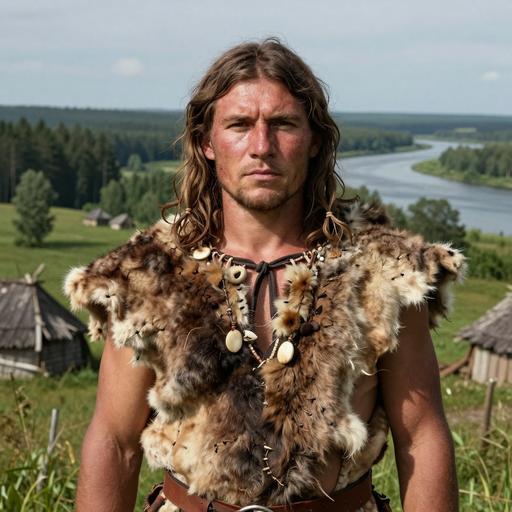
Portrait of ancient individual I3356 from Russia, dated 3705 BCE - 3633 BCE
I3356
Russia Boisman Culture in Russia's Middle Neolithic 3705 BCE - 3633 BCE Boisman C5b1 Direct
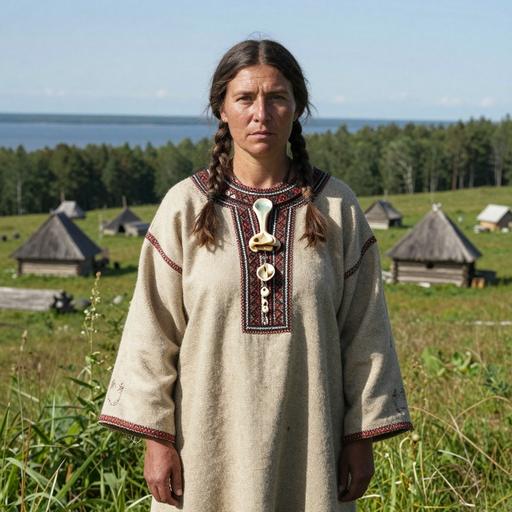
Portrait of ancient individual I1196 from Russia, dated 5211 BCE - 5001 BCE
I1196
Russia Boisman Culture in Russia's Middle Neolithic 5211 BCE - 5001 BCE Boisman C5b1 Direct
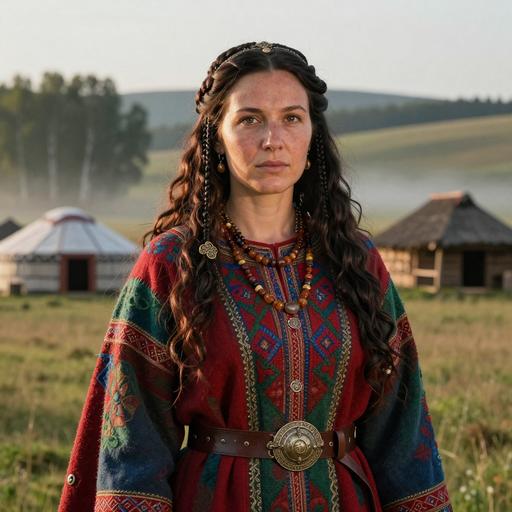
Portrait of ancient individual KFJ031 from Hungary, dated 580 CE - 804 CE
KFJ031
Hungary Avar Khaganate 580 CE - 804 CE Avar C5b1b Downstream
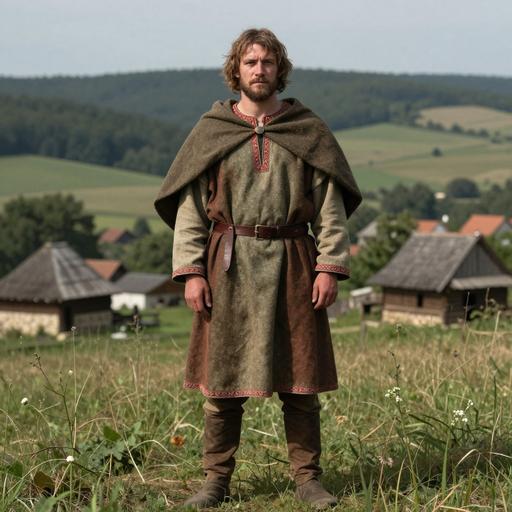
Portrait of ancient individual HMSZ-88 from Hungary, dated 900 CE - 1100 CE
HMSZ-88
Hungary Conqueror Commoner Hungary 900 CE - 1100 CE Magyar Commoner Culture C5b1a Downstream
Portrait of ancient individual I13963 from Mongolia, dated 967 BCE - 827 BCE
I13963
Mongolia Early Iron Age Slab Grave Culture 1, Mongolia 967 BCE - 827 BCE Slab Grave Culture C5b1b Downstream
Portrait of ancient individual KHO006 from Mongolia, dated 1150 BCE - 1300 CE
KHO006
Mongolia Middle to Late Bronze Age to Xiongnu to Late Medieval Khovd, Mongolia 1150 BCE - 1300 CE Khovd Long-Term C5b1b Downstream
Portrait of ancient individual I13766 from Mongolia, dated 1384 BCE - 1128 BCE
I13766
Mongolia Late Bronze Age Center West 4, Mongolia 1384 BCE - 1128 BCE Center West 4 C5b1b Downstream
Chapter VI

Carrier Distribution Map

Geographic distribution of 7 ancient DNA samples (direct and subclade carriers of C5B1)

Direct carrier Subclade carrier
Time Period Filter
All Time Periods
Showing all samples
Chapter VII

Temporal Distribution

Distribution of carriers across archaeological periods

Chapter VIII

Geographic Distribution

Distribution by country of origin (direct and subclade carriers shown by default)

Chapter IX

Country × Era Distribution

Cross-tabulation of carrier countries and archaeological periods (direct and subclade carriers shown by default)

Data

Data & Provenance

Source information and data quality

Last Updated 2026-02-16
Confidence Score 50/100
Coverage Low
Data Source

We use the latest phylotree for MTDNA haplogroup classification and data.