Ein Referenzprofil für einen Abstammungszweig. Gemeinsame Haplogruppen begründen weder eine familiäre Beziehung noch eine kulturelle Identität.
Referenzprofil
Hintergrund des Zweigs
Historischer Kontext für den mtDNA-Abstammungszweig K1B1A
Origins and Evolution
mtDNA haplogroup K1B1A is a downstream lineage of K1B1, itself a branch of mtDNA haplogroup K (which derives from the U8b'K cluster). The parent K1B1 most likely arose in the Near East / Anatolia during the early Holocene (around ~9 kya) as part of the post-glacial and early Neolithic expansions; K1B1A most likely split from other K1B1 lineages shortly thereafter (estimated ~8 kya). Its phylogenetic position and geographic distribution are consistent with an origin tied to early farming populations in Anatolia and the Near East, followed by dispersal into Europe with Neolithic demic diffusion.
Subclades
K1B1A is defined by a set of private mutations downstream of K1B1. Available modern and ancient sequence data indicate limited internal diversity relative to older haplogroups, which is consistent with a moderate-age clade that experienced localized founder events in some populations. Where more detailed sequencing has been done, researchers have observed additional sub-branches within K1B1A, but these remain relatively rare and geographically patchy in published datasets.
Geographical Distribution
K1B1A shows a Mediterranean–Near Eastern-centered distribution with a spread into parts of Europe and adjacent regions. It is observed at low-to-moderate frequencies in Anatolia and the Levant, present in southern European populations (Iberia, Italy, Greece), and recorded in some western and northern European groups at lower frequency. The lineage is also found among Ashkenazi Jewish communities and in populations of the Caucasus, Iran, and coastal North Africa where Near Eastern gene flow occurred. K1B1A has been identified in ancient DNA: in the dataset referenced here it appears in 31 archaeological samples, consistent with a presence in Neolithic and later contexts across the Mediterranean–Near East region.
Historical and Cultural Significance
The distribution and age of K1B1A strongly link it to the Neolithic agricultural expansions that originated in Anatolia and the Near East and moved into Europe via maritime and continental routes. Associations with early farmer-associated archaeological contexts (for example LBK-descended populations in Central Europe and other Neolithic sites) support a role in the spread of farming. In later periods, K1B1A's presence in Ashkenazi Jewish and other Mediterranean populations reflects historical migrations, local founder effects, and community-specific demographic events during the Bronze Age, Iron Age and medieval periods.
Practical Notes for Genetic Genealogy
Detection of K1B1A in a modern individual's mtDNA suggests maternal ancestry tied, in deep time, to Near Eastern/Anatolian early farmer populations or to populations that later admixed with them.
Low haplotype diversity in some modern communities may indicate founder effects or bottlenecks; matching full mitogenomes and considering private mutations are important for distinguishing recent shared ancestry from deep regional affinity.
Conclusion
K1B1A is a mid-Holocene maternal lineage that reflects the movement of Near Eastern/Anatolian peoples and their genes into surrounding regions during the Neolithic and later historical periods. Its pattern—Mediterranean/Near Eastern focus, presence in early farmer contexts, and occurrence in Jewish and island/isolate populations—makes it informative for studies of Neolithic demography, post-Neolithic migrations, and population-specific founder events.
Wichtige Punkte
Origins and Evolution
Subclades
Geographical Distribution
Historical and Cultural Significance
Practical Notes for Genetic Genealogy
Referenzprofil
Baum und Verwandtschaft
Phylogenetischer Kontext und Subkladen
Entwicklungsweg
Folgen Sie den erfassten übergeordneten Zweigen bis K1B1A. Die Daten sind Schätzungen und können sich ändern, wenn Referenzdaten überarbeitet werden.
The populations where mtDNA haplogroup K1B1A is found include:
Ashkenazi Jewish communities
Anatolian (modern Turkey) populations
European Early Neolithic farmer-descended populations (e.g., LBK descendants in Central Europe)
Southern European populations (Iberia, Italy, Greece)
Western and Northern European populations (British Isles, Scandinavia) at moderate to low frequencies
Caucasus populations (Armenians, Georgians)
North African coastal groups with Near Eastern admixture
Iranian and Levantine populations
Island and isolated Mediterranean populations (e.g., Sardinia and other islands)
Low-frequency occurrences in parts of Central Asia from west–east contacts
Historischer Kontext
Ein Zweig durch die Zeit
Geschätzte Entstehung in einer breiten historischen Zeitleiste. Zeitmarken liefern Kontext und implizieren keine Verbindung zu bestimmten Kulturen.
~10k Jahre zurück
Neolithische Revolution
Beginn der Landwirtschaft und feste Siedlungen
~8k Jahre zurück
Haplogruppe K1B1A
Geschätzte Entstehung dieses mtDNA-Zweigs; Daten und Orte sind Referenzschätzungen.
Dieser Zweig
~5k Jahre zurück
Bronzezeit
Metallverarbeitung, Schrift und frühe Zivilisationen
~3k Jahre zurück
Eisenzeit
Eisenwerkzeuge und ausgedehnte Handelsnetze
~2.5k Jahre zurück
Klassische Antike
Blüte griechischer und römischer Kulturen
Gegenwart
Gegenwart
Moderne Zeit
Referenzprofil
Archäologischer Kontext
Erfasste archäologische Zuordnungen für den mtDNA-Zweig K1B1A
Erfasste Zuordnungen
Diese Bezeichnungen beschreiben archäologische Kontexte erfasster Referenzproben mit Bezug zu K1B1A. Eine Zuordnung bedeutet nicht, dass alle Träger einer Kultur angehörten oder einer bestimmten Migrationsroute folgten.
Kulturzuordnungen basieren auf dem archäologischen Kontext antiker DNA-Proben und können regionale Verknüpfungen in bestimmten Zeiträumen widerspiegeln.
Referenzprofil
Probencatalog
32 direkte Träger und 37 Subkladen-Träger der Haplogruppe K1B1A
10 angezeigt · 50 passende Proben
Keine Proben entsprechen diesen Filtern. Versuchen Sie eine andere Bezeichnung, einen anderen Ort oder eine andere Epoche.
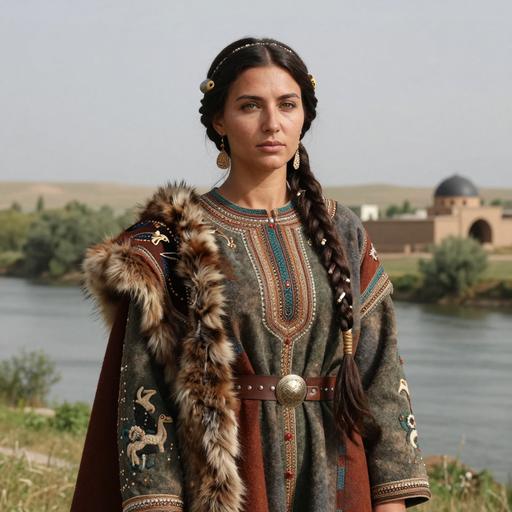
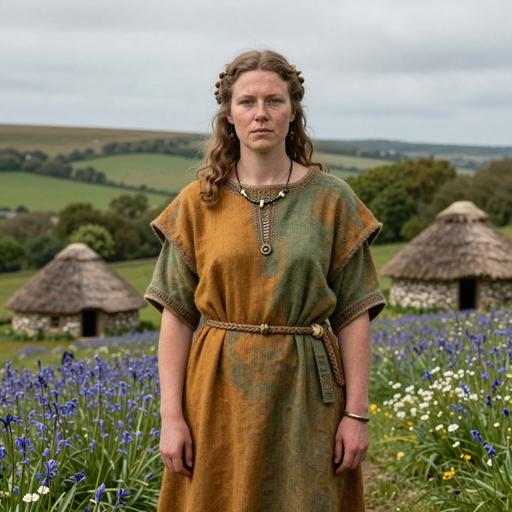
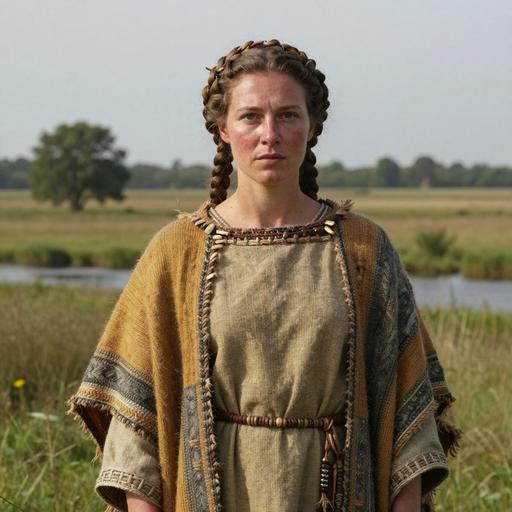
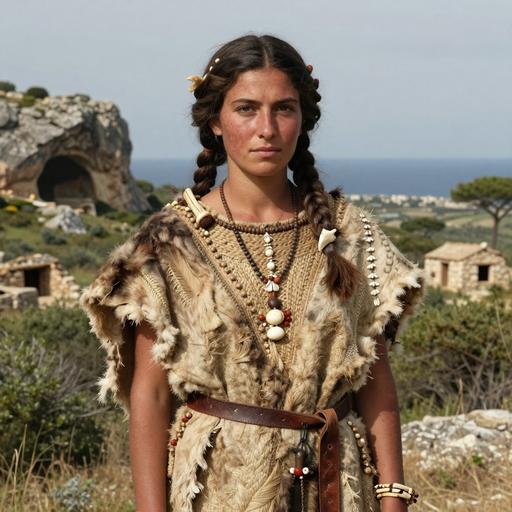
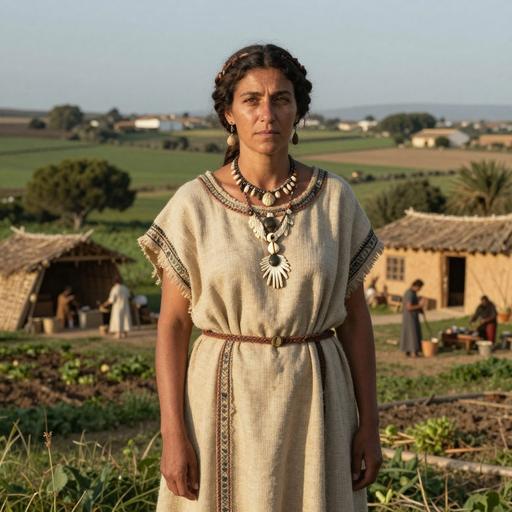
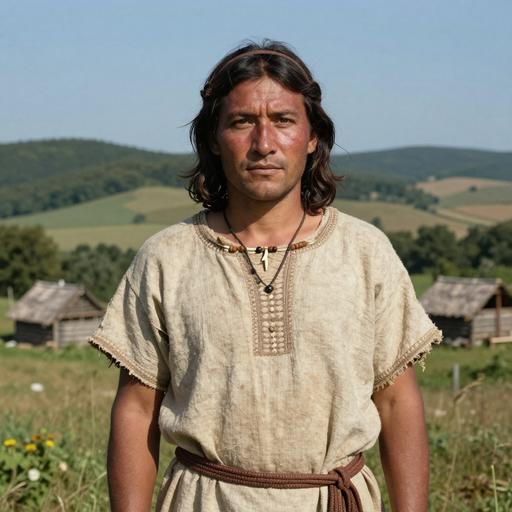
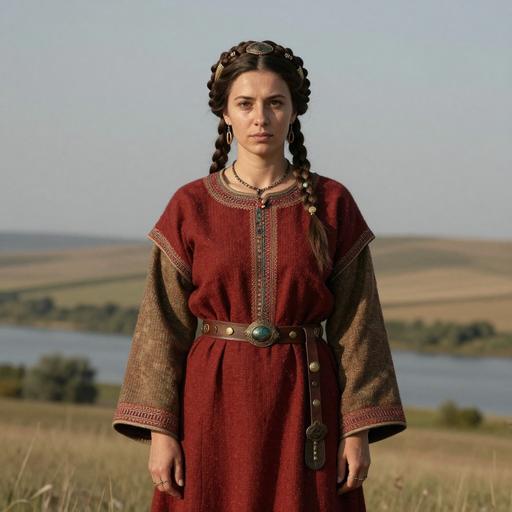
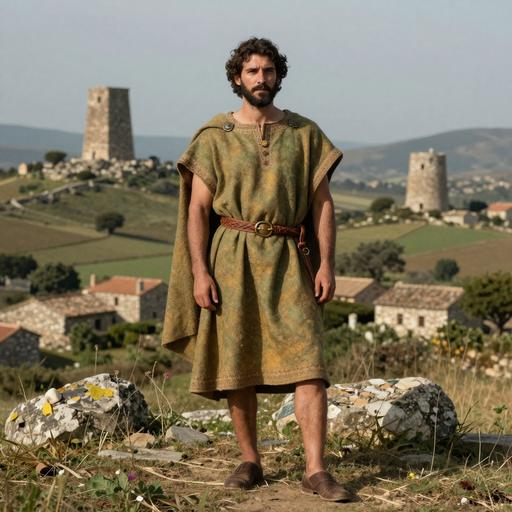
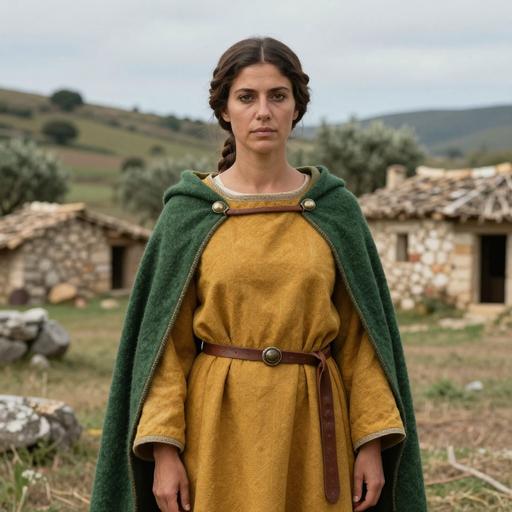
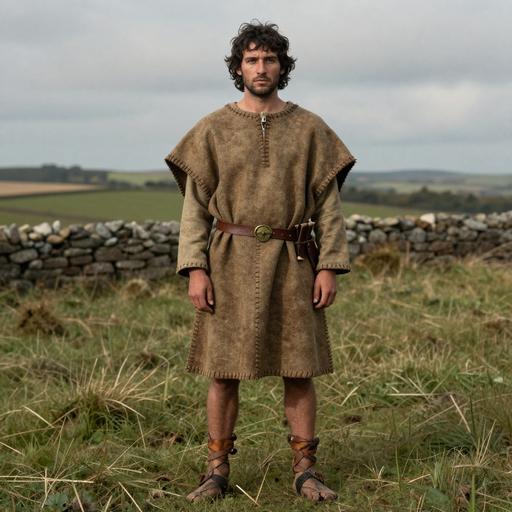
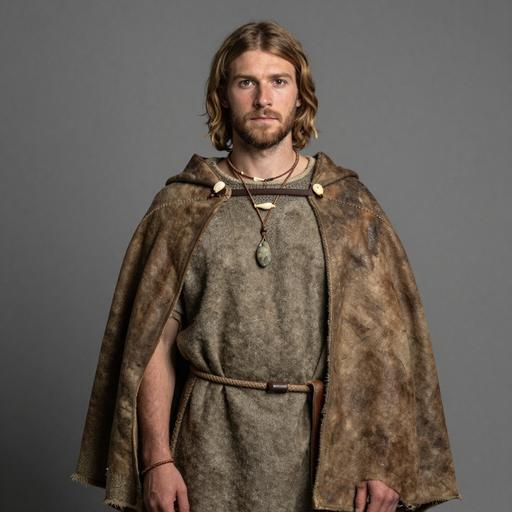
Porträts sind KI-generierte Illustrationen. Probenbezeichnungen und Zugangs-IDs identifizieren die Referenzdatensätze.
Porträt
Probe
Land
Epoche
Datum
Kultur
mtDNA
Übereinstimmung
Proben-ID: SGZ001
Kazakhstan
Iron Age Sarmatian, Kazakhstan
375-201 calBCE (2220±19 BP)
Sarmatian Culture
K1b1a
Direkt
Proben-ID: I3582
Spain
Visigothic Period Granada, Spain
400-600 CE
Visigothic Culture
K1b1a
Direkt
Proben-ID: I19287
United Kingdom
England EIA
761-422 calBCE (2468±26 BP, SUERC-53039)
Early British Iron Age
K1b1a
Direkt
Proben-ID: PCA0350
Poland
Iron Age Dziekanowice Culture
986-1155 calCE
Dziekanowice Culture
K1b1a
Direkt
Proben-ID: I2471
Spain
Spain EBA
1620-1462 calBCE (3280±30 BP, Beta-299311)
Early Bronze Age Iberian
K1b1a
Direkt
Proben-ID: I20063
Netherlands
Netherlands EBA
1944-1766 calBCE (3530±25 BP, GrN-8801)
Dutch Bronze Age
K1b1a
Direkt
Proben-ID: I8561
Italy
Italy Sicily EBA
2399-2153 calBCE (3825±20 BP, PSUAMS-4873)
Sicilian Bronze Age
K1b1-a
Direkt
Proben-ID: I14200
United Kingdom
England BellBeaker
2470-2239 calBCE (3895±32 BP, OxA-13541)
Bell Beaker
K1b1a
Direkt
Proben-ID: TORTC
France
Late Neolithic to Early Bronze Age Veraza Culture, La Clape, France
2578-2472 calBCE (4020±20 BP, UCAIMS-229426)
Veraza Culture
K1b1a
Direkt
Proben-ID: I4130
Czech Republic
Early Bronze Age Unetice Culture, Czech Republic
2800 BCE - 1800 BCE
Unetice Culture
K1b1a
Direkt
Proben-ID: RISE586
Czechia
Czechia EBA Unetice
2800-1800 BCE
Únětice
K1b1a
Direkt
Proben-ID: I4130
Czech Republic
The Unetice Culture
2800 BCE - 1800 BCE
K1b1a
Direkt
Proben-ID: I4130
Czech Republic
The Unetice Culture
2800 BCE - 1800 BCE
K1b1a
Direkt
Proben-ID: CLL009
Spain
Chalcolithic Southeast Iberia
3300-2300 BCE
Southeast Iberian Chalcolithic
K1b1a
Direkt
Proben-ID: MON021
Spain
Chalcolithic Southwest Iberia
3300-2300 BCE
Southwest Iberian
K1b1a
Direkt
Proben-ID: MX213
Switzerland
Switzerland LN
3365-2928 calBCE (4482±72 BP, BE-5458.1.1)
Swiss Neolithic
K1b1a
Direkt
Proben-ID: DolmenAnsiao96B
Portugal
Portugal LN C
3700 BCE - 3300 BCE
Portuguese Chalcolithic
K1b1a
Direkt
Proben-ID: DolmenAnsiao96B
Portugal
Middle to Late Neolithic Iberia
3700 BCE - 3300 BCE
K1b1a
Direkt
Proben-ID: I12439
United Kingdom
Megalithic Neolithic England
3750-3500 BCE
British Megalithic
K1b1a
Direkt
Proben-ID: I13888
United Kingdom
Megalithic Neolithic England
3707-3540 calBCE (4870±25 BP, PSUAMS-14098)
British Megalithic
K1b1a
Direkt
Proben-ID: I30304
United Kingdom
Megalithic Neolithic England
3950-3350 BCE
British Megalithic
K1b1a
Direkt
Proben-ID: I21393
United Kingdom
Megalithic Neolithic England
3950 BCE - 3350 BCE
British Megalithic
K1b1a
Direkt
Proben-ID: I21393
United Kingdom
Megalithic Neolithic England
3950 BCE - 3350 BCE
British Megalithic
K1b1a
Direkt
Proben-ID: I21393
United Kingdom
Megalithic Neolithic England
3950 BCE - 3350 BCE
British Megalithic
K1b1a
Direkt
Proben-ID: I3709
Greece
Greece Peloponnese N
4036-3804 calBCE (5130±30 BP, UCIAMS-186358)
Peloponnesian Neolithic
K1b1a
Direkt
Proben-ID: I7550
Spain
Spain MLN
4700-3600 BCE
Iberian Neolithic
K1b1a
Direkt
Proben-ID: I4183
Hungary
Hungary LN Sopot
4928-4707 calBCE (5920±40 BP, Beta-310039)
Sopot Culture
K1b1a
Direkt
Proben-ID: I1904
Hungary
Hungary MN LBK
5209-4941 calBCE (6115±35 BP, Poz-82584)
Linear Pottery Culture
K1b1a
Direkt
Proben-ID: GLN245B
France
France N
4950-4600 BCE
French Neolithic
K1b1a
Direkt
Proben-ID: I5208
Austria
Austria N LBK
5300-5000 BCE
Linear Pottery Culture
K1b1a
Direkt
Proben-ID: I3947
Croatia
Croatia N Cardial
5985-5774 calBCE (7000±40 BP, PSUAMS-2223)
Cardial Culture
K1b1a
Direkt
Proben-ID: I2328
Iran
Chalcolithic Hajji Firuz
6020-5889 calBCE (7075±30 BP, PSUAMS-2345)
Hajji Firuz
K1b1a
Direkt
Proben-ID: SSD-35
Hungary
Middle Avar Period Hungary
652-773 calCE (1333±16 BP, DeA-26577)
Avar Culture
K1b1a1
Subklade
Proben-ID: COR002
Italy
Italy Sardinia EarlyMedieval
772-943 calCE (1182±21 BP, MAMS-38279)
Early Medieval Sardinian
K1b1a1
Subklade
Proben-ID: COR001
Italy
Italy Sardinia EarlyMedieval
885-992 calCE (1124±23 BP, MAMS-38279)
Early Medieval Sardinian
K1b1a1
Subklade
Proben-ID: I8136
Spain
Spain EBA
1534-1422 calBCE (3216±33 BP, Ua-39408)
Early Bronze Age Iberian
K1b1a1
Subklade
Proben-ID: VLI053
Czech Republic
Early Bronze Age Unetice Culture, Bohemia, Czech Republic
1700-1500 BCE
Unetice Culture
K1b1a1
Subklade
Proben-ID: BNL010
Czech Republic
Early Bronze Age Unetice Culture, Bohemia, Czech Republic
Germany Bell Beaker Culture, Germany 2500-2000 BCE
K1b1a1Subklade
Proben-ID: I6466
Chalcolithic Portugal - Portugal - Lisbon. Verdelha dos Ruivos
Portugal Portugal C 2700-2300 BCE
K1b1a1Subklade
Proben-ID: I4951
The Bell Beaker Culture in England - United Kingdom - England. Wiltshire. Netheravon. Flying School
United Kingdom England BellBeaker 2800-1800 BCE
K1b1a1Subklade
Proben-ID: I5530
Bell Beaker Culture, Germany - Germany - Weichering
Germany Bell Beaker Culture, Germany 2800-1800 BCE
K1b1a1Subklade
MATERNAL LINEAGE · ANCIENT DNA
Ancient lineage evidence map
Follow parent clades toward this branch and explore where ancient carriers were found.
Loading ancient observations…
Reduced motion is enabled. Use the timeline or Show all to explore at your own pace.
Read observations as a table
Displayed ancient observations by branch, period and date midpoint
Branch
Period
Date range
Sample
Sample ID
Location
Haplogroup
Relationship
Markers are archaeological find locations. A dashed connector is an uncertain, proposed geographic transition between consecutive branches supported by multiple dated observations; it is not an exact travel route, birthplace or proof of direct descent. Parent-clade samples may belong to other descendant branches. Gaps remain where evidence is insufficient. Sample dates differ from haplogroup formation dates.
Grouping by historical period reflects when each ancient individual lived, combined across every branch on this lineage chain; it is not a migration sequence or a personal timeline between periods.
Referenzprofil
Trägerverteilungskarte
Geografische Verteilung von 69 antiken DNA-Proben (direkte und Subkladen-Träger von K1B1A)
Direkter Träger Subkladen-Träger
Zeitraumfilter
Alle Zeiträume
Alle Proben werden angezeigt
Referenzprofil
Zeitliche Verteilung
Verteilung der Träger über archäologische Epochen
Referenzprofil
Geografische Verteilung
Anzahlen nach erfasstem Probenland. Sie spiegeln die verfügbare Referenzauswahl wider, nicht Bevölkerungshäufigkeiten.
Referenzprofil
Verteilung Land × Epoche
Vergleichen Sie erfasste Probenanzahlen nach Ländern und archäologischen Epochen. Wählen Sie eine belegte Zelle, um eine Probe anzusehen.
Daten
Daten und Herkunft
Quellenangaben und Datenqualität
Zuletzt aktualisiert2026-02-16
Konfidenzwert50/100
AbdeckungLow
Datenquelle
Klassifikation, geschätzte Daten und geografischer Kontext spiegeln die erfassten Referenzdaten wider und können sich bei überarbeiteten Belegen ändern. Die Probenabdeckung ist ungleichmäßig; erfasste Orte und archäologische Zuordnungen begründen weder persönliche Herkunft noch kulturelle Identität.