Zum Hauptinhalt springen
mtDNA · Mütterliche Linie

V10

mtDNA Haplogroup V10

Ein Referenzprofil für einen Abstammungszweig. Gemeinsame Haplogruppen begründen weder eine familiäre Beziehung noch eine kulturelle Identität.

Referenzprofil

Hintergrund des Zweigs

Historischer Kontext für den mtDNA-Abstammungszweig V10

Haplogroup V10 is a subclade of mitochondrial DNA (mtDNA) haplogroup V, which itself is a descendant of haplogroup HV, a key lineage in human maternal ancestry. Haplogroup V is particularly associated with European populations, and its subclade V10 provides further insights into specific historical migrations and genetic diversity within Europe and surrounding regions.

Haplogroup V Overview

Before delving into V10, it is essential to understand haplogroup V. Haplogroup V is believed to have originated around 10,000 to 15,000 years ago, likely in the Iberian Peninsula, during the Last Glacial Maximum (LGM) or shortly after. As glaciers retreated and populations from southern European refugia spread across Europe, haplogroup V became prominent in certain parts of Western and Northern Europe. Today, haplogroup V is especially frequent in the Basque population, as well as in Scandinavia and parts of North Africa.

Haplogroup V is relatively rare compared to its sister haplogroup H, but it is still important for understanding European genetic history, particularly the post-glacial recolonization of Europe.

Origin and Evolution of Subclade V10

Haplogroup V10 is a more recently evolved subclade of haplogroup V, with its origins estimated to be around several thousand years ago. Like other subclades of V, V10 likely emerged as populations spread across Europe during the post-glacial period and into the early Neolithic period. It represents a specific maternal lineage that can be traced back to one of the migratory waves or population expansions that occurred in Europe following the retreat of the glaciers.

The geographic distribution of V10 is still under investigation, but its occurrence in genetic studies suggests that it is found in populations across Europe, particularly in Central and Eastern Europe, though it may also be present in lower frequencies in other regions. Given its association with haplogroup V, it is likely that V10 originated in or near the Iberian Peninsula or other glacial refugia in Southern Europe before spreading to other parts of Europe.

Geographic Distribution and Genetic Significance

Haplogroup V10 has been detected in various European populations, though it is relatively rare compared to other haplogroups. Its presence provides further evidence of the complex migration patterns that shaped the genetic landscape of Europe after the Last Glacial Maximum.

Europe

Subclade V10 has been identified primarily in Central and Eastern European populations, where it contributes to the overall genetic diversity. Its distribution suggests that populations carrying V10 may have migrated into these regions during the Neolithic or Bronze Age, as farming communities spread from the Near East into Europe. The movements of pastoralist and farming populations likely contributed to the spread of haplogroup V10 into new areas.

V10’s presence in Central and Eastern Europe is significant because it reflects the broader movement of European populations following the Ice Age. As populations from glacial refugia in the Iberian Peninsula, Italy, and the Balkans migrated northward and eastward, they carried various mtDNA haplogroups, including V and its subclades like V10.

Near East and Surrounding Regions

Though haplogroup V is primarily associated with Europe, its ancestral haplogroup HV has deep roots in the Near East. There is a possibility that V10 or related subclades may have made their way into the Near East, reflecting ancient migration patterns and interactions between Europe and the Near East. The Near East has long been a crossroads for human migration, particularly during the Neolithic when farming spread from this region into Europe.

Population Genetics and Historical Insights

Haplogroup V10, as a subclade of V, helps in understanding the maternal ancestry of European populations, especially those involved in post-glacial expansions. By studying V10 and its distribution, geneticists can gain insights into how different population groups moved and interacted during the Neolithic and Bronze Ages.

Conclusion

Haplogroup V10 is a subclade of the broader haplogroup V, which is primarily associated with European populations and their post-glacial expansion across Europe. While relatively rare, V10 provides important genetic evidence for the migration and settlement patterns that shaped the populations of Central and Eastern Europe, as well as potential connections to other regions. Its presence in genetic studies helps illuminate the complex history of human movement and cultural exchange in Europe following the retreat of the Ice Age glaciers.

Wichtige Punkte

  • Haplogroup V Overview
  • Origin and Evolution of Subclade V10
  • Geographic Distribution and Genetic Significance
  • Population Genetics and Historical Insights
  • Conclusion
Referenzprofil

Baum und Verwandtschaft

Phylogenetischer Kontext und Subkladen

Entwicklungsweg

Folgen Sie den erfassten übergeordneten Zweigen bis V10. Die Daten sind Schätzungen und können sich ändern, wenn Referenzdaten überarbeitet werden.

Schritte Haplogruppe Altersschätzung Archäologische Epoche Vergangene Zeit Unmittelbare Nachkommen Getestete moderne Nachkommen Antike Verknüpfungen
1 V10 Aktuell ~15,000 years ago Mesolithic 15,000 Jahre 2 34 0
2 V ~14,000 years ago Mesolithic 14,000 Jahre 10 572 118
3 HV ~30,000 years ago Paleolithic 30,000 Jahre 14 11,092 228
4 R0 ~15,000 years ago Mesolithic 15,000 Jahre 2 11,230 4
5 R ~55,000 years ago Paleolithic 55,000 Jahre 17 22,830 57
6 NA - - - 1 22,830 0
7 N ~60,000 years ago Paleolithic 60,000 Jahre 16 26,150 13
8 L3 ~70,000 years ago Paleolithic 70,000 Jahre 7 30,162 6
9 L3'4 - - - 2 30,212 0
10 L3'4'6 - - - 2 30,216 0
11 L2'3'4'6 - - - 2 31,333 0
12 L2'3'4'5'6'7 - - - 2 31,349 0
13 L1'2'3'4'5'6'7 - - - 2 31,852 0
14 L ~160,000 years ago Paleolithic 160,000 Jahre 2 32,236 5

Geschwisterzweige (9)

Weitere Zweige derselben übergeordneten Haplogruppe

Referenzprofil

Verbreitung weltweit

Geografische Verbreitung und moderne Präsenz

Erfasster Ursprung

Near East, with some presence in Europe

Moderne Verbreitung

MTDNA haplogroup V10 is primarily found in the following populations:

  • European populations (especially in Northern and Western Europe, including the Saami in Scandinavia)
  • Some populations in the Iberian Peninsula
  • Some populations in the Caucasus region
Historischer Kontext

Ein Zweig durch die Zeit

Geschätzte Entstehung in einer breiten historischen Zeitleiste. Zeitmarken liefern Kontext und implizieren keine Verbindung zu bestimmten Kulturen.

  1. ~20k Jahre zurück

    Letztes glaziales Maximum

    Höhepunkt der letzten Eiszeit, isolierte Bevölkerungen

  2. ~15k Jahre zurück

    Haplogruppe V10

    Geschätzte Entstehung dieses mtDNA-Zweigs; Daten und Orte sind Referenzschätzungen.

    Dieser Zweig
  3. ~10k Jahre zurück

    Neolithische Revolution

    Beginn der Landwirtschaft und feste Siedlungen

  4. ~5k Jahre zurück

    Bronzezeit

    Metallverarbeitung, Schrift und frühe Zivilisationen

  5. ~3k Jahre zurück

    Eisenzeit

    Eisenwerkzeuge und ausgedehnte Handelsnetze

  6. ~2.5k Jahre zurück

    Klassische Antike

    Blüte griechischer und römischer Kulturen

  7. Gegenwart

    Gegenwart

    Moderne Zeit

Referenzprofil

Archäologischer Kontext

Erfasste archäologische Zuordnungen für den mtDNA-Zweig V10

Erfasste Zuordnungen

Diese Bezeichnungen beschreiben archäologische Kontexte erfasster Referenzproben mit Bezug zu V10. Eine Zuordnung bedeutet nicht, dass alle Träger einer Kultur angehörten oder einer bestimmten Migrationsroute folgten.

Bell Beaker Körös Culture La Tène-Hallstatt Linear Pottery Culture Occitanie Neolithic Sopot Culture Wartberg
Kulturzuordnungen basieren auf dem archäologischen Kontext antiker DNA-Proben und können regionale Verknüpfungen in bestimmten Zeiträumen widerspiegeln.
Referenzprofil

Probencatalog

3 direkte Träger und 4 Subkladen-Träger der Haplogruppe V10

7 angezeigt · 7 passende Proben

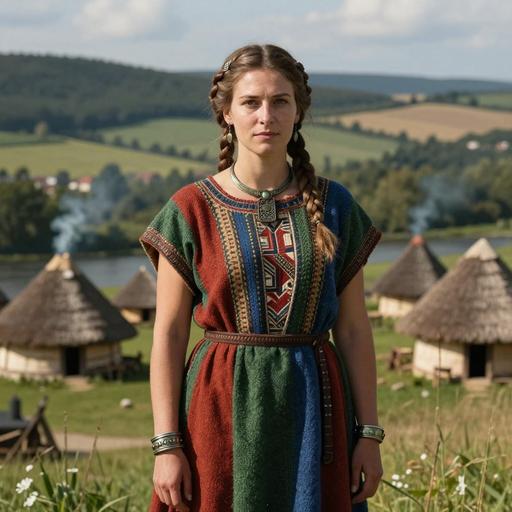
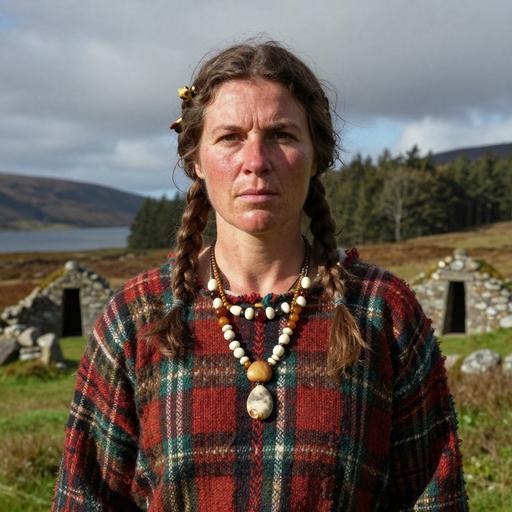
Porträts sind KI-generierte Illustrationen. Probenbezeichnungen und Zugangs-IDs identifizieren die Referenzdatensätze.

Porträt Probe Land Epoche Datum Kultur mtDNA Übereinstimmung
KI-generiertes illustratives Porträt von Czechia IA Hallstatt La Tene individual, Central Bohemia. Prague 6. Prague-Ruzyně, Czech Republic (452-382 BCE)
Proben-ID: I16090
Czech Republic Czech La Tène-Hallstatt 452-382 calBCE (2340±20 BP, PSUAMS-10103) La Tène-Hallstatt V10 Direkt
KI-generiertes illustratives Porträt von Scotland Bell Beaker individual, Scotland. Coll. Sorisdale, United Kingdom (2,466-2,209 BCE)
Proben-ID: I5367
United Kingdom Scotland BellBeaker 2466-2209 calBCE (3879±32 BP, OxA-14722) Bell Beaker V10 Direkt
KI-generiertes illustratives Porträt von Niedertiefenbach LN Wartberg individual, Niedertiefenbach (Rheinland-Pfalz, Koblenz, Rhein-Lahn-Kreis), Germany (3,335-3,024 BCE)
Proben-ID: KH150627
Germany Wartberg Culture 3335-3024 calBCE (4462±27 BP, KIA-52278) Wartberg V10 Direkt
KI-generiertes illustratives Porträt von Early Medieval individual, Roscommon. Kilteasheen, Ireland (700-1,300 CE)
Proben-ID: KIL015
Ireland Anglo-Saxon Early Medieval Kilteasheen, Ireland 700-1300 CE Kilteasheen V10a Subklade
KI-generiertes illustratives Porträt von MLBA individual, Bezdanjača Cave, Croatia (1,500-800 BCE)
Proben-ID: I18725
Croatia Croatia MLBA 1500-800 BCE Croatian Bronze Age V10b1 Subklade
KI-generiertes illustratives Porträt von England EBA individual, England. Oxfordshire. Radley. Barrow Hills, United Kingdom (2,288-1,776 BCE)
Proben-ID: I7638
United Kingdom Chalcolithic to Early Bronze Age England 2288-1776 calBCE (3660±80 BP, OxA-4357) British Chalcolithic V10b Subklade
KI-generiertes illustratives Porträt von Occitanie MN individual, Occitanie (South). Valros. Le Pirou, France (4,448-4,251 BCE)
Proben-ID: Pir4
France France Occitanie MN 4448-4251 calBCE (5494±49 BP, Erl-13040) Occitanie Neolithic V10a Subklade
MATERNAL LINEAGE · ANCIENT DNA

Ancient lineage evidence map

Follow parent clades toward this branch and explore where ancient carriers were found.

Loading ancient observations…

Markers are archaeological find locations. A dashed connector is an uncertain, proposed geographic transition between consecutive branches supported by multiple dated observations; it is not an exact travel route, birthplace or proof of direct descent. Parent-clade samples may belong to other descendant branches. Gaps remain where evidence is insufficient. Sample dates differ from haplogroup formation dates.

Referenzprofil

Trägerverteilungskarte

Geografische Verteilung von 7 antiken DNA-Proben (direkte und Subkladen-Träger von V10)

Direkter Träger Subkladen-Träger
Zeitraumfilter
Alle Zeiträume
Alle Proben werden angezeigt
Referenzprofil

Zeitliche Verteilung

Verteilung der Träger über archäologische Epochen

Referenzprofil

Geografische Verteilung

Anzahlen nach erfasstem Probenland. Sie spiegeln die verfügbare Referenzauswahl wider, nicht Bevölkerungshäufigkeiten.

Referenzprofil

Verteilung Land × Epoche

Vergleichen Sie erfasste Probenanzahlen nach Ländern und archäologischen Epochen. Wählen Sie eine belegte Zelle, um eine Probe anzusehen.

Daten

Daten und Herkunft

Quellenangaben und Datenqualität

Zuletzt aktualisiert 2026-01-15

Datenquelle

Klassifikation, geschätzte Daten und geografischer Kontext spiegeln die erfassten Referenzdaten wider und können sich bei überarbeiteten Belegen ändern. Die Probenabdeckung ist ungleichmäßig; erfasste Orte und archäologische Zuordnungen begründen weder persönliche Herkunft noch kulturelle Identität.