Saltar al contenido principal
mtDNA · Materno linaje

V10

mtDNA Haplogroup V10

Un perfil de referencia de una rama de linaje. Compartir haplogrupos no demuestra una relación familiar ni una identidad cultural.

Perfil de referencia

Contexto de la rama

Contexto histórico de la rama de linaje mtDNA V10

Haplogroup V10 is a subclade of mitochondrial DNA (mtDNA) haplogroup V, which itself is a descendant of haplogroup HV, a key lineage in human maternal ancestry. Haplogroup V is particularly associated with European populations, and its subclade V10 provides further insights into specific historical migrations and genetic diversity within Europe and surrounding regions.

Haplogroup V Overview

Before delving into V10, it is essential to understand haplogroup V. Haplogroup V is believed to have originated around 10,000 to 15,000 years ago, likely in the Iberian Peninsula, during the Last Glacial Maximum (LGM) or shortly after. As glaciers retreated and populations from southern European refugia spread across Europe, haplogroup V became prominent in certain parts of Western and Northern Europe. Today, haplogroup V is especially frequent in the Basque population, as well as in Scandinavia and parts of North Africa.

Haplogroup V is relatively rare compared to its sister haplogroup H, but it is still important for understanding European genetic history, particularly the post-glacial recolonization of Europe.

Origin and Evolution of Subclade V10

Haplogroup V10 is a more recently evolved subclade of haplogroup V, with its origins estimated to be around several thousand years ago. Like other subclades of V, V10 likely emerged as populations spread across Europe during the post-glacial period and into the early Neolithic period. It represents a specific maternal lineage that can be traced back to one of the migratory waves or population expansions that occurred in Europe following the retreat of the glaciers.

The geographic distribution of V10 is still under investigation, but its occurrence in genetic studies suggests that it is found in populations across Europe, particularly in Central and Eastern Europe, though it may also be present in lower frequencies in other regions. Given its association with haplogroup V, it is likely that V10 originated in or near the Iberian Peninsula or other glacial refugia in Southern Europe before spreading to other parts of Europe.

Geographic Distribution and Genetic Significance

Haplogroup V10 has been detected in various European populations, though it is relatively rare compared to other haplogroups. Its presence provides further evidence of the complex migration patterns that shaped the genetic landscape of Europe after the Last Glacial Maximum.

Europe

Subclade V10 has been identified primarily in Central and Eastern European populations, where it contributes to the overall genetic diversity. Its distribution suggests that populations carrying V10 may have migrated into these regions during the Neolithic or Bronze Age, as farming communities spread from the Near East into Europe. The movements of pastoralist and farming populations likely contributed to the spread of haplogroup V10 into new areas.

V10’s presence in Central and Eastern Europe is significant because it reflects the broader movement of European populations following the Ice Age. As populations from glacial refugia in the Iberian Peninsula, Italy, and the Balkans migrated northward and eastward, they carried various mtDNA haplogroups, including V and its subclades like V10.

Near East and Surrounding Regions

Though haplogroup V is primarily associated with Europe, its ancestral haplogroup HV has deep roots in the Near East. There is a possibility that V10 or related subclades may have made their way into the Near East, reflecting ancient migration patterns and interactions between Europe and the Near East. The Near East has long been a crossroads for human migration, particularly during the Neolithic when farming spread from this region into Europe.

Population Genetics and Historical Insights

Haplogroup V10, as a subclade of V, helps in understanding the maternal ancestry of European populations, especially those involved in post-glacial expansions. By studying V10 and its distribution, geneticists can gain insights into how different population groups moved and interacted during the Neolithic and Bronze Ages.

Conclusion

Haplogroup V10 is a subclade of the broader haplogroup V, which is primarily associated with European populations and their post-glacial expansion across Europe. While relatively rare, V10 provides important genetic evidence for the migration and settlement patterns that shaped the populations of Central and Eastern Europe, as well as potential connections to other regions. Its presence in genetic studies helps illuminate the complex history of human movement and cultural exchange in Europe following the retreat of the Ice Age glaciers.

Puntos clave

  • Haplogroup V Overview
  • Origin and Evolution of Subclade V10
  • Geographic Distribution and Genetic Significance
  • Population Genetics and Historical Insights
  • Conclusion
Perfil de referencia

Árbol y relaciones

Contexto filogenético y subclados

Trayectoria evolutiva

Sigue las ramas superiores registradas hasta V10. Las fechas son estimaciones y pueden cambiar al revisarse los datos de referencia.

Pasos Haplogrupo Antigüedad estimada Época arqueológica Tiempo transcurrido Subclados inmediatos Portadores modernos analizados Referencias antiguas
1 V10 Actual ~15,000 years ago Mesolithic 15,000 years 2 34 0
2 V ~14,000 years ago Mesolithic 14,000 years 10 572 118
3 HV ~30,000 years ago Paleolithic 30,000 years 14 11,092 228
4 R0 ~15,000 years ago Mesolithic 15,000 years 2 11,230 4
5 R ~55,000 years ago Paleolithic 55,000 years 17 22,830 57
6 NA - - - 1 22,830 0
7 N ~60,000 years ago Paleolithic 60,000 years 16 26,150 13
8 L3 ~70,000 years ago Paleolithic 70,000 years 7 30,162 6
9 L3'4 - - - 2 30,212 0
10 L3'4'6 - - - 2 30,216 0
11 L2'3'4'6 - - - 2 31,333 0
12 L2'3'4'5'6'7 - - - 2 31,349 0
13 L1'2'3'4'5'6'7 - - - 2 31,852 0
14 L ~160,000 years ago Paleolithic 160,000 years 2 32,236 5

Ramas hermanas (9)

Otras ramas del mismo haplogrupo superior

Perfil de referencia

En el mundo

Distribución geográfica y presencia moderna

Origen registrado

Near East, with some presence in Europe

Distribución moderna

MTDNA haplogroup V10 is primarily found in the following populations:

  • European populations (especially in Northern and Western Europe, including the Saami in Scandinavia)
  • Some populations in the Iberian Peninsula
  • Some populations in the Caucasus region
Contexto histórico

Una rama a través del tiempo

Formación estimada en una cronología histórica amplia. Los marcadores temporales aportan contexto y no implican relación con culturas concretas.

  1. ~20k años de antigüedad

    Último máximo glacial

    Máxima extensión de la última glaciación y aislamiento de poblaciones

  2. ~15k años de antigüedad

    Haplogrupo V10

    Formación estimada de esta rama de mtDNA; las fechas y ubicaciones son estimaciones de referencia.

    Esta rama
  3. ~10k años de antigüedad

    Revolución neolítica

    Inicio de la agricultura y formación de comunidades sedentarias

  4. ~5k años de antigüedad

    Edad del Bronce

    Metalurgia, escritura y primeras civilizaciones

  5. ~3k años de antigüedad

    Edad del Hierro

    Herramientas de hierro y ampliación de redes comerciales

  6. ~2.5k años de antigüedad

    Antigüedad clásica

    Desarrollo de las civilizaciones griega y romana

  7. Actualidad

    Actualidad

    Época moderna

Perfil de referencia

Contexto arqueológico

Asociaciones arqueológicas registradas para la rama mtDNA V10

Asociaciones registradas

Estas etiquetas describen contextos arqueológicos registrados para las muestras de referencia enlazadas a V10. Una asociación no demuestra que todos los portadores pertenecieran a una cultura ni siguieran una ruta migratoria concreta.

Bell Beaker Körös Culture La Tène-Hallstatt Linear Pottery Culture Occitanie Neolithic Sopot Culture Wartberg
Las atribuciones culturales se basan en el contexto arqueológico de las muestras de ADN antiguo y pueden representar asociaciones regionales de periodos concretos.
Perfil de referencia

Catálogo de muestras

3 portadores directos y 4 portadores de subclados del haplogrupo V10

7 mostradas · 7 muestras coincidentes

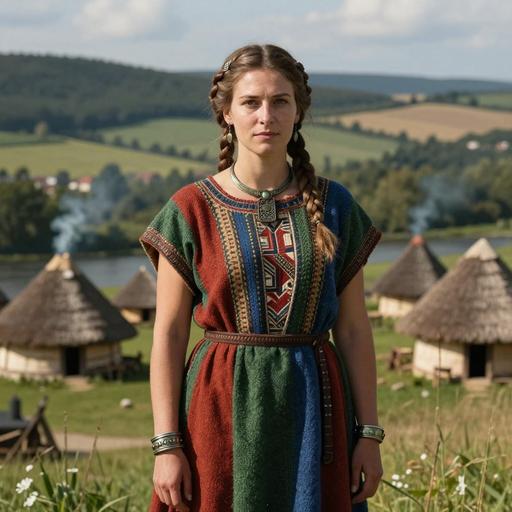
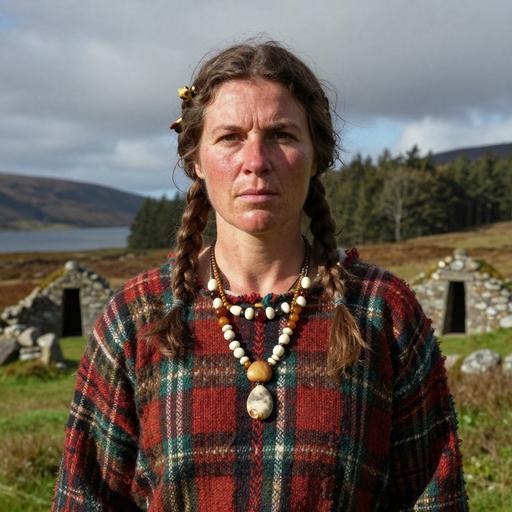
Los retratos son ilustraciones generadas con IA. Las etiquetas de muestra y los identificadores de acceso identifican los registros de referencia.

Retrato Muestra País Época Fecha Cultura mtDNA Coincidencia
Retrato ilustrativo de Czechia IA Hallstatt La Tene individual, Central Bohemia. Prague 6. Prague-Ruzyně, Czech Republic (452-382 BCE) generado con IA
Identificador de muestra: I16090
Czech Republic Czech La Tène-Hallstatt 452-382 calBCE (2340±20 BP, PSUAMS-10103) La Tène-Hallstatt V10 Direct
Retrato ilustrativo de Scotland Bell Beaker individual, Scotland. Coll. Sorisdale, United Kingdom (2,466-2,209 BCE) generado con IA
Identificador de muestra: I5367
United Kingdom Scotland BellBeaker 2466-2209 calBCE (3879±32 BP, OxA-14722) Bell Beaker V10 Direct
Retrato ilustrativo de Niedertiefenbach LN Wartberg individual, Niedertiefenbach (Rheinland-Pfalz, Koblenz, Rhein-Lahn-Kreis), Germany (3,335-3,024 BCE) generado con IA
Identificador de muestra: KH150627
Germany Wartberg Culture 3335-3024 calBCE (4462±27 BP, KIA-52278) Wartberg V10 Direct
Retrato ilustrativo de Early Medieval individual, Roscommon. Kilteasheen, Ireland (700-1,300 CE) generado con IA
Identificador de muestra: KIL015
Ireland Anglo-Saxon Early Medieval Kilteasheen, Ireland 700-1300 CE Kilteasheen V10a Subclado
Retrato ilustrativo de MLBA individual, Bezdanjača Cave, Croatia (1,500-800 BCE) generado con IA
Identificador de muestra: I18725
Croatia Croatia MLBA 1500-800 BCE Croatian Bronze Age V10b1 Subclado
Retrato ilustrativo de England EBA individual, England. Oxfordshire. Radley. Barrow Hills, United Kingdom (2,288-1,776 BCE) generado con IA
Identificador de muestra: I7638
United Kingdom Chalcolithic to Early Bronze Age England 2288-1776 calBCE (3660±80 BP, OxA-4357) British Chalcolithic V10b Subclado
Retrato ilustrativo de Occitanie MN individual, Occitanie (South). Valros. Le Pirou, France (4,448-4,251 BCE) generado con IA
Identificador de muestra: Pir4
France France Occitanie MN 4448-4251 calBCE (5494±49 BP, Erl-13040) Occitanie Neolithic V10a Subclado
MATERNAL LINAJE · ADN ANTIGUO

Mapa de pruebas de linajes antiguos

Sigue los clados superiores hasta esta rama y explora dónde se encontraron portadores antiguos.

Cargando observaciones antiguas...

Los marcadores son ubicaciones de hallazgos arqueológicos. Una línea discontinua representa una transición geográfica propuesta e incierta entre ramas consecutivas, apoyada en varias observaciones fechadas; no es una ruta de viaje exacta, un lugar de nacimiento ni una prueba de descendencia directa. Las muestras del clado parental pueden pertenecer a otras ramas descendientes. Se mantienen huecos cuando las pruebas son insuficientes. Las fechas de las muestras son distintas de las fechas de formación de los haplogrupos.

Perfil de referencia

Mapa de distribución de portadores

Distribución geográfica de muestras de ADN antiguo (7), portadores directos o de subclados de V10

Portador directo Portador de un subclado
Filtro de periodo temporal
Todos los periodos
Mostrando todas las muestras
Perfil de referencia

Distribución temporal

Distribución de portadores por periodos arqueológicos

Perfil de referencia

Distribución geográfica

Recuentos por país registrado de las muestras. Reflejan la selección de referencia disponible, no frecuencias de población.

Perfil de referencia

Distribución por país y época

Compara los recuentos de muestras registradas por países y periodos arqueológicos. Selecciona una celda con datos para examinar una muestra.

Datos

Datos y procedencia

Información sobre las fuentes y la calidad de los datos

Última actualización 2026-01-15

Fuente de datos

La clasificación, las fechas estimadas y el contexto geográfico reflejan los datos de referencia registrados y pueden cambiar al revisarse las pruebas. La cobertura de muestras es desigual; las ubicaciones registradas y las asociaciones arqueológicas no establecen el origen personal ni la identidad cultural.