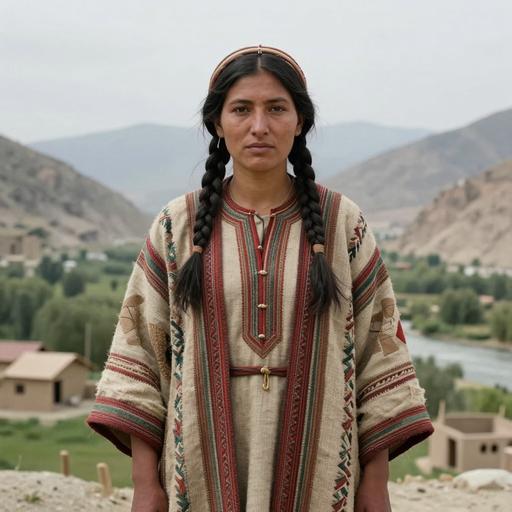
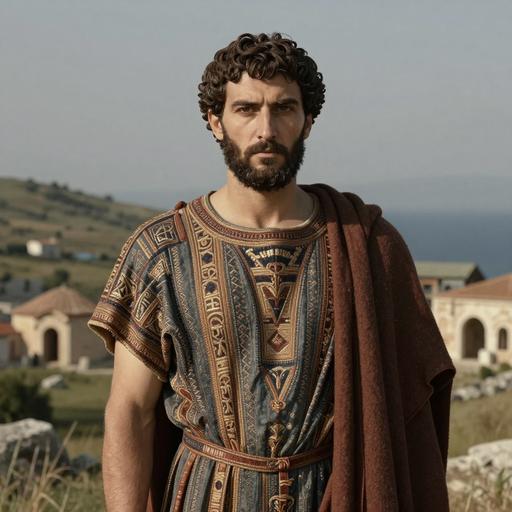
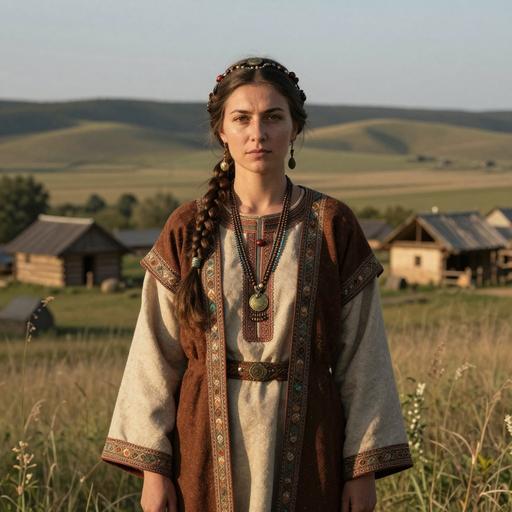
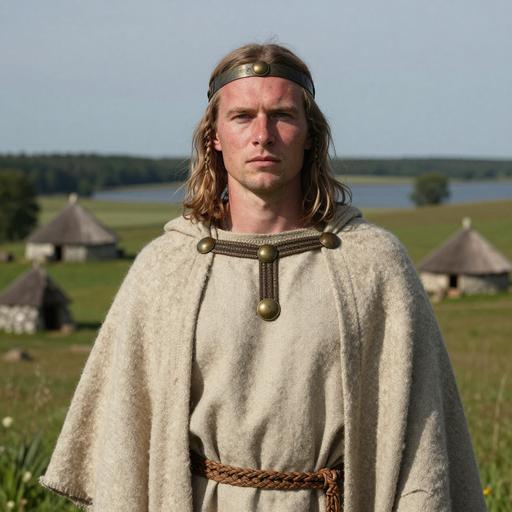
Ein Referenzprofil für einen Abstammungszweig. Gemeinsame Haplogruppen begründen weder eine familiäre Beziehung noch eine kulturelle Identität.
Referenzprofil
Hintergrund des Zweigs
Historischer Kontext für den mtDNA-Abstammungszweig W6
Origins and Evolution
mtDNA haplogroup W6 is a downstream branch of haplogroup W, itself a West Eurasian maternal lineage. Based on the phylogenetic position of W6 within W and the geographic distribution of closely related W subclades, W6 most likely diversified during the early to mid-Holocene (~8 kya) from ancestral W lineages that were established in the Near East and adjacent regions following the Last Glacial Maximum. Its age and distribution are consistent with demographic processes tied to post-glacial recolonization and the expansion of farming communities originating in Anatolia and the Near East.
Subclades
W6 may contain further internal substructure identifiable with high-resolution complete mitogenomes, but in many published datasets it is treated as a discrete subclade of W with limited branching visible at lower-resolution control-region typing. As more complete mitogenome sequencing is performed, additional subclades of W6 are likely to be resolved, refining its internal phylogeny and geographic signals.
Geographical Distribution
W6 is detected at low to moderate frequencies across a broad West Eurasian corridor. Reported occurrences include the Caucasus and parts of the Iranian Plateau, Anatolia/Turkey, southern and eastern Europe at low frequencies, and occasional finds in South Asia (India, Pakistan). The pattern suggests a Near Eastern/Caucasus focus with later spread into neighboring regions through both Neolithic farmer dispersals and subsequent regional gene flow. W6 is typically rarer than major European haplogroups (H, U, T) but contributes to the matrilineal diversity of several populations in West Eurasia.
Historical and Cultural Significance
While W6 is not associated with a single high-impact archaeological horizon, its distribution is compatible with Neolithic and post-Neolithic demographic processes: the spread of farming from Anatolia and the Near East into southeastern Europe, and later local movements across the Caucasus and into South Asia. In some populations W and its subclades have been observed in ancient DNA samples tied to early farmers and later Bronze Age contexts, indicating continuity of minor maternal lineages alongside major demographic shifts. W6’s presence in diverse populations emphasizes the mosaic nature of maternal ancestry in West Eurasia, where small lineages persisted through multiple cultural transitions.
Conclusion
mtDNA haplogroup W6 is a mid-Holocene West Eurasian maternal lineage derived from W, with a probable origin in the Near East/Caucasus and subsequent low-to-moderate presence across southern and eastern Europe, Anatolia, and parts of South Asia. Further complete-mitogenome sequencing and ancient DNA sampling will better resolve its age, substructure, and finer-scale migration history, but current evidence positions W6 as part of the broader maternal legacy of Holocene population expansions in West Eurasia.
Wichtige Punkte
Origins and Evolution
Subclades
Geographical Distribution
Historical and Cultural Significance
Conclusion
Referenzprofil
Baum und Verwandtschaft
Phylogenetischer Kontext und Subkladen
Entwicklungsweg
Folgen Sie den erfassten übergeordneten Zweigen bis W6. Die Daten sind Schätzungen und können sich ändern, wenn Referenzdaten überarbeitet werden.
The populations where mtDNA haplogroup W6 is found include:
Caucasus populations (Armenians, Georgians and neighbouring groups)
Populations of the Iranian Plateau and Anatolia (modern Iranians, Turks)
Southern and Eastern European groups at low to moderate frequency (Greece, Italy, Balkans)
South Asian populations in India and Pakistan (sporadic occurrences)
West Eurasian diasporas and mixed populations (including historical Near Eastern communities)
Historischer Kontext
Ein Zweig durch die Zeit
Geschätzte Entstehung in einer breiten historischen Zeitleiste. Zeitmarken liefern Kontext und implizieren keine Verbindung zu bestimmten Kulturen.
~10k Jahre zurück
Neolithische Revolution
Beginn der Landwirtschaft und feste Siedlungen
~8k Jahre zurück
Haplogruppe W6
Geschätzte Entstehung dieses mtDNA-Zweigs; Daten und Orte sind Referenzschätzungen.
Dieser Zweig
~5k Jahre zurück
Bronzezeit
Metallverarbeitung, Schrift und frühe Zivilisationen
~3k Jahre zurück
Eisenzeit
Eisenwerkzeuge und ausgedehnte Handelsnetze
~2.5k Jahre zurück
Klassische Antike
Blüte griechischer und römischer Kulturen
Gegenwart
Gegenwart
Moderne Zeit
Referenzprofil
Archäologischer Kontext
Erfasste archäologische Zuordnungen für den mtDNA-Zweig W6
Erfasste Zuordnungen
Diese Bezeichnungen beschreiben archäologische Kontexte erfasster Referenzproben mit Bezug zu W6. Eine Zuordnung bedeutet nicht, dass alle Träger einer Kultur angehörten oder einer bestimmten Migrationsroute folgten.
Bulgarian NeolithicBustan CultureCatacomb CultureEarly French Bronze AgeFatyanovoFatyanovo CultureGonur CultureRussia_MLBA_CaucasusSarazm CultureShahr-i Sokhta
Kulturzuordnungen basieren auf dem archäologischen Kontext antiker DNA-Proben und können regionale Verknüpfungen in bestimmten Zeiträumen widerspiegeln.
Referenzprofil
Probencatalog
36 direkte Träger und 18 Subkladen-Träger der Haplogruppe W6
10 angezeigt · 50 passende Proben
Keine Proben entsprechen diesen Filtern. Versuchen Sie eine andere Bezeichnung, einen anderen Ort oder eine andere Epoche.
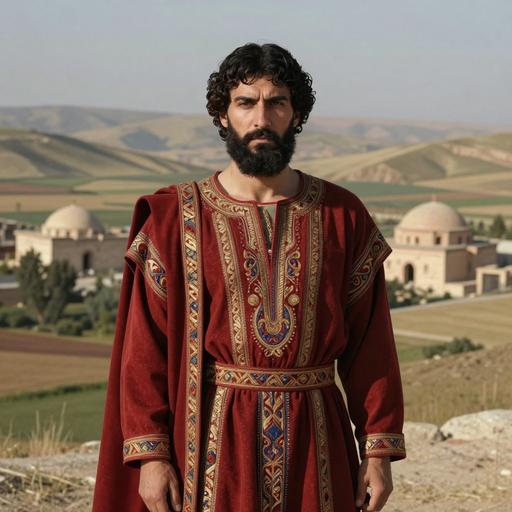
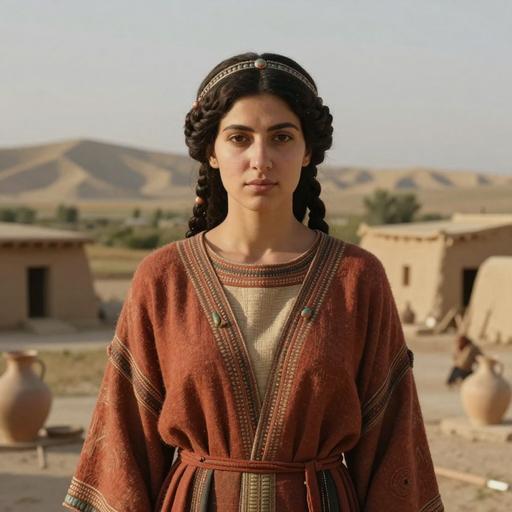
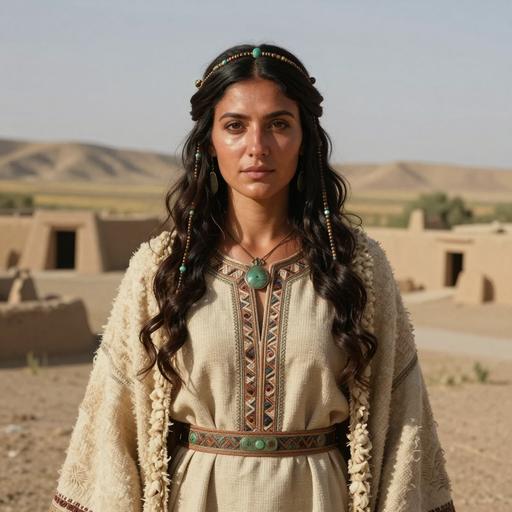
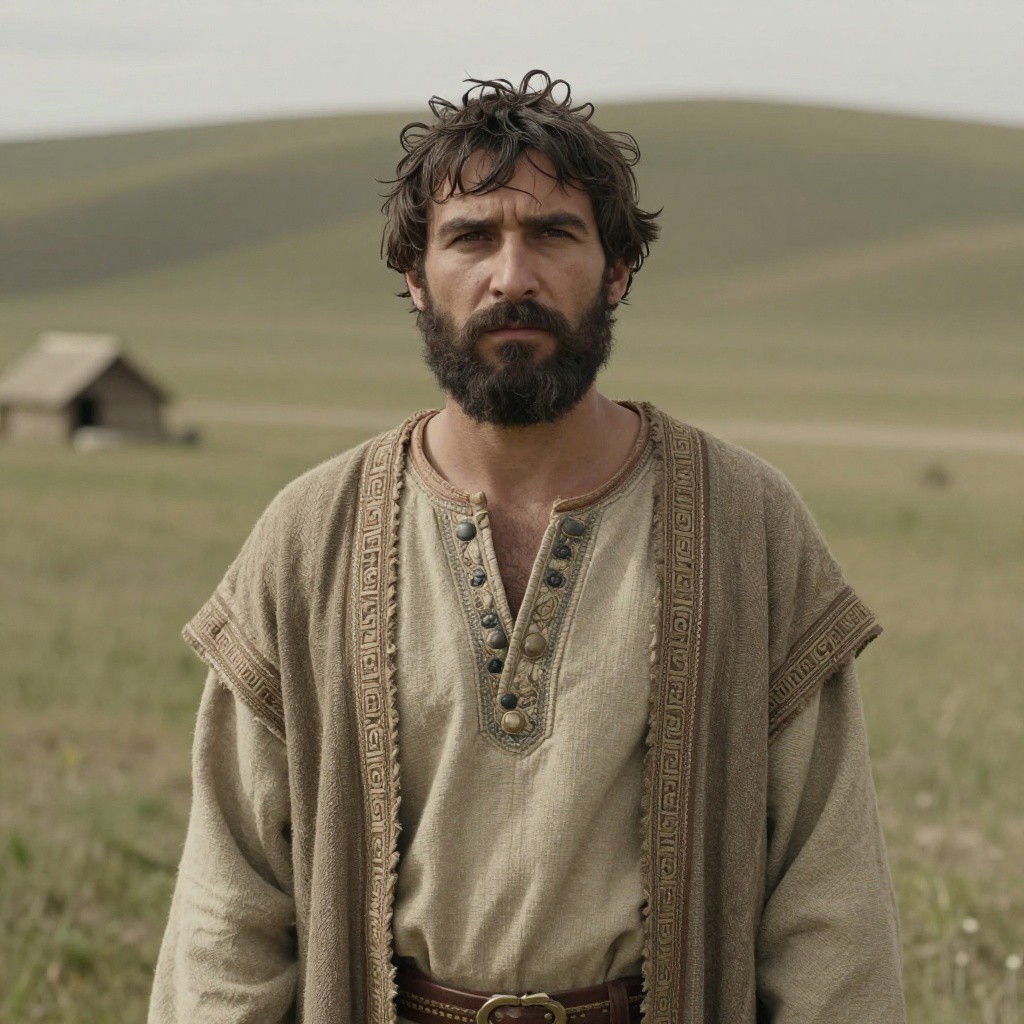
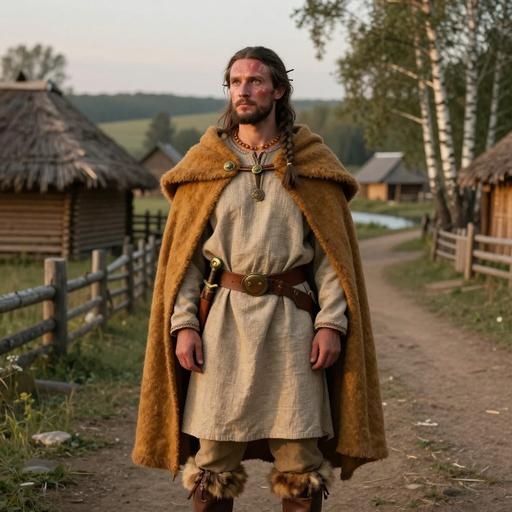
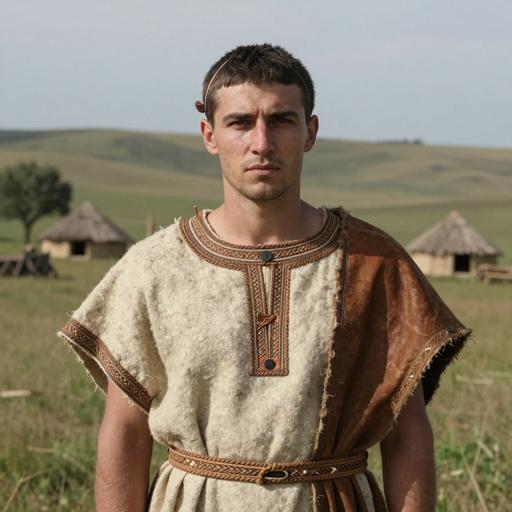
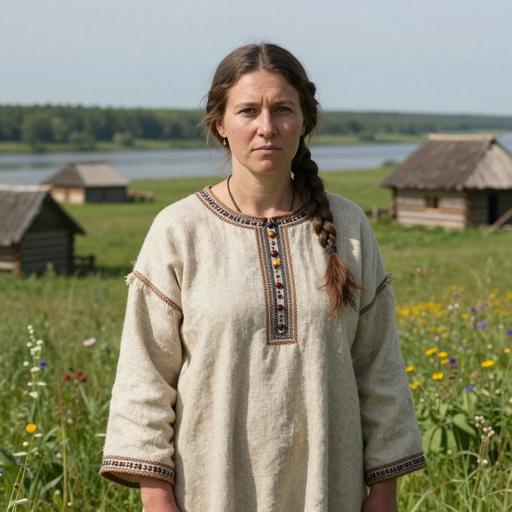
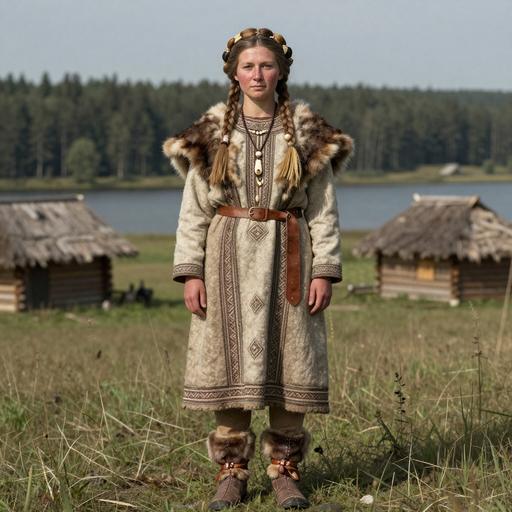
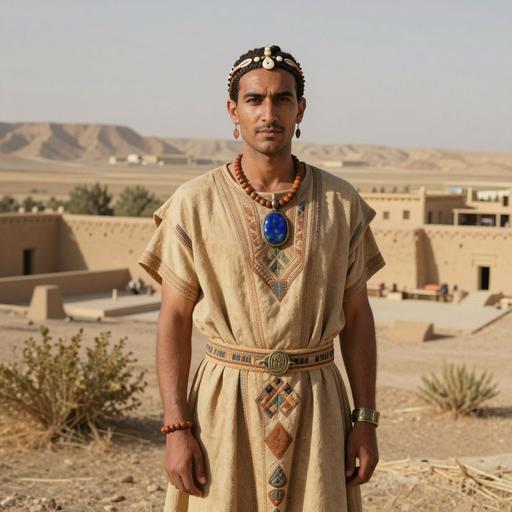
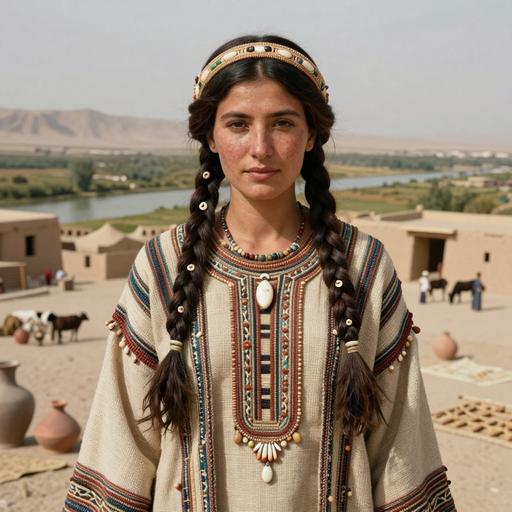
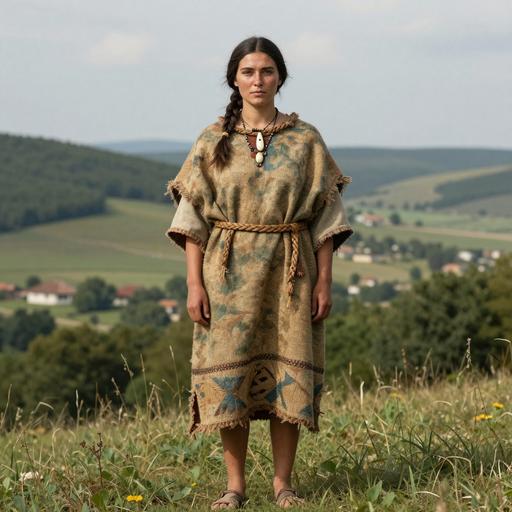
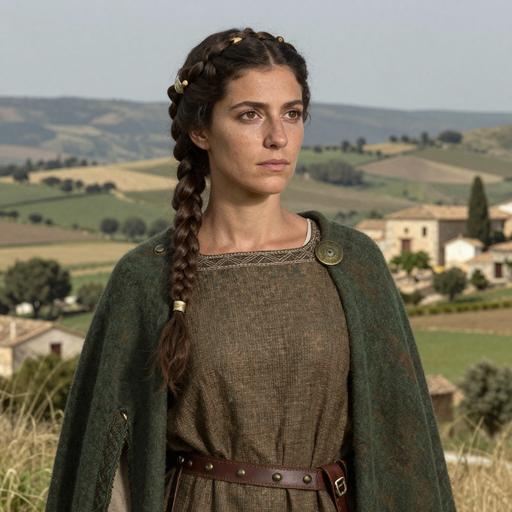
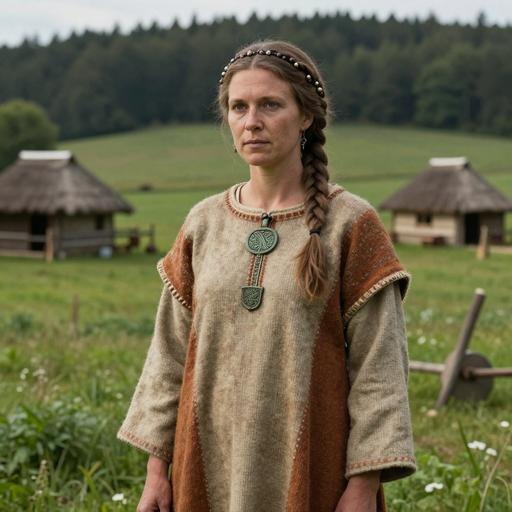
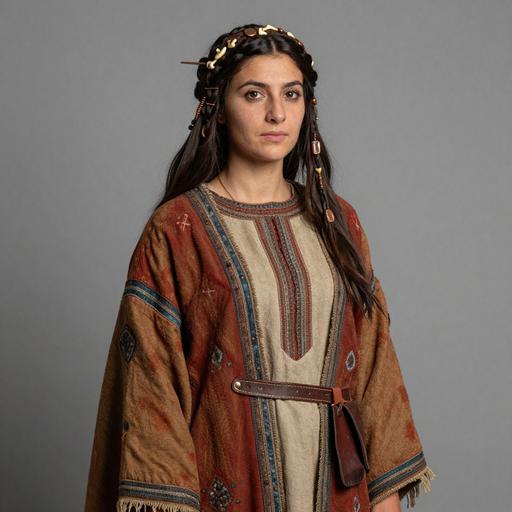
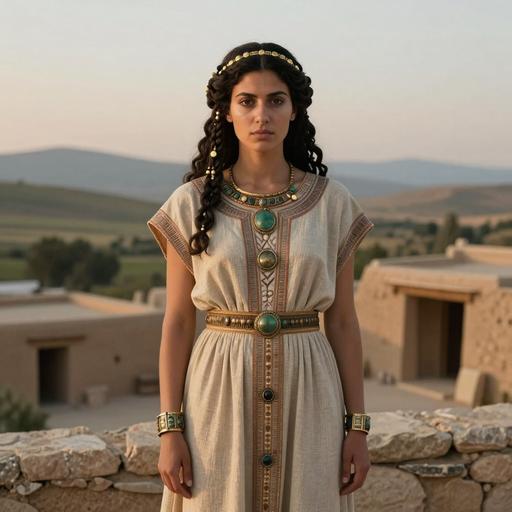
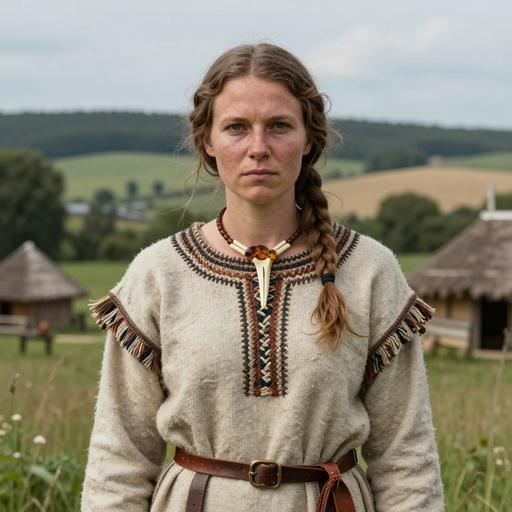
Porträts sind KI-generierte Illustrationen. Probenbezeichnungen und Zugangs-IDs identifizieren die Referenzdatensätze.
Porträt
Probe
Land
Epoche
Datum
Kultur
mtDNA
Übereinstimmung
Proben-ID: I8218
Pakistan
Aligrama Iron Age Site in Swat Valley, Pakistan
47 calBCE - 62 calCE (2010±20 BP, PSUAMS-6195)
Aligrama Culture
W6
Direkt
Proben-ID: I15508
Serbia
Serbia Roman
200-300 CE
Roman Provincial
W6
Direkt
Proben-ID: SZ12
Hungary
Langobard Period Hungary
400-650 CE
Langobard Culture
W6
Direkt
Proben-ID: I20266
Turkey
Early Byzantine Period 2 Turkey
450-750 CE
Early Byzantine
W6
Direkt
Proben-ID: SFI-47
Lebanon
Lebanon IA3
540 BCE - 330 BCE
Persian Period Lebanon
W6
Direkt
Proben-ID: SFI-47
Lebanon
The Achaemenid Empire
540 BCE - 330 BCE
W6
Direkt
Proben-ID: VEN010
Italy
Basilicata Venosa Culture
600-800 CE
Venosa
W6
Direkt
Proben-ID: UKR139
Ukraine
Ukraine EarlyMedieval
671-874 calCE (1256±27, UBA-48169)
Ukraine_EarlyMedieval
W6
Direkt
Proben-ID: I4475
Turkey
Southeast Byzantine Turkey
675-774 calCE (1275±15 BP, PSUAMS-4140)
Byzantine Anatolia
W6
Direkt
Proben-ID: I10430
Turkey
Byzantine Turkey
679-823 calCE (1255±15 BP, PSUAMS-4781)
Byzantine Anatolia
W6
Direkt
Proben-ID: KUP018
Hungary
Hungary LateAvar
700-850 CE
Avar Culture
W6
Direkt
Proben-ID: X12
Estonia
Bronze Age Estonia
896 BCE - 787 BCE
Estonian Bronze Age
W6
Direkt
Proben-ID: X12
Estonia
Late Bronze Age Baltic
896 BCE - 787 BCE
W6
Direkt
Proben-ID: I22256
Israel
Israel Phoenician
900-400 BCE
Israel_Phoenician
W6
Direkt
Proben-ID: VK211
Poland
Poland Medieval 2
1000 CE - 1300 CE
Medieval Polish
W6
Direkt
Proben-ID: VK211
Poland
Medieval Nordic Region
1000 CE - 1300 CE
1984
W6
Direkt
Proben-ID: I18469
Armenia
Late Bronze Age to Early Iron Age Armenia
1050-750 BCE
Armenian LBA-EIA
W6
Direkt
Proben-ID: I14651
Turkey
Southeast Byzantine Turkey
1100-1300 CE
Byzantine Anatolia
W6
Direkt
Proben-ID: I19343
Armenia
Late Bronze Age Armenia
1400-900 BCE
Late Bronze Age Armenian
W6
Direkt
Proben-ID: XAN022
Greece
Late Minoan Culture
1350-1100 BCE
Minoan
W6
Direkt
Proben-ID: I4098
Iran
Iran Hasanlu LBA 2
1496-1323 calBCE (3150±20 BP, PSUAMS-3118)
Hasanlu Culture
W6
Direkt
Proben-ID: I5605
Uzbekistan
Bronze Age Bustan
1600-1300 BCE
Bustan Culture
W6
Direkt
Proben-ID: I10342
France
France EBA
1882-1687 calBCE (3455±30 BP, Poz-138229)
Early French Bronze Age
W6
Direkt
Proben-ID: I1790
Turkmenistan
Bronze Age Gonur
2135-1953 calBCE (3660±20 BP, PSUAMS-2311)
Gonur Culture
W6
Direkt
Proben-ID: GIN006
Russia
Russia MLBA Caucasus
2284-2043 calBCE (3758±24 BP, MAMS-45946)
Russia_MLBA_Caucasus
W6
Direkt
Proben-ID: TIM009
Russia
Bronze Age Fatyanovo Culture, Ivanovo, Russia
2700 BCE - 2000 BCE
Fatyanovo Culture
W6
Direkt
Proben-ID: TIM009
Russia
The Fatyanovo Culture
2700 BCE - 2000 BCE
W6
Direkt
Proben-ID: I20077
Moldova
Moldova MBA Catacomb
2800-2200 BCE
Catacomb Culture
W6
Direkt
Proben-ID: TIM006
Russia
Bronze Age Fatyanovo Culture, Ivanovo, Russia
2834 BCE - 2466 BCE
Fatyanovo Culture
W6
Direkt
Proben-ID: TIM006
Russia
The Fatyanovo Culture
2834 BCE - 2466 BCE
W6
Direkt
Proben-ID: VOR004
Russia
Fatyanovo Culture
2879 BCE - 2626 BCE
Fatyanovo
W6
Direkt
Proben-ID: VOR004
Russia
The Fatyanovo Culture
2879 BCE - 2626 BCE
W6
Direkt
Proben-ID: I11480
Iran
Bronze Shahr-i Sokhta
2900 BCE - 2800 BCE
Shahr-i Sokhta
W6
Direkt
Proben-ID: I11480
Iran
The Indus Valley Civilization
2900 BCE - 2800 BCE
W6
Direkt
Proben-ID: I4290
Tajikistan
Chalcolithic Sarazm
3700-3300 BCE
Sarazm Culture
W6
Direkt
Proben-ID: I17981
Bulgaria
Neolithic Bulgaria
6100-5450 BCE
Bulgarian Neolithic
W6
Direkt
Proben-ID: TAQ018
Italy
Etruscan Italy
400-1 BCE
Etruscan
W6a
Subklade
Proben-ID: I12034
Spain
Visigothic Period Girona, Spain
416-700 CE
Visigothic Culture
W6a
Subklade
Proben-ID: HEU002
Germany
Hallstatt Culture
500-450 BCE
Hallstatt
W6a
Subklade
Proben-ID: MGS114
Austria
Austria Avar
650-800 CE
Austria_Avar
W6a
Subklade
Proben-ID: VK554
Estonia
Early Viking Age Estonia
705 CE - 949 CE
Viking
W6a
Subklade
Proben-ID: VK554
Estonia
The Viking Age
705 CE - 949 CE
W6a
Subklade
Proben-ID: I16329
Czech Republic
Iron Age Hallstatt Culture, Czech Republic
800-550 BCE
Hallstatt Culture
W6a
Subklade
Proben-ID: PCA0222
Poland
Iron Age Oblaczkowo Culture
1000-1200 CE
Oblaczkowo Culture
W6a
Subklade
Proben-ID: PCA0506
Poland
Iron Age Milicz Culture
1000-1200 CE
Milicz Culture
W6a
Subklade
Proben-ID: I20440
Armenia
Late Bronze Age Armenia
1263-1121 calBCE (2970±20 BP, PSUAMS-9011)
Late Bronze Age Armenian
W6b
Subklade
Proben-ID: I7425
Spain
Spain NazariPeriod Muslim
1500-1600 CE
Nazari Culture
W6a
Subklade
Proben-ID: CTG025
Turkey
Bronze Age Aegean Culture of Aydin
2015-1771 calBCE (3551±31 BP, TÜB?TAK-744)
Aydin Culture
W6b
Subklade
Proben-ID: I0103
Germany
Corded Ware Culture, Germany
2617 BCE - 2461 BCE
Corded Ware
W6a
Subklade
Proben-ID: RDV001
Czech Republic
Corded Ware Culture, Bohemia, Czech Republic
2850-2497 calBCE (4081±25 BP, MAMS-45791)
Corded Ware
W6a
Subklade
Proben-ID: I8218
Aligrama Iron Age Site in Swat Valley, Pakistan - Pakistan - Swat Valley. Aligrama
Pakistan Aligrama Iron Age Site in Swat Valley, Pakistan 47 calBCE - 62 calCE (2010±20 BP, PSUAMS-6195)
W6Direkt
Proben-ID: I15508
Roman Serbia - Serbia - Viminacium-Rit (Braničevo District, Požarevac Municipality, Kostolac)
Serbia Serbia Roman 200-300 CE
W6Direkt
Proben-ID: SZ12
Langobard Period Hungary - Hungary - Szólád
Hungary Langobard Period Hungary 400-650 CE
W6Direkt
Proben-ID: I20266
Early Byzantine Period 2 Turkey - Turkey - Samantaş (Aegean. Muğla. Yatağan)
Turkey Early Byzantine Period 2 Turkey 450-750 CE
W6Direkt
Proben-ID: SFI-47
Iron Age III Lebanon - Lebanon - Beirut
Lebanon Lebanon IA3 540 BCE - 330 BCE
W6Direkt
Proben-ID: SFI-47
Lebanon The Achaemenid Empire 540 BCE - 330 BCE
W6Direkt
Proben-ID: VEN010
Basilicata Venosa Culture - Italy - Basilicata. Potenza. Venosa
Follow parent clades toward this branch and explore where ancient carriers were found.
Loading ancient observations…
Reduced motion is enabled. Use the timeline or Show all to explore at your own pace.
Read observations as a table
Displayed ancient observations by branch, period and date midpoint
Branch
Period
Date range
Sample
Sample ID
Location
Haplogroup
Relationship
Markers are archaeological find locations. A dashed connector is an uncertain, proposed geographic transition between consecutive branches supported by multiple dated observations; it is not an exact travel route, birthplace or proof of direct descent. Parent-clade samples may belong to other descendant branches. Gaps remain where evidence is insufficient. Sample dates differ from haplogroup formation dates.
Grouping by historical period reflects when each ancient individual lived, combined across every branch on this lineage chain; it is not a migration sequence or a personal timeline between periods.
Referenzprofil
Trägerverteilungskarte
Geografische Verteilung von 54 antiken DNA-Proben (direkte und Subkladen-Träger von W6)
Direkter Träger Subkladen-Träger
Zeitraumfilter
Alle Zeiträume
Alle Proben werden angezeigt
Referenzprofil
Zeitliche Verteilung
Verteilung der Träger über archäologische Epochen
Referenzprofil
Geografische Verteilung
Anzahlen nach erfasstem Probenland. Sie spiegeln die verfügbare Referenzauswahl wider, nicht Bevölkerungshäufigkeiten.
Referenzprofil
Verteilung Land × Epoche
Vergleichen Sie erfasste Probenanzahlen nach Ländern und archäologischen Epochen. Wählen Sie eine belegte Zelle, um eine Probe anzusehen.
Daten
Daten und Herkunft
Quellenangaben und Datenqualität
Zuletzt aktualisiert2026-06-14
Konfidenzwert50/100
AbdeckungLow
Datenquelle
Klassifikation, geschätzte Daten und geografischer Kontext spiegeln die erfassten Referenzdaten wider und können sich bei überarbeiteten Belegen ändern. Die Probenabdeckung ist ungleichmäßig; erfasste Orte und archäologische Zuordnungen begründen weder persönliche Herkunft noch kulturelle Identität.