Zum Hauptinhalt springen
Y-DNA · Väterliche Linie

BT

Y-DNA Haplogroup BT

Ein Referenzprofil für einen Abstammungszweig. Gemeinsame Haplogruppen begründen weder eine familiäre Beziehung noch eine kulturelle Identität.

Referenzprofil

Hintergrund des Zweigs

Historischer Kontext für den Y-DNA-Abstammungszweig BT

Origins and Evolution

Haplogroup BT occupies a pivotal position near the base of the Y-chromosome phylogeny. It represents the branch that separates haplogroup A lineages from the rest of human paternal diversity. BT arose in Africa during the Middle to Late Pleistocene (commonly estimated on the order of ~100–200 kya, with many analyses centering around ~120–160 kya). From BT two major daughter lineages emerge: haplogroup B (largely African in distribution) and haplogroup CT (the ancestor of virtually all non-B, non-A Y lineages). Because BT is ancestral to CT, it is the immediate precursor of the paternal lineages that later dispersed within Africa and out of Africa into Eurasia, Oceania and the Americas.

Subclades (if applicable)

  • Haplogroup B: A major African clade concentrated among Central African rainforest foragers and present at variable frequencies across sub-Saharan Africa. B retains deep African structure and ancient subclades.
  • Haplogroup CT: The other primary branch under BT; CT splits into almost all other globally distributed Y haplogroups (C through T). CT-derived lineages are responsible for the peopling of Eurasia, Oceania and the Americas.

Undifferentiated or basal BT (often written BT*) is extremely rare in modern samples; most modern males carrying BT ancestry are classified within downstream clades (B or CT-derived haplogroups).

Geographical Distribution

Because BT is ancestral to both African (B) and non-African (CT-derived) haplogroups, its genetic legacy is effectively widespread. Present-day geographic patterns reflect its descendant clades: haplogroup B is concentrated in Central and some parts of East and Southern Africa, while CT-derived lineages dominate Eurasia, Oceania and the Americas. Basal BT* lineages are seldom detected and, when reported, are generally very rare or restricted to specialized sampling of deep-rooting African populations.

Historical and Cultural Significance

BT itself is not tied to a single archaeological culture because it predates the emergence of the archaeological complexes detected in the Holocene; instead, its significance is as a phylogenetic pivot. The split of BT into B and CT marks an important stage in African population structure that set the stage for later demographic events: the regional differentiation of African populations, the later expansions of CT-derived lineages out of Africa during the Late Pleistocene and the major population turnovers and migrations in the Holocene (Neolithic farmer dispersals, Bronze Age steppe expansions, etc.). Descendant haplogroups of CT are strongly associated with later archaeological cultures (for example, haplogroup R with some Bronze Age steppe groups, haplogroup J with some Near Eastern farmer-associated populations), but these associations reflect downstream history rather than direct links to BT itself.

Conclusion

Haplogroup BT is a foundational node in the human Y-chromosome tree: although undifferentiated BT is rarely observed in modern populations, the clade’s importance lies in its position as the ancestor of haplogroup B (deep African lineages) and CT (the source of nearly all non-African paternal diversity). Studying BT and its immediate descendants helps reconstruct deep Pleistocene population structure within Africa and the subsequent dispersals that populated the rest of the world.

Wichtige Punkte

  • Origins and Evolution
  • Subclades (if applicable)
  • Geographical Distribution
  • Historical and Cultural Significance
  • Conclusion
Referenzprofil

Baum und Verwandtschaft

Phylogenetischer Kontext und Subkladen

Entwicklungsweg

Folgen Sie den erfassten übergeordneten Zweigen bis BT. Die Daten sind Schätzungen und können sich ändern, wenn Referenzdaten überarbeitet werden.

Schritte Haplogruppe Altersschätzung Archäologische Epoche Vergangene Zeit Unmittelbare Nachkommen Getestete moderne Nachkommen Antike Verknüpfungen
1 BT Aktuell ~150,000 years ago Paleolithic 150,000 Jahre 0 311 29
2 B ~200,000 years ago Paleolithic 200,000 Jahre 4 356 1
3 A ~270,000 years ago Paleolithic 270,000 Jahre 3 585 8

Subkladen (0)

Endzweig ohne erfasste Subkladen

Geschwisterzweige (3)

Weitere Zweige derselben übergeordneten Haplogruppe

Referenzprofil

Verbreitung weltweit

Geografische Verbreitung und moderne Präsenz

Erfasster Ursprung

East Africa

Moderne Verbreitung

The populations where Y-DNA haplogroup BT is found include:

  1. Central African rainforest forager groups (through descendant haplogroup B)
  2. West and East African farming and pastoralist populations (through B and CT-derived E and other lineages)
  3. Nilotic and other East African pastoral groups (low-frequency B and CT derivatives)
  4. Afroasiatic-speaking Ethiopian highland groups (rare occurrences and CT-derived lineages)
  5. Eurasian populations across Western, Central and East Asia (predominantly CT-derived descendant haplogroups)
  6. European populations (through CT-descendants such as I, R, J and others)
  7. Indigenous peoples of Oceania and Southeast Asia (CT-derived lineages like C, M, S)
  8. Indigenous peoples of the Americas (CT-derived haplogroups such as Q and C) and African diaspora populations worldwide

Regionale Präsenz

Sub-Saharan Africa High
Eastern Africa High
Southern Africa Moderate
Western Africa Moderate
Near East / Southwest Asia Low
Western Europe Low
Central Africa Moderate
South Asia High
East Asia High
Oceania Moderate
North America (Indigenous & diaspora) High
South America (Indigenous & diaspora) High
Historischer Kontext

Ein Zweig durch die Zeit

Geschätzte Entstehung in einer breiten historischen Zeitleiste. Zeitmarken liefern Kontext und implizieren keine Verbindung zu bestimmten Kulturen.

  1. ~200k Jahre zurück

    mtDNA-Eva

    Referenz für den jüngsten gemeinsamen Ursprung aller mtDNA-Linien

  2. ~150k Jahre zurück

    Haplogruppe BT

    Geschätzte Entstehung dieses Y-DNA-Zweigs; Daten und Orte sind Referenzschätzungen.

    Dieser Zweig
  3. ~70k Jahre zurück

    Ausbreitung aus Afrika

    Wichtige Wanderungsbewegung moderner Menschen aus Afrika

  4. ~50k Jahre zurück

    Jungpaläolithikum

    Fortgeschrittene Werkzeuge, Kunst und kulturelle Vielfalt

  5. ~20k Jahre zurück

    Letztes glaziales Maximum

    Höhepunkt der letzten Eiszeit, isolierte Bevölkerungen

  6. ~10k Jahre zurück

    Neolithische Revolution

    Beginn der Landwirtschaft und feste Siedlungen

  7. ~5k Jahre zurück

    Bronzezeit

    Metallverarbeitung, Schrift und frühe Zivilisationen

  8. ~3k Jahre zurück

    Eisenzeit

    Eisenwerkzeuge und ausgedehnte Handelsnetze

  9. ~2.5k Jahre zurück

    Klassische Antike

    Blüte griechischer und römischer Kulturen

  10. Gegenwart

    Gegenwart

    Moderne Zeit

Referenzprofil

Archäologischer Kontext

Erfasste archäologische Zuordnungen für den Y-DNA-Zweig BT

Erfasste Zuordnungen

Diese Bezeichnungen beschreiben archäologische Kontexte erfasster Referenzproben mit Bezug zu BT. Eine Zuordnung bedeutet nicht, dass alle Träger einer Kultur angehörten oder einer bestimmten Migrationsroute folgten.

Angara Culture British Neolithic French Neolithic Hora Culture Iberian Neolithic Lena River Culture Linear Pottery Culture Ob River Culture Pavlovian Culture Rossberga Culture Russia_Rostov_EBA_Don_Yamnaya Shahr-i Sokhta Culture Turkey_Catalhoyuk_MN Ukraine_Zaporizhia_N_DnieperDonets_MtCemetery
Kulturzuordnungen basieren auf dem archäologischen Kontext antiker DNA-Proben und können regionale Verknüpfungen in bestimmten Zeiträumen widerspiegeln.
Referenzprofil

Probencatalog

13 direkte Träger und 16 Subkladen-Träger der Haplogruppe BT

10 angezeigt · 29 passende Proben

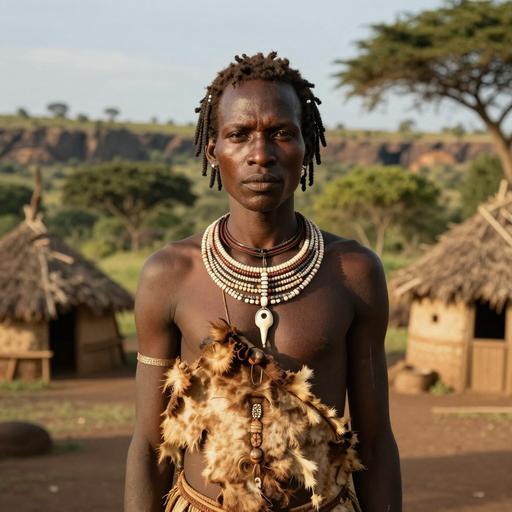
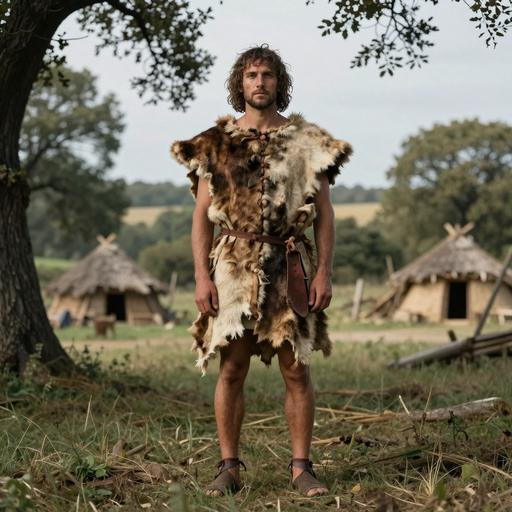
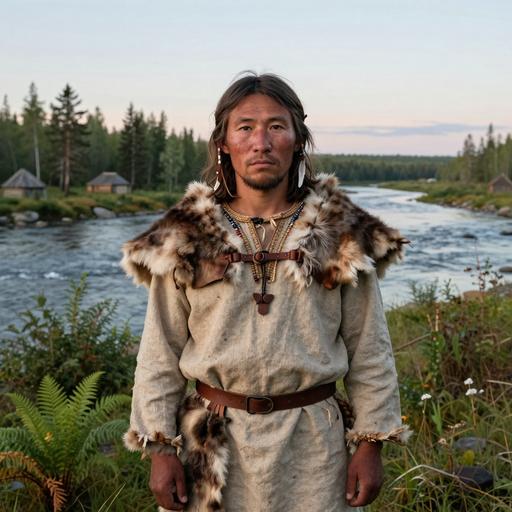
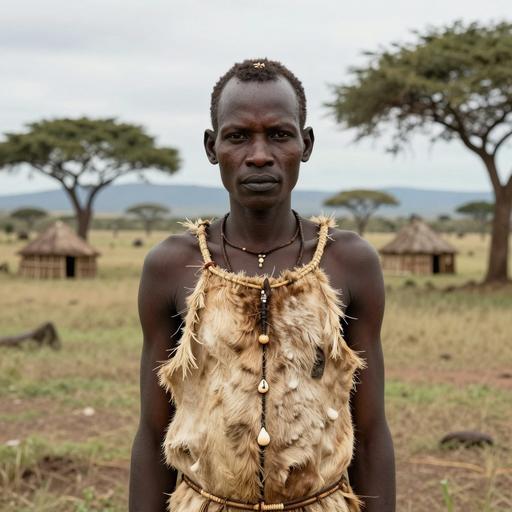
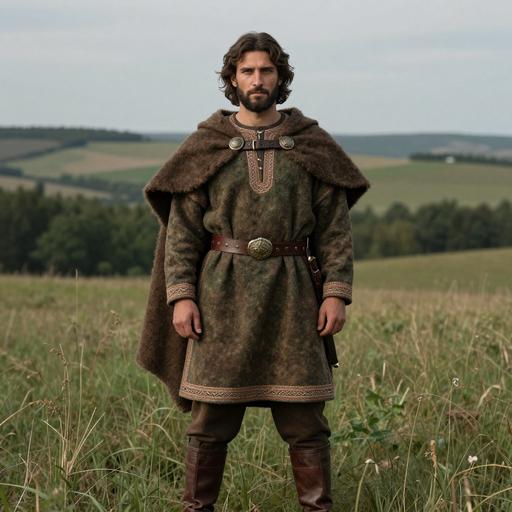
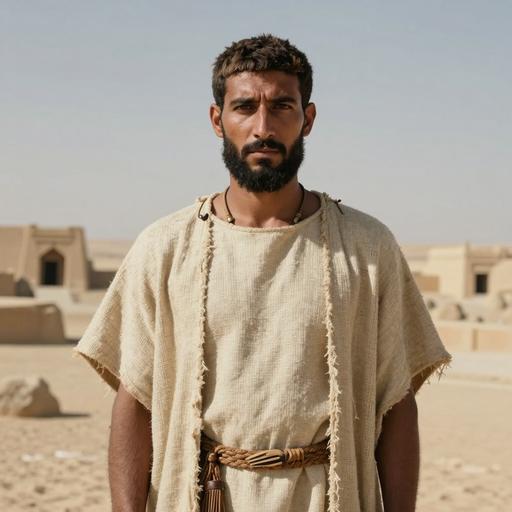
Porträts sind KI-generierte Illustrationen. Probenbezeichnungen und Zugangs-IDs identifizieren die Referenzdatensätze.

Porträt Probe Land Epoche Datum Kultur Y-DNA Übereinstimmung
KI-generiertes illustratives Porträt von Bantu individual, Gishimangeda Cave, Tanzania (800-400 BCE)
Proben-ID: I13983
Tanzania Prehistoric and Iron Age in Tanzania 800 BCE - 400 BCE Tanzania Multi-Period BT Direkt
KI-generiertes illustratives Porträt von Dominican Republic Ceramic individual, El Soco (southeast coast DR, San Pedro de Macorís, Ramón Santana, Playa Nueva Romana), Dominican Republic (850-1,450 CE)
Proben-ID: I13200
Dominican Republic Dominican Ceramic Culture 850-1450 CE Dominican Ceramic BT Direkt
KI-generiertes illustratives Porträt von Norse individual, England. Oxford. St John's College Oxford, United Kingdom (880-1,000 CE)
Proben-ID: VK164
United Kingdom England Viking 880 CE - 1000 CE Viking BT Direkt
KI-generiertes illustratives Porträt von Norse individual, Gnezdovo, Russia (900-1,100 CE)
Proben-ID: VK222
Russia Russia Viking 900 CE - 1100 CE Viking Culture BT Direkt
KI-generiertes illustratives Porträt von Canaanite/Phoenician individual, Ashkelon, Israel (1,259-1,020 BCE)
Proben-ID: ASH008
Israel Iron Age II Ashkelon, Israel 1259-1020 calBCE (2941±31 BP, MAMS-30688) Ashkelon Culture BT Direkt
KI-generiertes illustratives Porträt von Central European Bronze Age Cultures individual, Kleinaitingen - Gewerbegebiet Nord, Germany (2,011-1,773 BCE)
Proben-ID: AITI_36
Germany Early Bronze Age Lech Valley, Germany 2011 BCE - 1773 BCE Lech Valley Bronze Age BT Direkt
KI-generiertes illustratives Porträt von Haunstetten Unterer Talweg5862 EBA individual, Haunstetten - Unterer Talweg 58-62, Germany (2,026-1,888 BCE)
Proben-ID: UNTA58_149
Germany Early Bronze Age Lech Valley, Germany 2026-1888 calBCE (3597±24 BP, MAMS-18938) Lech Valley Bronze Age BT Direkt
KI-generiertes illustratives Porträt von Novosibirsk N individual, Vengerovo-2 (Novosibirsk Oblast, Vengerovsky District), Russia (4,438-4,251 BCE)
Proben-ID: NEO916
Russia Ob River Culture of Northern Russia 4232-3987 calBCE (5269±30 BP, UBA-40127) Ob River Culture BT Direkt
KI-generiertes illustratives Porträt von Paleo-Siberian individual, Siberia. Lena river. Kachug, Russia (4,980-4,841 BCE)
Proben-ID: KAG001
Russia Early Neolithic Lena River, Siberia, Russia 4980 BCE - 4841 BCE Lena River Culture BT Direkt
KI-generiertes illustratives Porträt von Yonne N individual, Gurgy Les Noisats (Bourgogne-Franche-Comté Region, Yonne Department, Auxerre arrondissement), France (5,300-3,900 BCE)
Proben-ID: GLN314
France France N 5300-3900 BCE French Neolithic BT Direkt
PATERNAL LINEAGE · ANCIENT DNA

Ancient lineage evidence map

Follow parent clades toward this branch and explore where ancient carriers were found.

Loading ancient observations…

Markers are archaeological find locations. A dashed connector is an uncertain, proposed geographic transition between consecutive branches supported by multiple dated observations; it is not an exact travel route, birthplace or proof of direct descent. Parent-clade samples may belong to other descendant branches. Gaps remain where evidence is insufficient. Sample dates differ from haplogroup formation dates.

Referenzprofil

Trägerverteilungskarte

Geografische Verteilung von 29 antiken DNA-Proben (direkte und Subkladen-Träger von BT)

Direkter Träger Subkladen-Träger
Zeitraumfilter
Alle Zeiträume
Alle Proben werden angezeigt
Referenzprofil

Zeitliche Verteilung

Verteilung der Träger über archäologische Epochen

Referenzprofil

Geografische Verteilung

Anzahlen nach erfasstem Probenland. Sie spiegeln die verfügbare Referenzauswahl wider, nicht Bevölkerungshäufigkeiten.

Referenzprofil

Verteilung Land × Epoche

Vergleichen Sie erfasste Probenanzahlen nach Ländern und archäologischen Epochen. Wählen Sie eine belegte Zelle, um eine Probe anzusehen.

Daten

Daten und Herkunft

Quellenangaben und Datenqualität

Zuletzt aktualisiert 2026-06-15
Konfidenzwert 50/100
Abdeckung Low

Datenquelle

Klassifikation, geschätzte Daten und geografischer Kontext spiegeln die erfassten Referenzdaten wider und können sich bei überarbeiteten Belegen ändern. Die Probenabdeckung ist ungleichmäßig; erfasste Orte und archäologische Zuordnungen begründen weder persönliche Herkunft noch kulturelle Identität.