Aller au contenu principal
Y-DNA · lignée Paternelle

BT

Y-DNA Haplogroup BT

Profil de référence pour une branche de lignée. Des haplogroupes partagés n'établissent pas de lien familial ni d'identité culturelle.

Profil de référence

Contexte de la branche

Contexte historique de la branche de lignée Y-DNA BT

Origins and Evolution

Haplogroup BT occupies a pivotal position near the base of the Y-chromosome phylogeny. It represents the branch that separates haplogroup A lineages from the rest of human paternal diversity. BT arose in Africa during the Middle to Late Pleistocene (commonly estimated on the order of ~100–200 kya, with many analyses centering around ~120–160 kya). From BT two major daughter lineages emerge: haplogroup B (largely African in distribution) and haplogroup CT (the ancestor of virtually all non-B, non-A Y lineages). Because BT is ancestral to CT, it is the immediate precursor of the paternal lineages that later dispersed within Africa and out of Africa into Eurasia, Oceania and the Americas.

Subclades (if applicable)

  • Haplogroup B: A major African clade concentrated among Central African rainforest foragers and present at variable frequencies across sub-Saharan Africa. B retains deep African structure and ancient subclades.
  • Haplogroup CT: The other primary branch under BT; CT splits into almost all other globally distributed Y haplogroups (C through T). CT-derived lineages are responsible for the peopling of Eurasia, Oceania and the Americas.

Undifferentiated or basal BT (often written BT*) is extremely rare in modern samples; most modern males carrying BT ancestry are classified within downstream clades (B or CT-derived haplogroups).

Geographical Distribution

Because BT is ancestral to both African (B) and non-African (CT-derived) haplogroups, its genetic legacy is effectively widespread. Present-day geographic patterns reflect its descendant clades: haplogroup B is concentrated in Central and some parts of East and Southern Africa, while CT-derived lineages dominate Eurasia, Oceania and the Americas. Basal BT* lineages are seldom detected and, when reported, are generally very rare or restricted to specialized sampling of deep-rooting African populations.

Historical and Cultural Significance

BT itself is not tied to a single archaeological culture because it predates the emergence of the archaeological complexes detected in the Holocene; instead, its significance is as a phylogenetic pivot. The split of BT into B and CT marks an important stage in African population structure that set the stage for later demographic events: the regional differentiation of African populations, the later expansions of CT-derived lineages out of Africa during the Late Pleistocene and the major population turnovers and migrations in the Holocene (Neolithic farmer dispersals, Bronze Age steppe expansions, etc.). Descendant haplogroups of CT are strongly associated with later archaeological cultures (for example, haplogroup R with some Bronze Age steppe groups, haplogroup J with some Near Eastern farmer-associated populations), but these associations reflect downstream history rather than direct links to BT itself.

Conclusion

Haplogroup BT is a foundational node in the human Y-chromosome tree: although undifferentiated BT is rarely observed in modern populations, the clade’s importance lies in its position as the ancestor of haplogroup B (deep African lineages) and CT (the source of nearly all non-African paternal diversity). Studying BT and its immediate descendants helps reconstruct deep Pleistocene population structure within Africa and the subsequent dispersals that populated the rest of the world.

Points clés

  • Origins and Evolution
  • Subclades (if applicable)
  • Geographical Distribution
  • Historical and Cultural Significance
  • Conclusion
Profil de référence

Arbre et relations

Contexte phylogénétique et sous-clades

Voie évolutive

Suivez les branches parentes consignées jusqu'à BT. Les dates sont des estimations et peuvent évoluer lorsque les données de référence sont révisées.

Étapes Haplogroupe Âge estimé Époque archéologique Temps écoulé Descendants immédiats Descendants modernes testés Liens anciens
1 BT Actuel ~150,000 years ago Paleolithic 150,000 ans 0 311 29
2 B ~200,000 years ago Paleolithic 200,000 ans 4 356 1
3 A ~270,000 years ago Paleolithic 270,000 ans 3 585 8

Sous-clades (0)

Branche terminale, aucune sous-clade consignée

Branches sœurs (3)

Autres branches issues du même haplogroupe parent

Profil de référence

Dans le monde

Distribution géographique et présence moderne

Origine consignée

East Africa

Distribution moderne

The populations where Y-DNA haplogroup BT is found include:

  1. Central African rainforest forager groups (through descendant haplogroup B)
  2. West and East African farming and pastoralist populations (through B and CT-derived E and other lineages)
  3. Nilotic and other East African pastoral groups (low-frequency B and CT derivatives)
  4. Afroasiatic-speaking Ethiopian highland groups (rare occurrences and CT-derived lineages)
  5. Eurasian populations across Western, Central and East Asia (predominantly CT-derived descendant haplogroups)
  6. European populations (through CT-descendants such as I, R, J and others)
  7. Indigenous peoples of Oceania and Southeast Asia (CT-derived lineages like C, M, S)
  8. Indigenous peoples of the Americas (CT-derived haplogroups such as Q and C) and African diaspora populations worldwide

Présence régionale

Sub-Saharan Africa High
Eastern Africa High
Southern Africa Moderate
Western Africa Moderate
Near East / Southwest Asia Low
Western Europe Low
Central Africa Moderate
South Asia High
East Asia High
Oceania Moderate
North America (Indigenous & diaspora) High
South America (Indigenous & diaspora) High
Contexte historique

Une branche dans le temps

Formation estimée sur une chronologie historique large. Les repères de période servent de contexte et n'impliquent pas de lien avec des cultures particulières.

  1. Il y a ~200k ans

    Ève ADNmt

    Ancêtre commun le plus récent théorique de l'ensemble des lignées ADNmt

  2. Il y a ~150k ans

    Haplogroupe BT

    Formation estimée de cette branche Y-DNA ; les dates et les lieux sont des estimations de référence.

    Cette branche
  3. Il y a ~70k ans

    Sortie d'Afrique

    Grande migration des humains modernes hors d'Afrique

  4. Il y a ~50k ans

    Paléolithique supérieur

    Outils avancés, art et essor culturel

  5. Il y a ~20k ans

    Dernier maximum glaciaire

    Apogée de la dernière période glaciaire, populations isolées

  6. Il y a ~10k ans

    Révolution néolithique

    Début de l'agriculture et émergence de communautés sédentaires

  7. Il y a ~5k ans

    Âge du bronze

    Travail des métaux, écriture et premières civilisations

  8. Il y a ~3k ans

    Âge du fer

    Outils en fer, réseaux d'échanges élargis

  9. Il y a ~2.5k ans

    Antiquité classique

    Floraison des civilisations grecque et romaine

  10. Aujourd'hui

    Aujourd'hui

    Époque moderne

Profil de référence

Contexte archéologique

Associations archéologiques consignées pour la branche Y-DNA BT

Associations consignées

Ces libellés décrivent des contextes archéologiques consignés pour des échantillons de référence liés à BT. Une association n'établit pas que tous les porteurs appartenaient à une culture ni qu'ils ont suivi une route migratoire précise.

Angara Culture British Neolithic French Neolithic Hora Culture Iberian Neolithic Lena River Culture Linear Pottery Culture Ob River Culture Pavlovian Culture Rossberga Culture Russia_Rostov_EBA_Don_Yamnaya Shahr-i Sokhta Culture Turkey_Catalhoyuk_MN Ukraine_Zaporizhia_N_DnieperDonets_MtCemetery
Les attributions culturelles reposent sur le contexte archéologique des échantillons d'ADN ancien et peuvent refléter des associations régionales à certaines périodes.
Profil de référence

Catalogue d'échantillons

13 porteurs directs et 16 porteurs de sous-clade de l'haplogroupe BT

10 affiché(s) · 29 échantillons correspondants

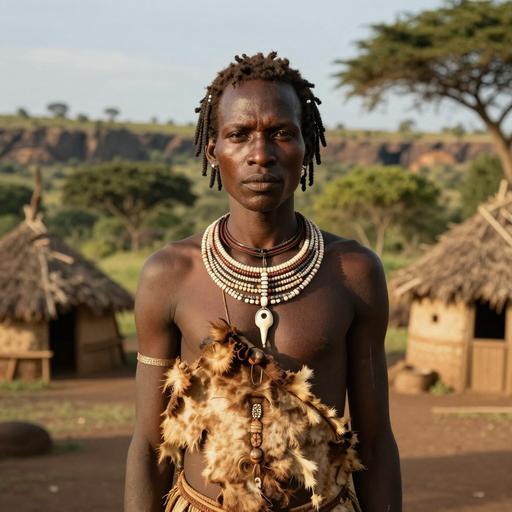
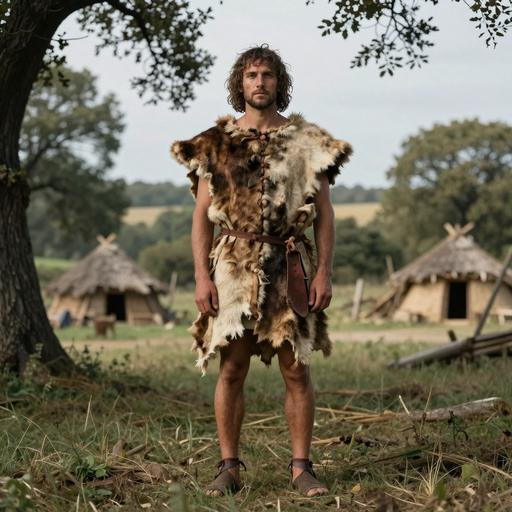
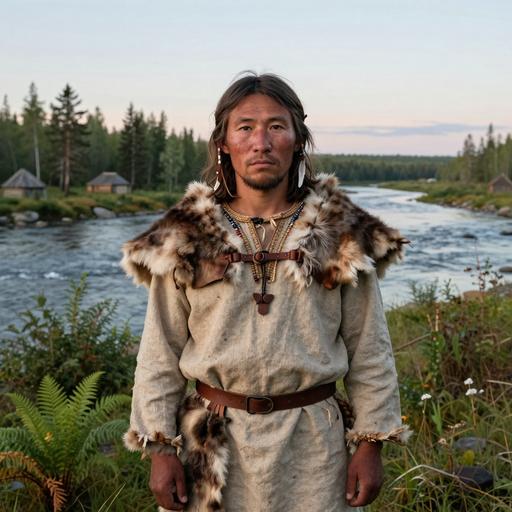
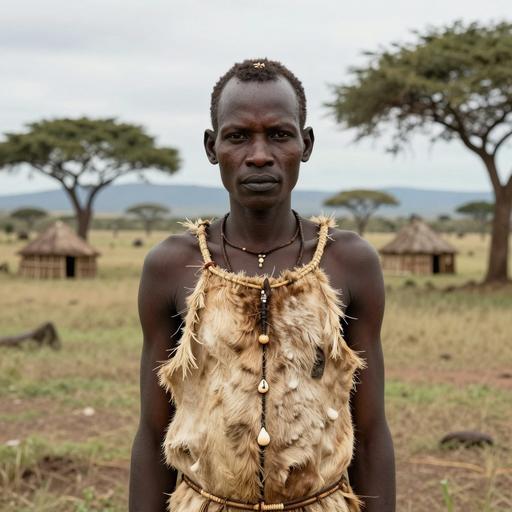
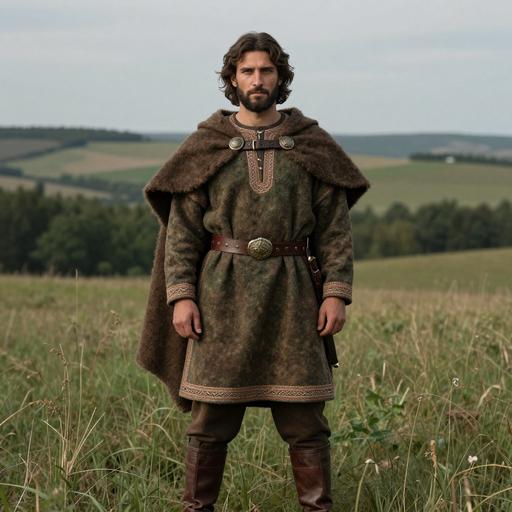
Les portraits sont des illustrations générées par IA. Les libellés d'échantillon et identifiants d'accès désignent les enregistrements de référence.

Portrait Échantillon Pays Époque Date Culture Y-DNA Correspondance
Portrait illustratif généré par IA de Bantu individual, Gishimangeda Cave, Tanzania (800-400 BCE)
Identifiant d'échantillon : I13983
Tanzania Prehistoric and Iron Age in Tanzania 800 BCE - 400 BCE Tanzania Multi-Period BT Direct
Portrait illustratif généré par IA de Dominican Republic Ceramic individual, El Soco (southeast coast DR, San Pedro de Macorís, Ramón Santana, Playa Nueva Romana), Dominican Republic (850-1,450 CE)
Identifiant d'échantillon : I13200
Dominican Republic Dominican Ceramic Culture 850-1450 CE Dominican Ceramic BT Direct
Portrait illustratif généré par IA de Norse individual, England. Oxford. St John's College Oxford, United Kingdom (880-1,000 CE)
Identifiant d'échantillon : VK164
United Kingdom England Viking 880 CE - 1000 CE Viking BT Direct
Portrait illustratif généré par IA de Norse individual, Gnezdovo, Russia (900-1,100 CE)
Identifiant d'échantillon : VK222
Russia Russia Viking 900 CE - 1100 CE Viking Culture BT Direct
Portrait illustratif généré par IA de Canaanite/Phoenician individual, Ashkelon, Israel (1,259-1,020 BCE)
Identifiant d'échantillon : ASH008
Israel Iron Age II Ashkelon, Israel 1259-1020 calBCE (2941±31 BP, MAMS-30688) Ashkelon Culture BT Direct
Portrait illustratif généré par IA de Central European Bronze Age Cultures individual, Kleinaitingen - Gewerbegebiet Nord, Germany (2,011-1,773 BCE)
Identifiant d'échantillon : AITI_36
Germany Early Bronze Age Lech Valley, Germany 2011 BCE - 1773 BCE Lech Valley Bronze Age BT Direct
Portrait illustratif généré par IA de Haunstetten Unterer Talweg5862 EBA individual, Haunstetten - Unterer Talweg 58-62, Germany (2,026-1,888 BCE)
Identifiant d'échantillon : UNTA58_149
Germany Early Bronze Age Lech Valley, Germany 2026-1888 calBCE (3597±24 BP, MAMS-18938) Lech Valley Bronze Age BT Direct
Portrait illustratif généré par IA de Novosibirsk N individual, Vengerovo-2 (Novosibirsk Oblast, Vengerovsky District), Russia (4,438-4,251 BCE)
Identifiant d'échantillon : NEO916
Russia Ob River Culture of Northern Russia 4232-3987 calBCE (5269±30 BP, UBA-40127) Ob River Culture BT Direct
Portrait illustratif généré par IA de Paleo-Siberian individual, Siberia. Lena river. Kachug, Russia (4,980-4,841 BCE)
Identifiant d'échantillon : KAG001
Russia Early Neolithic Lena River, Siberia, Russia 4980 BCE - 4841 BCE Lena River Culture BT Direct
Portrait illustratif généré par IA de Yonne N individual, Gurgy Les Noisats (Bourgogne-Franche-Comté Region, Yonne Department, Auxerre arrondissement), France (5,300-3,900 BCE)
Identifiant d'échantillon : GLN314
France France N 5300-3900 BCE French Neolithic BT Direct
LIGNÉE PATERNELLE · ADN ANTIQUE

Carte des preuves de lignées antiques

Suivez les clades parents jusqu'à cette branche et explorez où des porteurs antiques ont été identifiés.

Chargement des observations antiques…

Les marqueurs indiquent des lieux de découvertes archéologiques. Un trait pointillé représente une transition géographique proposée et incertaine entre branches consécutives, appuyée sur plusieurs observations datées ; ce n'est pas un itinéraire exact, un lieu de naissance ni une preuve de descendance directe. Des échantillons de clades parents peuvent appartenir à d'autres branches descendantes. Des lacunes subsistent lorsque les preuves sont insuffisantes. Les dates d'échantillon diffèrent des dates de formation des haplogroupes.

Profil de référence

Carte de répartition des porteurs

Répartition géographique de 29 échantillons d'ADN ancien (porteurs directs et de sous-clade de BT)

Porteur direct Porteur de sous-clade
Filtre de période
Toutes les périodes
Affichage de tous les échantillons
Profil de référence

Répartition temporelle

Répartition des porteurs selon les périodes archéologiques

Profil de référence

Répartition géographique

Effectifs par pays d'échantillon consigné. Ils reflètent la sélection de référence disponible, pas des fréquences de population.

Profil de référence

Répartition pays × époque

Comparez les effectifs d'échantillons consignés selon les pays et les périodes archéologiques. Sélectionnez une cellule renseignée pour examiner un échantillon.

Données

Données et provenance

Informations sur les sources et qualité des données

Dernière mise à jour 2026-06-15
Score de confiance 50/100
Couverture Low

Source des données

La classification, les dates estimées et le contexte géographique reflètent les données de référence consignées et peuvent évoluer lorsque les éléments sont révisés. La couverture d'échantillons est inégale ; les lieux consignés et les associations archéologiques n'établissent pas une origine personnelle ni une identité culturelle.