Zum Hauptinhalt springen
Y-DNA · Väterliche Linie

CF

Y-DNA Haplogroup CF

Ein Referenzprofil für einen Abstammungszweig. Gemeinsame Haplogruppen begründen weder eine familiäre Beziehung noch eine kulturelle Identität.

Referenzprofil

Hintergrund des Zweigs

Historischer Kontext für den Y-DNA-Abstammungszweig CF

Origins and Evolution

Haplogroup CF sits immediately downstream of the major non‑African clade CT and upstream of the two principal descendant branches, C and F. Its formation likely occurred during the Upper Paleolithic soon after the out‑of‑Africa dispersal of anatomically modern humans. Based on the phylogenetic position and coalescent ages of descendant lineages, CF most plausibly arose around ~60–70 kya in South or Southeast Asia during early coastal and interior expansions that populated Eurasia and Sahul.

Subclades

The two primary descendant lines that define CF are:

  • Haplogroup C (M130 and downstream) — a diverse set of lineages with deep representation in Oceania, parts of East and Southeast Asia, and northern Eurasia (Siberia). C lineages mark ancient coastal and interior Paleolithic expansions and have several regionally restricted subclades.

  • Haplogroup F (M89 and downstream) — a remarkably prolific lineage that gave rise to most of the later West Eurasian, South Asian and parts of East Eurasian Y‑chromosome diversity (for example, haplogroups G, H, I, J, K and downstream branches including P→R/Q). Although CF itself as an unbranched lineage (CF*) is rarely found in modern samples, its descendant subclades dominate non‑African male lineages.

Because CF is an upstream node, genetic evidence for CF* (lineages carrying CF-defining markers but not derived markers of C or F) is extremely rare; most modern and ancient observations are of descendant C and F lineages.

Geographical Distribution

While CF as an independent, unbranched lineage is seldom observed in modern populations, the geographic footprint of its descendants is broad:

  • Haplogroup C descendants are frequent in Sahul (Indigenous Australians, Papuans), parts of Island Southeast Asia and Oceania, and occur among East and northern Asian populations (including some Japanese, Koreans, and Siberian groups).
  • Haplogroup F and its downstream branches are widespread across South Asia, West Eurasia, Central Asia and much of Europe, because many major Eurasian haplogroups (for example, G, H, I, J, and the large K→P→R/Q branches) descend from F.

This distribution reflects an early split where one branch (C) largely followed coastal and island routes into Australasia and parts of East Asia, while the other branch (F) radiated and diversified across mainland Eurasia and later gave rise to the paternal lineages associated with many historical populations.

Historical and Cultural Significance

CF itself predates identifiable archaeological cultures, but its descendant lineages are associated with multiple major demographic events:

  • Paleolithic dispersals: C lineages trace deep Paleolithic presence in Sahul and parts of coastal Asia, marking some of the earliest human settlements outside Africa.
  • Neolithic and post‑Neolithic transformations: Many of the lineages derived from F expanded or were redistributed during farming expansions, Bronze Age migrations and later historical movements (for example, branches of F lead ultimately to haplogroups that are dominant in Europe and South Asia).
  • Bronze Age and Iron Age migrations: Some F‑descended lineages (through K→P→R and other routes) were major players in steppe‑associated expansions (e.g., the spread of R1a/R1b associated with various Bronze Age phenomena), linking CF’s deeper legacy to later cultural shifts.

Conclusion
Haplogroup CF is best understood as a pivotal early branching point in the non‑African Y‑chromosome tree: though CF* is rare in modern samples, the split that produced C and F shaped the subsequent demographic history of Eurasia and Oceania. The CF node provides critical context for interpreting the contrasting distributions of Paleolithic coastal specialists (C) and the highly diverse, continent‑spanning descendants of F that underpin much of modern Eurasian paternal diversity.

Wichtige Punkte

  • Origins and Evolution
  • Subclades
  • Geographical Distribution
  • Historical and Cultural Significance
  • Conclusion
Referenzprofil

Baum und Verwandtschaft

Phylogenetischer Kontext und Subkladen

Entwicklungsweg

Folgen Sie den erfassten übergeordneten Zweigen bis CF. Die Daten sind Schätzungen und können sich ändern, wenn Referenzdaten überarbeitet werden.

Schritte Haplogruppe Altersschätzung Archäologische Epoche Vergangene Zeit Unmittelbare Nachkommen Getestete moderne Nachkommen Antike Verknüpfungen
1 CF Aktuell ~65,000 years ago Paleolithic 65,000 Jahre 0 120 76
2 C ~60,000 years ago Paleolithic 60,000 Jahre 3 406 35

Subkladen (0)

Endzweig ohne erfasste Subkladen

Geschwisterzweige (2)

Weitere Zweige derselben übergeordneten Haplogruppe

Referenzprofil

Verbreitung weltweit

Geografische Verbreitung und moderne Präsenz

Erfasster Ursprung

South or Southeast Asia

Moderne Verbreitung

The populations where Y-DNA haplogroup CF is found include:

  1. Indigenous Australian populations (through C-derived lineages)
  2. Papuan and Melanesian populations (C-derived lineages)
  3. East Asian populations (e.g., some Japanese, Korean, Chinese groups via C and F descendants)
  4. Northern Asian and Siberian groups (e.g., Yakut, Evenks, Mongolic and Tungusic peoples via C subclades)
  5. Austronesian-speaking populations of Island Southeast Asia and Oceania (both C and F-derived lineages)
  6. Selected Central Asian groups (primarily F-derived lineages)
  7. Western Eurasian and South Asian populations (primarily via F and its downstream haplogroups)
  8. Native American groups (via descendant lineages of C and other branches in specific instances)

Regionale Präsenz

West Asia High
South Asia High
Central Asia High
Western Europe High
East Asia Moderate
Oceania Moderate
North America (Indigenous) Low
Northern Europe (via descendant lineages) Moderate
Southeast Asia High
East Asia Moderate
Northeast Africa Low
Historischer Kontext

Ein Zweig durch die Zeit

Geschätzte Entstehung in einer breiten historischen Zeitleiste. Zeitmarken liefern Kontext und implizieren keine Verbindung zu bestimmten Kulturen.

  1. ~70k Jahre zurück

    Ausbreitung aus Afrika

    Wichtige Wanderungsbewegung moderner Menschen aus Afrika

  2. ~65k Jahre zurück

    Haplogruppe CF

    Geschätzte Entstehung dieses Y-DNA-Zweigs; Daten und Orte sind Referenzschätzungen.

    Dieser Zweig
  3. ~50k Jahre zurück

    Jungpaläolithikum

    Fortgeschrittene Werkzeuge, Kunst und kulturelle Vielfalt

  4. ~20k Jahre zurück

    Letztes glaziales Maximum

    Höhepunkt der letzten Eiszeit, isolierte Bevölkerungen

  5. ~10k Jahre zurück

    Neolithische Revolution
    Beginn der Landwirtschaft und feste Siedlungen

  6. ~5k Jahre zurück

    Bronzezeit

    Metallverarbeitung, Schrift und frühe Zivilisationen

  7. ~3k Jahre zurück

    Eisenzeit

    Eisenwerkzeuge und ausgedehnte Handelsnetze

  8. ~2.5k Jahre zurück

    Klassische Antike

    Blüte griechischer und römischer Kulturen

  9. Gegenwart

    Gegenwart

    Moderne Zeit

Referenzprofil

Archäologischer Kontext

Erfasste archäologische Zuordnungen für den Y-DNA-Zweig CF

Erfasste Zuordnungen

Diese Bezeichnungen beschreiben archäologische Kontexte erfasster Referenzproben mit Bezug zu CF. Eine Zuordnung bedeutet nicht, dass alle Träger einer Kultur angehörten oder einer bestimmten Migrationsroute folgten.

Argentina_Catamarca_1200BP Buran-Kaya Chinese Paleolithic Iron Age II Culture Kostenki Culture Moldova_Eneolithic Palau_KororQuarry_1500BP Primorsky Culture Rabat Culture Sunghir Culture

Kulturzuordnungen basieren auf dem archäologischen Kontext antiker DNA-Proben und können regionale Verknüpfungen in bestimmten Zeiträumen widerspiegeln.
Referenzprofil

Probencatalog

2 direkte Träger und 74 Subkladen-Träger der Haplogruppe CF

10 angezeigt · 50 passende Proben

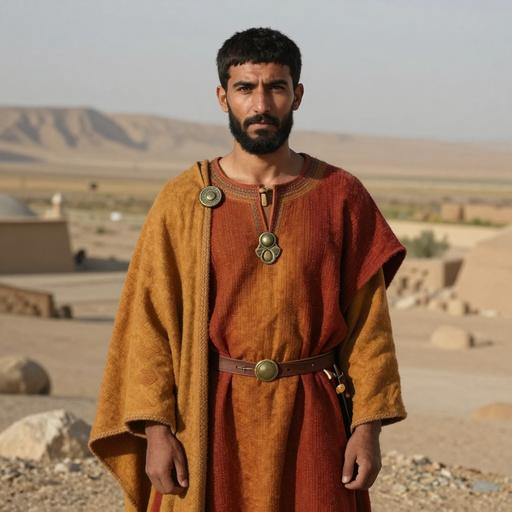
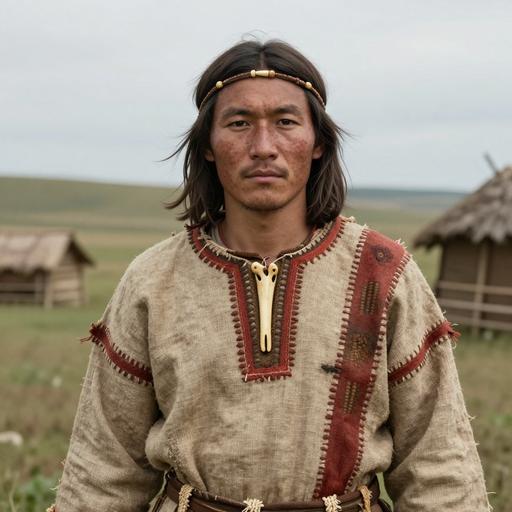
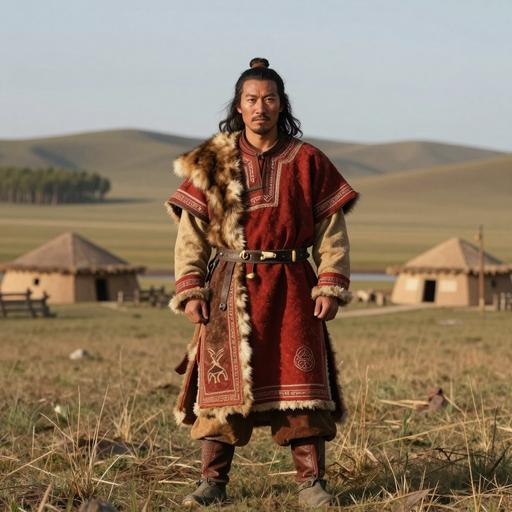
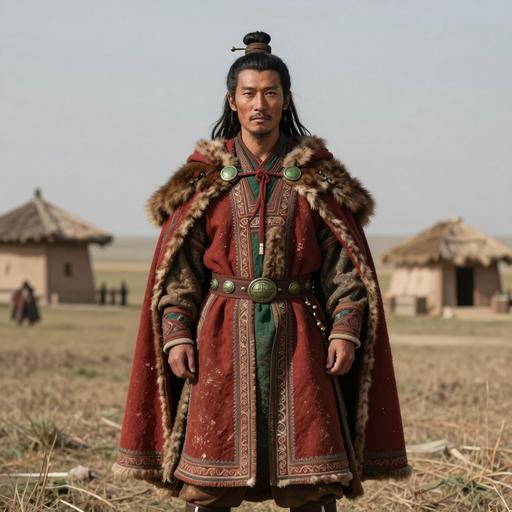
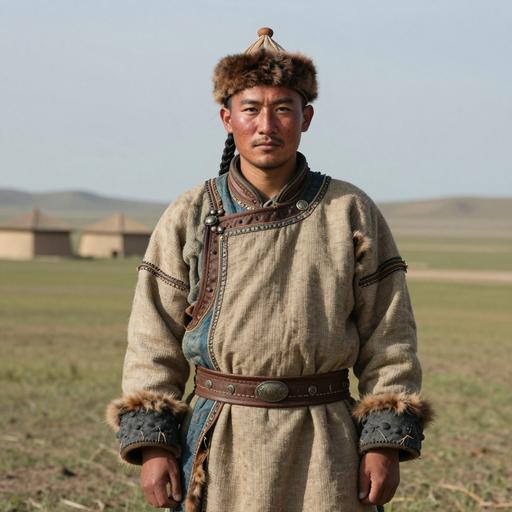
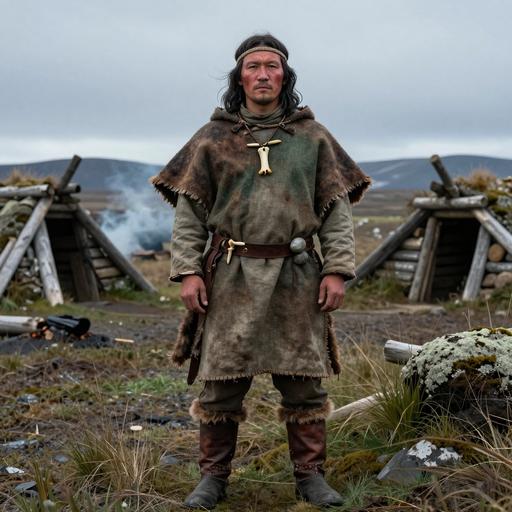
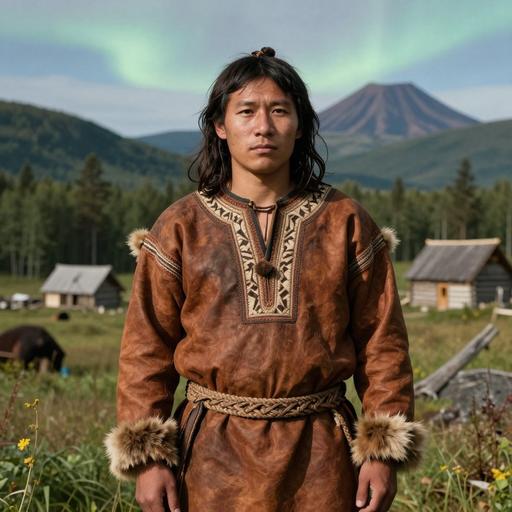
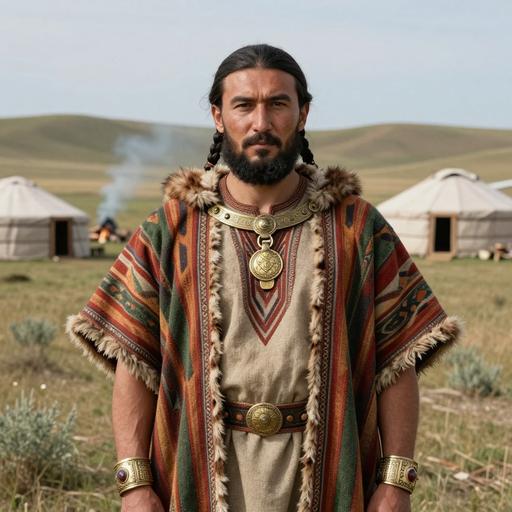
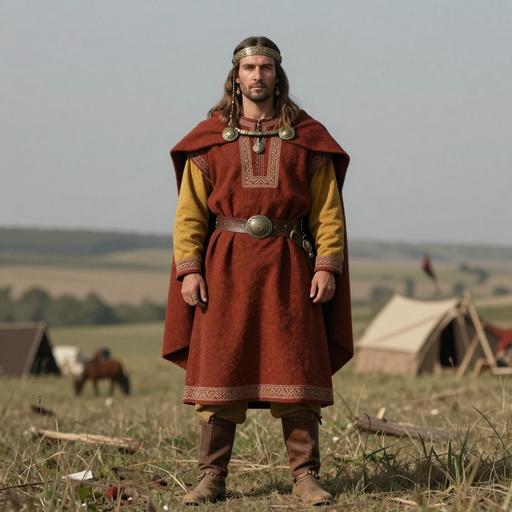
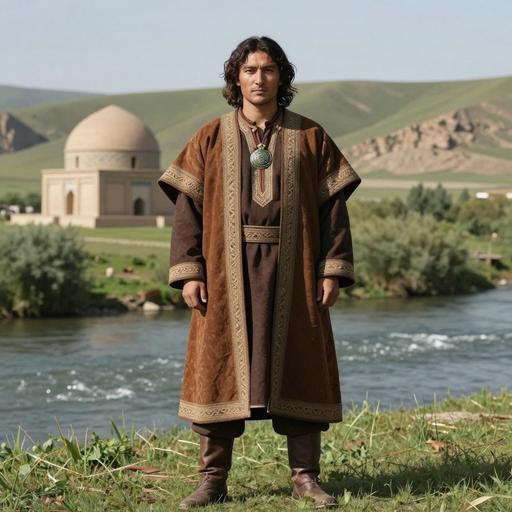
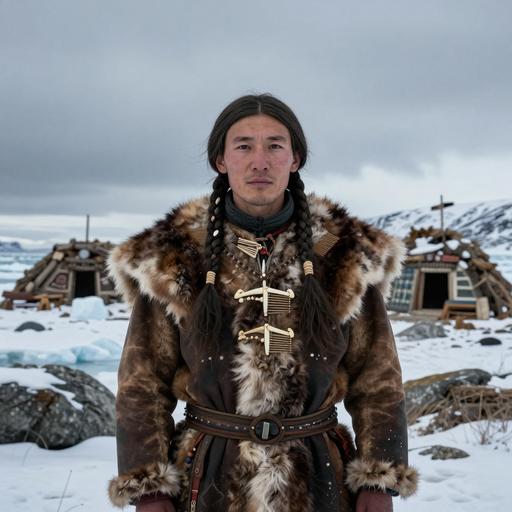
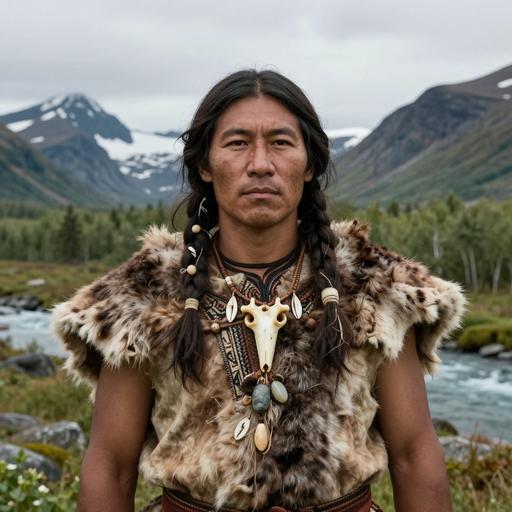
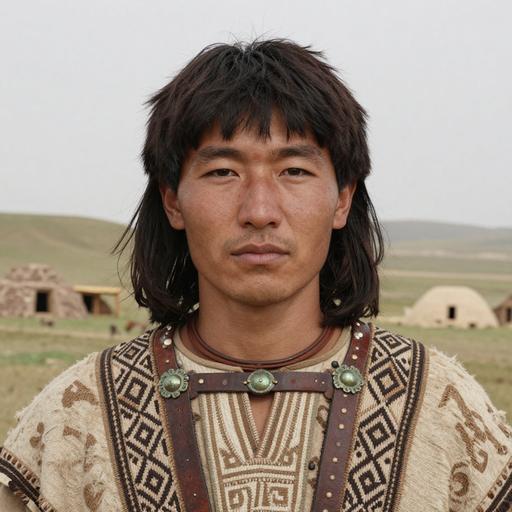
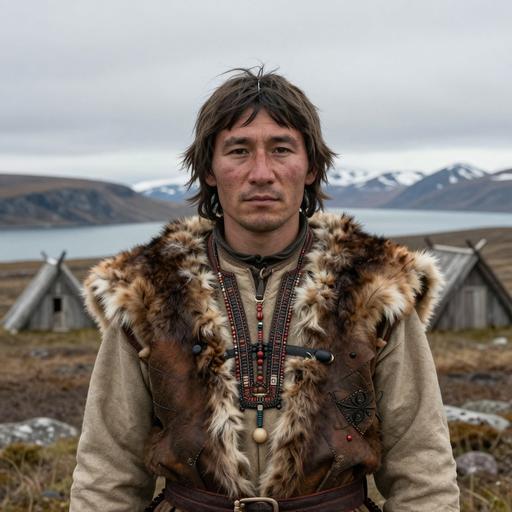
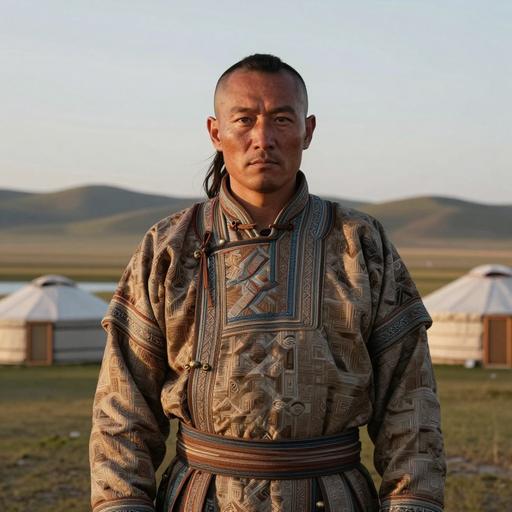
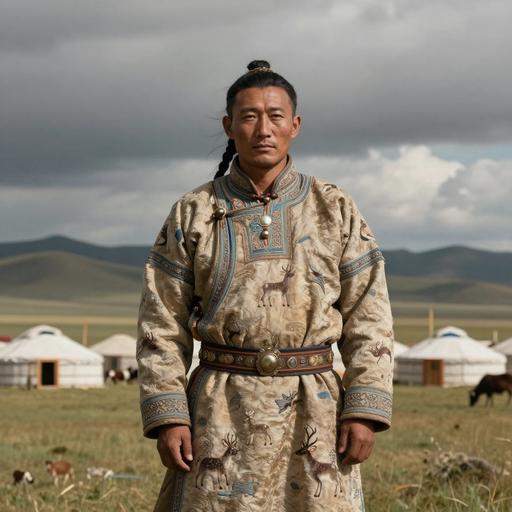
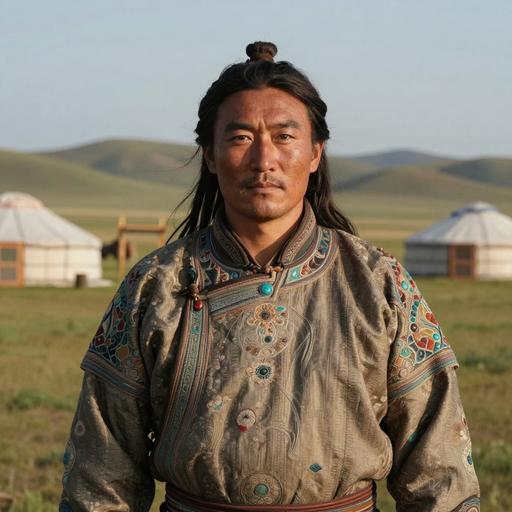
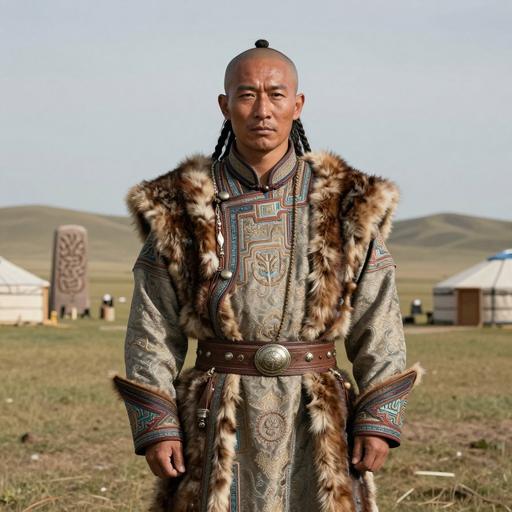
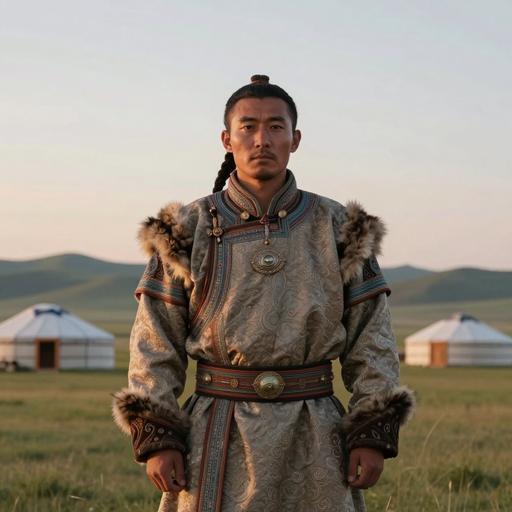
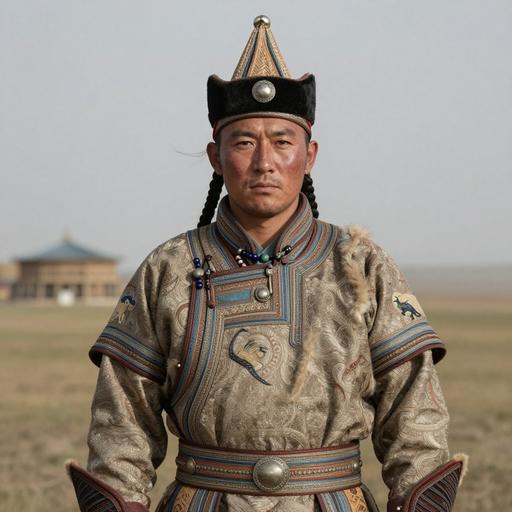
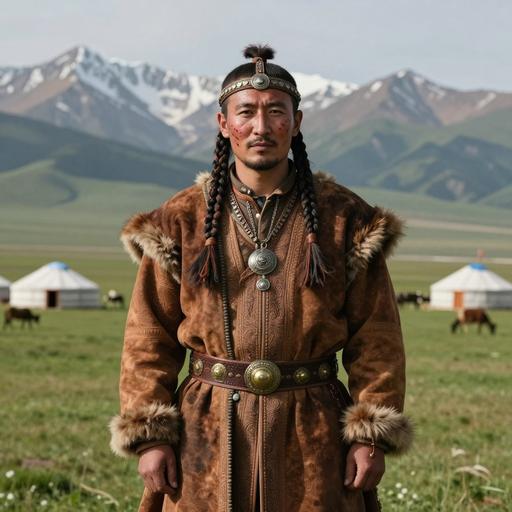
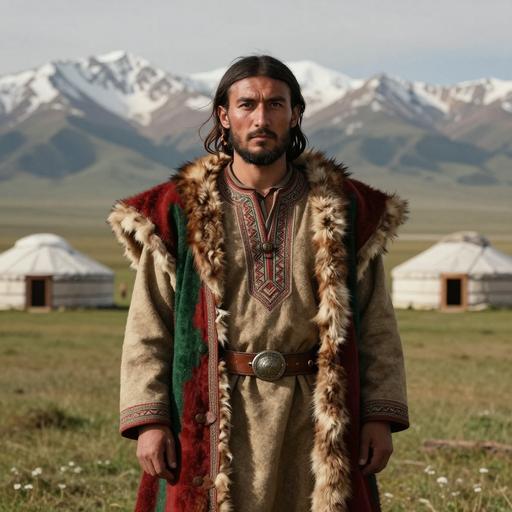
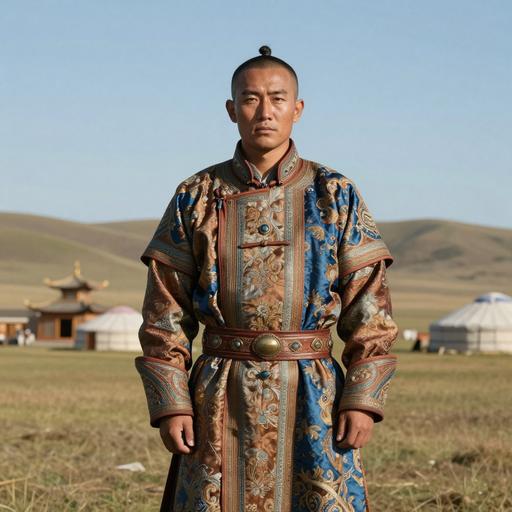
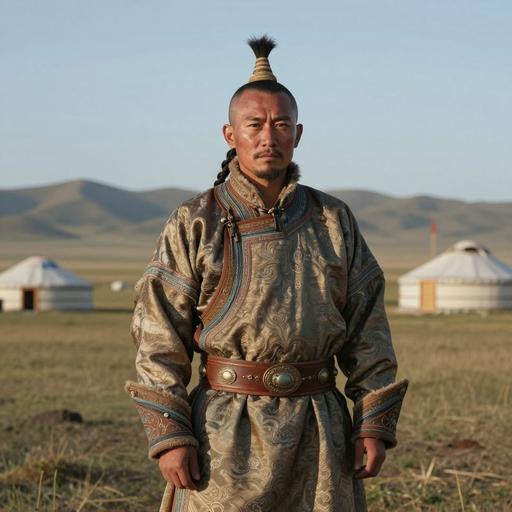
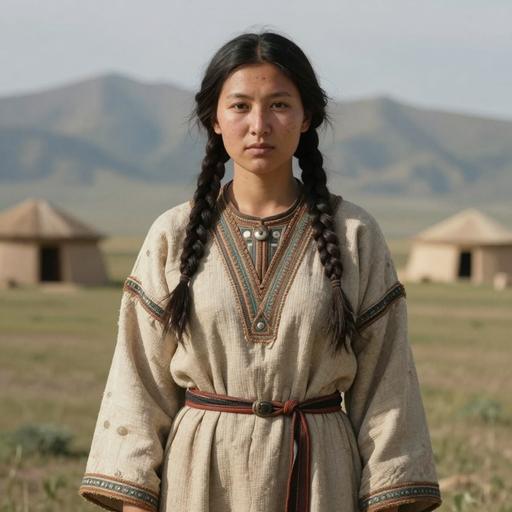
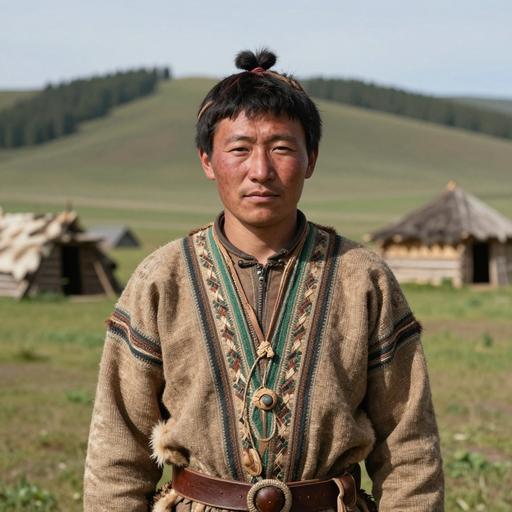
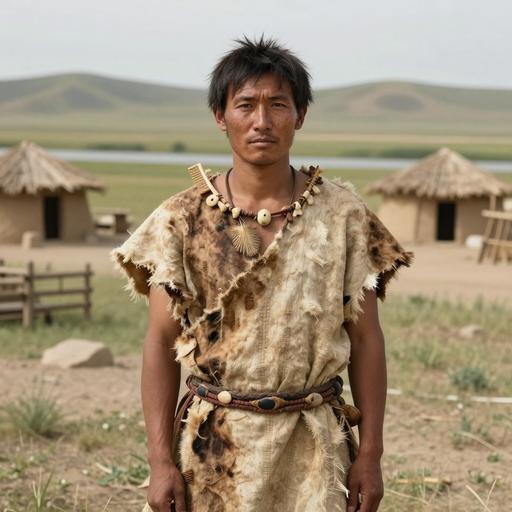
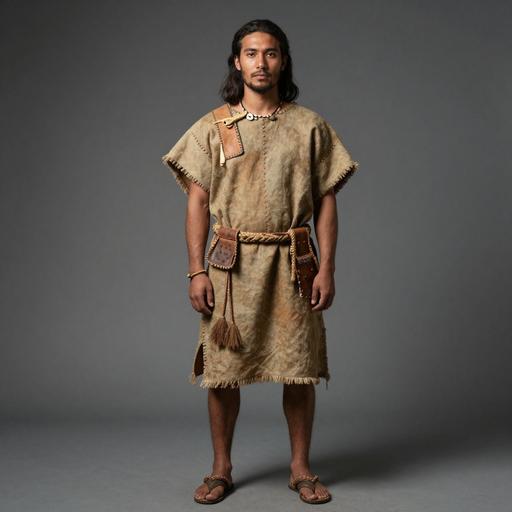
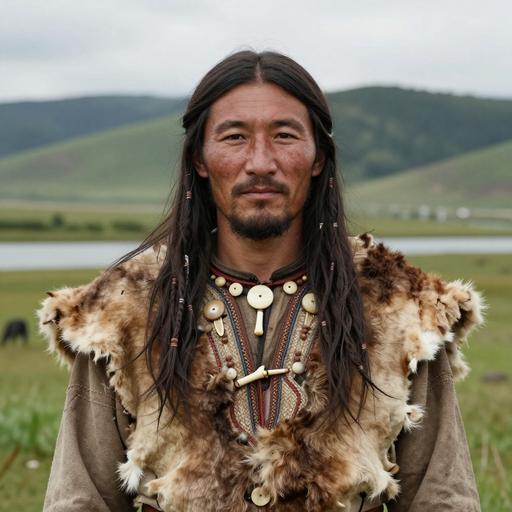
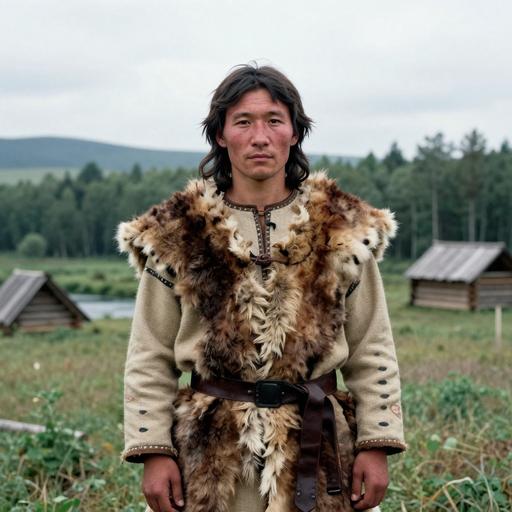
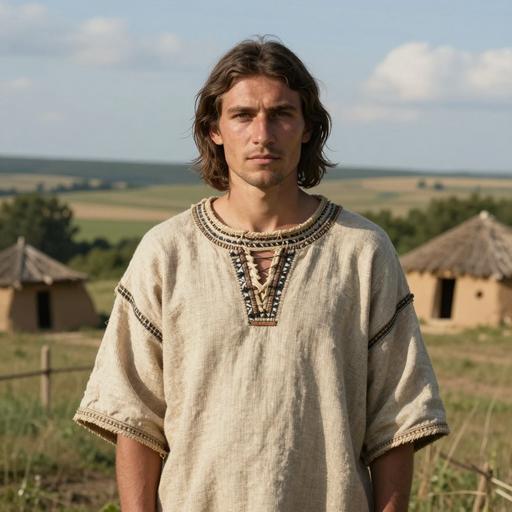
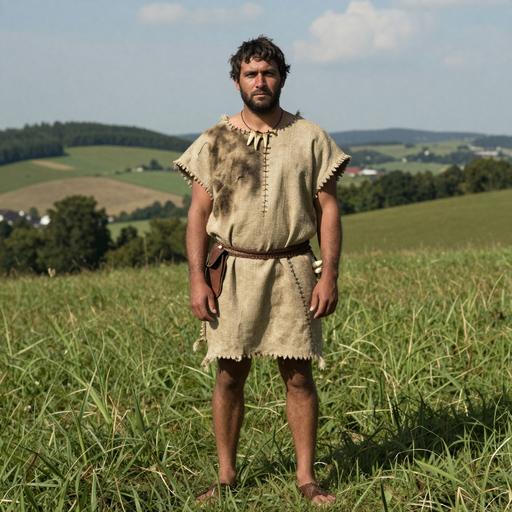
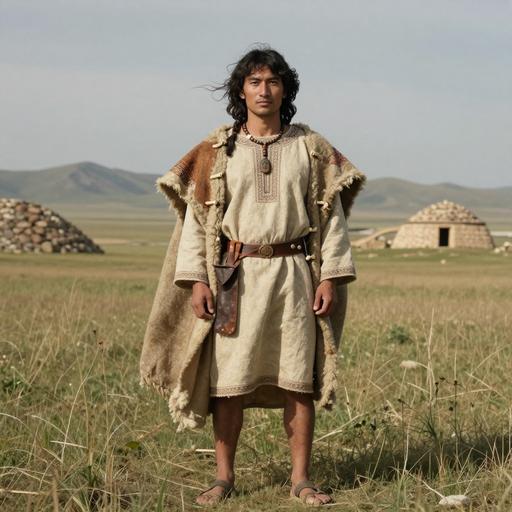
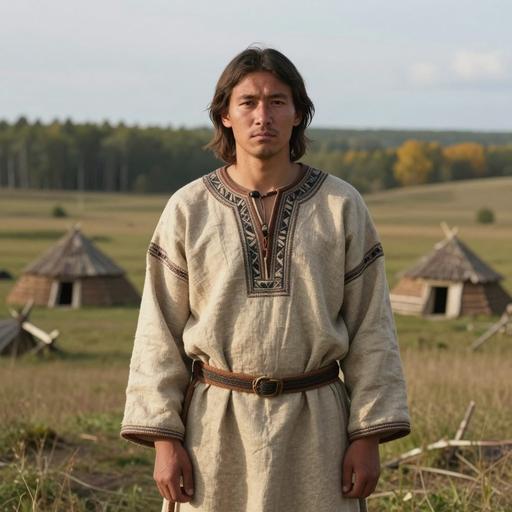
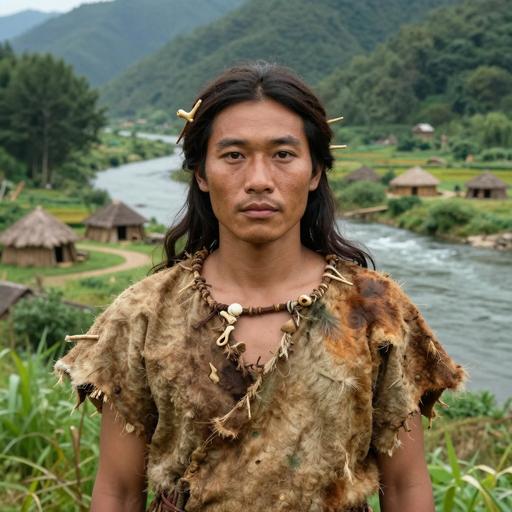
Porträts sind KI-generierte Illustrationen. Probenbezeichnungen und Zugangs-IDs identifizieren die Referenzdatensätze.

Porträt Probe Land Epoche Datum Kultur Y-DNA Übereinstimmung
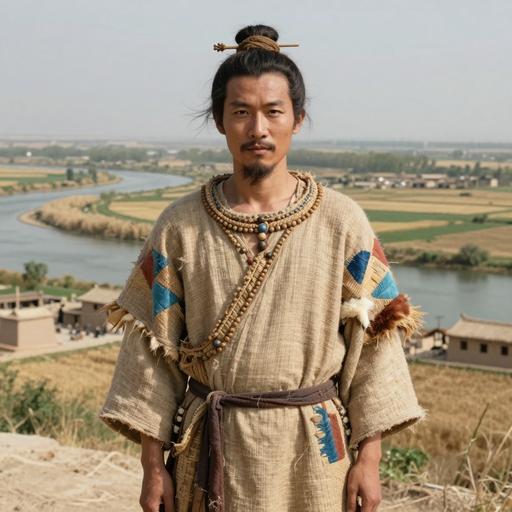
KI-generiertes illustratives Porträt von Antiquity individual, Surxondaryo Region, Rabat, Uzbekistan (150 BCE-50 CE)
Proben-ID: L5139
Uzbekistan Iron Age Rabat Culture of Surxondaryo 150 BCE - 50 CE Rabat Culture CF Direkt
KI-generiertes illustratives Porträt von Early Russian individual, .. (Primorsky Krai, Partizansky District), Russia (4,935-4,729 BCE)
Proben-ID: LM16
Russia Russian Primorsky Krai 4935 BCE - 4729 BCE Primorsky Culture CF Direkt
KI-generiertes illustratives Porträt von China Xianbei individual, Inner Mongolia. Hulunbuir. Mogushan Xianbei site, China (50-250 CE)
Proben-ID: MGS-M6
China The Xianbei People 50 CE - 250 CE C-F1756 Subklade
KI-generiertes illustratives Porträt von China Xianbei individual, Inner Mongolia. Hulunbuir. Mogushan Xianbei site, China (50-250 CE)
Proben-ID: MGS-M7L
China The Xianbei People 50 CE - 250 CE C-F1756 Subklade
KI-generiertes illustratives Porträt von China Ia individual, Inner Mongolia. Hulunbuir. Zhalainuoer. Zhalainuoer mining site, China (81-236 CE)
Proben-ID: ZLNR-1
China Iron Age China 81 CE - 236 CE C-F1756 Subklade
KI-generiertes illustratives Porträt von Eurasian Nomadic individual, Ekven, Russia (125-330 CE)
Proben-ID: NEO253
Russia Iron Age Ekven, Russia 125 CE - 330 CE Ekven C-F6301 Subklade
KI-generiertes illustratives Porträt von Beringia Ia individual, Ekven, Russia (125-330 CE)
Proben-ID: NEO253
Russia Iron Age Beringia 125 CE - 330 CE C-F6301 Subklade
KI-generiertes illustratives Porträt von Arkhangai Xiongnu Period Early Medieval-3 individual, Arkhangai. Tamiryn Ulaan Khoshuu. Burkhan Tolgoi, Mongolia (150 BCE-450 CE)
Proben-ID: TUH001
Mongolia Early Medieval Xiongnu 150 BCE - 450 CE Xiongnu C-F6379 Subklade
KI-generiertes illustratives Porträt von Kamchatka Krai IA individual, .. (Kamchatka Krai, Milkovsky District), Russia (404-600 CE)
Proben-ID: KMT002
Russia Itelmens of Kamchatka (450 CE) 404-600 calCE (1578±52 BP) Itelmen C-F3918 Subklade
KI-generiertes illustratives Porträt von IA Sarmatian-3 individual, Aktobe Region. Martuk District. Bisoba. mound 8, Kazakhstan (500-200 BCE)
Proben-ID: BSB004
Kazakhstan Iron Age Sarmatian, Kazakhstan 500-200 BCE Sarmatian Culture C-F1906 Subklade
PATERNAL LINEAGE · ANCIENT DNA

Ancient lineage evidence map

Follow parent clades toward this branch and explore where ancient carriers were found.

Loading ancient observations…

Markers are archaeological find locations. A dashed connector is an uncertain, proposed geographic transition between consecutive branches supported by multiple dated observations; it is not an exact travel route, birthplace or proof of direct descent. Parent-clade samples may belong to other descendant branches. Gaps remain where evidence is insufficient. Sample dates differ from haplogroup formation dates.

Referenzprofil

Trägerverteilungskarte

Geografische Verteilung von 76 antiken DNA-Proben (direkte und Subkladen-Träger von CF)

Direkter Träger Subkladen-Träger
Zeitraumfilter
Alle Zeiträume
Alle Proben werden angezeigt
Referenzprofil

Zeitliche Verteilung

Verteilung der Träger über archäologische Epochen

Referenzprofil

Geografische Verteilung

Anzahlen nach erfasstem Probenland. Sie spiegeln die verfügbare Referenzauswahl wider, nicht Bevölkerungshäufigkeiten.

Referenzprofil

Verteilung Land × Epoche

Vergleichen Sie erfasste Probenanzahlen nach Ländern und archäologischen Epochen. Wählen Sie eine belegte Zelle, um eine Probe anzusehen.

Daten

Daten und Herkunft

Quellenangaben und Datenqualität

Zuletzt aktualisiert 2026-06-15
Konfidenzwert 50/100
Abdeckung Low

Datenquelle

Klassifikation, geschätzte Daten und geografischer Kontext spiegeln die erfassten Referenzdaten wider und können sich bei überarbeiteten Belegen ändern. Die Probenabdeckung ist ungleichmäßig; erfasste Orte und archäologische Zuordnungen begründen weder persönliche Herkunft noch kulturelle Identität.