Menu
Y-DNA Haplogroup • Paternal Lineage

CF

Y-DNA Haplogroup CF

~55,000 years ago
West Asia
2 subclades
76 ancient samples
Scroll to explore
Chapter I

The Story

The journey of Y-DNA haplogroup CF

Origins and Evolution

Haplogroup CF represents a deep branching node on the non‑African portion of the Y‑chromosome phylogeny. It sits above the two primary descendant lineages C and F and therefore is ancestral to a very large proportion of present‑day Eurasian, Oceanian, and many Native American paternal lineages. Based on coalescence estimates for CF and its descendant clades, the formation of CF is generally placed in the Upper Paleolithic (roughly ~50–65 kya), likely occurring as modern humans dispersed out of Africa and moved into West/Southwest Asia before radiating across Eurasia.

Although basal CF (unresolved CF* or rare basal lineages) is rarely observed in modern populations, the phylogenetic importance of CF is profound because its daughter clade F is the ancestor of most Eurasian Y‑DNA haplogroups (for example G, H, I, J, K and downstream lineages such as R and Q), while C itself is a major lineage in parts of East Asia, Siberia, Oceania, and among some Native American and Arctic groups.

Subclades

  • C (M130 and downstream subclades): A geographically widespread lineage in Asia and Oceania with deep branches in Australasia, Southeast Asia, East Asia, and northern Eurasia. Subclades of C are especially important for understanding the peopling of Sahul (Australia + New Guinea), parts of Island Southeast Asia, and some Arctic and Native American populations.

  • F (and all downstream haplogroups): Haplogroup F is the ancestor of a broad array of lineages that dominate much of Eurasia and parts of North Africa. Descendants include haplogroups G, H, I, J, K and, through K, the very widespread P → R and Q clades (R1a/R1b common in Europe and South/Central Asia; Q important in the Americas and Siberia). Because many historically and archaeologically important paternal lineages derive from F, CF functions as a key branching point for much of modern non‑African Y‑chromosomal diversity.

Geographical Distribution

The distribution of CF's descendant lineages is essentially pan‑Eurasian and extends into Oceania and the Americas. Patterns include:

  • High representation of C subclades in Australasia, Melanesia, parts of Island Southeast Asia, and some Siberian/East Asian groups.
  • Broad dominance of F‑derived lineages across South Asia, West Asia, Central Asia and Europe (via G, H, I, J, R, etc.).
  • Presence in the Americas primarily through F→K→P→Q and through some C subclades among particular Indigenous populations.

It is important to distinguish that while many modern populations carry descendants of CF, truly basal CF* (lineages that branch off before the C vs F split) are uncommon in modern sampling; most signal appears through C or through the many F descendant clades.

Historical and Cultural Significance

Because CF is ancestral to lineages central to major prehistoric demographic events, it is tied indirectly to many archaeological cultures and migrations:

  • Paleolithic dispersals: CF formation and early diversification coincide with the initial dispersals of modern humans into Eurasia during the Upper Paleolithic.
  • Neolithic farmer expansions: Several F‑derived haplogroups (for example G2a and certain J subclades) are associated with early agriculturalists in Anatolia and Europe, linking CF ancestry to the spread of farming.
  • Steppe Bronze Age migrations: Major Bronze Age movements such as the Yamnaya / steppe expansions carried high frequencies of R‑derived lineages (R1a/R1b), which descend ultimately from F and therefore from CF; these events reshaped European and Central Asian paternal diversity.
  • Austronesian and Oceanian peopling: Certain C and downstream lineages trace movements into Island Southeast Asia, Melanesia, Polynesia and Australia, reflecting CF’s role in Oceanian settlement.
  • Peopling of the Americas: Some C subclades plus Q (F→K→P→Q) were involved in migrations across Beringia and the initial colonization of the Americas.

Conclusion
CF is best understood as a crucial ancestral branching point: it is not typically the most commonly reported terminal haplogroup in modern populations, but as the ancestor of both C and F, it underpins much of the non‑African paternal phylogeny. Studies of CF and its descendant clades illuminate the major Upper Paleolithic and later population movements that produced the present‑day distribution of Y‑chromosome diversity across Eurasia, Oceania, and the Americas.

Key Points

  • Origins and Evolution
  • Subclades
  • Geographical Distribution
  • Historical and Cultural Significance
  • Conclusion
Chapter II

Tree & Relationships

Phylogenetic context and subclades

Evolution Path

This haplogroup's evolutionary journey from its earliest ancestor to the present.

Steps Haplogroup Age Estimate Archaeology Era Time Passed Immediate Descendants Tested Modern Descendants Ancient Connections
1 CF Current ~55,000 years ago 🦴 Paleolithic 55,000 years 2 111 76
2 C ~53,000 years ago 🦴 Paleolithic 53,000 years 3 303 35

Siblings (2)

Other branches from the same parent haplogroup

Chapter III

Where in the World

Geographic distribution and modern presence

Place of Origin

West Asia

Modern Distribution

The populations where Y-DNA haplogroup CF is found include:

  1. Indigenous peoples of Australia (Aboriginal Australians)
  2. Indigenous peoples of Melanesia and Polynesia
  3. Some populations in East Asia (e.g., Mongolians, Chinese, Koreans, and Japanese)
  4. Central Asians (e.g., Kazakhs, Kyrgyz, and Mongols)
  5. Indigenous peoples of the Americas (in lower frequencies)
  6. Some populations in South Asia (e.g., India and Pakistan)
  7. Indigenous peoples of Siberia (e.g., Evenks and Yukaghirs)

Regional Presence

West Asia High
South Asia High
Central Asia High
Western Europe High
East Asia Moderate
Oceania Moderate
North America (Indigenous) Low
Northern Europe (via descendant lineages) Moderate
CHAPTER IV

When in Time

Your haplogroup in the context of human history

~70k years ago

Out of Africa

Major migration of modern humans out of Africa

~55k years ago

Haplogroup CF

Your Y-DNA haplogroup emerged in West Asia

West Asia
~50k years ago

Upper Paleolithic

Advanced tool-making, art, and cultural explosion
~20k years ago

Last Glacial Maximum

Peak of the last ice age, populations isolated

~10k years ago

Neolithic Revolution
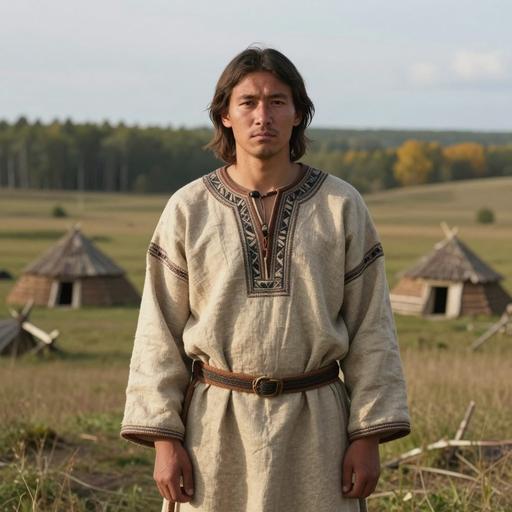
Agriculture begins, settled communities form

~5k years ago

Bronze Age

Metalworking, writing, and early civilizations

~3k years ago

Iron Age

Iron tools, expanded trade networks
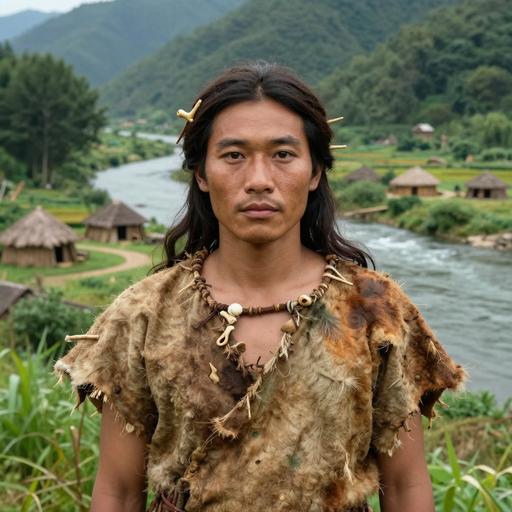
~2k years ago

Classical Antiquity

Greek and Roman civilizations flourish

Present

Present Day

Modern era

Your Haplogroup
Historical Era
Chapter IV-B

Linked Cultures

Ancient cultures associated with Y-DNA haplogroup CF

Cultural Heritage

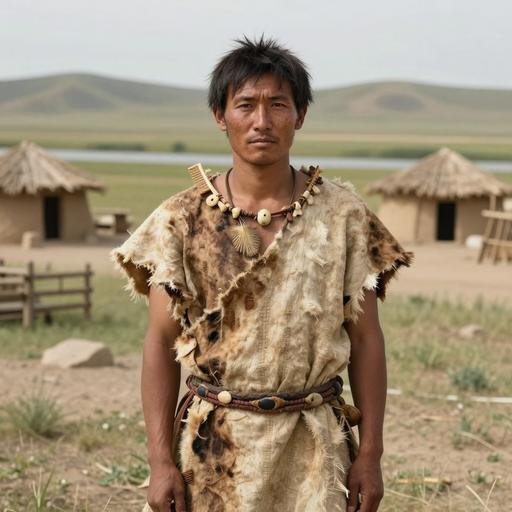
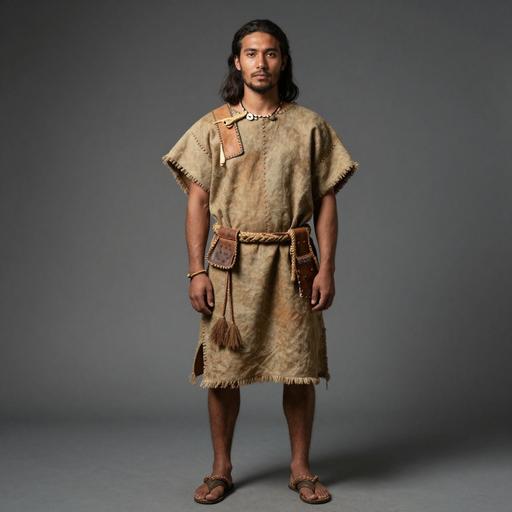
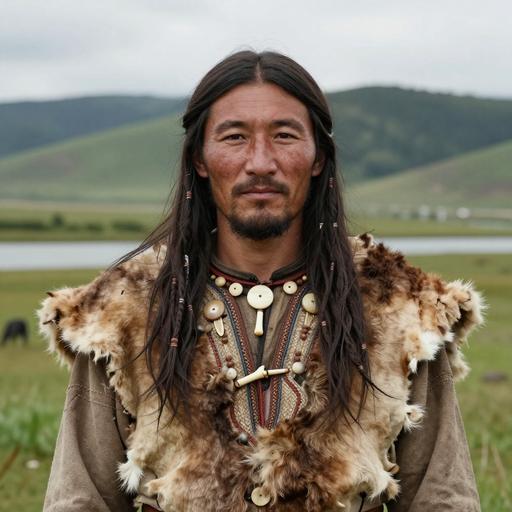
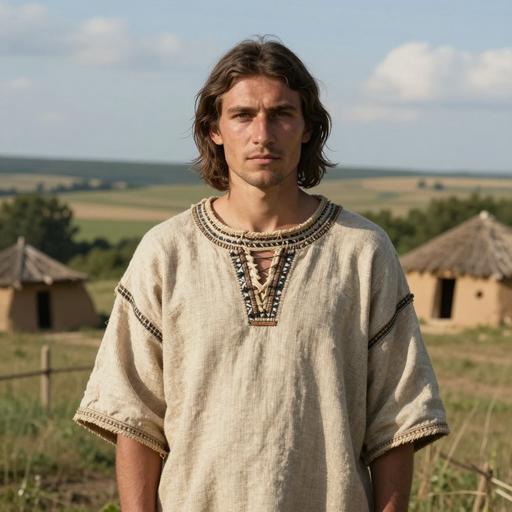
These ancient cultures have been linked to haplogroup CF based on matching ancient DNA samples from archaeological excavations. The presence of this haplogroup in these cultures provides insights into the migrations and population movements of populations carrying this haplogroup.

Buran-Kaya Çayönü Culture Chinese Paleolithic Kostenki Culture Primorsky Culture Rabat Culture Spanish Gravettian Sunghir Culture
Culture assignments are based on archaeological context of ancient DNA samples and may represent regional associations during specific time periods.
Chapter V

Sample Catalog

2 direct carriers and 74 subclade carriers of haplogroup CF

50 / 50 samples
Portrait Sample Country Era Date Culture Y-DNA Match
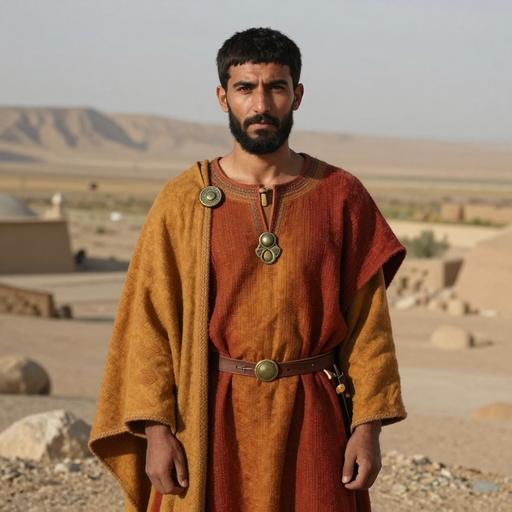
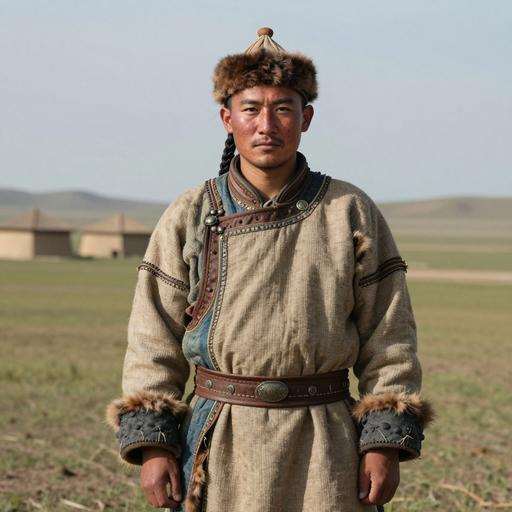
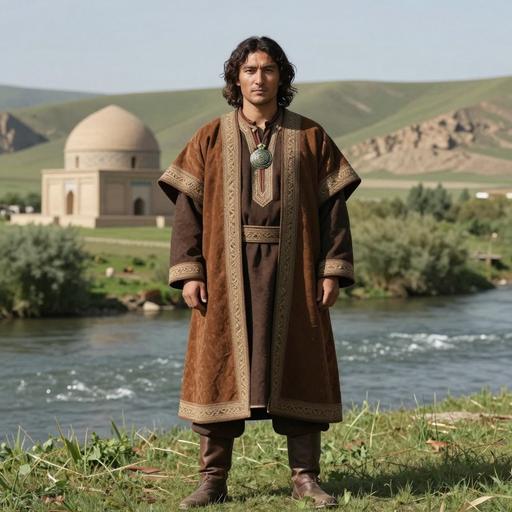
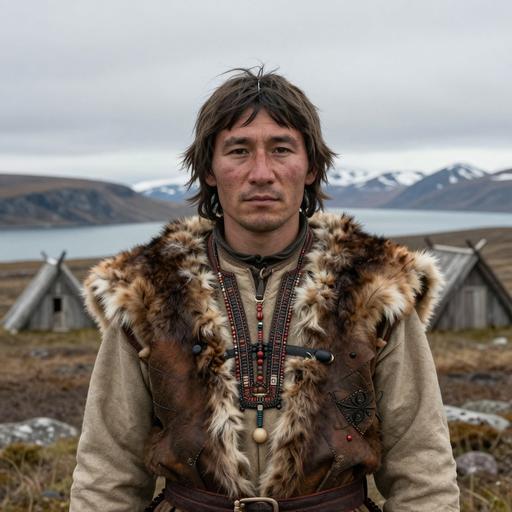
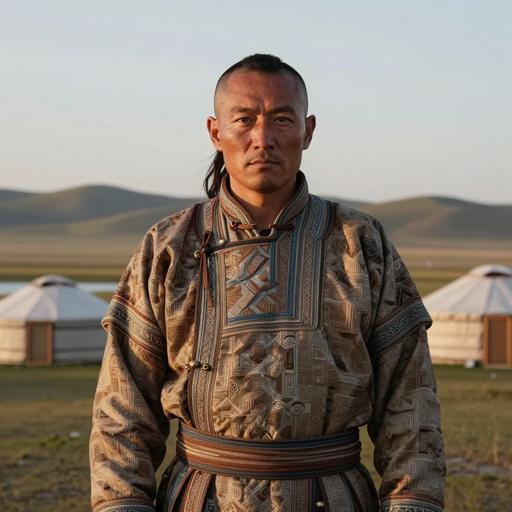
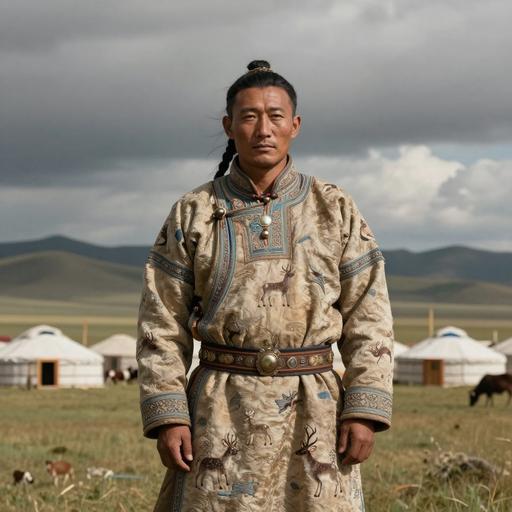
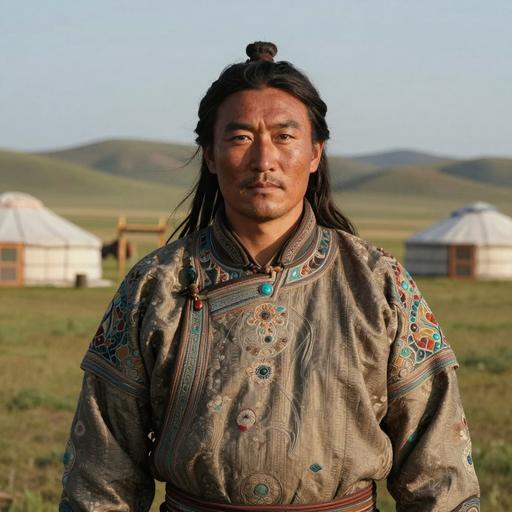
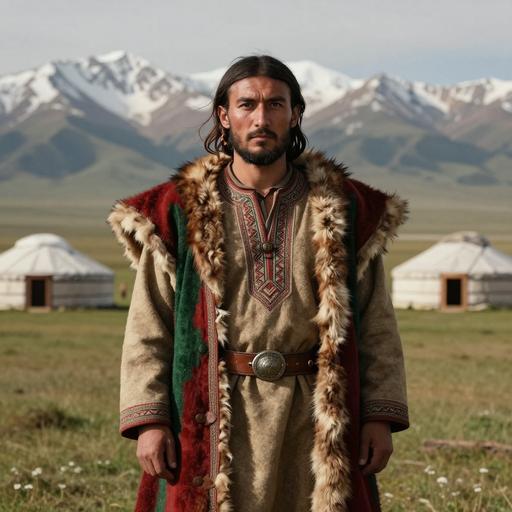
Portrait of ancient individual L5139 from Uzbekistan, dated 150 BCE - 50 CE
L5139
Uzbekistan Iron Age Rabat Culture of Surxondaryo 150 BCE - 50 CE Rabat Culture CF Direct
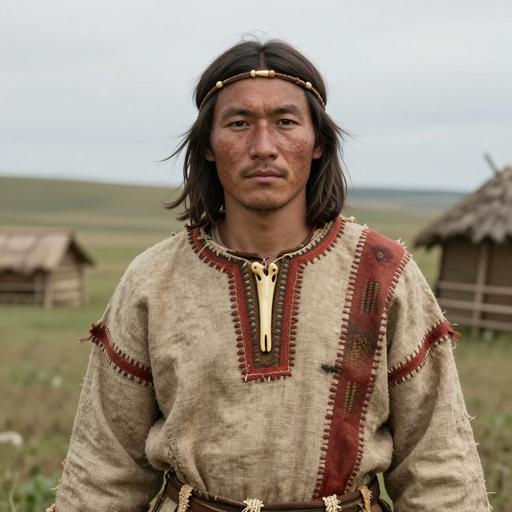
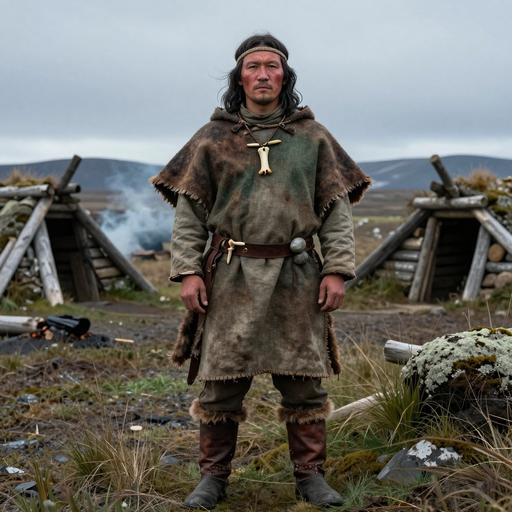
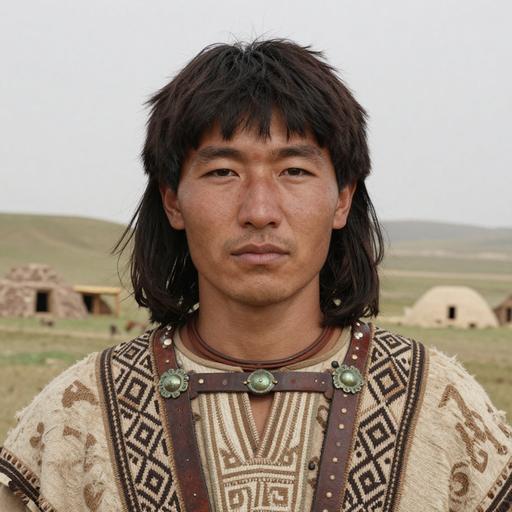
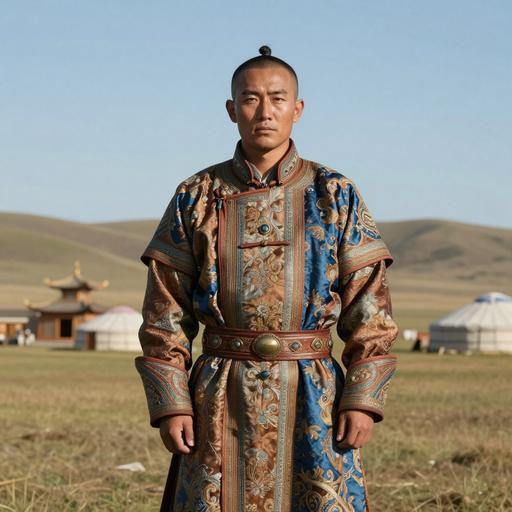
Portrait of ancient individual LM16 from Russia, dated 4935 BCE - 4729 BCE
LM16
Russia Russian Primorsky Krai 4935 BCE - 4729 BCE Primorsky Culture CF Direct
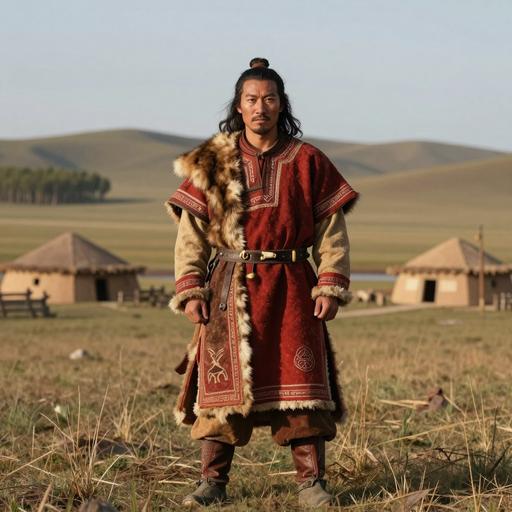
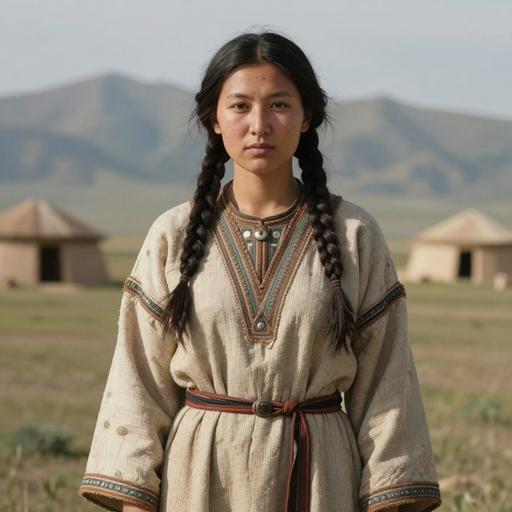
Portrait of ancient individual MGS-M6 from China, dated 50 CE - 250 CE
MGS-M6
China The Xianbei People 50 CE - 250 CE C-F1756 Downstream
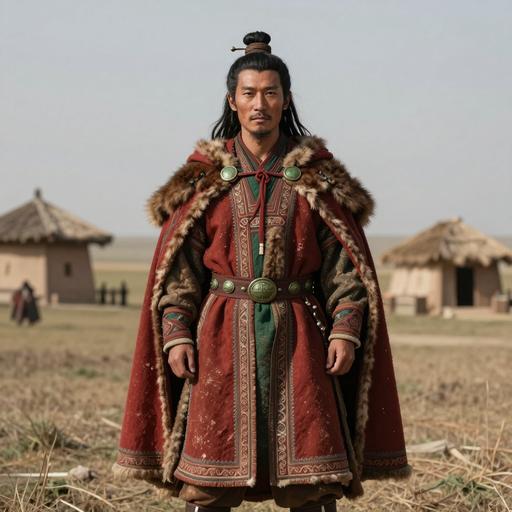
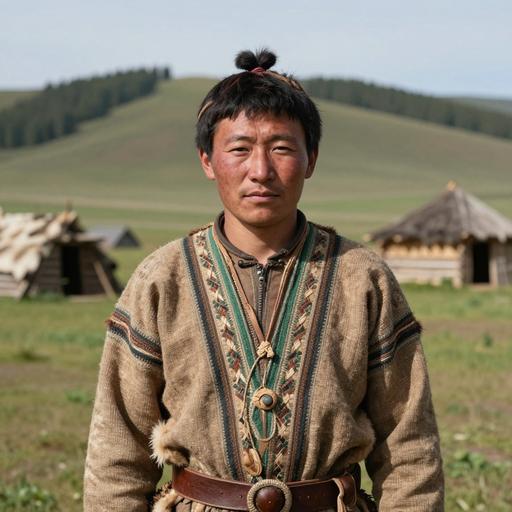
Portrait of ancient individual MGS-M7L from China, dated 50 CE - 250 CE
MGS-M7L
China The Xianbei People 50 CE - 250 CE C-F1756 Downstream
Portrait of ancient individual ZLNR-1 from China, dated 81 CE - 236 CE
ZLNR-1
China Iron Age China 81 CE - 236 CE C-F1756 Downstream
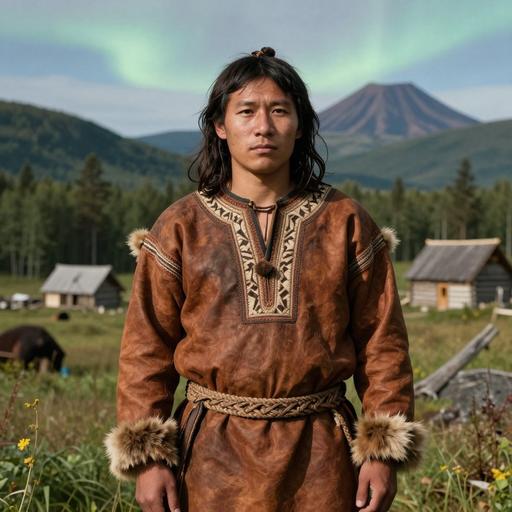
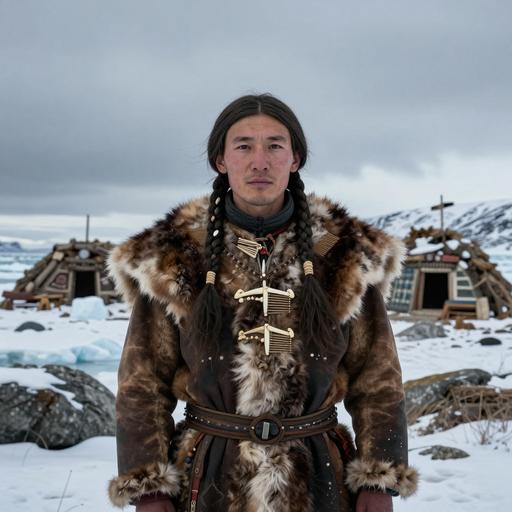
Portrait of ancient individual NEO253 from Russia, dated 125 CE - 330 CE
NEO253
Russia Iron Age Ekven, Russia 125 CE - 330 CE Ekven C-F6301 Downstream
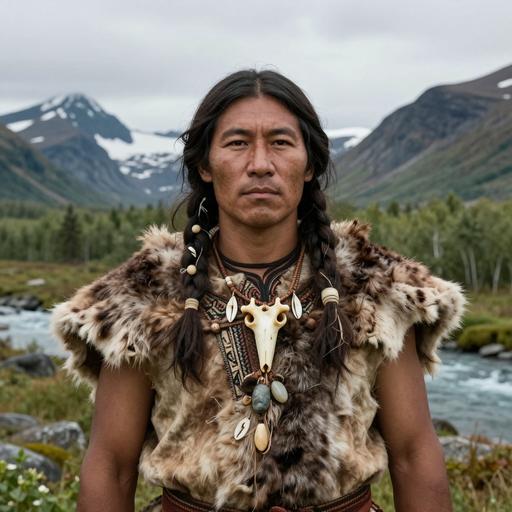
Portrait of ancient individual NEO253 from Russia, dated 125 CE - 330 CE
NEO253
Russia Iron Age Beringia 125 CE - 330 CE C-F6301 Downstream
Portrait of ancient individual TUH001 from Mongolia, dated 150 BCE - 450 CE
TUH001
Mongolia Early Medieval Xiongnu 150 BCE - 450 CE Xiongnu C-F6379 Downstream
Portrait of ancient individual KMT002 from Russia, dated 404 CE - 600 CE
KMT002
Russia Itelmens of Kamchatka (450 CE) 404 CE - 600 CE Itelmen C-F3918 Downstream
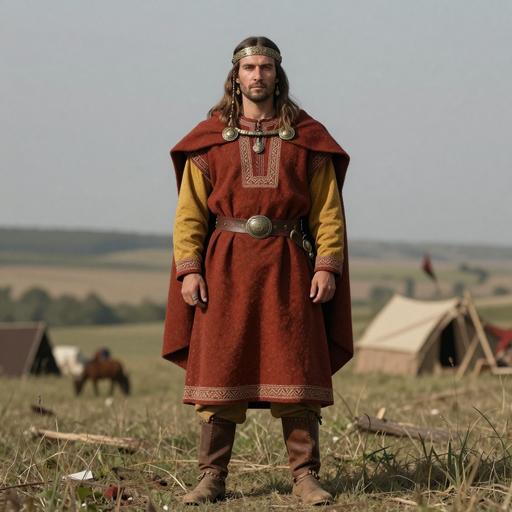
Portrait of ancient individual BSB004 from Kazakhstan, dated 500 BCE - 200 BCE
BSB004
Kazakhstan Iron Age Sarmatian, Kazakhstan 500 BCE - 200 BCE Sarmatian Culture C-F1906 Downstream
Chapter VI

Carrier Distribution Map

Geographic distribution of 76 ancient DNA samples (direct and subclade carriers of CF)

Direct carrier Subclade carrier
Time Period Filter
All Time Periods
Showing all samples
Chapter VII

Temporal Distribution

Distribution of carriers across archaeological periods

Chapter VIII

Geographic Distribution

Distribution by country of origin (direct and subclade carriers shown by default)

Chapter IX

Country × Era Distribution

Cross-tabulation of carrier countries and archaeological periods (direct and subclade carriers shown by default)

Data

Data & Provenance

Source information and data quality

Last Updated 2026-02-16
Confidence Score 50/100
Coverage Low
Data Source

We use the latest phylotree for YDNA haplogroup classification and data.