Balkan Neolithic: Farmers of the Danube

下载的 PDF 是图像副本。如需可选中文本及更好的辅助技术支持,请使用打印功能。

Balkan Neolithic: Farmers of the Danube

揭开一个失落的文明

正在加载考古记录……

正在收集古代记录

跳转到主内容
Balkan Neolithic: Farmers of the Danube
文明焦点

Balkan Neolithic: Farmers of the Danube

A genetic and archaeological portrait of Neolithic communities across Bulgaria, North Macedonia and Montenegro

6100 CE - 1100 BCE
Bulgaria, North Macedonia, Montenegro
3 Ancient Samples
滚动开始
Chapter I

剧情

了解 Balkan Neolithic: Farmers of the Danube 文化

Archaeology and ancient DNA from 35 individuals (c. 6100–1100 BCE) reveal a story of Anatolian-derived farmers, local forager admixture, and later Bronze Age inputs across sites such as Malak Preslavets, Krepost and Govrlevo. Interpretations are robust yet sensitive to sampling bias.

Time Period

c. 6100–1100 BCE

Region

Bulgaria, North Macedonia, Montenegro

Common Y-DNA

G (6), C (3), T (2), R (2), I (2)

Common mtDNA

J (5), H (4), T2b (4), U (4), K (3)

Chapter II

时间线

这种文化历史上的关键时刻

6100 BCE

First Neolithic farmers in the central Balkans

Archaeological and genetic evidence marks a spread of farming communities into the region by c. 6100 BCE, with early sites like Malak Preslavets and Krepost.

Chapter III

Origins & Emergence

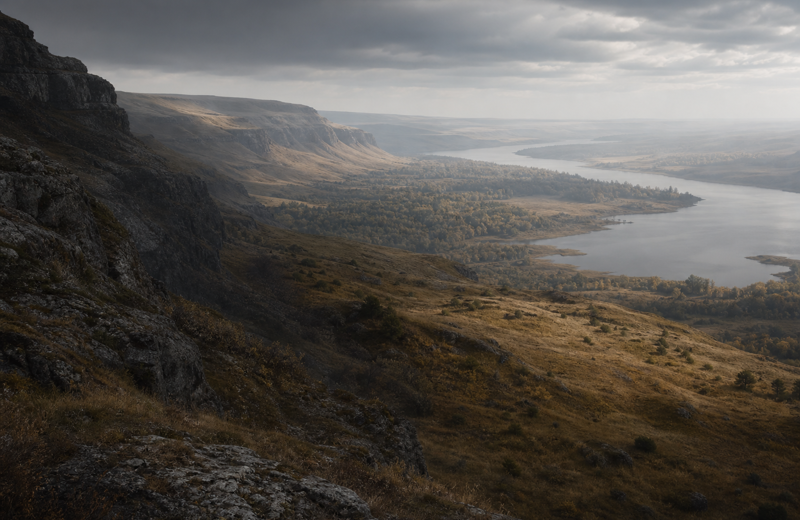
By c. 6100 BCE the humid river valleys and terraces of the central Balkans became stage sets for the Neolithic transition. Archaeological deposits at Malak Preslavets, Krepost and early village sites in the Veliko Tarnovo region show longhouses, painted and impressed ceramics, and spreads of domesticated wheat, barley and sheep—material traces of a new economy. Cinematically, imagine bands of farmers moving along river corridors, their pottery styles and domesticates arriving like a new light over older forager landscapes.

Genetic data from 35 individuals across Bulgaria, North Macedonia and Montenegro align with this picture. The dominance of Y-chromosome G and mitochondrial lineages such as J, K and T2b are consistent with ancestry tied to Anatolian-derived farming populations who dispersed into southeastern Europe. Archaeological data indicates continuity in settlement form even as biological signatures show admixture: hunter-gatherer maternal lineages (U) and occasional hunter-derived Y lineages indicate local integration rather than complete population replacement.

Limited evidence cautions against overconfidence: while 35 samples provide regional resolution far greater than single-site studies, spatial gaps remain and fine-grained chronology is uneven. Archaeology and DNA together paint a picture of arrival, interaction and slow regional transformation rather than a single sweeping replacement.

  • Neolithic arrival in the central Balkans by c. 6100 BCE.
  • Anatolian-farmer archaeological traits at Malak Preslavets, Krepost, Dzhulyunitsa.
  • Genetic signatures show farmer ancestry with local hunter-gatherer admixture.
Chapter IV

Daily Life & Society

Daily life in Balkan Neolithic villages combined the rhythms of planting and animal husbandry with craft production and mortuary rituals. Hearths and storage pits recovered at Krepost and Veliko Tarnovo suggest seasonal routines of cereal processing and meat preservation. Pottery—both utilitarian and decorated—served as visual identity and practical technology, with styles shared across river valleys hinting at exchange networks that connected Govrlevo, Sopište and Vodovrati-Veles.

Material culture evokes a textured social world: longhouses and clustered compounds suggest multilocal households and cooperative labor, while burial contexts—from individual interments to more complex group deposits—reveal varying funerary practice. Archaeological traces at Yabalkovo and Dzhulyunitsa indicate occasional conflict or violent episodes in the later Neolithic, but the broader record emphasizes continuity and communal investment in settlements.

Osteological data combined with ancient DNA can illuminate mobility and kinship: genetic relatedness within burial groups can test whether households were kin-based or formed through marriage networks. At present, sampling across Macedonian and Bulgarian sites hints at both local continuity and connectivity, but finer social reconstructions require more dense sampling and careful taphonomic study.

  • Economy based on cereals, sheep/goat herding, and pottery production.
  • Settlements show longhouses, storage features, and inter-site exchange.
Chapter V

Genetic Profile

The 35 sampled individuals provide a regional genetic snapshot spanning c. 6100–1100 BCE. Y-chromosome diversity is dominated by haplogroup G (6 samples), classically associated with early Neolithic farmers in Europe. Other Y lineages—C (3), T (2), R (2), I (2)—appear at lower frequency; R and I, present in small numbers, may reflect either local hunter-gatherer persistence or later gene flow. Because some haplogroups are represented by only a few individuals, those particular inferences are preliminary.

Mitochondrial diversity is strikingly farmer-associated: J (5), H (4), T2b (4), U (4), and K (3) recur across sites. Lineages such as J, K and T2b are often tied to Near Eastern/Anatolian farmer dispersal, while U-types are commonly linked to European hunter‑gatherers; their co-occurrence signals admixture between incoming farmers and resident foragers.

Chronologically, genetic data mirrors archaeological change: early Neolithic contexts are enriched for G and farmer mtDNA lineages, while later samples (Copper–Bronze transitions approaching c. 3000–2000 BCE) show increased frequency of R-associated signatures associated in broader European datasets with Steppe-related influx. Archaeogenetic interpretation remains circumspect: 35 samples are informative for regional patterns, but uneven geographic and temporal coverage, and small counts for some haplogroups, require cautious statements about population dynamics.

  • Y-DNA dominated by G; other lineages include C, T, R, I.
  • mtDNA shows strong farmer-associated J, K, T2b alongside hunter-gatherer U.
Chapter VI

Legacy & Modern Connections

The biological and cultural traces of Balkan Neolithic communities resonate into the present as palimpsests rather than direct, unbroken lines. Archaeogenetic evidence reveals that much of the early farmer ancestry introduced in the Neolithic persisted in the region, but it was later reshaped by Bronze Age and historical migrations. Modern populations of Bulgaria and North Macedonia therefore carry layers of ancestry: Neolithic farmer components, remnants of Mesolithic hunter-gatherers, and later Steppe- and Mediterranean-derived contributions.
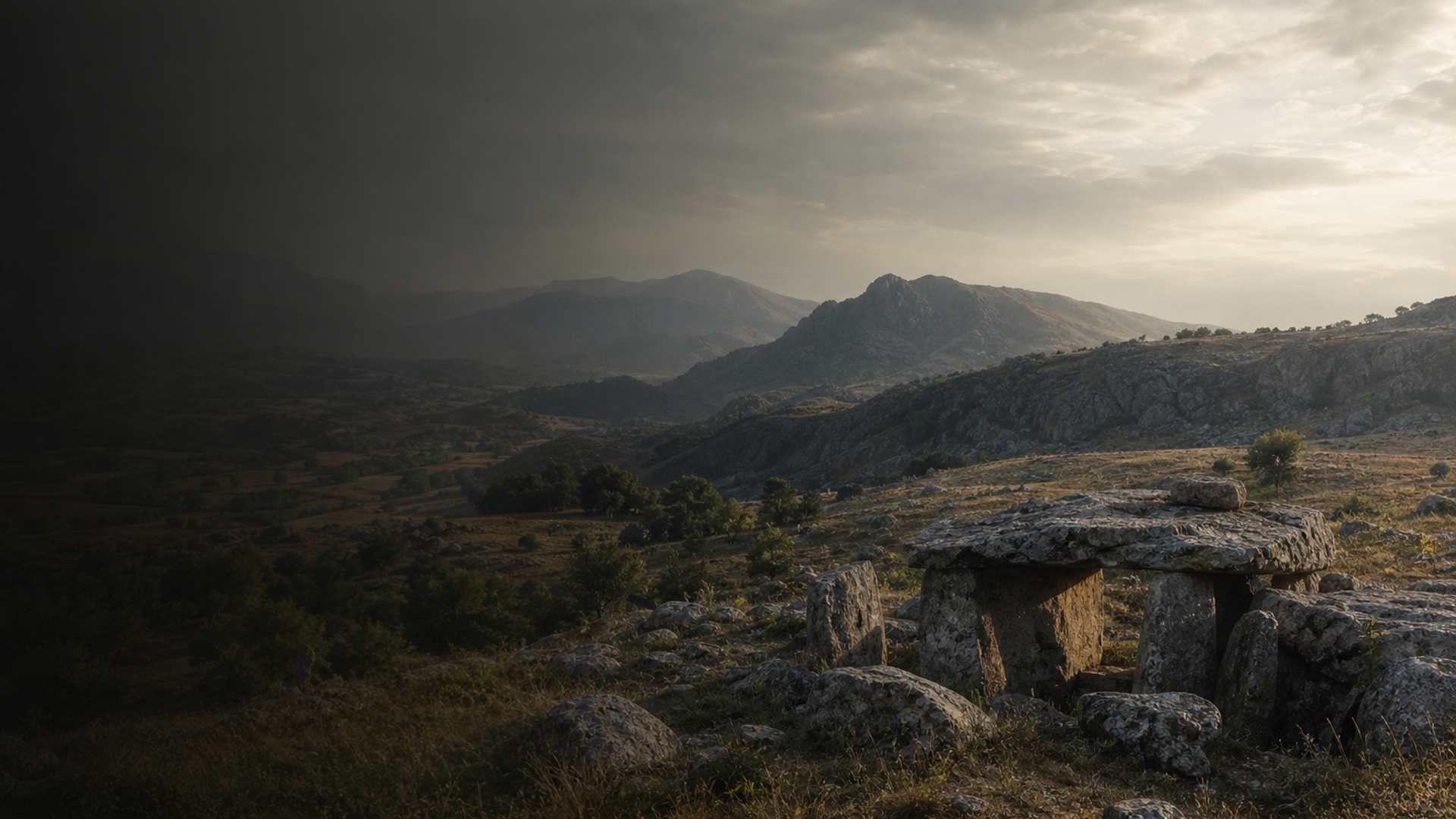
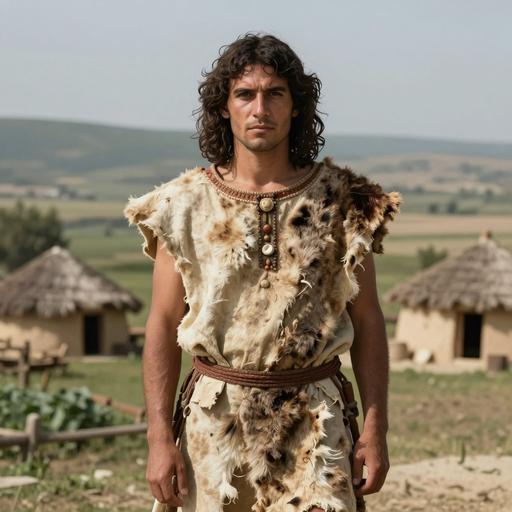
Culturally, ceramic traditions, agricultural practices and settlement patterns established in this era informed millennia of rural life in the Balkans. Genetic ties—seen in Y and mtDNA lineages—help bridge archaeology and living peoples, but should be presented carefully: ancestral continuity is partial and mediated through many episodes of contact and replacement. Future sampling, especially from underrepresented Montenegrin and Macedonian sites, will refine our understanding of how these ancient communities contributed to the region's genetic and cultural heritage.

  • Neolithic farmer ancestry persists but was later reshaped by Bronze Age movements.
  • Cultural practices from Neolithic settlements influenced long-term Balkan lifeways.
Chapter VII

样本目录

3 份与 Balkan Neolithic: Farmers of the Danube 文化相关的古 DNA 样本,为研究该时期的人群提供遗传线索。

3 / 3 samples
纵向 样本 国家 大纪元 日期 文化 性别 Y-DNA mtDNA
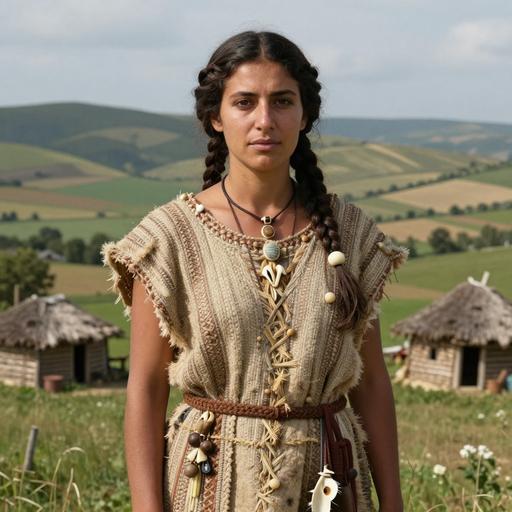
重建的肖像画 North Macedonia N individual, North Macedonia
North Macedonia N individual, North Macedonia
North Macedonia Macedonia_N 5979-5732 calBCE (6960±50 BP, Poz-82188) Balkan Neolithic M G-PF3430 J1c1
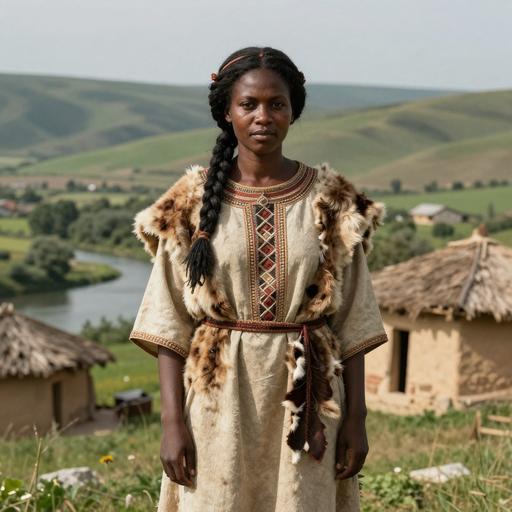
重建的肖像画 North Macedonia N- Not Permitted To Publish individual, North Macedonia
North Macedonia N- Not Permitted To Publish individual, North Macedonia
North Macedonia Macedonia_N 6000-3500 BCE Balkan Neolithic F - -
重建的肖像画 North Macedonia N individual, North Macedonia
North Macedonia N individual, North Macedonia
North Macedonia Macedonia_N 1300-1100 BCE Balkan Neolithic F - -
AI 电源

AI 助手

就 Balkan Neolithic: Farmers of the Danube 文化提问

AI 助手 由DNAGENICS公司制作

解锁此特性
Ask questions about the Balkan Neolithic: Farmers of the Danube culture. Our AI assistant can explain genetic findings, historical context, archaeological evidence, and modern connections.
AI 样本分析

Balkan Neolithic: Farmers of the Danube 文化是人类历史中值得了解的一章……

遗传分析揭示了与早期种群的联系,同时显示了独特的适应和文化创新的证据。 古代DNA样本提供了对迁徙模式、社会结构以及古代种群之间的生物关系的深刻见解。

这是人工智能分析的预览。 解锁全AI 助手, 以探索关于:

  • 遗传组成和祖先
  • 移徙模式和起源
  • 日常生活和文化习俗
  • 现代遗传遗产

探索更古老的文化

揭开古代世界文明的故事

使用优惠码 可减免 35% • 11月12日 到期