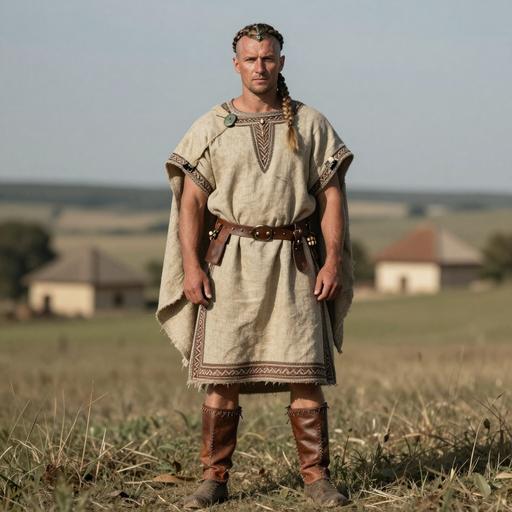
The Iron Age Pre-Scythian culture in the region of modern-day Hungary represents a fascinating segment of Central European prehistory, marked by a complex confluence of influences from the expansive Eurasian steppe to the east and the indigenous traditions of Europe. This era, which predates the more historically-documented Scythian period, is characterized by significant cultural, technological, and social changes that laid the groundwork for the subsequent historical developments in the region.
Geographic and Temporal Context
The Pre-Scythian period in Hungary spans roughly from the late Bronze Age into the early Iron Age, broadly encompassing the 9th to the 7th centuries BCE. This era fits within a broader context of the Carpathian Basin's archaeological traditions. The region served as a crossroads for various cultures due to its strategic location at the intersection of the Central European plains, the Balkans, and the steppe lands.
Cultural Influences and Interactions
The Pre-Scythian period in Hungary saw substantial cultural interactions between the indigenous peoples of the Carpathian Basin and nomadic groups from the Eurasian steppes. These interactions were facilitated by the migrations and trade networks that characterized the epoch. The steppe cultures, primarily pastoral and mobile, introduced new elements into the local way of life, seen in material culture, burial practices, and possibly even language and social structures.
Material Culture and Technological Innovations
The Iron Age denotes a transformation period where iron gradually replaced bronze as the predominant material for tool and weapon manufacturing. This transition marked significant technological advancements, including more durable and efficient tools and weapons, which influenced agricultural productivity and military capabilities.
Archaeological findings from this period in Hungary reveal a rich assemblage of material culture. Pottery styles evolved, showcasing both local creativity and external influences, often featuring intricate designs and improved firing techniques. Metallurgical skills advanced significantly, as demonstrated by sophisticated metalwork, including jewelry, tools, and weapons.
Burial Practices and Social Structure
The burial practices of the Pre-Scythian era provide critical insights into the social organization and beliefs of these early communities. Graves from this period range from simple inhumations to more elaborate burial mounds (kurgans), which were characteristic of steppe nomads. These burial sites indicate a society with emerging social stratification, where leaders and warriors were accorded special status through more elaborate burials, often accompanied by grave goods such as weapons, ornaments, and sometimes horses.
Economy and Subsistence
The economy of Iron Age Hungary during the Pre-Scythian period was primarily agrarian, supplemented by pastoralism introduced by steppe cultures. The region's fertile plains supported cereal agriculture, while animal husbandry, including cattle, sheep, and horses, played a crucial role in the subsistence strategy. Trade networks facilitated the exchange of goods, ideas, and technology across considerable distances, connecting the communities of the Carpathian Basin to other parts of Europe and the steppe lands.
Artistic and Symbolic Expression
Artistic expressions from the period reflect a blend of local traditions and external influences. Artifacts often exhibit animal motifs, a hallmark of steppe art, which found resonance in local decorative traditions. These motifs served not only as decorative elements but also as symbols of power, identity, and possibly religious belief. The adaptation and integration of these stylistic elements highlight the dynamic cultural exchanges occurring during this period.
Conclusion
The Iron Age Pre-Scythian culture in Hungary represents a formative era of cultural syncretism, technological progress, and social transformation. This period set the stage for the rise of the subsequent Scythian influences and later historical developments in the region. Through a detailed analysis of archaeological evidence, we gain valuable insights into the lives of the people who inhabited the Carpathian Basin during this time, their interactions with neighboring cultures, and their lasting contributions to European prehistory.