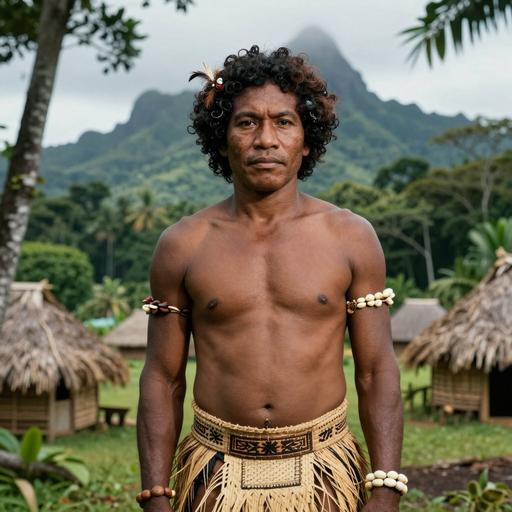
Vanuatu, an archipelago in the South Pacific Ocean, is part of the larger region of Melanesia. Around 200 years ago, the culture of Vanuatu was rich and complex, deeply rooted in traditions that had been passed down orally through generations. This period sits shortly before significant European colonial influences reshaped the indigenous ways of life.
Society and Social Structure
The social structure of Vanuatu was primarily organized around small, self-sufficient communities or villages, which were often led by chiefs. These chiefs held significant power and were responsible for maintaining peace, distributing resources, and conducting rituals. Social hierarchy was intricate, with status often determined by one's lineage, achievements, and abilities in areas such as gardening, fishing, and bravery.
Land and resource ownership were communal, yet certain plots were reserved for the chief or families of higher social status. Clans and kinship were vital, with lineage traced through maternal or paternal lines depending on the island.
Language and Tradition
Vanuatu is home to a remarkable linguistic diversity, with over 100 distinct languages spoken across the archipelago. This diversity influenced cultural practices and traditions, creating a rich tapestry of customs and beliefs unique to each community.
Oral tradition was the primary means of preserving history, folklore, and laws. Storytelling, songs, and dances were essential components of cultural life, serving both educational and entertainment purposes.
Spiritual Beliefs
The spiritual life in Vanuatu was deeply connected with nature and ancestral worship. People believed in a variety of deities and spirits, many of whom were linked to natural elements and phenomena. Rituals and ceremonies were conducted to appease these spirits, seek their guidance, or ensure favorable conditions for agriculture and fishing.
Ancestor worship was significant, with ancestors considered protectors and intermediaries between the living and the spiritual realms. This connection was maintained through regular ceremonies, offerings, and the veneration of sacred objects or sites.
Economic Activities
The economy of Vanuatu 200 years ago was primarily subsistence-based, relying heavily on agriculture, fishing, and hunting. The fertile volcanic soil allowed inhabitants to cultivate crops such as yams, taro, bananas, and coconuts. Gardening was an integral part of life, with detailed knowledge of the land and seasons essential for successful cultivation.
Fishing was another crucial activity, with communities utilizing canoes and traditional fishing techniques to harvest fish, shellfish, and sea turtles. Knowledge of tides, currents, and marine life was passed down through generations, ensuring a sustainable harvest.
Art and Craftsmanship
Art and craftsmanship were vital aspects of Vanuatu's culture 200 years ago. Intricate wood carvings, woven mats, and decorative artifacts were not only functional but also held significant cultural and spiritual importance. These items were often used in rituals and as symbols of status and identity.
Tattooing and body painting were common forms of personal adornment, reflecting social status, achievements, or tribal affiliation. These artistic expressions played a role in ceremonies and daily life, enhancing the cultural vibrancy of the communities.
Conflict and Warfare
Conflict and warfare were periodic occurrences in Vanuatu, often driven by disputes over land, resources, or inter-group rivalries. Warfare was typically conducted using traditional weapons such as spears, clubs, and bows. Despite these conflicts, alliances and peace treaties were also common, emphasizing the dynamic and interconnected nature of the societies.
External Influences
During this period, Vanuatu was beginning to experience the impact of European explorers, traders, and eventually missionaries. Initially, these interactions were limited to trade, with both parties exchanging goods such as sandalwood and sea cucumbers. This era would soon transition into more profound changes with the onset of European colonization, which significantly affected Vanuatu's traditional ways of life.
In summary, Vanuatu 200 years ago was a vibrant and diverse society with intricate social structures, deep spiritual beliefs, and a sustainable way of living. While this period was on the cusp of dramatic change due to external influences, the cultural foundations laid by these communities continue to shape Vanuatu's identity today.