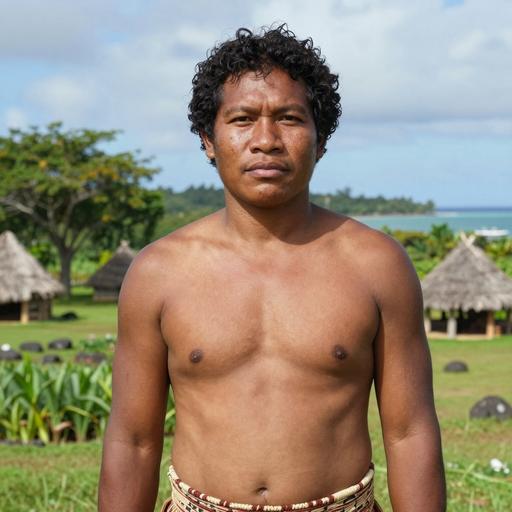
Around 2,500 years ago, the region we now know as Tonga was part of a vibrant and dynamic era in the broader context of Polynesian history. This period marks an early phase in the settlement of Polynesia, characterized by exploration, the establishment of complex societies, and the development of unique cultural identities. Here’s an extensive look into what the Tonga region might have been like during this time:
Geographical Context
Tonga, an archipelago in the South Pacific Ocean, consists of over 170 islands, of which 36 are inhabited. Around 2,500 years ago, the archipelago served as a pivotal point in the migration and settlement patterns of ancient Polynesians, who were known for their impressive navigational skills and voyaging capabilities. These islands provided fertile grounds, abundant marine resources, and a favorable climate, all of which supported early settlement.
Cultural and Social Structure
The society around this time was organized into kinship groups or extended families, often referred to as 'kainga.' These were governed by chiefs, known as 'Mata'i,' who wielded significant power and influence. The chiefdoms in Tonga were characterized by a hierarchical structure with a strong emphasis on genealogy and rank, aspects that continued to be important in later Tongan society. Alliances and rivalries among different kinship groups played crucial roles in the social dynamics of the time.
Settlement and Architecture
Settlements were typically located along coastlines, with structures primarily made from natural materials like wood, bamboo, and thatch. Early Tongan society had adept skills in constructing homes, communal spaces, and storage facilities essential for their subsistence lifestyle. Evidence suggests the existence of complex settlement patterns, including ceremonial and communal spaces, indicating a rich cultural and social life.
Economy and Subsistence
The economy of ancient Tonga was predominantly based on agriculture and fishing. Staple crops included taro, yam, and breadfruit, while fishing provided a critical source of protein. The Tongans had an intricate understanding of horticulture, which was evident in the way they managed and cultivated their land. The development of sophisticated agricultural techniques, such as the use of terracing and crop rotation, supported sustainable living.
Art and Craftsmanship
Tonga's early inhabitants were skilled artisans, and this period saw the development of various crafts including wood carving, pottery, and the creation of tools and weapons from stone, bone, and shell. Lapita pottery, distinguished by its intricate geometric designs, is particularly significant as it provides evidence of cultural links with other Polynesian groups and a means of understanding early Polynesian migration patterns.
Navigation and Exploration
One of the most striking aspects of early Polynesian culture, including that of ancient Tonga, was their advanced navigational skills. Using stars, ocean currents, wind patterns, and bird flight paths, Tongan navigators traversed vast distances across the Pacific Ocean. Their voyages facilitated not only the spread of people but also the exchange of goods, ideas, and technologies, which enriched their culture and forged connections across vast oceanic distances.
Religion and Spiritual Beliefs
The spiritual life of the early Tongans was deeply intertwined with nature and ancestral worship. They believed in a pantheon of gods and spirits, and religious practices often involved rituals and offerings to deities associated with natural elements like the sea, sky, and earth. Ancestral worship underscored the importance of lineage and continuity, with ancestors playing a crucial role in guiding and protecting the living.
Influence and Legacy
The influence of the early Tongan culture around 500 BCE laid the groundwork for the Tongan Empire, which emerged several centuries later. This proto-culture contributed significantly to the development of a distinct Tongan identity, marked by its political structures, language, customs, and art forms. The enduring legacy of this era is visible in the continued importance of kinship, chieftaincy, and cultural traditions in Tonga today.
In summary, Tonga 2,500 years ago was a period of exploration, settlement, and cultural blossoming, fostering a society that mastered their environment and navigated the vast Pacific with remarkable skill. The foundations built during this early period paved the way for Tonga's rich historical tapestry, influencing not only Tonga itself but also the broader Polynesian world.