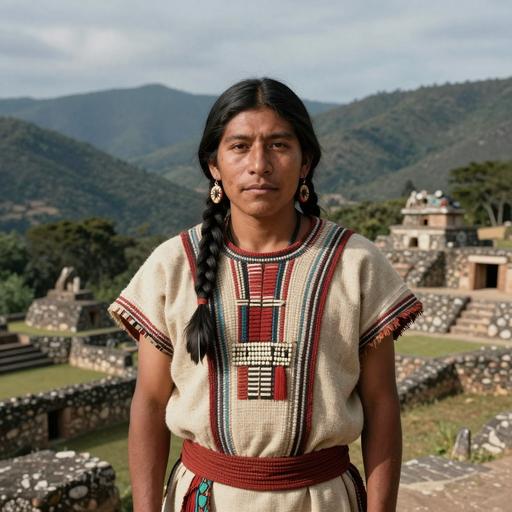
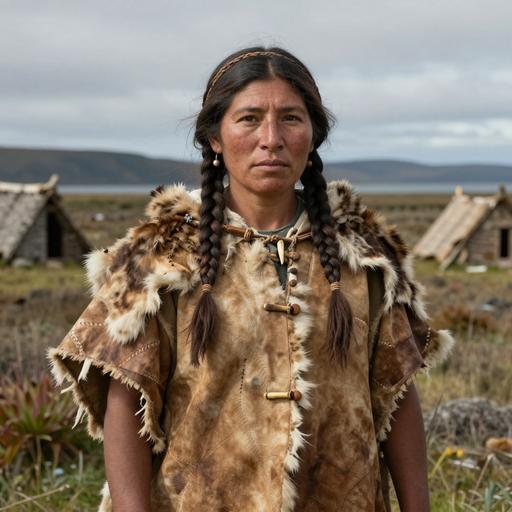
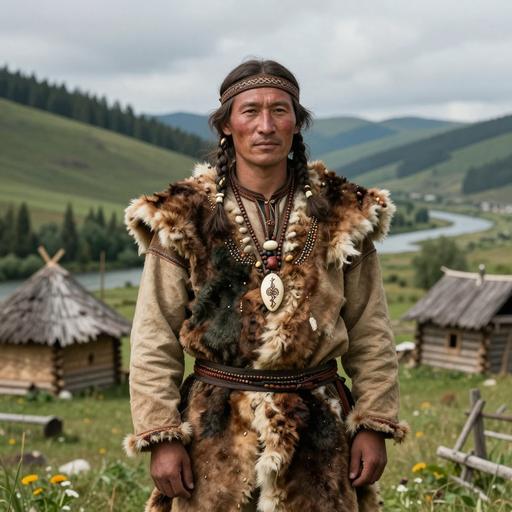
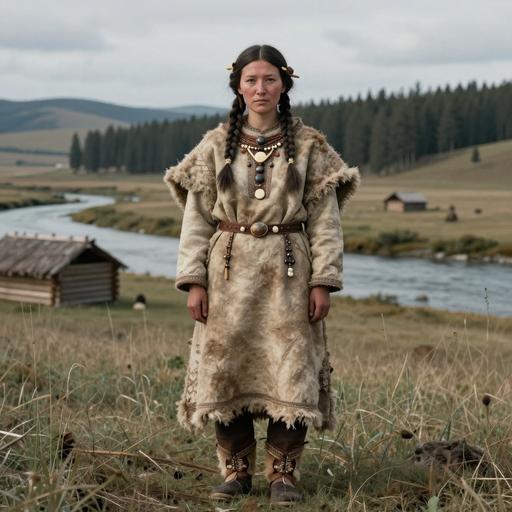
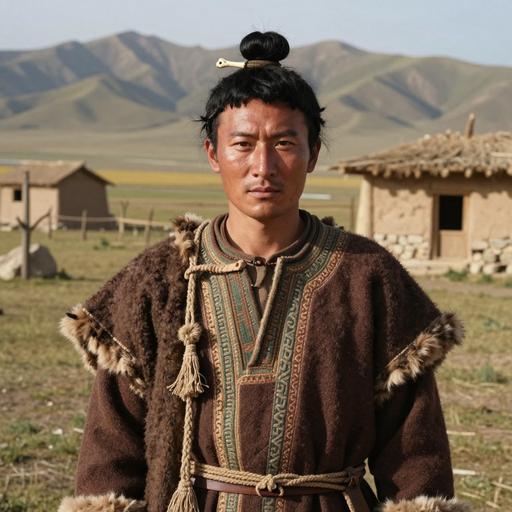
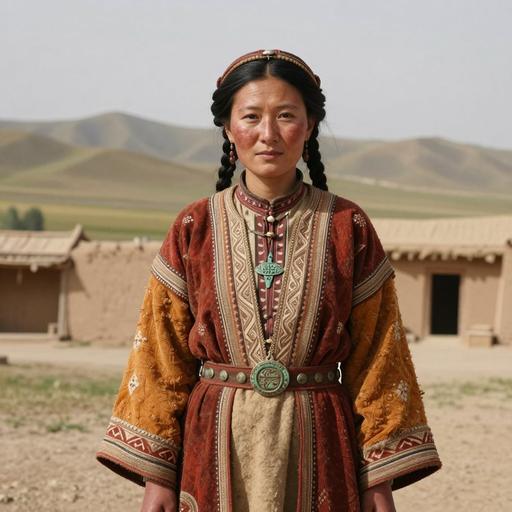
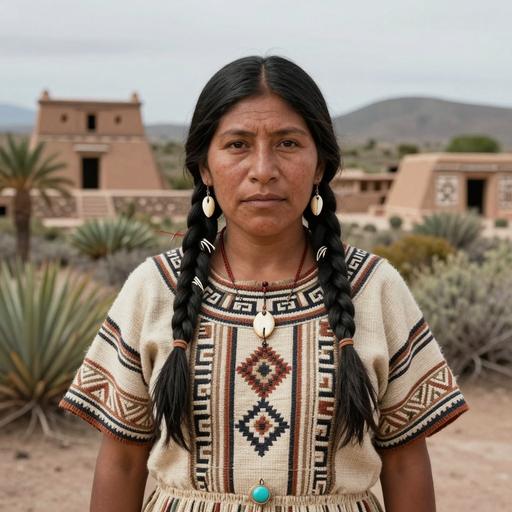
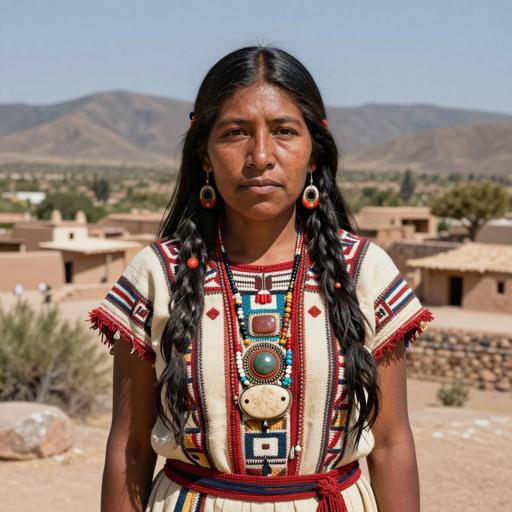
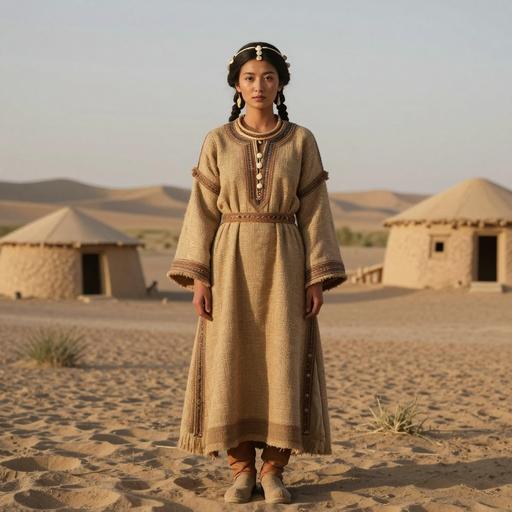
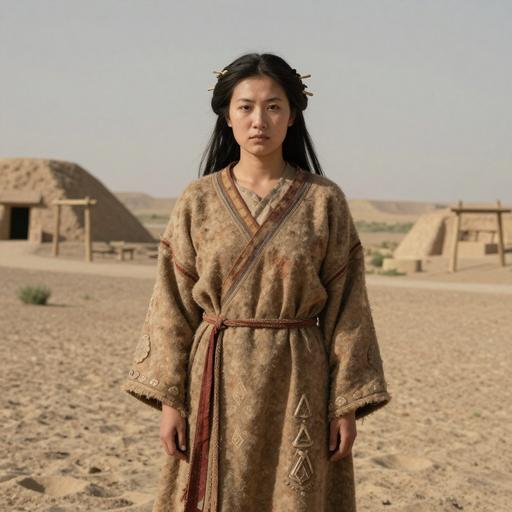
ملف مرجعي لفرع واحد من السلالة. لا تثبت المجموعات الفردانية المشتركة صلة عائلية ولا تحدّد الهوية الثقافية.
الملف المرجعي
خلفية الفرع
السياق التاريخي لفرع C من سلالة mtDNA
Origins and Evolution
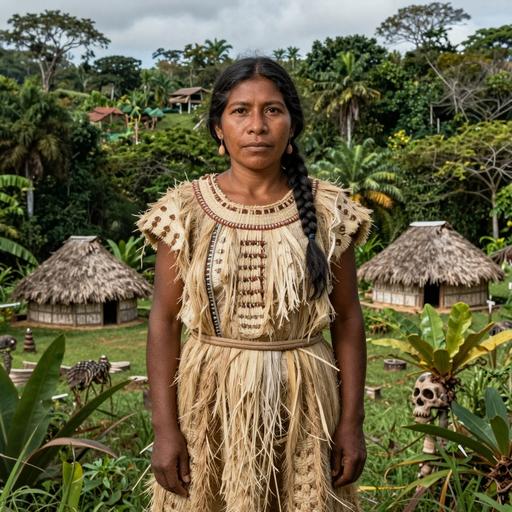
Haplogroup C is a descendant of macro-haplogroup M (frequently discussed as part of the M8'CZ assemblage) and likely formed in northeast Asia or the Siberian region during the Late Pleistocene, roughly ~30–40 kya. From this regional origin, lineages derived from C diversified in Siberia and adjacent parts of East and Central Asia. Some subclades later moved into Beringia and contributed to the maternal gene pool of the first peoples of the Americas during the Late Pleistocene / early Holocene.
Subclades
Haplogroup C comprises several geographically structured subclades with distinct histories:
C1 — best known as one of the founding Native American mtDNA lineages (with subbranches C1b, C1c, C1d, C1a); present in Siberia and throughout North and South America among indigenous populations.
C4 — frequent in Siberia, northeastern Europe in some ancient contexts, and parts of Central Asia; often associated with northern Asian hunter-gatherer groups.
C5 — observed in parts of South Asia and Central Asia at low-to-moderate frequency.
C2 / C7 / other east Asian subclades — occur at low-to-moderate frequencies across East and Southeast Asia (Mongolia, China, Korea, Japan) and reflect local diversification.
These subclades show a pattern of deep regional splits followed by localized expansions, consistent with repeated pulses of population movement across northern Asia and into the Americas.
Geographical Distribution
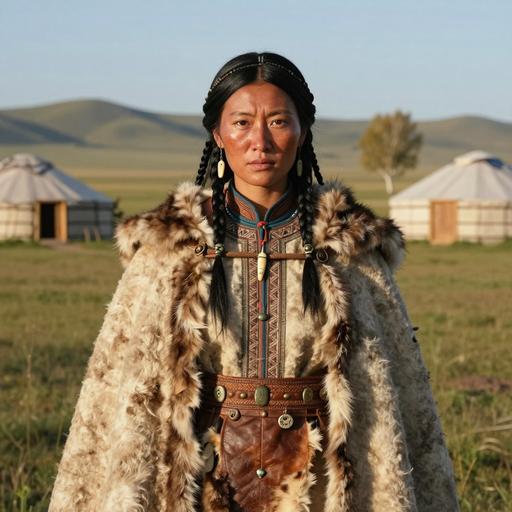
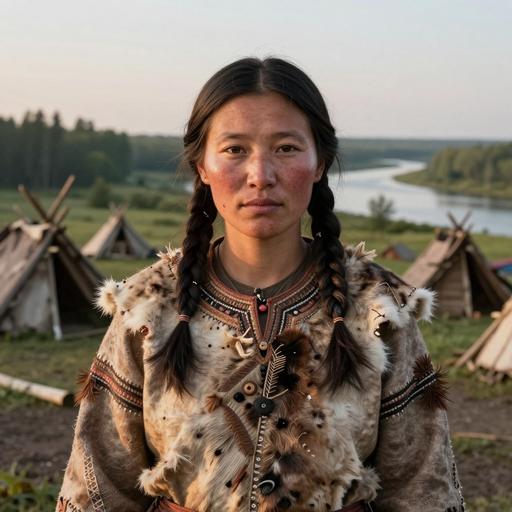
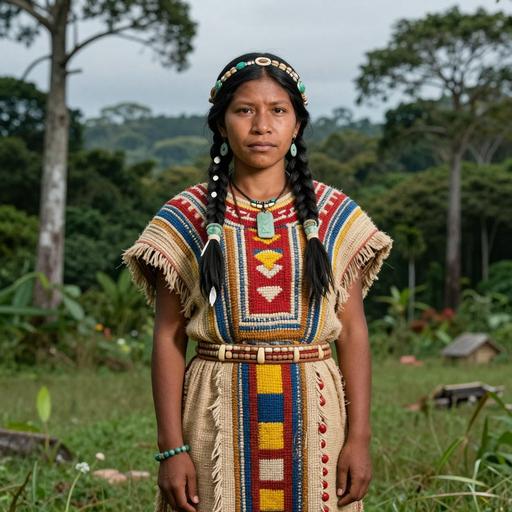
Today haplogroup C is broadly distributed but uneven in frequency. It is common among many Siberian and other northern Asian indigenous groups, present at moderate frequencies in East and Central Asia, and is one of the principal maternal lineages among indigenous peoples of the Americas (especially through C1). Lower-frequency occurrences are found in parts of South Asia and, rarely, in Europe (generally associated with historical or ancient contacts).
Ancient DNA studies have recovered C-lineages from Late Pleistocene and Holocene remains in Siberia and the Americas, supporting the role of C in the peopling of Beringia and subsequent colonization of the Americas.
Historical and Cultural Significance
Haplogroup C is particularly important for studying the peopling of the Americas, since C1 is part of the set of founding maternal lineages that entered the Americas via Beringia during the terminal Pleistocene. In northern Eurasia, C subclades mark connections among Paleo-Siberian hunter-gatherers, steppe-edge groups, and later populations in Central and East Asia. Its presence (and subclade structure) in modern and ancient samples helps reconstruct migration routes, timing, and the demographic impact of hunter-gatherer expansions and later farmer/steppe interactions.
C lineages are therefore commonly used in population genetic studies that aim to resolve movements across Siberia, the Bering land bridge, and into the Americas as well as localized demographic processes within East, Central, and South Asia.
Conclusion
mtDNA haplogroup C represents a northern Asian Late Pleistocene maternal lineage that diversified regionally across Siberia, East and Central Asia and played a key role as one of the maternal sources for the first peoples of the Americas. Its multiple subclades provide a useful framework for tracing migrations across northern Eurasia and timing the eventual dispersal into the New World.
أبرز النقاط
Origins and Evolution
Subclades
Geographical Distribution
Historical and Cultural Significance
Conclusion
الملف المرجعي
شجرة السلالة والفروع المرتبطة
موضع الفرع في شجرة السلالة وفروعه الفرعية
مسار تفرّع السلالة
تتبّع الفروع الأصلية المسجّلة وصولًا إلى C. التواريخ تقديرية وقد تتغيّر عند تحديث البيانات المرجعية.
The populations where mtDNA haplogroup C is found include:
Indigenous peoples of the Americas (Native American groups across North and South America)
Siberian ethnic groups (e.g., Yakut, Evenk, Nenets, Chukchi)
Mongolic and Tungusic-speaking populations (e.g., Mongolians, Buryats, Evens)
East Asian populations (e.g., some Han, Koreans, Japanese)
Central Asian populations (e.g., Kazakhs, Altaians, Tuvans)
Selected South Asian groups (low-to-moderate frequencies in parts of India and Tibet)
Arctic and sub-Arctic peoples (e.g., Inuit and certain Yupik groups via C sublineages)
Occasional occurrences in northern and eastern Europe in ancient or admixed contexts
السياق التاريخي
تاريخ الفرع
تقدير زمن نشأة الفرع ضمن تسلسل تاريخي عام. توفّر الفترات سياقًا زمنيًا دون إثبات صلة بثقافات بعينها.
~50k سنة مضت
العصر الحجري القديم الأعلى
تطوّر صناعة الأدوات والفنون وتنوّع الممارسات الثقافية
~35k سنة مضت
المجموعة الفردانية C
تقدير نشأة فرع mtDNA. التواريخ والمواقع تقديرات مرجعية.
هذا الفرع
~20k سنة مضت
ذروة العصر الجليدي الأخير
بلغ التجلّد ذروته وانعزلت مجموعات سكانية
~10k سنة مضت
ثورة العصر الحجري الحديث
ظهور الزراعة وتشكّل المجتمعات المستقرّة
~5k سنة مضت
العصر البرونزي
صناعة المعادن والكتابة والحضارات المبكرة
~3k سنة مضت
العصر الحديدي
أدوات الحديد واتّساع شبكات التجارة
~2.5k سنة مضت
العصور الكلاسيكية القديمة
ازدهار الحضارتين اليونانية والرومانية
Present
الحاضر
العصر الحديث
الملف المرجعي
السياق الأثري
الارتباطات الأثرية المسجّلة لفرع C من mtDNA
الارتباطات المسجّلة
تصف هذه التسميات السياقات الأثرية المسجّلة للعينات المرجعية المرتبطة بـ C. لا يثبت الارتباط انتماء جميع حاملي الفرع إلى ثقافة بعينها أو اتّباعهم مسار هجرة محدّدًا.
Canada Arctic Small Tool Tradition, Canada 1200 CE - 1450 CE
Cتطابق مباشر
معرّف العينة: LU-01
Canada The First Peoples of North America 1200 CE - 1450 CE
Cتطابق مباشر
معرّف العينة: I19505
Trincheras Culture La Playa 550 Before Present - Mexico - La Playa (Sonora, Cerro Trincheras, Terraza B9)
Mexico Trincheras Culture La Playa 550 Before Present 1311-1410 calCE (580±20 BP, PSUAMS-12696)
Cتطابق مباشر
معرّف العينة: I12358
Mitre Peninsula Haush Culture 400 Years Ago - Argentina - Tierra del Fuego. Mitre Peninusula. Caleta Falsa
Argentina Mitre Peninsula Haush Culture 400 Years Ago 1330-1650 calCE (820±40 BP, UGAMS-5151)
Cتطابق مباشر
معرّف العينة: CDE004
Ceramic Period Cueva Esqueletos, Cuba - Cuba - Camagüey. Sierra de Cubitas. Cueva de los Esqueletos 1
Cuba Ceramic Period Cueva Esqueletos, Cuba 1412-1450 calCE (480±22 BP, MAMS-44096)
Cتطابق مباشر
معرّف العينة: KMA-15A-1
Pre-Columbian America - Peru - Machu Picchu
Peru Pre-Columbian America 1420 CE - 1532 CE
Cتطابق مباشر
معرّف العينة: CDE002
Ceramic Period Cueva Esqueletos, Cuba - Cuba - Camagüey. Sierra de Cubitas. Cueva de los Esqueletos 1
Cuba Ceramic Period Cueva Esqueletos, Cuba 1436-1490 calCE (420±20 BP, MAMS-44094)
Cتطابق مباشر
معرّف العينة: ARS013
Late Bronze Age Khovsgol 6, Mongolia - Mongolia - Khovsgol aimag. Arbulag sorum
Mongolia Late Bronze Age Khovsgol 6, Mongolia 1446-1204 calBCE (3074±49 BP, A-)
Cتطابق مباشر
معرّف العينة: NEO80
Ob River Comb-Pit Ware Culture - Russia - Borovyanka-17 (Omsk Oblast, Bolsherechensky District, Borovyanka Village)
Russia Ob River Comb-Pit Ware Culture 3641-3376 calBCE (4757±54 BP, UBA-39952)
Cتطابق مباشر
معرّف العينة: I24540
Belize 3,600 Years Ago - Belize - Mayahak Cab Pek
Belize Belize 3,600 Years Ago 3708-3543 calBCE (4875±25 BP, PSUAMS-7428)
Cتطابق مباشر
معرّف العينة: F9
Pre-Columbian Mexico - Mexico - Sierra Tarahumara
Mexico Pre-Columbian Mexico 1000-1200 CE
Cتطابق مباشر
معرّف العينة: I12362
North Tierra del Fuego La Arcillosa 2 Site 5800 Years Ago - Argentina - Tierra del Fuego (North). La Arcillosa 2
Argentina North Tierra del Fuego La Arcillosa 2 Site 5800 Years Ago 4040-3710 calBCE (5205±58 BP, AA-60935)
Cتطابق مباشر
معرّف العينة: FRS002
Altai-Sayan peoples of Russia - Russia - Firsovo (Altai Krai, Pervomaysky District, Firsovo Village)
Russia Altai-Sayan peoples of Russia 5521-5378 calBCE (6500±24 BP, MAMS-48706)
Cتطابق مباشر
معرّف العينة: FNO003
Pre-Bronze Age Buryatia, Russia - Russia - Buryatia. Fofonovo
Russia Pre-Bronze Age Buryatia, Russia 6000-5700 BCE
Cتطابق مباشر
معرّف العينة: I26705
Roman Croatia - Croatia - Trogir-Dragulin (Split-Dalmatia County, Grad Trogir)
Croatia Roman Croatia 1-200 CE
C1فرع فرعي
معرّف العينة: C3316
Iron Age Guanjingtai, Xinjiang, China - China - Xinjiang. Yili Region. Nileke County. Guanjingtai
China China Xinjiang Guanjingtai IA 200 BCE - 50 CE
C4فرع فرعي
معرّف العينة: SKT007
Xiongnu to Late Medieval Khuvsgul, Mongolia - Mongolia - Khuvsgul. Salkhityn Am
Mongolia Xiongnu to Late Medieval Khuvsgul, Mongolia 200-1 BCE
C4فرع فرعي
معرّف العينة: BRE007
Iron Age Kazakhstan - Kazakhstan - Central Kazakhstan. Berel Necropolis. object 76
Kazakhstan Iron Age Kazakhstan 234-326 calCE (1789±13 BP)
C4فرع فرعي
معرّف العينة: DA47
Saka Culture in Kyrgyzstan - Kyrgyzstan - Tian Shan. Central Steppe
Kyrgyzstan Kyrgyzstan TianShan Saka 344 BCE - 10 CE
C4فرع فرعي
معرّف العينة: DA47
Kyrgyzstan The Scythian and Saka Cultures 344 BCE - 10 CE
C4فرع فرعي
معرّف العينة: C1637
Iron Age Wutulan, Xinjiang, China - China - Xinjiang. Yili Region. Nileke County. Wutulan
China China Xinjiang Wutulan IA 349-57 calBCE
C4فرع فرعي
معرّف العينة: C787
Iron Age Tangbalesayi, Xinjiang, China - China - Xinjiang. Yili Region. Nileke County. Tangbalesayi
China Iron Age Tangbalesayi, Xinjiang, China 400-150 BCE
C4فرع فرعي
معرّف العينة: C4278
Iron Age Wulanbuluke, Xinjiang, China - China - Xinjiang. Yili Region. Nileke County. Wulanbuluke
China China Xinjiang Wulanbuluke IA 400-150 BCE
C4فرع فرعي
معرّف العينة: C4280
Iron Age Wulanbuluke, Xinjiang, China - China - Xinjiang. Yili Region. Nileke County. Wulanbuluke
China China Xinjiang Wulanbuluke IA 400-150 BCE
C4فرع فرعي
معرّف العينة: C4127
Iron Age Abusanteer, Xinjiang, China - China - Xinjiang. Yili Region. Chabuchaer County. Abusanteer
China China Xinjiang Abusanteer IA 390-202 calBCE
C4فرع فرعي
معرّف العينة: C1359
Early Iron Age China - China - Xinjiang. Yili Region. Nileke County. Jirentaigoukou
China China Xinjiang Jirentaigoukou EIA 450-200 BCE
C4فرع فرعي
معرّف العينة: I17108
Tayopa (Mexico) - Mexico - Tayopa Site #60 (Sonora, Sahuaripa)
Mexico Tayopa (Mexico) 500-1400 CE
C1فرع فرعي
معرّف العينة: I17113
Tayopa Culture - Mexico - Tayopa Site #63 (Sonora, Sahuaripa)
Mexico Mexico Tayopa 1000BP 500-1400 CE
C1فرع فرعي
معرّف العينة: RKF154
Middle to Late Avar Period - Hungary - Rákóczifalva-Bagi-földek (Jász-Nagykun-Szolnok Coiunty, Szolnok)
Hungary Hungary MiddleLateAvar 650-800 CE
C4فرع فرعي
معرّف العينة: KK2-670
Late Avar Period Hungary - Hungary - Csongrád-Csanád County. Kiskundorozsma-KettőshatárII
Hungary Hungary LateAvar 750 CE - 800 CE
C4فرع فرعي
معرّف العينة: C4132
Iron Age Abusanteer, Xinjiang, China - China - Xinjiang. Yili(Ili) Region. Chabuchaer(Qapqal) County. Abusanteer
China China Xinjiang Abusanteer IA 800-200 BCE
C4فرع فرعي
معرّف العينة: C4273
Iron Age Abusanteer, Xinjiang, China - China - Xinjiang. Yili Region. Chabuchaer County. Abusanteer
China China Xinjiang Abusanteer IA 800-200 BCE
C4فرع فرعي
معرّف العينة: Ze6b
Iron Age 2 Zevakino-Chilikta, Kazakhstan - Kazakhstan - Zevakino. East Kazakhstan
Kazakhstan Iron Age 2 Zevakino-Chilikta, Kazakhstan 900-600 BCE
C4فرع فرعي
معرّف العينة: I19326
Late Bronze Age to Early Iron Age Armenia - Armenia - Noratus
Armenia Late Bronze Age to Early Iron Age Armenia 1250-1150 BCE
C1فرع فرعي
معرّف العينة: ULN006
Middle to Late Bronze Age to Xiongnu to Late Medieval Sukhbaatar, Mongolia - Mongolia - Sukhbaatar. Ulaanzuukh
Mongolia Middle to Late Bronze Age to Xiongnu to Late Medieval Sukhbaatar, Mongolia 1650 BCE - 1350 CE
C4فرع فرعي
معرّف العينة: L6101
Bronze Age Xiaohe, Xinjiang, China - China - Xinjiang. Xiaohe
China China Xinjiang Xiaohe BA 1767-1623 calBCE
C4فرع فرعي
معرّف العينة: L6103
Bronze Age Xiaohe, Xinjiang, China - China - Xinjiang. Xiaohe
China China Xinjiang Xiaohe BA 1785-1664 calBCE
C4فرع فرعي
معرّف العينة: 11KBM1
Bronze Age Beifang Xiaohe, Xinjiang, China - China - Xinjiang. Beifang
China Bronze Age Beifang Xiaohe, Xinjiang, China 1874 BCE - 1641 BCE
C4فرع فرعي
معرّف العينة: XHM100
Bronze Age Xiaohe, Xinjiang, China - China - Xinjiang. Xiaohe
China China Xinjiang Xiaohe BA 1882-1742 calBCE (3479±20 BP) [R_Combine: (3470±30 BP, Beta), (3485±25 BP; LZU-)]
C4فرع فرعي
معرّف العينة: XHM135
Bronze Age Xiaohe, Xinjiang, China - China - Xinjiang. Xiaohe
China China Xinjiang Xiaohe BA 1918-1750 calBCE (3515±20 BP) [R_Combine: (3500±30 BP, Beta), (3525±25 BP, LZU-)]
C4فرع فرعي
معرّف العينة: XHM110
Bronze Age Xiaohe, Xinjiang, China - China - Xinjiang. Xiaohe
China China Xinjiang Xiaohe BA 2050-1850 BCE
C4فرع فرعي
معرّف العينة: XHM75
Bronze Age Xiaohe, Xinjiang, China - China - Xinjiang. Xiaohe
China China Xinjiang Xiaohe BA 2050-1850 BCE
C4فرع فرعي
أمومية · الحمض النووي القديم
خريطة الأدلة القديمة للسلالة
تتبّع الفروع الأصلية المؤدية إلى هذا الفرع واستكشف مواقع العثور على العينات القديمة المرتبطة به.
جارٍ تحميل السجلات القديمة…
الحركة المخفّضة مفعّلة. استخدم التسلسل الزمني أو زر عرض الكل للاستكشاف بالسرعة التي تناسبك.
اعرض السجلات في جدول
السجلات القديمة المعروضة حسب الفرع والفترة ومنتصف النطاق الزمني
الفرع
الفترة
النطاق الزمني
العينة
معرّف العينة
الموقع
المجموعة الفردانية
نوع الارتباط
تشير العلامات إلى مواقع الاكتشافات الأثرية. يشير الخط المتقطّع إلى انتقال جغرافي محتمل بين فرعين متتاليين تدعمه عدة سجلات مؤرّخة. لا يحدّد مسارًا دقيقًا أو مكان نشأة ولا يثبت انحدارًا مباشرًا. قد تنتمي عينات الفروع الأصلية إلى فروع متفرّعة أخرى. تبقى الفجوات حيث لا تكفي الأدلة. تختلف تواريخ العينات عن تواريخ نشأة المجموعات الفردانية.
يجمع التصنيف حسب الحقبة التاريخية العينات من جميع فروع هذه السلسلة وفق زمن عيش كل شخص قديم. لا يمثّل تسلسل هجرة أو مسارًا زمنيًا لشخص عبر الحقب.
الملف المرجعي
خريطة توزيع العينات
التوزيع الجغرافي لعينات الحمض النووي القديم المطابقة مباشرةً للمجموعة C أو لفروعها الفرعية. عدد العينات: 75
عينة مطابقة مباشرةً عينة من فرع فرعي
التصفية حسب الفترة
جميع الفترات
تُعرض جميع العينات
الملف المرجعي
التوزيع الزمني
توزيع العينات عبر الفترات الأثرية
الملف المرجعي
التوزيع الجغرافي
عدد العينات حسب بلدها المسجّل. تعكس الأعداد العينات المرجعية المتاحة دون قياس تواتر المجموعات الفردانية بين السكان.
الملف المرجعي
توزيع العينات حسب البلد والحقبة
قارن أعداد العينات المسجّلة حسب البلدان والفترات الأثرية. اختر خلية تحتوي على نتائج للاطّلاع على إحدى العينات.
البيانات
البيانات ومصادرها
معلومات المصادر وجودة البيانات
آخر تحديث2026-02-09
مصدر البيانات
يعكس التصنيف والتواريخ التقديرية والسياق الجغرافي البيانات المرجعية المسجّلة، وقد تتغيّر مع مراجعة الأدلة. تختلف تغطية العينات، ولا تثبت المواقع المسجّلة والارتباطات الأثرية الأصول الشخصية أو الهوية الثقافية.
تتبع المجموعة الفردانية خطاً واحداً من جهة الأم أو الأب. ويعتمد تحديد الفرع المرجح على الواسمات الموجودة في ملف الحمض النووي.
كيف نحلّل الحمض النووي