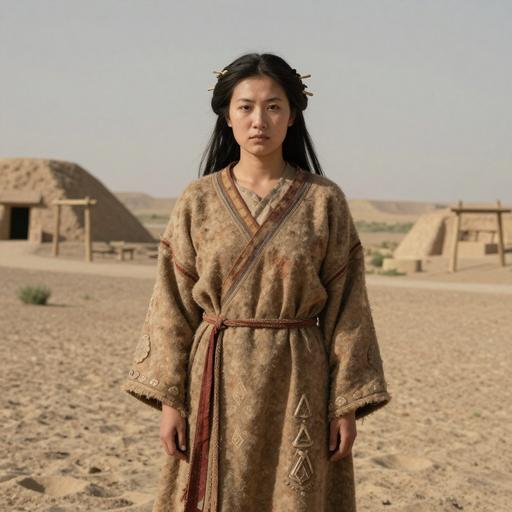
Profil de référence pour une branche de lignée. Des haplogroupes partagés n'établissent pas de lien familial ni d'identité culturelle.
Profil de référence
Contexte de la branche
Contexte historique de la branche de lignée mtDNA C
Origins and Evolution
Haplogroup C is a descendant of macro-haplogroup M (frequently discussed as part of the M8'CZ assemblage) and likely formed in northeast Asia or the Siberian region during the Late Pleistocene, roughly ~30–40 kya. From this regional origin, lineages derived from C diversified in Siberia and adjacent parts of East and Central Asia. Some subclades later moved into Beringia and contributed to the maternal gene pool of the first peoples of the Americas during the Late Pleistocene / early Holocene.
Subclades
Haplogroup C comprises several geographically structured subclades with distinct histories:
C1 — best known as one of the founding Native American mtDNA lineages (with subbranches C1b, C1c, C1d, C1a); present in Siberia and throughout North and South America among indigenous populations.
C4 — frequent in Siberia, northeastern Europe in some ancient contexts, and parts of Central Asia; often associated with northern Asian hunter-gatherer groups.
C5 — observed in parts of South Asia and Central Asia at low-to-moderate frequency.
C2 / C7 / other east Asian subclades — occur at low-to-moderate frequencies across East and Southeast Asia (Mongolia, China, Korea, Japan) and reflect local diversification.
These subclades show a pattern of deep regional splits followed by localized expansions, consistent with repeated pulses of population movement across northern Asia and into the Americas.
Geographical Distribution
Today haplogroup C is broadly distributed but uneven in frequency. It is common among many Siberian and other northern Asian indigenous groups, present at moderate frequencies in East and Central Asia, and is one of the principal maternal lineages among indigenous peoples of the Americas (especially through C1). Lower-frequency occurrences are found in parts of South Asia and, rarely, in Europe (generally associated with historical or ancient contacts).
Ancient DNA studies have recovered C-lineages from Late Pleistocene and Holocene remains in Siberia and the Americas, supporting the role of C in the peopling of Beringia and subsequent colonization of the Americas.
Historical and Cultural Significance
Haplogroup C is particularly important for studying the peopling of the Americas, since C1 is part of the set of founding maternal lineages that entered the Americas via Beringia during the terminal Pleistocene. In northern Eurasia, C subclades mark connections among Paleo-Siberian hunter-gatherers, steppe-edge groups, and later populations in Central and East Asia. Its presence (and subclade structure) in modern and ancient samples helps reconstruct migration routes, timing, and the demographic impact of hunter-gatherer expansions and later farmer/steppe interactions.
C lineages are therefore commonly used in population genetic studies that aim to resolve movements across Siberia, the Bering land bridge, and into the Americas as well as localized demographic processes within East, Central, and South Asia.
Conclusion
mtDNA haplogroup C represents a northern Asian Late Pleistocene maternal lineage that diversified regionally across Siberia, East and Central Asia and played a key role as one of the maternal sources for the first peoples of the Americas. Its multiple subclades provide a useful framework for tracing migrations across northern Eurasia and timing the eventual dispersal into the New World.
Points clés
Origins and Evolution
Subclades
Geographical Distribution
Historical and Cultural Significance
Conclusion
Profil de référence
Arbre et relations
Contexte phylogénétique et sous-clades
Voie évolutive
Suivez les branches parentes consignées jusqu'à C. Les dates sont des estimations et peuvent évoluer lorsque les données de référence sont révisées.
The populations where mtDNA haplogroup C is found include:
Indigenous peoples of the Americas (Native American groups across North and South America)
Siberian ethnic groups (e.g., Yakut, Evenk, Nenets, Chukchi)
Mongolic and Tungusic-speaking populations (e.g., Mongolians, Buryats, Evens)
East Asian populations (e.g., some Han, Koreans, Japanese)
Central Asian populations (e.g., Kazakhs, Altaians, Tuvans)
Selected South Asian groups (low-to-moderate frequencies in parts of India and Tibet)
Arctic and sub-Arctic peoples (e.g., Inuit and certain Yupik groups via C sublineages)
Occasional occurrences in northern and eastern Europe in ancient or admixed contexts
Contexte historique
Une branche dans le temps
Formation estimée sur une chronologie historique large. Les repères de période servent de contexte et n'impliquent pas de lien avec des cultures particulières.
Il y a ~50k ans
Paléolithique supérieur
Outils avancés, art et essor culturel
Il y a ~35k ans
Haplogroupe C
Formation estimée de cette branche mtDNA ; les dates et les lieux sont des estimations de référence.
Cette branche
Il y a ~20k ans
Dernier maximum glaciaire
Apogée de la dernière période glaciaire, populations isolées
Il y a ~10k ans
Révolution néolithique
Début de l'agriculture et émergence de communautés sédentaires
Il y a ~5k ans
Âge du bronze
Travail des métaux, écriture et premières civilisations
Il y a ~3k ans
Âge du fer
Outils en fer, réseaux d'échanges élargis
Il y a ~2.5k ans
Antiquité classique
Floraison des civilisations grecque et romaine
Aujourd'hui
Aujourd'hui
Époque moderne
Profil de référence
Contexte archéologique
Associations archéologiques consignées pour la branche mtDNA C
Associations consignées
Ces libellés décrivent des contextes archéologiques consignés pour des échantillons de référence liés à C. Une association n'établit pas que tous les porteurs appartenaient à une culture ni qu'ils ont suivi une route migratoire précise.
Les attributions culturelles reposent sur le contexte archéologique des échantillons d'ADN ancien et peuvent refléter des associations régionales à certaines périodes.
Profil de référence
Catalogue d'échantillons
22 porteurs directs et 53 porteurs de sous-clade de l'haplogroupe C
10 affiché(s) · 50 échantillons correspondants
Aucun échantillon ne correspond à ces filtres. Essayez un autre libellé, lieu ou période.
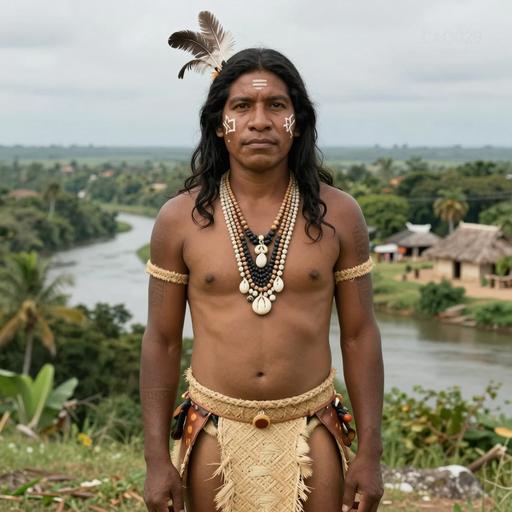
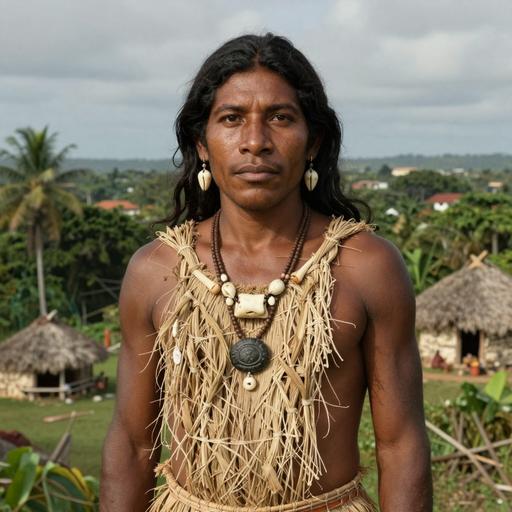
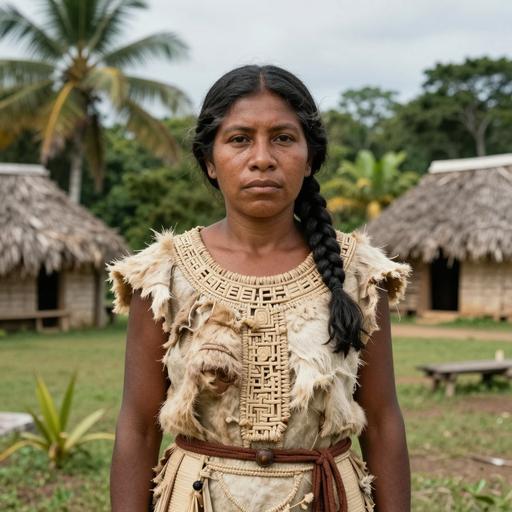
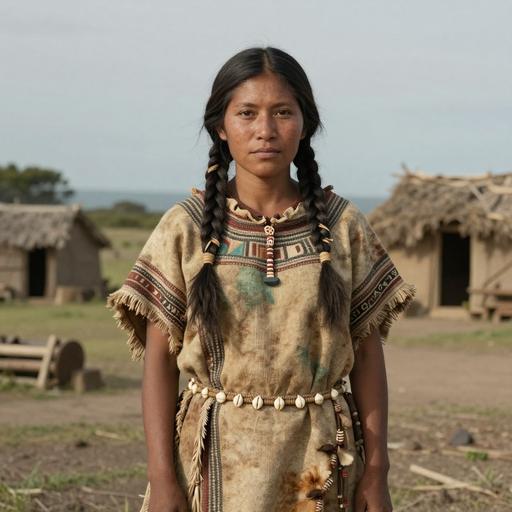
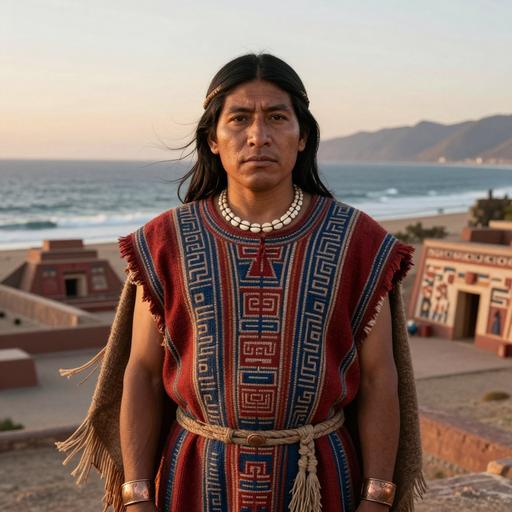
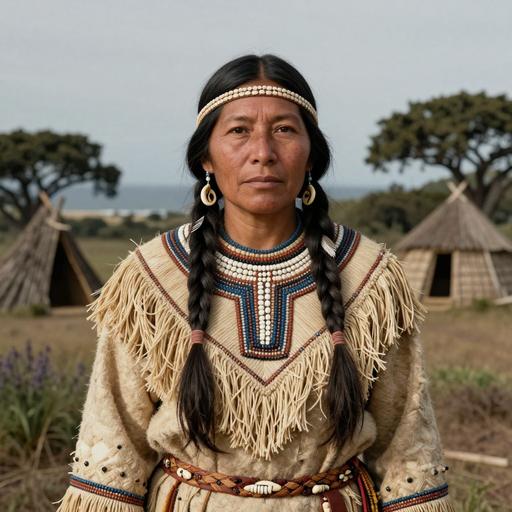
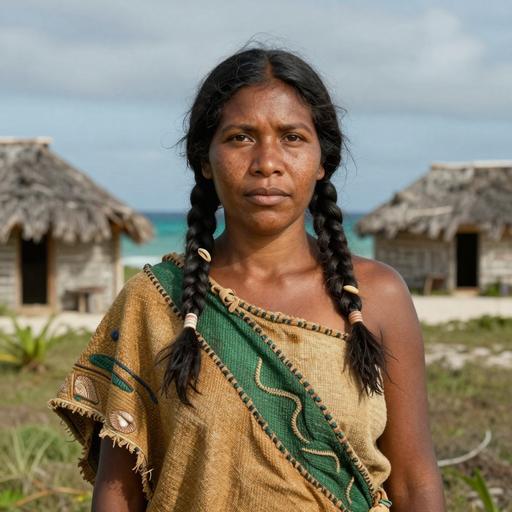
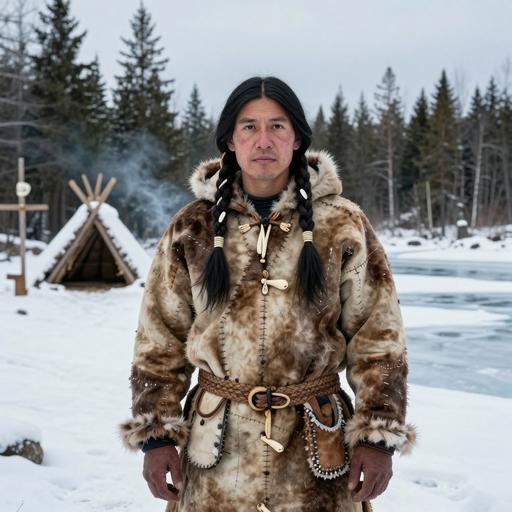
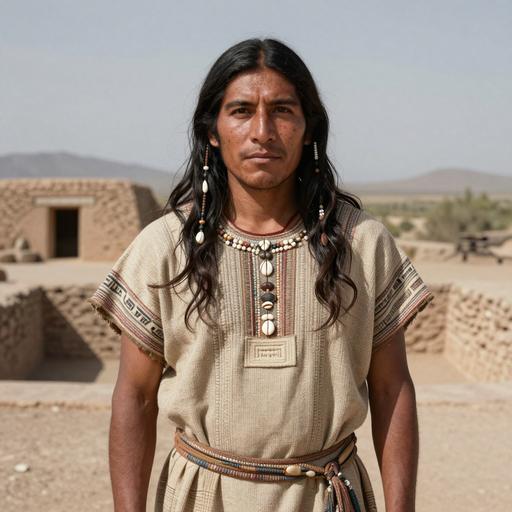
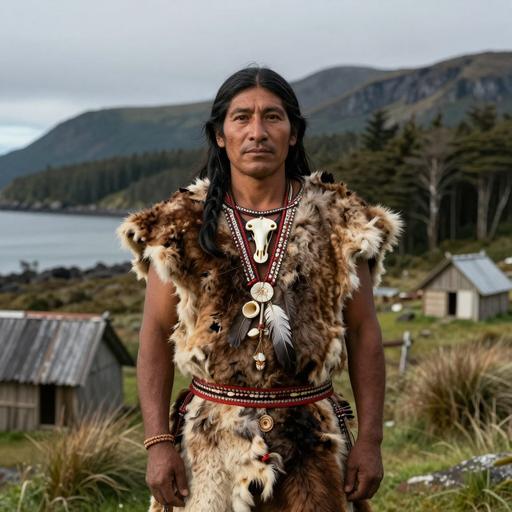
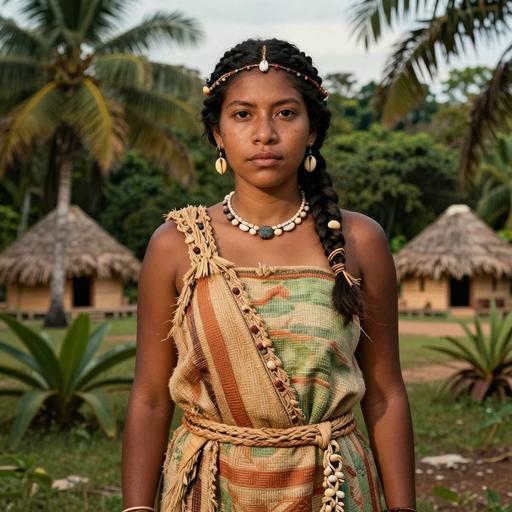
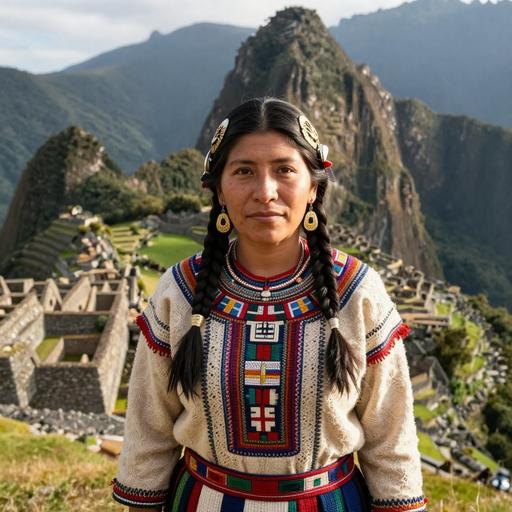
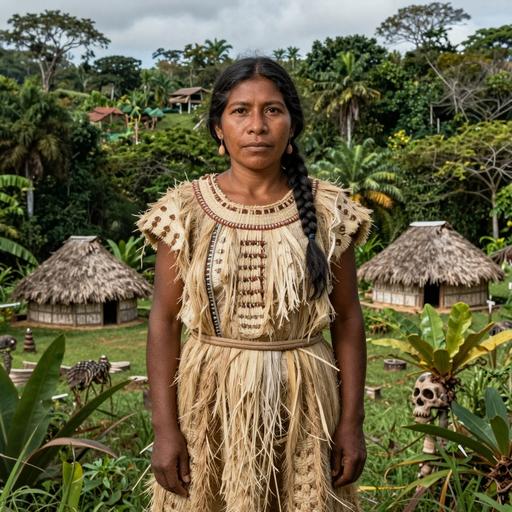
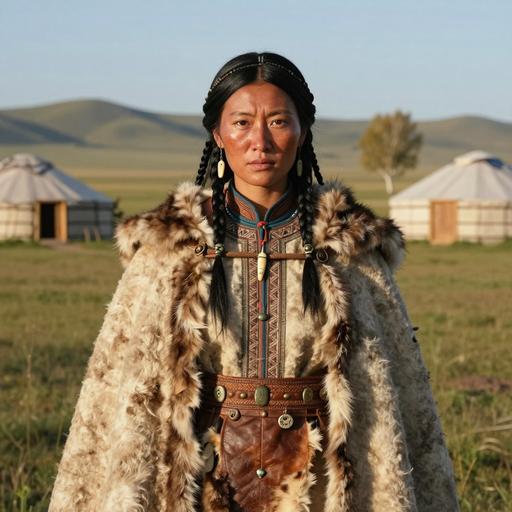
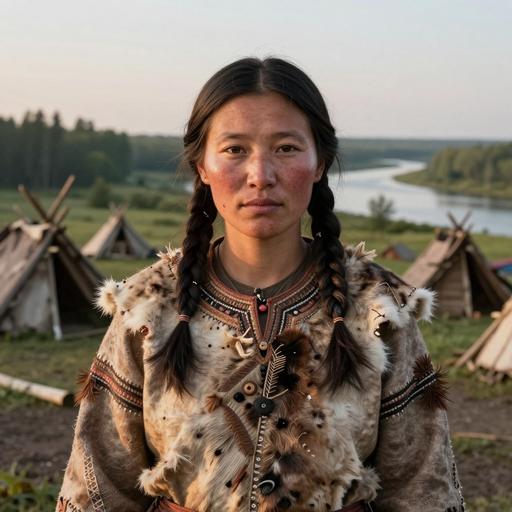
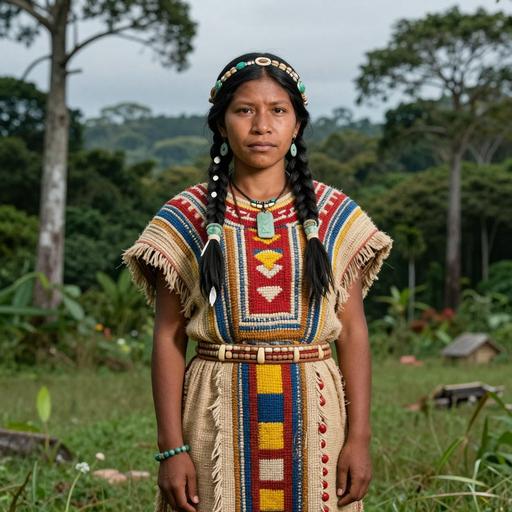
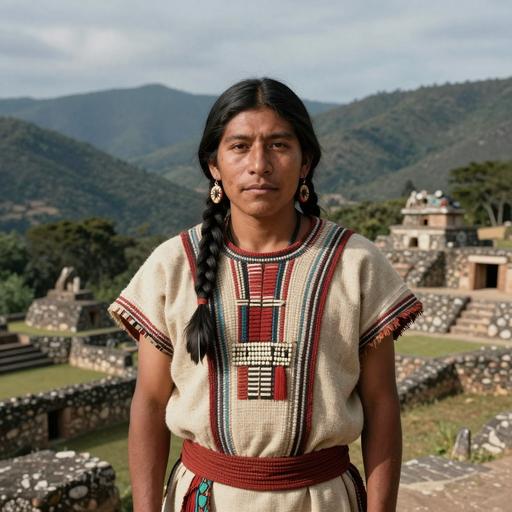
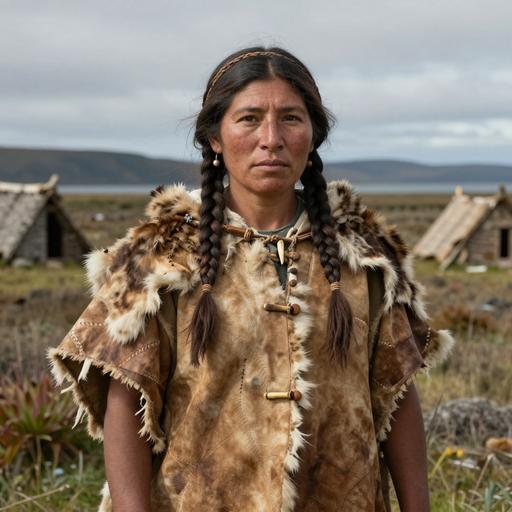
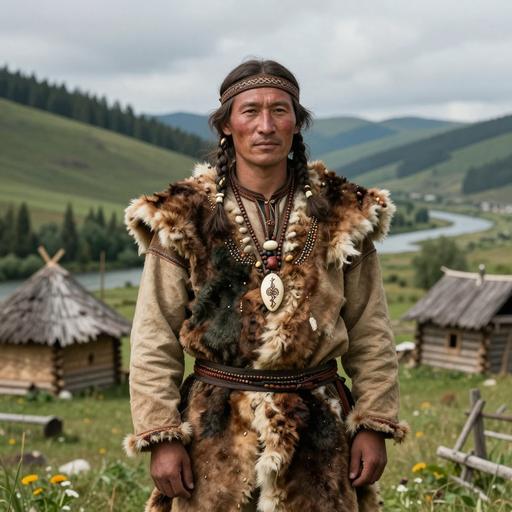
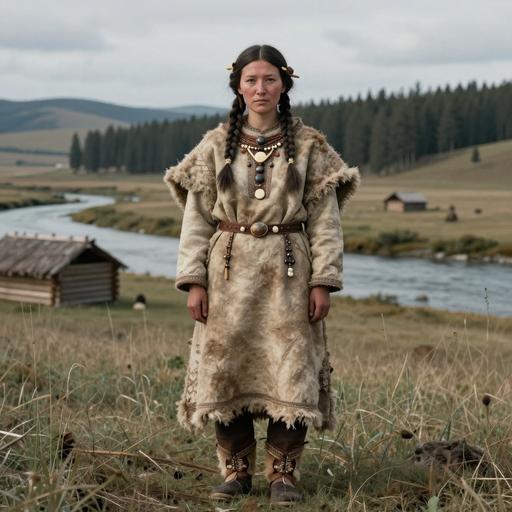
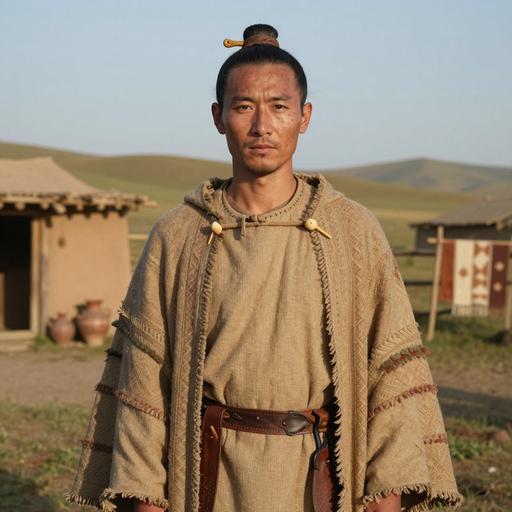
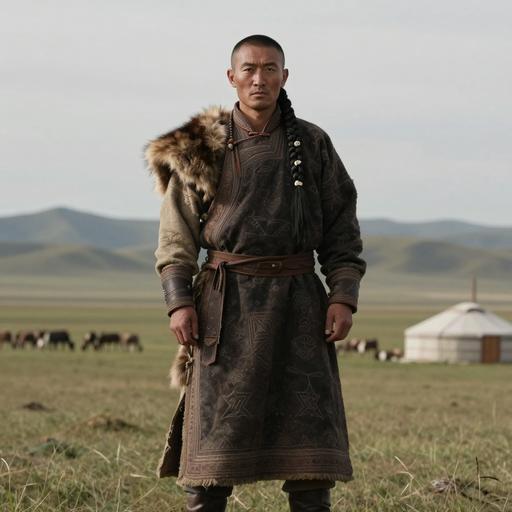
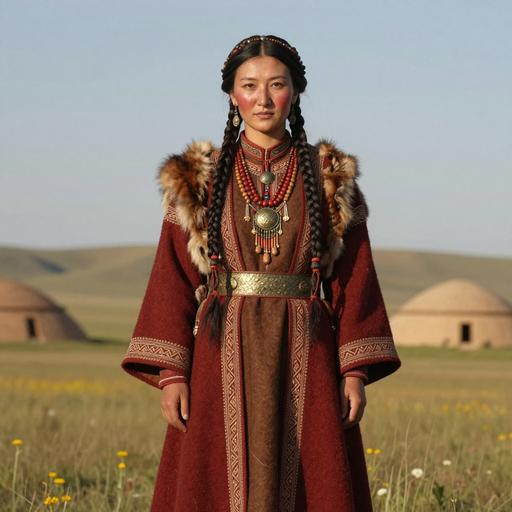
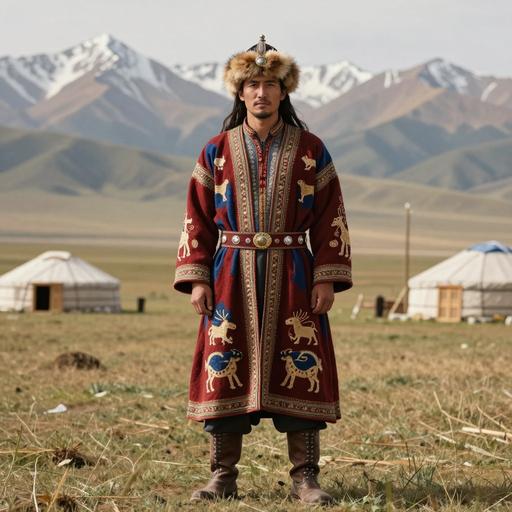
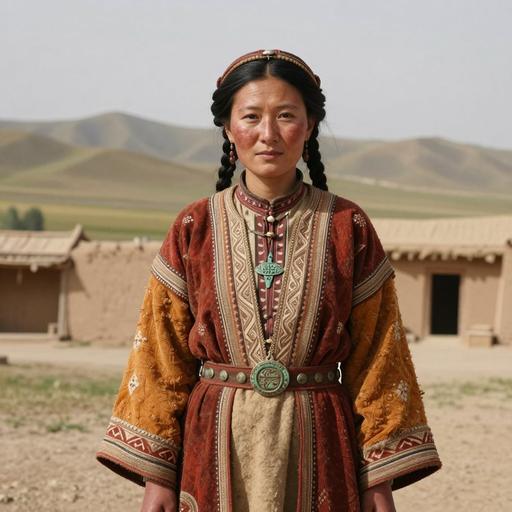
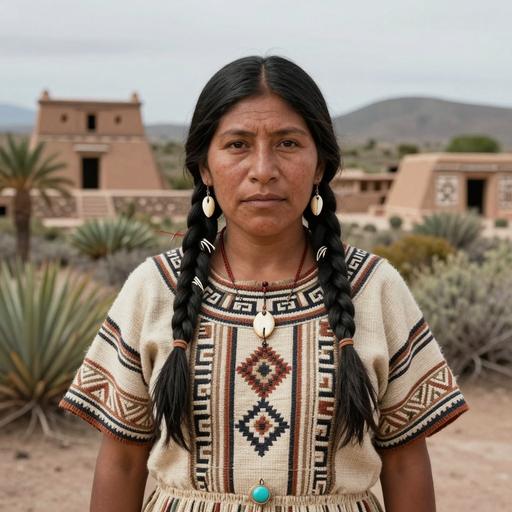
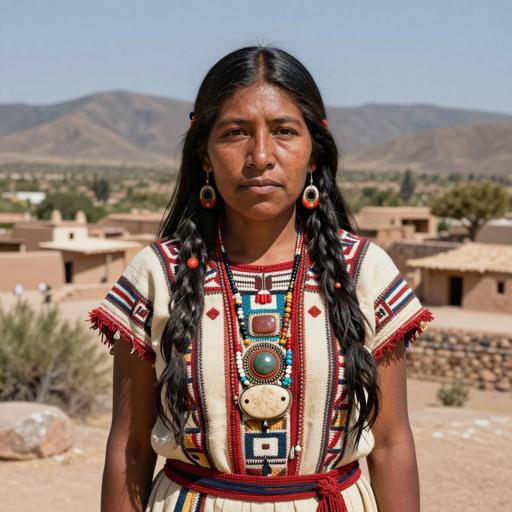
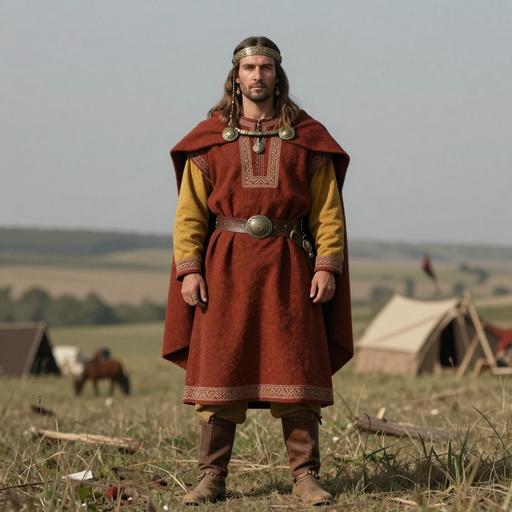
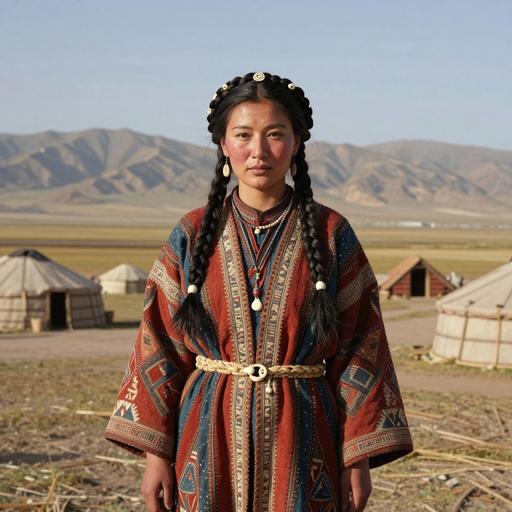
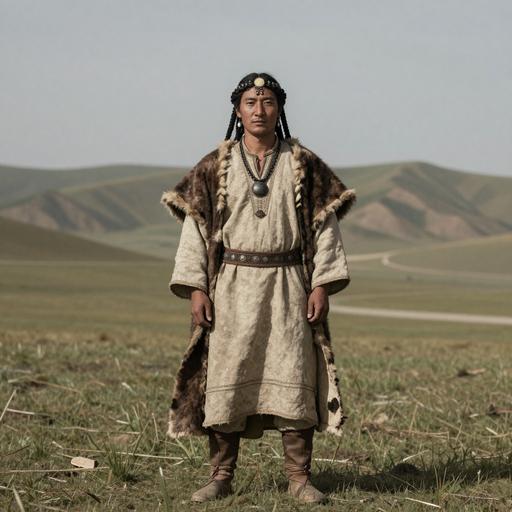
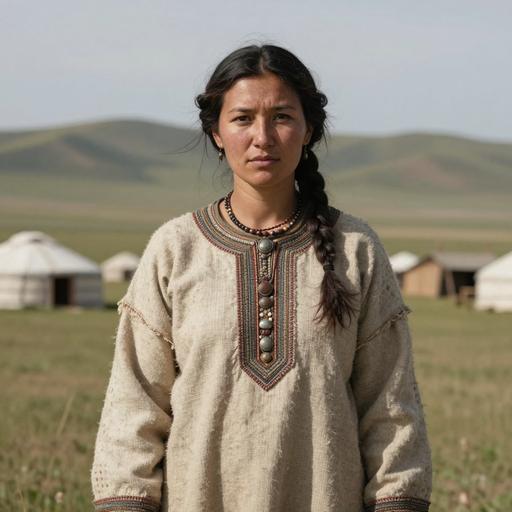
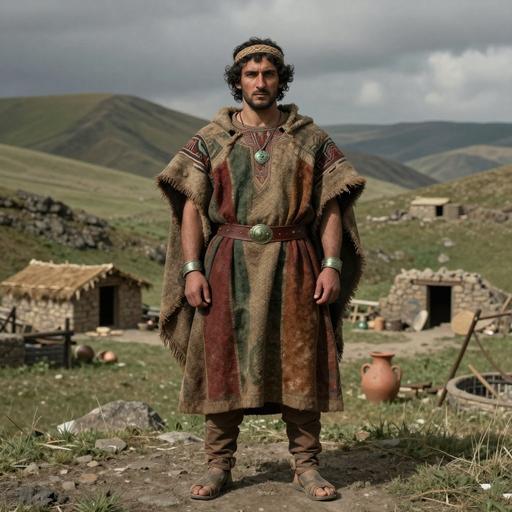
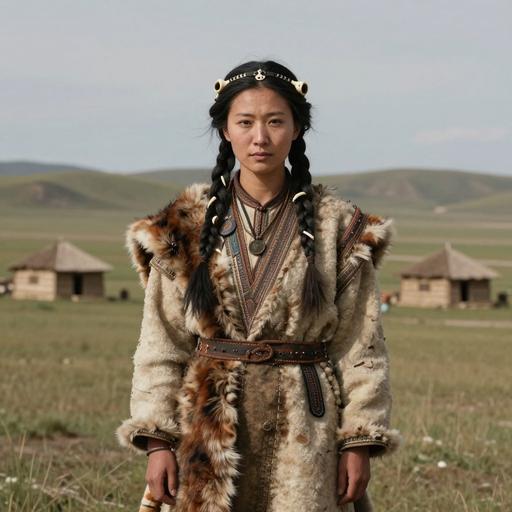
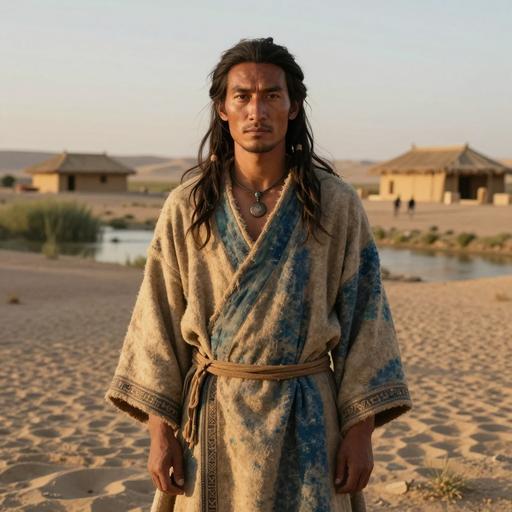
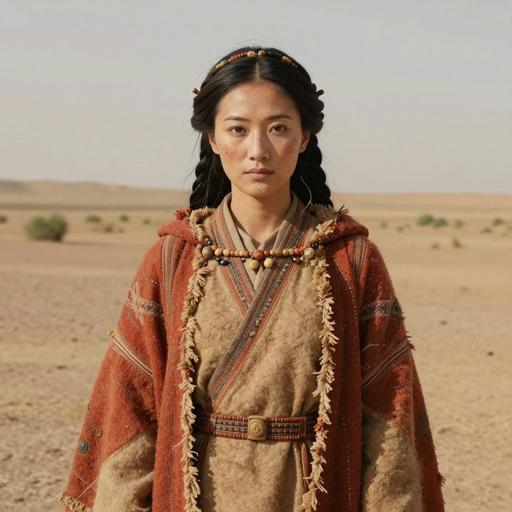
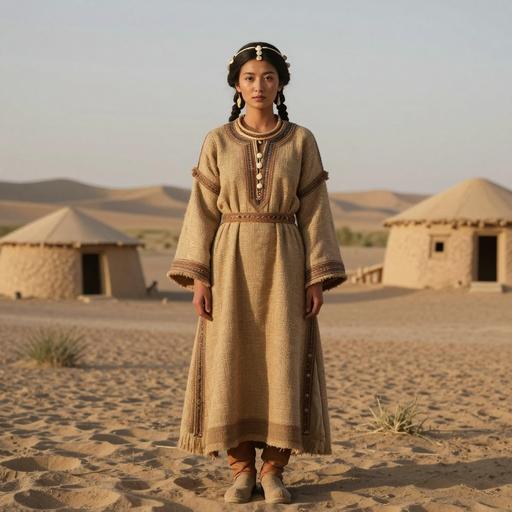
Les portraits sont des illustrations générées par IA. Les libellés d'échantillon et identifiants d'accès désignent les enregistrements de référence.
Portrait
Échantillon
Pays
Époque
Date
Culture
mtDNA
Correspondance
Identifiant d'échantillon : CAO029
Cuba
Archaic Period Canimar Abajo, Cuba
601-654 calCE (1423±20 BP, MAMS-44084)
Canimar Abajo
C
Direct
Identifiant d'échantillon : CAO022026
Cuba
Archaic Period Canimar Abajo, Cuba
605-660 calCE (1402±20 BP, MAMS-44077)
Canimar Abajo
C
Direct
Identifiant d'échantillon : CAO032
Cuba
Cuba PreCeramic
650-900 CE
Cuban Preceramic
C
Direct
Identifiant d'échantillon : SN-12
USA
Late San Nicolas Island, California, USA
663 CE - 872 CE
Island Chumash
C
Direct
Identifiant d'échantillon : SN-12
USA
The First Peoples of North America
663 CE - 872 CE
C
Direct
Identifiant d'échantillon : I0324
Peru
Early Intermediate Period El Brujo, Peru 1,300 Years Ago
710-1015 calCE (1388±18 BP, MAMS-25006)
El Brujo
C
Direct
Identifiant d'échantillon : I11244
USA
Native American (Ohlone/Costanoan)
988-1163 calCE (1065±, EZV-00225)
Ohlone
C
Direct
Identifiant d'échantillon : I13740
Bahamas
Ceramic Period Eleuthera Island, Bahamas
1000-1250 CE
Lucayan
C
Direct
Identifiant d'échantillon : LU-01
Canada
Arctic Small Tool Tradition, Canada
1200 CE - 1450 CE
Arctic Small Tool
C
Direct
Identifiant d'échantillon : LU-01
Canada
The First Peoples of North America
1200 CE - 1450 CE
C
Direct
Identifiant d'échantillon : I19505
Mexico
Trincheras Culture La Playa 550 Before Present
1311-1410 calCE (580±20 BP, PSUAMS-12696)
Trincheras
C
Direct
Identifiant d'échantillon : I12358
Argentina
Mitre Peninsula Haush Culture 400 Years Ago
1330-1650 calCE (820±40 BP, UGAMS-5151)
Haush
C
Direct
Identifiant d'échantillon : CDE004
Cuba
Ceramic Period Cueva Esqueletos, Cuba
1412-1450 calCE (480±22 BP, MAMS-44096)
Cueva Esqueletos
C
Direct
Identifiant d'échantillon : KMA-15A-1
Peru
Pre-Columbian America
1420 CE - 1532 CE
Pre-Columbian
C
Direct
Identifiant d'échantillon : CDE002
Cuba
Ceramic Period Cueva Esqueletos, Cuba
1436-1490 calCE (420±20 BP, MAMS-44094)
Cueva Esqueletos
C
Direct
Identifiant d'échantillon : ARS013
Mongolia
Late Bronze Age Khovsgol 6, Mongolia
1446-1204 calBCE (3074±49 BP, A-)
Khovsgol Culture
C
Direct
Identifiant d'échantillon : NEO80
Russia
Ob River Comb-Pit Ware Culture
3641-3376 calBCE (4757±54 BP, UBA-39952)
Ob River
C
Direct
Identifiant d'échantillon : I24540
Belize
Belize 3,600 Years Ago
3708-3543 calBCE (4875±25 BP, PSUAMS-7428)
Archaic Belize
C
Direct
Identifiant d'échantillon : F9
Mexico
Pre-Columbian Mexico
1000-1200 CE
Pre-Columbian Mexican
C
Direct
Identifiant d'échantillon : I12362
Argentina
North Tierra del Fuego La Arcillosa 2 Site 5800 Years Ago
4040-3710 calBCE (5205±58 BP, AA-60935)
La Arcillosa
C
Direct
Identifiant d'échantillon : FRS002
Russia
Altai-Sayan peoples of Russia
5521-5378 calBCE (6500±24 BP, MAMS-48706)
Altai-Sayan
C
Direct
Identifiant d'échantillon : FNO003
Russia
Pre-Bronze Age Buryatia, Russia
6000-5700 BCE
Early Buryat
C
Direct
Identifiant d'échantillon : I26705
Croatia
Roman Croatia
1-200 CE
Roman Croatia
C1
Sous-clade
Identifiant d'échantillon : C3316
China
China Xinjiang Guanjingtai IA
200 BCE - 50 CE
Guanjingtai Culture
C4
Sous-clade
Identifiant d'échantillon : SKT007
Mongolia
Xiongnu to Late Medieval Khuvsgul, Mongolia
200-1 BCE
Khuvsgul Transition
C4
Sous-clade
Identifiant d'échantillon : BRE007
Kazakhstan
Iron Age Kazakhstan
234-326 calCE (1789±13 BP)
Kazakh Iron Age
C4
Sous-clade
Identifiant d'échantillon : DA47
Kyrgyzstan
Kyrgyzstan TianShan Saka
344 BCE - 10 CE
Saka Culture
C4
Sous-clade
Identifiant d'échantillon : DA47
Kyrgyzstan
The Scythian and Saka Cultures
344 BCE - 10 CE
C4
Sous-clade
Identifiant d'échantillon : C1637
China
China Xinjiang Wutulan IA
349-57 calBCE
Wutulan Culture
C4
Sous-clade
Identifiant d'échantillon : C787
China
Iron Age Tangbalesayi, Xinjiang, China
400-150 BCE
Tangbalesayi Culture
C4
Sous-clade
Identifiant d'échantillon : C4278
China
China Xinjiang Wulanbuluke IA
400-150 BCE
Wulanbuluke Culture
C4
Sous-clade
Identifiant d'échantillon : C4280
China
China Xinjiang Wulanbuluke IA
400-150 BCE
Wulanbuluke Culture
C4
Sous-clade
Identifiant d'échantillon : C4127
China
China Xinjiang Abusanteer IA
390-202 calBCE
Abusanteer Culture
C4
Sous-clade
Identifiant d'échantillon : C1359
China
China Xinjiang Jirentaigoukou EIA
450-200 BCE
Early Iron Age Chinese
C4
Sous-clade
Identifiant d'échantillon : I17108
Mexico
Tayopa (Mexico)
500-1400 CE
Tayopa
C1
Sous-clade
Identifiant d'échantillon : I17113
Mexico
Mexico Tayopa 1000BP
500-1400 CE
Tayopa
C1
Sous-clade
Identifiant d'échantillon : RKF154
Hungary
Hungary MiddleLateAvar
650-800 CE
Avar
C4
Sous-clade
Identifiant d'échantillon : KK2-670
Hungary
Hungary LateAvar
750 CE - 800 CE
Avar Culture
C4
Sous-clade
Identifiant d'échantillon : C4132
China
China Xinjiang Abusanteer IA
800-200 BCE
Abusanteer Culture
C4
Sous-clade
Identifiant d'échantillon : C4273
China
China Xinjiang Abusanteer IA
800-200 BCE
Abusanteer Culture
C4
Sous-clade
Identifiant d'échantillon : Ze6b
Kazakhstan
Iron Age 2 Zevakino-Chilikta, Kazakhstan
900-600 BCE
Zevakino-Chilikta Culture
C4
Sous-clade
Identifiant d'échantillon : I19326
Armenia
Late Bronze Age to Early Iron Age Armenia
1250-1150 BCE
Armenian LBA-EIA
C1
Sous-clade
Identifiant d'échantillon : ULN006
Mongolia
Middle to Late Bronze Age to Xiongnu to Late Medieval Sukhbaatar, Mongolia
Canada Arctic Small Tool Tradition, Canada 1200 CE - 1450 CE
CDirect
Identifiant d'échantillon : LU-01
Canada The First Peoples of North America 1200 CE - 1450 CE
CDirect
Identifiant d'échantillon : I19505
Trincheras Culture La Playa 550 Before Present - Mexico - La Playa (Sonora, Cerro Trincheras, Terraza B9)
Mexico Trincheras Culture La Playa 550 Before Present 1311-1410 calCE (580±20 BP, PSUAMS-12696)
CDirect
Identifiant d'échantillon : I12358
Mitre Peninsula Haush Culture 400 Years Ago - Argentina - Tierra del Fuego. Mitre Peninusula. Caleta Falsa
Argentina Mitre Peninsula Haush Culture 400 Years Ago 1330-1650 calCE (820±40 BP, UGAMS-5151)
CDirect
Identifiant d'échantillon : CDE004
Ceramic Period Cueva Esqueletos, Cuba - Cuba - Camagüey. Sierra de Cubitas. Cueva de los Esqueletos 1
Cuba Ceramic Period Cueva Esqueletos, Cuba 1412-1450 calCE (480±22 BP, MAMS-44096)
CDirect
Identifiant d'échantillon : KMA-15A-1
Pre-Columbian America - Peru - Machu Picchu
Peru Pre-Columbian America 1420 CE - 1532 CE
CDirect
Identifiant d'échantillon : CDE002
Ceramic Period Cueva Esqueletos, Cuba - Cuba - Camagüey. Sierra de Cubitas. Cueva de los Esqueletos 1
Cuba Ceramic Period Cueva Esqueletos, Cuba 1436-1490 calCE (420±20 BP, MAMS-44094)
CDirect
Identifiant d'échantillon : ARS013
Late Bronze Age Khovsgol 6, Mongolia - Mongolia - Khovsgol aimag. Arbulag sorum
Mongolia Late Bronze Age Khovsgol 6, Mongolia 1446-1204 calBCE (3074±49 BP, A-)
CDirect
Identifiant d'échantillon : NEO80
Ob River Comb-Pit Ware Culture - Russia - Borovyanka-17 (Omsk Oblast, Bolsherechensky District, Borovyanka Village)
Russia Ob River Comb-Pit Ware Culture 3641-3376 calBCE (4757±54 BP, UBA-39952)
CDirect
Identifiant d'échantillon : I24540
Belize 3,600 Years Ago - Belize - Mayahak Cab Pek
Belize Belize 3,600 Years Ago 3708-3543 calBCE (4875±25 BP, PSUAMS-7428)
CDirect
Identifiant d'échantillon : F9
Pre-Columbian Mexico - Mexico - Sierra Tarahumara
Mexico Pre-Columbian Mexico 1000-1200 CE
CDirect
Identifiant d'échantillon : I12362
North Tierra del Fuego La Arcillosa 2 Site 5800 Years Ago - Argentina - Tierra del Fuego (North). La Arcillosa 2
Argentina North Tierra del Fuego La Arcillosa 2 Site 5800 Years Ago 4040-3710 calBCE (5205±58 BP, AA-60935)
CDirect
Identifiant d'échantillon : FRS002
Altai-Sayan peoples of Russia - Russia - Firsovo (Altai Krai, Pervomaysky District, Firsovo Village)
Russia Altai-Sayan peoples of Russia 5521-5378 calBCE (6500±24 BP, MAMS-48706)
CDirect
Identifiant d'échantillon : FNO003
Pre-Bronze Age Buryatia, Russia - Russia - Buryatia. Fofonovo
Russia Pre-Bronze Age Buryatia, Russia 6000-5700 BCE
CDirect
Identifiant d'échantillon : I26705
Roman Croatia - Croatia - Trogir-Dragulin (Split-Dalmatia County, Grad Trogir)
Croatia Roman Croatia 1-200 CE
C1Sous-clade
Identifiant d'échantillon : C3316
Iron Age Guanjingtai, Xinjiang, China - China - Xinjiang. Yili Region. Nileke County. Guanjingtai
China China Xinjiang Guanjingtai IA 200 BCE - 50 CE
C4Sous-clade
Identifiant d'échantillon : SKT007
Xiongnu to Late Medieval Khuvsgul, Mongolia - Mongolia - Khuvsgul. Salkhityn Am
Mongolia Xiongnu to Late Medieval Khuvsgul, Mongolia 200-1 BCE
C4Sous-clade
Identifiant d'échantillon : BRE007
Iron Age Kazakhstan - Kazakhstan - Central Kazakhstan. Berel Necropolis. object 76
Kazakhstan Iron Age Kazakhstan 234-326 calCE (1789±13 BP)
C4Sous-clade
Identifiant d'échantillon : DA47
Saka Culture in Kyrgyzstan - Kyrgyzstan - Tian Shan. Central Steppe
Kyrgyzstan Kyrgyzstan TianShan Saka 344 BCE - 10 CE
C4Sous-clade
Identifiant d'échantillon : DA47
Kyrgyzstan The Scythian and Saka Cultures 344 BCE - 10 CE
C4Sous-clade
Identifiant d'échantillon : C1637
Iron Age Wutulan, Xinjiang, China - China - Xinjiang. Yili Region. Nileke County. Wutulan
China China Xinjiang Wutulan IA 349-57 calBCE
C4Sous-clade
Identifiant d'échantillon : C787
Iron Age Tangbalesayi, Xinjiang, China - China - Xinjiang. Yili Region. Nileke County. Tangbalesayi
China Iron Age Tangbalesayi, Xinjiang, China 400-150 BCE
C4Sous-clade
Identifiant d'échantillon : C4278
Iron Age Wulanbuluke, Xinjiang, China - China - Xinjiang. Yili Region. Nileke County. Wulanbuluke
China China Xinjiang Wulanbuluke IA 400-150 BCE
C4Sous-clade
Identifiant d'échantillon : C4280
Iron Age Wulanbuluke, Xinjiang, China - China - Xinjiang. Yili Region. Nileke County. Wulanbuluke
China China Xinjiang Wulanbuluke IA 400-150 BCE
C4Sous-clade
Identifiant d'échantillon : C4127
Iron Age Abusanteer, Xinjiang, China - China - Xinjiang. Yili Region. Chabuchaer County. Abusanteer
China China Xinjiang Abusanteer IA 390-202 calBCE
C4Sous-clade
Identifiant d'échantillon : C1359
Early Iron Age China - China - Xinjiang. Yili Region. Nileke County. Jirentaigoukou
China China Xinjiang Jirentaigoukou EIA 450-200 BCE
C4Sous-clade
Identifiant d'échantillon : I17108
Tayopa (Mexico) - Mexico - Tayopa Site #60 (Sonora, Sahuaripa)
Mexico Tayopa (Mexico) 500-1400 CE
C1Sous-clade
Identifiant d'échantillon : I17113
Tayopa Culture - Mexico - Tayopa Site #63 (Sonora, Sahuaripa)
Mexico Mexico Tayopa 1000BP 500-1400 CE
C1Sous-clade
Identifiant d'échantillon : RKF154
Middle to Late Avar Period - Hungary - Rákóczifalva-Bagi-földek (Jász-Nagykun-Szolnok Coiunty, Szolnok)
Hungary Hungary MiddleLateAvar 650-800 CE
C4Sous-clade
Identifiant d'échantillon : KK2-670
Late Avar Period Hungary - Hungary - Csongrád-Csanád County. Kiskundorozsma-KettőshatárII
Hungary Hungary LateAvar 750 CE - 800 CE
C4Sous-clade
Identifiant d'échantillon : C4132
Iron Age Abusanteer, Xinjiang, China - China - Xinjiang. Yili(Ili) Region. Chabuchaer(Qapqal) County. Abusanteer
China China Xinjiang Abusanteer IA 800-200 BCE
C4Sous-clade
Identifiant d'échantillon : C4273
Iron Age Abusanteer, Xinjiang, China - China - Xinjiang. Yili Region. Chabuchaer County. Abusanteer
China China Xinjiang Abusanteer IA 800-200 BCE
C4Sous-clade
Identifiant d'échantillon : Ze6b
Iron Age 2 Zevakino-Chilikta, Kazakhstan - Kazakhstan - Zevakino. East Kazakhstan
Kazakhstan Iron Age 2 Zevakino-Chilikta, Kazakhstan 900-600 BCE
C4Sous-clade
Identifiant d'échantillon : I19326
Late Bronze Age to Early Iron Age Armenia - Armenia - Noratus
Armenia Late Bronze Age to Early Iron Age Armenia 1250-1150 BCE
C1Sous-clade
Identifiant d'échantillon : ULN006
Middle to Late Bronze Age to Xiongnu to Late Medieval Sukhbaatar, Mongolia - Mongolia - Sukhbaatar. Ulaanzuukh
Mongolia Middle to Late Bronze Age to Xiongnu to Late Medieval Sukhbaatar, Mongolia 1650 BCE - 1350 CE
C4Sous-clade
Identifiant d'échantillon : L6101
Bronze Age Xiaohe, Xinjiang, China - China - Xinjiang. Xiaohe
China China Xinjiang Xiaohe BA 1767-1623 calBCE
C4Sous-clade
Identifiant d'échantillon : L6103
Bronze Age Xiaohe, Xinjiang, China - China - Xinjiang. Xiaohe
China China Xinjiang Xiaohe BA 1785-1664 calBCE
C4Sous-clade
Identifiant d'échantillon : 11KBM1
Bronze Age Beifang Xiaohe, Xinjiang, China - China - Xinjiang. Beifang
China Bronze Age Beifang Xiaohe, Xinjiang, China 1874 BCE - 1641 BCE
C4Sous-clade
Identifiant d'échantillon : XHM100
Bronze Age Xiaohe, Xinjiang, China - China - Xinjiang. Xiaohe
China China Xinjiang Xiaohe BA 1882-1742 calBCE (3479±20 BP) [R_Combine: (3470±30 BP, Beta), (3485±25 BP; LZU-)]
C4Sous-clade
Identifiant d'échantillon : XHM135
Bronze Age Xiaohe, Xinjiang, China - China - Xinjiang. Xiaohe
China China Xinjiang Xiaohe BA 1918-1750 calBCE (3515±20 BP) [R_Combine: (3500±30 BP, Beta), (3525±25 BP, LZU-)]
C4Sous-clade
Identifiant d'échantillon : XHM110
Bronze Age Xiaohe, Xinjiang, China - China - Xinjiang. Xiaohe
China China Xinjiang Xiaohe BA 2050-1850 BCE
C4Sous-clade
Identifiant d'échantillon : XHM75
Bronze Age Xiaohe, Xinjiang, China - China - Xinjiang. Xiaohe
China China Xinjiang Xiaohe BA 2050-1850 BCE
C4Sous-clade
LIGNÉE MATERNELLE · ADN ANTIQUE
Carte des preuves de lignées antiques
Suivez les clades parents jusqu'à cette branche et explorez où des porteurs antiques ont été identifiés.
Chargement des observations antiques…
La réduction des animations est activée. Utilisez la chronologie ou Tout afficher pour explorer à votre rythme.
Lire les observations sous forme de tableau
Observations antiques affichées par branche, période et date médiane
Branche
Période
Plage de dates
Échantillon
Identifiant d'échantillon
Emplacement
Haplogroupe
Relation
Les marqueurs indiquent des lieux de découvertes archéologiques. Un trait pointillé représente une transition géographique proposée et incertaine entre branches consécutives, appuyée sur plusieurs observations datées ; ce n'est pas un itinéraire exact, un lieu de naissance ni une preuve de descendance directe. Des échantillons de clades parents peuvent appartenir à d'autres branches descendantes. Des lacunes subsistent lorsque les preuves sont insuffisantes. Les dates d'échantillon diffèrent des dates de formation des haplogroupes.
Le regroupement par période historique reflète quand chaque individu antique a vécu, en combinant toutes les branches de cette chaîne de lignée ; ce n'est pas une séquence migratoire ni une chronologie personnelle entre périodes.
Profil de référence
Carte de répartition des porteurs
Répartition géographique de 75 échantillons d'ADN ancien (porteurs directs et de sous-clade de C)
Porteur direct Porteur de sous-clade
Filtre de période
Toutes les périodes
Affichage de tous les échantillons
Profil de référence
Répartition temporelle
Répartition des porteurs selon les périodes archéologiques
Profil de référence
Répartition géographique
Effectifs par pays d'échantillon consigné. Ils reflètent la sélection de référence disponible, pas des fréquences de population.
Profil de référence
Répartition pays × époque
Comparez les effectifs d'échantillons consignés selon les pays et les périodes archéologiques. Sélectionnez une cellule renseignée pour examiner un échantillon.
Données
Données et provenance
Informations sur les sources et qualité des données
Dernière mise à jour2026-02-09
Source des données
La classification, les dates estimées et le contexte géographique reflètent les données de référence consignées et peuvent évoluer lorsque les éléments sont révisés. La couverture d'échantillons est inégale ; les lieux consignés et les associations archéologiques n'établissent pas une origine personnelle ni une identité culturelle.
Un haplogroupe suit une seule lignée maternelle ou paternelle. La branche que l’on peut prédire dépend des marqueurs présents dans le fichier ADN.
Nos méthodes d’analyse