Un perfil de referencia de una rama de linaje. Compartir haplogrupos no demuestra una relación familiar ni una identidad cultural.
Perfil de referencia
Contexto de la rama
Contexto histórico de la rama de linaje mtDNA C
Origins and Evolution
Haplogroup C is a descendant of macro-haplogroup M (frequently discussed as part of the M8'CZ assemblage) and likely formed in northeast Asia or the Siberian region during the Late Pleistocene, roughly ~30–40 kya. From this regional origin, lineages derived from C diversified in Siberia and adjacent parts of East and Central Asia. Some subclades later moved into Beringia and contributed to the maternal gene pool of the first peoples of the Americas during the Late Pleistocene / early Holocene.
Subclades
Haplogroup C comprises several geographically structured subclades with distinct histories:
C1 — best known as one of the founding Native American mtDNA lineages (with subbranches C1b, C1c, C1d, C1a); present in Siberia and throughout North and South America among indigenous populations.
C4 — frequent in Siberia, northeastern Europe in some ancient contexts, and parts of Central Asia; often associated with northern Asian hunter-gatherer groups.
C5 — observed in parts of South Asia and Central Asia at low-to-moderate frequency.
C2 / C7 / other east Asian subclades — occur at low-to-moderate frequencies across East and Southeast Asia (Mongolia, China, Korea, Japan) and reflect local diversification.
These subclades show a pattern of deep regional splits followed by localized expansions, consistent with repeated pulses of population movement across northern Asia and into the Americas.
Geographical Distribution
Today haplogroup C is broadly distributed but uneven in frequency. It is common among many Siberian and other northern Asian indigenous groups, present at moderate frequencies in East and Central Asia, and is one of the principal maternal lineages among indigenous peoples of the Americas (especially through C1). Lower-frequency occurrences are found in parts of South Asia and, rarely, in Europe (generally associated with historical or ancient contacts).
Ancient DNA studies have recovered C-lineages from Late Pleistocene and Holocene remains in Siberia and the Americas, supporting the role of C in the peopling of Beringia and subsequent colonization of the Americas.
Historical and Cultural Significance
Haplogroup C is particularly important for studying the peopling of the Americas, since C1 is part of the set of founding maternal lineages that entered the Americas via Beringia during the terminal Pleistocene. In northern Eurasia, C subclades mark connections among Paleo-Siberian hunter-gatherers, steppe-edge groups, and later populations in Central and East Asia. Its presence (and subclade structure) in modern and ancient samples helps reconstruct migration routes, timing, and the demographic impact of hunter-gatherer expansions and later farmer/steppe interactions.
C lineages are therefore commonly used in population genetic studies that aim to resolve movements across Siberia, the Bering land bridge, and into the Americas as well as localized demographic processes within East, Central, and South Asia.
Conclusion
mtDNA haplogroup C represents a northern Asian Late Pleistocene maternal lineage that diversified regionally across Siberia, East and Central Asia and played a key role as one of the maternal sources for the first peoples of the Americas. Its multiple subclades provide a useful framework for tracing migrations across northern Eurasia and timing the eventual dispersal into the New World.
Puntos clave
Origins and Evolution
Subclades
Geographical Distribution
Historical and Cultural Significance
Conclusion
Perfil de referencia
Árbol y relaciones
Contexto filogenético y subclados
Trayectoria evolutiva
Sigue las ramas superiores registradas hasta C. Las fechas son estimaciones y pueden cambiar al revisarse los datos de referencia.
The populations where mtDNA haplogroup C is found include:
Indigenous peoples of the Americas (Native American groups across North and South America)
Siberian ethnic groups (e.g., Yakut, Evenk, Nenets, Chukchi)
Mongolic and Tungusic-speaking populations (e.g., Mongolians, Buryats, Evens)
East Asian populations (e.g., some Han, Koreans, Japanese)
Central Asian populations (e.g., Kazakhs, Altaians, Tuvans)
Selected South Asian groups (low-to-moderate frequencies in parts of India and Tibet)
Arctic and sub-Arctic peoples (e.g., Inuit and certain Yupik groups via C sublineages)
Occasional occurrences in northern and eastern Europe in ancient or admixed contexts
Contexto histórico
Una rama a través del tiempo
Formación estimada en una cronología histórica amplia. Los marcadores temporales aportan contexto y no implican relación con culturas concretas.
~50k años de antigüedad
Paleolítico superior
Desarrollo de herramientas, arte y diversidad cultural
~35k años de antigüedad
Haplogrupo C
Formación estimada de esta rama de mtDNA; las fechas y ubicaciones son estimaciones de referencia.
Esta rama
~20k años de antigüedad
Último máximo glacial
Máxima extensión de la última glaciación y aislamiento de poblaciones
~10k años de antigüedad
Revolución neolítica
Inicio de la agricultura y formación de comunidades sedentarias
~5k años de antigüedad
Edad del Bronce
Metalurgia, escritura y primeras civilizaciones
~3k años de antigüedad
Edad del Hierro
Herramientas de hierro y ampliación de redes comerciales
~2.5k años de antigüedad
Antigüedad clásica
Desarrollo de las civilizaciones griega y romana
Actualidad
Actualidad
Época moderna
Perfil de referencia
Contexto arqueológico
Asociaciones arqueológicas registradas para la rama mtDNA C
Asociaciones registradas
Estas etiquetas describen contextos arqueológicos registrados para las muestras de referencia enlazadas a C. Una asociación no demuestra que todos los portadores pertenecieran a una cultura ni siguieran una ruta migratoria concreta.
Las atribuciones culturales se basan en el contexto arqueológico de las muestras de ADN antiguo y pueden representar asociaciones regionales de periodos concretos.
Perfil de referencia
Catálogo de muestras
22 portadores directos y 53 portadores de subclados del haplogrupo C
10 mostradas · 50 muestras coincidentes
Ninguna muestra coincide con estos filtros. Prueba otra etiqueta, ubicación o periodo.
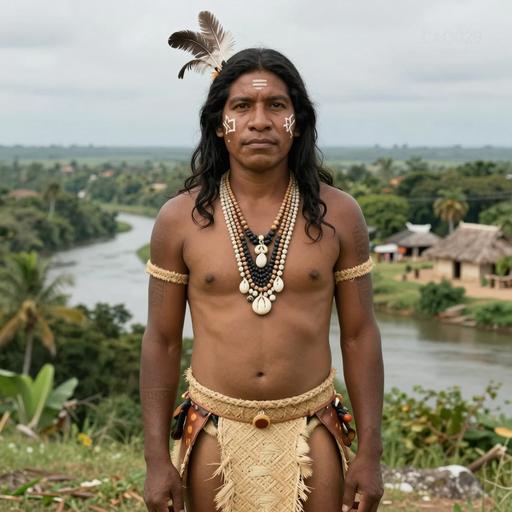
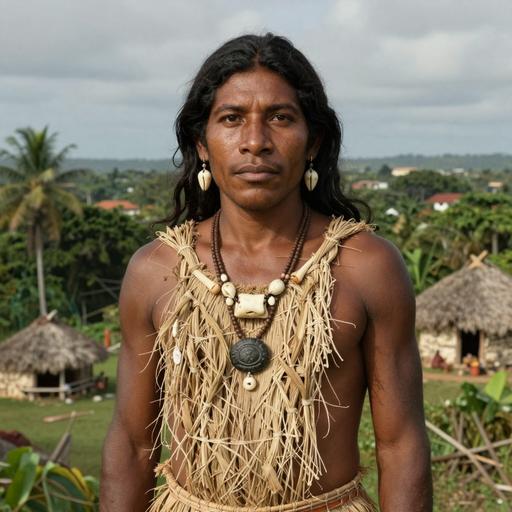
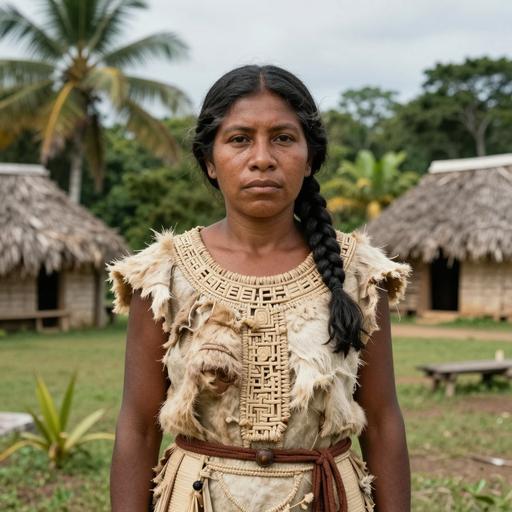
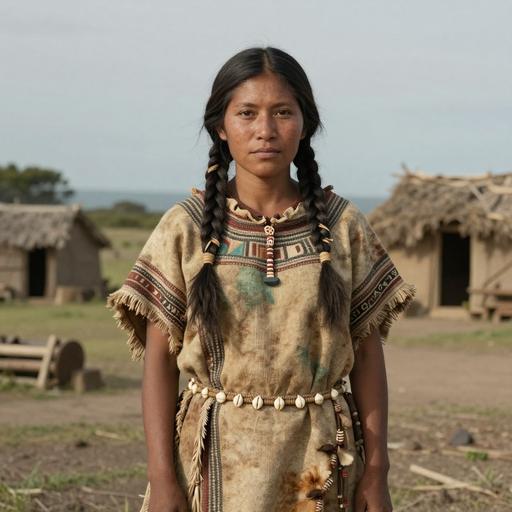
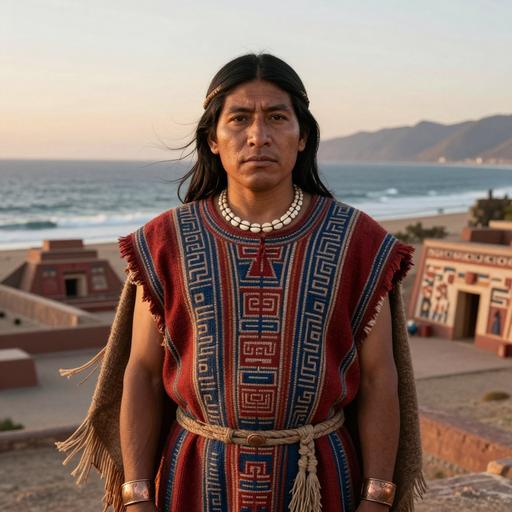
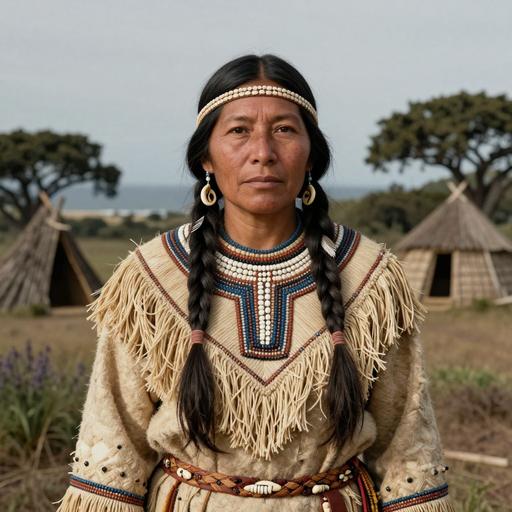
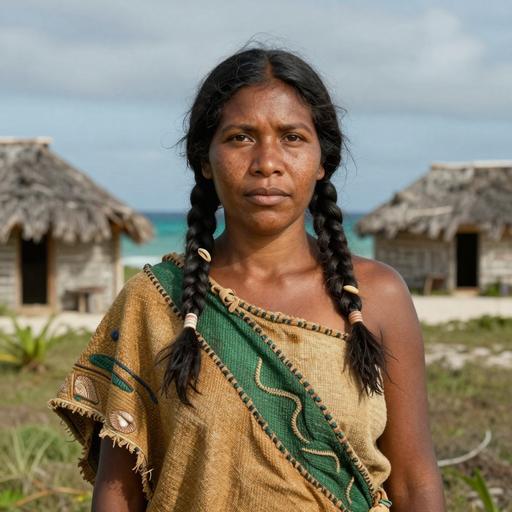
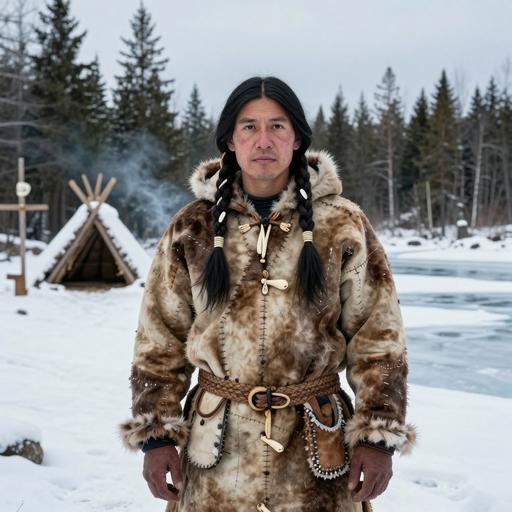
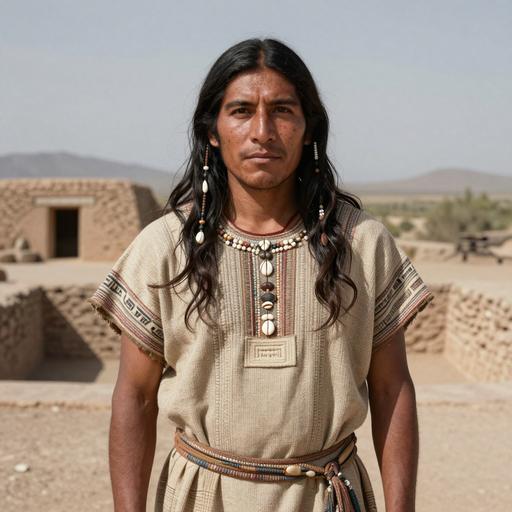
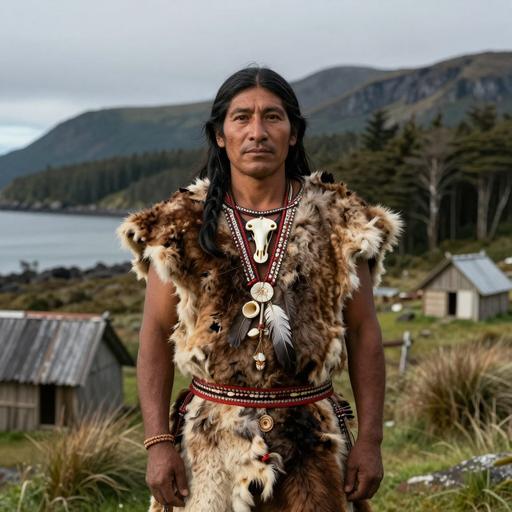
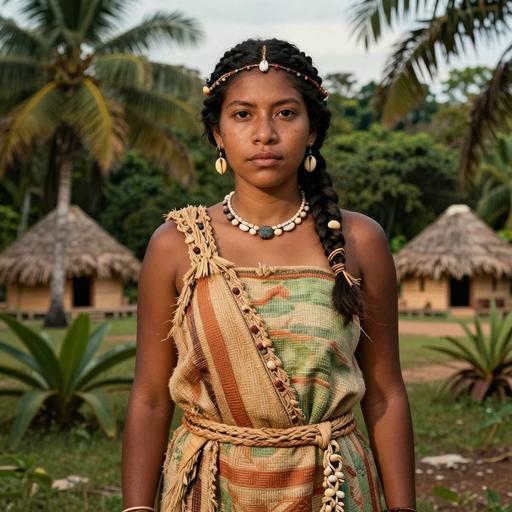
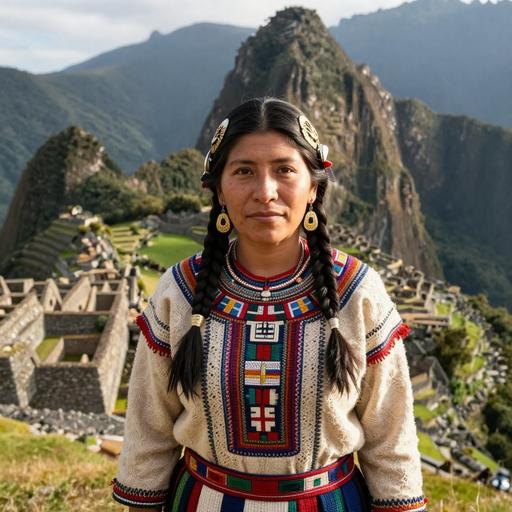
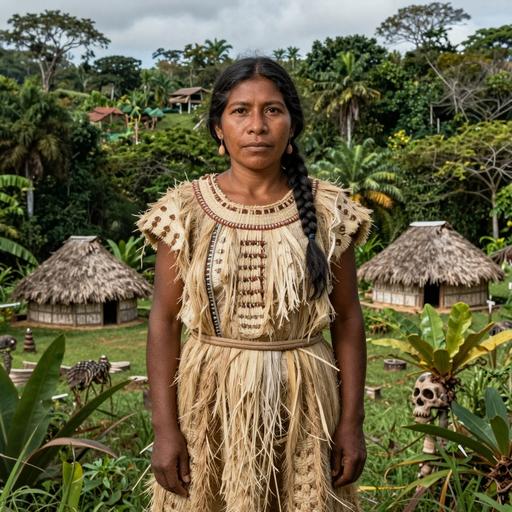
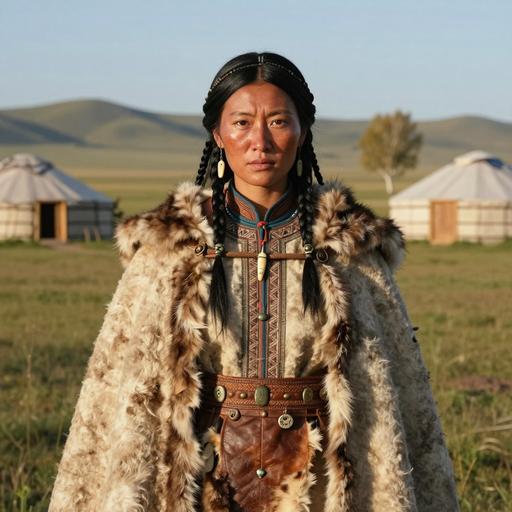
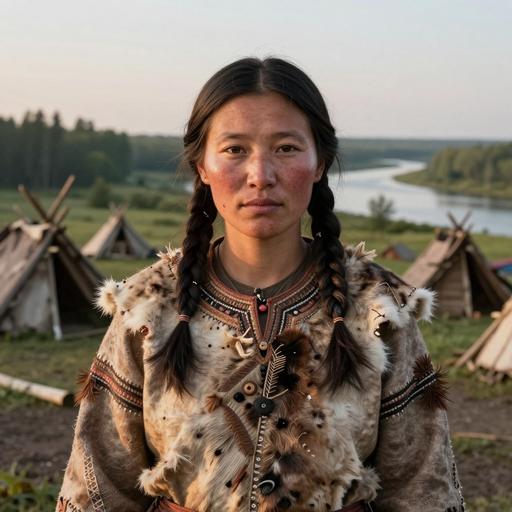
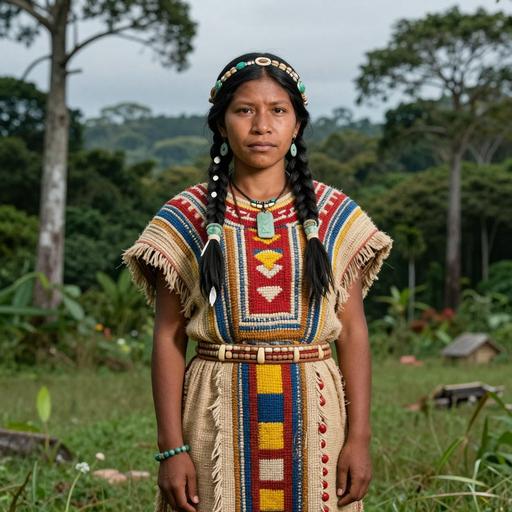
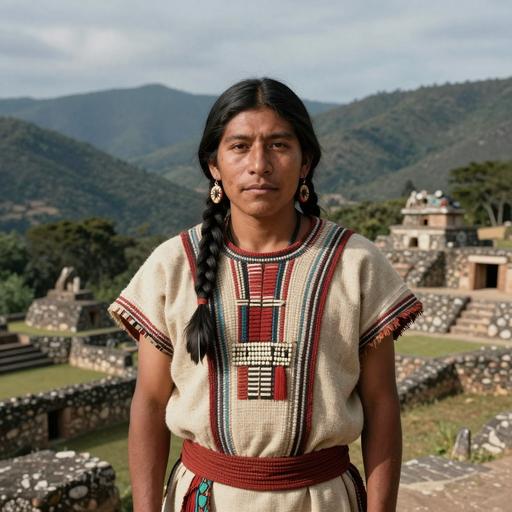
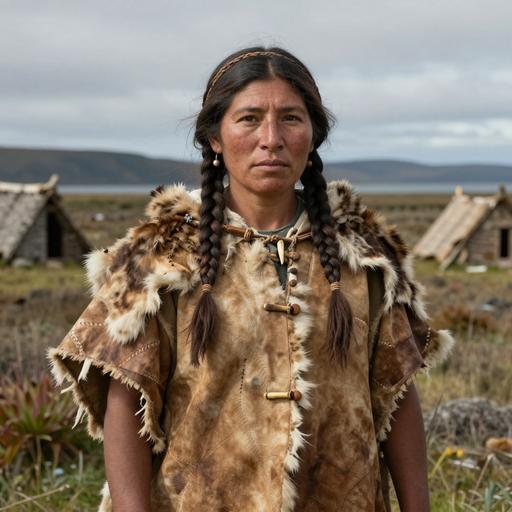
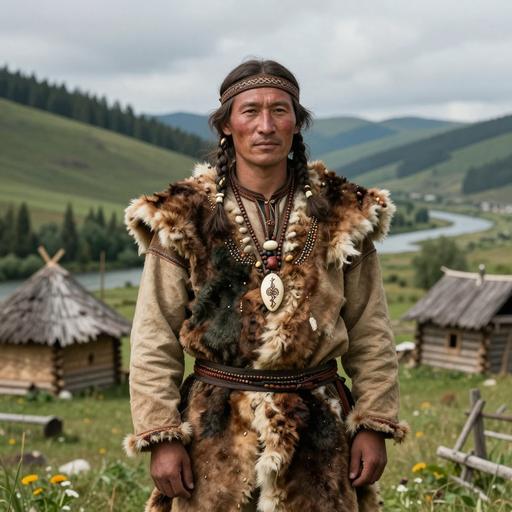
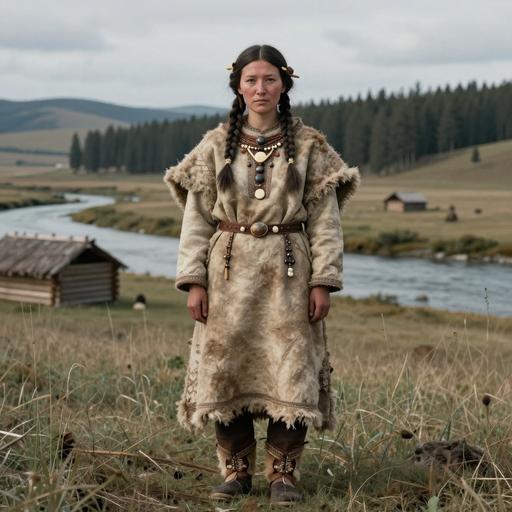
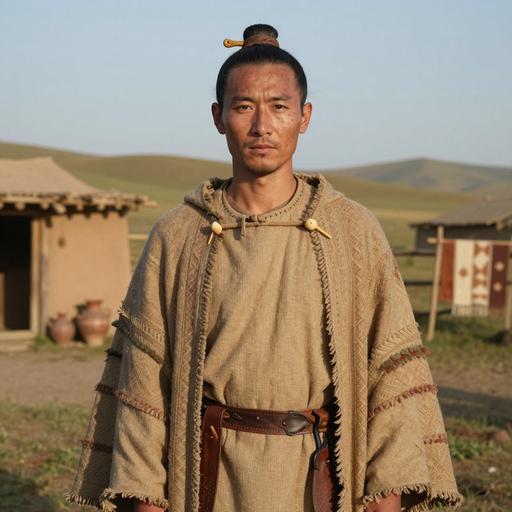
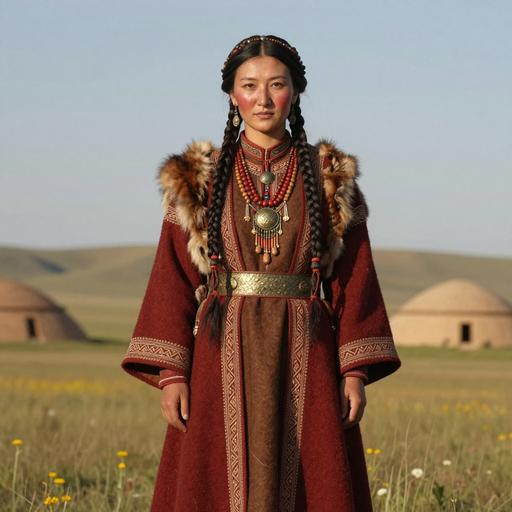
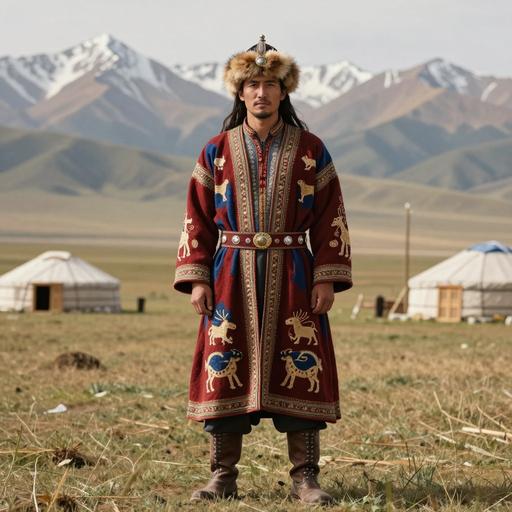
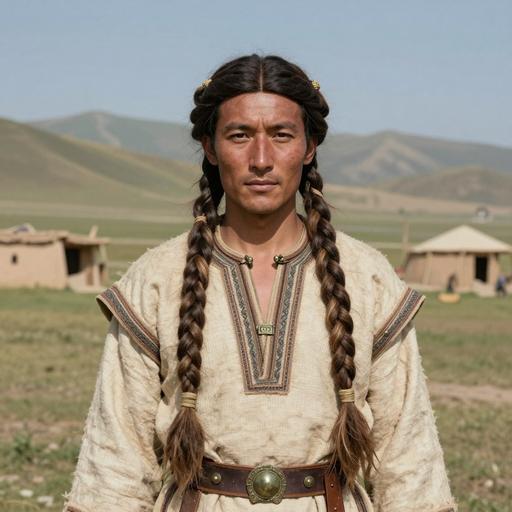
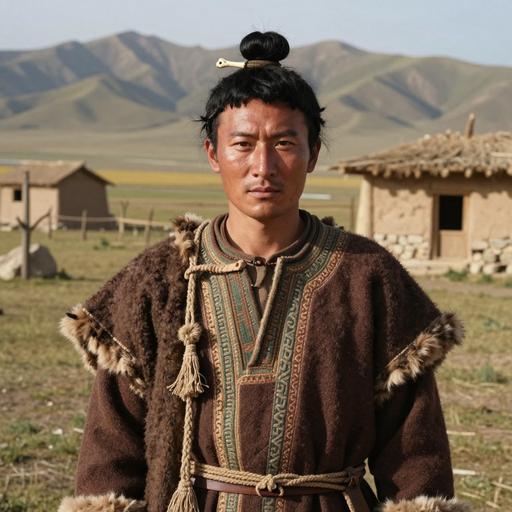
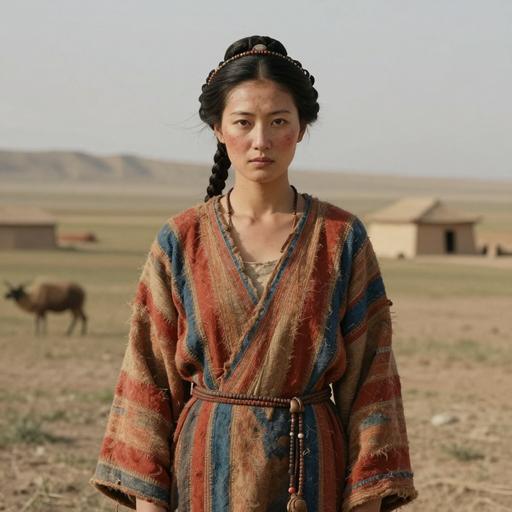
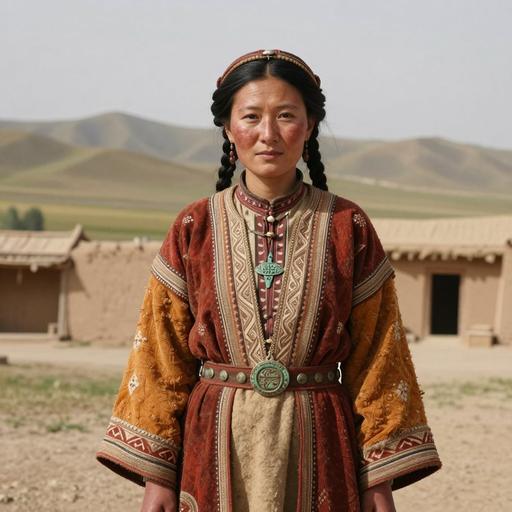
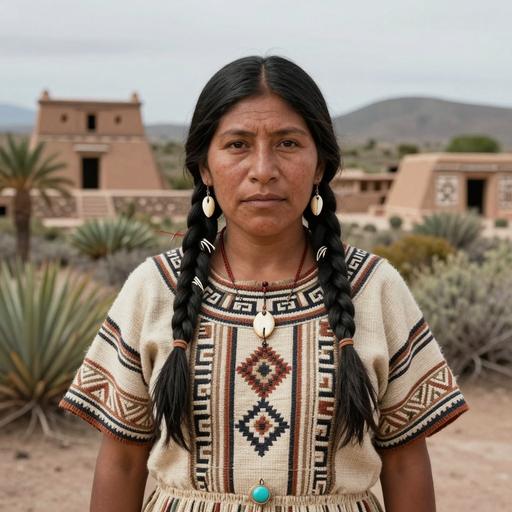
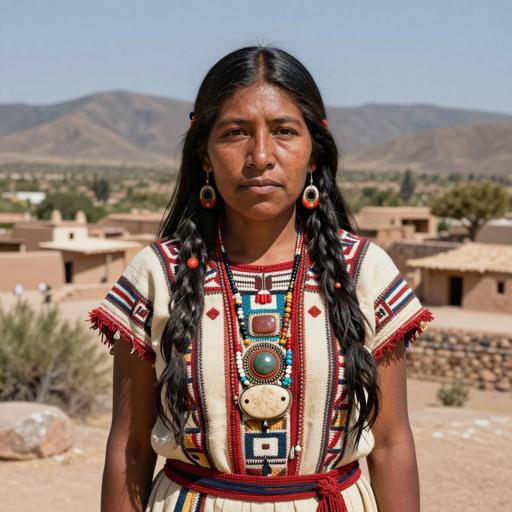
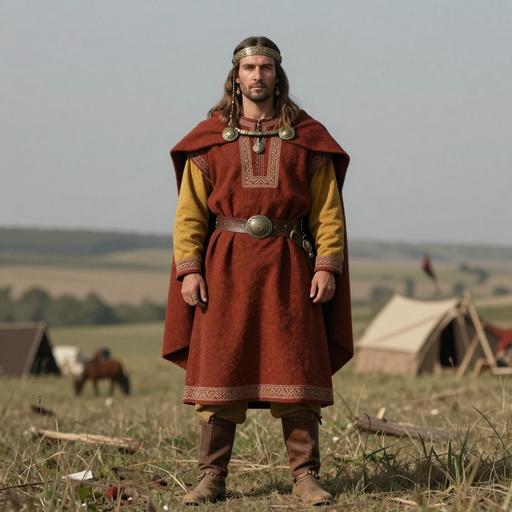
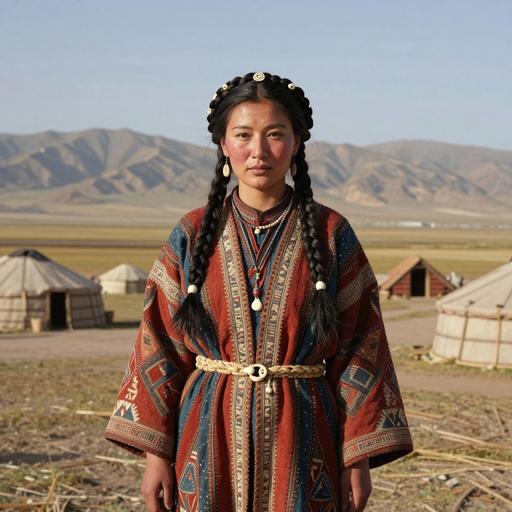
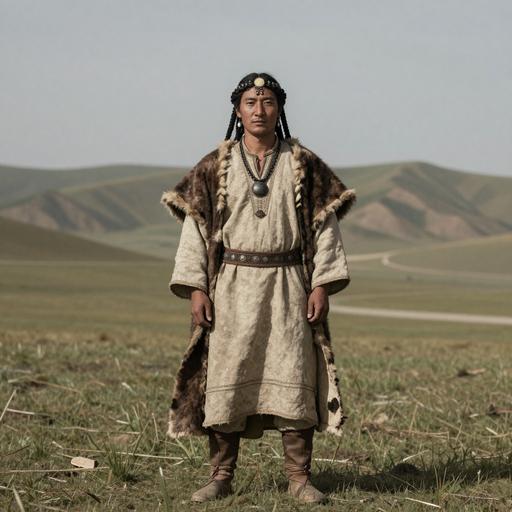
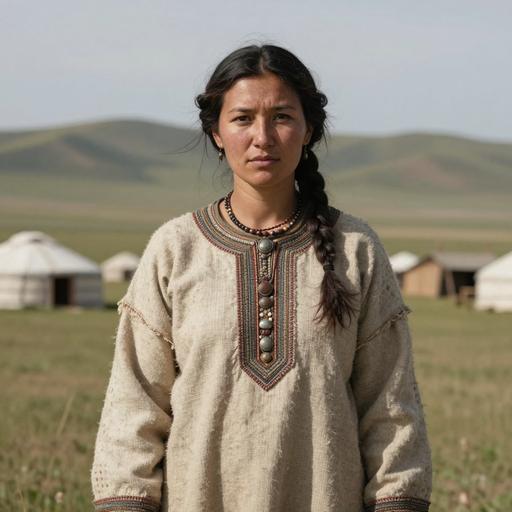
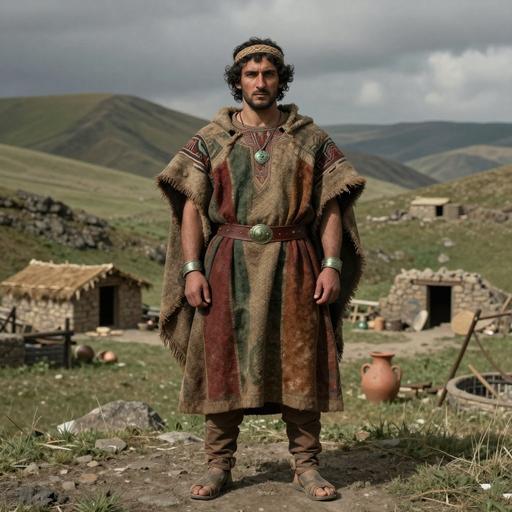
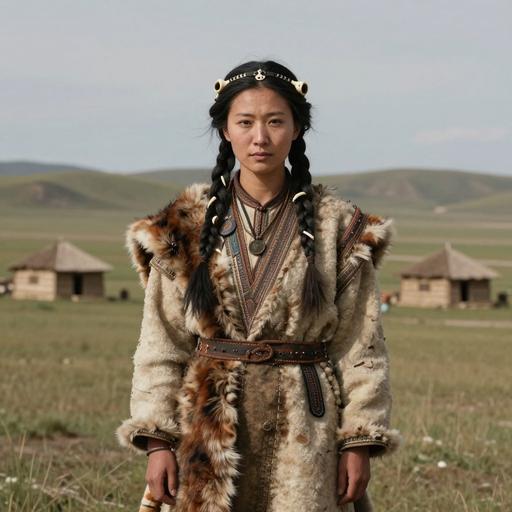
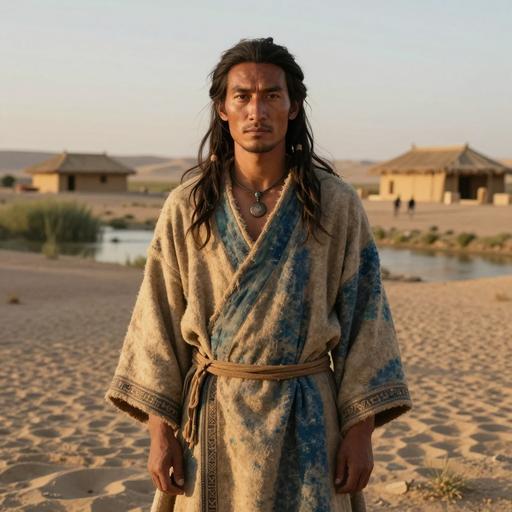
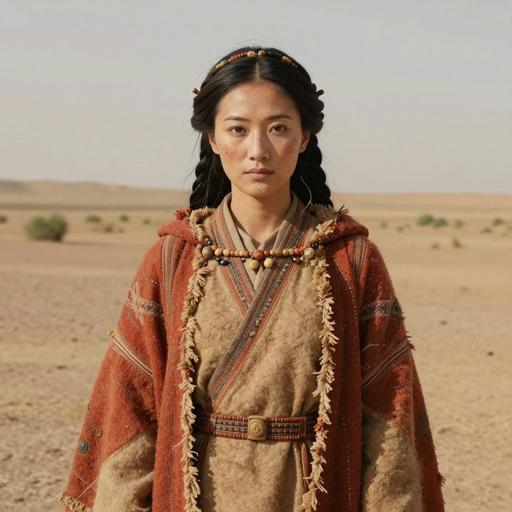
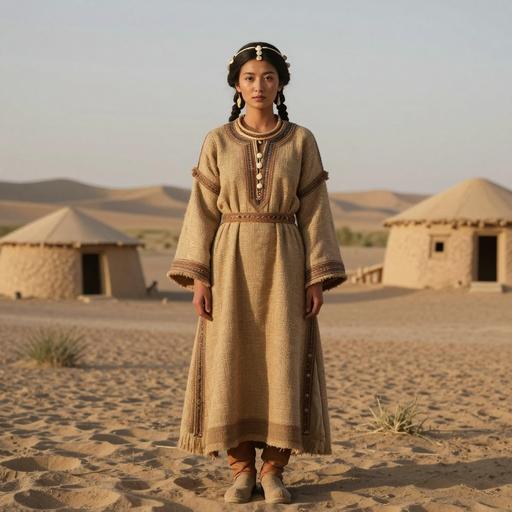
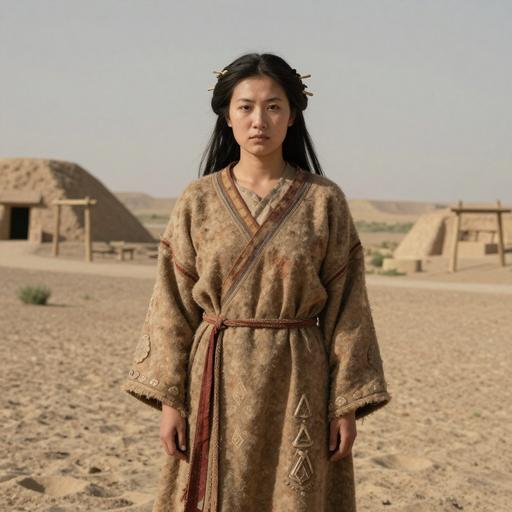
Los retratos son ilustraciones generadas con IA. Las etiquetas de muestra y los identificadores de acceso identifican los registros de referencia.
Retrato
Muestra
País
Época
Fecha
Cultura
mtDNA
Coincidencia
Identificador de muestra: CAO029
Cuba
Archaic Period Canimar Abajo, Cuba
601-654 calCE (1423±20 BP, MAMS-44084)
Canimar Abajo
C
Direct
Identificador de muestra: CAO022026
Cuba
Archaic Period Canimar Abajo, Cuba
605-660 calCE (1402±20 BP, MAMS-44077)
Canimar Abajo
C
Direct
Identificador de muestra: CAO032
Cuba
Cuba PreCeramic
650-900 CE
Cuban Preceramic
C
Direct
Identificador de muestra: SN-12
USA
Late San Nicolas Island, California, USA
663 CE - 872 CE
Island Chumash
C
Direct
Identificador de muestra: SN-12
USA
The First Peoples of North America
663 CE - 872 CE
C
Direct
Identificador de muestra: I0324
Peru
Early Intermediate Period El Brujo, Peru 1,300 Years Ago
710-1015 calCE (1388±18 BP, MAMS-25006)
El Brujo
C
Direct
Identificador de muestra: I11244
USA
Native American (Ohlone/Costanoan)
988-1163 calCE (1065±, EZV-00225)
Ohlone
C
Direct
Identificador de muestra: I13740
Bahamas
Ceramic Period Eleuthera Island, Bahamas
1000-1250 CE
Lucayan
C
Direct
Identificador de muestra: LU-01
Canada
Arctic Small Tool Tradition, Canada
1200 CE - 1450 CE
Arctic Small Tool
C
Direct
Identificador de muestra: LU-01
Canada
The First Peoples of North America
1200 CE - 1450 CE
C
Direct
Identificador de muestra: I19505
Mexico
Trincheras Culture La Playa 550 Before Present
1311-1410 calCE (580±20 BP, PSUAMS-12696)
Trincheras
C
Direct
Identificador de muestra: I12358
Argentina
Mitre Peninsula Haush Culture 400 Years Ago
1330-1650 calCE (820±40 BP, UGAMS-5151)
Haush
C
Direct
Identificador de muestra: CDE004
Cuba
Ceramic Period Cueva Esqueletos, Cuba
1412-1450 calCE (480±22 BP, MAMS-44096)
Cueva Esqueletos
C
Direct
Identificador de muestra: KMA-15A-1
Peru
Pre-Columbian America
1420 CE - 1532 CE
Pre-Columbian
C
Direct
Identificador de muestra: CDE002
Cuba
Ceramic Period Cueva Esqueletos, Cuba
1436-1490 calCE (420±20 BP, MAMS-44094)
Cueva Esqueletos
C
Direct
Identificador de muestra: ARS013
Mongolia
Late Bronze Age Khovsgol 6, Mongolia
1446-1204 calBCE (3074±49 BP, A-)
Khovsgol Culture
C
Direct
Identificador de muestra: NEO80
Russia
Ob River Comb-Pit Ware Culture
3641-3376 calBCE (4757±54 BP, UBA-39952)
Ob River
C
Direct
Identificador de muestra: I24540
Belize
Belize 3,600 Years Ago
3708-3543 calBCE (4875±25 BP, PSUAMS-7428)
Archaic Belize
C
Direct
Identificador de muestra: F9
Mexico
Pre-Columbian Mexico
1000-1200 CE
Pre-Columbian Mexican
C
Direct
Identificador de muestra: I12362
Argentina
North Tierra del Fuego La Arcillosa 2 Site 5800 Years Ago
4040-3710 calBCE (5205±58 BP, AA-60935)
La Arcillosa
C
Direct
Identificador de muestra: FRS002
Russia
Altai-Sayan peoples of Russia
5521-5378 calBCE (6500±24 BP, MAMS-48706)
Altai-Sayan
C
Direct
Identificador de muestra: FNO003
Russia
Pre-Bronze Age Buryatia, Russia
6000-5700 BCE
Early Buryat
C
Direct
Identificador de muestra: I26705
Croatia
Roman Croatia
1-200 CE
Roman Croatia
C1
Subclado
Identificador de muestra: C3316
China
China Xinjiang Guanjingtai IA
200 BCE - 50 CE
Guanjingtai Culture
C4
Subclado
Identificador de muestra: SKT007
Mongolia
Xiongnu to Late Medieval Khuvsgul, Mongolia
200-1 BCE
Khuvsgul Transition
C4
Subclado
Identificador de muestra: BRE007
Kazakhstan
Iron Age Kazakhstan
234-326 calCE (1789±13 BP)
Kazakh Iron Age
C4
Subclado
Identificador de muestra: DA47
Kyrgyzstan
Kyrgyzstan TianShan Saka
344 BCE - 10 CE
Saka Culture
C4
Subclado
Identificador de muestra: DA47
Kyrgyzstan
The Scythian and Saka Cultures
344 BCE - 10 CE
C4
Subclado
Identificador de muestra: C1637
China
China Xinjiang Wutulan IA
349-57 calBCE
Wutulan Culture
C4
Subclado
Identificador de muestra: C787
China
Iron Age Tangbalesayi, Xinjiang, China
400-150 BCE
Tangbalesayi Culture
C4
Subclado
Identificador de muestra: C4278
China
China Xinjiang Wulanbuluke IA
400-150 BCE
Wulanbuluke Culture
C4
Subclado
Identificador de muestra: C4280
China
China Xinjiang Wulanbuluke IA
400-150 BCE
Wulanbuluke Culture
C4
Subclado
Identificador de muestra: C4127
China
China Xinjiang Abusanteer IA
390-202 calBCE
Abusanteer Culture
C4
Subclado
Identificador de muestra: C1359
China
China Xinjiang Jirentaigoukou EIA
450-200 BCE
Early Iron Age Chinese
C4
Subclado
Identificador de muestra: I17108
Mexico
Tayopa (Mexico)
500-1400 CE
Tayopa
C1
Subclado
Identificador de muestra: I17113
Mexico
Mexico Tayopa 1000BP
500-1400 CE
Tayopa
C1
Subclado
Identificador de muestra: RKF154
Hungary
Hungary MiddleLateAvar
650-800 CE
Avar
C4
Subclado
Identificador de muestra: KK2-670
Hungary
Hungary LateAvar
750 CE - 800 CE
Avar Culture
C4
Subclado
Identificador de muestra: C4132
China
China Xinjiang Abusanteer IA
800-200 BCE
Abusanteer Culture
C4
Subclado
Identificador de muestra: C4273
China
China Xinjiang Abusanteer IA
800-200 BCE
Abusanteer Culture
C4
Subclado
Identificador de muestra: Ze6b
Kazakhstan
Iron Age 2 Zevakino-Chilikta, Kazakhstan
900-600 BCE
Zevakino-Chilikta Culture
C4
Subclado
Identificador de muestra: I19326
Armenia
Late Bronze Age to Early Iron Age Armenia
1250-1150 BCE
Armenian LBA-EIA
C1
Subclado
Identificador de muestra: ULN006
Mongolia
Middle to Late Bronze Age to Xiongnu to Late Medieval Sukhbaatar, Mongolia
Canada Arctic Small Tool Tradition, Canada 1200 CE - 1450 CE
CDirect
Identificador de muestra: LU-01
Canada The First Peoples of North America 1200 CE - 1450 CE
CDirect
Identificador de muestra: I19505
Trincheras Culture La Playa 550 Before Present - Mexico - La Playa (Sonora, Cerro Trincheras, Terraza B9)
Mexico Trincheras Culture La Playa 550 Before Present 1311-1410 calCE (580±20 BP, PSUAMS-12696)
CDirect
Identificador de muestra: I12358
Mitre Peninsula Haush Culture 400 Years Ago - Argentina - Tierra del Fuego. Mitre Peninusula. Caleta Falsa
Argentina Mitre Peninsula Haush Culture 400 Years Ago 1330-1650 calCE (820±40 BP, UGAMS-5151)
CDirect
Identificador de muestra: CDE004
Ceramic Period Cueva Esqueletos, Cuba - Cuba - Camagüey. Sierra de Cubitas. Cueva de los Esqueletos 1
Cuba Ceramic Period Cueva Esqueletos, Cuba 1412-1450 calCE (480±22 BP, MAMS-44096)
CDirect
Identificador de muestra: KMA-15A-1
Pre-Columbian America - Peru - Machu Picchu
Peru Pre-Columbian America 1420 CE - 1532 CE
CDirect
Identificador de muestra: CDE002
Ceramic Period Cueva Esqueletos, Cuba - Cuba - Camagüey. Sierra de Cubitas. Cueva de los Esqueletos 1
Cuba Ceramic Period Cueva Esqueletos, Cuba 1436-1490 calCE (420±20 BP, MAMS-44094)
CDirect
Identificador de muestra: ARS013
Late Bronze Age Khovsgol 6, Mongolia - Mongolia - Khovsgol aimag. Arbulag sorum
Mongolia Late Bronze Age Khovsgol 6, Mongolia 1446-1204 calBCE (3074±49 BP, A-)
CDirect
Identificador de muestra: NEO80
Ob River Comb-Pit Ware Culture - Russia - Borovyanka-17 (Omsk Oblast, Bolsherechensky District, Borovyanka Village)
Russia Ob River Comb-Pit Ware Culture 3641-3376 calBCE (4757±54 BP, UBA-39952)
CDirect
Identificador de muestra: I24540
Belize 3,600 Years Ago - Belize - Mayahak Cab Pek
Belize Belize 3,600 Years Ago 3708-3543 calBCE (4875±25 BP, PSUAMS-7428)
CDirect
Identificador de muestra: F9
Pre-Columbian Mexico - Mexico - Sierra Tarahumara
Mexico Pre-Columbian Mexico 1000-1200 CE
CDirect
Identificador de muestra: I12362
North Tierra del Fuego La Arcillosa 2 Site 5800 Years Ago - Argentina - Tierra del Fuego (North). La Arcillosa 2
Argentina North Tierra del Fuego La Arcillosa 2 Site 5800 Years Ago 4040-3710 calBCE (5205±58 BP, AA-60935)
CDirect
Identificador de muestra: FRS002
Altai-Sayan peoples of Russia - Russia - Firsovo (Altai Krai, Pervomaysky District, Firsovo Village)
Russia Altai-Sayan peoples of Russia 5521-5378 calBCE (6500±24 BP, MAMS-48706)
CDirect
Identificador de muestra: FNO003
Pre-Bronze Age Buryatia, Russia - Russia - Buryatia. Fofonovo
Russia Pre-Bronze Age Buryatia, Russia 6000-5700 BCE
CDirect
Identificador de muestra: I26705
Roman Croatia - Croatia - Trogir-Dragulin (Split-Dalmatia County, Grad Trogir)
Croatia Roman Croatia 1-200 CE
C1Subclado
Identificador de muestra: C3316
Iron Age Guanjingtai, Xinjiang, China - China - Xinjiang. Yili Region. Nileke County. Guanjingtai
China China Xinjiang Guanjingtai IA 200 BCE - 50 CE
C4Subclado
Identificador de muestra: SKT007
Xiongnu to Late Medieval Khuvsgul, Mongolia - Mongolia - Khuvsgul. Salkhityn Am
Mongolia Xiongnu to Late Medieval Khuvsgul, Mongolia 200-1 BCE
C4Subclado
Identificador de muestra: BRE007
Iron Age Kazakhstan - Kazakhstan - Central Kazakhstan. Berel Necropolis. object 76
Kazakhstan Iron Age Kazakhstan 234-326 calCE (1789±13 BP)
C4Subclado
Identificador de muestra: DA47
Saka Culture in Kyrgyzstan - Kyrgyzstan - Tian Shan. Central Steppe
Kyrgyzstan Kyrgyzstan TianShan Saka 344 BCE - 10 CE
C4Subclado
Identificador de muestra: DA47
Kyrgyzstan The Scythian and Saka Cultures 344 BCE - 10 CE
C4Subclado
Identificador de muestra: C1637
Iron Age Wutulan, Xinjiang, China - China - Xinjiang. Yili Region. Nileke County. Wutulan
China China Xinjiang Wutulan IA 349-57 calBCE
C4Subclado
Identificador de muestra: C787
Iron Age Tangbalesayi, Xinjiang, China - China - Xinjiang. Yili Region. Nileke County. Tangbalesayi
China Iron Age Tangbalesayi, Xinjiang, China 400-150 BCE
C4Subclado
Identificador de muestra: C4278
Iron Age Wulanbuluke, Xinjiang, China - China - Xinjiang. Yili Region. Nileke County. Wulanbuluke
China China Xinjiang Wulanbuluke IA 400-150 BCE
C4Subclado
Identificador de muestra: C4280
Iron Age Wulanbuluke, Xinjiang, China - China - Xinjiang. Yili Region. Nileke County. Wulanbuluke
China China Xinjiang Wulanbuluke IA 400-150 BCE
C4Subclado
Identificador de muestra: C4127
Iron Age Abusanteer, Xinjiang, China - China - Xinjiang. Yili Region. Chabuchaer County. Abusanteer
China China Xinjiang Abusanteer IA 390-202 calBCE
C4Subclado
Identificador de muestra: C1359
Early Iron Age China - China - Xinjiang. Yili Region. Nileke County. Jirentaigoukou
China China Xinjiang Jirentaigoukou EIA 450-200 BCE
C4Subclado
Identificador de muestra: I17108
Tayopa (Mexico) - Mexico - Tayopa Site #60 (Sonora, Sahuaripa)
Mexico Tayopa (Mexico) 500-1400 CE
C1Subclado
Identificador de muestra: I17113
Tayopa Culture - Mexico - Tayopa Site #63 (Sonora, Sahuaripa)
Mexico Mexico Tayopa 1000BP 500-1400 CE
C1Subclado
Identificador de muestra: RKF154
Middle to Late Avar Period - Hungary - Rákóczifalva-Bagi-földek (Jász-Nagykun-Szolnok Coiunty, Szolnok)
Hungary Hungary MiddleLateAvar 650-800 CE
C4Subclado
Identificador de muestra: KK2-670
Late Avar Period Hungary - Hungary - Csongrád-Csanád County. Kiskundorozsma-KettőshatárII
Hungary Hungary LateAvar 750 CE - 800 CE
C4Subclado
Identificador de muestra: C4132
Iron Age Abusanteer, Xinjiang, China - China - Xinjiang. Yili(Ili) Region. Chabuchaer(Qapqal) County. Abusanteer
China China Xinjiang Abusanteer IA 800-200 BCE
C4Subclado
Identificador de muestra: C4273
Iron Age Abusanteer, Xinjiang, China - China - Xinjiang. Yili Region. Chabuchaer County. Abusanteer
China China Xinjiang Abusanteer IA 800-200 BCE
C4Subclado
Identificador de muestra: Ze6b
Iron Age 2 Zevakino-Chilikta, Kazakhstan - Kazakhstan - Zevakino. East Kazakhstan
Kazakhstan Iron Age 2 Zevakino-Chilikta, Kazakhstan 900-600 BCE
C4Subclado
Identificador de muestra: I19326
Late Bronze Age to Early Iron Age Armenia - Armenia - Noratus
Armenia Late Bronze Age to Early Iron Age Armenia 1250-1150 BCE
C1Subclado
Identificador de muestra: ULN006
Middle to Late Bronze Age to Xiongnu to Late Medieval Sukhbaatar, Mongolia - Mongolia - Sukhbaatar. Ulaanzuukh
Mongolia Middle to Late Bronze Age to Xiongnu to Late Medieval Sukhbaatar, Mongolia 1650 BCE - 1350 CE
C4Subclado
Identificador de muestra: L6101
Bronze Age Xiaohe, Xinjiang, China - China - Xinjiang. Xiaohe
China China Xinjiang Xiaohe BA 1767-1623 calBCE
C4Subclado
Identificador de muestra: L6103
Bronze Age Xiaohe, Xinjiang, China - China - Xinjiang. Xiaohe
China China Xinjiang Xiaohe BA 1785-1664 calBCE
C4Subclado
Identificador de muestra: 11KBM1
Bronze Age Beifang Xiaohe, Xinjiang, China - China - Xinjiang. Beifang
China Bronze Age Beifang Xiaohe, Xinjiang, China 1874 BCE - 1641 BCE
C4Subclado
Identificador de muestra: XHM100
Bronze Age Xiaohe, Xinjiang, China - China - Xinjiang. Xiaohe
China China Xinjiang Xiaohe BA 1882-1742 calBCE (3479±20 BP) [R_Combine: (3470±30 BP, Beta), (3485±25 BP; LZU-)]
C4Subclado
Identificador de muestra: XHM135
Bronze Age Xiaohe, Xinjiang, China - China - Xinjiang. Xiaohe
China China Xinjiang Xiaohe BA 1918-1750 calBCE (3515±20 BP) [R_Combine: (3500±30 BP, Beta), (3525±25 BP, LZU-)]
C4Subclado
Identificador de muestra: XHM110
Bronze Age Xiaohe, Xinjiang, China - China - Xinjiang. Xiaohe
China China Xinjiang Xiaohe BA 2050-1850 BCE
C4Subclado
Identificador de muestra: XHM75
Bronze Age Xiaohe, Xinjiang, China - China - Xinjiang. Xiaohe
China China Xinjiang Xiaohe BA 2050-1850 BCE
C4Subclado
MATERNAL LINAJE · ADN ANTIGUO
Mapa de pruebas de linajes antiguos
Sigue los clados superiores hasta esta rama y explora dónde se encontraron portadores antiguos.
Cargando observaciones antiguas...
La reducción de movimiento está activada. Utiliza la cronología o Mostrar todo para explorar a tu ritmo.
Leer las observaciones en una tabla
Observaciones antiguas visibles por rama, periodo y punto medio de la fecha
Rama
Periodo
Intervalo de fechas
Muestra
Identificador de muestra
Ubicación
Haplogrupo
Relación
Los marcadores son ubicaciones de hallazgos arqueológicos. Una línea discontinua representa una transición geográfica propuesta e incierta entre ramas consecutivas, apoyada en varias observaciones fechadas; no es una ruta de viaje exacta, un lugar de nacimiento ni una prueba de descendencia directa. Las muestras del clado parental pueden pertenecer a otras ramas descendientes. Se mantienen huecos cuando las pruebas son insuficientes. Las fechas de las muestras son distintas de las fechas de formación de los haplogrupos.
La agrupación por periodo histórico refleja cuándo vivió cada individuo antiguo y combina todas las ramas de esta cadena de linajes; no es una secuencia migratoria ni una cronología personal entre periodos.
Perfil de referencia
Mapa de distribución de portadores
Distribución geográfica de muestras de ADN antiguo (75), portadores directos o de subclados de C
Portador directo Portador de un subclado
Filtro de periodo temporal
Todos los periodos
Mostrando todas las muestras
Perfil de referencia
Distribución temporal
Distribución de portadores por periodos arqueológicos
Perfil de referencia
Distribución geográfica
Recuentos por país registrado de las muestras. Reflejan la selección de referencia disponible, no frecuencias de población.
Perfil de referencia
Distribución por país y época
Compara los recuentos de muestras registradas por países y periodos arqueológicos. Selecciona una celda con datos para examinar una muestra.
Datos
Datos y procedencia
Información sobre las fuentes y la calidad de los datos
Última actualización2026-02-09
Fuente de datos
La clasificación, las fechas estimadas y el contexto geográfico reflejan los datos de referencia registrados y pueden cambiar al revisarse las pruebas. La cobertura de muestras es desigual; las ubicaciones registradas y las asociaciones arqueológicas no establecen el origen personal ni la identidad cultural.
Un haplogrupo sigue una línea materna o paterna. La rama que se puede predecir depende de los marcadores presentes en el archivo de ADN.
Cómo analizamos el ADN