Menu
mtDNA Haplogroup • Maternal Lineage

C

mtDNA Haplogroup C

~35,000 years ago
Northeast Asia / Siberia
5 subclades
75 ancient samples
Scroll to explore
Chapter I

The Story

The journey of mtDNA haplogroup C

Origins and Evolution

Haplogroup C is a descendant of macro-haplogroup M (frequently discussed as part of the M8'CZ assemblage) and likely formed in northeast Asia or the Siberian region during the Late Pleistocene, roughly ~30–40 kya. From this regional origin, lineages derived from C diversified in Siberia and adjacent parts of East and Central Asia. Some subclades later moved into Beringia and contributed to the maternal gene pool of the first peoples of the Americas during the Late Pleistocene / early Holocene.

Subclades

Haplogroup C comprises several geographically structured subclades with distinct histories:

  • C1 — best known as one of the founding Native American mtDNA lineages (with subbranches C1b, C1c, C1d, C1a); present in Siberia and throughout North and South America among indigenous populations.
  • C4 — frequent in Siberia, northeastern Europe in some ancient contexts, and parts of Central Asia; often associated with northern Asian hunter-gatherer groups.
  • C5 — observed in parts of South Asia and Central Asia at low-to-moderate frequency.
  • C2 / C7 / other east Asian subclades — occur at low-to-moderate frequencies across East and Southeast Asia (Mongolia, China, Korea, Japan) and reflect local diversification.

These subclades show a pattern of deep regional splits followed by localized expansions, consistent with repeated pulses of population movement across northern Asia and into the Americas.

Geographical Distribution

Today haplogroup C is broadly distributed but uneven in frequency. It is common among many Siberian and other northern Asian indigenous groups, present at moderate frequencies in East and Central Asia, and is one of the principal maternal lineages among indigenous peoples of the Americas (especially through C1). Lower-frequency occurrences are found in parts of South Asia and, rarely, in Europe (generally associated with historical or ancient contacts).

Ancient DNA studies have recovered C-lineages from Late Pleistocene and Holocene remains in Siberia and the Americas, supporting the role of C in the peopling of Beringia and subsequent colonization of the Americas.

Historical and Cultural Significance

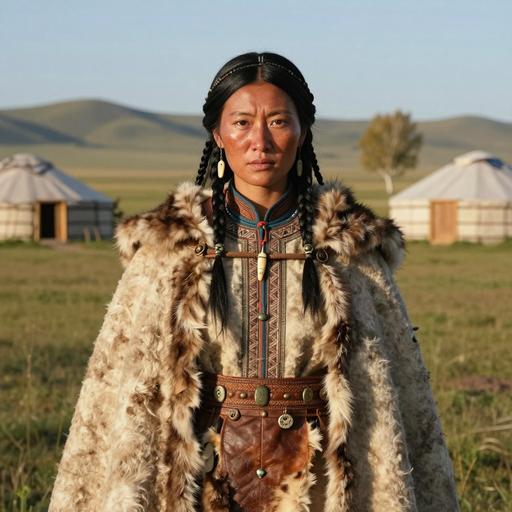
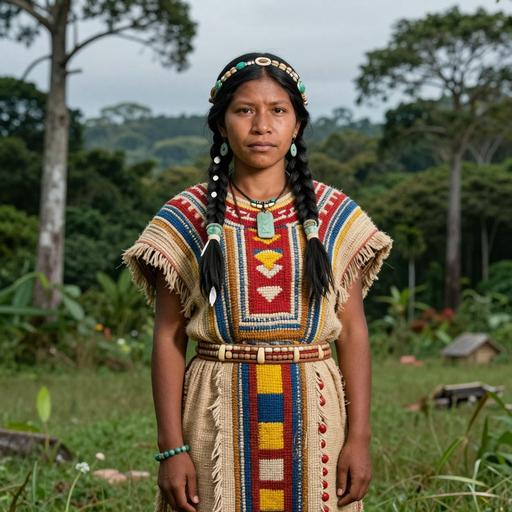
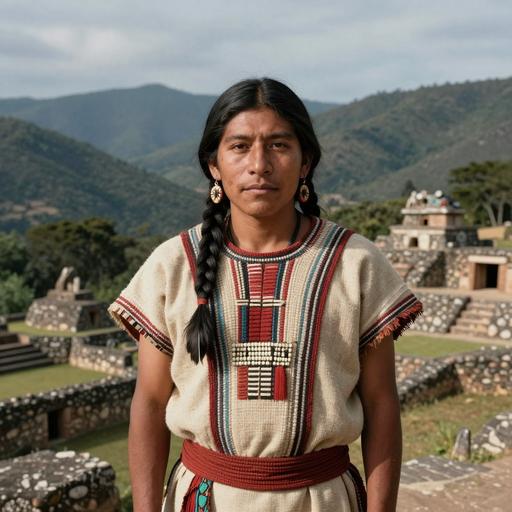
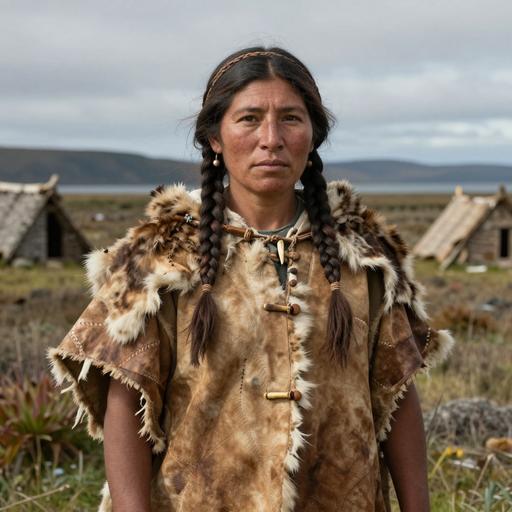
Haplogroup C is particularly important for studying the peopling of the Americas, since C1 is part of the set of founding maternal lineages that entered the Americas via Beringia during the terminal Pleistocene. In northern Eurasia, C subclades mark connections among Paleo-Siberian hunter-gatherers, steppe-edge groups, and later populations in Central and East Asia. Its presence (and subclade structure) in modern and ancient samples helps reconstruct migration routes, timing, and the demographic impact of hunter-gatherer expansions and later farmer/steppe interactions.

C lineages are therefore commonly used in population genetic studies that aim to resolve movements across Siberia, the Bering land bridge, and into the Americas as well as localized demographic processes within East, Central, and South Asia.

Conclusion

mtDNA haplogroup C represents a northern Asian Late Pleistocene maternal lineage that diversified regionally across Siberia, East and Central Asia and played a key role as one of the maternal sources for the first peoples of the Americas. Its multiple subclades provide a useful framework for tracing migrations across northern Eurasia and timing the eventual dispersal into the New World.

Key Points

  • Origins and Evolution
  • Subclades
  • Geographical Distribution
  • Historical and Cultural Significance
  • Conclusion
Chapter II

Tree & Relationships

Phylogenetic context and subclades

Evolution Path

This haplogroup's evolutionary journey from its earliest ancestor to the present.

Steps Haplogroup Age Estimate Archaeology Era Time Passed Immediate Descendants Tested Modern Descendants Ancient Connections
1 C Current ~35,000 years ago 🦴 Paleolithic 35,000 years 5 617 75
Chapter III

Where in the World

Geographic distribution and modern presence

Place of Origin

Northeast Asia / Siberia

Modern Distribution

The populations where mtDNA haplogroup C is found include:

  1. Indigenous peoples of the Americas (Native American groups across North and South America)
  2. Siberian ethnic groups (e.g., Yakut, Evenk, Nenets, Chukchi)
  3. Mongolic and Tungusic-speaking populations (e.g., Mongolians, Buryats, Evens)
  4. East Asian populations (e.g., some Han, Koreans, Japanese)
  5. Central Asian populations (e.g., Kazakhs, Altaians, Tuvans)
  6. Selected South Asian groups (low-to-moderate frequencies in parts of India and Tibet)
  7. Arctic and sub-Arctic peoples (e.g., Inuit and certain Yupik groups via C sublineages)
  8. Occasional occurrences in northern and eastern Europe in ancient or admixed contexts
CHAPTER IV

When in Time

Your haplogroup in the context of human history

~50k years ago

Upper Paleolithic

Advanced tool-making, art, and cultural explosion
~35k years ago

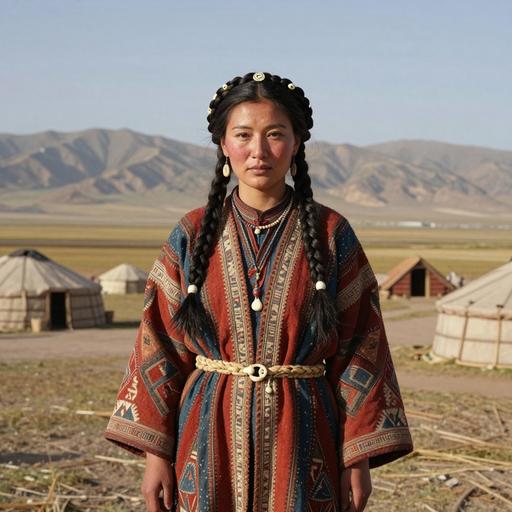
Haplogroup C

Your mtDNA haplogroup emerged in Northeast Asia / Siberia

Northeast Asia / Siberia
~20k years ago

Last Glacial Maximum

Peak of the last ice age, populations isolated

~10k years ago

Neolithic Revolution
Agriculture begins, settled communities form

~5k years ago

Bronze Age

Metalworking, writing, and early civilizations

~3k years ago

Iron Age
Iron tools, expanded trade networks
~2k years ago

Classical Antiquity

Greek and Roman civilizations flourish

Present

Present Day

Modern era

Your Haplogroup
Historical Era
Chapter IV-B

Linked Cultures

Ancient cultures associated with mtDNA haplogroup C

Cultural Heritage

These ancient cultures have been linked to haplogroup C based on matching ancient DNA samples from archaeological excavations. The presence of this haplogroup in these cultures provides insights into the migrations and population movements of populations carrying this haplogroup.

Altai-Sayan Archaic Belize Arctic Small Tool Chita Culture Cueva Esqueletos Early Buryat Haush Khovsgol Culture La Arcillosa Ob River Pre-Columbian Pre-Columbian Mexican Trincheras
Culture assignments are based on archaeological context of ancient DNA samples and may represent regional associations during specific time periods.
Chapter V

Sample Catalog

22 direct carriers and 53 subclade carriers of haplogroup C

50 / 50 samples
Portrait Sample Country Era Date Culture mtDNA Match
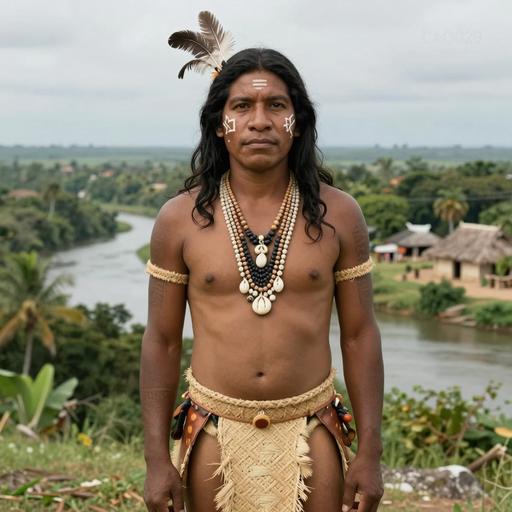
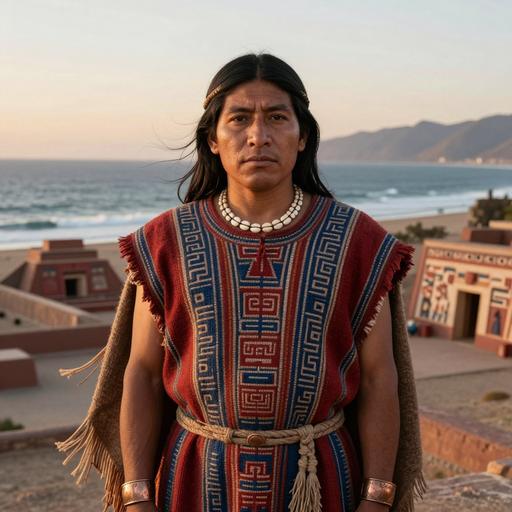
Portrait of ancient individual CAO029 from Cuba, dated 601 CE - 654 CE
CAO029
Cuba Archaic Period Canimar Abajo, Cuba 601 CE - 654 CE Canimar Abajo C Direct
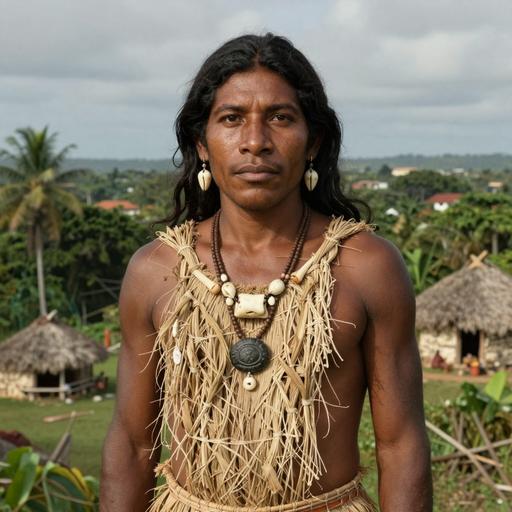
Portrait of ancient individual CAO022026 from Cuba, dated 605 CE - 660 CE
CAO022026
Cuba Archaic Period Canimar Abajo, Cuba 605 CE - 660 CE Canimar Abajo C Direct
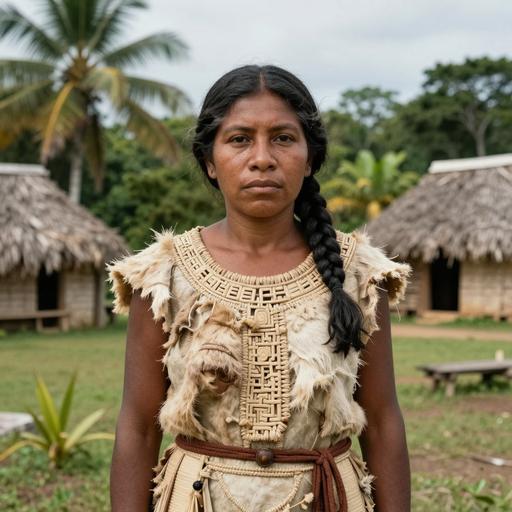
Portrait of ancient individual CAO032 from Cuba, dated 653 CE - 874 CE
CAO032
Cuba Cuban Preceramic 653 CE - 874 CE Cuban Preceramic C Direct
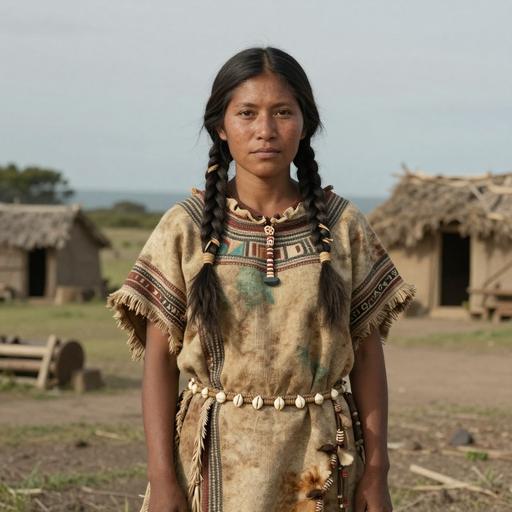
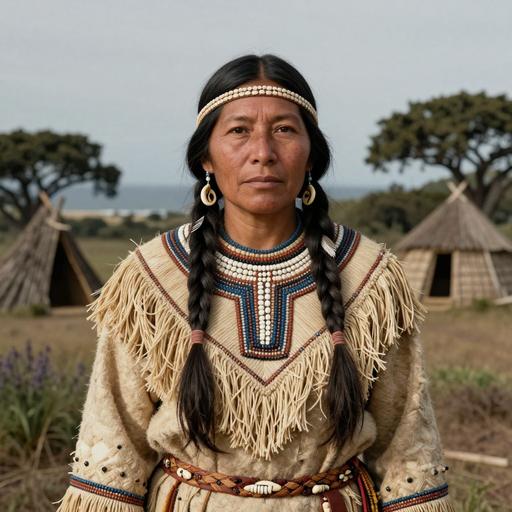
Portrait of ancient individual SN-12 from USA, dated 663 CE - 872 CE
SN-12
USA Late San Nicolas Island, California, USA 663 CE - 872 CE Island Chumash C Direct
Portrait of ancient individual SN-12 from USA, dated 663 CE - 872 CE
SN-12
USA The First Peoples of North America 663 CE - 872 CE C Direct
Portrait of ancient individual I0324 from Peru, dated 710 CE - 1015 CE
I0324
Peru Early Intermediate Period El Brujo, Peru 1,300 Years Ago 710 CE - 1015 CE El Brujo C Direct
Portrait of ancient individual I11244 from USA, dated 988 CE - 1163 CE
I11244
USA Native American (Ohlone/Costanoan) 988 CE - 1163 CE Ohlone C Direct
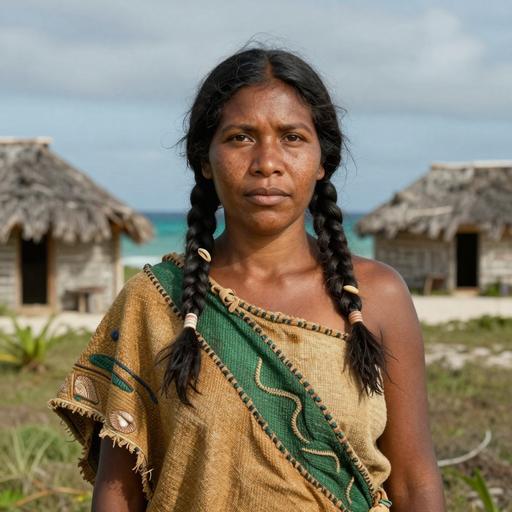
Portrait of ancient individual I13740 from Bahamas, dated 1000 CE - 1250 CE
I13740
Bahamas Ceramic Period Eleuthera Island, Bahamas 1000 CE - 1250 CE Lucayan C Direct
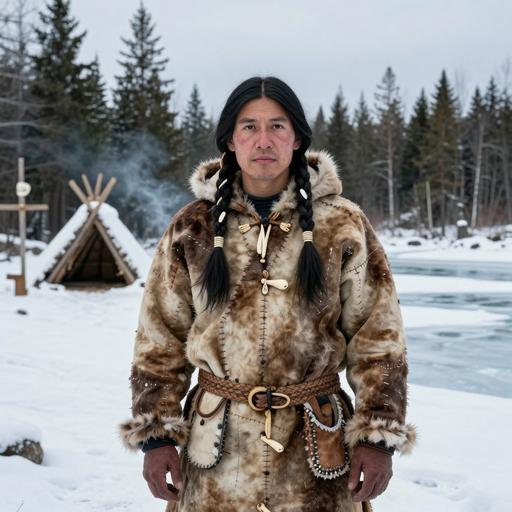
Portrait of ancient individual LU-01 from Canada, dated 1200 CE - 1450 CE
LU-01
Canada Arctic Small Tool Tradition, Canada 1200 CE - 1450 CE Arctic Small Tool C Direct
Portrait of ancient individual LU-01 from Canada, dated 1200 CE - 1450 CE
LU-01
Canada The First Peoples of North America 1200 CE - 1450 CE C Direct
Chapter VI

Carrier Distribution Map

Geographic distribution of 75 ancient DNA samples (direct and subclade carriers of C)

Direct carrier Subclade carrier
Time Period Filter
All Time Periods
Showing all samples
Chapter VII

Temporal Distribution

Distribution of carriers across archaeological periods

Chapter VIII

Geographic Distribution

Distribution by country of origin (direct and subclade carriers shown by default)

Chapter IX

Country × Era Distribution

Cross-tabulation of carrier countries and archaeological periods (direct and subclade carriers shown by default)

Data

Data & Provenance

Source information and data quality

Last Updated 2026-02-09
Data Source

We use the latest phylotree for MTDNA haplogroup classification and data.