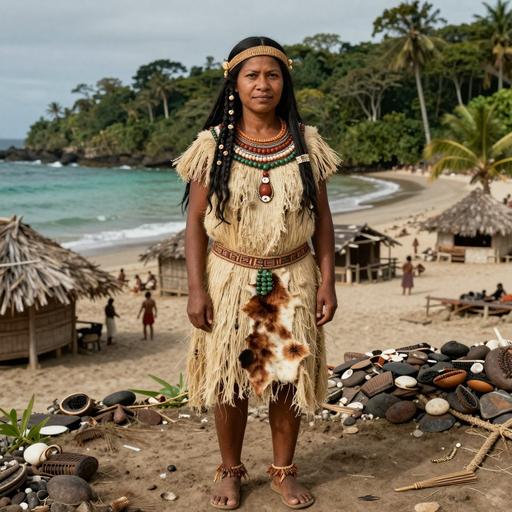
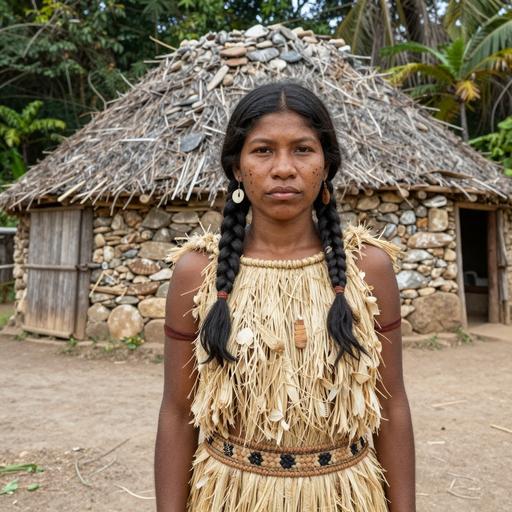
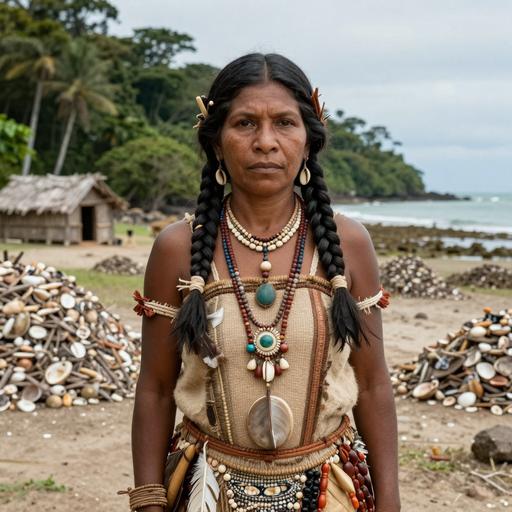
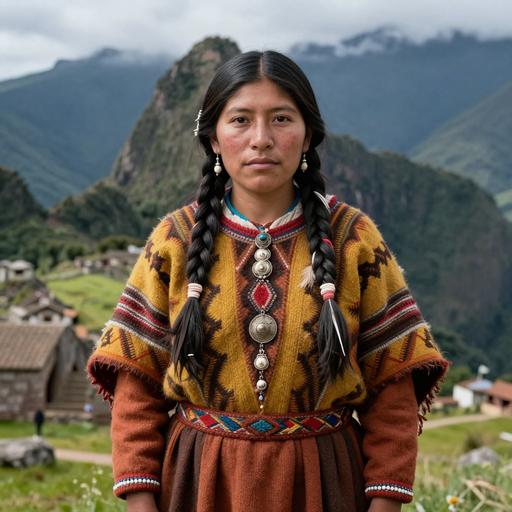
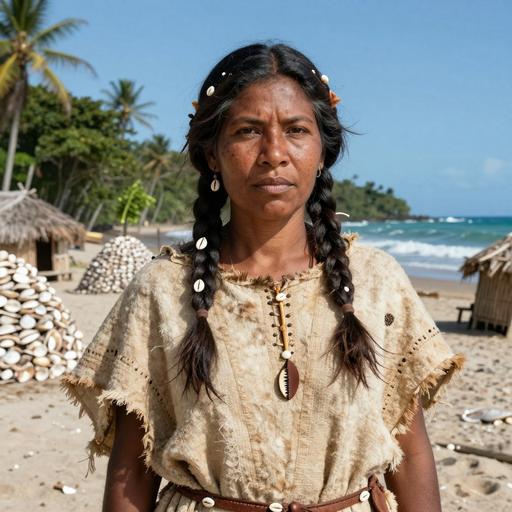
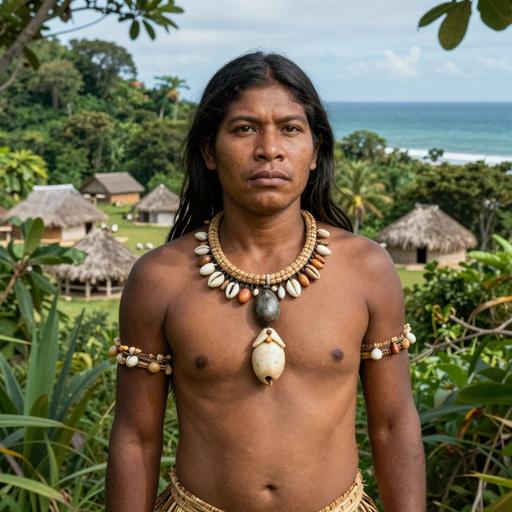
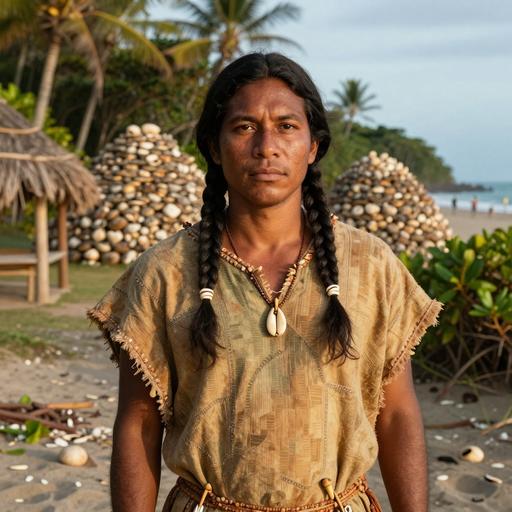
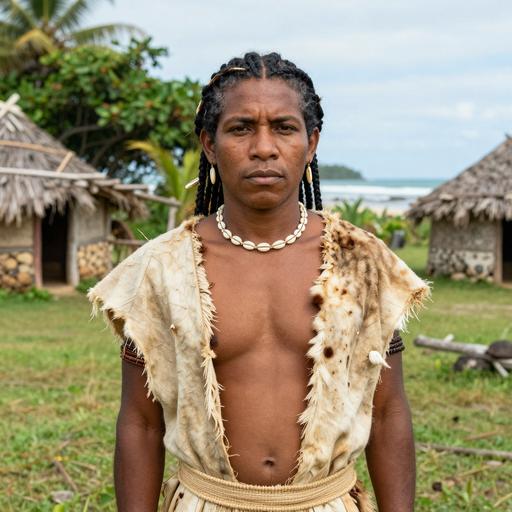
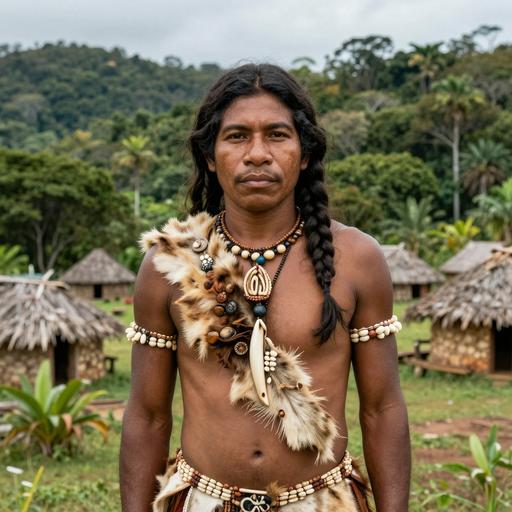
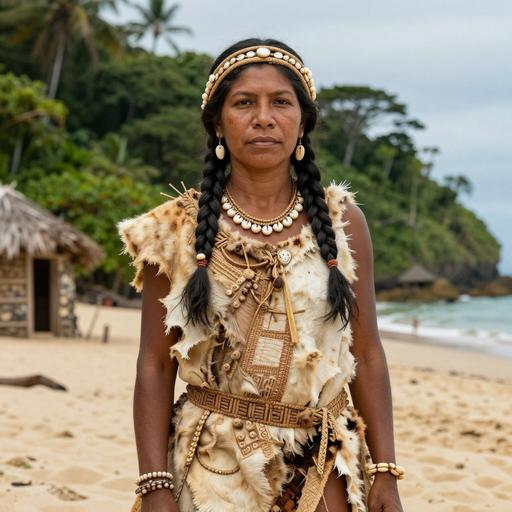
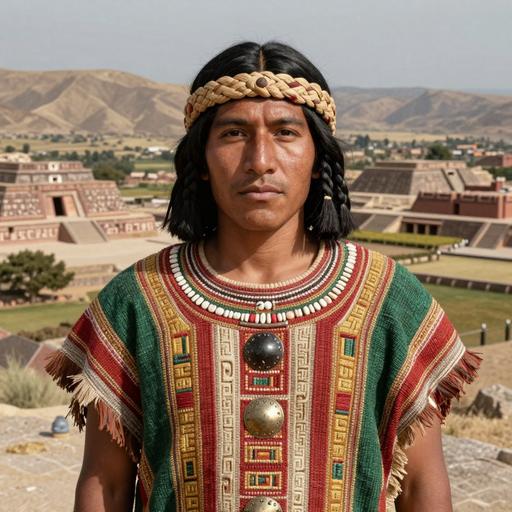
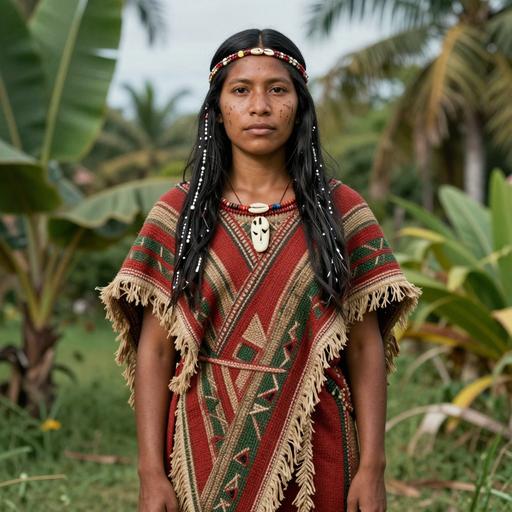
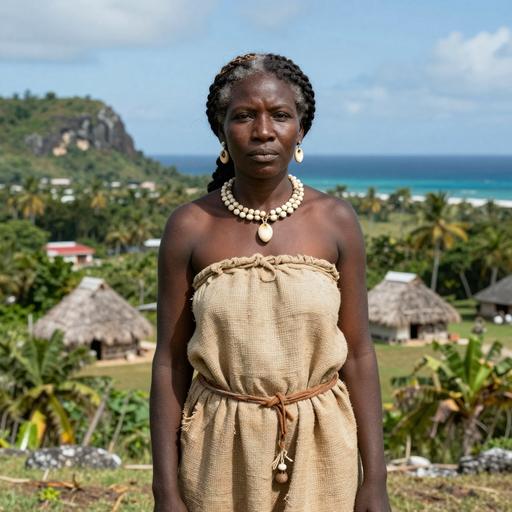
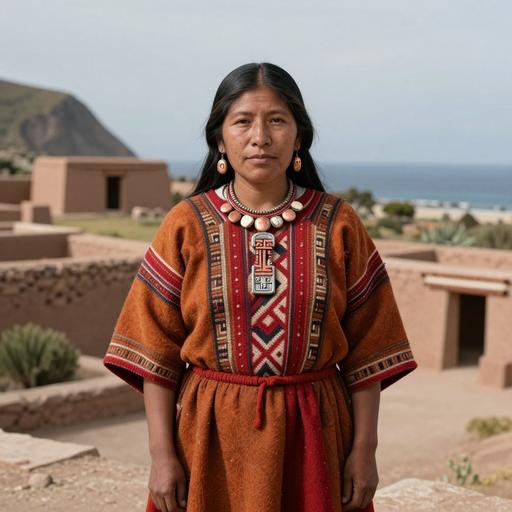
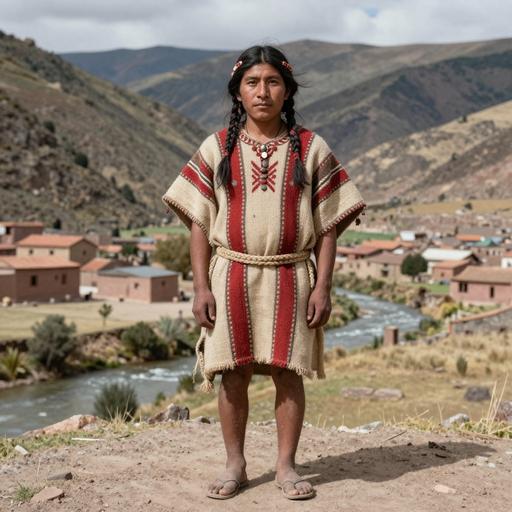
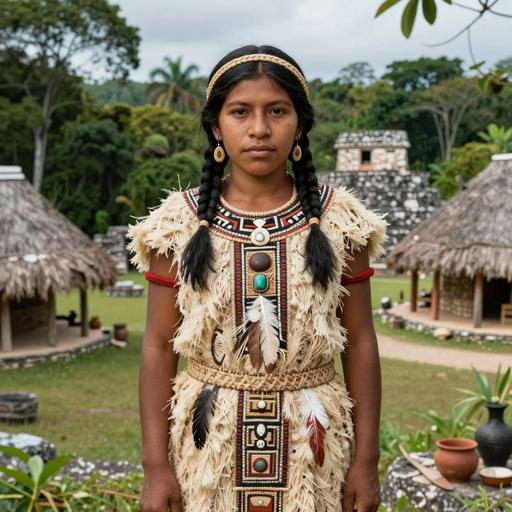
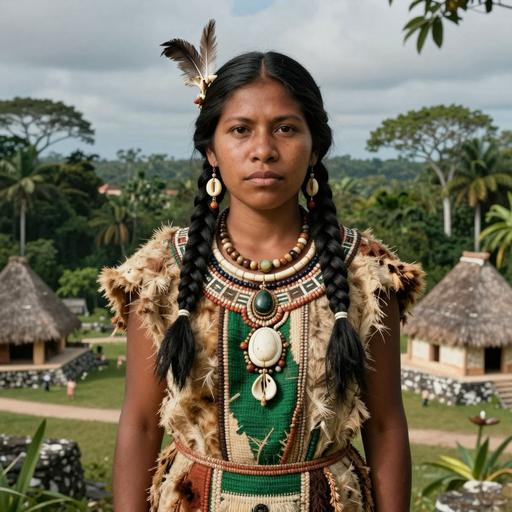
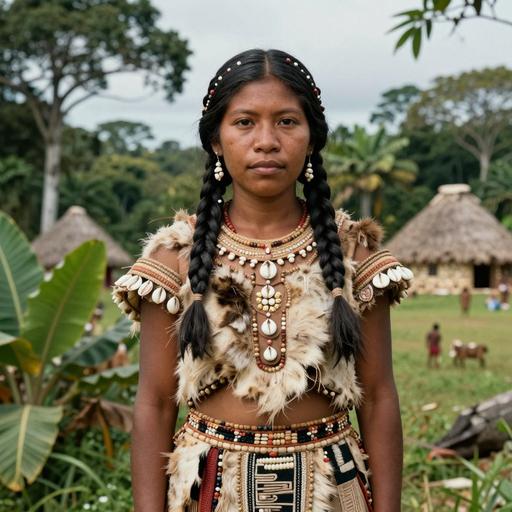
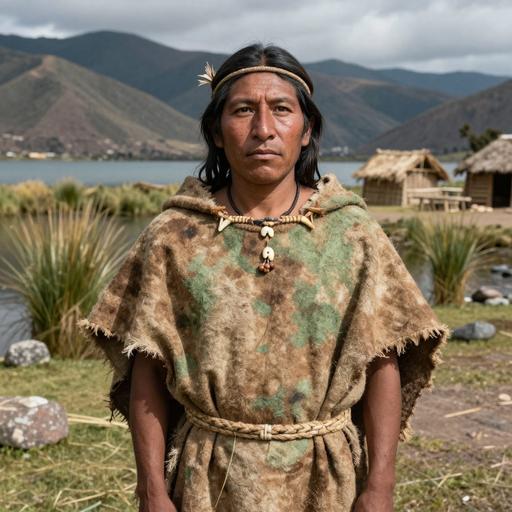
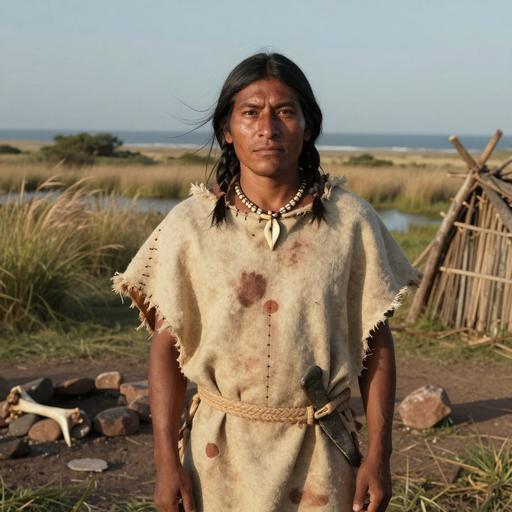
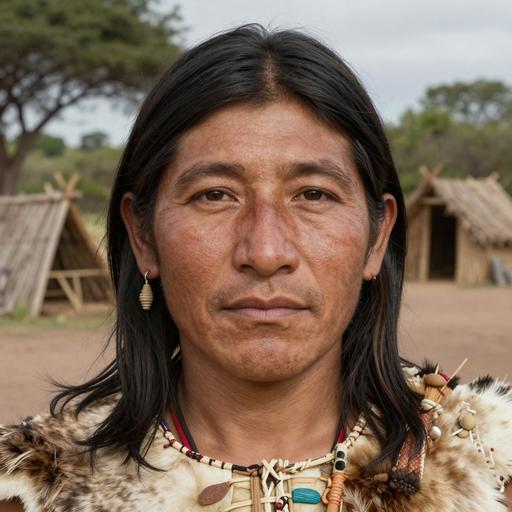
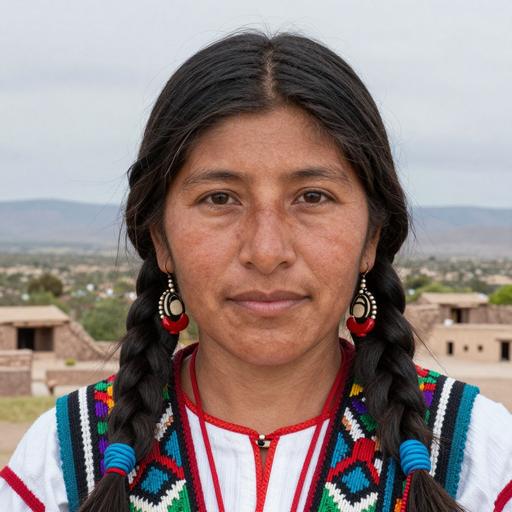
ملف مرجعي لفرع واحد من السلالة. لا تثبت المجموعات الفردانية المشتركة صلة عائلية ولا تحدّد الهوية الثقافية.
الملف المرجعي
خلفية الفرع
السياق التاريخي لفرع C1C من سلالة mtDNA
Origins and Evolution
mtDNA haplogroup C1C is a branch of the broader C1 lineage that emerged as humans moved through Northeast Asia and the Beringian region during the Late Pleistocene. Based on its phylogenetic position within C1 and coalescence estimates for related lineages, C1C likely diverged from other C1 subclades shortly before or during the initial peopling of the Americas, roughly ~15 thousand years ago (kya). Like other C1 branches, C1C most plausibly originated among populations isolated in eastern Beringia and then dispersed southward as ice-free corridors and coastal routes opened during the terminal Pleistocene and early Holocene.
Subclades
High-resolution complete mitogenome sequencing has revealed internal diversity within the C1C branch, with geographically structured sublineages that show regional localization in different parts of the Americas. These finer subclades are useful for tracing migration and local diversification events (for example, lineage clusters that appear concentrated in Andean versus Amazonian contexts). Because mtDNA accumulates mutations slowly, these subclades preserve a record of early settlement and subsequent regional differentiation following the first colonization of the continents.
Geographical Distribution
C1C is primarily a New World lineage. Its modern and ancient occurrences concentrate among Indigenous peoples of North, Central and South America, with greater haplotype diversity and higher relative frequencies reported in parts of South America, which is consistent with early southward dispersal and local expansion. Occasional low-frequency occurrences have been reported in northeastern Asia / Siberia and in Arctic-adjacent populations, interpreted either as retention of ancestral diversity in Beringia or rare back-migration/admixture events. Ancient DNA studies have recovered C1C in archaeological contexts across the Americas, confirming it as part of the maternal founding pool.
Historical and Cultural Significance
As one of the maternal lineages associated with the first peoples of the Americas, C1C is important for reconstructing the timing, routes, and demographic structure of early migrations into the New World. Patterns of C1C diversity support models in which founding populations spent time in a Beringian refugium and then rapidly expanded southward, followed by regional differentiation during the Holocene. C1C (together with other founding mtDNA haplogroups such as A2, B2, D1 and X2a) is frequently used in population genetics and ancient DNA studies to infer prehistoric population movements, regional continuity, and contacts among indigenous groups prior to European colonization.
Conclusion
mtDNA haplogroup C1C is a distinct maternal lineage that split from other C1 branches in Beringia/Northeast Asia during the Late Pleistocene and became established across the Americas during the initial peopling events. Its modern distribution and subclade structure reflect both the deep-time founding events that brought humans into the New World and the later region-specific demographic processes that shaped indigenous populations throughout North, Central and South America.
أبرز النقاط
Origins and Evolution
Subclades
Geographical Distribution
Historical and Cultural Significance
Conclusion
الملف المرجعي
شجرة السلالة والفروع المرتبطة
موضع الفرع في شجرة السلالة وفروعه الفرعية
مسار تفرّع السلالة
تتبّع الفروع الأصلية المسجّلة وصولًا إلى C1C. التواريخ تقديرية وقد تتغيّر عند تحديث البيانات المرجعية.
The populations where mtDNA haplogroup C1C is found include:
Indigenous peoples of North America (various First Nations, Native American groups)
Indigenous peoples of Central America (various Mesoamerican groups)
Indigenous peoples of South America (Andean, Amazonian and other regional groups)
Arctic and sub-Arctic populations (occasional occurrences among some Inuit/Yupik-adjacent groups)
Siberian and Northeast Asian populations (rare, low-frequency occurrences likely reflecting ancestral Beringian ties or later gene flow)
Ancient archaeological populations across the Americas (multiple ancient DNA contexts confirming early presence)
السياق التاريخي
تاريخ الفرع
تقدير زمن نشأة الفرع ضمن تسلسل تاريخي عام. توفّر الفترات سياقًا زمنيًا دون إثبات صلة بثقافات بعينها.
~20k سنة مضت
ذروة العصر الجليدي الأخير
بلغ التجلّد ذروته وانعزلت مجموعات سكانية
~15k سنة مضت
المجموعة الفردانية C1C
تقدير نشأة فرع mtDNA. التواريخ والمواقع تقديرات مرجعية.
هذا الفرع
~10k سنة مضت
ثورة العصر الحجري الحديث
ظهور الزراعة وتشكّل المجتمعات المستقرّة
~5k سنة مضت
العصر البرونزي
صناعة المعادن والكتابة والحضارات المبكرة
~3k سنة مضت
العصر الحديدي
أدوات الحديد واتّساع شبكات التجارة
~2.5k سنة مضت
العصور الكلاسيكية القديمة
ازدهار الحضارتين اليونانية والرومانية
Present
الحاضر
العصر الحديث
الملف المرجعي
السياق الأثري
الارتباطات الأثرية المسجّلة لفرع C1C من mtDNA
الارتباطات المسجّلة
تصف هذه التسميات السياقات الأثرية المسجّلة للعينات المرجعية المرتبطة بـ C1C. لا يثبت الارتباط انتماء جميع حاملي الفرع إلى ثقافة بعينها أو اتّباعهم مسار هجرة محدّدًا.
Ceramic Period Lavoutte, St. Lucia - St. Lucia - St. Lucia. Cas-en-Bas. Lavoutte site
St. Lucia Ceramic Period Lavoutte, St. Lucia 1021-1166 calCE (960±35 BP, GrN-32330)
C1cتطابق مباشر
معرّف العينة: I2242
Middle Horizon to Late Intermediate Period El Brujo, Peru 850 Years Ago - Peru - El Brujo
Peru Middle Horizon to Late Intermediate Period El Brujo, Peru 850 Years Ago 1185-1390 calCE (965±20 BP, PSUAMS-1606)
C1cتطابق مباشر
معرّف العينة: ALG004
Ceramic Period Anse Gourde, Guadeloupe - Guadeloupe - Pointe de Chateaux peninsula. Anse à la Gourde
Guadeloupe Ceramic Period Anse Gourde, Guadeloupe 1269 CE - 1376 CE
C1cتطابق مباشر
معرّف العينة: ALG004
Guadeloupe The First Peoples of the Caribbean 1269 CE - 1376 CE
C1cتطابق مباشر
معرّف العينة: UC12-25
Late Horizon Chincha Culture, Peru - Peru - SouthCoast
Peru Late Horizon Chincha Culture, Peru 1400 CE - 1500 CE
C1cتطابق مباشر
معرّف العينة: I2261
La Galgada, Peru 4,100 Years Ago - Peru - La Galgada. Highlands
Peru La Galgada, Peru 4,100 Years Ago 2280 BCE - 2030 BCE
C1cتطابق مباشر
معرّف العينة: I24542
Belize 4,600 Years Ago - Belize - Mayahak Cab Pek
Belize Belize 4,600 Years Ago 2889-2672 calBCE (4195±25 BP, PSUAMS-7434)
C1cتطابق مباشر
معرّف العينة: I19942
Belize 4,900 Years Ago - Belize - Saki Tzul
Belize Belize 4,900 Years Ago 3091-2918 calBCE (4390±20 BP, PSUAMS-5896)
C1cتطابق مباشر
معرّف العينة: I13267
Belize 5,500 Years Ago - Belize - Mayahak Cab Pek
Belize Belize 5,500 Years Ago 3630-3379 calBCE (4737±22 BP) [R_combine: (4725±25 BP, PSUAMS-3607), (4775±45, UCIAMS-228026)]
C1cتطابق مباشر
معرّف العينة: SMP5
Soro Mikaya Patjxa, Peru 6,800 Years Ago - Peru - Rio Ilave Basin. Soro Mik’aya Patjxa
Peru Soro Mikaya Patjxa, Peru 6,800 Years Ago 4987 BCE - 4794 BCE
C1cتطابق مباشر
معرّف العينة: SMP5
Peru Ancient South America 4987 BCE - 4794 BCE
C1cتطابق مباشر
معرّف العينة: I1748
Arroyo Seco 2 Site 7200 Years Ago - Argentina - Arroyo Seco II
Argentina Arroyo Seco 2 Site 7200 Years Ago 5500-5000 BCE
C1cتطابق مباشر
معرّف العينة: I7090
Arroyo Seco 2 Site 7200 Years Ago - Argentina - Arroyo Seco II
Argentina Arroyo Seco 2 Site 7200 Years Ago 5500-5000 BCE
C1cتطابق مباشر
معرّف العينة: I17109
Tayopa Culture - Mexico - Tayopa Site #60 (Sonora, Sahuaripa)
Mexico Mexico Tayopa 1000BP 500-1400 CE
C1c5فرع فرعي
أمومية · الحمض النووي القديم
خريطة الأدلة القديمة للسلالة
تتبّع الفروع الأصلية المؤدية إلى هذا الفرع واستكشف مواقع العثور على العينات القديمة المرتبطة به.
جارٍ تحميل السجلات القديمة…
الحركة المخفّضة مفعّلة. استخدم التسلسل الزمني أو زر عرض الكل للاستكشاف بالسرعة التي تناسبك.
اعرض السجلات في جدول
السجلات القديمة المعروضة حسب الفرع والفترة ومنتصف النطاق الزمني
الفرع
الفترة
النطاق الزمني
العينة
معرّف العينة
الموقع
المجموعة الفردانية
نوع الارتباط
تشير العلامات إلى مواقع الاكتشافات الأثرية. يشير الخط المتقطّع إلى انتقال جغرافي محتمل بين فرعين متتاليين تدعمه عدة سجلات مؤرّخة. لا يحدّد مسارًا دقيقًا أو مكان نشأة ولا يثبت انحدارًا مباشرًا. قد تنتمي عينات الفروع الأصلية إلى فروع متفرّعة أخرى. تبقى الفجوات حيث لا تكفي الأدلة. تختلف تواريخ العينات عن تواريخ نشأة المجموعات الفردانية.
يجمع التصنيف حسب الحقبة التاريخية العينات من جميع فروع هذه السلسلة وفق زمن عيش كل شخص قديم. لا يمثّل تسلسل هجرة أو مسارًا زمنيًا لشخص عبر الحقب.
الملف المرجعي
خريطة توزيع العينات
التوزيع الجغرافي لعينات الحمض النووي القديم المطابقة مباشرةً للمجموعة C1C أو لفروعها الفرعية. عدد العينات: 60
عينة مطابقة مباشرةً عينة من فرع فرعي
التصفية حسب الفترة
جميع الفترات
تُعرض جميع العينات
الملف المرجعي
التوزيع الزمني
توزيع العينات عبر الفترات الأثرية
الملف المرجعي
التوزيع الجغرافي
عدد العينات حسب بلدها المسجّل. تعكس الأعداد العينات المرجعية المتاحة دون قياس تواتر المجموعات الفردانية بين السكان.
الملف المرجعي
توزيع العينات حسب البلد والحقبة
قارن أعداد العينات المسجّلة حسب البلدان والفترات الأثرية. اختر خلية تحتوي على نتائج للاطّلاع على إحدى العينات.
البيانات
البيانات ومصادرها
معلومات المصادر وجودة البيانات
آخر تحديث2026-02-16
درجة الثقة50/100
التغطيةLow
مصدر البيانات
يعكس التصنيف والتواريخ التقديرية والسياق الجغرافي البيانات المرجعية المسجّلة، وقد تتغيّر مع مراجعة الأدلة. تختلف تغطية العينات، ولا تثبت المواقع المسجّلة والارتباطات الأثرية الأصول الشخصية أو الهوية الثقافية.
تتبع المجموعة الفردانية خطاً واحداً من جهة الأم أو الأب. ويعتمد تحديد الفرع المرجح على الواسمات الموجودة في ملف الحمض النووي.
كيف نحلّل الحمض النووي