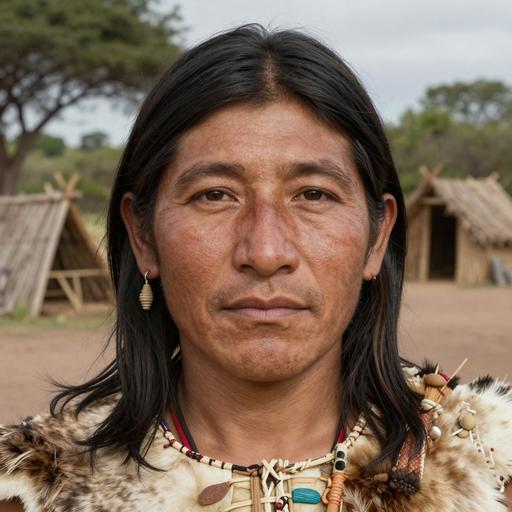
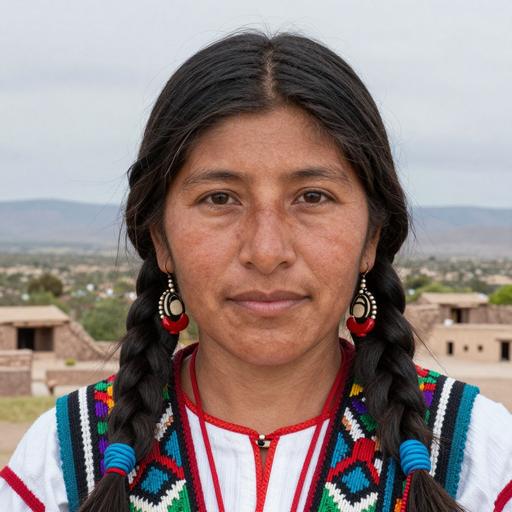
Profil de référence pour une branche de lignée. Des haplogroupes partagés n'établissent pas de lien familial ni d'identité culturelle.
Profil de référence
Contexte de la branche
Contexte historique de la branche de lignée mtDNA C1C
Origins and Evolution
mtDNA haplogroup C1C is a branch of the broader C1 lineage that emerged as humans moved through Northeast Asia and the Beringian region during the Late Pleistocene. Based on its phylogenetic position within C1 and coalescence estimates for related lineages, C1C likely diverged from other C1 subclades shortly before or during the initial peopling of the Americas, roughly ~15 thousand years ago (kya). Like other C1 branches, C1C most plausibly originated among populations isolated in eastern Beringia and then dispersed southward as ice-free corridors and coastal routes opened during the terminal Pleistocene and early Holocene.
Subclades
High-resolution complete mitogenome sequencing has revealed internal diversity within the C1C branch, with geographically structured sublineages that show regional localization in different parts of the Americas. These finer subclades are useful for tracing migration and local diversification events (for example, lineage clusters that appear concentrated in Andean versus Amazonian contexts). Because mtDNA accumulates mutations slowly, these subclades preserve a record of early settlement and subsequent regional differentiation following the first colonization of the continents.
Geographical Distribution
C1C is primarily a New World lineage. Its modern and ancient occurrences concentrate among Indigenous peoples of North, Central and South America, with greater haplotype diversity and higher relative frequencies reported in parts of South America, which is consistent with early southward dispersal and local expansion. Occasional low-frequency occurrences have been reported in northeastern Asia / Siberia and in Arctic-adjacent populations, interpreted either as retention of ancestral diversity in Beringia or rare back-migration/admixture events. Ancient DNA studies have recovered C1C in archaeological contexts across the Americas, confirming it as part of the maternal founding pool.
Historical and Cultural Significance
As one of the maternal lineages associated with the first peoples of the Americas, C1C is important for reconstructing the timing, routes, and demographic structure of early migrations into the New World. Patterns of C1C diversity support models in which founding populations spent time in a Beringian refugium and then rapidly expanded southward, followed by regional differentiation during the Holocene. C1C (together with other founding mtDNA haplogroups such as A2, B2, D1 and X2a) is frequently used in population genetics and ancient DNA studies to infer prehistoric population movements, regional continuity, and contacts among indigenous groups prior to European colonization.
Conclusion
mtDNA haplogroup C1C is a distinct maternal lineage that split from other C1 branches in Beringia/Northeast Asia during the Late Pleistocene and became established across the Americas during the initial peopling events. Its modern distribution and subclade structure reflect both the deep-time founding events that brought humans into the New World and the later region-specific demographic processes that shaped indigenous populations throughout North, Central and South America.
Points clés
Origins and Evolution
Subclades
Geographical Distribution
Historical and Cultural Significance
Conclusion
Profil de référence
Arbre et relations
Contexte phylogénétique et sous-clades
Voie évolutive
Suivez les branches parentes consignées jusqu'à C1C. Les dates sont des estimations et peuvent évoluer lorsque les données de référence sont révisées.
The populations where mtDNA haplogroup C1C is found include:
Indigenous peoples of North America (various First Nations, Native American groups)
Indigenous peoples of Central America (various Mesoamerican groups)
Indigenous peoples of South America (Andean, Amazonian and other regional groups)
Arctic and sub-Arctic populations (occasional occurrences among some Inuit/Yupik-adjacent groups)
Siberian and Northeast Asian populations (rare, low-frequency occurrences likely reflecting ancestral Beringian ties or later gene flow)
Ancient archaeological populations across the Americas (multiple ancient DNA contexts confirming early presence)
Contexte historique
Une branche dans le temps
Formation estimée sur une chronologie historique large. Les repères de période servent de contexte et n'impliquent pas de lien avec des cultures particulières.
Il y a ~20k ans
Dernier maximum glaciaire
Apogée de la dernière période glaciaire, populations isolées
Il y a ~15k ans
Haplogroupe C1C
Formation estimée de cette branche mtDNA ; les dates et les lieux sont des estimations de référence.
Cette branche
Il y a ~10k ans
Révolution néolithique
Début de l'agriculture et émergence de communautés sédentaires
Il y a ~5k ans
Âge du bronze
Travail des métaux, écriture et premières civilisations
Il y a ~3k ans
Âge du fer
Outils en fer, réseaux d'échanges élargis
Il y a ~2.5k ans
Antiquité classique
Floraison des civilisations grecque et romaine
Aujourd'hui
Aujourd'hui
Époque moderne
Profil de référence
Contexte archéologique
Associations archéologiques consignées pour la branche mtDNA C1C
Associations consignées
Ces libellés décrivent des contextes archéologiques consignés pour des échantillons de référence liés à C1C. Une association n'établit pas que tous les porteurs appartenaient à une culture ni qu'ils ont suivi une route migratoire précise.
Les attributions culturelles reposent sur le contexte archéologique des échantillons d'ADN ancien et peuvent refléter des associations régionales à certaines périodes.
Profil de référence
Catalogue d'échantillons
49 porteurs directs et 11 porteurs de sous-clade de l'haplogroupe C1C
10 affiché(s) · 50 échantillons correspondants
Aucun échantillon ne correspond à ces filtres. Essayez un autre libellé, lieu ou période.
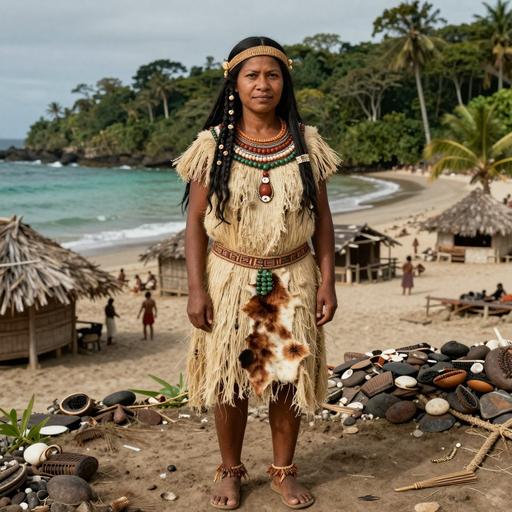
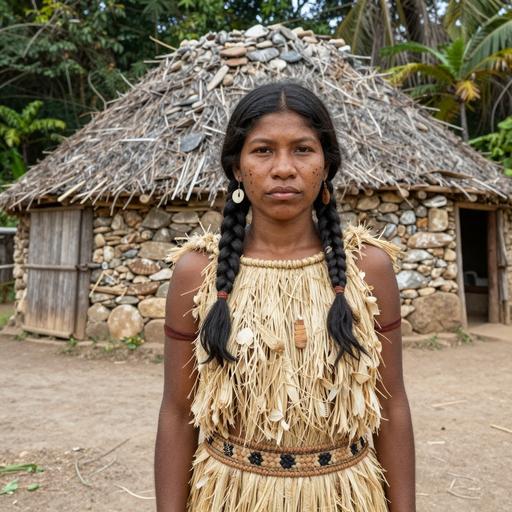
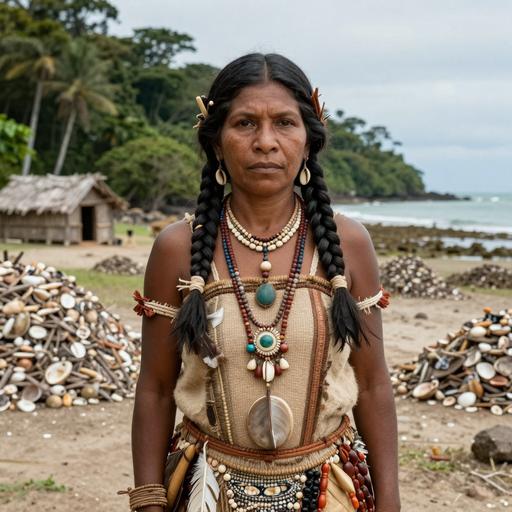
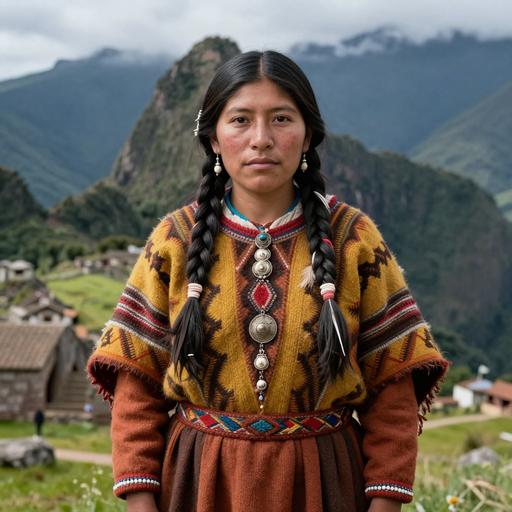
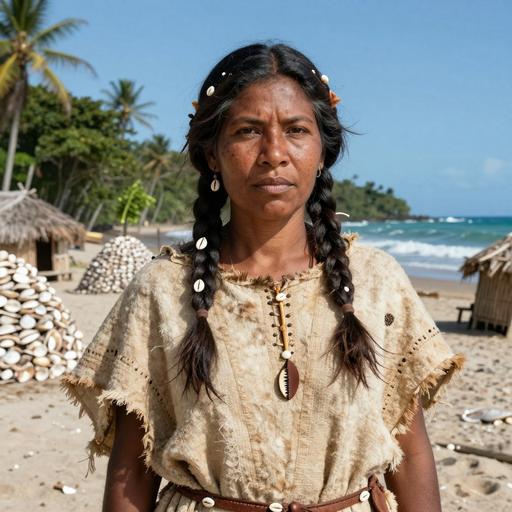
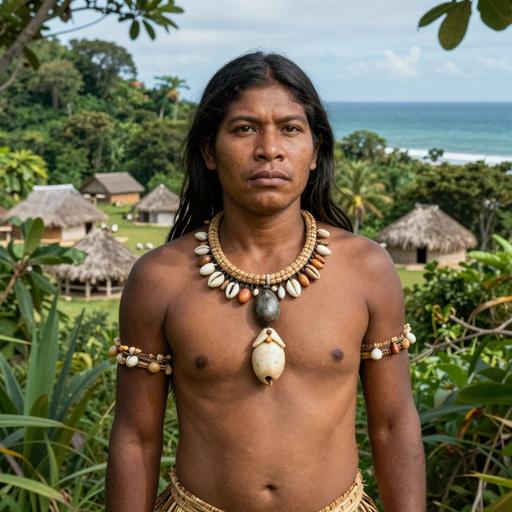
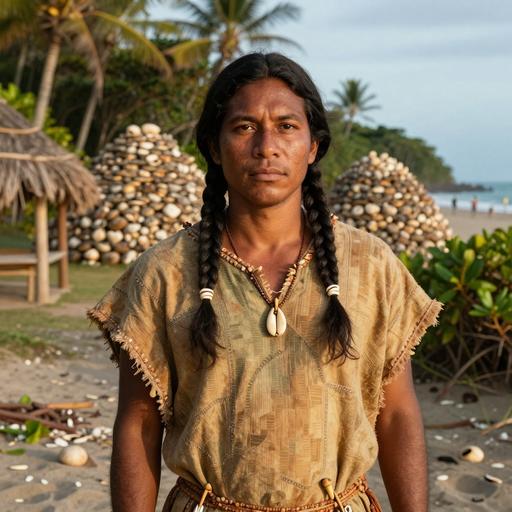
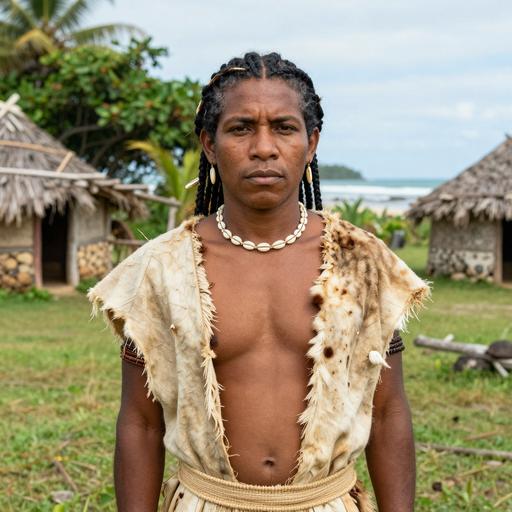
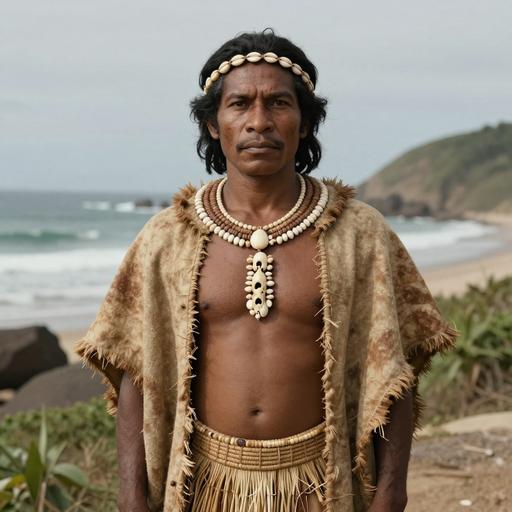
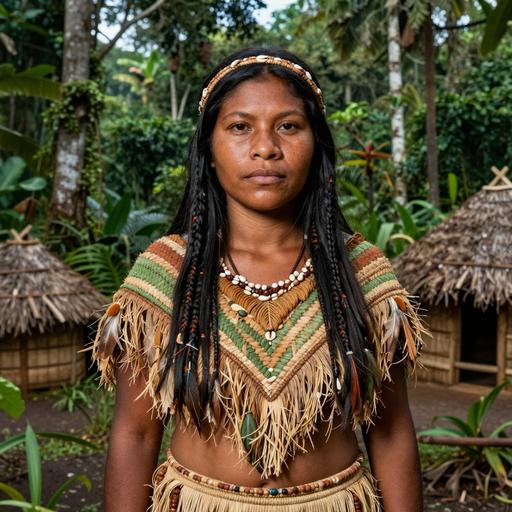
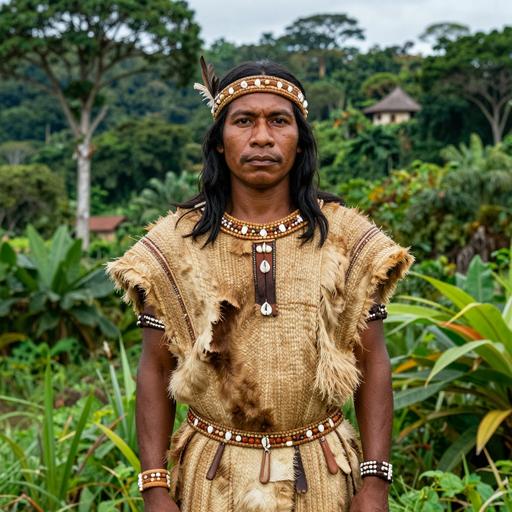
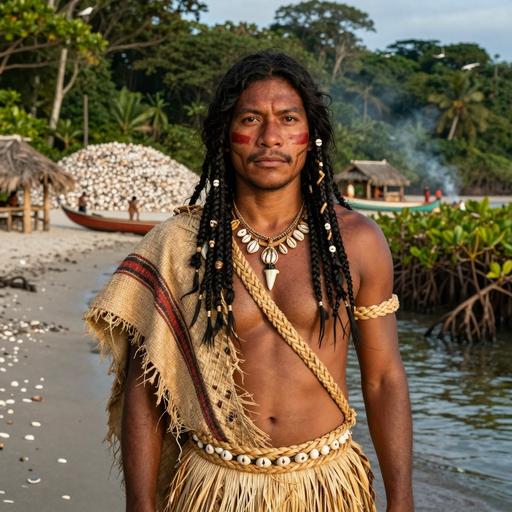
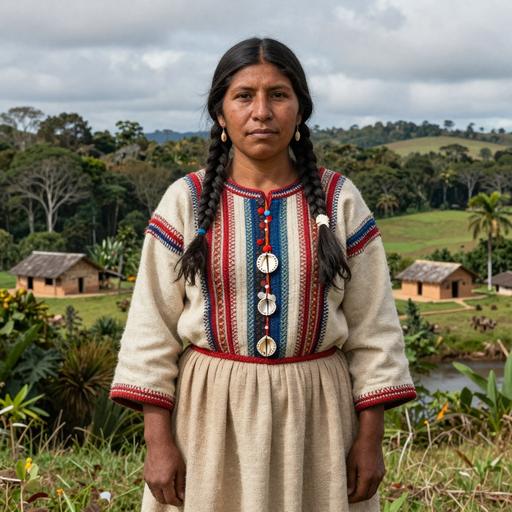
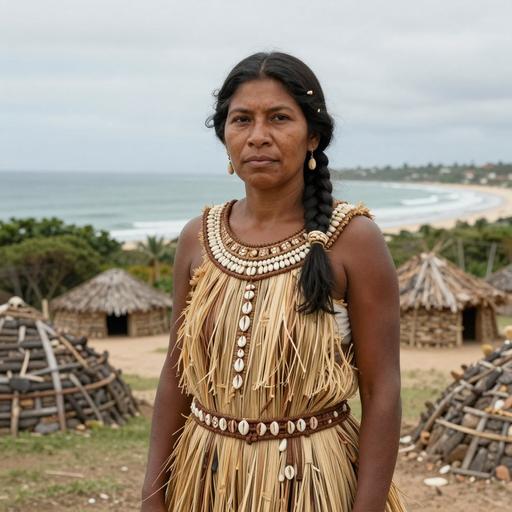
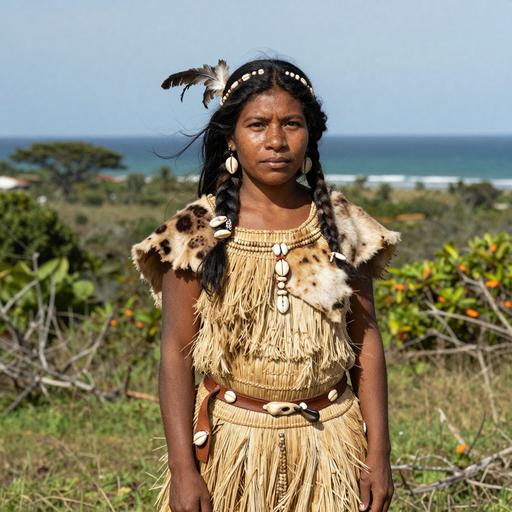
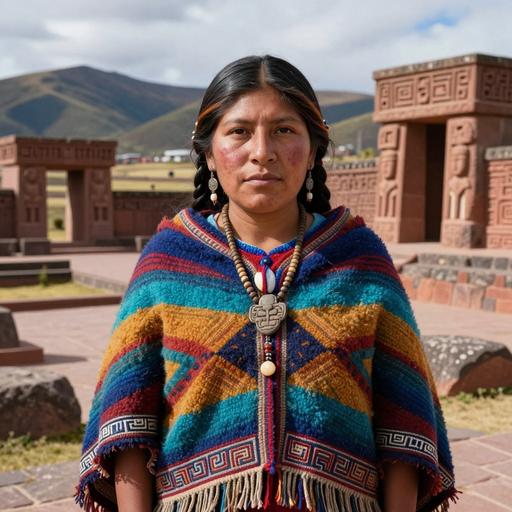
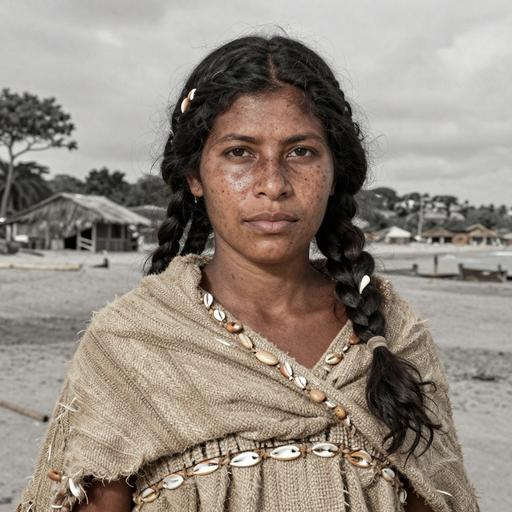
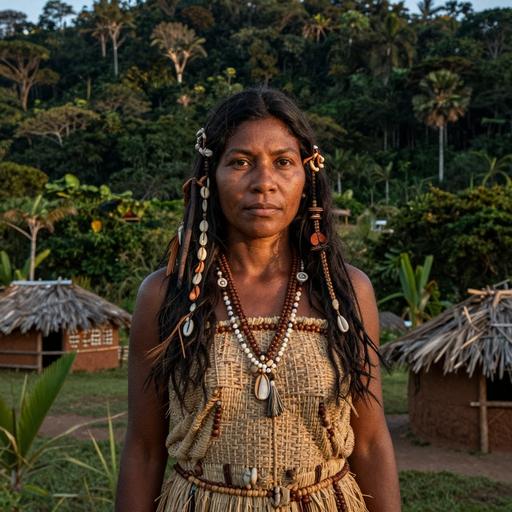
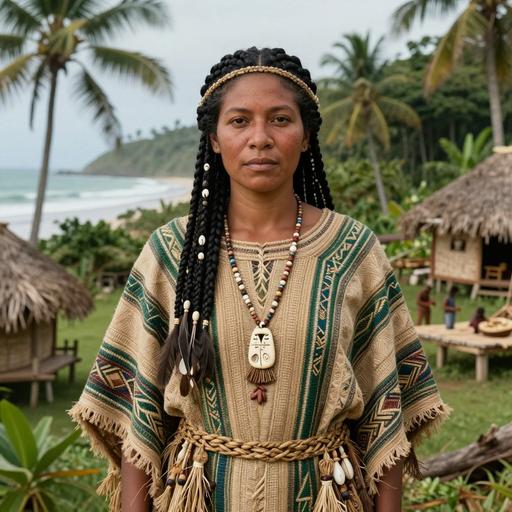
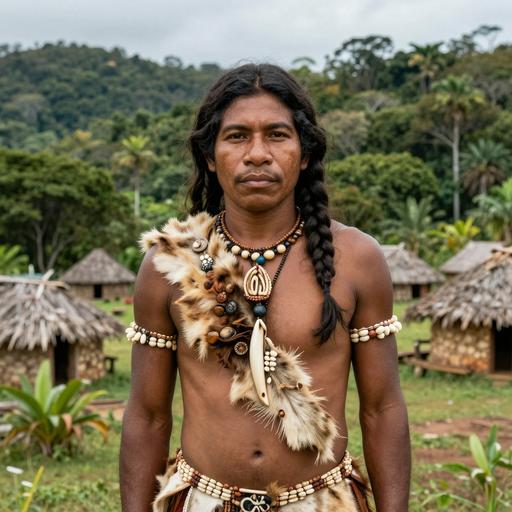
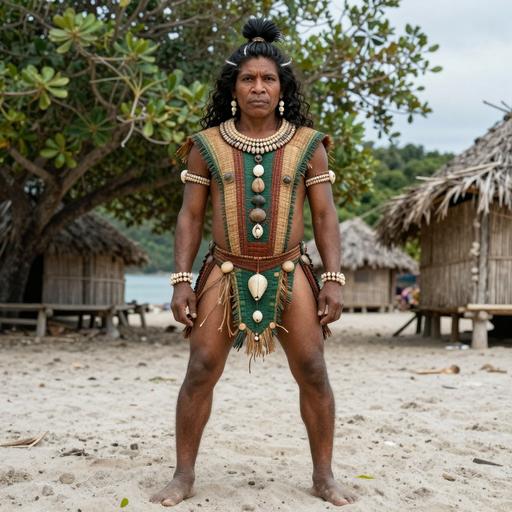
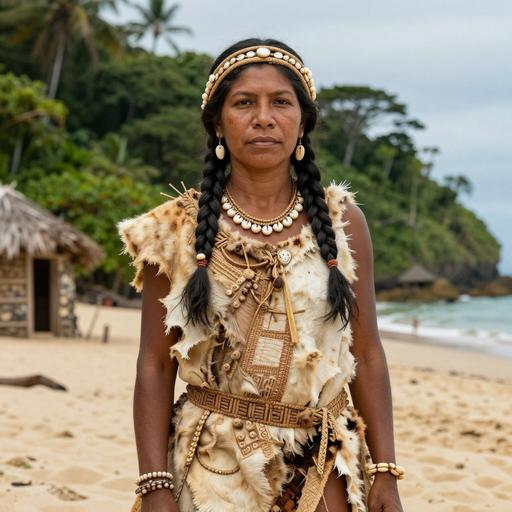
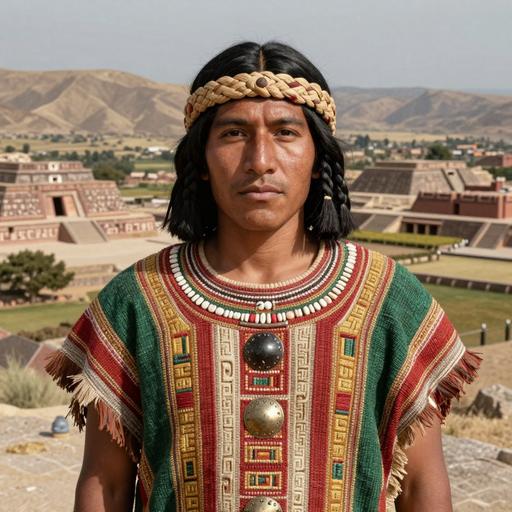
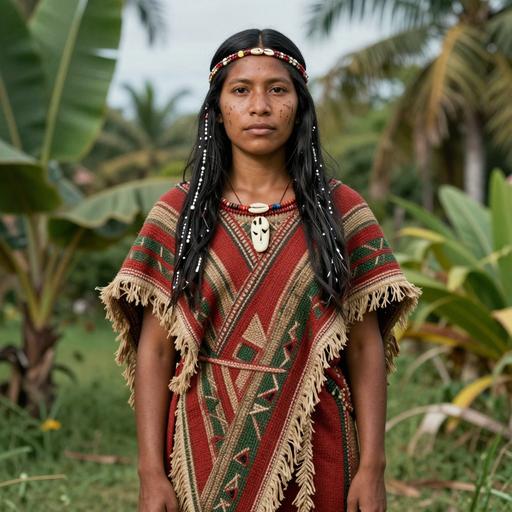
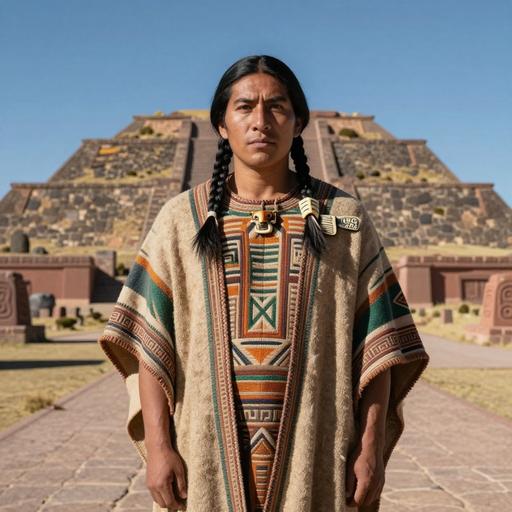
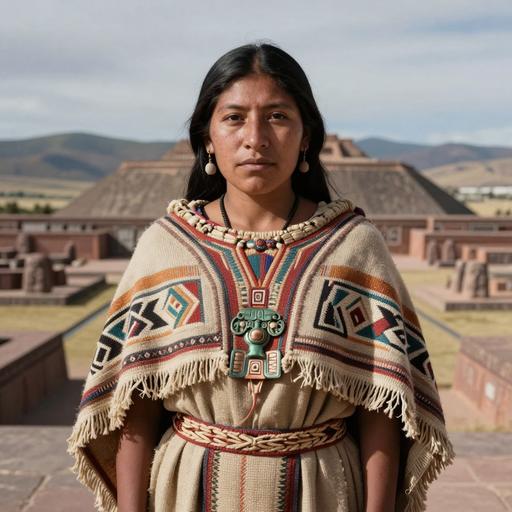
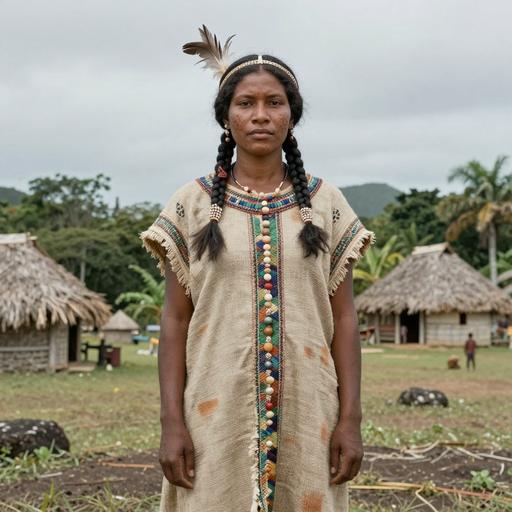
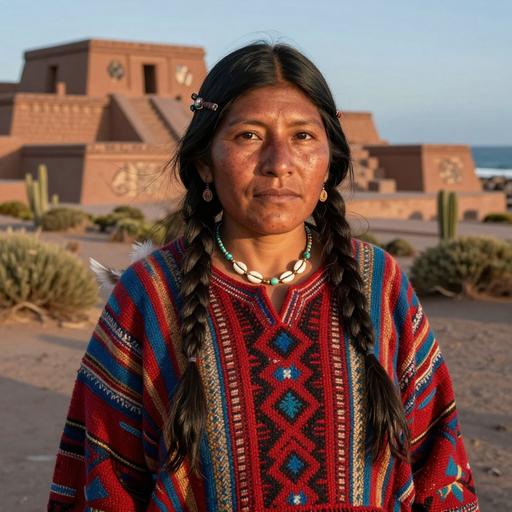
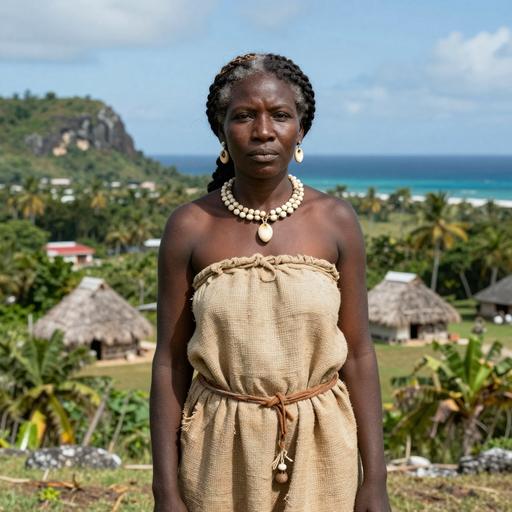
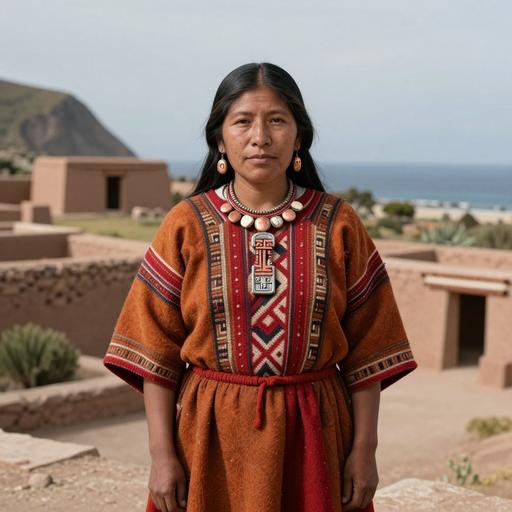
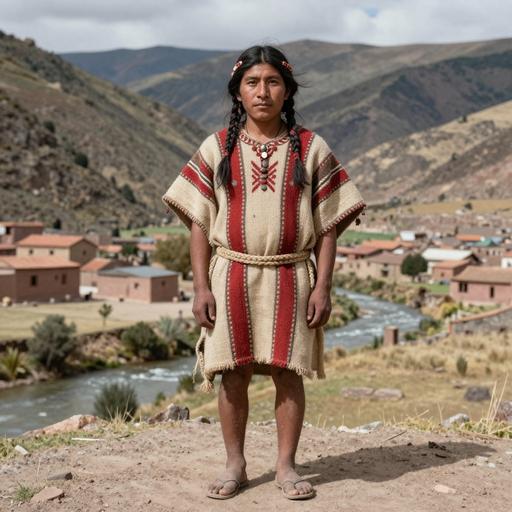
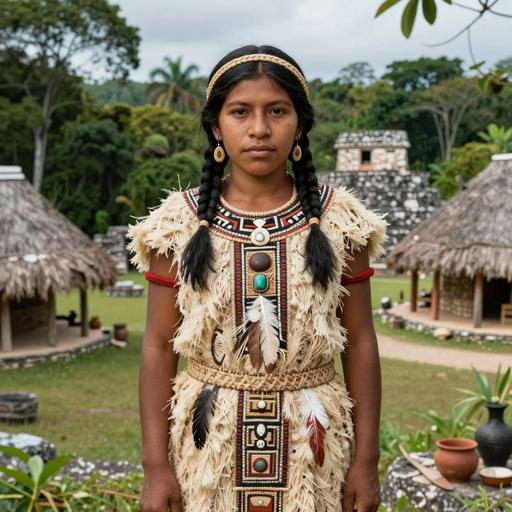
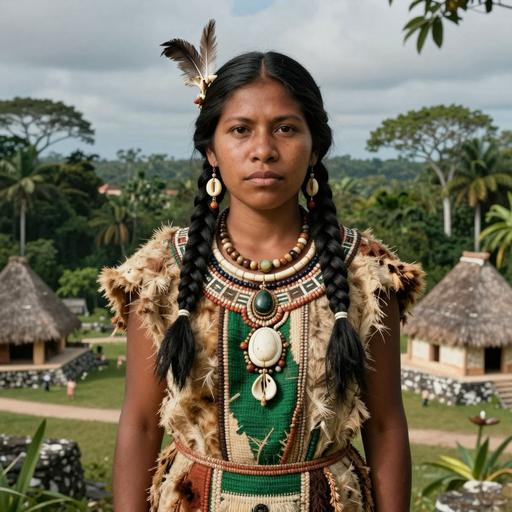
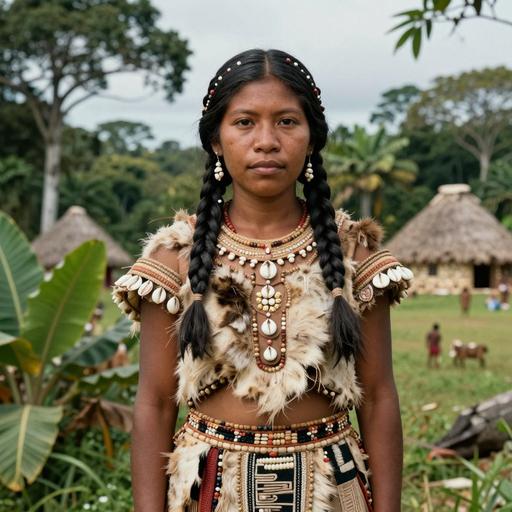
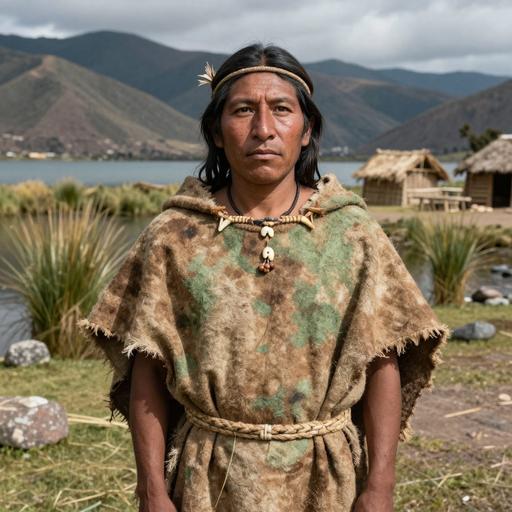
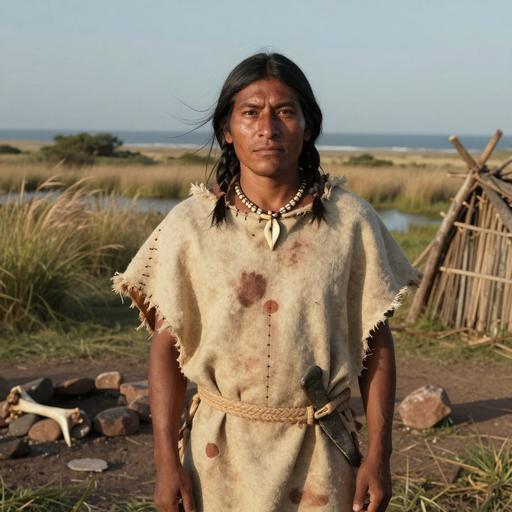
Les portraits sont des illustrations générées par IA. Les libellés d'échantillon et identifiants d'accès désignent les enregistrements de référence.
Ceramic Period Lavoutte, St. Lucia - St. Lucia - St. Lucia. Cas-en-Bas. Lavoutte site
St. Lucia Ceramic Period Lavoutte, St. Lucia 1021-1166 calCE (960±35 BP, GrN-32330)
C1cDirect
Identifiant d'échantillon : I2242
Middle Horizon to Late Intermediate Period El Brujo, Peru 850 Years Ago - Peru - El Brujo
Peru Middle Horizon to Late Intermediate Period El Brujo, Peru 850 Years Ago 1185-1390 calCE (965±20 BP, PSUAMS-1606)
C1cDirect
Identifiant d'échantillon : ALG004
Ceramic Period Anse Gourde, Guadeloupe - Guadeloupe - Pointe de Chateaux peninsula. Anse à la Gourde
Guadeloupe Ceramic Period Anse Gourde, Guadeloupe 1269 CE - 1376 CE
C1cDirect
Identifiant d'échantillon : ALG004
Guadeloupe The First Peoples of the Caribbean 1269 CE - 1376 CE
C1cDirect
Identifiant d'échantillon : UC12-25
Late Horizon Chincha Culture, Peru - Peru - SouthCoast
Peru Late Horizon Chincha Culture, Peru 1400 CE - 1500 CE
C1cDirect
Identifiant d'échantillon : I2261
La Galgada, Peru 4,100 Years Ago - Peru - La Galgada. Highlands
Peru La Galgada, Peru 4,100 Years Ago 2280 BCE - 2030 BCE
C1cDirect
Identifiant d'échantillon : I24542
Belize 4,600 Years Ago - Belize - Mayahak Cab Pek
Belize Belize 4,600 Years Ago 2889-2672 calBCE (4195±25 BP, PSUAMS-7434)
C1cDirect
Identifiant d'échantillon : I19942
Belize 4,900 Years Ago - Belize - Saki Tzul
Belize Belize 4,900 Years Ago 3091-2918 calBCE (4390±20 BP, PSUAMS-5896)
C1cDirect
Identifiant d'échantillon : I13267
Belize 5,500 Years Ago - Belize - Mayahak Cab Pek
Belize Belize 5,500 Years Ago 3630-3379 calBCE (4737±22 BP) [R_combine: (4725±25 BP, PSUAMS-3607), (4775±45, UCIAMS-228026)]
C1cDirect
Identifiant d'échantillon : SMP5
Soro Mikaya Patjxa, Peru 6,800 Years Ago - Peru - Rio Ilave Basin. Soro Mik’aya Patjxa
Peru Soro Mikaya Patjxa, Peru 6,800 Years Ago 4987 BCE - 4794 BCE
C1cDirect
Identifiant d'échantillon : SMP5
Peru Ancient South America 4987 BCE - 4794 BCE
C1cDirect
Identifiant d'échantillon : I1748
Arroyo Seco 2 Site 7200 Years Ago - Argentina - Arroyo Seco II
Argentina Arroyo Seco 2 Site 7200 Years Ago 5500-5000 BCE
C1cDirect
Identifiant d'échantillon : I7090
Arroyo Seco 2 Site 7200 Years Ago - Argentina - Arroyo Seco II
Argentina Arroyo Seco 2 Site 7200 Years Ago 5500-5000 BCE
C1cDirect
Identifiant d'échantillon : I17109
Tayopa Culture - Mexico - Tayopa Site #60 (Sonora, Sahuaripa)
Mexico Mexico Tayopa 1000BP 500-1400 CE
C1c5Sous-clade
LIGNÉE MATERNELLE · ADN ANTIQUE
Carte des preuves de lignées antiques
Suivez les clades parents jusqu'à cette branche et explorez où des porteurs antiques ont été identifiés.
Chargement des observations antiques…
La réduction des animations est activée. Utilisez la chronologie ou Tout afficher pour explorer à votre rythme.
Lire les observations sous forme de tableau
Observations antiques affichées par branche, période et date médiane
Branche
Période
Plage de dates
Échantillon
Identifiant d'échantillon
Emplacement
Haplogroupe
Relation
Les marqueurs indiquent des lieux de découvertes archéologiques. Un trait pointillé représente une transition géographique proposée et incertaine entre branches consécutives, appuyée sur plusieurs observations datées ; ce n'est pas un itinéraire exact, un lieu de naissance ni une preuve de descendance directe. Des échantillons de clades parents peuvent appartenir à d'autres branches descendantes. Des lacunes subsistent lorsque les preuves sont insuffisantes. Les dates d'échantillon diffèrent des dates de formation des haplogroupes.
Le regroupement par période historique reflète quand chaque individu antique a vécu, en combinant toutes les branches de cette chaîne de lignée ; ce n'est pas une séquence migratoire ni une chronologie personnelle entre périodes.
Profil de référence
Carte de répartition des porteurs
Répartition géographique de 60 échantillons d'ADN ancien (porteurs directs et de sous-clade de C1C)
Porteur direct Porteur de sous-clade
Filtre de période
Toutes les périodes
Affichage de tous les échantillons
Profil de référence
Répartition temporelle
Répartition des porteurs selon les périodes archéologiques
Profil de référence
Répartition géographique
Effectifs par pays d'échantillon consigné. Ils reflètent la sélection de référence disponible, pas des fréquences de population.
Profil de référence
Répartition pays × époque
Comparez les effectifs d'échantillons consignés selon les pays et les périodes archéologiques. Sélectionnez une cellule renseignée pour examiner un échantillon.
Données
Données et provenance
Informations sur les sources et qualité des données
Dernière mise à jour2026-02-16
Score de confiance50/100
CouvertureLow
Source des données
La classification, les dates estimées et le contexte géographique reflètent les données de référence consignées et peuvent évoluer lorsque les éléments sont révisés. La couverture d'échantillons est inégale ; les lieux consignés et les associations archéologiques n'établissent pas une origine personnelle ni une identité culturelle.
Un haplogroupe suit une seule lignée maternelle ou paternelle. La branche que l’on peut prédire dépend des marqueurs présents dans le fichier ADN.
Nos méthodes d’analyse