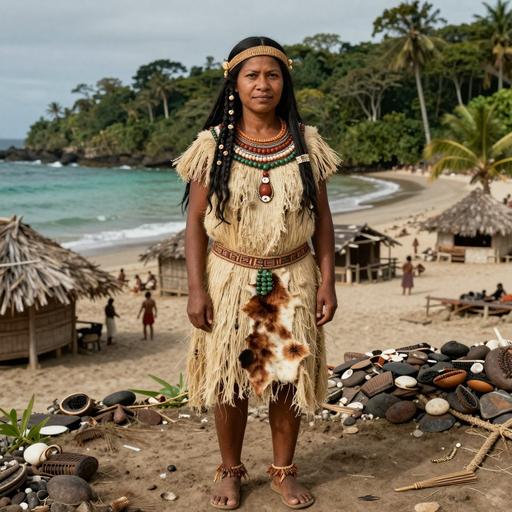
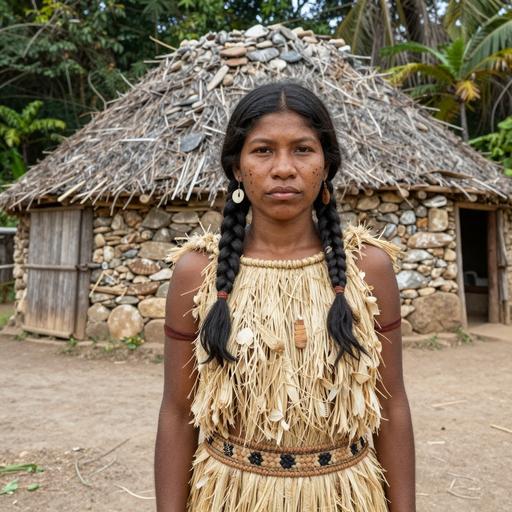
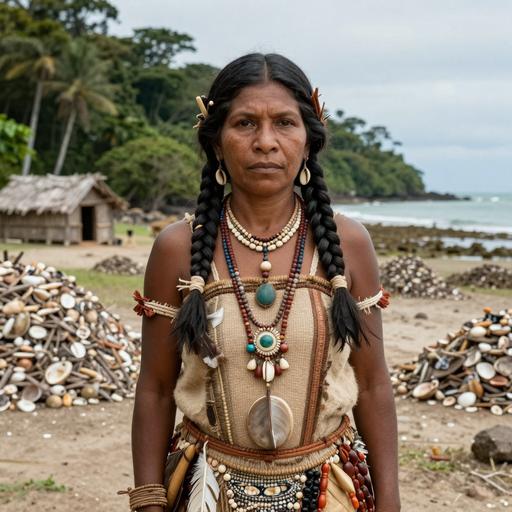
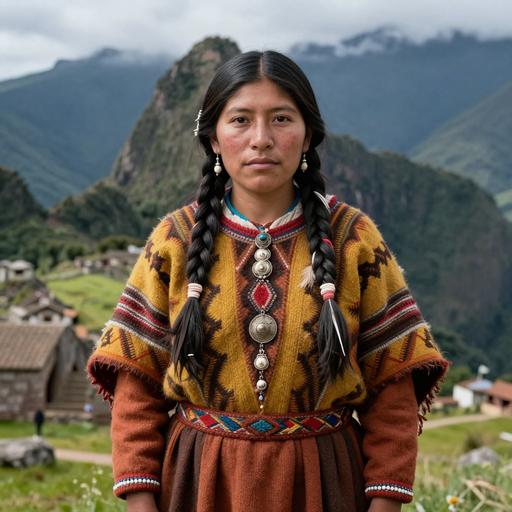
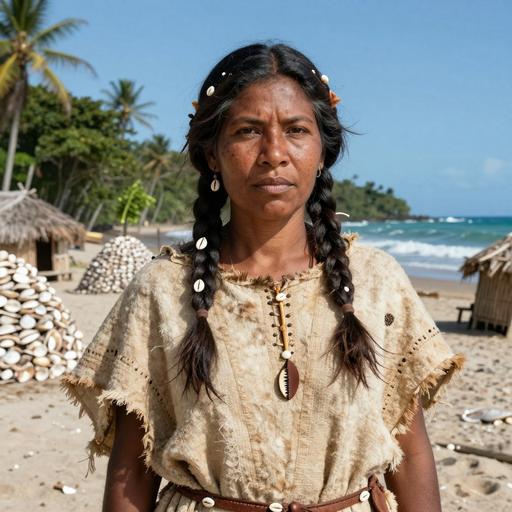
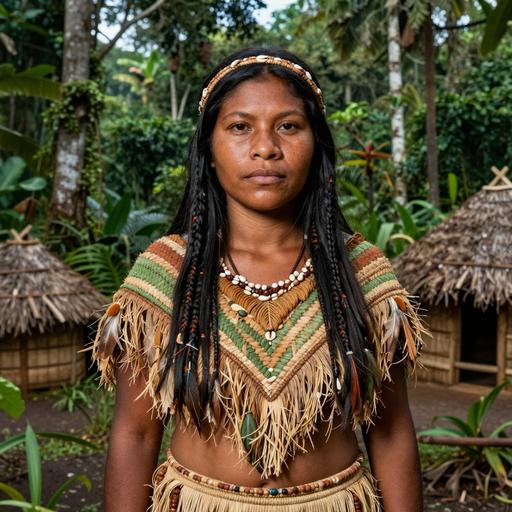
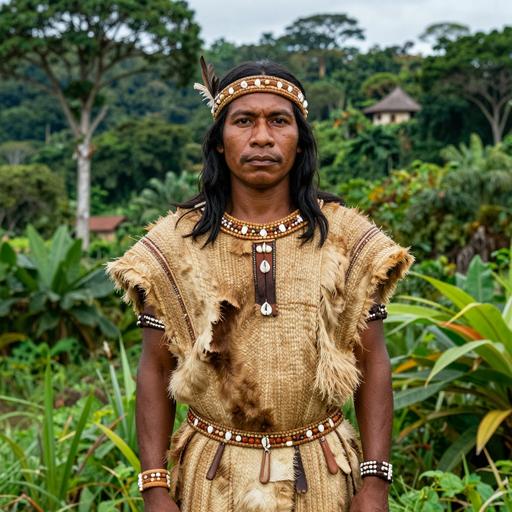
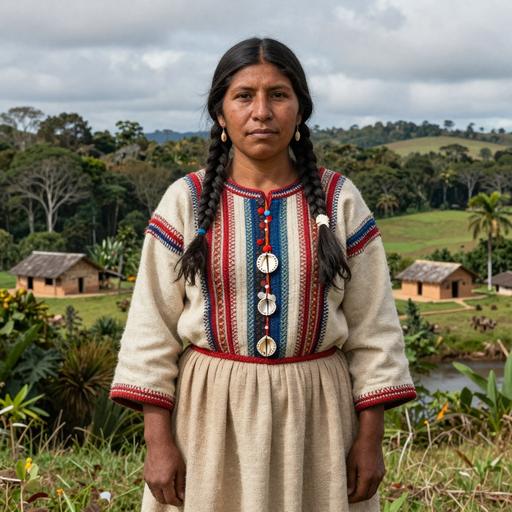
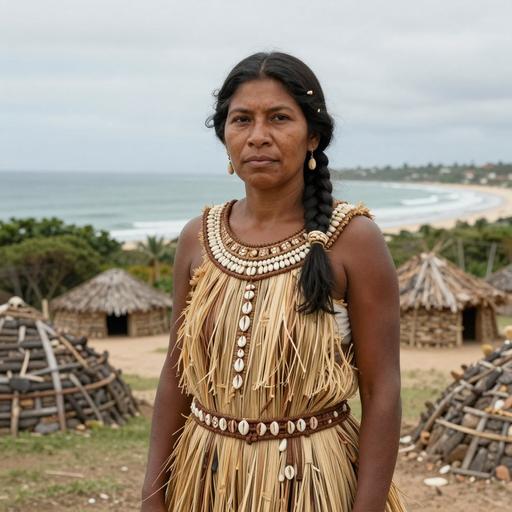
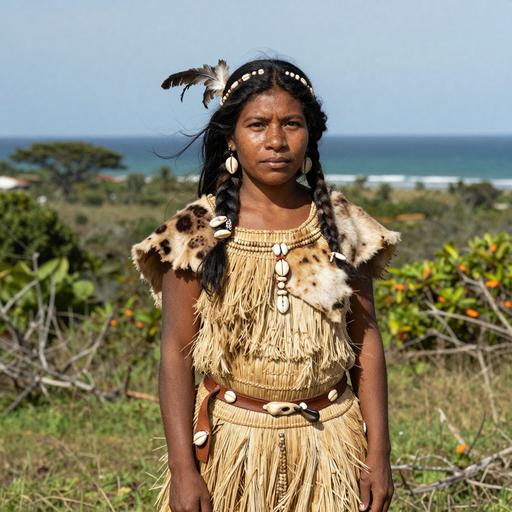
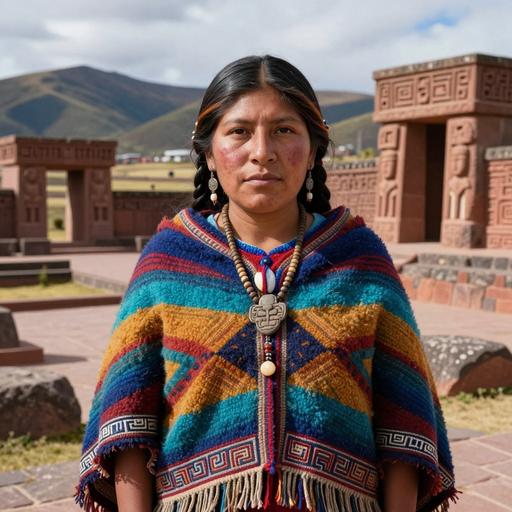
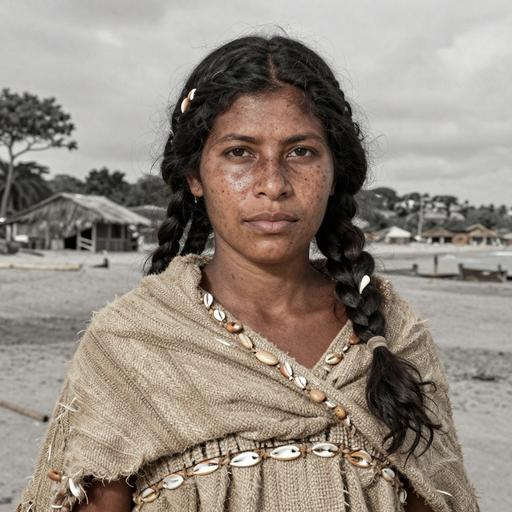
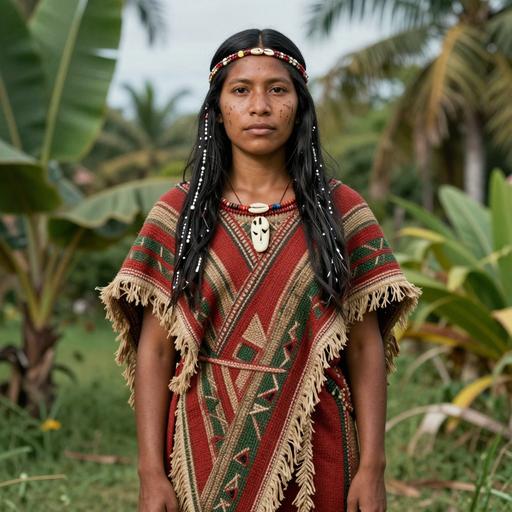
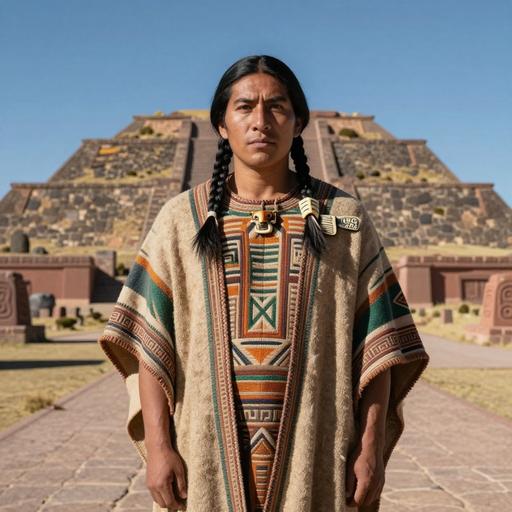
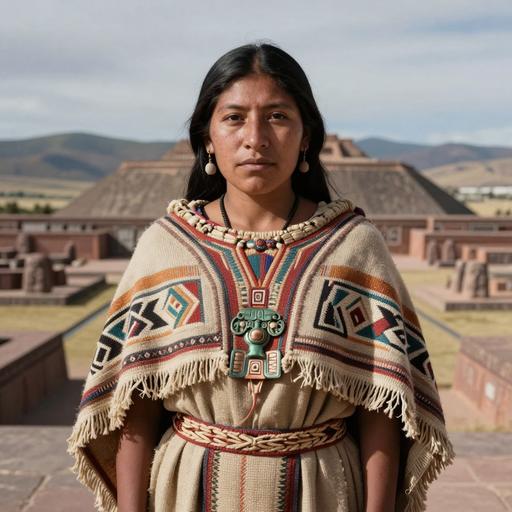
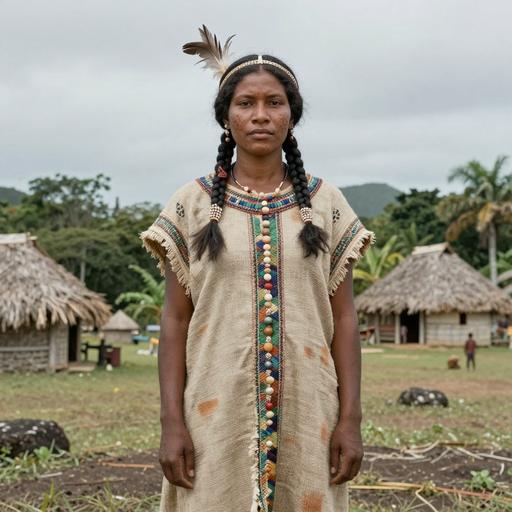
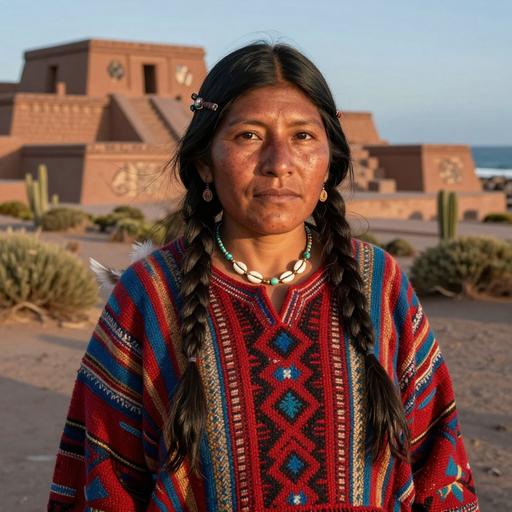
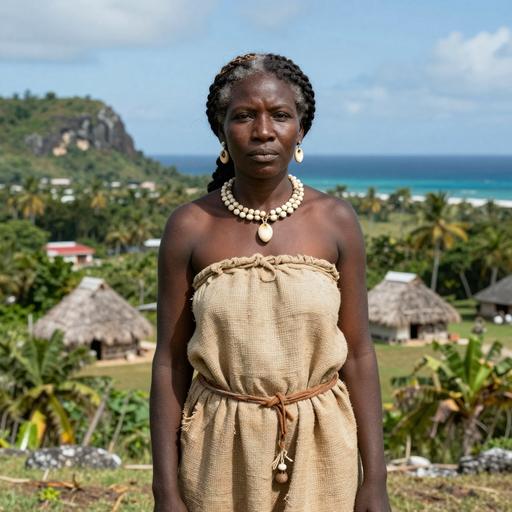
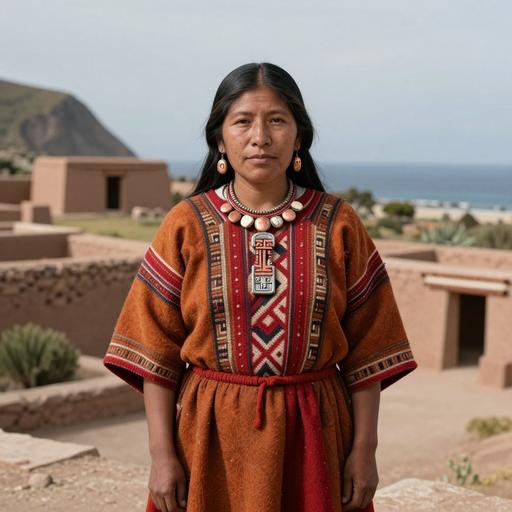
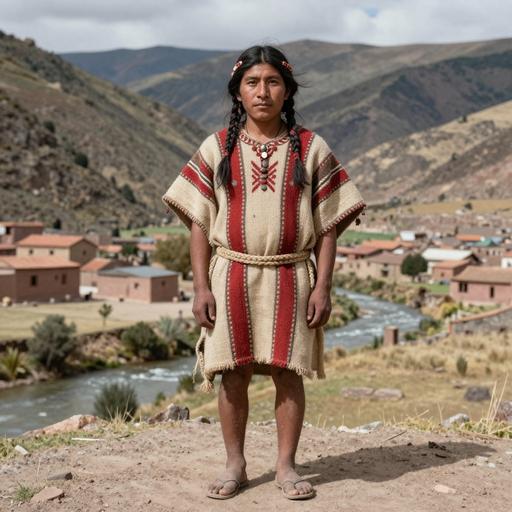
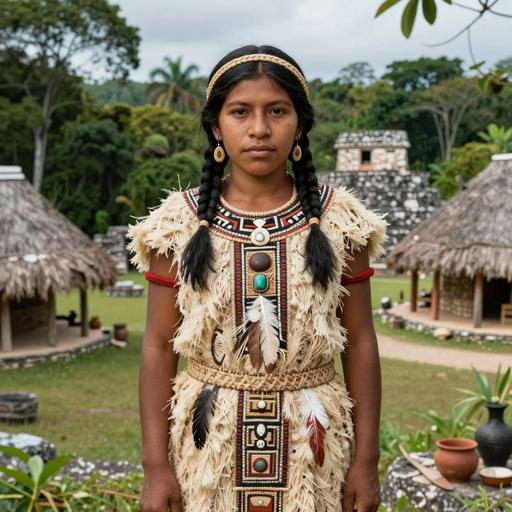
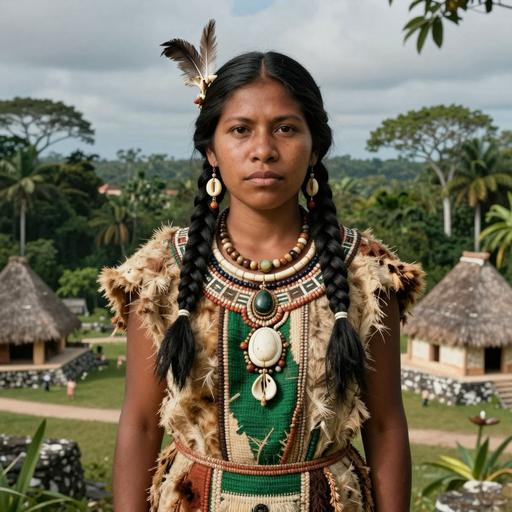
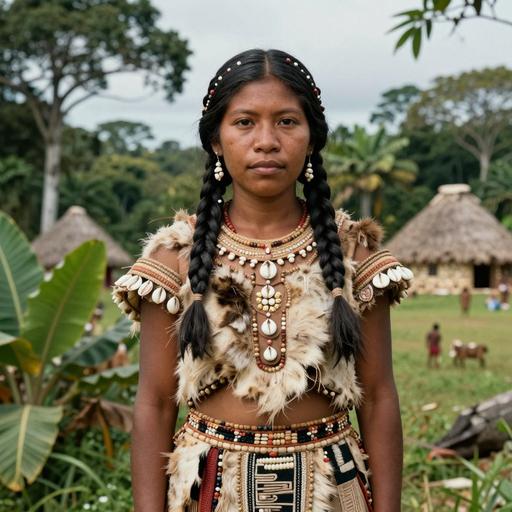
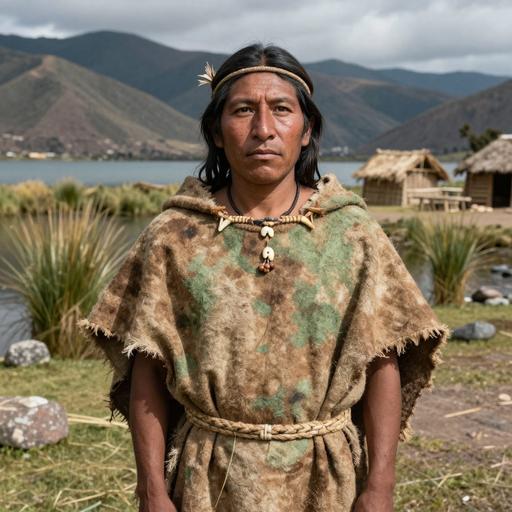
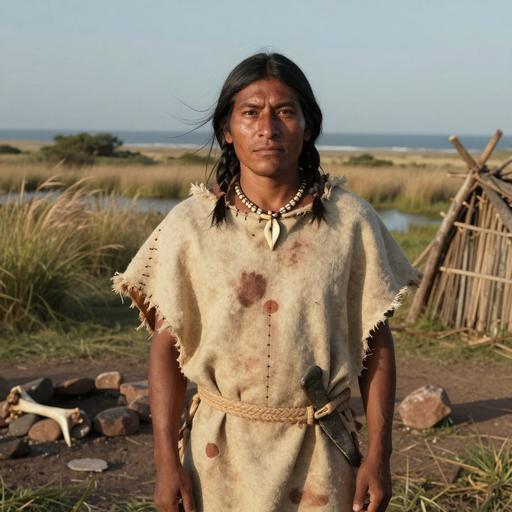
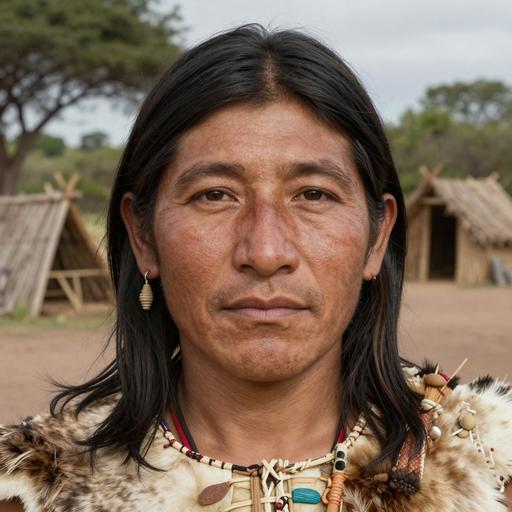
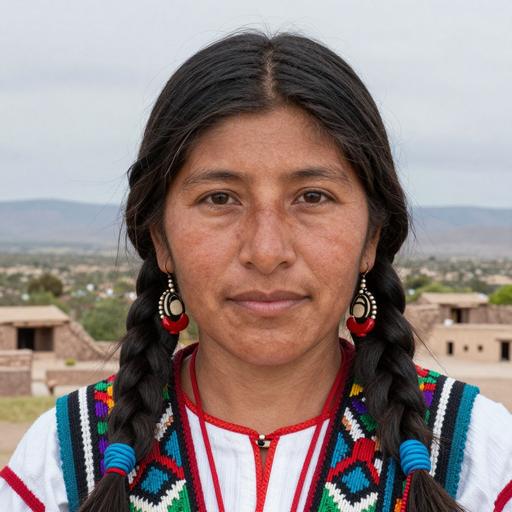
פרופיל ייחוס של ענף שושלת אחד. קבוצה הפלוגרופית משותפת אינה קובעת קשר משפחתי ואינה מגדירה זהות תרבותית.
פרופיל הייחוס
רקע הענף
ההקשר ההיסטורי של ענף C1C בשושלת mtDNA
Origins and Evolution
mtDNA haplogroup C1C is a branch of the broader C1 lineage that emerged as humans moved through Northeast Asia and the Beringian region during the Late Pleistocene. Based on its phylogenetic position within C1 and coalescence estimates for related lineages, C1C likely diverged from other C1 subclades shortly before or during the initial peopling of the Americas, roughly ~15 thousand years ago (kya). Like other C1 branches, C1C most plausibly originated among populations isolated in eastern Beringia and then dispersed southward as ice-free corridors and coastal routes opened during the terminal Pleistocene and early Holocene.
Subclades
High-resolution complete mitogenome sequencing has revealed internal diversity within the C1C branch, with geographically structured sublineages that show regional localization in different parts of the Americas. These finer subclades are useful for tracing migration and local diversification events (for example, lineage clusters that appear concentrated in Andean versus Amazonian contexts). Because mtDNA accumulates mutations slowly, these subclades preserve a record of early settlement and subsequent regional differentiation following the first colonization of the continents.
Geographical Distribution
C1C is primarily a New World lineage. Its modern and ancient occurrences concentrate among Indigenous peoples of North, Central and South America, with greater haplotype diversity and higher relative frequencies reported in parts of South America, which is consistent with early southward dispersal and local expansion. Occasional low-frequency occurrences have been reported in northeastern Asia / Siberia and in Arctic-adjacent populations, interpreted either as retention of ancestral diversity in Beringia or rare back-migration/admixture events. Ancient DNA studies have recovered C1C in archaeological contexts across the Americas, confirming it as part of the maternal founding pool.
Historical and Cultural Significance
As one of the maternal lineages associated with the first peoples of the Americas, C1C is important for reconstructing the timing, routes, and demographic structure of early migrations into the New World. Patterns of C1C diversity support models in which founding populations spent time in a Beringian refugium and then rapidly expanded southward, followed by regional differentiation during the Holocene. C1C (together with other founding mtDNA haplogroups such as A2, B2, D1 and X2a) is frequently used in population genetics and ancient DNA studies to infer prehistoric population movements, regional continuity, and contacts among indigenous groups prior to European colonization.
Conclusion
mtDNA haplogroup C1C is a distinct maternal lineage that split from other C1 branches in Beringia/Northeast Asia during the Late Pleistocene and became established across the Americas during the initial peopling events. Its modern distribution and subclade structure reflect both the deep-time founding events that brought humans into the New World and the later region-specific demographic processes that shaped indigenous populations throughout North, Central and South America.
נקודות עיקריות
Origins and Evolution
Subclades
Geographical Distribution
Historical and Cultural Significance
Conclusion
פרופיל הייחוס
עץ השושלת והענפים הקשורים
מקום הענף בעץ השושלת ותת-הענפים שלו
מסלול ההתפצלות של השושלת
עקבו אחר ענפי האב המתועדים עד C1C. התאריכים הם אומדנים ועשויים להשתנות כשנתוני הייחוס מתעדכנים.
The populations where mtDNA haplogroup C1C is found include:
Indigenous peoples of North America (various First Nations, Native American groups)
Indigenous peoples of Central America (various Mesoamerican groups)
Indigenous peoples of South America (Andean, Amazonian and other regional groups)
Arctic and sub-Arctic populations (occasional occurrences among some Inuit/Yupik-adjacent groups)
Siberian and Northeast Asian populations (rare, low-frequency occurrences likely reflecting ancestral Beringian ties or later gene flow)
Ancient archaeological populations across the Americas (multiple ancient DNA contexts confirming early presence)
הקשר היסטורי
ענף לאורך זמן
אומדן היווצרות בציר זמן היסטורי רחב. סמני התקופות נותנים הקשר ואינם מרמזים על קשר לתרבויות מסוימות.
~20k שנים לפני
שיא עידן הקרח האחרון
שיא עידן הקרח האחרון, ואוכלוסיות שנותרו מבודדות
~15k שנים לפני
קבוצה הפלוגרופית C1C
אומדן להיווצרות ענף mtDNA זה. תאריכים ומיקומים הם אומדני ייחוס.
הענף הזה
~10k שנים לפני
המהפכה הנאוליתית
ראשית החקלאות והתגבשות קהילות יושבות קבע
~5k שנים לפני
תקופת הברונזה
עיבוד מתכות, כתב וציוויליזציות מוקדמות
~3k שנים לפני
תקופת הברזל
כלי ברזל ורשתות מסחר מורחבות
~2.5k שנים לפני
העת העתיקה הקלאסית
שגשוג הציוויליזציות היוונית והרומית
Present
ימינו
העידן המודרני
פרופיל הייחוס
הקשר ארכאולוגי
הקשרים ארכאולוגיים מתועדים של ענף C1C מ-mtDNA
הקשרים מתועדים
תוויות אלה מתארות הקשרים ארכאולוגיים מתועדים של דגימות הייחוס המקושרות ל-C1C. הקישור אינו מוכיח שכל נושאי הענף השתייכו לתרבות מסוימת או הלכו במסלול נדידה מסוים.
Ceramic Period Lavoutte, St. Lucia - St. Lucia - St. Lucia. Cas-en-Bas. Lavoutte site
St. Lucia Ceramic Period Lavoutte, St. Lucia 1021-1166 calCE (960±35 BP, GrN-32330)
C1cהתאמה ישירה
מזהה דגימה: I2242
Middle Horizon to Late Intermediate Period El Brujo, Peru 850 Years Ago - Peru - El Brujo
Peru Middle Horizon to Late Intermediate Period El Brujo, Peru 850 Years Ago 1185-1390 calCE (965±20 BP, PSUAMS-1606)
C1cהתאמה ישירה
מזהה דגימה: ALG004
Ceramic Period Anse Gourde, Guadeloupe - Guadeloupe - Pointe de Chateaux peninsula. Anse à la Gourde
Guadeloupe Ceramic Period Anse Gourde, Guadeloupe 1269 CE - 1376 CE
C1cהתאמה ישירה
מזהה דגימה: ALG004
Guadeloupe The First Peoples of the Caribbean 1269 CE - 1376 CE
C1cהתאמה ישירה
מזהה דגימה: UC12-25
Late Horizon Chincha Culture, Peru - Peru - SouthCoast
Peru Late Horizon Chincha Culture, Peru 1400 CE - 1500 CE
C1cהתאמה ישירה
מזהה דגימה: I2261
La Galgada, Peru 4,100 Years Ago - Peru - La Galgada. Highlands
Peru La Galgada, Peru 4,100 Years Ago 2280 BCE - 2030 BCE
C1cהתאמה ישירה
מזהה דגימה: I24542
Belize 4,600 Years Ago - Belize - Mayahak Cab Pek
Belize Belize 4,600 Years Ago 2889-2672 calBCE (4195±25 BP, PSUAMS-7434)
C1cהתאמה ישירה
מזהה דגימה: I19942
Belize 4,900 Years Ago - Belize - Saki Tzul
Belize Belize 4,900 Years Ago 3091-2918 calBCE (4390±20 BP, PSUAMS-5896)
C1cהתאמה ישירה
מזהה דגימה: I13267
Belize 5,500 Years Ago - Belize - Mayahak Cab Pek
Belize Belize 5,500 Years Ago 3630-3379 calBCE (4737±22 BP) [R_combine: (4725±25 BP, PSUAMS-3607), (4775±45, UCIAMS-228026)]
C1cהתאמה ישירה
מזהה דגימה: SMP5
Soro Mikaya Patjxa, Peru 6,800 Years Ago - Peru - Rio Ilave Basin. Soro Mik’aya Patjxa
Peru Soro Mikaya Patjxa, Peru 6,800 Years Ago 4987 BCE - 4794 BCE
C1cהתאמה ישירה
מזהה דגימה: SMP5
Peru Ancient South America 4987 BCE - 4794 BCE
C1cהתאמה ישירה
מזהה דגימה: I1748
Arroyo Seco 2 Site 7200 Years Ago - Argentina - Arroyo Seco II
Argentina Arroyo Seco 2 Site 7200 Years Ago 5500-5000 BCE
C1cהתאמה ישירה
מזהה דגימה: I7090
Arroyo Seco 2 Site 7200 Years Ago - Argentina - Arroyo Seco II
Argentina Arroyo Seco 2 Site 7200 Years Ago 5500-5000 BCE
C1cהתאמה ישירה
מזהה דגימה: I17109
Tayopa Culture - Mexico - Tayopa Site #60 (Sonora, Sahuaripa)
Mexico Mexico Tayopa 1000BP 500-1400 CE
C1c5תת-ענף
ענף אימהי · DNA קדום
מפת ראיות קדומות לענף השושלת
עקבו אחר ענפי המקור המובילים לענף זה, וגלו היכן נמצאו הדגימות הקדומות הקשורות אליו.
טוען תצפיות קדומות...
תנועה מופחתת פעילה. השתמשו בציר הזמן או בכפתור הצגת הכול כדי לעיין בקצב שלכם.
קריאת התצפיות כטבלה
התצפיות הקדומות המוצגות לפי ענף, תקופה ואמצע טווח התאריך
ענף
תקופה
טווח תאריכים
דגימה
מזהה דגימה
מיקום
הפלוגרופ
סוג הקשר
הסימונים מציינים מקומות מציאה ארכאולוגיים. קו מקווקו הוא מעבר גאוגרפי מוצע ולא ודאי בין ענפים עוקבים, הנתמך בכמה תצפיות מתוארכות. אין זה מסלול מדויק, מקום לידה או הוכחה לירידה ישירה. דגימות מענפי המקור עשויות להשתייך לענפי צאצאים אחרים. הפערים נשארים במקום שבו הראיות אינן מספיקות. תאריכי הדגימות שונים מתאריכי היווצרות ההפלוגרופ.
קיבוץ לפי תקופה היסטורית משקף מתי חי כל אדם קדום, על פני כל הענפים בשרשרת שושלת זו. אין זה רצף נדידה או ציר זמן אישי בין תקופות.
פרופיל הייחוס
מפת תפוצת הדגימות
התפוצה הגאוגרפית של דגימות דנ"א עתיק בהתאמה ישירה לקבוצה C1C או לתת-הענפים שלה. מספר דגימות: 60
דגימה בהתאמה ישירה דגימה מתת-ענף
סינון לפי תקופה
כל התקופות
כל הדגימות מוצגות
פרופיל הייחוס
תפוצה בזמן
תפוצת הדגימות על פני התקופות הארכאולוגיות
פרופיל הייחוס
תפוצה גאוגרפית
מספר הדגימות לפי המדינה המתועדת שלהן. הספירות משקפות את דגימות הייחוס הזמינות, בלי למדוד את תדירות הקבוצות ההפלוגרופיות באוכלוסייה.
פרופיל הייחוס
תפוצת הדגימות לפי מדינה ותקופה
השוו את מספר הדגימות המתועדות לפי מדינות ותקופות ארכאולוגיות. בחרו תא עם תוצאות כדי לראות אחת מהדגימות.
הנתונים
הנתונים ומקורותיהם
מידע על המקורות ואיכות הנתונים
עדכון אחרון2026-02-16
רמת ביטחון50/100
כיסויLow
מקור הנתונים
הסיווג, התאריכים המשוערים וההקשר הגאוגרפי משקפים את נתוני הייחוס המתועדים, והם עשויים להשתנות כשהראיות נבדקות מחדש. כיסוי הדגימות משתנה, ומיקומים מתועדים וקשרים ארכאולוגיים אינם מוכיחים מוצא אישי או זהות תרבותית.
קבוצה הפלוגרופית מייצגת שושלת אחת מצד האם או מצד האב. הענף שאפשר לחזות תלוי בסמנים הגנטיים שבקובץ הדנ״א.
איך אנחנו מנתחים דנ״א