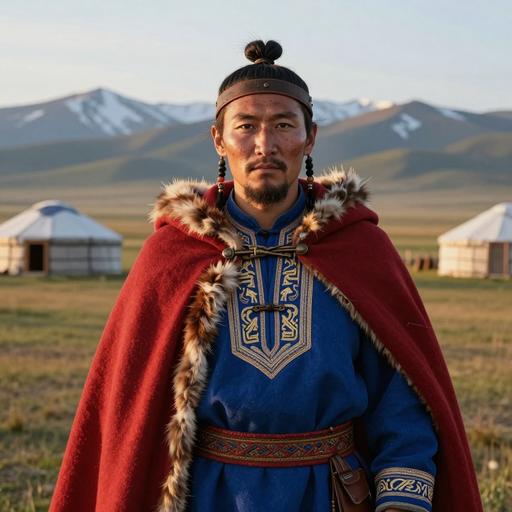
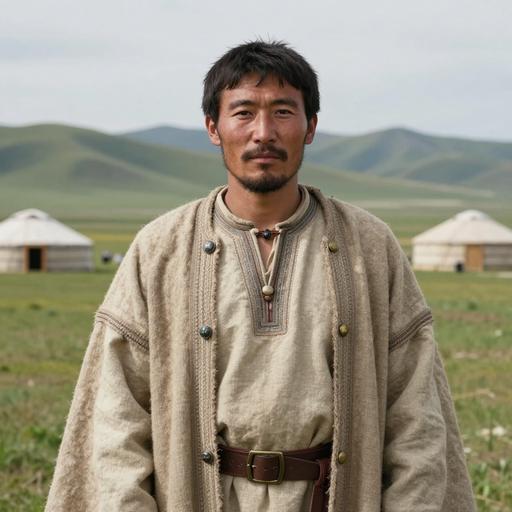
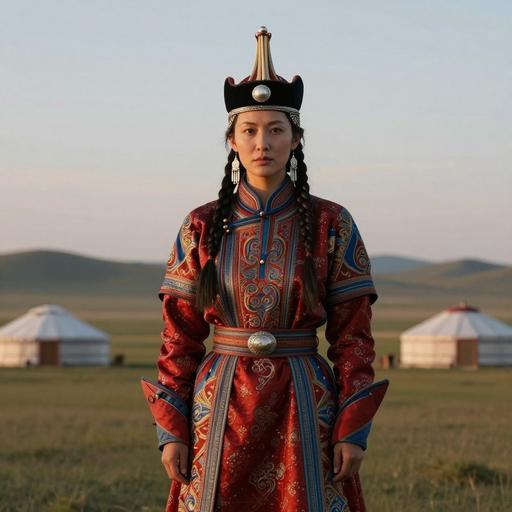
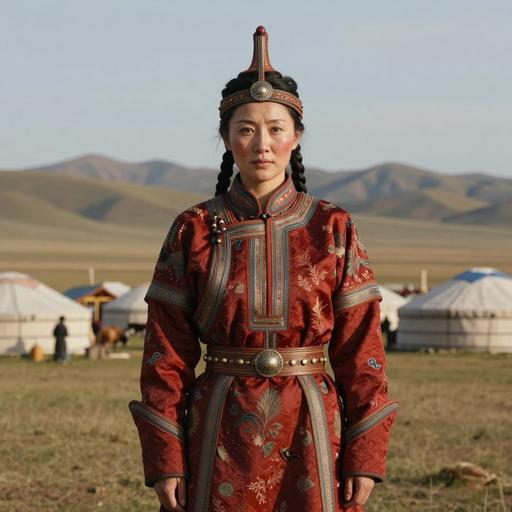
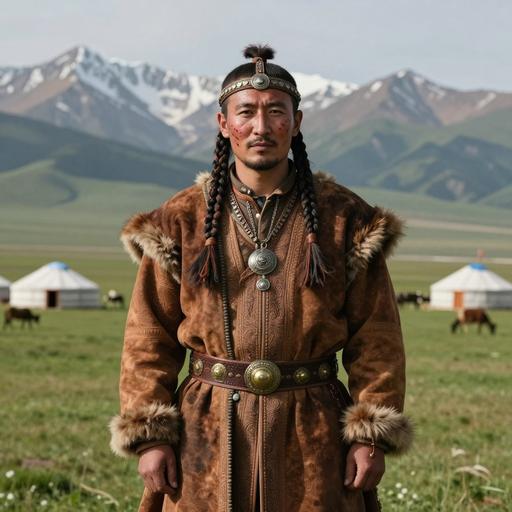
Ein Referenzprofil für einen Abstammungszweig. Gemeinsame Haplogruppen begründen weder eine familiäre Beziehung noch eine kulturelle Identität.
Referenzprofil
Hintergrund des Zweigs
Historischer Kontext für den mtDNA-Abstammungszweig F1B1
Origins and Evolution
mtDNA haplogroup F1b1 is a downstream lineage of the broader F1B branch of haplogroup F, a maternal clade that arose in East to Southeast Asia during the Late Pleistocene to early Holocene. Based on its phylogenetic position beneath F1B and the geographic pattern of related subclades, F1b1 most likely diversified in the early Holocene (roughly within the last ~10,000 years) as human populations in East and Southeast Asia underwent demographic growth and range shifts following the Last Glacial Maximum. Its emergence fits a pattern of postglacial local expansions and later Neolithic demographic processes in mainland East Asia and coastal dispersals into island Southeast Asia.
Subclades
F1b1 itself may contain regionally restricted sub-lineages that are observed at low to moderate frequency in different populations (for example, lineages more common in mainland East Asia versus those enriched in island Southeast Asia). Where high-resolution mitogenomes are available, researchers typically find additional branching below F1b1 reflecting localized founder effects, especially in island populations where drift and founder events amplify particular maternal lineages.
Geographical Distribution
F1b1 shows a concentration in East Asia (including Han Chinese, Japanese and Korean samples) and mainland Southeast Asia (Vietnamese, Thai, Lao), with noticeable representation in Island Southeast Asia (Philippines, Indonesia, Malay populations) and occasional presence in Near Oceania (Austronesian-related communities). Low-frequency occurrences have been reported in Tibeto-Burman groups on the Himalayan fringe, some Central Asian and southern Siberian samples, and rare detections in South Asian populations, consistent with episodic gene flow or rare lineages carried along trading and migration routes.
Historical and Cultural Significance
F1b1's distribution aligns with multiple well-documented demographic processes in eastern Eurasia. Its presence in mainland East Asia may reflect continuity from Mesolithic and early Holocene hunter-gatherer and early farming communities, while its representation in Island Southeast Asia and Near Oceania is consistent with Austronesian-associated maritime dispersals during the mid-Holocene. In Japan, low to moderate frequencies in modern samples may reflect both Jomon-era continuity and later gene flow associated with Yayoi period movements. Overall, F1b1 is informative for studying maternal line continuity, localized founder events on islands, and Holocene-era population movements across coastal Asia.
Conclusion
As a subclade of F1B, F1b1 is an East-to-Southeast-Asian maternal lineage that emerged in the early Holocene and today contributes to the mitochondrial diversity of a broad swath of eastern Eurasia and island Oceania. Continued mitogenome sequencing and ancient DNA sampling refine the branching structure under F1b1 and improve resolution on its timing, substructure, and role in past demographic events such as Neolithic expansions and Austronesian dispersals.
Wichtige Punkte
Origins and Evolution
Subclades
Geographical Distribution
Historical and Cultural Significance
Conclusion
Referenzprofil
Baum und Verwandtschaft
Phylogenetischer Kontext und Subkladen
Entwicklungsweg
Folgen Sie den erfassten übergeordneten Zweigen bis F1B1. Die Daten sind Schätzungen und können sich ändern, wenn Referenzdaten überarbeitet werden.
The populations where mtDNA haplogroup F1B1 is found include:
Han Chinese and other East Chinese populations
Japanese (including some Ryukyu/Okinawan groups)
Koreans
Vietnamese and other mainland Southeast Asian groups (Thai, Lao)
Filipinos and other Austronesian-speaking populations in Island Southeast Asia
Indonesians and Malays
Austronesian-derived populations in Near Oceania (parts of Melanesia and Micronesia)
Tibeto-Burman and Himalayan fringe groups (low to moderate frequency)
Scattered Central Asian and southern Siberian groups (low frequency)
Occasional reports in South Asian populations (rare, low frequency)
Historischer Kontext
Ein Zweig durch die Zeit
Geschätzte Entstehung in einer breiten historischen Zeitleiste. Zeitmarken liefern Kontext und implizieren keine Verbindung zu bestimmten Kulturen.
~10k Jahre zurück
Neolithische Revolution
Beginn der Landwirtschaft und feste Siedlungen
~9k Jahre zurück
Haplogruppe F1B1
Geschätzte Entstehung dieses mtDNA-Zweigs; Daten und Orte sind Referenzschätzungen.
Dieser Zweig
~5k Jahre zurück
Bronzezeit
Metallverarbeitung, Schrift und frühe Zivilisationen
~3k Jahre zurück
Eisenzeit
Eisenwerkzeuge und ausgedehnte Handelsnetze
~2.5k Jahre zurück
Klassische Antike
Blüte griechischer und römischer Kulturen
Gegenwart
Gegenwart
Moderne Zeit
Referenzprofil
Archäologischer Kontext
Erfasste archäologische Zuordnungen für den mtDNA-Zweig F1B1
Erfasste Zuordnungen
Diese Bezeichnungen beschreiben archäologische Kontexte erfasster Referenzproben mit Bezug zu F1B1. Eine Zuordnung bedeutet nicht, dass alle Träger einer Kultur angehörten oder einer bestimmten Migrationsroute folgten.
Chinese NeolithicDongmaili CultureDornod CultureEarly BuryatLena River CultureMongolian NeolithicNorthern Mongolian CultureSakaShamanka CultureSlab Grave CultureSongshugou CultureTransbaikal Culture
Kulturzuordnungen basieren auf dem archäologischen Kontext antiker DNA-Proben und können regionale Verknüpfungen in bestimmten Zeiträumen widerspiegeln.
Referenzprofil
Probencatalog
4 direkte Träger und 72 Subkladen-Träger der Haplogruppe F1B1
10 angezeigt · 50 passende Proben
Keine Proben entsprechen diesen Filtern. Versuchen Sie eine andere Bezeichnung, einen anderen Ort oder eine andere Epoche.
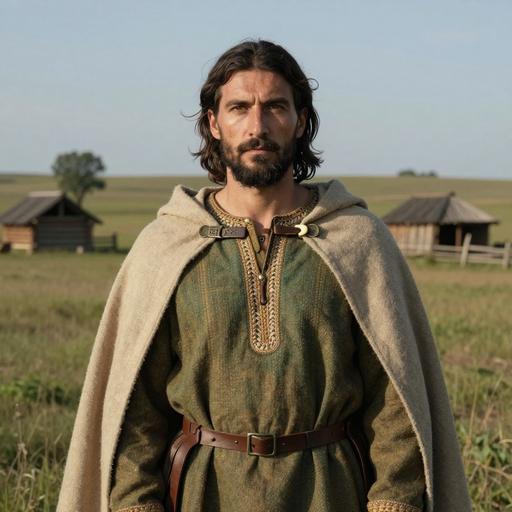
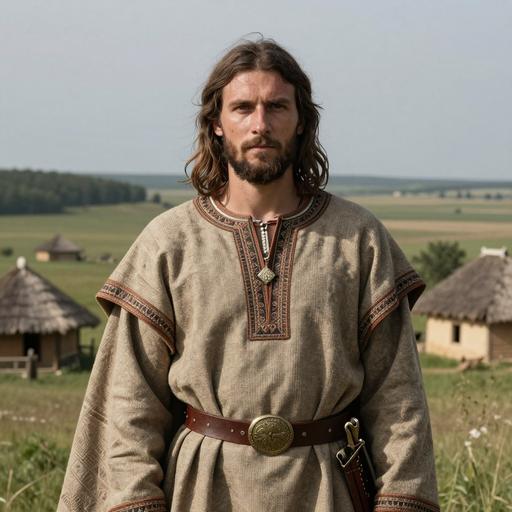
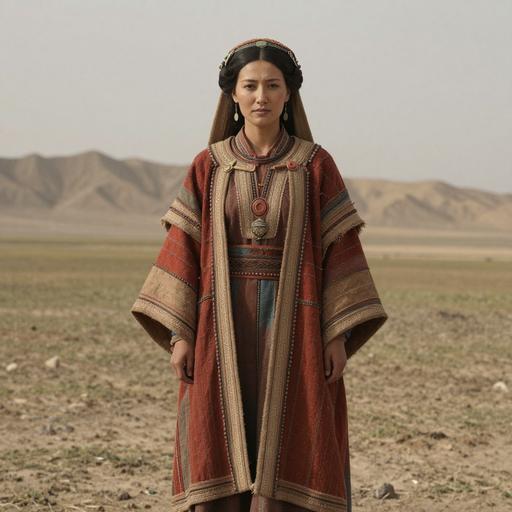
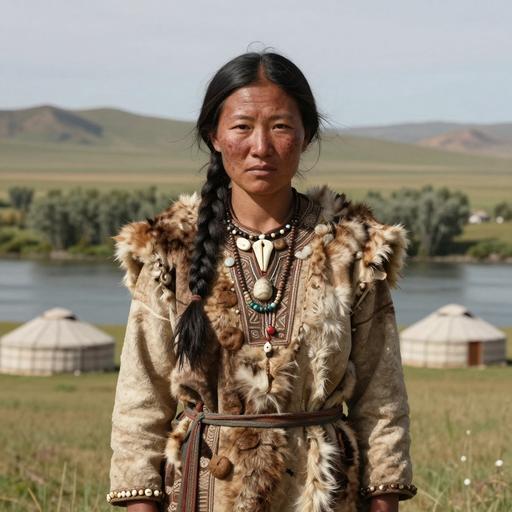
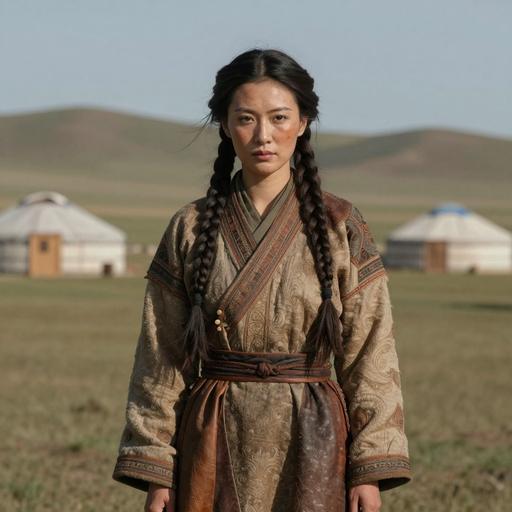
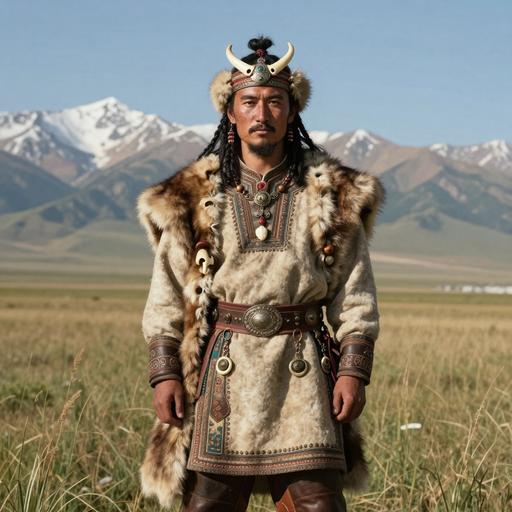
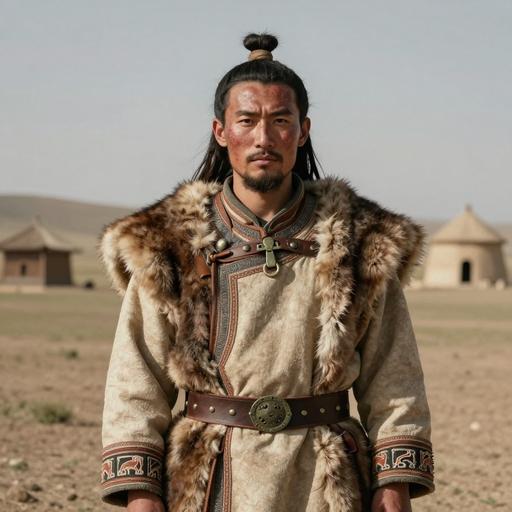
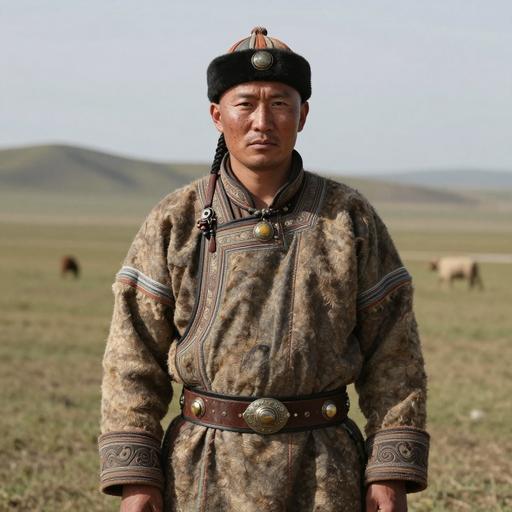
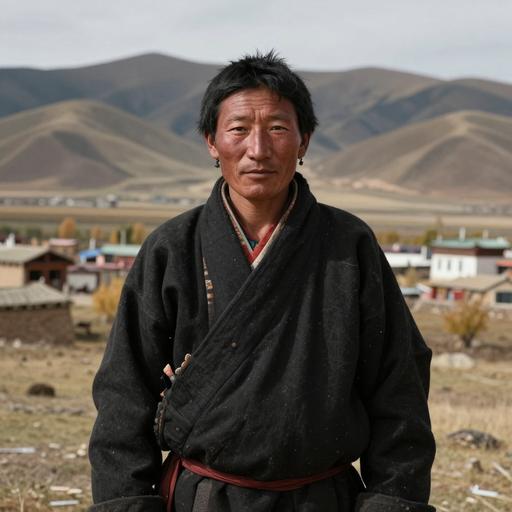
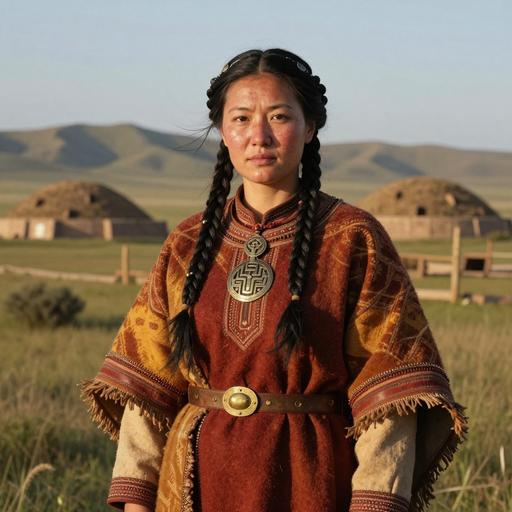
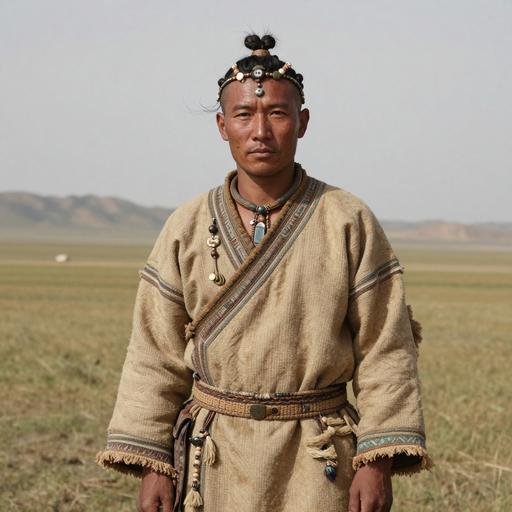
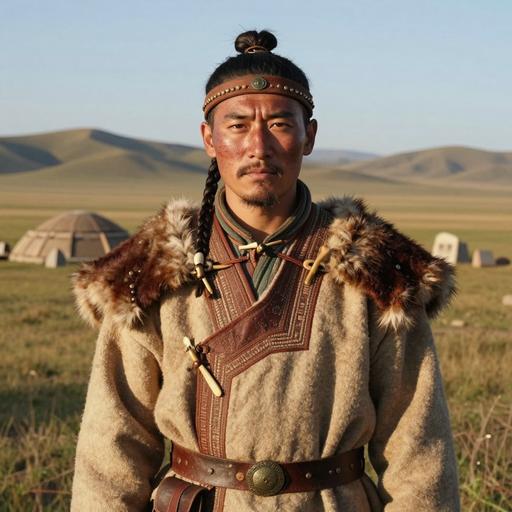
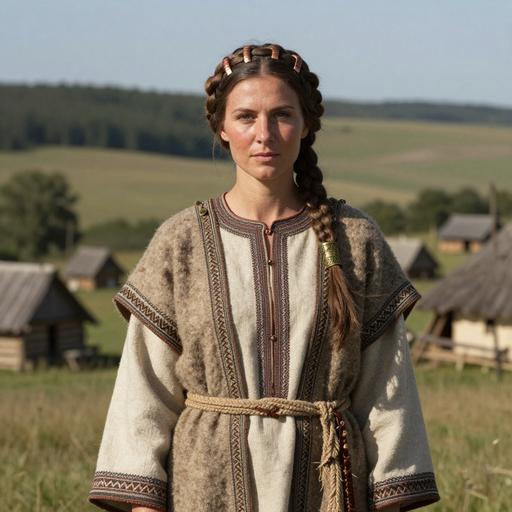
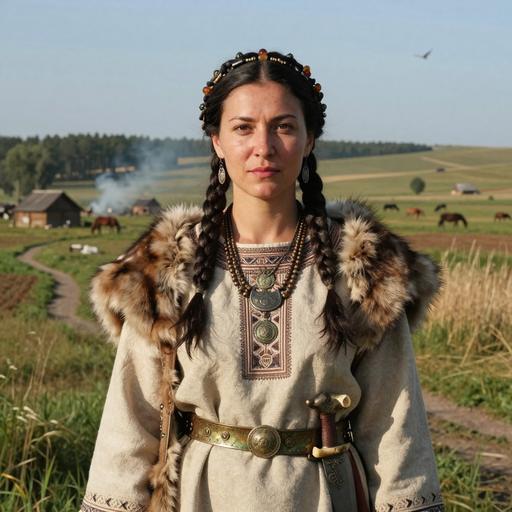
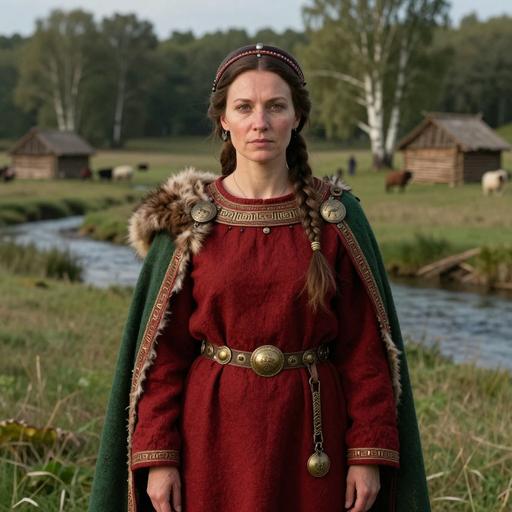
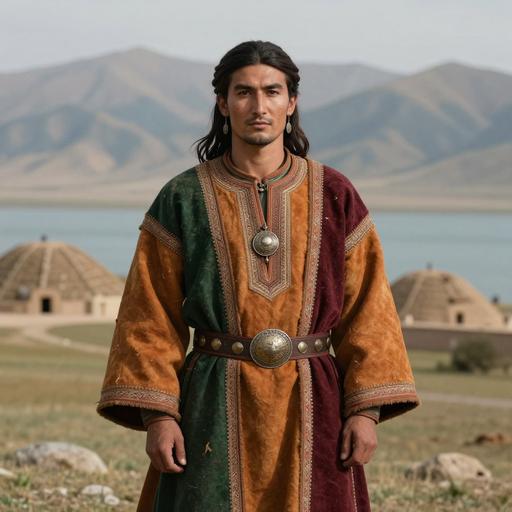
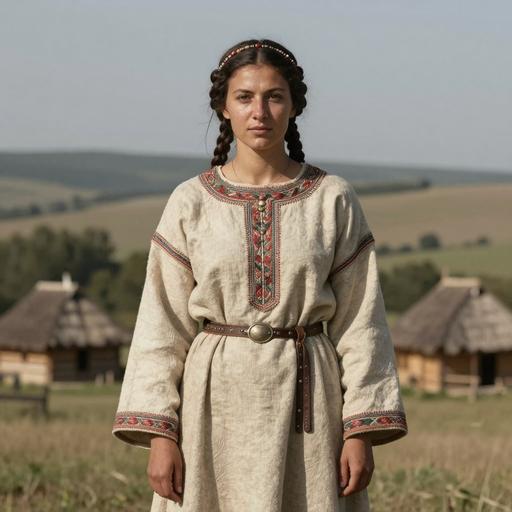
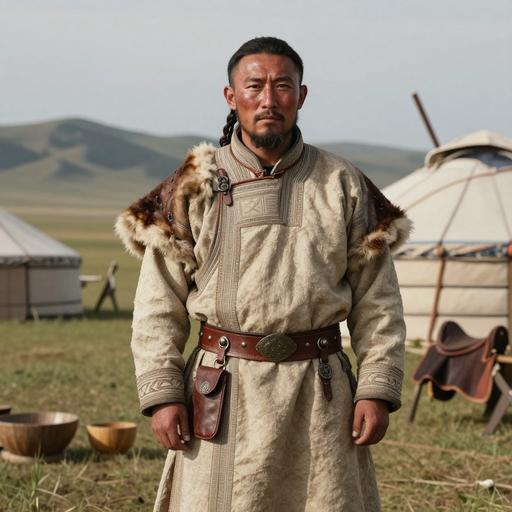
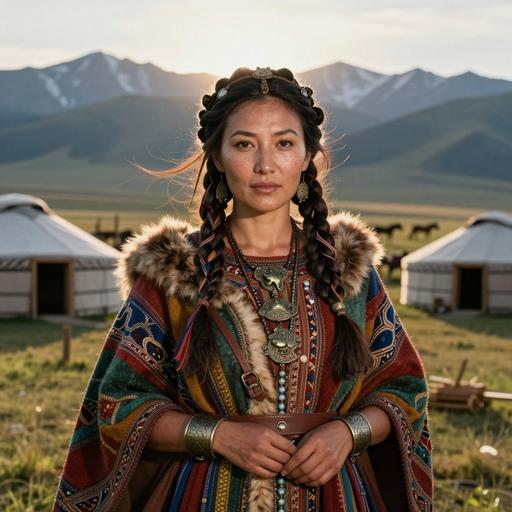
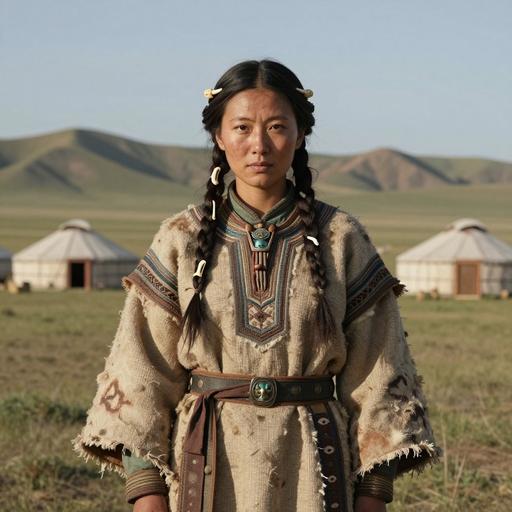
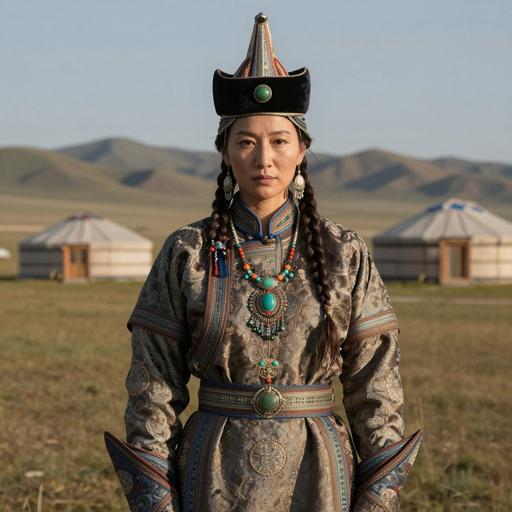
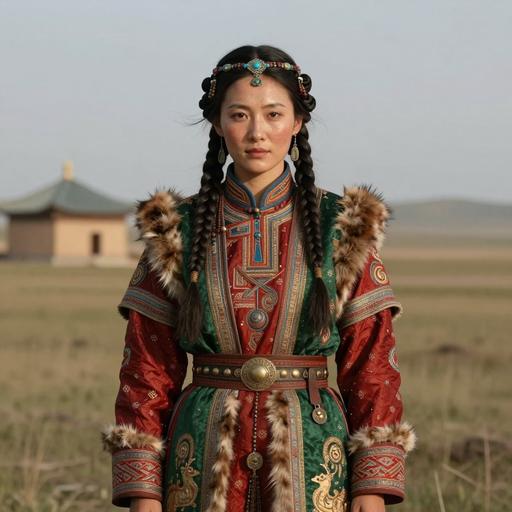
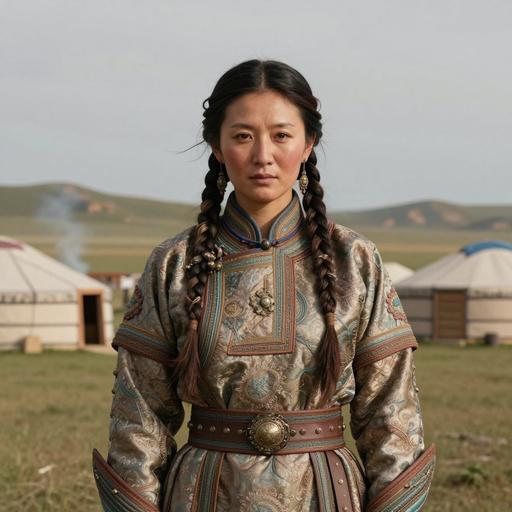
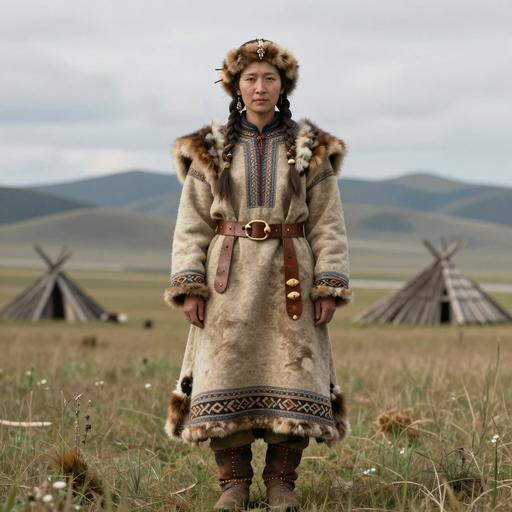
Porträts sind KI-generierte Illustrationen. Probenbezeichnungen und Zugangs-IDs identifizieren die Referenzdatensätze.
Porträt
Probe
Land
Epoche
Datum
Kultur
mtDNA
Übereinstimmung
Proben-ID: RKF184
Hungary
Hungary LateAvar
650-900 CE
Avar Culture
F1b1
Direkt
Proben-ID: FU-215
Hungary
Hungary EarlyAvar
667-775 calCE (1290±17 BP, DeA-26543)
Early Avar
F1b1
Direkt
Proben-ID: C3346
China
China Xinjiang Songshugou EIA
800-450 BCE
Songshugou Culture
F1b1
Direkt
Proben-ID: SOU001
Mongolia
Pre-Bronze Age Dornod, Mongolia
6000-4450 BCE
Dornod Culture
F1b1
Direkt
Proben-ID: DA104
Kyrgyzstan
The Hun Period in Kyrgyzstan
1 CE - 700 CE
Hunnic Period
F1b1-a
Subklade
Proben-ID: DA104
Kyrgyzstan
The Huns
1 CE - 700 CE
F1b1-a
Subklade
Proben-ID: SAN001
Mongolia
Xiongnu Period Dornod, Mongolia
10-120 calCE (1964±15 BP, GrM-12931)
Xiongnu Culture
F1b1e
Subklade
Proben-ID: DA105
Kyrgyzstan
The Hun Period in Kyrgyzstan
125 CE - 321 CE
Hunnic Period
F1b1-a
Subklade
Proben-ID: DA105
Kyrgyzstan
The Huns
125 CE - 321 CE
F1b1-a
Subklade
Proben-ID: JAG001
Mongolia
Xiongnu Period Khentii, Mongolia
197-53 calBCE (2120±15 BP, GrM-12929)
Xiongnu Culture
F1b1f
Subklade
Proben-ID: SKT005
Mongolia
Xiongnu to Late Medieval Khuvsgul, Mongolia
200-1 BCE
Khuvsgul Transition
F1b1f
Subklade
Proben-ID: C5085
China
Tibetan Plateau Gangre
213-361 calBCE (1780±30 BP)
Gangre Culture
F1b1c
Subklade
Proben-ID: BRE008
Kazakhstan
Iron Age Kazakhstan
252-402 calCE (1730±13 BP)
Kazakh Iron Age
F1b1f
Subklade
Proben-ID: AKG_10210
South Korea
The Three Kingdoms of Korea
300-500 CE
Three Kingdoms Period
F1b1a1a1
Subklade
Proben-ID: I6231
Mongolia
Mongolia EIA Sagly 4
357-167 calBCE (2180±20 BP, PSUAMS-7397)
Sagly Culture
F1b1b
Subklade
Proben-ID: I6233
Mongolia
Mongolia EIA Sagly 4
370 BCE - 197 BCE
Sagly Culture
F1b1-a
Subklade
Proben-ID: CHN008
Mongolia
Early Iron Age to Xiongnu to Late Medieval Uvs, Mongolia
370-197 calBCE (2210±20 BP, PSUAMS-7272)
Uvs Multi-Period
F1b1-a2
Subklade
Proben-ID: GD2-4
Mongolia
First Turkic Khaganate of Mongolia
550-635 calCE (IAAA-180767)
Göktürk
F1b1e
Subklade
Proben-ID: KUP002
Hungary
Hungary EarlyAvar
580 CE - 670 CE
Early Avar
F1b1b
Subklade
Proben-ID: MM-151
Hungary
Hungary EarlyAvar
600-650 CE
Early Avar
F1b1b
Subklade
Proben-ID: A1812
Hungary
Middle Avar Period Danube-Tisza, Hungary
600-700 CE
Middle Avar
F1b1f
Subklade
Proben-ID: A1821
Hungary
Early Avar Period Danube-Tisza, Hungary
600-700 CE
Early Avar
F1b1b
Subklade
Proben-ID: LEO117
Austria
Austria Avar
650-800 CE
Austria_Avar
F1b1e
Subklade
Proben-ID: RKF018
Hungary
Hungary LateAvar
650-900 CE
Avar Culture
F1b1b
Subklade
Proben-ID: RKF020
Hungary
Hungary LateAvar
650-900 CE
Avar Culture
F1b1b
Subklade
Proben-ID: RKF098
Hungary
Hungary MiddleAvar
650-900 CE
Avar Culture
F1b1b
Subklade
Proben-ID: KFJ013
Hungary
Hungary MiddleLateAvar
650-850 CE
Avar
F1b1e
Subklade
Proben-ID: KFJ014
Hungary
Hungary MiddleLateAvar
650-850 CE
Avar
F1b1e
Subklade
Proben-ID: KFJ015
Hungary
Hungary MiddleLateAvar
670 CE - 804 CE
Avar
F1b1e
Subklade
Proben-ID: A1811
Hungary
Middle to Late Avar Period Danube-Tisza, Hungary
700-800 CE
Middle-Late Avar
F1b1f
Subklade
Proben-ID: CHK004
Kyrgyzstan
Iron Age Saka Culture, Kyrgyzstan
709-884 calCE (1213±21 BP)
Saka Culture
F1b1f
Subklade
Proben-ID: KFJ023
Hungary
Hungary LateAvar
700-850 CE
Avar Culture
F1b1e
Subklade
Proben-ID: DAR001
Mongolia
Early Iron Age to Late Medieval Mongolia
750-407 calBCE (2436±26 BP, OxA-36233)
Mongolian
F1b1f
Subklade
Proben-ID: DA11
Kazakhstan
Saka Culture in Kazakhstan
777 BCE - 423 BCE
Saka
F1b1-a
Subklade
Proben-ID: DA11
Kazakhstan
The Scythian and Saka Cultures
777 BCE - 423 BCE
F1b1-a
Subklade
Proben-ID: TSI001
Mongolia
Middle to Late Bronze Age Mongolia
900-806 calBCE (2693±25 BP, MAMS-41126)
Late Bronze Age Mongolian
F1b1f
Subklade
Proben-ID: I12116
Kazakhstan
Kazakhstan Karluk 2
995 CE - 1153 CE
Karluk Culture
F1b1e
Subklade
Proben-ID: DA230
Kazakhstan
Kazakhstan Karluk 2
995-1153 calCE (990±20 BP, PSUAMS-8993)
Karluk Culture
F1b1e
Subklade
Proben-ID: I12116
Kazakhstan
Medieval Turkic Tribes
995 CE - 1153 CE
F1b1e
Subklade
Proben-ID: IKU001
Mongolia
Late Medieval Umungobi, Mongolia
1000-1500 CE
Umungobi Medieval
F1b1b
Subklade
Proben-ID: KHL001
Mongolia
Mongolia Khovd LateMedieval
1000-1500 CE
Mongol Period
F1b1b
Subklade
Proben-ID: KNU001
Mongolia
Mongolia Arkhangai LateMedieval
1000-1500 CE
Late Medieval Mongolian
F1b1f
Subklade
Proben-ID: RAH001
Mongolia
Mongolia Khentii LateMedieval
1000-1500 CE
Mongol Period
F1b1e
Subklade
Proben-ID: TSA006
Mongolia
Mongolia Dornod LateMedieval
1000-1500 CE
Late Medieval Mongolian
F1b1f
Subklade
Proben-ID: DA9
Russia
Russia Tagar
1000 BCE - 800 BCE
Tagar Culture
F1b1b
Subklade
Proben-ID: DA9
Russia
Iron Age West Siberia
1000 BCE - 800 BCE
F1b1b
Subklade
Proben-ID: RISE554
Russia
Late Bronze Age 2 Russia
1009 BCE - 835 BCE
Late Bronze Age Culture
F1b1b
Subklade
Proben-ID: RISE554
Russia
Late Bronze Age West Siberia
1009 BCE - 835 BCE
F1b1b
Subklade
Proben-ID: DA23
Kazakhstan
Kipchak Period 2, Kazakhstan
1036 CE - 1206 CE
Kipchak Culture
F1b1b
Subklade
Proben-ID: DA23
Kazakhstan
Medieval Turkic Tribes
1036 CE - 1206 CE
F1b1b
Subklade
Proben-ID: RKF184
Late Avar Period Hungary - Hungary - Rákóczifalva-Bagi-földek (Jász-Nagykun-Szolnok Coiunty, Szolnok)
Hungary Hungary LateAvar 650-900 CE
F1b1Direkt
Proben-ID: FU-215
Early Avar Period Hungary - Hungary - Csongrád-Csanád County. Felgyő-Ürmöstanya
Kazakhstan Medieval Turkic Tribes 995 CE - 1153 CE
F1b1eSubklade
Proben-ID: IKU001
Late Medieval Umungobi, Mongolia - Mongolia - Umungobi. Ikh Uvgun
Mongolia Late Medieval Umungobi, Mongolia 1000-1500 CE
F1b1bSubklade
Proben-ID: KHL001
Late Medieval Khovd, Mongolia - Mongolia - Khovd. Khalzan Khoshuu. Bodonch Gol
Mongolia Mongolia Khovd LateMedieval 1000-1500 CE
F1b1bSubklade
Proben-ID: KNU001
Late Medieval Mongolia - Mongolia - Arkhangai. Khanui
Mongolia Mongolia Arkhangai LateMedieval 1000-1500 CE
F1b1fSubklade
Proben-ID: RAH001
Late Medieval Khentii, Mongolia - Mongolia - Khentii. Rahsaan Khad
Mongolia Mongolia Khentii LateMedieval 1000-1500 CE
F1b1eSubklade
Proben-ID: TSA006
Late Medieval Mongolia - Mongolia - Dornod. Tsagaan Chuluut
Mongolia Mongolia Dornod LateMedieval 1000-1500 CE
F1b1fSubklade
Proben-ID: DA9
Tagar Culture, Russia - Russia - Siberia. Tungus & Eastern Steppe
Russia Russia Tagar 1000 BCE - 800 BCE
F1b1bSubklade
Proben-ID: DA9
Russia Iron Age West Siberia 1000 BCE - 800 BCE
F1b1bSubklade
Proben-ID: RISE554
Late Bronze Age 2 Russia - Russia - Afontova Gora
Russia Late Bronze Age 2 Russia 1009 BCE - 835 BCE
F1b1bSubklade
Proben-ID: RISE554
Russia Late Bronze Age West Siberia 1009 BCE - 835 BCE
F1b1bSubklade
Proben-ID: DA23
Kipchak Period 2, Kazakhstan - Kazakhstan - Tian Shan. Central Steppe
Kazakhstan Kipchak Period 2, Kazakhstan 1036 CE - 1206 CE
F1b1bSubklade
Proben-ID: DA23
Kazakhstan Medieval Turkic Tribes 1036 CE - 1206 CE
F1b1bSubklade
MATERNAL LINEAGE · ANCIENT DNA
Ancient lineage evidence map
Follow parent clades toward this branch and explore where ancient carriers were found.
Loading ancient observations…
Reduced motion is enabled. Use the timeline or Show all to explore at your own pace.
Read observations as a table
Displayed ancient observations by branch, period and date midpoint
Branch
Period
Date range
Sample
Sample ID
Location
Haplogroup
Relationship
Markers are archaeological find locations. A dashed connector is an uncertain, proposed geographic transition between consecutive branches supported by multiple dated observations; it is not an exact travel route, birthplace or proof of direct descent. Parent-clade samples may belong to other descendant branches. Gaps remain where evidence is insufficient. Sample dates differ from haplogroup formation dates.
Grouping by historical period reflects when each ancient individual lived, combined across every branch on this lineage chain; it is not a migration sequence or a personal timeline between periods.
Referenzprofil
Trägerverteilungskarte
Geografische Verteilung von 76 antiken DNA-Proben (direkte und Subkladen-Träger von F1B1)
Direkter Träger Subkladen-Träger
Zeitraumfilter
Alle Zeiträume
Alle Proben werden angezeigt
Referenzprofil
Zeitliche Verteilung
Verteilung der Träger über archäologische Epochen
Referenzprofil
Geografische Verteilung
Anzahlen nach erfasstem Probenland. Sie spiegeln die verfügbare Referenzauswahl wider, nicht Bevölkerungshäufigkeiten.
Referenzprofil
Verteilung Land × Epoche
Vergleichen Sie erfasste Probenanzahlen nach Ländern und archäologischen Epochen. Wählen Sie eine belegte Zelle, um eine Probe anzusehen.
Daten
Daten und Herkunft
Quellenangaben und Datenqualität
Zuletzt aktualisiert2026-02-16
Konfidenzwert50/100
AbdeckungLow
Datenquelle
Klassifikation, geschätzte Daten und geografischer Kontext spiegeln die erfassten Referenzdaten wider und können sich bei überarbeiteten Belegen ändern. Die Probenabdeckung ist ungleichmäßig; erfasste Orte und archäologische Zuordnungen begründen weder persönliche Herkunft noch kulturelle Identität.