Um perfil de referência de um ramo de linhagem. Compartilhar haplogrupos não demonstra uma relação familiar ou uma identidade cultural.
Perfil de Referência
Contexto do ramo
Contexto histórico de la rama de linaje mtDNA F1B1
Origins and Evolution
mtDNA haplogroup F1b1 is a downstream lineage of the broader F1B branch of haplogroup F, a maternal clade that arose in East to Southeast Asia during the Late Pleistocene to early Holocene. Based on its phylogenetic position beneath F1B and the geographic pattern of related subclades, F1b1 most likely diversified in the early Holocene (roughly within the last ~10,000 years) as human populations in East and Southeast Asia underwent demographic growth and range shifts following the Last Glacial Maximum. Its emergence fits a pattern of postglacial local expansions and later Neolithic demographic processes in mainland East Asia and coastal dispersals into island Southeast Asia.
Subclades
F1b1 itself may contain regionally restricted sub-lineages that are observed at low to moderate frequency in different populations (for example, lineages more common in mainland East Asia versus those enriched in island Southeast Asia). Where high-resolution mitogenomes are available, researchers typically find additional branching below F1b1 reflecting localized founder effects, especially in island populations where drift and founder events amplify particular maternal lineages.
Geographical Distribution
F1b1 shows a concentration in East Asia (including Han Chinese, Japanese and Korean samples) and mainland Southeast Asia (Vietnamese, Thai, Lao), with noticeable representation in Island Southeast Asia (Philippines, Indonesia, Malay populations) and occasional presence in Near Oceania (Austronesian-related communities). Low-frequency occurrences have been reported in Tibeto-Burman groups on the Himalayan fringe, some Central Asian and southern Siberian samples, and rare detections in South Asian populations, consistent with episodic gene flow or rare lineages carried along trading and migration routes.
Historical and Cultural Significance
F1b1's distribution aligns with multiple well-documented demographic processes in eastern Eurasia. Its presence in mainland East Asia may reflect continuity from Mesolithic and early Holocene hunter-gatherer and early farming communities, while its representation in Island Southeast Asia and Near Oceania is consistent with Austronesian-associated maritime dispersals during the mid-Holocene. In Japan, low to moderate frequencies in modern samples may reflect both Jomon-era continuity and later gene flow associated with Yayoi period movements. Overall, F1b1 is informative for studying maternal line continuity, localized founder events on islands, and Holocene-era population movements across coastal Asia.
Conclusion
As a subclade of F1B, F1b1 is an East-to-Southeast-Asian maternal lineage that emerged in the early Holocene and today contributes to the mitochondrial diversity of a broad swath of eastern Eurasia and island Oceania. Continued mitogenome sequencing and ancient DNA sampling refine the branching structure under F1b1 and improve resolution on its timing, substructure, and role in past demographic events such as Neolithic expansions and Austronesian dispersals.
Pontos- Chave
Origins and Evolution
Subclades
Geographical Distribution
Historical and Cultural Significance
Conclusion
Perfil de Referência
Árvore e relações
Contexto filogenético e subclasse
Trajectória evolutiva
Sigue las ramas superiores registradas hasta F1B1. Las fechas son estimaciones y pueden cambiar al revisarse los datos de referencia.
The populations where mtDNA haplogroup F1B1 is found include:
Han Chinese and other East Chinese populations
Japanese (including some Ryukyu/Okinawan groups)
Koreans
Vietnamese and other mainland Southeast Asian groups (Thai, Lao)
Filipinos and other Austronesian-speaking populations in Island Southeast Asia
Indonesians and Malays
Austronesian-derived populations in Near Oceania (parts of Melanesia and Micronesia)
Tibeto-Burman and Himalayan fringe groups (low to moderate frequency)
Scattered Central Asian and southern Siberian groups (low frequency)
Occasional reports in South Asian populations (rare, low frequency)
Contexto Histórico
Uma ramificação através do tempo
Formação estimada em uma cronologia histórica ampla. Os marcadores temporais contribuem contexto e não implicam relação com culturas concretas.
~10k años de antigüedad
Revolução neolítica
Início da agricultura e formação de comunidades sedentárias
~9k años de antigüedad
Haplogrupo F1B1
Formação estimada deste ramo mtDNA; as datas e localizações são estimativas de referência.
Este ramo
~5k años de antigüedad
Idade do Bronze
Metalurgia, escrita e primeiras civilizações
~3k años de antigüedad
Idade do Ferro
Ferramentas de ferro e ampliação de redes comerciais
~2.5k años de antigüedad
Antiguidades clássicas
Desenvolvimento das civilizações grega e romana
Actualidad
Actualidad
Idade moderna
Perfil de Referência
Contexto arqueológico
Asociaciones arqueológicas registradas para la rama mtDNA F1B1
Associações registradas
Esses rótulos descrevem os contextos arqueológicos registrados para as amostras de referência vinculadas a F1B1. Uma associação não demonstra que todos os portadores pertenceram a uma cultura ou seguiram uma rota migratória específica.
Chinese NeolithicDongmaili CultureDornod CultureEarly BuryatLena River CultureMongolian NeolithicNorthern Mongolian CultureSakaShamanka CultureSlab Grave CultureSongshugou CultureTransbaikal Culture
As atribuições culturais baseiam-se no contexto arqueológico das amostras de DNA antigo e podem representar associações regionais de períodos concretos.
Perfil de Referência
Catálogo de amostras
3 portadores directos y 72 portadores de subclados del haplogrupo F1B1
10 mostradas 50 amostras correspondentes
Nenhuma amostra coincide com estes filtros. Teste outra marca, localização ou período.
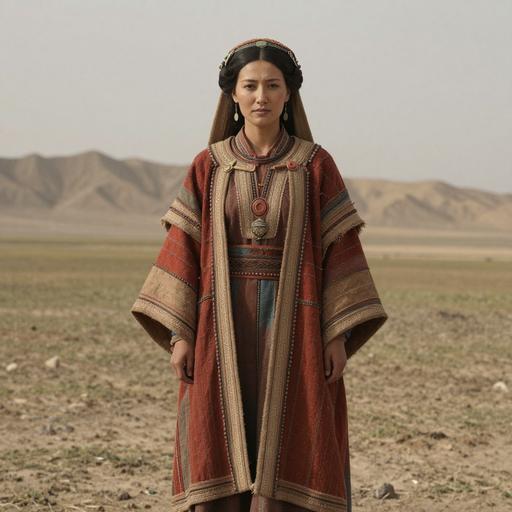
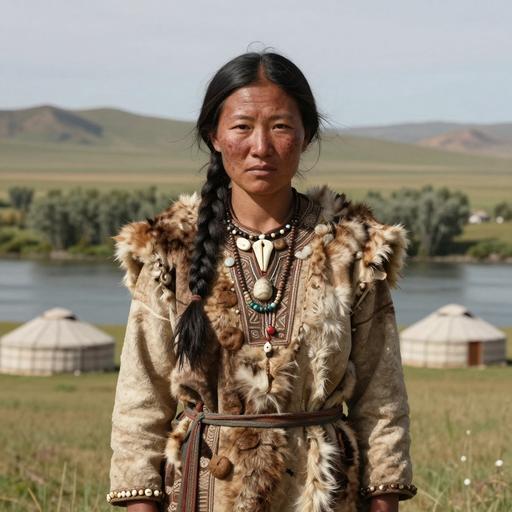
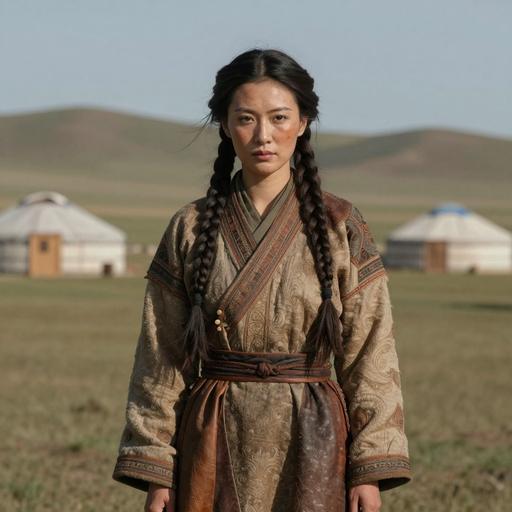
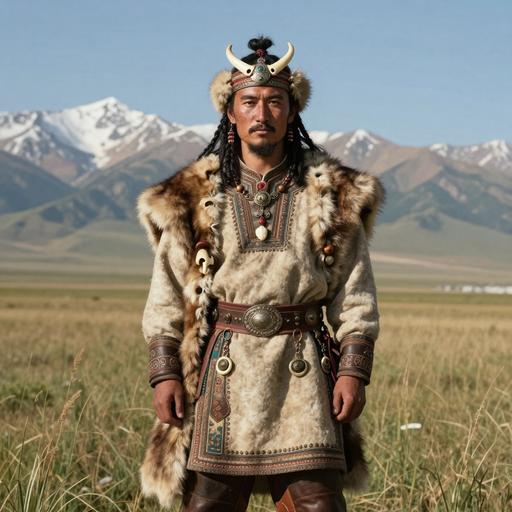
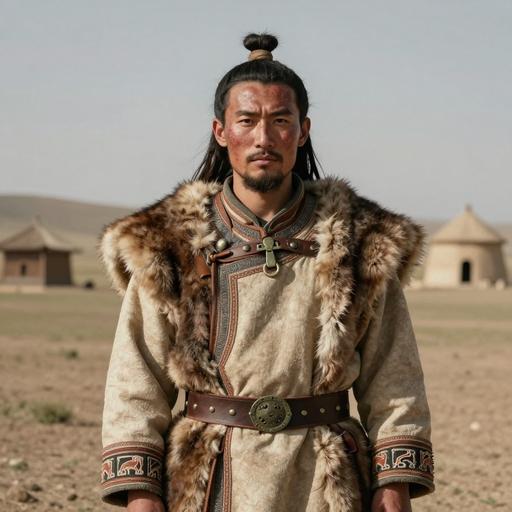
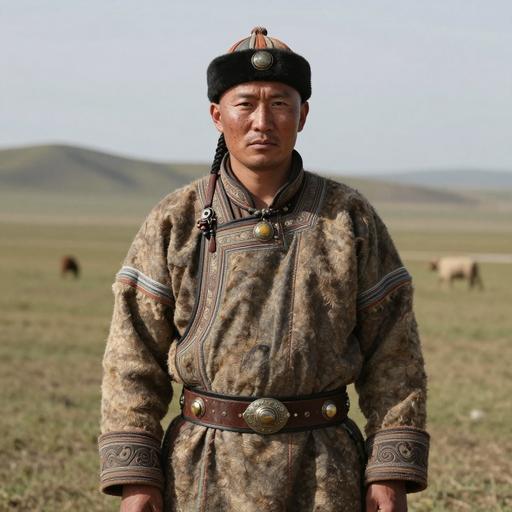
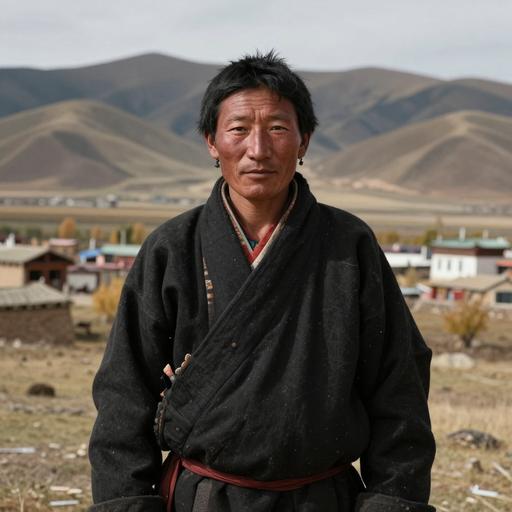
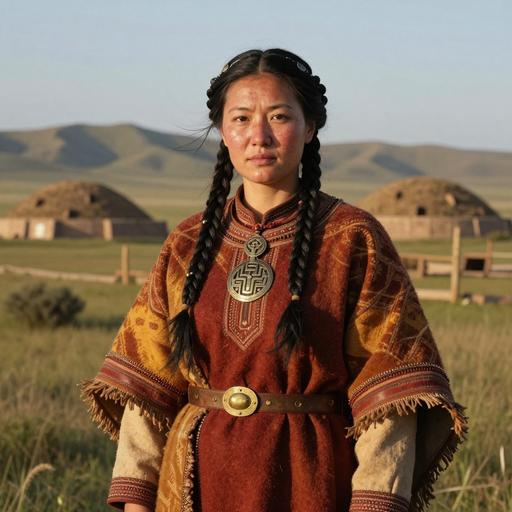
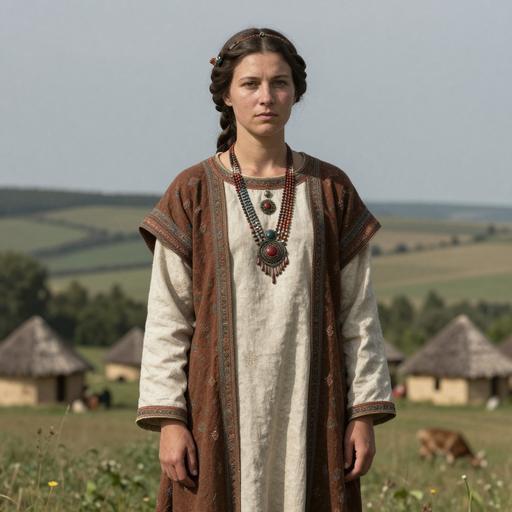
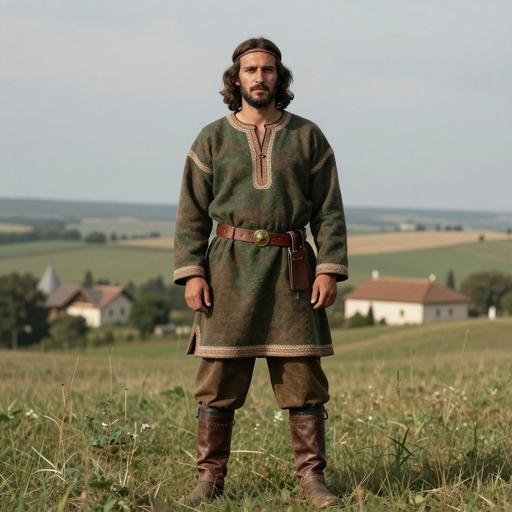
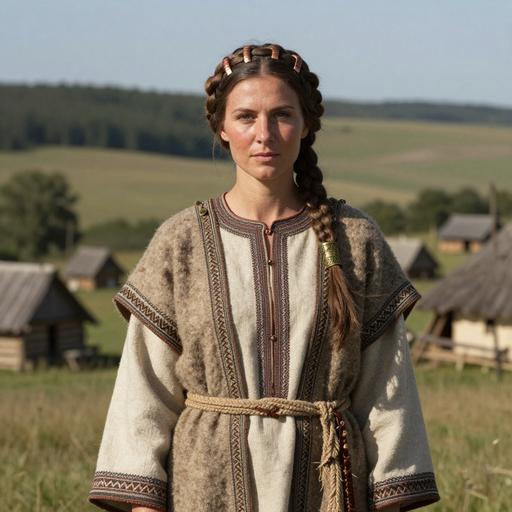
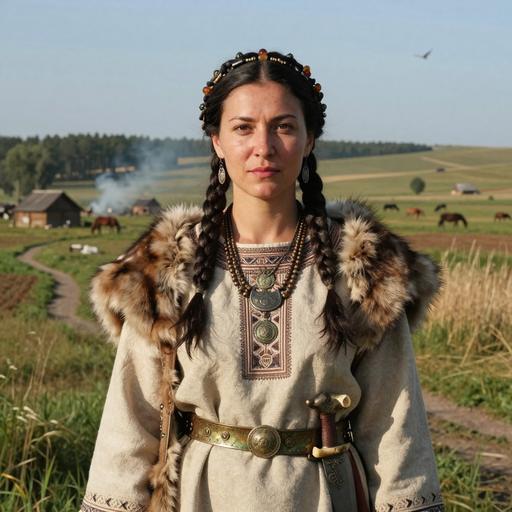
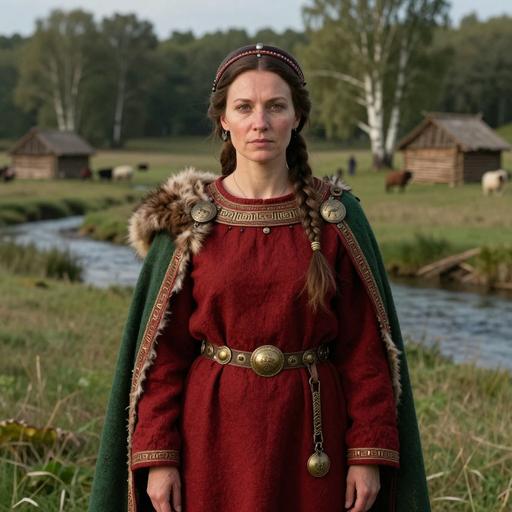
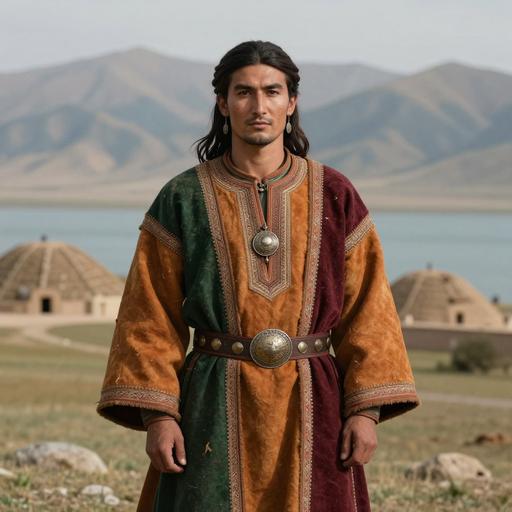
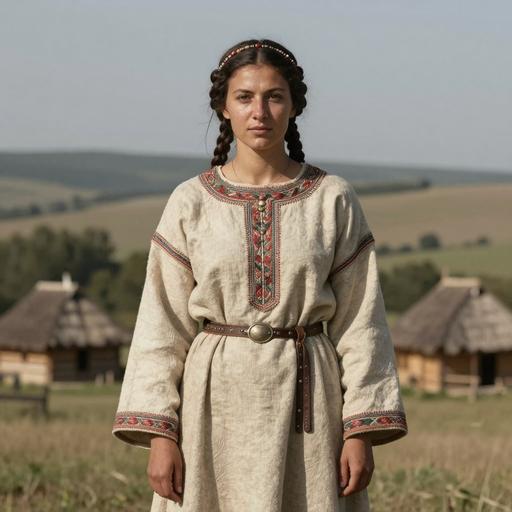
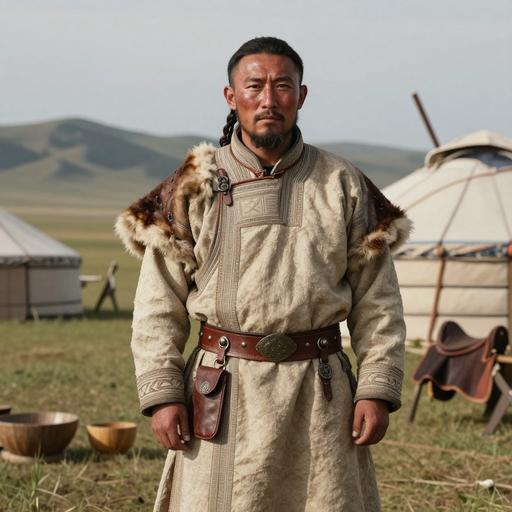
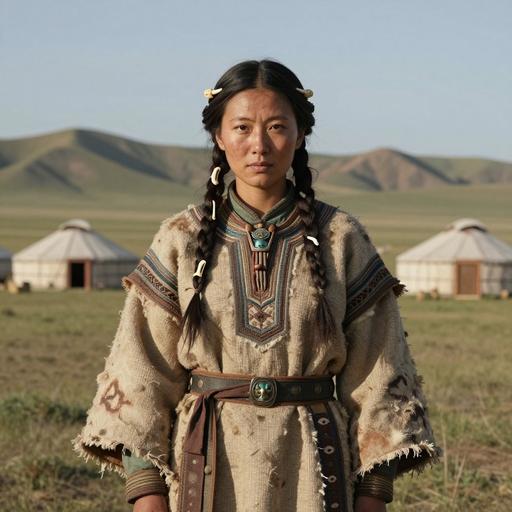
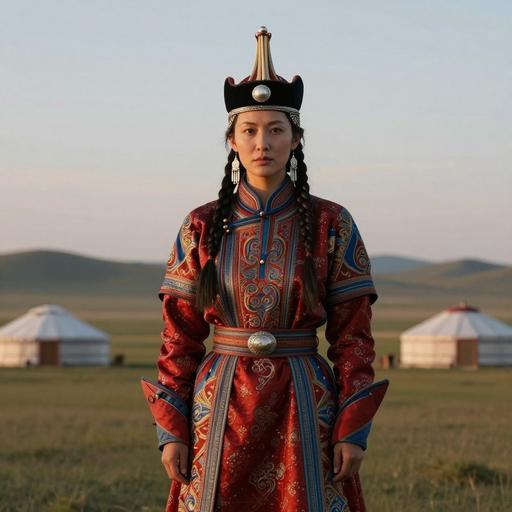
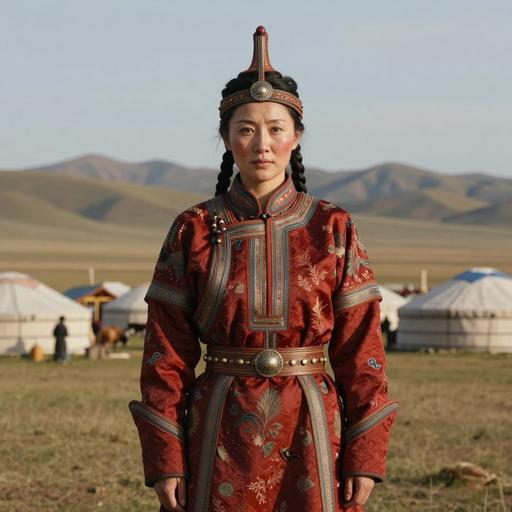
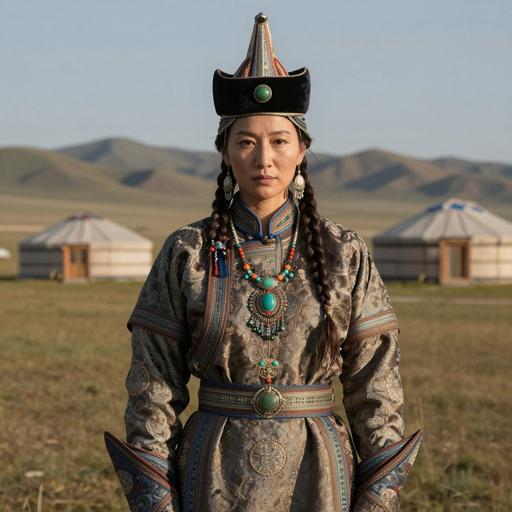
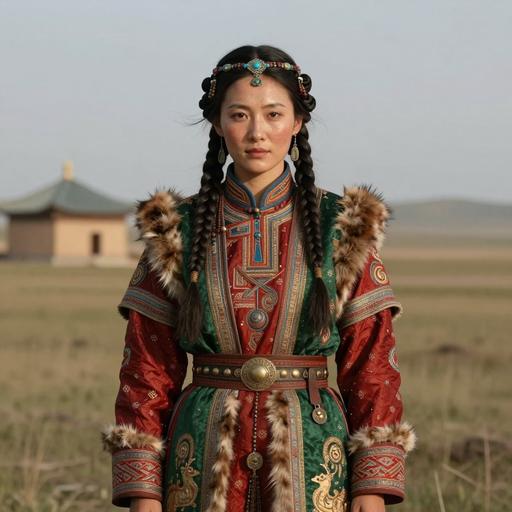
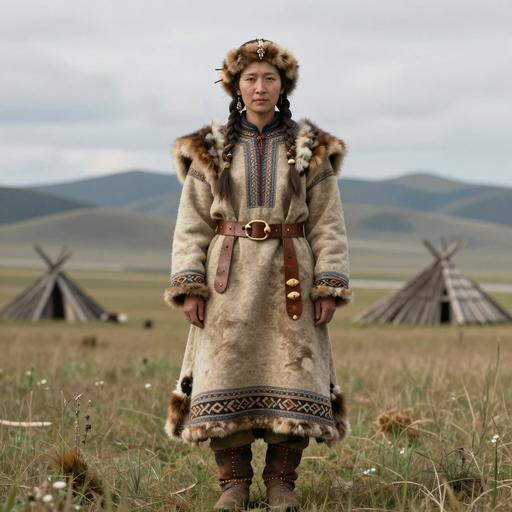
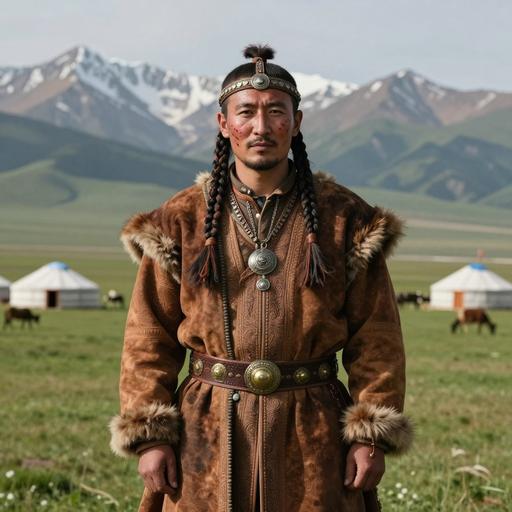
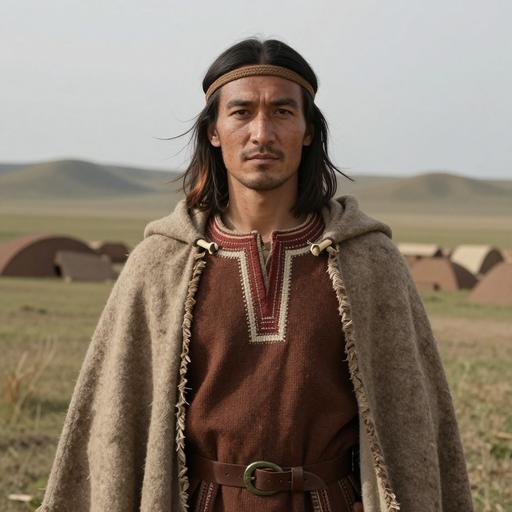
Os retratos são ilustrações geradas com IA. As etiquetas de amostra e os identificadores de acesso identificam os registros de referência.
Retrato
Mostrar
País
Época
Data
Cultura
mtDNA
Corresponder
Identificador de amostra: RKF184
Hungary
Hungary LateAvar
650-900 CE
Avar Culture
F1b1
Direct
Identificador de amostra: C3346
China
China Xinjiang Songshugou EIA
800-450 BCE
Songshugou Culture
F1b1
Direct
Identificador de amostra: SOU001
Mongolia
Pre-Bronze Age Dornod, Mongolia
6000-4450 BCE
Dornod Culture
F1b1
Direct
Identificador de amostra: DA104
Kyrgyzstan
The Hun Period in Kyrgyzstan
1 CE - 700 CE
Hunnic Period
F1b1-a
Subclado
Identificador de amostra: DA104
Kyrgyzstan
The Huns
1 CE - 700 CE
F1b1-a
Subclado
Identificador de amostra: SAN001
Mongolia
Xiongnu Period Dornod, Mongolia
10-120 calCE (1964±15 BP, GrM-12931)
Xiongnu Culture
F1b1e
Subclado
Identificador de amostra: DA105
Kyrgyzstan
The Hun Period in Kyrgyzstan
125 CE - 321 CE
Hunnic Period
F1b1-a
Subclado
Identificador de amostra: DA105
Kyrgyzstan
The Huns
125 CE - 321 CE
F1b1-a
Subclado
Identificador de amostra: JAG001
Mongolia
Xiongnu Period Khentii, Mongolia
197-53 calBCE (2120±15 BP, GrM-12929)
Xiongnu Culture
F1b1f
Subclado
Identificador de amostra: SKT005
Mongolia
Xiongnu to Late Medieval Khuvsgul, Mongolia
200-1 BCE
Khuvsgul Transition
F1b1f
Subclado
Identificador de amostra: C5085
China
Tibetan Plateau Gangre
213-361 calBCE (1780±30 BP)
Gangre Culture
F1b1c
Subclado
Identificador de amostra: BRE008
Kazakhstan
Iron Age Kazakhstan
252-402 calCE (1730±13 BP)
Kazakh Iron Age
F1b1f
Subclado
Identificador de amostra: AKG_10210
South Korea
The Three Kingdoms of Korea
300-500 CE
Three Kingdoms Period
F1b1a1a1
Subclado
Identificador de amostra: I6231
Mongolia
Mongolia EIA Sagly 4
357-167 calBCE (2180±20 BP, PSUAMS-7397)
Sagly Culture
F1b1b
Subclado
Identificador de amostra: I6233
Mongolia
Mongolia EIA Sagly 4
370 BCE - 197 BCE
Sagly Culture
F1b1-a
Subclado
Identificador de amostra: CHN008
Mongolia
Early Iron Age to Xiongnu to Late Medieval Uvs, Mongolia
370-197 calBCE (2210±20 BP, PSUAMS-7272)
Uvs Multi-Period
F1b1-a2
Subclado
Identificador de amostra: GD2-4
Mongolia
First Turkic Khaganate of Mongolia
550-635 calCE (IAAA-180767)
Göktürk
F1b1e
Subclado
Identificador de amostra: KUP002
Hungary
Hungary EarlyAvar
580 CE - 670 CE
Early Avar
F1b1b
Subclado
Identificador de amostra: MM-151
Hungary
Hungary EarlyAvar
600-650 CE
Early Avar
F1b1b
Subclado
Identificador de amostra: A1812
Hungary
Middle Avar Period Danube-Tisza, Hungary
600-700 CE
Middle Avar
F1b1f
Subclado
Identificador de amostra: A1821
Hungary
Early Avar Period Danube-Tisza, Hungary
600-700 CE
Early Avar
F1b1b
Subclado
Identificador de amostra: LEO117
Austria
Austria Avar
650-800 CE
Austria_Avar
F1b1e
Subclado
Identificador de amostra: RKF018
Hungary
Hungary LateAvar
650-900 CE
Avar Culture
F1b1b
Subclado
Identificador de amostra: RKF020
Hungary
Hungary LateAvar
650-900 CE
Avar Culture
F1b1b
Subclado
Identificador de amostra: RKF098
Hungary
Hungary MiddleAvar
650-900 CE
Avar Culture
F1b1b
Subclado
Identificador de amostra: KFJ013
Hungary
Hungary MiddleLateAvar
650-850 CE
Avar
F1b1e
Subclado
Identificador de amostra: KFJ014
Hungary
Hungary MiddleLateAvar
650-850 CE
Avar
F1b1e
Subclado
Identificador de amostra: KFJ015
Hungary
Hungary MiddleLateAvar
670 CE - 804 CE
Avar
F1b1e
Subclado
Identificador de amostra: A1811
Hungary
Middle to Late Avar Period Danube-Tisza, Hungary
700-800 CE
Middle-Late Avar
F1b1f
Subclado
Identificador de amostra: CHK004
Kyrgyzstan
Iron Age Saka Culture, Kyrgyzstan
709-884 calCE (1213±21 BP)
Saka Culture
F1b1f
Subclado
Identificador de amostra: KFJ023
Hungary
Hungary LateAvar
700-850 CE
Avar Culture
F1b1e
Subclado
Identificador de amostra: DAR001
Mongolia
Early Iron Age to Late Medieval Mongolia
750-407 calBCE (2436±26 BP, OxA-36233)
Mongolian
F1b1f
Subclado
Identificador de amostra: DA11
Kazakhstan
Saka Culture in Kazakhstan
777 BCE - 423 BCE
Saka
F1b1-a
Subclado
Identificador de amostra: DA11
Kazakhstan
The Scythian and Saka Cultures
777 BCE - 423 BCE
F1b1-a
Subclado
Identificador de amostra: TSI001
Mongolia
Middle to Late Bronze Age Mongolia
900-806 calBCE (2693±25 BP, MAMS-41126)
Late Bronze Age Mongolian
F1b1f
Subclado
Identificador de amostra: I12116
Kazakhstan
Kazakhstan Karluk 2
995 CE - 1153 CE
Karluk Culture
F1b1e
Subclado
Identificador de amostra: DA230
Kazakhstan
Kazakhstan Karluk 2
995-1153 calCE (990±20 BP, PSUAMS-8993)
Karluk Culture
F1b1e
Subclado
Identificador de amostra: I12116
Kazakhstan
Medieval Turkic Tribes
995 CE - 1153 CE
F1b1e
Subclado
Identificador de amostra: IKU001
Mongolia
Late Medieval Umungobi, Mongolia
1000-1500 CE
Umungobi Medieval
F1b1b
Subclado
Identificador de amostra: KHL001
Mongolia
Mongolia Khovd LateMedieval
1000-1500 CE
Mongol Period
F1b1b
Subclado
Identificador de amostra: KNU001
Mongolia
Mongolia Arkhangai LateMedieval
1000-1500 CE
Late Medieval Mongolian
F1b1f
Subclado
Identificador de amostra: RAH001
Mongolia
Mongolia Khentii LateMedieval
1000-1500 CE
Mongol Period
F1b1e
Subclado
Identificador de amostra: TSA006
Mongolia
Mongolia Dornod LateMedieval
1000-1500 CE
Late Medieval Mongolian
F1b1f
Subclado
Identificador de amostra: DA9
Russia
Russia Tagar
1000 BCE - 800 BCE
Tagar Culture
F1b1b
Subclado
Identificador de amostra: DA9
Russia
Iron Age West Siberia
1000 BCE - 800 BCE
F1b1b
Subclado
Identificador de amostra: RISE554
Russia
Late Bronze Age 2 Russia
1009 BCE - 835 BCE
Late Bronze Age Culture
F1b1b
Subclado
Identificador de amostra: RISE554
Russia
Late Bronze Age West Siberia
1009 BCE - 835 BCE
F1b1b
Subclado
Identificador de amostra: DA23
Kazakhstan
Kipchak Period 2, Kazakhstan
1036 CE - 1206 CE
Kipchak Culture
F1b1b
Subclado
Identificador de amostra: DA23
Kazakhstan
Medieval Turkic Tribes
1036 CE - 1206 CE
F1b1b
Subclado
Identificador de amostra: I6352
Mongolia
Mongolia EIA SlabGrave 1
1107-924 calBCE (2845±20 BP, PSUAMS-7276)
Slab Grave Culture
F1b1b
Subclado
Identificador de amostra: RKF184
Late Avar Period Hungary - Hungary - Rákóczifalva-Bagi-földek (Jász-Nagykun-Szolnok Coiunty, Szolnok)
Hungary Hungary LateAvar 650-900 CE
F1b1Direct
Identificador de amostra: C3346
Early Iron Age Songshugou, Xinjiang, China - China - Xinjiang. Aletai Region. Jimunai County. Songshugou
China China Xinjiang Songshugou EIA 800-450 BCE
F1b1Direct
Identificador de amostra: SOU001
Pre-Bronze Age Dornod, Mongolia - Mongolia - Dornod. South bank of Kherlen River
Mongolia Pre-Bronze Age Dornod, Mongolia 6000-4450 BCE
F1b1Direct
Identificador de amostra: DA104
The Hun Period in Kyrgyzstan - Kyrgyzstan - Tian Shan. Central Steppe
Kyrgyzstan The Hun Period in Kyrgyzstan 1 CE - 700 CE
F1b1-aSubclado
Identificador de amostra: DA104
Kyrgyzstan The Huns 1 CE - 700 CE
F1b1-aSubclado
Identificador de amostra: SAN001
Xiongnu Period Dornod, Mongolia - Mongolia - Dornod. Sant Uul
Mongolia Xiongnu Period Dornod, Mongolia 10-120 calCE (1964±15 BP, GrM-12931)
F1b1eSubclado
Identificador de amostra: DA105
The Hun Period in Kyrgyzstan - Kyrgyzstan - Tian Shan. Central Steppe
Kyrgyzstan The Hun Period in Kyrgyzstan 125 CE - 321 CE
Siga os clados superiores até este ramo e explora onde se encontraram portadores antigos.
A carregar as observações antigas...
A redução do movimento está activada. Use a cronologia ou Mostrar tudo para explorar o seu ritmo.
Ler as observações numa tabela
Observações antigas visíveis por ramo, período e ponto médio da data
Ramada
Período
Intervalo de datas
Mostrar
Identificador de amostra
Localização
Haplogrupo
Relação
Os marcadores são locais de achados arqueológicos. Uma linha de descontínua representa uma transição geográfica proposta e incerta entre ramos consecutivos, apoiada em várias observações fechadas; não é uma rota de viagem exata, um local de nascimento ou um teste de descendência direta. As amostras do clado parental podem pertencer a outros ramos descendentes. As datas das amostras são distintas das datas de formação dos haplogrupos são mantidas.
O agrupamento por período histórico reflete quando viveu cada indivíduo antigo e combina todos os ramos desta cadeia de linhagems; não é uma sequência migratória nem uma cronologia pessoal entre períodos.
Perfil de Referência
Mapa de distribuição de portadores
Distribuição geográfica das amostras de DNA antigo (75), portadores directos ou de subclasses de F1B1
Portador directo Portador de um subclasse
Filtro de Período Temporária
Todos os períodos
Mostrar todas as amostras
Perfil de Referência
Distribuição temporária
Distribuição de portadores por períodos arqueológicos
Perfil de Referência
Distribuição geográfica
Recuentos por país registrado das amostras. Reflejam a seleção de referência disponível, não frequências de população.
Perfil de Referência
Distribuição por país e época
Compare as contagens de amostras registadas por países e períodos arqueológicos. Selecione uma célula com dados para examinar uma amostra.
Dados
Dados e proveniência
Informações sobre fontes e qualidade dos dados
Última actualização2026-02-16
Pontuação de confiança50/100
CoberturaLow
Fonte de Dados
A classificação, as datas estimadas e o contexto geográfico refletem os dados de referência registrados e podem mudar ao revisar os testes. A cobertura de amostras é desigual; os locais registrados e as associações arqueológicas não estabelecem a origem pessoal nem a identidade cultural.