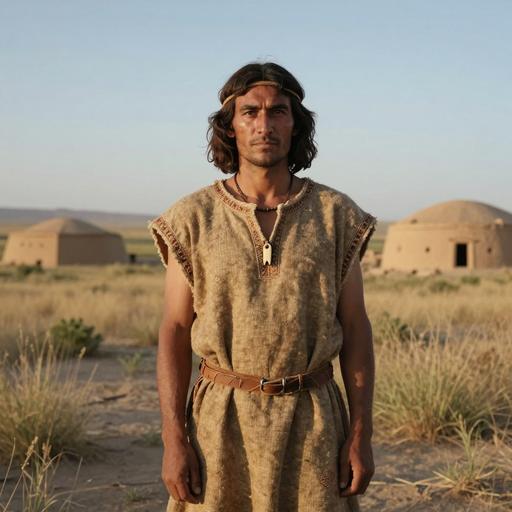
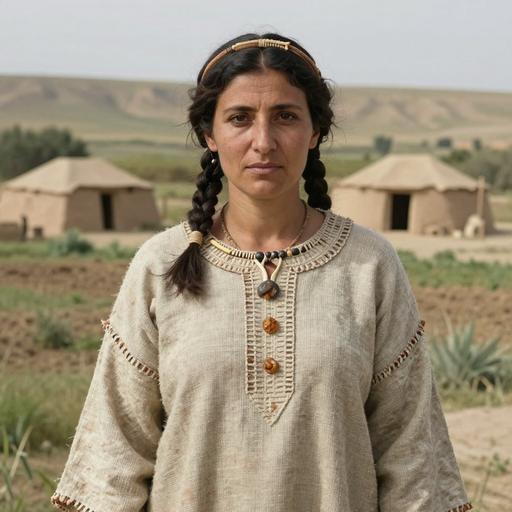
Ein Referenzprofil für einen Abstammungszweig. Gemeinsame Haplogruppen begründen weder eine familiäre Beziehung noch eine kulturelle Identität.
Referenzprofil
Hintergrund des Zweigs
Historischer Kontext für den mtDNA-Abstammungszweig H13A2
Origins and Evolution
mtDNA haplogroup H13A2 is a downstream branch of H13A, itself a subclade of H13 within haplogroup H. Based on the phylogenetic position of H13A2 beneath H13A and on coalescence estimates for nearby lineages, H13A2 most likely formed in the early to mid‑Holocene (approximately 6–9 kya, here estimated ~7.5 kya) in the Near East / Caucasus region. The parent clade H13A has been associated with post‑glacial re‑expansion and early Neolithic movements from the Near East and Caucasus into Anatolia and southeastern Europe; H13A2 represents one lineage that diversified within that broader demographic context.
Subclades (if applicable)
H13A2 sits beneath H13A in the mtDNA tree. Depending on the resolution of available sequencing data, H13A2 may contain further downstream sublineages defined by additional private mutations observed in modern and ancient mitogenomes. Because H13A2 is a relatively specific branch, its internal diversity is lower than older haplogroups; targeted mitogenome sequencing of individuals assigned to H13A2 often reveals regionally informative private variants that can help track micro‑scale maternal movements across the Caucasus, Anatolia and nearby regions.
Geographical Distribution
The modern and ancient distribution of H13A2 mirrors the Near Eastern/Caucasus concentrations seen for the broader H13A clade but with a stronger regional focus. Highest frequencies are recorded in the Caucasus and adjacent parts of Western Asia (Anatolia, NW Iran), while lower, sporadic occurrences appear across the Levant, the Balkans, Southern Europe (Greece, Italy) and parts of Central and Eastern Europe. H13A2 is also observed occasionally in Jewish maternal lineages (Ashkenazi and some Sephardic samples) and appears in some ancient DNA contexts tied to early Holocene and Neolithic populations in the Near East and southeastern Europe.
Historical and Cultural Significance
Because of its origin and distribution, H13A2 is informative for studies of post‑glacial recolonization of the Near East/Caucasus, as well as early Neolithic farmer dispersals from Anatolia into Europe. Its presence in ancient remains from Chalcolithic and Bronze Age contexts in the Caucasus and Anatolia supports a role in local population continuity and regional demographic change through the Neolithic and later Bronze Age periods. The occasional detection of H13A2 in European and Jewish contexts likely reflects multiple small‑scale movements, gene flow events, and founder effects rather than a single, large‑scale expansion.
Conclusion
H13A2 is a regionally focused maternal lineage within H13A that provides useful resolution for reconstructing maternal ancestry in the Caucasus and adjacent Near East, and for tracing Neolithic and post‑Neolithic female‑mediated gene flow into neighboring regions. Continued mitogenome sequencing and targeted ancient DNA sampling in the Caucasus, Anatolia and the Levant will further refine the substructure, age estimates and migratory history of H13A2 and its downstream branches.
Wichtige Punkte
Origins and Evolution
Subclades (if applicable)
Geographical Distribution
Historical and Cultural Significance
Conclusion
Referenzprofil
Baum und Verwandtschaft
Phylogenetischer Kontext und Subkladen
Entwicklungsweg
Folgen Sie den erfassten übergeordneten Zweigen bis H13A2. Die Daten sind Schätzungen und können sich ändern, wenn Referenzdaten überarbeitet werden.
Northwestern Iran and adjacent Near Eastern groups
Levantine populations (Lebanon, Syria) at low to moderate frequencies
Balkan populations and Southern Europe (Greece, Italy) at low to moderate frequencies
Ashkenazi and some Sephardic Jewish maternal lineages (sporadic occurrences)
Central and Eastern European populations at low frequencies
Western European populations sporadically and in ancient contexts
Historischer Kontext
Ein Zweig durch die Zeit
Geschätzte Entstehung in einer breiten historischen Zeitleiste. Zeitmarken liefern Kontext und implizieren keine Verbindung zu bestimmten Kulturen.
~10k Jahre zurück
Neolithische Revolution
Beginn der Landwirtschaft und feste Siedlungen
~7.5k Jahre zurück
Haplogruppe H13A2
Geschätzte Entstehung dieses mtDNA-Zweigs; Daten und Orte sind Referenzschätzungen.
Dieser Zweig
~5k Jahre zurück
Bronzezeit
Metallverarbeitung, Schrift und frühe Zivilisationen
~3k Jahre zurück
Eisenzeit
Eisenwerkzeuge und ausgedehnte Handelsnetze
~2.5k Jahre zurück
Klassische Antike
Blüte griechischer und römischer Kulturen
Gegenwart
Gegenwart
Moderne Zeit
Referenzprofil
Archäologischer Kontext
Erfasste archäologische Zuordnungen für den mtDNA-Zweig H13A2
Erfasste Zuordnungen
Diese Bezeichnungen beschreiben archäologische Kontexte erfasster Referenzproben mit Bezug zu H13A2. Eine Zuordnung bedeutet nicht, dass alle Träger einer Kultur angehörten oder einer bestimmten Migrationsroute folgten.
Kulturzuordnungen basieren auf dem archäologischen Kontext antiker DNA-Proben und können regionale Verknüpfungen in bestimmten Zeiträumen widerspiegeln.
Referenzprofil
Probencatalog
47 Subkladen-Träger der Haplogruppe H13A2 (keine direkten Träger in der aktuellen Referenzauswahl)
10 angezeigt · 47 passende Proben
Keine Proben entsprechen diesen Filtern. Versuchen Sie eine andere Bezeichnung, einen anderen Ort oder eine andere Epoche.
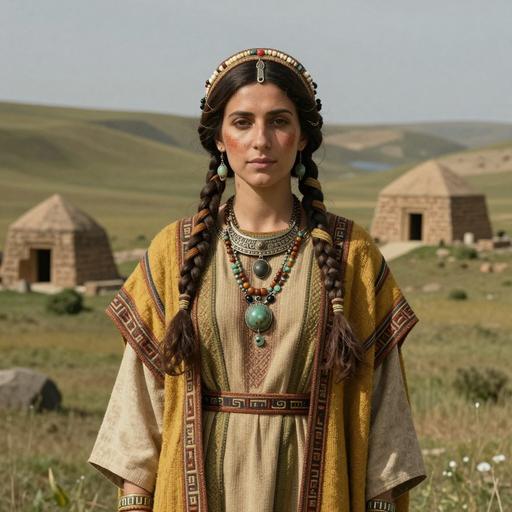
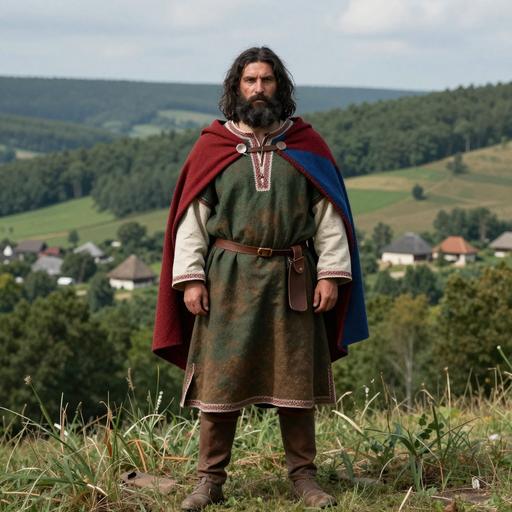
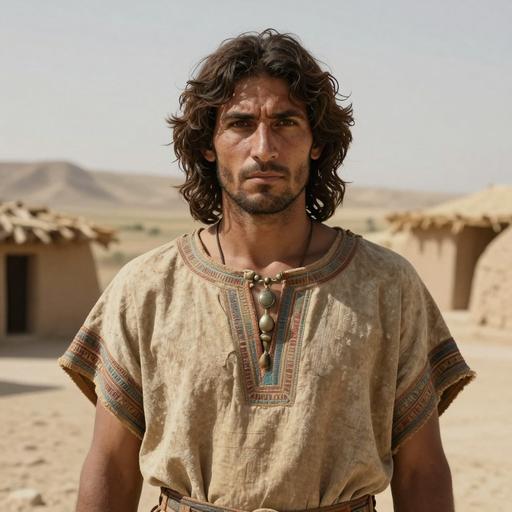
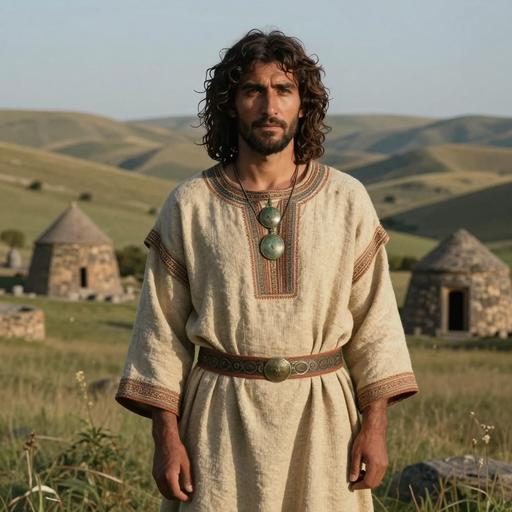
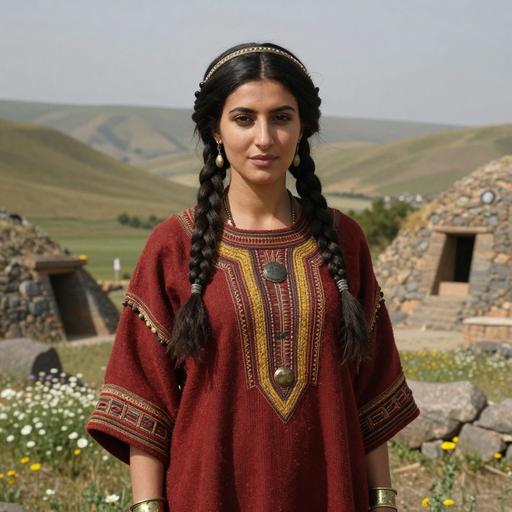
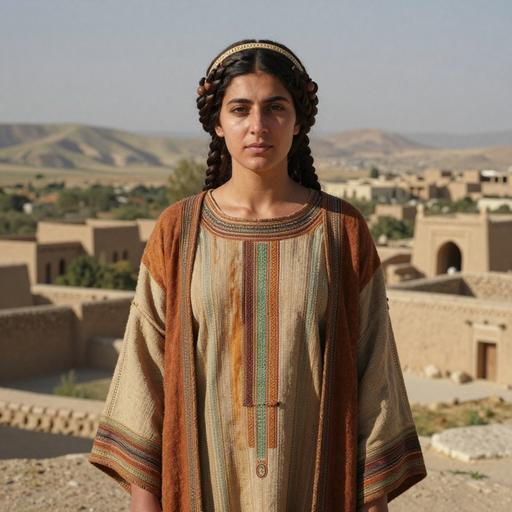
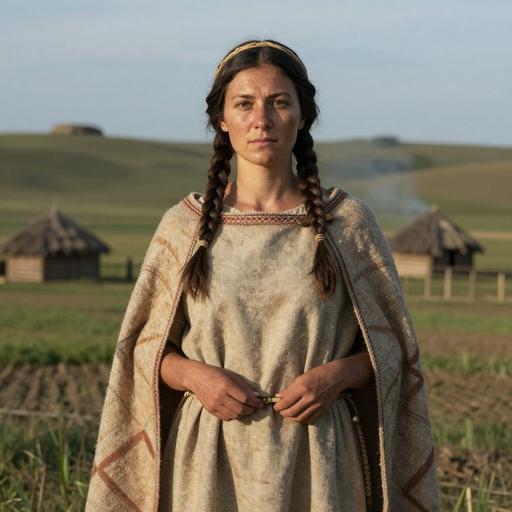
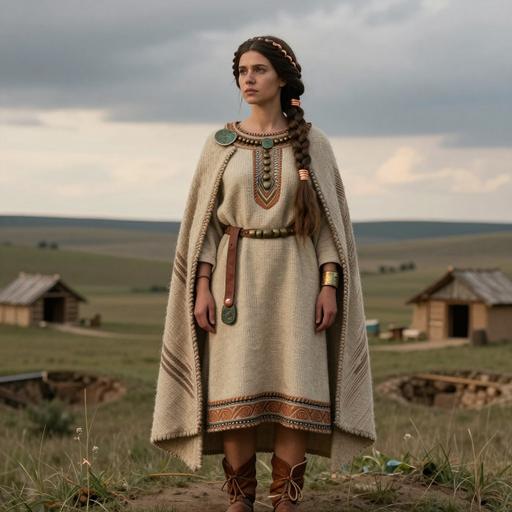
Porträts sind KI-generierte Illustrationen. Probenbezeichnungen und Zugangs-IDs identifizieren die Referenzdatensätze.
Porträt
Probe
Land
Epoche
Datum
Kultur
mtDNA
Übereinstimmung
Proben-ID: I15526
Serbia
Serbia Roman
215-326 calCE (1800±20 BP, PSUAMS-9561)
Roman Provincial
H13a2b2
Subklade
Proben-ID: BOL008
Russia
Davydovskoye Archaeological Culture
235-335 calCE (1780±17 BP, MAMS35359)
Davydovskoye
H13a2b2a
Subklade
Proben-ID: I7717
Pakistan
Saidu Sharif Iron Age Complex in Swat Valley, Pakistan
406-209 calBCE (2292±31 BP, CIRCE-DSH-5625)
Saidu Sharif Culture
H13a2a
Subklade
Proben-ID: DA385
Kyrgyzstan
The Hun Period in Kyrgyzstan
415 CE - 575 CE
Hunnic Period
H13a2a
Subklade
Proben-ID: DA385
Kyrgyzstan
The Huns
415 CE - 575 CE
H13a2a
Subklade
Proben-ID: DA162
Russia
Russia Alan
450 CE - 850 CE
Alan Culture
H13a2c
Subklade
Proben-ID: DA162
Russia
The Alan People
450 CE - 850 CE
Alan Culture
H13a2c
Subklade
Proben-ID: CSK056
Austria
Austria Avar
600-800 CE
Austria_Avar
H13a2c1
Subklade
Proben-ID: ALT-77
Hungary
Early to Middle Avar Period Hungary
605-659 calCE (1406±17 BP, DeA-26537)
Early-Middle Avar
H13a2c1
Subklade
Proben-ID: SZK-213
Hungary
Hungary EarlyAvar
600-700 CE
Early Avar
H13a2b2
Subklade
Proben-ID: KPM-14
Hungary
Early to Middle Avar Period Hungary
600-650 CE
Early-Middle Avar
H13a2c1
Subklade
Proben-ID: MGS215
Austria
Austria Avar
650-800 CE
Austria_Avar
H13a2a
Subklade
Proben-ID: MGS216
Austria
Austria Avar
650-800 CE
Austria_Avar
H13a2a
Subklade
Proben-ID: MGS222
Austria
Austria Avar
650-800 CE
Austria_Avar
H13a2a
Subklade
Proben-ID: MGS266
Austria
Austria Avar
650-800 CE
Austria_Avar
H13a2c1
Subklade
Proben-ID: MGS402
Austria
Austria Avar
650-800 CE
Austria_Avar
H13a2b
Subklade
Proben-ID: I18160
Armenia
Late Iron Age Armenia
700-550 BCE
Late Iron Age Armenian
H13a2b4
Subklade
Proben-ID: ALT-414
Hungary
Hungary LateAvar
700-900 CE
Avar Culture
H13a2c1
Subklade
Proben-ID: C1194
China
Iron Age Jierzankale, Xinjiang, China
750-350 BCE
Jierzankale Culture
H13a2a
Subklade
Proben-ID: I7036
India
India Roopkund A
774-993 calCE (1130±25 BP, PSUAMS-5470)
Roopkund Culture
H13a2a
Subklade
Proben-ID: I15537
Serbia
Early Medieval Slavic Culture of Serbia
800-1000 CE
Early Medieval Serbian
H13a2a
Subklade
Proben-ID: VPB-600
Hungary
Hungary EarlyArpadian
900-1100 CE
Early Árpád
H13a2b2a
Subklade
Proben-ID: I4232
Iran
Iran Hasanlu IA
928-827 calBCE (2745±20 BP, PSUAMS-3181)
Hasanlu Culture
H13a2c
Subklade
Proben-ID: I12143
Pakistan
The Pakistan Katelai Iron Age Culture
1000 BCE - 800 BCE
Katelai Culture
H13a2a
Subklade
Proben-ID: PCA0235
Poland
Iron Age Poznań Środka Culture
1000-1200 CE
Poznań Środka Culture
H13a2c1
Subklade
Proben-ID: I12143
Pakistan
The SPGT Culture
1000 BCE - 800 BCE
H13a2a
Subklade
Proben-ID: I7716
Pakistan
Medieval Raja Gira
1176-1264 calCE (835±15 BP, PSUAMS-4428)
Raja Gira
H13a2a
Subklade
Proben-ID: I19331
Armenia
Late Bronze Age Armenia
1400-900 BCE
Late Bronze Age Armenian
H13a2b
Subklade
Proben-ID: C1365
China
China Xinjiang Jirentaigoukou LBA
1391-1200 calBCE
Late Bronze Age Chinese
H13a2b3
Subklade
Proben-ID: I18269
Armenia
Armenian LBA
1450-1250 BCE
Armenian Late Bronze
H13a2c1
Subklade
Proben-ID: I24344
Croatia
Croatia LBA EIA
1500-400 BCE
Croatian Bronze-Iron Transition
H13a2a
Subklade
Proben-ID: ALA034
Turkey
Middle to Late Bronze Age Turkey
1876-1635 calBCE (3436±24 BP, MAMS-33696)
Anatolian Bronze Age
H13a2b2
Subklade
Proben-ID: I18752
Croatia
Croatia MBA Cetina
1700-1500 BCE
Croatian Middle Bronze Age
H13a2a
Subklade
Proben-ID: WEHR_1415adult
Germany
Early Bronze Age Lech Valley, Germany
2014 BCE - 1830 BCE
Lech Valley Bronze Age
H13a2b2a*
Subklade
Proben-ID: WEHR_1415adult
Germany
Early Bronze Age Central Europe
2014 BCE - 1830 BCE
H13a2b2a*
Subklade
Proben-ID: WEHR_1415child
Germany
Early Bronze Age Lech Valley, Germany
2022-1891 calBCE (3596±19 BP, MAMS-18928)
Lech Valley Bronze Age
H13a2b2a
Subklade
Proben-ID: I12510
Moldova
Moldova MBA
2136-1959 calBCE (3665±20 BP, PSUAMS-7554)
Middle Bronze Age Moldovan
H13a2b2a
Subklade
Proben-ID: MJ-09
Ukraine
Bronze Age Catacomb Culture, Ukraine
2461 BCE - 2205 BCE
Catacomb Culture
H13a2c
Subklade
Proben-ID: MJ-09
Ukraine
The Catacomb Culture
2461 BCE - 2205 BCE
H13a2c
Subklade
Proben-ID: I17745
Moldova
Moldova EBA Yamnaya
2862-2573 calBCE (4105±25 BP, PSUAMS-8309)
Moldova_EBA_Yamnaya
H13a2b2a
Subklade
Proben-ID: I20068
Moldova
Moldova EBA Yamnaya
2881-2671 calBCE (4175±20 BP, PSUAMS-10740)
Moldova_EBA_Yamnaya
H13a2b2a
Subklade
Proben-ID: I7677
Russia
Russia Samara EBA Yamnaya
2911-2881 calBCE (4270±20 BP, PSUAMS-4276)
Yamnaya Culture
H13a2b2a
Subklade
Proben-ID: I6731
Russia
Russia Samara EBA Yamnaya
3083-2916 calBCE (4380±20 BP, PSUAMS-4160)
Yamnaya Culture
H13a2b2a
Subklade
Proben-ID: I25026
Russia
Russia Samara EBA Yamnaya
3350-2900 BCE
Yamnaya Culture
H13a2b2a
Subklade
Proben-ID: I4085
Turkmenistan
Chalcolithic Tepe Anau
4000-3000 BCE
Tepe Anau
H13a2a
Subklade
Proben-ID: I6412
Russia
Russia Saratov Eneolithic Khvalynsk
4695-4508 calBCE (5755±25 BP, PSUAMS-4156)
Russia_Saratov_Eneolithic_Khvalynsk
H13a2a
Subklade
Proben-ID: POT002
Azerbaijan
Late Neolithic Azerbaijan
5515-5375 calBCE (6491±26 BP, MAMS-40331)
Late Neolithic Azerbaijani
H13a2b
Subklade
Proben-ID: I15526
Roman Serbia - Serbia - Viminacium-Vise-Grobalja (Braničevo District, Požarevac Municipality, Kostolac)
Serbia Serbia Roman 215-326 calCE (1800±20 BP, PSUAMS-9561)
Azerbaijan Late Neolithic Azerbaijan 5515-5375 calBCE (6491±26 BP, MAMS-40331)
H13a2bSubklade
MATERNAL LINEAGE · ANCIENT DNA
Ancient lineage evidence map
Follow parent clades toward this branch and explore where ancient carriers were found.
Loading ancient observations…
Reduced motion is enabled. Use the timeline or Show all to explore at your own pace.
Read observations as a table
Displayed ancient observations by branch, period and date midpoint
Branch
Period
Date range
Sample
Sample ID
Location
Haplogroup
Relationship
Markers are archaeological find locations. A dashed connector is an uncertain, proposed geographic transition between consecutive branches supported by multiple dated observations; it is not an exact travel route, birthplace or proof of direct descent. Parent-clade samples may belong to other descendant branches. Gaps remain where evidence is insufficient. Sample dates differ from haplogroup formation dates.
Grouping by historical period reflects when each ancient individual lived, combined across every branch on this lineage chain; it is not a migration sequence or a personal timeline between periods.
Referenzprofil
Trägerverteilungskarte
Geografische Verteilung von 47 antiken DNA-Proben (direkte und Subkladen-Träger von H13A2)
Subkladen-Träger
Zeitraumfilter
Alle Zeiträume
Alle Proben werden angezeigt
Referenzprofil
Zeitliche Verteilung
Verteilung der Träger über archäologische Epochen
Referenzprofil
Geografische Verteilung
Anzahlen nach erfasstem Probenland. Sie spiegeln die verfügbare Referenzauswahl wider, nicht Bevölkerungshäufigkeiten.
Referenzprofil
Verteilung Land × Epoche
Vergleichen Sie erfasste Probenanzahlen nach Ländern und archäologischen Epochen. Wählen Sie eine belegte Zelle, um eine Probe anzusehen.
Daten
Daten und Herkunft
Quellenangaben und Datenqualität
Zuletzt aktualisiert2026-02-16
Konfidenzwert50/100
AbdeckungLow
Datenquelle
Klassifikation, geschätzte Daten und geografischer Kontext spiegeln die erfassten Referenzdaten wider und können sich bei überarbeiteten Belegen ändern. Die Probenabdeckung ist ungleichmäßig; erfasste Orte und archäologische Zuordnungen begründen weder persönliche Herkunft noch kulturelle Identität.