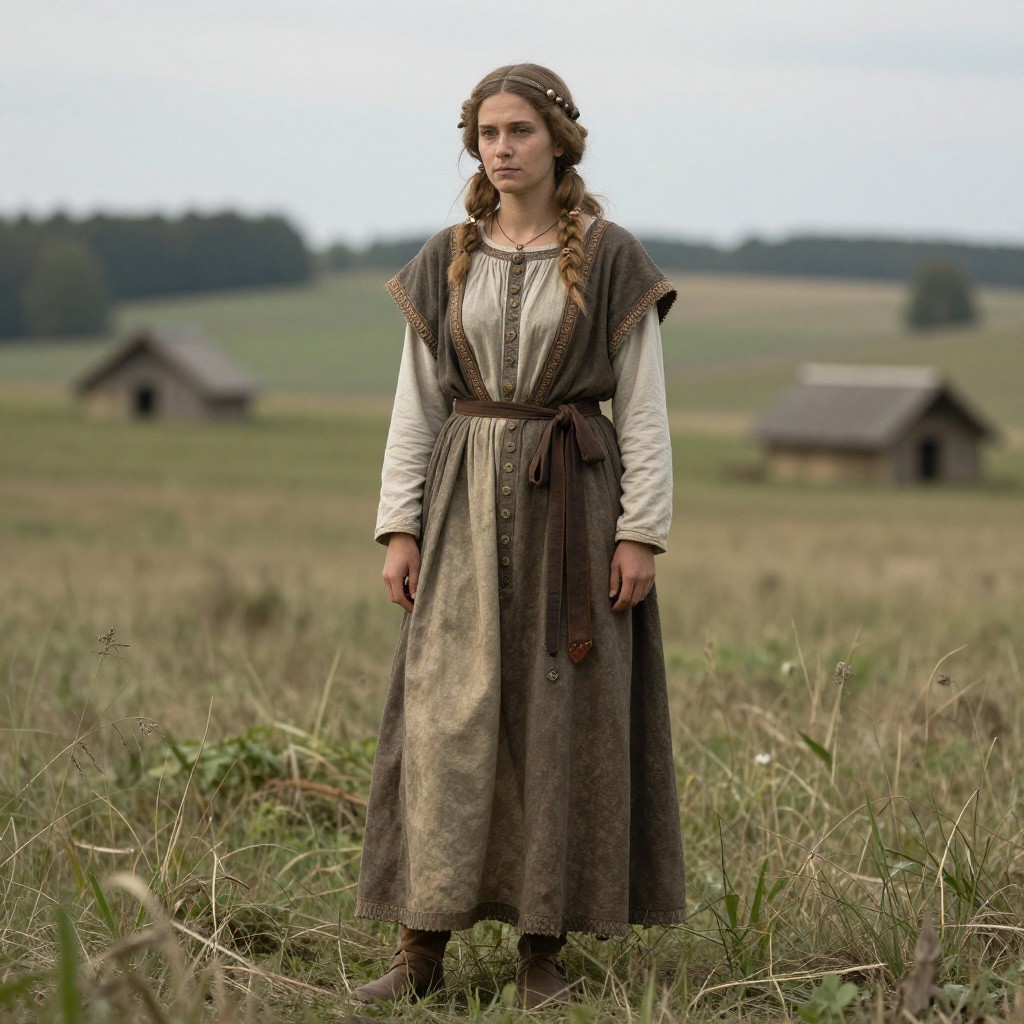
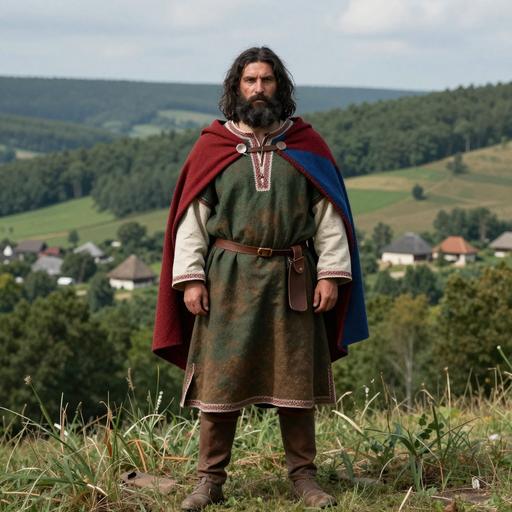
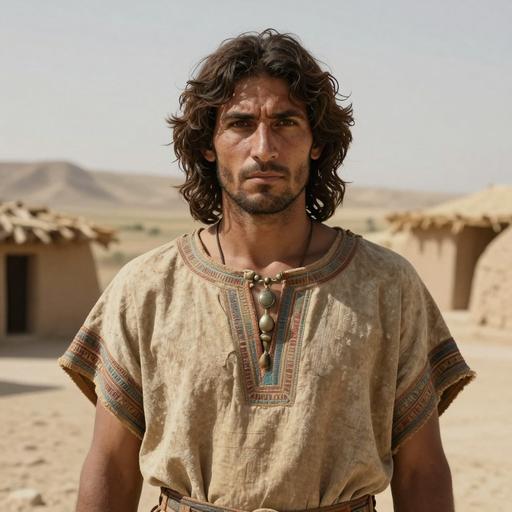
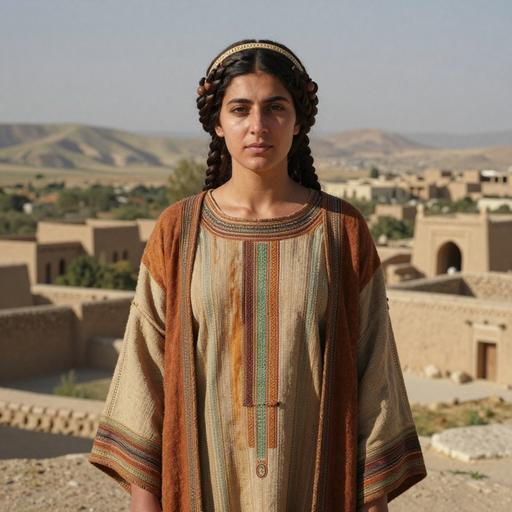
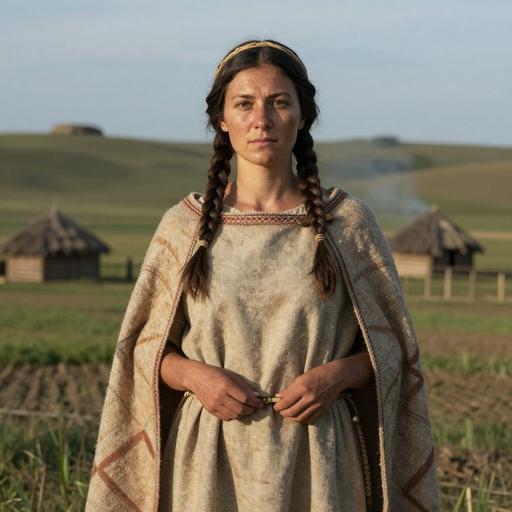
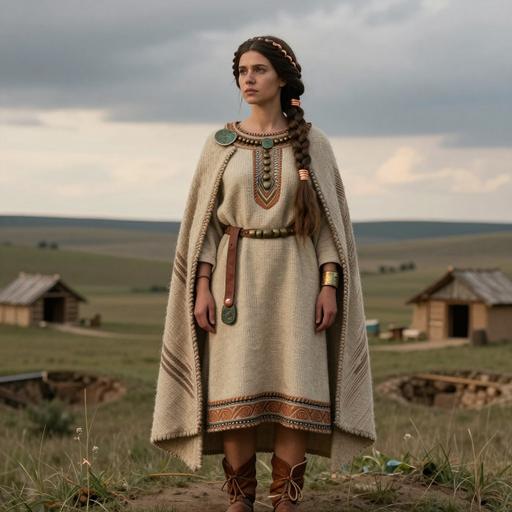
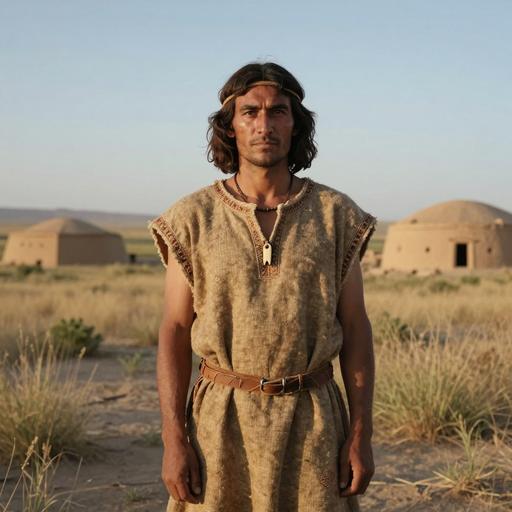
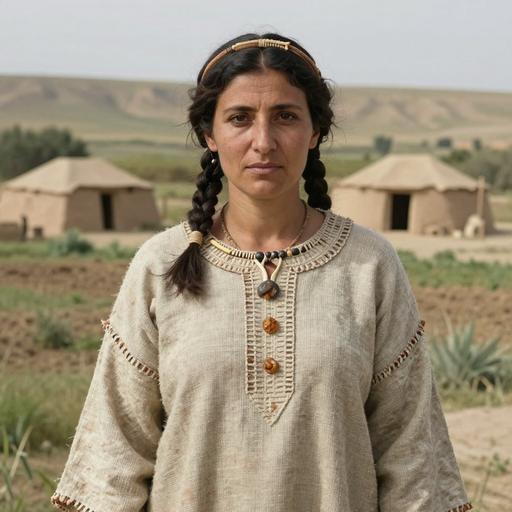
Profil de référence pour une branche de lignée. Des haplogroupes partagés n'établissent pas de lien familial ni d'identité culturelle.
Profil de référence
Contexte de la branche
Contexte historique de la branche de lignée mtDNA H13A2
Origins and Evolution
mtDNA haplogroup H13A2 is a downstream branch of H13A, itself a subclade of H13 within haplogroup H. Based on the phylogenetic position of H13A2 beneath H13A and on coalescence estimates for nearby lineages, H13A2 most likely formed in the early to mid‑Holocene (approximately 6–9 kya, here estimated ~7.5 kya) in the Near East / Caucasus region. The parent clade H13A has been associated with post‑glacial re‑expansion and early Neolithic movements from the Near East and Caucasus into Anatolia and southeastern Europe; H13A2 represents one lineage that diversified within that broader demographic context.
Subclades (if applicable)
H13A2 sits beneath H13A in the mtDNA tree. Depending on the resolution of available sequencing data, H13A2 may contain further downstream sublineages defined by additional private mutations observed in modern and ancient mitogenomes. Because H13A2 is a relatively specific branch, its internal diversity is lower than older haplogroups; targeted mitogenome sequencing of individuals assigned to H13A2 often reveals regionally informative private variants that can help track micro‑scale maternal movements across the Caucasus, Anatolia and nearby regions.
Geographical Distribution
The modern and ancient distribution of H13A2 mirrors the Near Eastern/Caucasus concentrations seen for the broader H13A clade but with a stronger regional focus. Highest frequencies are recorded in the Caucasus and adjacent parts of Western Asia (Anatolia, NW Iran), while lower, sporadic occurrences appear across the Levant, the Balkans, Southern Europe (Greece, Italy) and parts of Central and Eastern Europe. H13A2 is also observed occasionally in Jewish maternal lineages (Ashkenazi and some Sephardic samples) and appears in some ancient DNA contexts tied to early Holocene and Neolithic populations in the Near East and southeastern Europe.
Historical and Cultural Significance
Because of its origin and distribution, H13A2 is informative for studies of post‑glacial recolonization of the Near East/Caucasus, as well as early Neolithic farmer dispersals from Anatolia into Europe. Its presence in ancient remains from Chalcolithic and Bronze Age contexts in the Caucasus and Anatolia supports a role in local population continuity and regional demographic change through the Neolithic and later Bronze Age periods. The occasional detection of H13A2 in European and Jewish contexts likely reflects multiple small‑scale movements, gene flow events, and founder effects rather than a single, large‑scale expansion.
Conclusion
H13A2 is a regionally focused maternal lineage within H13A that provides useful resolution for reconstructing maternal ancestry in the Caucasus and adjacent Near East, and for tracing Neolithic and post‑Neolithic female‑mediated gene flow into neighboring regions. Continued mitogenome sequencing and targeted ancient DNA sampling in the Caucasus, Anatolia and the Levant will further refine the substructure, age estimates and migratory history of H13A2 and its downstream branches.
Points clés
Origins and Evolution
Subclades (if applicable)
Geographical Distribution
Historical and Cultural Significance
Conclusion
Profil de référence
Arbre et relations
Contexte phylogénétique et sous-clades
Voie évolutive
Suivez les branches parentes consignées jusqu'à H13A2. Les dates sont des estimations et peuvent évoluer lorsque les données de référence sont révisées.
Northwestern Iran and adjacent Near Eastern groups
Levantine populations (Lebanon, Syria) at low to moderate frequencies
Balkan populations and Southern Europe (Greece, Italy) at low to moderate frequencies
Ashkenazi and some Sephardic Jewish maternal lineages (sporadic occurrences)
Central and Eastern European populations at low frequencies
Western European populations sporadically and in ancient contexts
Contexte historique
Une branche dans le temps
Formation estimée sur une chronologie historique large. Les repères de période servent de contexte et n'impliquent pas de lien avec des cultures particulières.
Il y a ~10k ans
Révolution néolithique
Début de l'agriculture et émergence de communautés sédentaires
Il y a ~7.5k ans
Haplogroupe H13A2
Formation estimée de cette branche mtDNA ; les dates et les lieux sont des estimations de référence.
Cette branche
Il y a ~5k ans
Âge du bronze
Travail des métaux, écriture et premières civilisations
Il y a ~3k ans
Âge du fer
Outils en fer, réseaux d'échanges élargis
Il y a ~2.5k ans
Antiquité classique
Floraison des civilisations grecque et romaine
Aujourd'hui
Aujourd'hui
Époque moderne
Profil de référence
Contexte archéologique
Associations archéologiques consignées pour la branche mtDNA H13A2
Associations consignées
Ces libellés décrivent des contextes archéologiques consignés pour des échantillons de référence liés à H13A2. Une association n'établit pas que tous les porteurs appartenaient à une culture ni qu'ils ont suivi une route migratoire précise.
Les attributions culturelles reposent sur le contexte archéologique des échantillons d'ADN ancien et peuvent refléter des associations régionales à certaines périodes.
Profil de référence
Catalogue d'échantillons
47 porteurs de sous-clade de l'haplogroupe H13A2 (aucun porteur direct dans la sélection de référence actuelle)
10 affiché(s) · 47 échantillons correspondants
Aucun échantillon ne correspond à ces filtres. Essayez un autre libellé, lieu ou période.
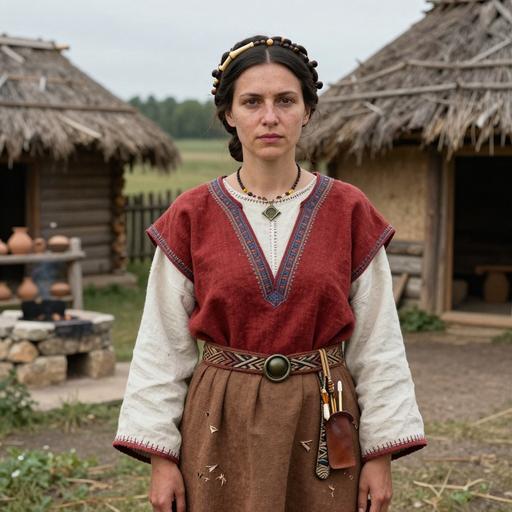
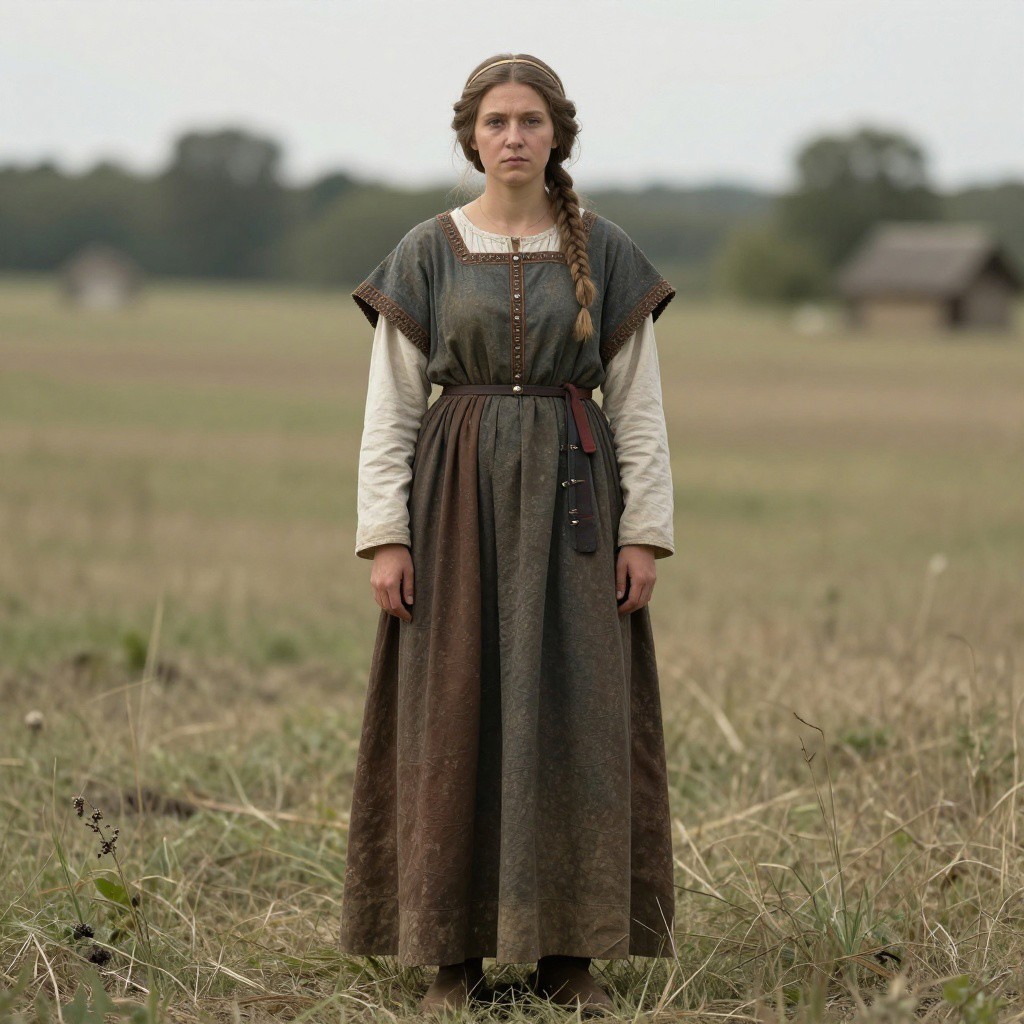
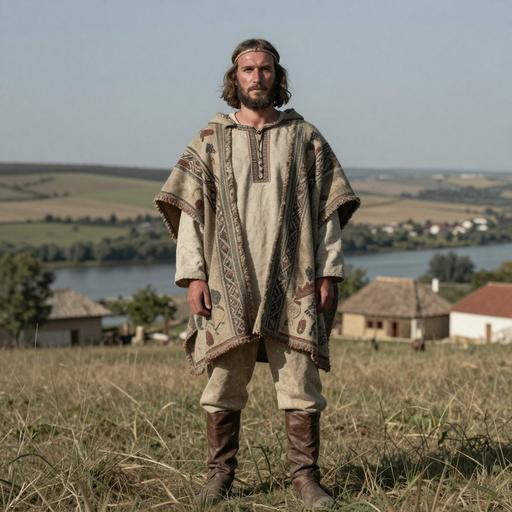
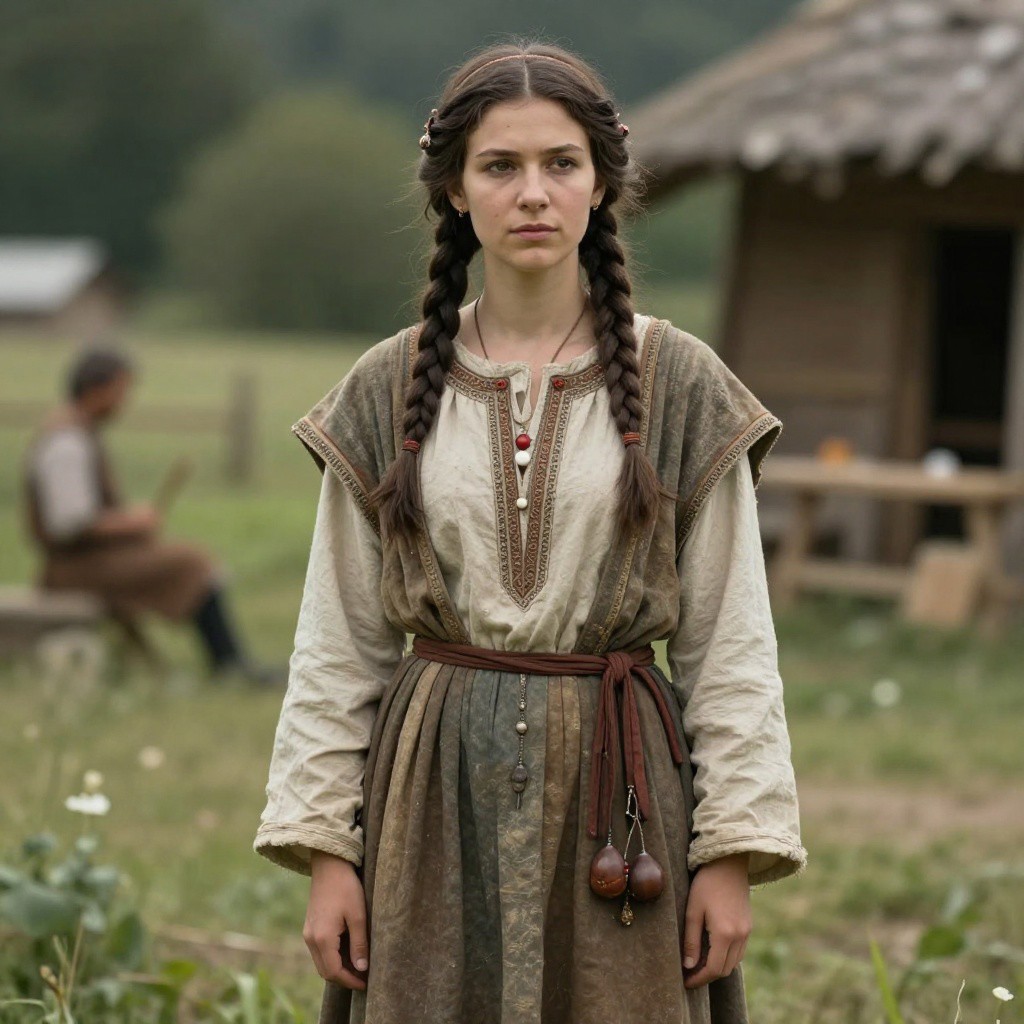
Les portraits sont des illustrations générées par IA. Les libellés d'échantillon et identifiants d'accès désignent les enregistrements de référence.
Portrait
Échantillon
Pays
Époque
Date
Culture
mtDNA
Correspondance
Identifiant d'échantillon : I15526
Serbia
Serbia Roman
215-326 calCE (1800±20 BP, PSUAMS-9561)
Roman Provincial
H13a2b2
Sous-clade
Identifiant d'échantillon : BOL008
Russia
Davydovskoye Archaeological Culture
235-335 calCE (1780±17 BP, MAMS35359)
Davydovskoye
H13a2b2a
Sous-clade
Identifiant d'échantillon : I7717
Pakistan
Saidu Sharif Iron Age Complex in Swat Valley, Pakistan
406-209 calBCE (2292±31 BP, CIRCE-DSH-5625)
Saidu Sharif Culture
H13a2a
Sous-clade
Identifiant d'échantillon : DA385
Kyrgyzstan
The Hun Period in Kyrgyzstan
415 CE - 575 CE
Hunnic Period
H13a2a
Sous-clade
Identifiant d'échantillon : DA385
Kyrgyzstan
The Huns
415 CE - 575 CE
H13a2a
Sous-clade
Identifiant d'échantillon : DA162
Russia
Russia Alan
450 CE - 850 CE
Alan Culture
H13a2c
Sous-clade
Identifiant d'échantillon : DA162
Russia
The Alan People
450 CE - 850 CE
Alan Culture
H13a2c
Sous-clade
Identifiant d'échantillon : CSK056
Austria
Austria Avar
600-800 CE
Austria_Avar
H13a2c1
Sous-clade
Identifiant d'échantillon : ALT-77
Hungary
Early to Middle Avar Period Hungary
605-659 calCE (1406±17 BP, DeA-26537)
Early-Middle Avar
H13a2c1
Sous-clade
Identifiant d'échantillon : SZK-213
Hungary
Hungary EarlyAvar
600-700 CE
Early Avar
H13a2b2
Sous-clade
Identifiant d'échantillon : KPM-14
Hungary
Early to Middle Avar Period Hungary
600-650 CE
Early-Middle Avar
H13a2c1
Sous-clade
Identifiant d'échantillon : MGS215
Austria
Austria Avar
650-800 CE
Austria_Avar
H13a2a
Sous-clade
Identifiant d'échantillon : MGS216
Austria
Austria Avar
650-800 CE
Austria_Avar
H13a2a
Sous-clade
Identifiant d'échantillon : MGS222
Austria
Austria Avar
650-800 CE
Austria_Avar
H13a2a
Sous-clade
Identifiant d'échantillon : MGS266
Austria
Austria Avar
650-800 CE
Austria_Avar
H13a2c1
Sous-clade
Identifiant d'échantillon : MGS402
Austria
Austria Avar
650-800 CE
Austria_Avar
H13a2b
Sous-clade
Identifiant d'échantillon : I18160
Armenia
Late Iron Age Armenia
700-550 BCE
Late Iron Age Armenian
H13a2b4
Sous-clade
Identifiant d'échantillon : ALT-414
Hungary
Hungary LateAvar
700-900 CE
Avar Culture
H13a2c1
Sous-clade
Identifiant d'échantillon : C1194
China
Iron Age Jierzankale, Xinjiang, China
750-350 BCE
Jierzankale Culture
H13a2a
Sous-clade
Identifiant d'échantillon : I7036
India
India Roopkund A
774-993 calCE (1130±25 BP, PSUAMS-5470)
Roopkund Culture
H13a2a
Sous-clade
Identifiant d'échantillon : I15537
Serbia
Early Medieval Slavic Culture of Serbia
800-1000 CE
Early Medieval Serbian
H13a2a
Sous-clade
Identifiant d'échantillon : VPB-600
Hungary
Hungary EarlyArpadian
900-1100 CE
Early Árpád
H13a2b2a
Sous-clade
Identifiant d'échantillon : I4232
Iran
Iran Hasanlu IA
928-827 calBCE (2745±20 BP, PSUAMS-3181)
Hasanlu Culture
H13a2c
Sous-clade
Identifiant d'échantillon : I12143
Pakistan
The Pakistan Katelai Iron Age Culture
1000 BCE - 800 BCE
Katelai Culture
H13a2a
Sous-clade
Identifiant d'échantillon : PCA0235
Poland
Iron Age Poznań Środka Culture
1000-1200 CE
Poznań Środka Culture
H13a2c1
Sous-clade
Identifiant d'échantillon : I12143
Pakistan
The SPGT Culture
1000 BCE - 800 BCE
H13a2a
Sous-clade
Identifiant d'échantillon : I7716
Pakistan
Medieval Raja Gira
1176-1264 calCE (835±15 BP, PSUAMS-4428)
Raja Gira
H13a2a
Sous-clade
Identifiant d'échantillon : I19331
Armenia
Late Bronze Age Armenia
1400-900 BCE
Late Bronze Age Armenian
H13a2b
Sous-clade
Identifiant d'échantillon : C1365
China
China Xinjiang Jirentaigoukou LBA
1391-1200 calBCE
Late Bronze Age Chinese
H13a2b3
Sous-clade
Identifiant d'échantillon : I18269
Armenia
Armenian LBA
1450-1250 BCE
Armenian Late Bronze
H13a2c1
Sous-clade
Identifiant d'échantillon : I24344
Croatia
Croatia LBA EIA
1500-400 BCE
Croatian Bronze-Iron Transition
H13a2a
Sous-clade
Identifiant d'échantillon : ALA034
Turkey
Middle to Late Bronze Age Turkey
1876-1635 calBCE (3436±24 BP, MAMS-33696)
Anatolian Bronze Age
H13a2b2
Sous-clade
Identifiant d'échantillon : I18752
Croatia
Croatia MBA Cetina
1700-1500 BCE
Croatian Middle Bronze Age
H13a2a
Sous-clade
Identifiant d'échantillon : WEHR_1415adult
Germany
Early Bronze Age Lech Valley, Germany
2014 BCE - 1830 BCE
Lech Valley Bronze Age
H13a2b2a*
Sous-clade
Identifiant d'échantillon : WEHR_1415adult
Germany
Early Bronze Age Central Europe
2014 BCE - 1830 BCE
H13a2b2a*
Sous-clade
Identifiant d'échantillon : WEHR_1415child
Germany
Early Bronze Age Lech Valley, Germany
2022-1891 calBCE (3596±19 BP, MAMS-18928)
Lech Valley Bronze Age
H13a2b2a
Sous-clade
Identifiant d'échantillon : I12510
Moldova
Moldova MBA
2136-1959 calBCE (3665±20 BP, PSUAMS-7554)
Middle Bronze Age Moldovan
H13a2b2a
Sous-clade
Identifiant d'échantillon : MJ-09
Ukraine
Bronze Age Catacomb Culture, Ukraine
2461 BCE - 2205 BCE
Catacomb Culture
H13a2c
Sous-clade
Identifiant d'échantillon : MJ-09
Ukraine
The Catacomb Culture
2461 BCE - 2205 BCE
H13a2c
Sous-clade
Identifiant d'échantillon : I17745
Moldova
Moldova EBA Yamnaya
2862-2573 calBCE (4105±25 BP, PSUAMS-8309)
Moldova_EBA_Yamnaya
H13a2b2a
Sous-clade
Identifiant d'échantillon : I20068
Moldova
Moldova EBA Yamnaya
2881-2671 calBCE (4175±20 BP, PSUAMS-10740)
Moldova_EBA_Yamnaya
H13a2b2a
Sous-clade
Identifiant d'échantillon : I7677
Russia
Russia Samara EBA Yamnaya
2911-2881 calBCE (4270±20 BP, PSUAMS-4276)
Yamnaya Culture
H13a2b2a
Sous-clade
Identifiant d'échantillon : I6731
Russia
Russia Samara EBA Yamnaya
3083-2916 calBCE (4380±20 BP, PSUAMS-4160)
Yamnaya Culture
H13a2b2a
Sous-clade
Identifiant d'échantillon : I25026
Russia
Russia Samara EBA Yamnaya
3350-2900 BCE
Yamnaya Culture
H13a2b2a
Sous-clade
Identifiant d'échantillon : I4085
Turkmenistan
Chalcolithic Tepe Anau
4000-3000 BCE
Tepe Anau
H13a2a
Sous-clade
Identifiant d'échantillon : I6412
Russia
Russia Saratov Eneolithic Khvalynsk
4695-4508 calBCE (5755±25 BP, PSUAMS-4156)
Russia_Saratov_Eneolithic_Khvalynsk
H13a2a
Sous-clade
Identifiant d'échantillon : POT002
Azerbaijan
Late Neolithic Azerbaijan
5515-5375 calBCE (6491±26 BP, MAMS-40331)
Late Neolithic Azerbaijani
H13a2b
Sous-clade
Identifiant d'échantillon : I15526
Roman Serbia - Serbia - Viminacium-Vise-Grobalja (Braničevo District, Požarevac Municipality, Kostolac)
Serbia Serbia Roman 215-326 calCE (1800±20 BP, PSUAMS-9561)
Azerbaijan Late Neolithic Azerbaijan 5515-5375 calBCE (6491±26 BP, MAMS-40331)
H13a2bSous-clade
LIGNÉE MATERNELLE · ADN ANTIQUE
Carte des preuves de lignées antiques
Suivez les clades parents jusqu'à cette branche et explorez où des porteurs antiques ont été identifiés.
Chargement des observations antiques…
La réduction des animations est activée. Utilisez la chronologie ou Tout afficher pour explorer à votre rythme.
Lire les observations sous forme de tableau
Observations antiques affichées par branche, période et date médiane
Branche
Période
Plage de dates
Échantillon
Identifiant d'échantillon
Emplacement
Haplogroupe
Relation
Les marqueurs indiquent des lieux de découvertes archéologiques. Un trait pointillé représente une transition géographique proposée et incertaine entre branches consécutives, appuyée sur plusieurs observations datées ; ce n'est pas un itinéraire exact, un lieu de naissance ni une preuve de descendance directe. Des échantillons de clades parents peuvent appartenir à d'autres branches descendantes. Des lacunes subsistent lorsque les preuves sont insuffisantes. Les dates d'échantillon diffèrent des dates de formation des haplogroupes.
Le regroupement par période historique reflète quand chaque individu antique a vécu, en combinant toutes les branches de cette chaîne de lignée ; ce n'est pas une séquence migratoire ni une chronologie personnelle entre périodes.
Profil de référence
Carte de répartition des porteurs
Répartition géographique de 47 échantillons d'ADN ancien (porteurs directs et de sous-clade de H13A2)
Porteur de sous-clade
Filtre de période
Toutes les périodes
Affichage de tous les échantillons
Profil de référence
Répartition temporelle
Répartition des porteurs selon les périodes archéologiques
Profil de référence
Répartition géographique
Effectifs par pays d'échantillon consigné. Ils reflètent la sélection de référence disponible, pas des fréquences de population.
Profil de référence
Répartition pays × époque
Comparez les effectifs d'échantillons consignés selon les pays et les périodes archéologiques. Sélectionnez une cellule renseignée pour examiner un échantillon.
Données
Données et provenance
Informations sur les sources et qualité des données
Dernière mise à jour2026-02-16
Score de confiance50/100
CouvertureLow
Source des données
La classification, les dates estimées et le contexte géographique reflètent les données de référence consignées et peuvent évoluer lorsque les éléments sont révisés. La couverture d'échantillons est inégale ; les lieux consignés et les associations archéologiques n'établissent pas une origine personnelle ni une identité culturelle.