Un perfil de referencia de una rama de linaje. Compartir haplogrupos no demuestra una relación familiar ni una identidad cultural.
Perfil de referencia
Contexto de la rama
Contexto histórico de la rama de linaje mtDNA H13A2
Origins and Evolution
mtDNA haplogroup H13A2 is a downstream branch of H13A, itself a subclade of H13 within haplogroup H. Based on the phylogenetic position of H13A2 beneath H13A and on coalescence estimates for nearby lineages, H13A2 most likely formed in the early to mid‑Holocene (approximately 6–9 kya, here estimated ~7.5 kya) in the Near East / Caucasus region. The parent clade H13A has been associated with post‑glacial re‑expansion and early Neolithic movements from the Near East and Caucasus into Anatolia and southeastern Europe; H13A2 represents one lineage that diversified within that broader demographic context.
Subclades (if applicable)
H13A2 sits beneath H13A in the mtDNA tree. Depending on the resolution of available sequencing data, H13A2 may contain further downstream sublineages defined by additional private mutations observed in modern and ancient mitogenomes. Because H13A2 is a relatively specific branch, its internal diversity is lower than older haplogroups; targeted mitogenome sequencing of individuals assigned to H13A2 often reveals regionally informative private variants that can help track micro‑scale maternal movements across the Caucasus, Anatolia and nearby regions.
Geographical Distribution
The modern and ancient distribution of H13A2 mirrors the Near Eastern/Caucasus concentrations seen for the broader H13A clade but with a stronger regional focus. Highest frequencies are recorded in the Caucasus and adjacent parts of Western Asia (Anatolia, NW Iran), while lower, sporadic occurrences appear across the Levant, the Balkans, Southern Europe (Greece, Italy) and parts of Central and Eastern Europe. H13A2 is also observed occasionally in Jewish maternal lineages (Ashkenazi and some Sephardic samples) and appears in some ancient DNA contexts tied to early Holocene and Neolithic populations in the Near East and southeastern Europe.
Historical and Cultural Significance
Because of its origin and distribution, H13A2 is informative for studies of post‑glacial recolonization of the Near East/Caucasus, as well as early Neolithic farmer dispersals from Anatolia into Europe. Its presence in ancient remains from Chalcolithic and Bronze Age contexts in the Caucasus and Anatolia supports a role in local population continuity and regional demographic change through the Neolithic and later Bronze Age periods. The occasional detection of H13A2 in European and Jewish contexts likely reflects multiple small‑scale movements, gene flow events, and founder effects rather than a single, large‑scale expansion.
Conclusion
H13A2 is a regionally focused maternal lineage within H13A that provides useful resolution for reconstructing maternal ancestry in the Caucasus and adjacent Near East, and for tracing Neolithic and post‑Neolithic female‑mediated gene flow into neighboring regions. Continued mitogenome sequencing and targeted ancient DNA sampling in the Caucasus, Anatolia and the Levant will further refine the substructure, age estimates and migratory history of H13A2 and its downstream branches.
Puntos clave
Origins and Evolution
Subclades (if applicable)
Geographical Distribution
Historical and Cultural Significance
Conclusion
Perfil de referencia
Árbol y relaciones
Contexto filogenético y subclados
Trayectoria evolutiva
Sigue las ramas superiores registradas hasta H13A2. Las fechas son estimaciones y pueden cambiar al revisarse los datos de referencia.
Northwestern Iran and adjacent Near Eastern groups
Levantine populations (Lebanon, Syria) at low to moderate frequencies
Balkan populations and Southern Europe (Greece, Italy) at low to moderate frequencies
Ashkenazi and some Sephardic Jewish maternal lineages (sporadic occurrences)
Central and Eastern European populations at low frequencies
Western European populations sporadically and in ancient contexts
Contexto histórico
Una rama a través del tiempo
Formación estimada en una cronología histórica amplia. Los marcadores temporales aportan contexto y no implican relación con culturas concretas.
~10k años de antigüedad
Revolución neolítica
Inicio de la agricultura y formación de comunidades sedentarias
~7.5k años de antigüedad
Haplogrupo H13A2
Formación estimada de esta rama de mtDNA; las fechas y ubicaciones son estimaciones de referencia.
Esta rama
~5k años de antigüedad
Edad del Bronce
Metalurgia, escritura y primeras civilizaciones
~3k años de antigüedad
Edad del Hierro
Herramientas de hierro y ampliación de redes comerciales
~2.5k años de antigüedad
Antigüedad clásica
Desarrollo de las civilizaciones griega y romana
Actualidad
Actualidad
Época moderna
Perfil de referencia
Contexto arqueológico
Asociaciones arqueológicas registradas para la rama mtDNA H13A2
Asociaciones registradas
Estas etiquetas describen contextos arqueológicos registrados para las muestras de referencia enlazadas a H13A2. Una asociación no demuestra que todos los portadores pertenecieran a una cultura ni siguieran una ruta migratoria concreta.
Las atribuciones culturales se basan en el contexto arqueológico de las muestras de ADN antiguo y pueden representar asociaciones regionales de periodos concretos.
Perfil de referencia
Catálogo de muestras
47 portadores de subclados del haplogrupo H13A2 (sin portadores directos en la selección de referencia actual)
10 mostradas · 47 muestras coincidentes
Ninguna muestra coincide con estos filtros. Prueba otra etiqueta, ubicación o periodo.
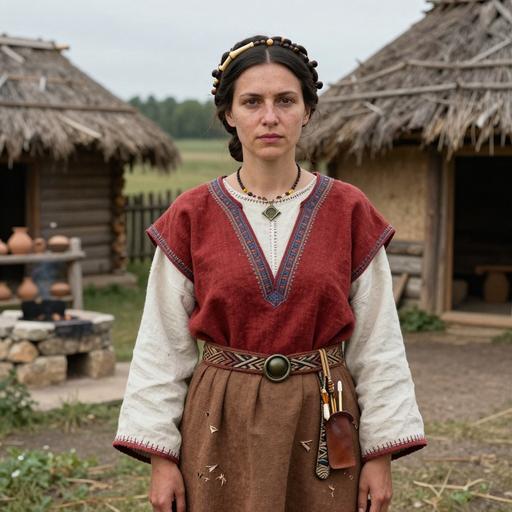
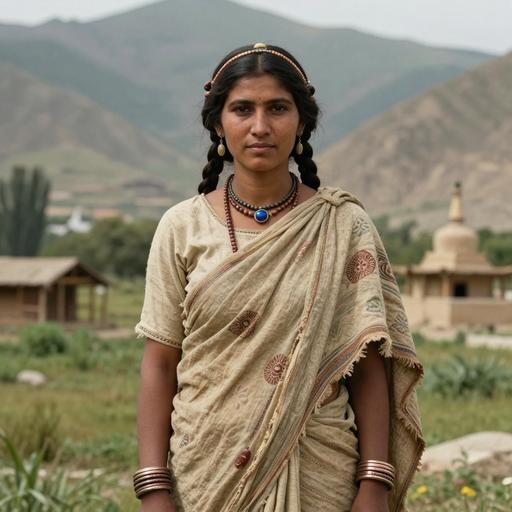
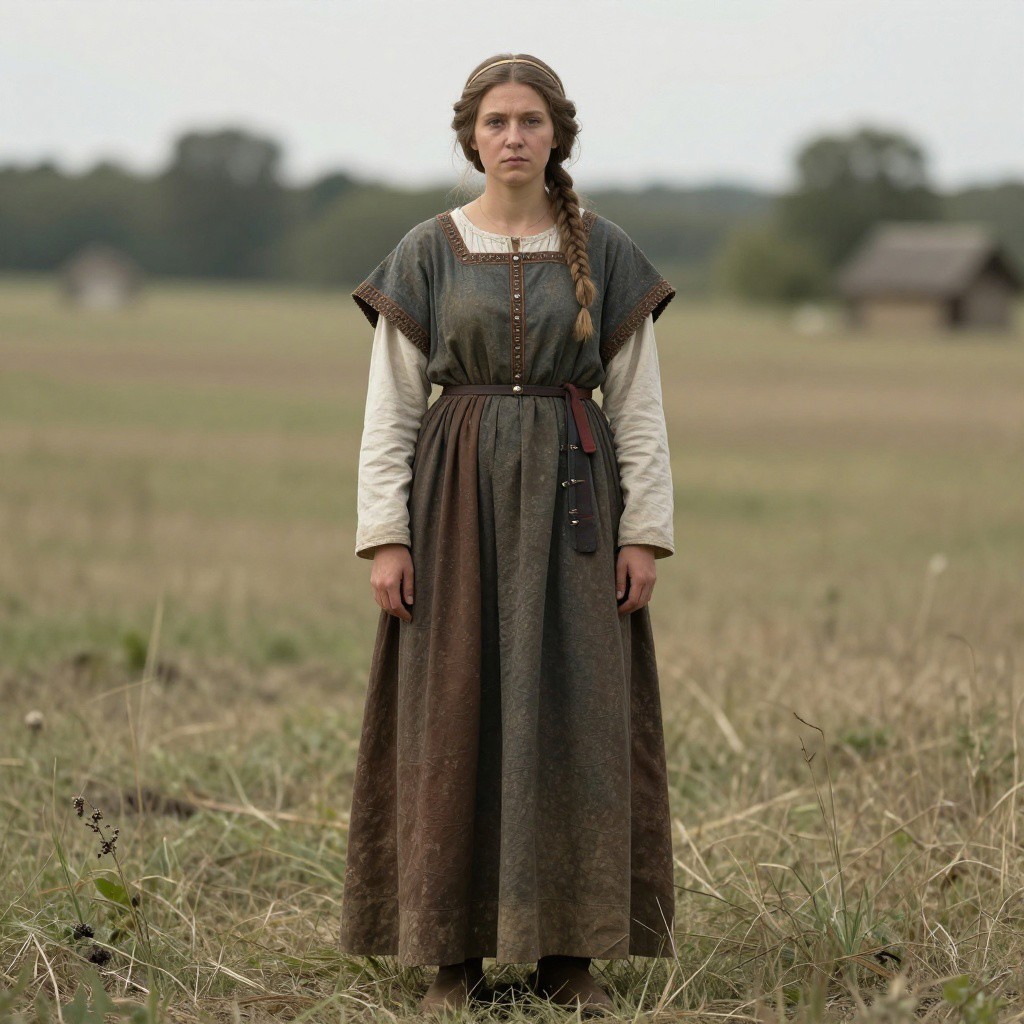
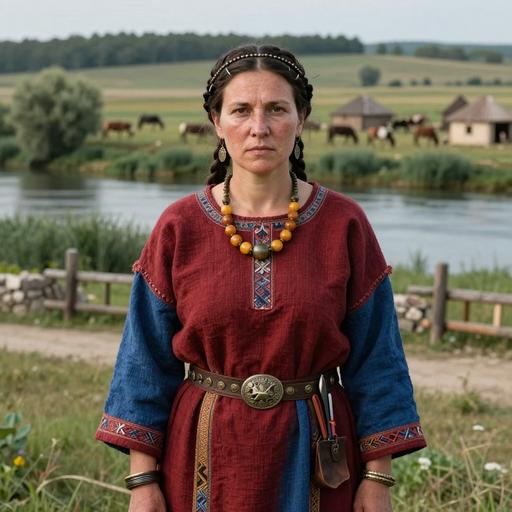
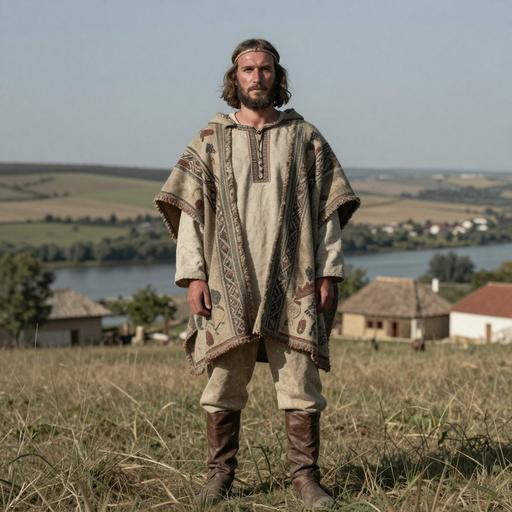
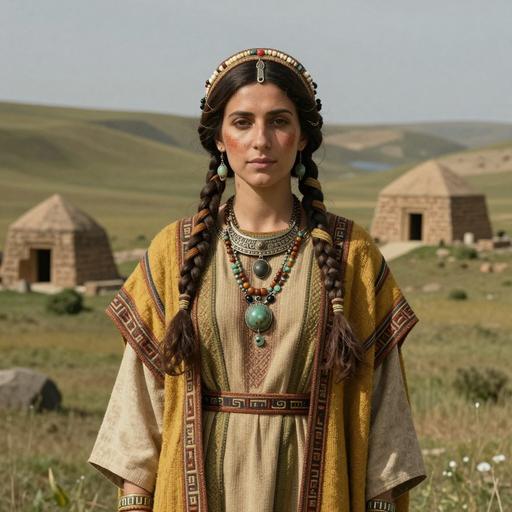
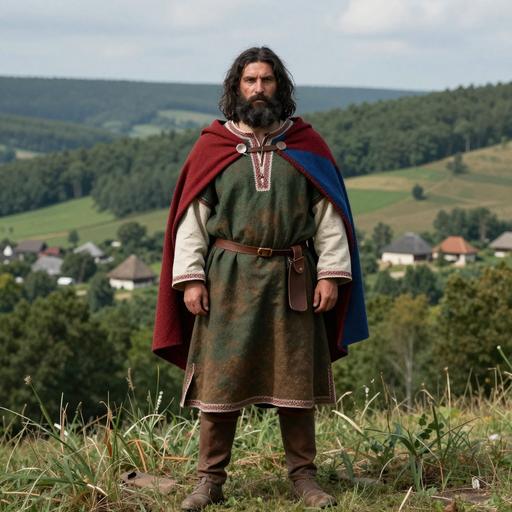
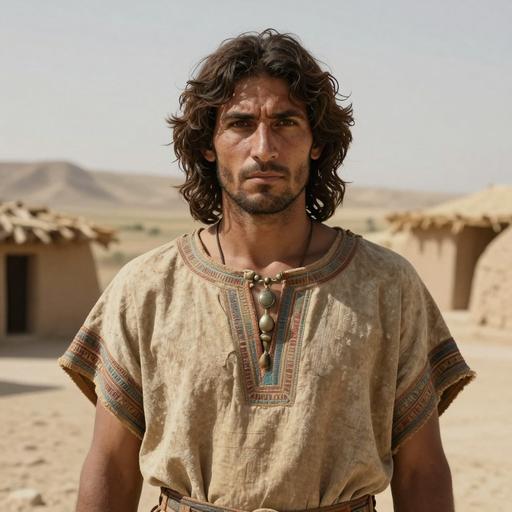
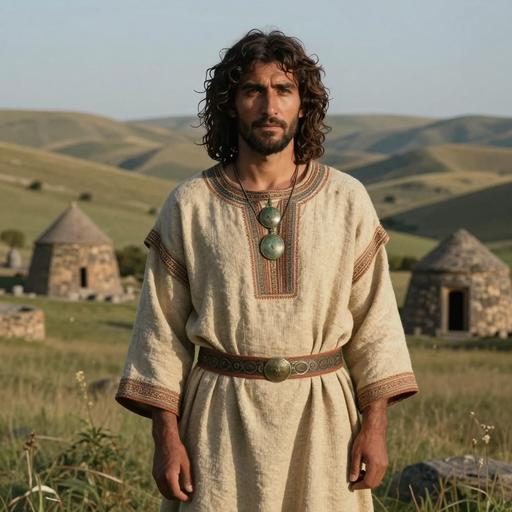
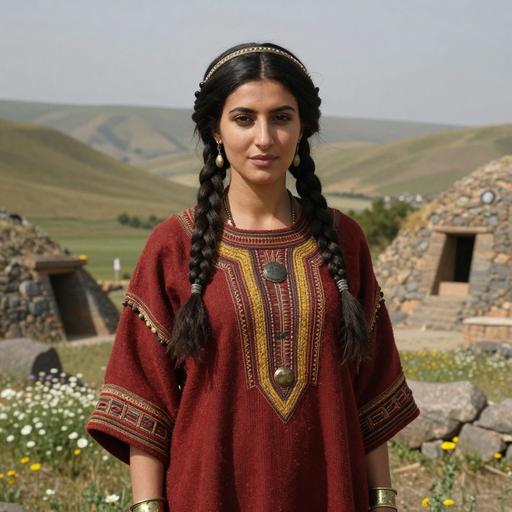
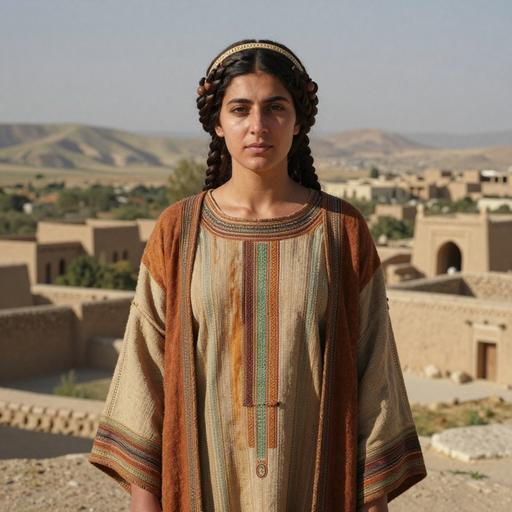
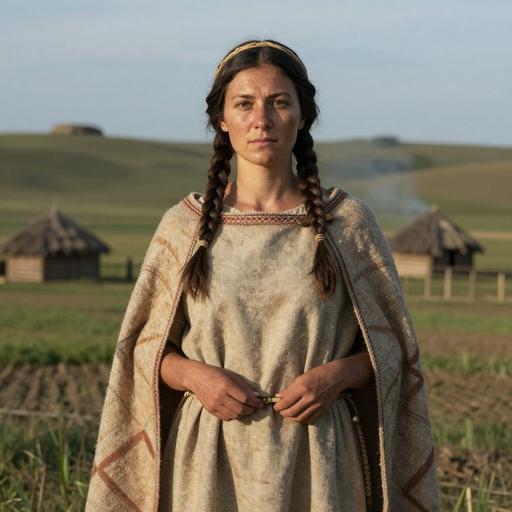
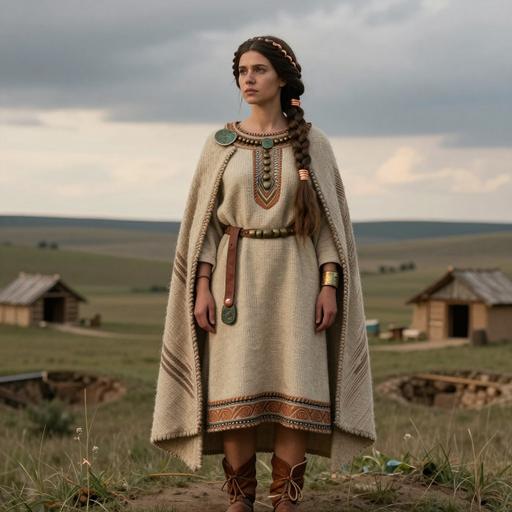
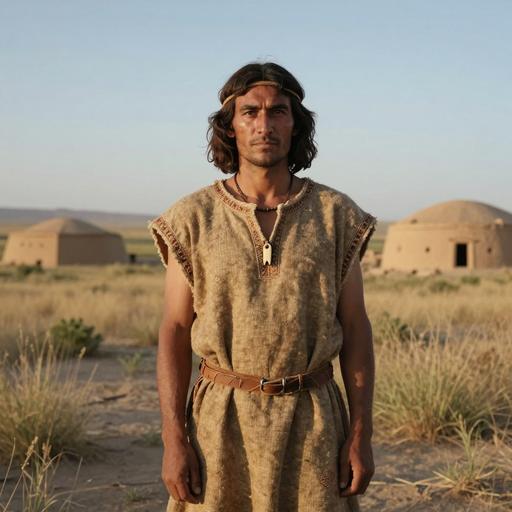
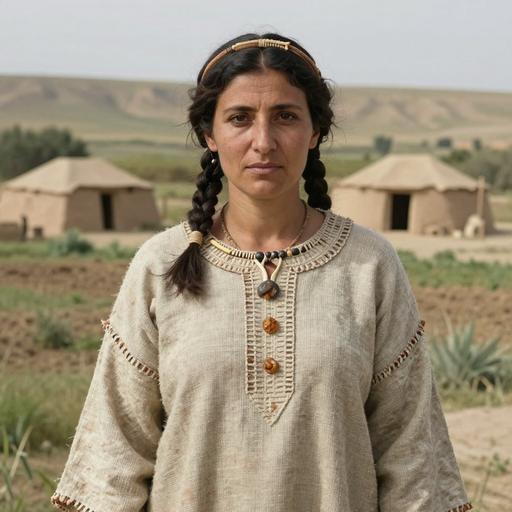
Los retratos son ilustraciones generadas con IA. Las etiquetas de muestra y los identificadores de acceso identifican los registros de referencia.
Retrato
Muestra
País
Época
Fecha
Cultura
mtDNA
Coincidencia
Identificador de muestra: I15526
Serbia
Serbia Roman
215-326 calCE (1800±20 BP, PSUAMS-9561)
Roman Provincial
H13a2b2
Subclado
Identificador de muestra: BOL008
Russia
Davydovskoye Archaeological Culture
235-335 calCE (1780±17 BP, MAMS35359)
Davydovskoye
H13a2b2a
Subclado
Identificador de muestra: I7717
Pakistan
Saidu Sharif Iron Age Complex in Swat Valley, Pakistan
406-209 calBCE (2292±31 BP, CIRCE-DSH-5625)
Saidu Sharif Culture
H13a2a
Subclado
Identificador de muestra: DA385
Kyrgyzstan
The Hun Period in Kyrgyzstan
415 CE - 575 CE
Hunnic Period
H13a2a
Subclado
Identificador de muestra: DA385
Kyrgyzstan
The Huns
415 CE - 575 CE
H13a2a
Subclado
Identificador de muestra: DA162
Russia
Russia Alan
450 CE - 850 CE
Alan Culture
H13a2c
Subclado
Identificador de muestra: DA162
Russia
The Alan People
450 CE - 850 CE
Alan Culture
H13a2c
Subclado
Identificador de muestra: CSK056
Austria
Austria Avar
600-800 CE
Austria_Avar
H13a2c1
Subclado
Identificador de muestra: ALT-77
Hungary
Early to Middle Avar Period Hungary
605-659 calCE (1406±17 BP, DeA-26537)
Early-Middle Avar
H13a2c1
Subclado
Identificador de muestra: SZK-213
Hungary
Hungary EarlyAvar
600-700 CE
Early Avar
H13a2b2
Subclado
Identificador de muestra: KPM-14
Hungary
Early to Middle Avar Period Hungary
600-650 CE
Early-Middle Avar
H13a2c1
Subclado
Identificador de muestra: MGS215
Austria
Austria Avar
650-800 CE
Austria_Avar
H13a2a
Subclado
Identificador de muestra: MGS216
Austria
Austria Avar
650-800 CE
Austria_Avar
H13a2a
Subclado
Identificador de muestra: MGS222
Austria
Austria Avar
650-800 CE
Austria_Avar
H13a2a
Subclado
Identificador de muestra: MGS266
Austria
Austria Avar
650-800 CE
Austria_Avar
H13a2c1
Subclado
Identificador de muestra: MGS402
Austria
Austria Avar
650-800 CE
Austria_Avar
H13a2b
Subclado
Identificador de muestra: I18160
Armenia
Late Iron Age Armenia
700-550 BCE
Late Iron Age Armenian
H13a2b4
Subclado
Identificador de muestra: ALT-414
Hungary
Hungary LateAvar
700-900 CE
Avar Culture
H13a2c1
Subclado
Identificador de muestra: C1194
China
Iron Age Jierzankale, Xinjiang, China
750-350 BCE
Jierzankale Culture
H13a2a
Subclado
Identificador de muestra: I7036
India
India Roopkund A
774-993 calCE (1130±25 BP, PSUAMS-5470)
Roopkund Culture
H13a2a
Subclado
Identificador de muestra: I15537
Serbia
Early Medieval Slavic Culture of Serbia
800-1000 CE
Early Medieval Serbian
H13a2a
Subclado
Identificador de muestra: VPB-600
Hungary
Hungary EarlyArpadian
900-1100 CE
Early Árpád
H13a2b2a
Subclado
Identificador de muestra: I4232
Iran
Iran Hasanlu IA
928-827 calBCE (2745±20 BP, PSUAMS-3181)
Hasanlu Culture
H13a2c
Subclado
Identificador de muestra: I12143
Pakistan
The Pakistan Katelai Iron Age Culture
1000 BCE - 800 BCE
Katelai Culture
H13a2a
Subclado
Identificador de muestra: PCA0235
Poland
Iron Age Poznań Środka Culture
1000-1200 CE
Poznań Środka Culture
H13a2c1
Subclado
Identificador de muestra: I12143
Pakistan
The SPGT Culture
1000 BCE - 800 BCE
H13a2a
Subclado
Identificador de muestra: I7716
Pakistan
Medieval Raja Gira
1176-1264 calCE (835±15 BP, PSUAMS-4428)
Raja Gira
H13a2a
Subclado
Identificador de muestra: I19331
Armenia
Late Bronze Age Armenia
1400-900 BCE
Late Bronze Age Armenian
H13a2b
Subclado
Identificador de muestra: C1365
China
China Xinjiang Jirentaigoukou LBA
1391-1200 calBCE
Late Bronze Age Chinese
H13a2b3
Subclado
Identificador de muestra: I18269
Armenia
Armenian LBA
1450-1250 BCE
Armenian Late Bronze
H13a2c1
Subclado
Identificador de muestra: I24344
Croatia
Croatia LBA EIA
1500-400 BCE
Croatian Bronze-Iron Transition
H13a2a
Subclado
Identificador de muestra: ALA034
Turkey
Middle to Late Bronze Age Turkey
1876-1635 calBCE (3436±24 BP, MAMS-33696)
Anatolian Bronze Age
H13a2b2
Subclado
Identificador de muestra: I18752
Croatia
Croatia MBA Cetina
1700-1500 BCE
Croatian Middle Bronze Age
H13a2a
Subclado
Identificador de muestra: WEHR_1415adult
Germany
Early Bronze Age Lech Valley, Germany
2014 BCE - 1830 BCE
Lech Valley Bronze Age
H13a2b2a*
Subclado
Identificador de muestra: WEHR_1415adult
Germany
Early Bronze Age Central Europe
2014 BCE - 1830 BCE
H13a2b2a*
Subclado
Identificador de muestra: WEHR_1415child
Germany
Early Bronze Age Lech Valley, Germany
2022-1891 calBCE (3596±19 BP, MAMS-18928)
Lech Valley Bronze Age
H13a2b2a*
Subclado
Identificador de muestra: I12510
Moldova
Moldova MBA
2136-1959 calBCE (3665±20 BP, PSUAMS-7554)
Middle Bronze Age Moldovan
H13a2b2a
Subclado
Identificador de muestra: MJ-09
Ukraine
Bronze Age Catacomb Culture, Ukraine
2461 BCE - 2205 BCE
Catacomb Culture
H13a2c
Subclado
Identificador de muestra: MJ-09
Ukraine
The Catacomb Culture
2461 BCE - 2205 BCE
H13a2c
Subclado
Identificador de muestra: I17745
Moldova
Moldova EBA Yamnaya
2862-2573 calBCE (4105±25 BP, PSUAMS-8309)
Moldova_EBA_Yamnaya
H13a2b2a
Subclado
Identificador de muestra: I20068
Moldova
Moldova EBA Yamnaya
2881-2671 calBCE (4175±20 BP, PSUAMS-10740)
Moldova_EBA_Yamnaya
H13a2b2a
Subclado
Identificador de muestra: I7677
Russia
Russia Samara EBA Yamnaya
2911-2881 calBCE (4270±20 BP, PSUAMS-4276)
Yamnaya Culture
H13a2b2a
Subclado
Identificador de muestra: I6731
Russia
Russia Samara EBA Yamnaya
3083-2916 calBCE (4380±20 BP, PSUAMS-4160)
Yamnaya Culture
H13a2b2a
Subclado
Identificador de muestra: I25026
Russia
Russia Samara EBA Yamnaya
3350-2900 BCE
Yamnaya Culture
H13a2b2a
Subclado
Identificador de muestra: I4085
Turkmenistan
Chalcolithic Tepe Anau
4000-3000 BCE
Tepe Anau
H13a2a
Subclado
Identificador de muestra: I6412
Russia
Russia Saratov Eneolithic Khvalynsk
4695-4508 calBCE (5755±25 BP, PSUAMS-4156)
Russia_Saratov_Eneolithic_Khvalynsk
H13a2a
Subclado
Identificador de muestra: POT002
Azerbaijan
Late Neolithic Azerbaijan
5515-5375 calBCE (6491±26 BP, MAMS-40331)
Late Neolithic Azerbaijani
H13a2b
Subclado
Identificador de muestra: I15526
Roman Serbia - Serbia - Viminacium-Vise-Grobalja (Braničevo District, Požarevac Municipality, Kostolac)
Serbia Serbia Roman 215-326 calCE (1800±20 BP, PSUAMS-9561)
Azerbaijan Late Neolithic Azerbaijan 5515-5375 calBCE (6491±26 BP, MAMS-40331)
H13a2bSubclado
MATERNAL LINAJE · ADN ANTIGUO
Mapa de pruebas de linajes antiguos
Sigue los clados superiores hasta esta rama y explora dónde se encontraron portadores antiguos.
Cargando observaciones antiguas...
La reducción de movimiento está activada. Utiliza la cronología o Mostrar todo para explorar a tu ritmo.
Leer las observaciones en una tabla
Observaciones antiguas visibles por rama, periodo y punto medio de la fecha
Rama
Periodo
Intervalo de fechas
Muestra
Identificador de muestra
Ubicación
Haplogrupo
Relación
Los marcadores son ubicaciones de hallazgos arqueológicos. Una línea discontinua representa una transición geográfica propuesta e incierta entre ramas consecutivas, apoyada en varias observaciones fechadas; no es una ruta de viaje exacta, un lugar de nacimiento ni una prueba de descendencia directa. Las muestras del clado parental pueden pertenecer a otras ramas descendientes. Se mantienen huecos cuando las pruebas son insuficientes. Las fechas de las muestras son distintas de las fechas de formación de los haplogrupos.
La agrupación por periodo histórico refleja cuándo vivió cada individuo antiguo y combina todas las ramas de esta cadena de linajes; no es una secuencia migratoria ni una cronología personal entre periodos.
Perfil de referencia
Mapa de distribución de portadores
Distribución geográfica de muestras de ADN antiguo (47), portadores directos o de subclados de H13A2
Portador de un subclado
Filtro de periodo temporal
Todos los periodos
Mostrando todas las muestras
Perfil de referencia
Distribución temporal
Distribución de portadores por periodos arqueológicos
Perfil de referencia
Distribución geográfica
Recuentos por país registrado de las muestras. Reflejan la selección de referencia disponible, no frecuencias de población.
Perfil de referencia
Distribución por país y época
Compara los recuentos de muestras registradas por países y periodos arqueológicos. Selecciona una celda con datos para examinar una muestra.
Datos
Datos y procedencia
Información sobre las fuentes y la calidad de los datos
Última actualización2026-02-16
Puntuación de confianza50/100
CoberturaLow
Fuente de datos
La clasificación, las fechas estimadas y el contexto geográfico reflejan los datos de referencia registrados y pueden cambiar al revisarse las pruebas. La cobertura de muestras es desigual; las ubicaciones registradas y las asociaciones arqueológicas no establecen el origen personal ni la identidad cultural.