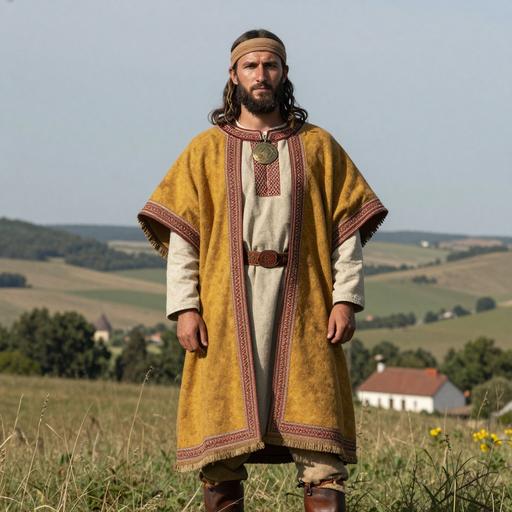
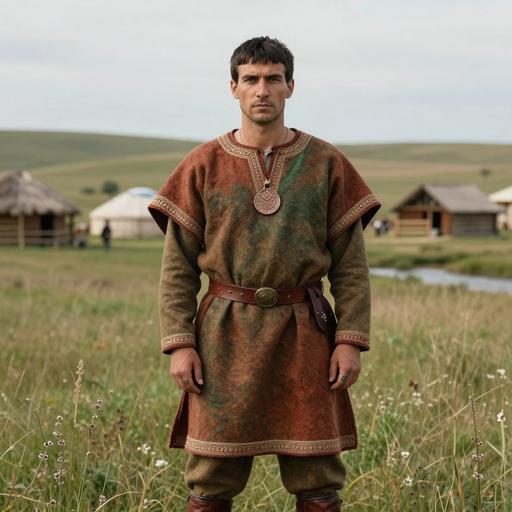
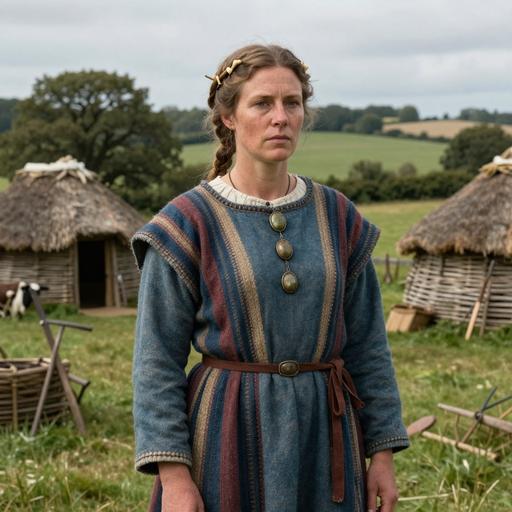
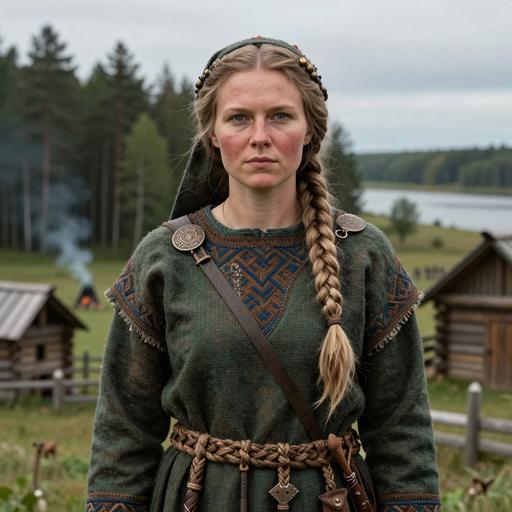
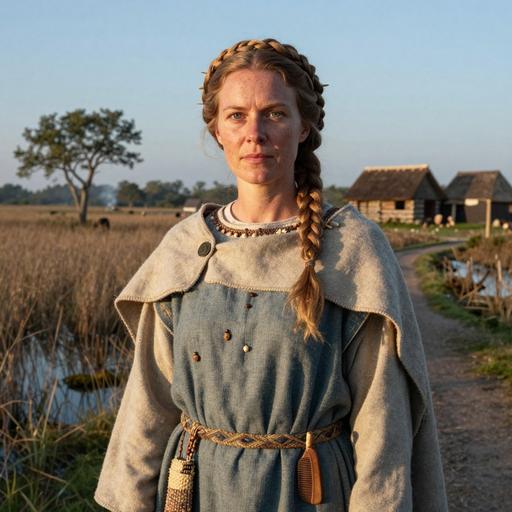
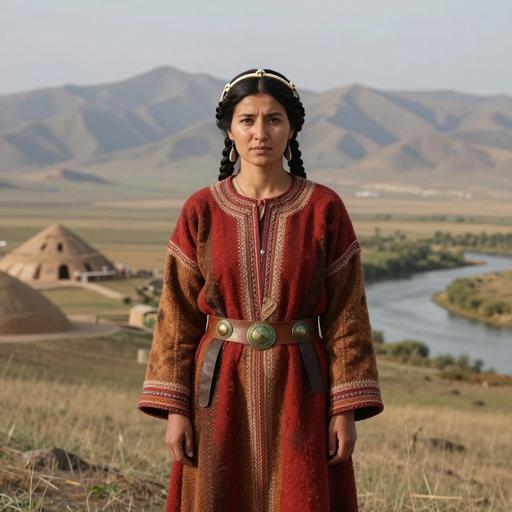
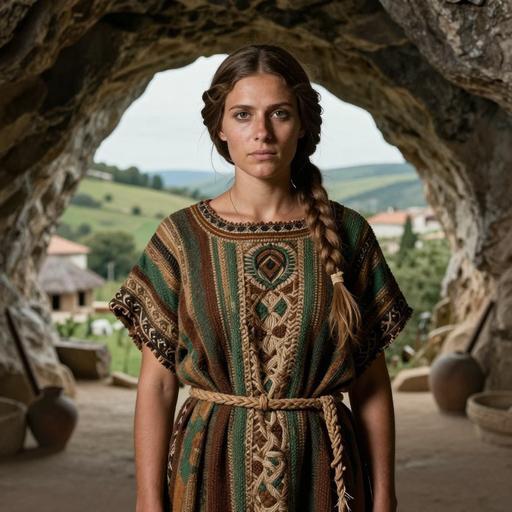
Ein Referenzprofil für einen Abstammungszweig. Gemeinsame Haplogruppen begründen weder eine familiäre Beziehung noch eine kulturelle Identität.
Referenzprofil
Hintergrund des Zweigs
Historischer Kontext für den mtDNA-Abstammungszweig H5A
Origins and Evolution
mtDNA haplogroup H5A (commonly rendered H5a in phylogenetic literature) derives from the parent clade H5, itself a branch of the major European/West Eurasian haplogroup H. Based on phylogenetic placement and coalescence estimates for H5 sublineages, H5A likely coalesced in the early Holocene (on the order of ~7–11 kya, here estimated ~9 kya) in West Asia or the Near East and expanded into Europe with post‑glacial resettlement and/or early Neolithic farmer movements. Its origin in the Near East fits the broader pattern of H5 emerging after the Last Glacial Maximum and participating in Holocene demographic processes.
Subclades (if applicable)
H5A contains finer sublineages (for example H5a1 and downstream branches documented in phylogenies) that show regional founder effects. Some of these subclades have elevated frequencies in particular populations — notably certain Ashkenazi Jewish lineages and localized Mediterranean populations — indicating one or more founder events and subsequent drift. High‑resolution sequencing (complete mitogenomes) is required to resolve the full substructure and assign individual samples to named subclades accurately.
Geographical Distribution
H5A is most common in Southern Europe (Italy, Greece, parts of the Balkans) and is present at moderate levels across Western and parts of Eastern Europe. It is also detected in the Near East, Anatolia, and the Caucasus, and at lower frequencies in North Africa and some parts of Central Asia and Mediterranean islands. Ancient DNA evidence (including the eight samples noted in the supplied database) places H5 sublineages in archaeological contexts spanning the Holocene, consistent with Neolithic and later dispersals.
Historical and Cultural Significance
The distribution and subclade pattern of H5A are consistent with participation in the Neolithic farmer expansions from the Near East into Europe as well as subsequent regional demographic processes (Bronze Age and later). Certain downstream H5A lineages show a founder effect in Ashkenazi Jewish communities, where specific subclades reached relatively high frequency through historical bottlenecks and population growth. In Mediterranean island and peninsular populations H5A frequencies and diversity also reflect localized founder events and genetic drift.
Conclusion
H5A is a Holocene West Eurasian maternal lineage that illustrates how a Near Eastern–origin mtDNA clade contributed to the post‑glacial and Neolithic maternal gene pool of Europe, and how later demographic processes (founder events, drift, and migrations) shaped its modern geographic pattern. Continued sampling and full mitogenome sequencing, especially in undersampled regions and ancient remains, improve resolution of its internal branching and the timing and routes of its dispersals.
Wichtige Punkte
Origins and Evolution
Subclades (if applicable)
Geographical Distribution
Historical and Cultural Significance
Conclusion
Referenzprofil
Baum und Verwandtschaft
Phylogenetischer Kontext und Subkladen
Entwicklungsweg
Folgen Sie den erfassten übergeordneten Zweigen bis H5A. Die Daten sind Schätzungen und können sich ändern, wenn Referenzdaten überarbeitet werden.
North African populations (Maghreb, at low to moderate frequencies)
Small frequencies in parts of Central Asia and Mediterranean islands
Historischer Kontext
Ein Zweig durch die Zeit
Geschätzte Entstehung in einer breiten historischen Zeitleiste. Zeitmarken liefern Kontext und implizieren keine Verbindung zu bestimmten Kulturen.
~10k Jahre zurück
Neolithische Revolution
Beginn der Landwirtschaft und feste Siedlungen
~9k Jahre zurück
Haplogruppe H5A
Geschätzte Entstehung dieses mtDNA-Zweigs; Daten und Orte sind Referenzschätzungen.
Dieser Zweig
~5k Jahre zurück
Bronzezeit
Metallverarbeitung, Schrift und frühe Zivilisationen
~3k Jahre zurück
Eisenzeit
Eisenwerkzeuge und ausgedehnte Handelsnetze
~2.5k Jahre zurück
Klassische Antike
Blüte griechischer und römischer Kulturen
Gegenwart
Gegenwart
Moderne Zeit
Referenzprofil
Archäologischer Kontext
Erfasste archäologische Zuordnungen für den mtDNA-Zweig H5A
Erfasste Zuordnungen
Diese Bezeichnungen beschreiben archäologische Kontexte erfasster Referenzproben mit Bezug zu H5A. Eine Zuordnung bedeutet nicht, dass alle Träger einer Kultur angehörten oder einer bestimmten Migrationsroute folgten.
Kulturzuordnungen basieren auf dem archäologischen Kontext antiker DNA-Proben und können regionale Verknüpfungen in bestimmten Zeiträumen widerspiegeln.
Referenzprofil
Probencatalog
8 direkte Träger und 65 Subkladen-Träger der Haplogruppe H5A
10 angezeigt · 50 passende Proben
Keine Proben entsprechen diesen Filtern. Versuchen Sie eine andere Bezeichnung, einen anderen Ort oder eine andere Epoche.
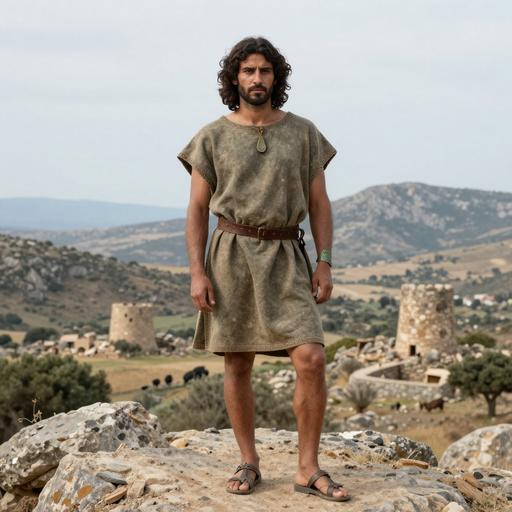
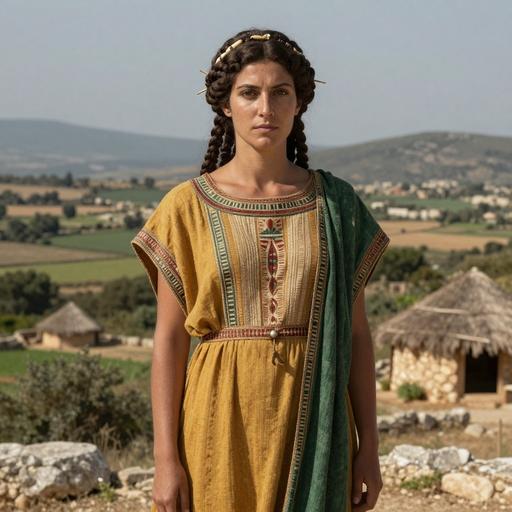
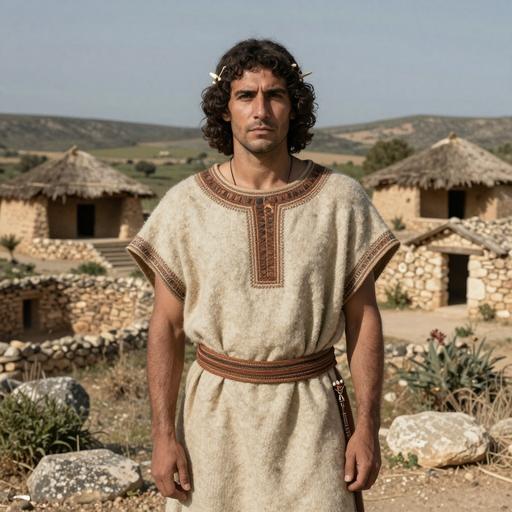
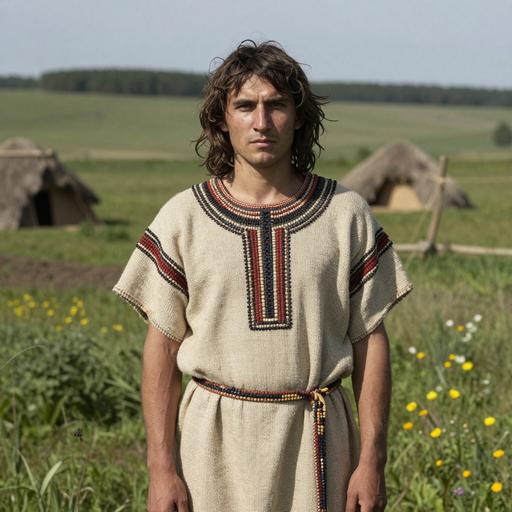
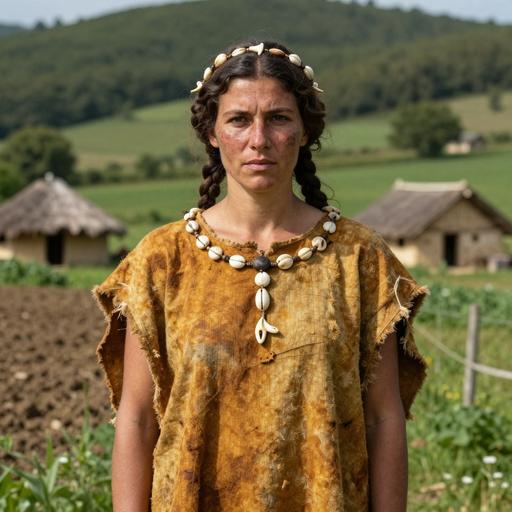
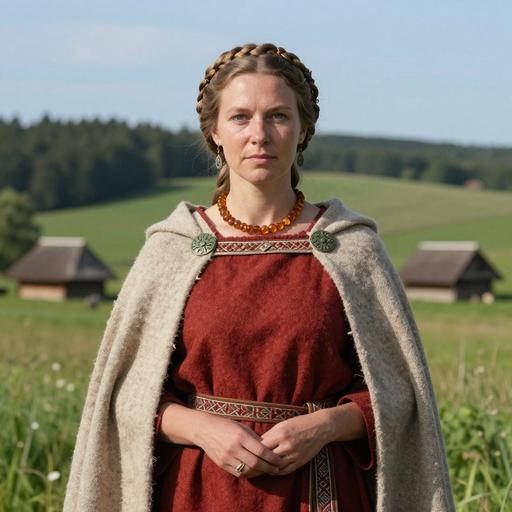
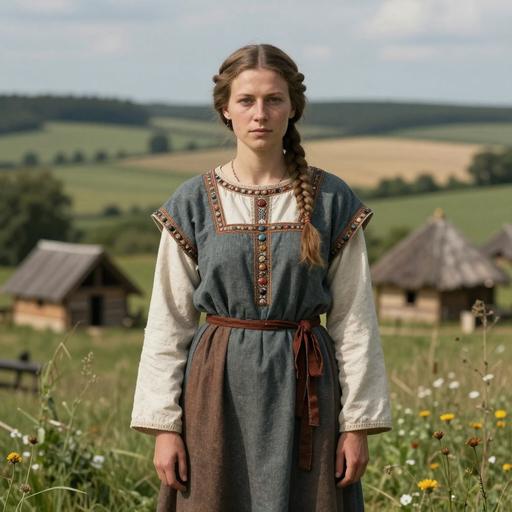
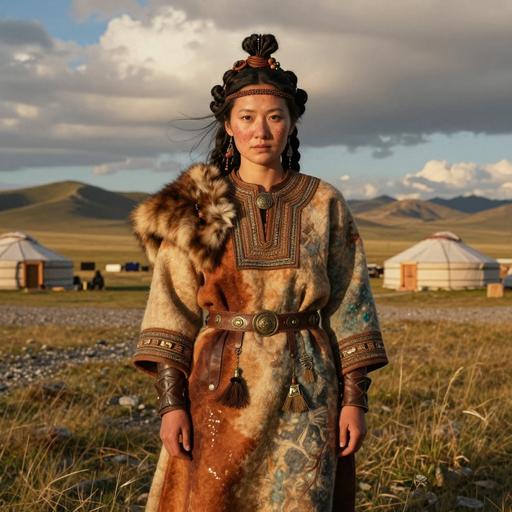
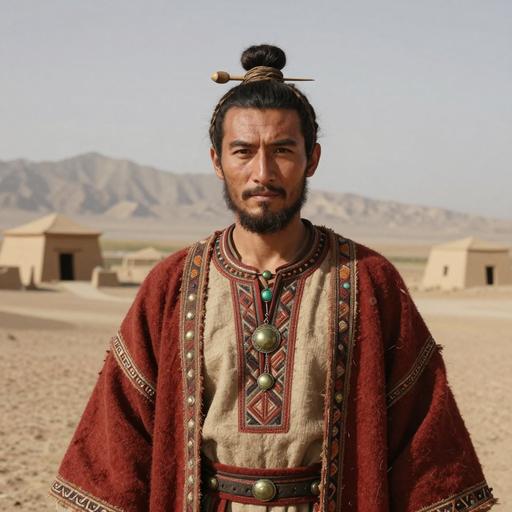
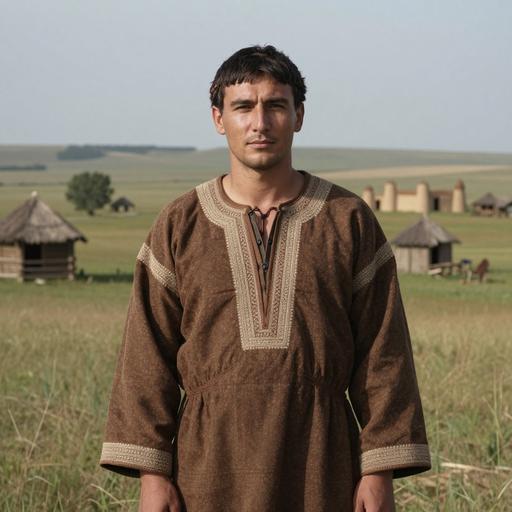
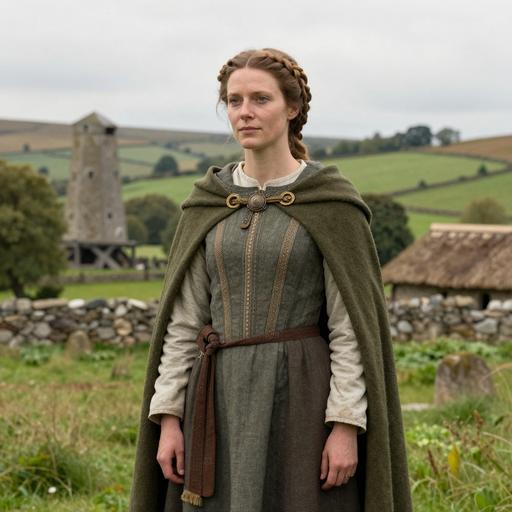
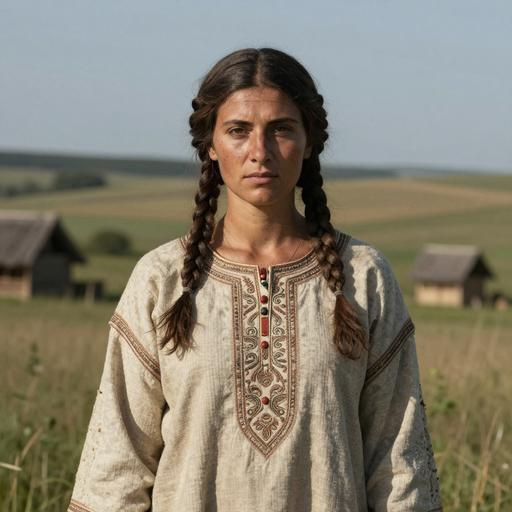
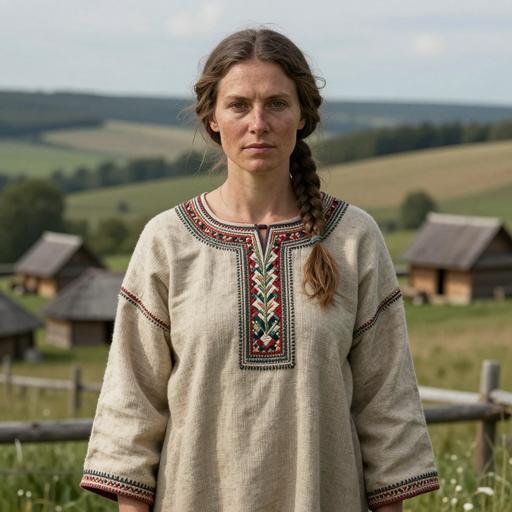
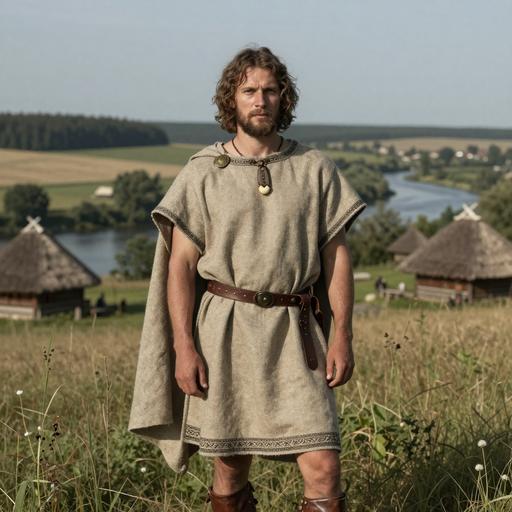
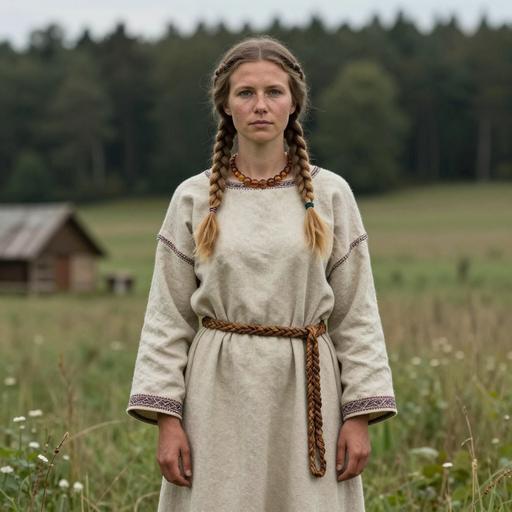
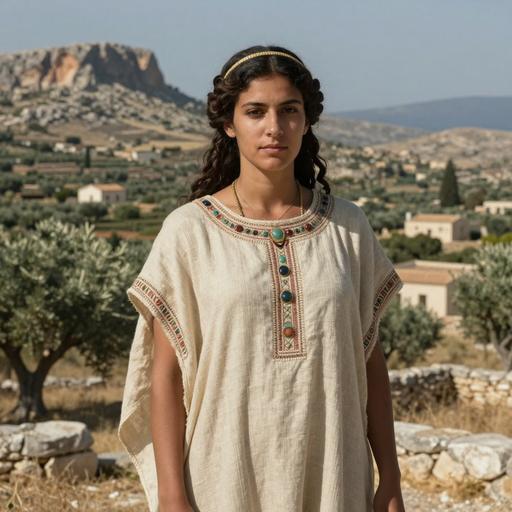
Porträts sind KI-generierte Illustrationen. Probenbezeichnungen und Zugangs-IDs identifizieren die Referenzdatensätze.
Porträt
Probe
Land
Epoche
Datum
Kultur
mtDNA
Übereinstimmung
Proben-ID: JK2840
Italy
Italy Sardinia BA Nuragic
1257 BCE - 1048 BCE
Nuragic Culture
H5a
Direkt
Proben-ID: JK2840
Italy
The Nuragic Civilization
1257 BCE - 1048 BCE
890
H5a
Direkt
Proben-ID: I7800
Italy
Italy Sicily EBA
2127-1900 calBCE (3630±25 BP, PSUAMS-6466)
Sicilian Bronze Age
H5a
Direkt
Proben-ID: RA63
Switzerland
Switzerland EBA 2
2131-1945 calBCE (3647±20 BP, BE-7993.1.1)
Early Bronze Age Swiss
H5a
Direkt
Proben-ID: ZAP002
Spain
The Argaric Culture of Spain
2200-1550 BCE
El Argar
H5a
Direkt
Proben-ID: I1926
Ukraine
Ukraine Eneolithic Trypillia
3769 BCE - 3648 BCE
Trypillia Culture
H5a
Direkt
Proben-ID: I20502
Croatia
Croatia C
5000-3000 BCE
Croatian Copper
H5a
Direkt
Proben-ID: I5071
Croatia
Croatia EN Impressa
5708-5566 calBCE (6720±20 BP, UCIAMS-174934)
Impressa Culture
H5a
Direkt
Proben-ID: R41
Italy
Imperial Rome
1-400 CE
Roman Empire
H5a1
Subklade
Proben-ID: I15494
Serbia
Serbia Roman
1-400 CE
Roman Provincial
H5a2
Subklade
Proben-ID: PCA0047
Poland
Wielbark Culture
4-131 calCE
Wielbark
H5a1
Subklade
Proben-ID: PCA0003
Poland
Wielbark Culture
50-250 BCE
Wielbark
H5a1
Subklade
Proben-ID: I16273
Czech Republic
Iron Age La Tène Culture, Czech Republic
166-44 calBCE (2085±20 BP, PSUAMS-9715)
La Tène Culture
H5a2
Subklade
Proben-ID: TAQ015
Italy
Etruscan Italy
343-49 calBCE (2122±31 BP, MAMS-40629)
Etruscan
H5a7
Subklade
Proben-ID: C812
China
Iron Age Zhagunluke, Xinjiang, China
400-100 BCE
Zhagunluke Culture
H5a1
Subklade
Proben-ID: I6263
Mongolia
Mongolia EIA Pazyryk 6
358-170 calBCE (2185±20 BP, PSUAMS-7273)
Pazyryk Culture
H5a1
Subklade
Proben-ID: C2042
China
Iron Age Chaganguole, Xinjiang, China
360-103 calBCE
Chaganguole Culture
H5a1
Subklade
Proben-ID: MDM001
Netherlands
Saxon Medieval Friesland, Netherlands
400-700 CE
Saxon Culture
H5a1
Subklade
Proben-ID: C818
China
Iron Age Zhagunluke, Xinjiang, China
550 BCE - 100 CE
Zhagunluke Culture
H5a1
Subklade
Proben-ID: C822
China
Iron Age Zhagunluke, Xinjiang, China
541-389 calBCE
Zhagunluke Culture
H5a1
Subklade
Proben-ID: BIM37b
Germany
Early Medieval Germany
580 CE - 620 CE
Early Medieval German
H5a1
Subklade
Proben-ID: RKF274
Hungary
Hungary Avar
550-850 CE
Avar
H5a1
Subklade
Proben-ID: RKO015
Hungary
Hungary Avar
550-850 CE
Avar
H5a4
Subklade
Proben-ID: BIM37b
Germany
The Germanic Tribes
580 CE - 620 CE
H5a1
Subklade
Proben-ID: I17271
United Kingdom
England EarlyMedieval
600-900 CE
Anglo-Saxon
H5a6
Subklade
Proben-ID: A1805
Hungary
Early Avar Period in Transtisza, Hungary
600-700 CE
Avar Culture
H5a2
Subklade
Proben-ID: PV-205
Hungary
Hungary LateAvar
645 CE - 828 CE
Avar Culture
H5a1
Subklade
Proben-ID: RKF002
Hungary
Hungary LateAvar
600-800 CE
Avar Culture
H5a1
Subklade
Proben-ID: RKF168
Hungary
Hungary LateAvar
650-900 CE
Avar Culture
H5a1
Subklade
Proben-ID: RKF199
Hungary
Hungary LateAvar
600-800 CE
Avar Culture
H5a1
Subklade
Proben-ID: KPM-23
Hungary
Middle Avar Period Hungary
663-775 calCE (1300±17 BP, DeA-26549)
Avar Culture
H5a2
Subklade
Proben-ID: I17259
United Kingdom
England EIA
725-400 calBCE (2405±25 BP, SUERC-66078)
Early British Iron Age
H5a1
Subklade
Proben-ID: I11154
United Kingdom
England EIA
743-404 calBCE (2422±25 BP, SUERC-41925)
Early British Iron Age
H5a1
Subklade
Proben-ID: I13682
United Kingdom
England EIA
793-544 calBCE (2527±30 BP, SUERC-94972)
Early British Iron Age
H5a1
Subklade
Proben-ID: I22933
Slovenia
Slovenia EIA
850-500 BCE
Hallstatt Culture
H5a6
Subklade
Proben-ID: AGY-75
Hungary
Conqueror Elite Hungary
900-1000 CE
Magyar Elite Culture
H5a1
Subklade
Proben-ID: VK21
Russia
Russia Viking
900 CE - 1200 CE
Viking Culture
H5a1
Subklade
Proben-ID: PCA0138
Poland
Iron Age Niemcza Culture
900-1000 CE
Niemcza Culture
H5a2
Subklade
Proben-ID: VK21
Russia
The Viking Age
900 CE - 1200 CE
H5a1
Subklade
Proben-ID: PCA0213
Poland
Iron Age Lusatian culture of Poland
1000-1200 CE
Lusatian Culture
H5a2
Subklade
Proben-ID: PCA0232
Poland
Iron Age Poznań Środka Culture
1000-1200 CE
Poznań Środka Culture
H5a2
Subklade
Proben-ID: PCA0317
Poland
Iron Age Płońsk Culture
1000-1200 CE
Płońsk Culture
H5a2
Subklade
Proben-ID: PCA0378
Poland
Iron Age Santok Culture
1000-1200 CE
Santok Culture
H5a1
Subklade
Proben-ID: KUK001
Greece
Late Bronze Age Koukounaries
1200-1150 BCE
Koukounaries Culture
H5a2
Subklade
Proben-ID: RISE499
Russia
Russia Karasuk
1400 BCE - 900 BCE
Karasuk Culture
H5a1
Subklade
Proben-ID: CGG100498
Denmark
Denmark Medieval
1400-1450 CE
Danish Medieval
H5a1
Subklade
Proben-ID: RISE499
Russia
The Karasuk Culture
1400 BCE - 900 BCE
H5a1
Subklade
Proben-ID: I11973
Netherlands
Netherlands MBA
1415-1230 calBCE (3065±30 BP, Poz-86327)
Dutch Bronze Age
H5a1
Subklade
Proben-ID: KZL004
Kazakhstan
Late Bronze Age Tasmola Culture, Kazakhstan
1436-1296 calBCE (3109±22 BP)
Tasmola Culture
H5a1
Subklade
Proben-ID: I18738
Croatia
Croatia MLBA
1500-800 BCE
Croatian Bronze Age
H5a6
Subklade
Proben-ID: JK2840
Bronze Age Nuragic Culture, Sardinia, Italy - Italy - Cabras. OR. Is Arutas
Italy Italy Sardinia BA Nuragic 1257 BCE - 1048 BCE
H5aDirekt
Proben-ID: JK2840
Italy The Nuragic Civilization 1257 BCE - 1048 BCE
H5aDirekt
Proben-ID: I7800
Early Bronze Age Sicily - Italy - Sicily. Contrada Paolina. Castellucciana
Iron Age Niemcza Culture - Poland - Niemcza (Lower Silesian Province, Dzierżoniów County, Niemcza)
Poland Iron Age Niemcza Culture 900-1000 CE
H5a2Subklade
Proben-ID: VK21
Russia The Viking Age 900 CE - 1200 CE
H5a1Subklade
Proben-ID: PCA0213
Iron Age Lusatian culture of Poland - Poland - Ląd (Greater Poland Province, Słupca County, Lądek)
Poland Iron Age Lusatian culture of Poland 1000-1200 CE
H5a2Subklade
Proben-ID: PCA0232
Iron Age Poznań Środka Culture - Poland - Poznań-Śródka (Greater Poland Province, Poznań)
Poland Iron Age Poznań Środka Culture 1000-1200 CE
H5a2Subklade
Proben-ID: PCA0317
Iron Age Płońsk Culture - Poland - Płońsk (Masovian Province, Płońsk)
Poland Iron Age Płońsk Culture 1000-1200 CE
H5a2Subklade
Proben-ID: PCA0378
Iron Age Santok Culture - Poland - Santok (Lubusz Province, Gorzów Wielkopolski, Santok)
Poland Iron Age Santok Culture 1000-1200 CE
H5a1Subklade
Proben-ID: KUK001
Late Bronze Age Koukounaries - Greece - Koukounaries (Cyclades, Paros)
Greece Late Bronze Age Koukounaries 1200-1150 BCE
H5a2Subklade
Proben-ID: RISE499
Karasuk Culture, Russia - Russia - Bystrovka
Russia Russia Karasuk 1400 BCE - 900 BCE
H5a1Subklade
Proben-ID: CGG100498
Medieval Danish - Denmark - Vor Frue Kirkegård (Aalborg)
Denmark Denmark Medieval 1400-1450 CE
H5a1Subklade
Proben-ID: RISE499
Russia The Karasuk Culture 1400 BCE - 900 BCE
H5a1Subklade
Proben-ID: I11973
Middle Bronze Age Netherlands - Netherlands - Noord-Holland. Westwoud-Binnenwijzend
Netherlands Netherlands MBA 1415-1230 calBCE (3065±30 BP, Poz-86327)
H5a1Subklade
Proben-ID: KZL004
Late Bronze Age Tasmola Culture, Kazakhstan - Kazakhstan - Karaganda Region. Aktogay District. Mount Begazy on the right bank of Karatal River. Kyzyl. mound 5
Kazakhstan Late Bronze Age Tasmola Culture, Kazakhstan 1436-1296 calBCE (3109±22 BP)
H5a1Subklade
Proben-ID: I18738
Middle to Late Bronze Age Croatia - Croatia - Bezdanjača Cave
Croatia Croatia MLBA 1500-800 BCE
H5a6Subklade
MATERNAL LINEAGE · ANCIENT DNA
Ancient lineage evidence map
Follow parent clades toward this branch and explore where ancient carriers were found.
Loading ancient observations…
Reduced motion is enabled. Use the timeline or Show all to explore at your own pace.
Read observations as a table
Displayed ancient observations by branch, period and date midpoint
Branch
Period
Date range
Sample
Sample ID
Location
Haplogroup
Relationship
Markers are archaeological find locations. A dashed connector is an uncertain, proposed geographic transition between consecutive branches supported by multiple dated observations; it is not an exact travel route, birthplace or proof of direct descent. Parent-clade samples may belong to other descendant branches. Gaps remain where evidence is insufficient. Sample dates differ from haplogroup formation dates.
Grouping by historical period reflects when each ancient individual lived, combined across every branch on this lineage chain; it is not a migration sequence or a personal timeline between periods.
Referenzprofil
Trägerverteilungskarte
Geografische Verteilung von 73 antiken DNA-Proben (direkte und Subkladen-Träger von H5A)
Direkter Träger Subkladen-Träger
Zeitraumfilter
Alle Zeiträume
Alle Proben werden angezeigt
Referenzprofil
Zeitliche Verteilung
Verteilung der Träger über archäologische Epochen
Referenzprofil
Geografische Verteilung
Anzahlen nach erfasstem Probenland. Sie spiegeln die verfügbare Referenzauswahl wider, nicht Bevölkerungshäufigkeiten.
Referenzprofil
Verteilung Land × Epoche
Vergleichen Sie erfasste Probenanzahlen nach Ländern und archäologischen Epochen. Wählen Sie eine belegte Zelle, um eine Probe anzusehen.
Daten
Daten und Herkunft
Quellenangaben und Datenqualität
Zuletzt aktualisiert2026-02-16
Konfidenzwert50/100
AbdeckungLow
Datenquelle
Klassifikation, geschätzte Daten und geografischer Kontext spiegeln die erfassten Referenzdaten wider und können sich bei überarbeiteten Belegen ändern. Die Probenabdeckung ist ungleichmäßig; erfasste Orte und archäologische Zuordnungen begründen weder persönliche Herkunft noch kulturelle Identität.
Eine Haplogruppe beschreibt eine einzelne mütterliche oder väterliche Linie. Welcher Zweig sich vorhersagen lässt, hängt von den Markern in der DNA-Datei ab.
So analysieren wir DNA