Aller au contenu principal
Y-DNA · lignée Paternelle

M

Y-DNA Haplogroup M

Profil de référence pour une branche de lignée. Des haplogroupes partagés n'établissent pas de lien familial ni d'identité culturelle.

Profil de référence

Contexte de la branche

Contexte historique de la branche de lignée Y-DNA M

Origins and Evolution

Y-DNA haplogroup M is a downstream branch of K2, within the broad macro-haplogroup framework that includes many major non-African paternal lineages. Its deeper ancestry ultimately traces back to the post-out-of-Africa diversification of Y-chromosome lineages in Eurasia, but the defining diversification of M appears to have occurred in the Near Oceania / Sahul region after the ancestors of modern humans reached the western Pacific.

In population genetics, haplogroup M is notable because it represents one of the principal paternal lineages associated with the early settlement of New Guinea and neighboring regions. It is often discussed alongside related branches such as S and other K2-derived lineages, which together reflect the complex paternal structure of ancient populations in Sahul. The age of M is commonly estimated to be on the order of tens of thousands of years, with a likely origin around 50 kya, though exact dates vary by study and calibration method.

Subclades

Haplogroup M is an intermediate clade, so its scientific significance lies partly in linking a broader parent lineage to more regionally specific descendant branches. Its subclades have been reported in different parts of the broader Near Oceanian and Australasian sphere, and they help reconstruct the deep history of paternal continuity in the region.

Because Y-DNA phylogenies are periodically revised, the exact internal branching pattern of M can differ across datasets. In general, however, the lineage is treated as an important ancestral node from which later regional lineages in New Guinea, Island Melanesia, and Sahul-associated populations derive.

Geographical Distribution

Today, haplogroup M is found at its highest frequencies in Papuan-speaking populations of New Guinea, as well as in some Melanesian and Aboriginal Australian groups. It may also appear at lower frequencies in nearby island populations due to ancient shared ancestry, regional migration, and later admixture.

Its distribution is strongly shaped by the deep prehistory of Sahul, the Pleistocene landmass that connected Australia, New Guinea, and Tasmania when sea levels were lower. This makes haplogroup M particularly informative for understanding how early modern humans moved through Wallacea into Near Oceania and then diversified in relative isolation.

Historical and Cultural Significance

Haplogroup M is not primarily associated with historically documented states or literate civilizations; instead, its importance is deep prehistory. It is a key paternal marker for reconstructing the genetic history of populations that maintained long-term residence in the Pacific region before and after sea-level rise separated Sahul into modern landmasses.

In broader anthropological terms, M is relevant to questions about the peopling of New Guinea, the ancient settlement of Australia, and later interactions among Austronesian, Papuan, and Melanesian populations. Its presence helps distinguish indigenous paternal ancestry from later Holocene expansions in parts of Oceania.

Conclusion
Y-DNA haplogroup M is a deeply rooted paternal lineage whose highest relevance lies in the prehistoric settlement and long-term regional evolution of Near Oceania and Sahul. As an intermediate clade, it provides an essential phylogenetic bridge between ancient Eurasian Y-lineages and the distinctive paternal genetic landscape of Papuan and neighboring populations.

Points clés

  • Origins and Evolution
  • Subclades
  • Geographical Distribution
  • Historical and Cultural Significance
  • Conclusion

Profil de référence

Arbre et relations

Contexte phylogénétique et sous-clades

Voie évolutive

Suivez les branches parentes consignées jusqu'à M. Les dates sont des estimations et peuvent évoluer lorsque les données de référence sont révisées.

Étapes Haplogroupe Âge estimé Époque archéologique Temps écoulé Descendants immédiats Descendants modernes testés Liens anciens
1 M Actuel ~50,000 years ago Paleolithic 50,000 ans 1 10 42
Profil de référence

Dans le monde

Distribution géographique et présence moderne

Origine consignée

Near Oceania

Distribution moderne
The populations where Y-DNA haplogroup M is found include:

  1. Papuan populations of New Guinea
  2. Highland and lowland Papuan-speaking groups
  3. Island Melanesian populations
  4. Some Aboriginal Australian populations
  5. Small frequencies in nearby Wallacean and Pacific island groups

Présence régionale

Papua and New Guinea High
Melanesia Moderate
Australia Low
Wallacea Low
Contexte historique

Une branche dans le temps

Formation estimée sur une chronologie historique large. Les repères de période servent de contexte et n'impliquent pas de lien avec des cultures particulières.

  1. Il y a ~70k ans

    Sortie d'Afrique

    Grande migration des humains modernes hors d'Afrique

  2. Il y a ~50k ans

    Paléolithique supérieur

    Outils avancés, art et essor culturel

  3. Il y a ~50k ans

    Haplogroupe M

    Formation estimée de cette branche Y-DNA ; les dates et les lieux sont des estimations de référence.

    Cette branche
  4. Il y a ~20k ans

    Dernier maximum glaciaire

    Apogée de la dernière période glaciaire, populations isolées

  5. Il y a ~10k ans

    Révolution néolithique

    Début de l'agriculture et émergence de communautés sédentaires

  6. Il y a ~5k ans

    Âge du bronze

    Travail des métaux, écriture et premières civilisations

  7. Il y a ~3k ans

    Âge du fer

    Outils en fer, réseaux d'échanges élargis

  8. Il y a ~2.5k ans

    Antiquité classique

    Floraison des civilisations grecque et romaine

  9. Aujourd'hui

    Aujourd'hui

    Époque moderne

Profil de référence

Contexte archéologique

Associations archéologiques consignées pour la branche Y-DNA M

Associations consignées

Ces libellés décrivent des contextes archéologiques consignés pour des échantillons de référence liés à M. Une association n'établit pas que tous les porteurs appartenaient à une culture ni qu'ils ont suivi une route migratoire précise.

Cernavoda Doggerland Early Lapita Vanuatu Gumelnița Karavelovo Latte Unetice Vanuatu Ancient Vanuatu Colonial Yappa Nhae
Les attributions culturelles reposent sur le contexte archéologique des échantillons d'ADN ancien et peuvent refléter des associations régionales à certaines périodes.
Profil de référence

Catalogue d'échantillons

42 porteurs de sous-clade de l'haplogroupe M (aucun porteur direct dans la sélection de référence actuelle)

10 affiché(s) · 42 échantillons correspondants

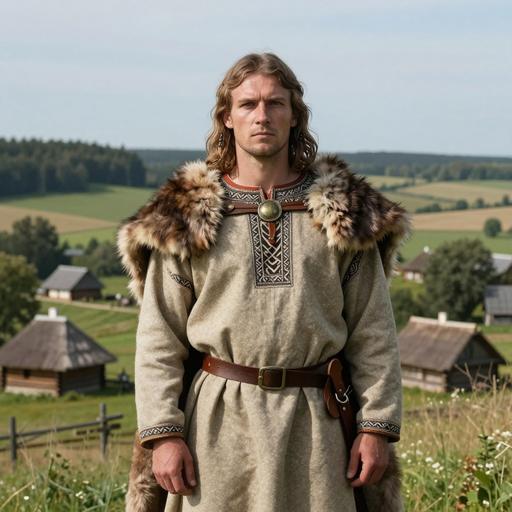
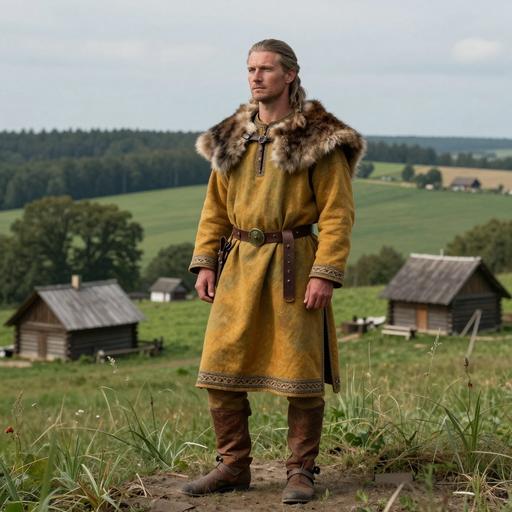
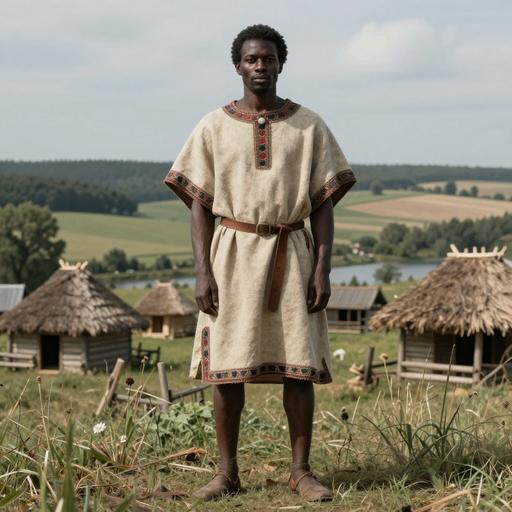
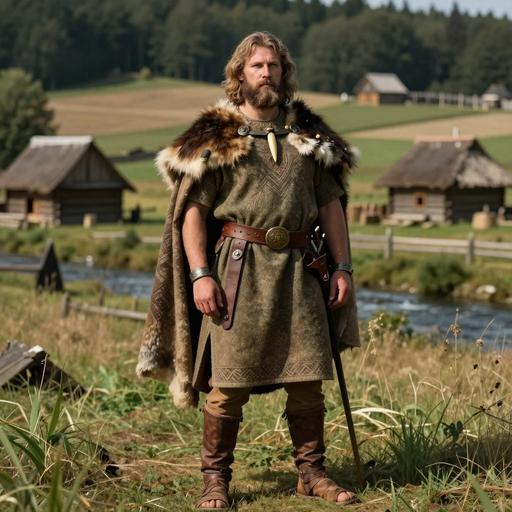
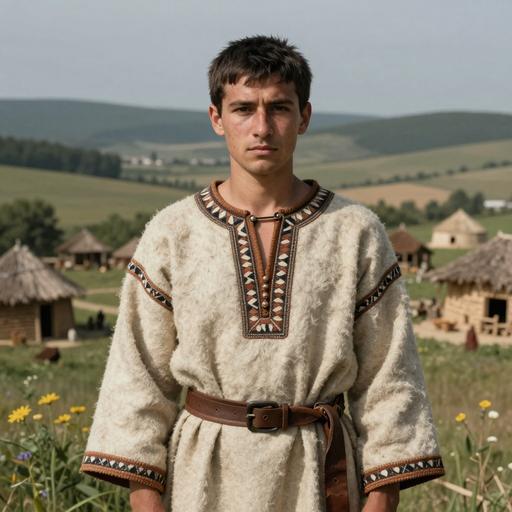
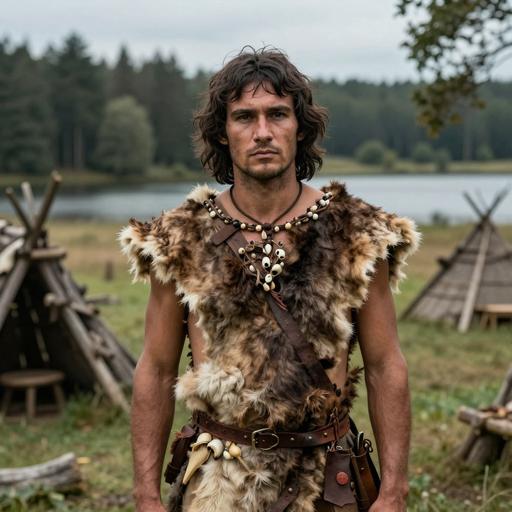
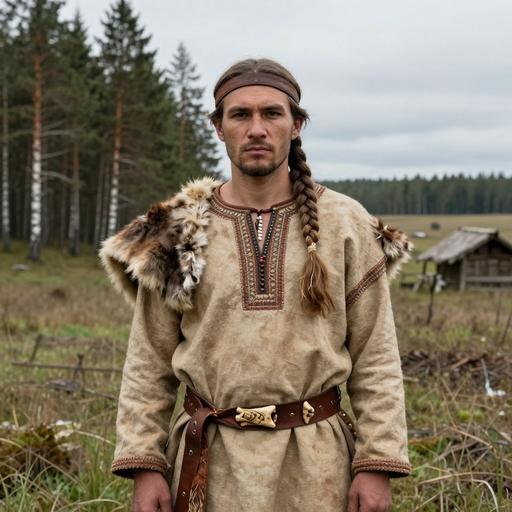
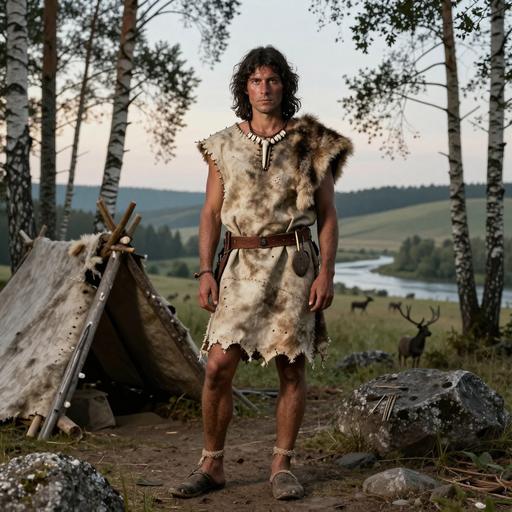
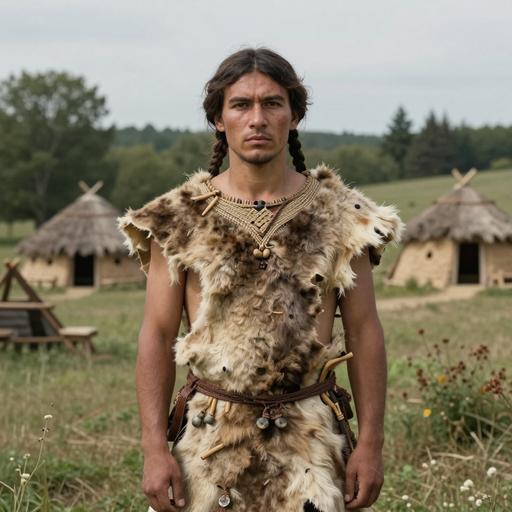
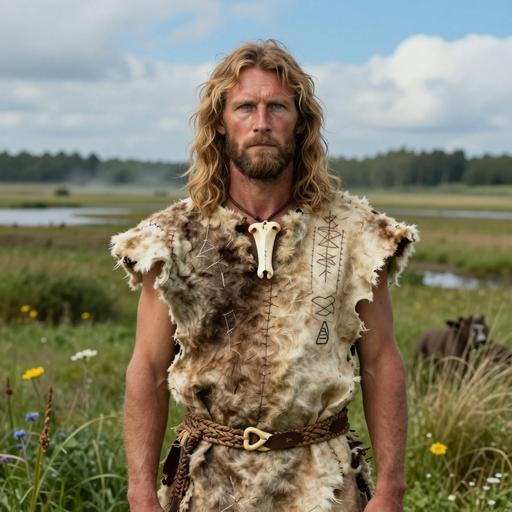
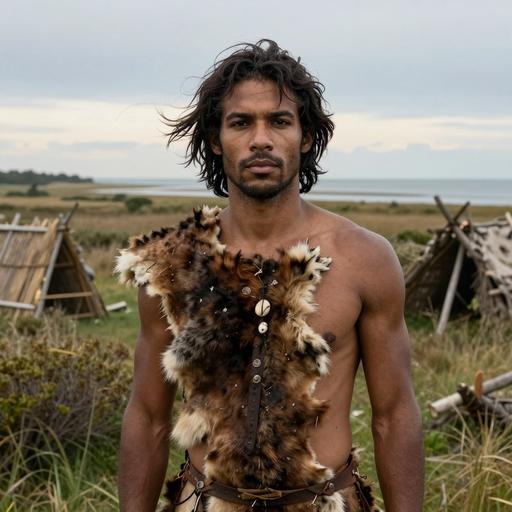
Les portraits sont des illustrations générées par IA. Les libellés d'échantillon et identifiants d'accès désignent les enregistrements de référence.

Portrait Échantillon Pays Époque Date Culture Y-DNA Correspondance
Portrait illustratif généré par IA de IA Wielbark individual, Kowalewko (Greater Poland Province, Oborniki), Poland (85-235 CE)
Identifiant d'échantillon : PCA0040
Poland Wielbark Culture 50-250 BCE Wielbark M515 Sous-clade
Portrait illustratif généré par IA de IA Wielbark individual, Kowalewko (Greater Poland Province, Oborniki), Poland (100-300 CE)
Identifiant d'échantillon : PCA0002
Poland Wielbark Culture 100-300 CE Wielbark M515 Sous-clade
Portrait illustratif généré par IA de IA Wielbark individual, Kowalewko (Greater Poland Province, Oborniki), Poland (100-300 CE)
Identifiant d'échantillon : PCA0038
Poland Wielbark Culture 100-300 CE Wielbark M458 Sous-clade
Portrait illustratif généré par IA de Roman Wielbark individual, Pruszcz Gdański (Pomeranian Province, Gdańsk, Pruszcz Gdański), Poland (100-300 CE)
Identifiant d'échantillon : PCA0476
Poland Wielbark Culture 100-300 CE Wielbark M520 Sous-clade
Portrait illustratif généré par IA de Roman Wielbark individual, Pruszcz Gdański (Pomeranian Province, Gdańsk, Pruszcz Gdański), Poland (100-300 CE)
Identifiant d'échantillon : PCA0494
Poland Wielbark Culture 100-300 CE Wielbark M5675 Sous-clade
Portrait illustratif généré par IA de IA Wielbark individual, Masłomęcz (Lublin Province, Hrubieszów County, Hrubieszów), Poland (211-383 CE)
Identifiant d'échantillon : PCA0088
Poland Wielbark Culture 211-383 calCE Wielbark M2012 Sous-clade
Portrait illustratif généré par IA de Early Slav individual, Ląd (Greater Poland Province, Słupca County, Lądek), Poland (1,000-1,200 CE)
Identifiant d'échantillon : PCA0197
Poland Iron Age Lusatian culture of Poland 1000-1200 CE Lusatian Culture M458 Sous-clade
Portrait illustratif généré par IA de Early Slav individual, Ląd (Greater Poland Province, Słupca County, Lądek), Poland (1,000-1,200 CE)
Identifiant d'échantillon : PCA0203
Poland Iron Age Lusatian culture of Poland 1000-1200 CE Lusatian Culture M458 Sous-clade
Portrait illustratif généré par IA de Early Slav individual, Ląd (Greater Poland Province, Słupca County, Lądek), Poland (1,000-1,200 CE)
Identifiant d'échantillon : PCA0205
Poland Iron Age Lusatian culture of Poland 1000-1200 CE Lusatian Culture M458 Sous-clade
Portrait illustratif généré par IA de IA individual, Obłaczkowo (Greater Poland Province, Września), Poland (1,000-1,200 CE)
Identifiant d'échantillon : PCA0222
Poland Iron Age Oblaczkowo Culture 1000-1200 CE Oblaczkowo Culture M458 Sous-clade
LIGNÉE PATERNELLE · ADN ANTIQUE

Carte des preuves de lignées antiques

Suivez les clades parents jusqu'à cette branche et explorez où des porteurs antiques ont été identifiés.

Chargement des observations antiques…

Les marqueurs indiquent des lieux de découvertes archéologiques. Un trait pointillé représente une transition géographique proposée et incertaine entre branches consécutives, appuyée sur plusieurs observations datées ; ce n'est pas un itinéraire exact, un lieu de naissance ni une preuve de descendance directe. Des échantillons de clades parents peuvent appartenir à d'autres branches descendantes. Des lacunes subsistent lorsque les preuves sont insuffisantes. Les dates d'échantillon diffèrent des dates de formation des haplogroupes.

Profil de référence

Carte de répartition des porteurs

Répartition géographique de 42 échantillons d'ADN ancien (porteurs directs et de sous-clade de M)

Porteur de sous-clade
Filtre de période
Toutes les périodes
Affichage de tous les échantillons
Profil de référence

Répartition temporelle

Répartition des porteurs selon les périodes archéologiques

Profil de référence

Répartition géographique

Effectifs par pays d'échantillon consigné. Ils reflètent la sélection de référence disponible, pas des fréquences de population.

Profil de référence

Répartition pays × époque

Comparez les effectifs d'échantillons consignés selon les pays et les périodes archéologiques. Sélectionnez une cellule renseignée pour examiner un échantillon.

Données

Données et provenance

Informations sur les sources et qualité des données

Dernière mise à jour 2026-06-17

Source des données

La classification, les dates estimées et le contexte géographique reflètent les données de référence consignées et peuvent évoluer lorsque les éléments sont révisés. La couverture d'échantillons est inégale ; les lieux consignés et les associations archéologiques n'établissent pas une origine personnelle ni une identité culturelle.