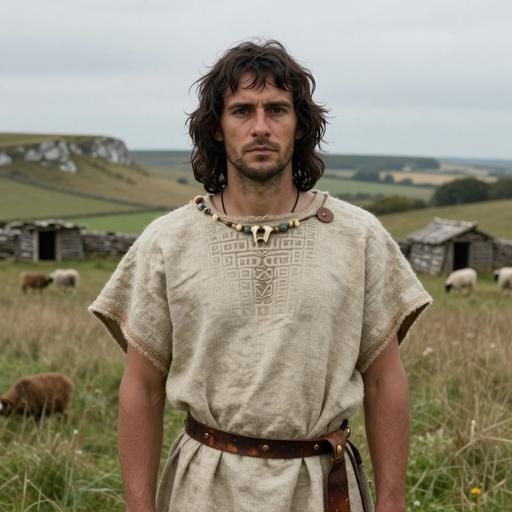
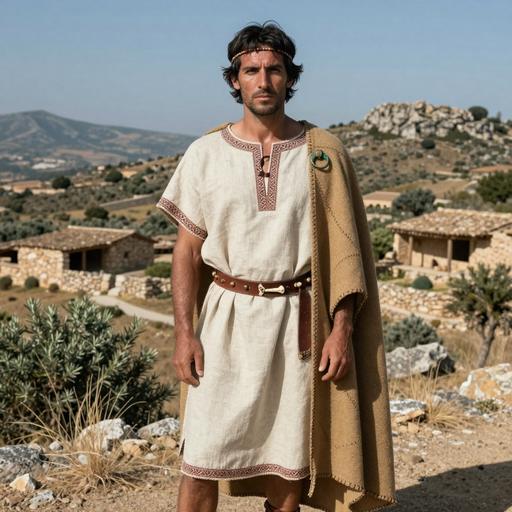
Profil de référence pour une branche de lignée. Des haplogroupes partagés n'établissent pas de lien familial ni d'identité culturelle.
Profil de référence
Contexte de la branche
Contexte historique de la branche de lignée Y-DNA R1B1A1B1A1A
Origins and Evolution
Y-DNA haplogroup R1b1a1b1a1a is a very deep subclade within the broader R1b paternal lineage, one of the major western Eurasian branches of the Y-chromosome tree. Based on its position in the phylogeny and the broader pattern of R1b diversification, this lineage likely arose in West Eurasia during the late Upper Paleolithic or early Mesolithic, roughly 14 thousand years ago.
As an intermediate downstream branch, it probably represents an ancient regional lineage that persisted through multiple prehistoric population turnovers. Unlike the much more frequent R1b subclades that expanded dramatically during the Bronze Age in Europe, this clade is expected to have remained relatively rare and localized, surviving in scattered pockets through drift, bottlenecks, and regional continuity.
Subclades
Because this is a relatively deep and rare branch, detailed public sampling of its downstream structure may be limited. In general, subclades of this kind often reflect micro-regional lineages with restricted geographic spread, especially when they predate the major expansions associated with steppe migrations and later Neolithic and Bronze Age demographic events.
Geographical Distribution
The expected distribution of R1b1a1b1a1a is patchy and low-frequency across the western Eurasian landscape. It is most plausibly found in populations with long-term ancestry from the Atlantic fringe, southern Europe, the Caucasus, the Anatolian plateau, the Levant, and adjacent steppe-connected regions.
In western Europe, it may appear at low frequency in Irish, British, French, Iberian, Italian, and Balkan populations. Outside Europe, it is also consistent with occasional detections in Caucasus, Anatolian, Levantine, and North African groups, as well as sporadically in Central Asian and steppe-related populations. Such a pattern is typical of an old lineage preserved by historical isolation and repeated admixture rather than a single rapid expansion.
Historical and Cultural Significance
This haplogroup is informative for understanding the deep prehistory of R1b and the persistence of older paternal lines in regions later dominated by more successful subclades such as R1b-M269 derivatives in Europe. Its presence can help reconstruct complex layers of ancestry involving Mesolithic hunter-gatherers, Neolithic farmers, and later Bronze Age populations.
It may be loosely associated with archaeological horizons that reflect long-lived regional continuity, including the Neolithic and Bronze Age transitions in West Eurasia, but there is no strong evidence for a single exclusive culture tied to this lineage. Instead, it should be viewed as a marker of ancient paternal diversity embedded within broader population histories.
Conclusion
R1b1a1b1a1a is best understood as a rare, old West Eurasian R1b lineage that survived into modern populations at low frequencies. Its scattered distribution across Europe and neighboring regions makes it valuable for studying the deep structure of paternal ancestry and the survival of pre-expansion Y-chromosome branches.
Points clés
Origins and Evolution
Subclades
Geographical Distribution
Historical and Cultural Significance
Conclusion
Profil de référence
Arbre et relations
Contexte phylogénétique et sous-clades
Voie évolutive
Suivez les branches parentes consignées jusqu'à R1B1A1B1A1A. Les dates sont des estimations et peuvent évoluer lorsque les données de référence sont révisées.
The populations where Y-DNA haplogroup R1b1a1b1a1a is found include:
Irish and British populations
French, Iberian, and Low Countries populations
Italian and Balkan populations
Caucasus and Anatolian populations
Levantine and North African populations
Some Central Asian and steppe-related populations
Présence régionale
Western EuropeHigh
Northern Europe (British Isles)Moderate
Southern Europe (Iberia)Moderate
Central EuropeLow
North AfricaLow
Near East / CaucasusLow
North America (diaspora)Low
Eastern EuropeLow
West AsiaLow
Central AsiaLow
North AfricaLow
Contexte historique
Une branche dans le temps
Formation estimée sur une chronologie historique large. Les repères de période servent de contexte et n'impliquent pas de lien avec des cultures particulières.
Il y a ~20k ans
Dernier maximum glaciaire
Apogée de la dernière période glaciaire, populations isolées
Il y a ~14k ans
Haplogroupe R1B1A1B1A1A
Formation estimée de cette branche Y-DNA ; les dates et les lieux sont des estimations de référence.
Cette branche
Il y a ~10k ans
Révolution néolithique
Début de l'agriculture et émergence de communautés sédentaires
Il y a ~5k ans
Âge du bronze
Travail des métaux, écriture et premières civilisations
Il y a ~3k ans
Âge du fer
Outils en fer, réseaux d'échanges élargis
Il y a ~2.5k ans
Antiquité classique
Floraison des civilisations grecque et romaine
Aujourd'hui
Aujourd'hui
Époque moderne
Profil de référence
Contexte archéologique
Associations archéologiques consignées pour la branche Y-DNA R1B1A1B1A1A
Associations consignées
Ces libellés décrivent des contextes archéologiques consignés pour des échantillons de référence liés à R1B1A1B1A1A. Une association n'établit pas que tous les porteurs appartenaient à une culture ni qu'ils ont suivi une route migratoire précise.
Les attributions culturelles reposent sur le contexte archéologique des échantillons d'ADN ancien et peuvent refléter des associations régionales à certaines périodes.
Profil de référence
Catalogue d'échantillons
14 porteurs directs et 56 porteurs de sous-clade de l'haplogroupe R1B1A1B1A1A
10 affiché(s) · 50 échantillons correspondants
Aucun échantillon ne correspond à ces filtres. Essayez un autre libellé, lieu ou période.
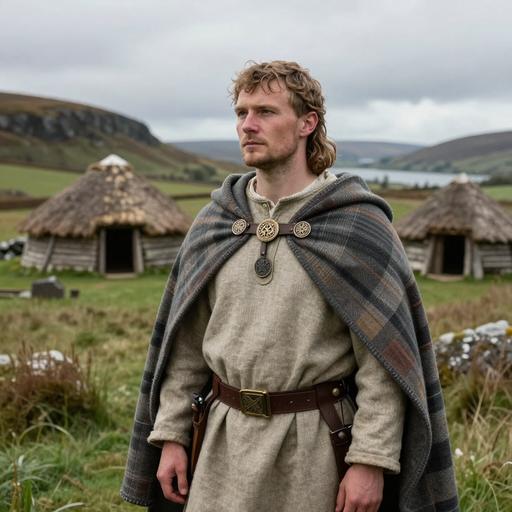
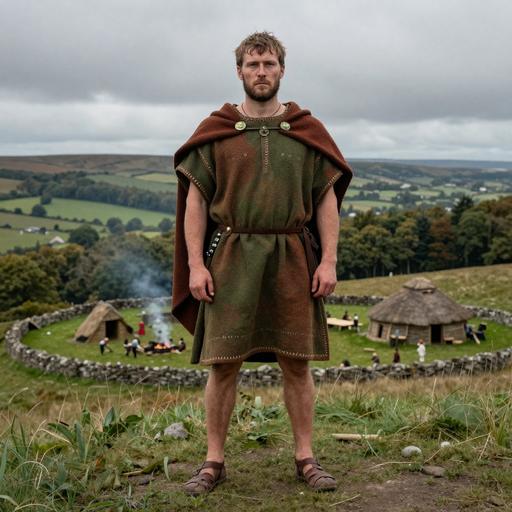
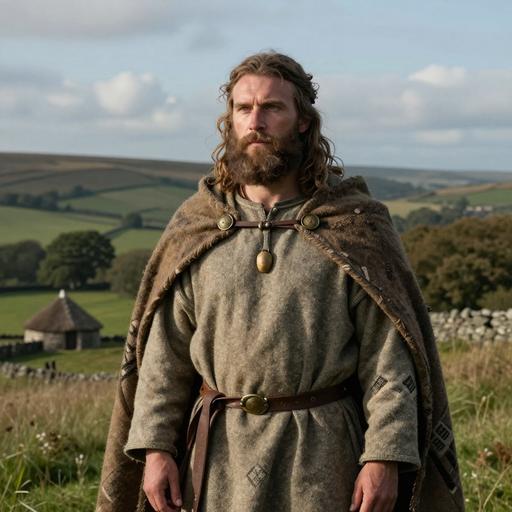
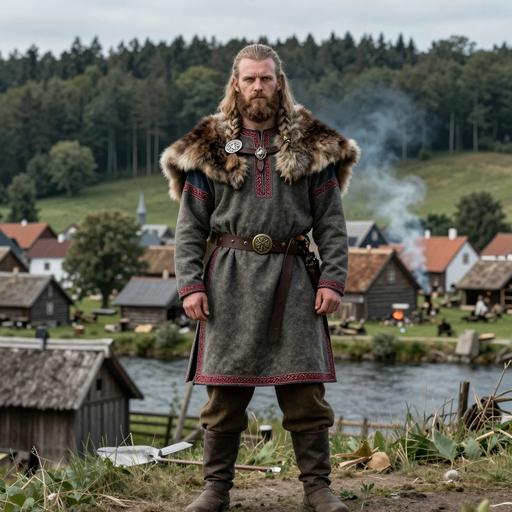
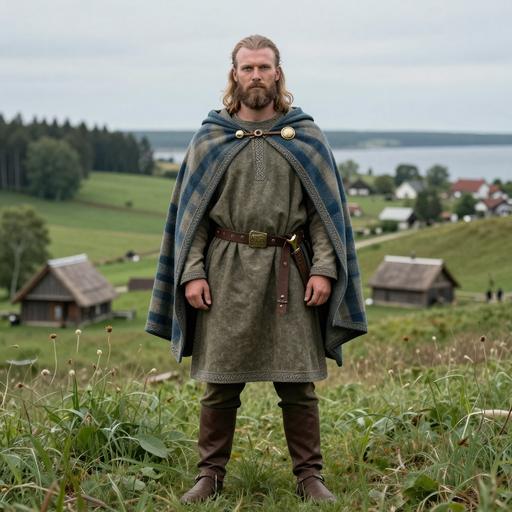
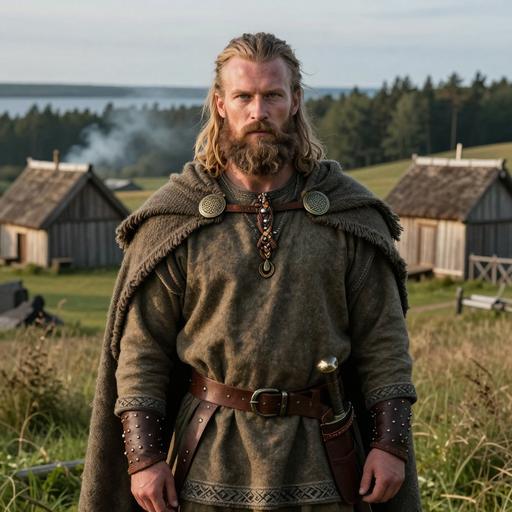
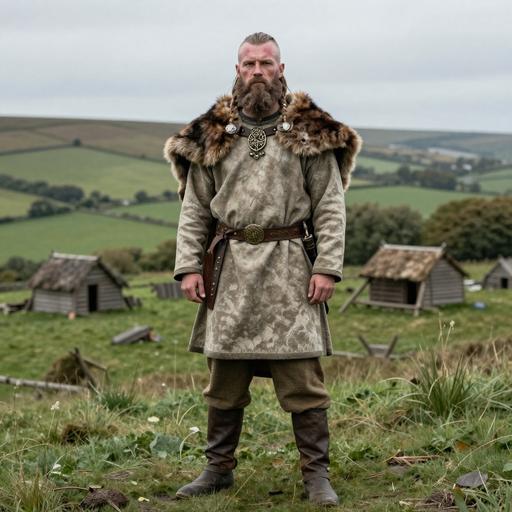
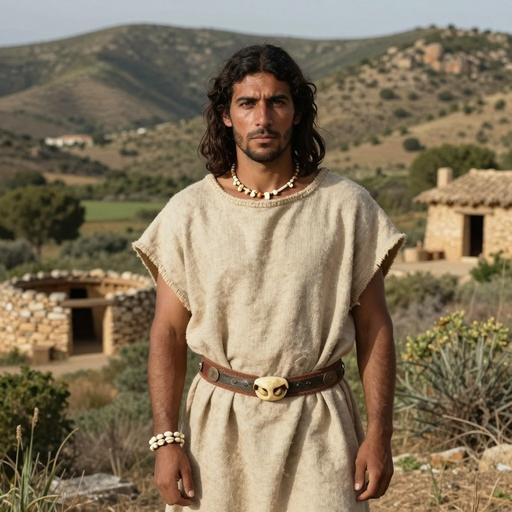
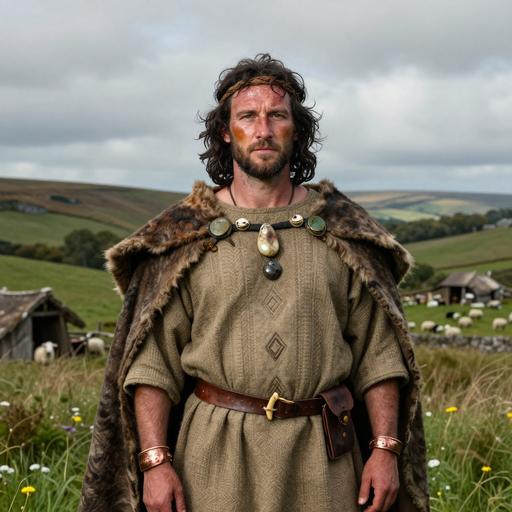
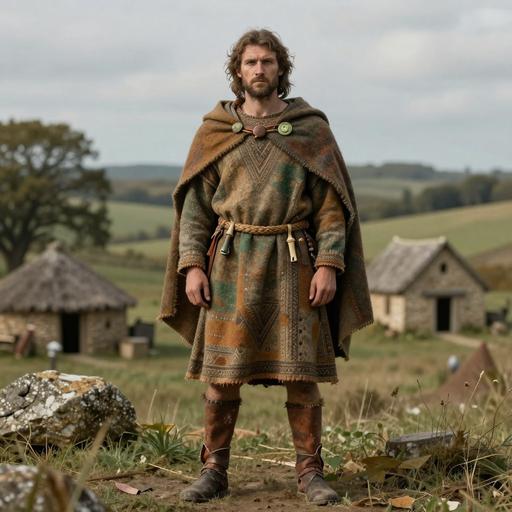
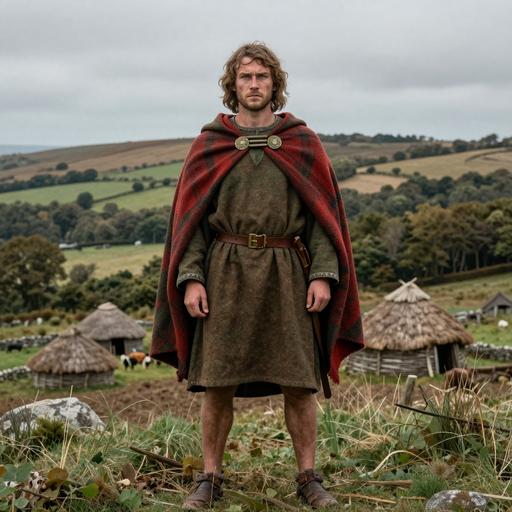
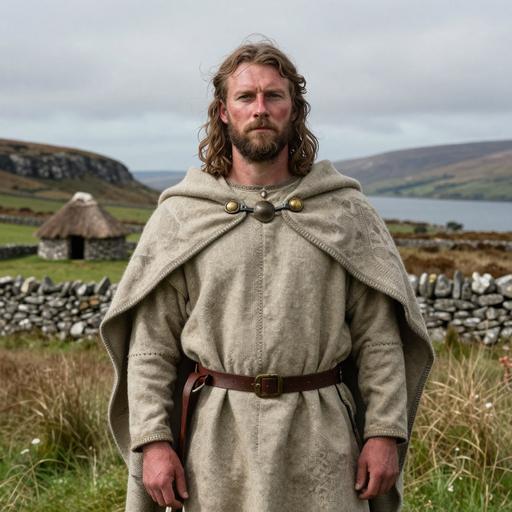
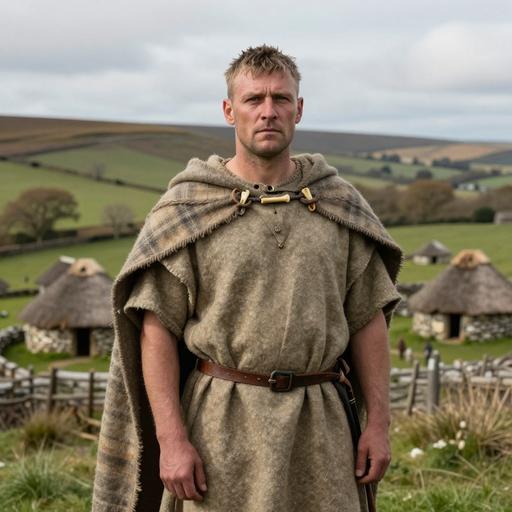
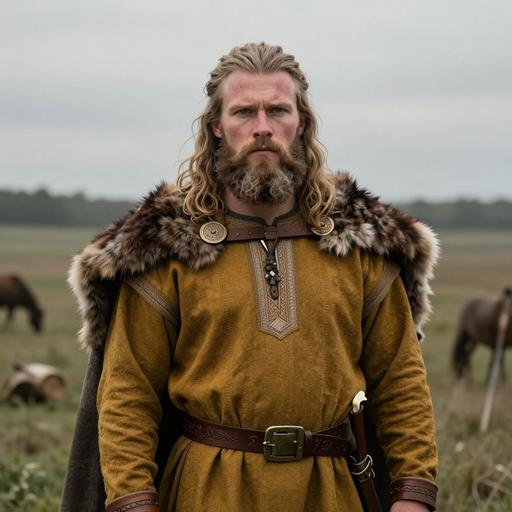
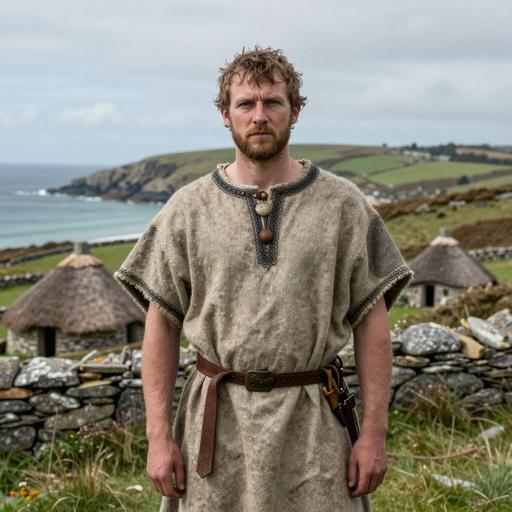
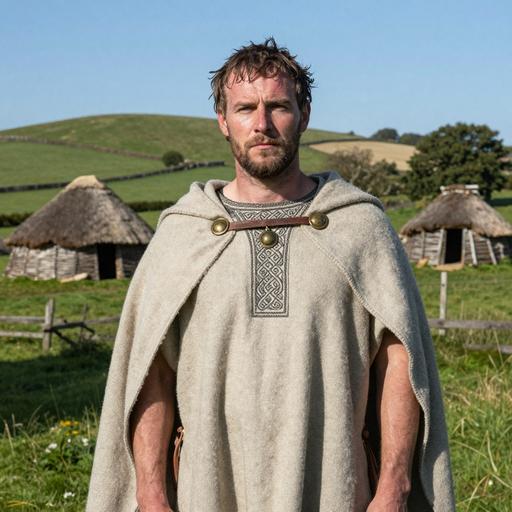
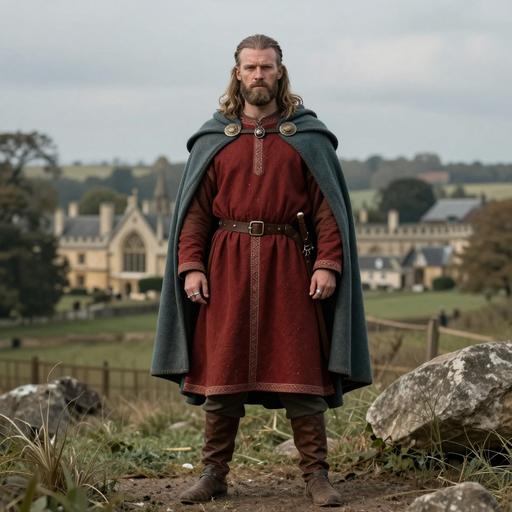
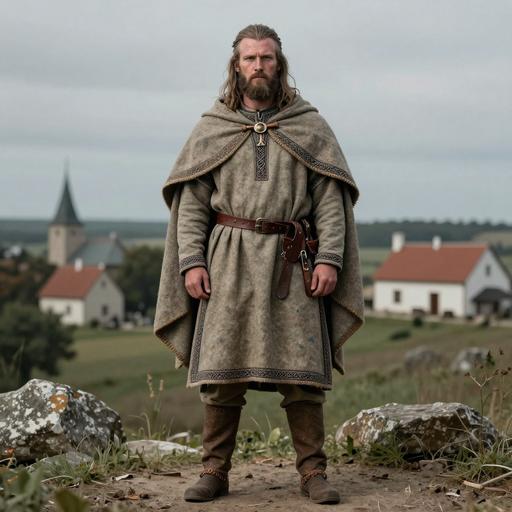
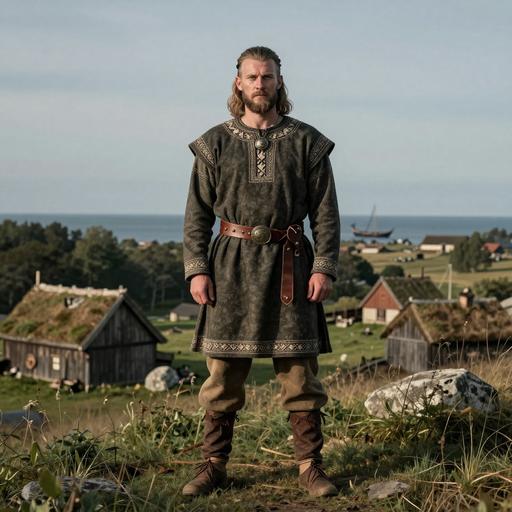
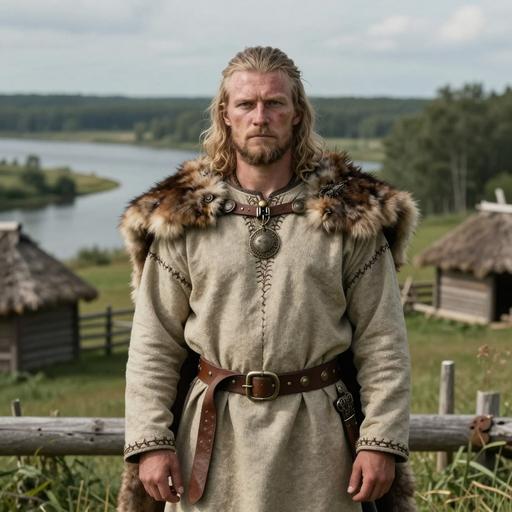
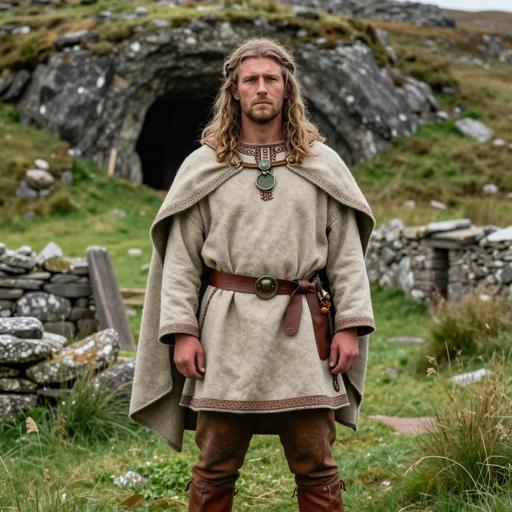
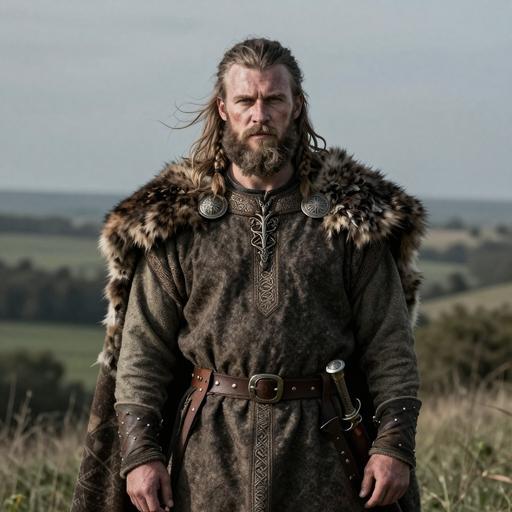
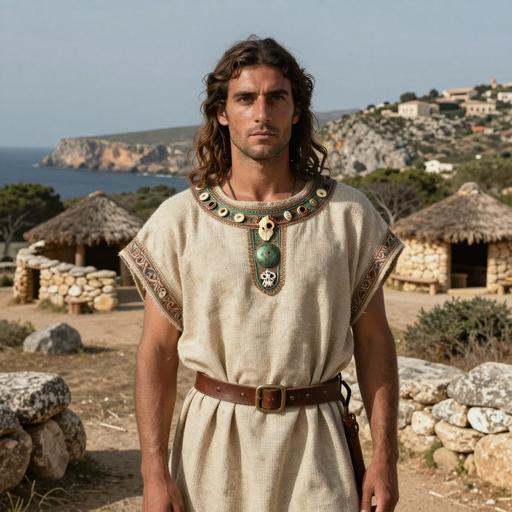
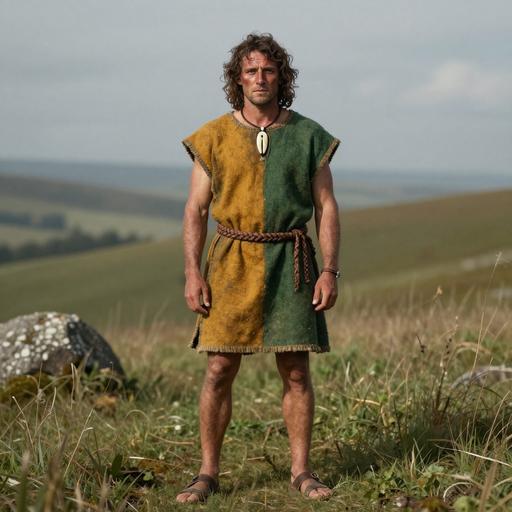
Les portraits sont des illustrations générées par IA. Les libellés d'échantillon et identifiants d'accès désignent les enregistrements de référence.
Late Iron Age Scotland - United Kingdom - Scotland. East Lothian. Broxmouth
United Kingdom Scotland LIA 197 calBCE - 1 calCE (2095±30 BP, SUERC-24248)
R1b1a1b1a1aDirect
Identifiant d'échantillon : I7632
Middle Iron Age England - United Kingdom - England. Sussex. Brighton. Slonk Hill
United Kingdom England MIA 391 BCE - 203 BCE
R1b1a1b1a1aDirect
Identifiant d'échantillon : I19653
Middle Iron Age England - United Kingdom - England. Somerset. Ham Hill
United Kingdom England MIA 400-200 BCE
R1b1a1b1a1aDirect
Identifiant d'échantillon : I20632
Middle to Late Iron Age England - United Kingdom - England. Derbyshire. Fin Cop
United Kingdom Middle to Late Iron Age England 400-50 BCE
R1b1a1b1a1aDirect
Identifiant d'échantillon : VK326
Viking Age Denmark - Denmark - Jutland. Ribe
Denmark Denmark Viking 774 CE - 993 CE
R1b1a1b1a1aDirect
Identifiant d'échantillon : I14743
Early Iron Age England - United Kingdom - England. Kent. Cliffs End Farm
United Kingdom England EIA 779 BCE - 524 BCE
R1b1a1b1a1aDirect
Identifiant d'échantillon : VK335
Viking Age Sweden - Sweden - Oland
Sweden Sweden Viking 800 CE - 1100 CE
R1b1a1b1a1aDirect
Identifiant d'échantillon : VK217
Viking Age Sweden - Sweden - Malmo. Ljungbacka
Sweden Sweden Viking 800 CE - 1200 CE
R1b1a1b1a1aDirect
Identifiant d'échantillon : VK57
Viking Age Sweden - Sweden - Gotland. Frojel
Sweden Sweden Viking 900 CE - 1050 CE
R1b1a1b1a1aDirect
Identifiant d'échantillon : VK259
Viking Age England - United Kingdom - England. Dorset. Ridgeway Hill Mass Grave
United Kingdom England Viking 970 CE - 1025 CE
R1b1a1b1a1aDirect
Identifiant d'échantillon : ALM057
The Argaric Culture of Spain - Spain - Murcia. Pliego. La Almoloya
Spain The Argaric Culture of Spain 1874-1642 calBCE (3436±19 BP, MAMS-39802)
R1b1a1b1a1aDirect
Identifiant d'échantillon : I6679
The Bell Beaker Culture in England - United Kingdom - England. Northumberland. Low Hauxley
United Kingdom England BellBeaker 2129-1889 calBCE (3621±34 BP, OxA-5553/4)
R1b1a1b1a1aDirect
Identifiant d'échantillon : I14200
The Bell Beaker Culture in England - United Kingdom - England. Wiltshire. Amesbury Down
United Kingdom England BellBeaker 2470-2239 calBCE (3895±32 BP, OxA-13541)
R1b1a1b1a1aDirect
Identifiant d'échantillon : I4951
The Bell Beaker Culture in England - United Kingdom - England. Wiltshire. Netheravon. Flying School
United Kingdom England BellBeaker 2800-1800 BCE
R1b1a1b1a1aDirect
Identifiant d'échantillon : I5502
Late Iron Age East Yorkshire, England - United Kingdom - England. East Riding of Yorkshire. Nunburnholme Wold
United Kingdom Late Iron Age East Yorkshire, England 196-4 calBCE (2090±30 BP, Beta-520210)
R1b1a1b1a1a2Sous-clade
Identifiant d'échantillon : I16387
Middle to Late Iron Age England - United Kingdom - England. Cornwall. Newquay. Trethellan Farm
United Kingdom Middle to Late Iron Age England 300 BCE - 100 CE
R1b1a1b1a1a2Sous-clade
Identifiant d'échantillon : I16416
Middle to Late Iron Age Scotland - United Kingdom - Scotland. East Lothian. Broxmouth
United Kingdom Middle to Late Iron Age Scotland 346-51 calBCE (2130±30 BP, SUERC-21991)
R1b1a1b1a1a2Sous-clade
Identifiant d'échantillon : I16503
Middle to Late Iron Age Scotland - United Kingdom - Scotland. East Lothian. Broxmouth
United Kingdom Middle to Late Iron Age Scotland 349-51 calBCE (2135±30 BP, SUERC-24257)
R1b1a1b1a1a2Sous-clade
Identifiant d'échantillon : I22065
East Yorkshire Iron Age - United Kingdom - England. East Riding of Yorkshire. Burstwick
United Kingdom East Yorkshire Iron Age 351-55 calBCE (2147±24 BP, SUERC-80670)
R1b1a1b1a1a2Sous-clade
Identifiant d'échantillon : I20989
Middle to Late Iron Age England - United Kingdom - England. Hampshire. Nether Wallop. Danebury
United Kingdom Middle to Late Iron Age England 354-59 calBCE (2157±26 BP, OxA-25955)
R1b1a1b1a1a2Sous-clade
Identifiant d'échantillon : I21313
Middle to Late Iron Age England - United Kingdom - England. Wiltshire. Casterley Camp
United Kingdom Middle to Late Iron Age England 354-57 calBCE (2154±27 BP, SUERC-97419)
R1b1a1b1a1a2Sous-clade
Identifiant d'échantillon : I14809
Middle to Late Iron Age England - United Kingdom - England. Oxfordshire. Thame
United Kingdom Middle to Late Iron Age England 358-108 calBCE (2170±26 BP, SUERC-97423)
R1b1a1b1a1a2Sous-clade
Identifiant d'échantillon : I14859
Middle Iron Age England - United Kingdom - England. Kent. Cliffs End Farm
United Kingdom England MIA 377-203 calBCE (2227±18 BP) [R_combine: (2220±20 BP, PSUAMS-8551), (2250±35 BP, GrA-35998)]
R1b1a1b1a1a2Sous-clade
Identifiant d'échantillon : I13728
Middle Iron Age England - United Kingdom - England. Cambridgeshire. Trumpington Meadows
United Kingdom England MIA 381-179 calBCE (2214±30 BP, SUERC-49488)
R1b1a1b1a1a2Sous-clade
Identifiant d'échantillon : I19046
Middle Iron Age England - United Kingdom - England. Cambridgeshire. Marshall's Jaguar Land Rover New Showroom (JLU15)
United Kingdom England MIA 383-197 calBCE (2218±28 BP, SUERC-97429)
R1b1a1b1a1a2Sous-clade
Identifiant d'échantillon : I14105
East Yorkshire Iron Age - United Kingdom - England. East Riding of Yorkshire. Pocklington (Burnby Lane)
United Kingdom East Yorkshire Iron Age 400-50 BCE
R1b1a1b1a1a2Sous-clade
Identifiant d'échantillon : I13732
Middle Iron Age England - United Kingdom - England. Kent. East Kent Access Road
United Kingdom England MIA 401-208 calBCE (2280±30 BP, SUERC-40712)
R1b1a1b1a1a2Sous-clade
Identifiant d'échantillon : I16475
Middle to Late Iron Age Wales - United Kingdom - Wales. Clwyd. Dinorben
United Kingdom Middle to Late Iron Age Wales 550-1 BCE
R1b1a1b1a1a2Sous-clade
Identifiant d'échantillon : VK336
Viking Age Sweden - Sweden - Oland
Sweden Sweden Viking 707 CE - 990 CE
R1b1a1b1a1a2Sous-clade
Identifiant d'échantillon : I6769
Iron Age England - United Kingdom - England. Cornwall. Padstow. St. Merryn. Harlyn Bay
United Kingdom England IA 754-416 calBCE (2455±25 BP, BRAMS-1321)
R1b1a1b1a1a2Sous-clade
Identifiant d'échantillon : I12774
Early Iron Age England - United Kingdom - England. Derbyshire. Brassington. Carsington Pasture Cave
United Kingdom England EIA 758 BCE - 416 BCE
R1b1a1b1a1a2Sous-clade
Identifiant d'échantillon : I13682
Early Iron Age England - United Kingdom - England. Somerset. Mells Down. Kingsdown Camp
United Kingdom England EIA 793-544 calBCE (2527±30 BP, SUERC-94972)
R1b1a1b1a1a2Sous-clade
Identifiant d'échantillon : VK369
Viking Age Denmark - Denmark - Sealand. Bakkendrup
Denmark Denmark Viking 850 CE - 900 CE
R1b1a1b1a1a2Sous-clade
Identifiant d'échantillon : VK313
Viking Age Denmark - Denmark - Funen. Rantzausminde
Denmark Denmark Viking 850 CE - 900 CE
R1b1a1b1a1a1Sous-clade
Identifiant d'échantillon : VK147
Viking Age England - United Kingdom - England. Oxford. St John's College Oxford
United Kingdom England Viking 880 CE - 1000 CE
R1b1a1b1a1a2Sous-clade
Identifiant d'échantillon : VK232
Viking Age Sweden - Sweden - Gotland. Kopparsvik
Sweden Sweden Viking 900 CE - 1050 CE
R1b1a1b1a1a1 Sous-clade
Identifiant d'échantillon : VK431
Viking Age Sweden - Sweden - Gotland. Frojel
Sweden Sweden Viking 900 CE - 1050 CE
R1b1a1b1a1a2Sous-clade
Identifiant d'échantillon : VK273
Viking Age Russia - Russia - Gnezdovo
Russia Russia Viking 900 CE - 1100 CE
R1b1a1b1a1a2Sous-clade
Identifiant d'échantillon : VK102
Viking Age Iceland - Iceland - Hofstadir
Iceland Iceland Viking 900 CE - 1300 CE
R1b1a1b1a1a1 Sous-clade
Identifiant d'échantillon : VK365
Viking Age Denmark - Denmark - Langeland. Bogevej
Denmark Denmark Viking 900 CE - 1000 CE
R1b1a1b1a1a2Sous-clade
Identifiant d'échantillon : I14861
Late Bronze Age England - United Kingdom - England. Kent. Cliffs End Farm
United Kingdom England LBA 912-808 calBCE (2713±29 BP, OxA-17804)
R1b1a1b1a1a2Sous-clade
Identifiant d'échantillon : I2860
Late Bronze Age Scotland - United Kingdom - Scotland. Covesea Cave 2
United Kingdom Scotland LBA 969-812 calBCE (2738±29 BP, SUERC-68715)
R1b1a1b1a1a2Sous-clade
Identifiant d'échantillon : VK261
Viking Age England - United Kingdom - England. Dorset. Ridgeway Hill Mass Grave
United Kingdom England Viking 970 CE - 1025 CE
R1b1a1b1a1a2Sous-clade
Identifiant d'échantillon : VK534
Medieval Italy - Italy - Foggia. San Lorenzo
Italy Medieval Italy 1047 CE - 1268 CE
R1b1a1b1a1a2Sous-clade
Identifiant d'échantillon : EFA006
Late Bronze Age Spain - Spain - Balearic Islands. Menorca. Ciutadella. Es Forat de ses Aritges
Spain Late Bronze Age Spain 1200-1000 BCE
R1b1a1b1a1a2Sous-clade
Identifiant d'échantillon : I7571
Middle Bronze Age England - United Kingdom - England. Needingworth Quarry. Over Narrows
United Kingdom England MBA 1489-1260 calBCE (3100±40 BP, SUERC-28364)
R1b1a1b1a1a2Sous-clade
Identifiant d'échantillon : BAS002
The Argaric Culture of Spain - Spain - Murcia. Totana. La Bastida
Spain The Argaric Culture of Spain 1620-1506 calBCE (3298±27 BP, KIA-50633)
R1b1a1b1a1a2Sous-clade
Identifiant d'échantillon : I1775
Chalcolithic to Early Bronze Age Wales - United Kingdom - Wales. North Wales. Llandudno. Great Orme
United Kingdom Chalcolithic to Early Bronze Age Wales 1731-1536 calBCE (3344±27 BP, OxA-14308)
R1b1a1b1a1a2Sous-clade
Identifiant d'échantillon : I7570
Chalcolithic to Early Bronze Age England - United Kingdom - England. Lincolnshire. Langtoft
United Kingdom Chalcolithic to Early Bronze Age England 1736-1534 calBCE (3347±30 BP, SUERC-74471)
R1b1a1b1a1a2Sous-clade
Identifiant d'échantillon : ALM069
The Argaric Culture of Spain - Spain - Murcia. Pliego. La Almoloya
Spain The Argaric Culture of Spain 2150-1850 BCE
R1b1a1b1a1a2Sous-clade
LIGNÉE PATERNELLE · ADN ANTIQUE
Carte des preuves de lignées antiques
Suivez les clades parents jusqu'à cette branche et explorez où des porteurs antiques ont été identifiés.
Chargement des observations antiques…
La réduction des animations est activée. Utilisez la chronologie ou Tout afficher pour explorer à votre rythme.
Lire les observations sous forme de tableau
Observations antiques affichées par branche, période et date médiane
Branche
Période
Plage de dates
Échantillon
Identifiant d'échantillon
Emplacement
Haplogroupe
Relation
Les marqueurs indiquent des lieux de découvertes archéologiques. Un trait pointillé représente une transition géographique proposée et incertaine entre branches consécutives, appuyée sur plusieurs observations datées ; ce n'est pas un itinéraire exact, un lieu de naissance ni une preuve de descendance directe. Des échantillons de clades parents peuvent appartenir à d'autres branches descendantes. Des lacunes subsistent lorsque les preuves sont insuffisantes. Les dates d'échantillon diffèrent des dates de formation des haplogroupes.
Le regroupement par période historique reflète quand chaque individu antique a vécu, en combinant toutes les branches de cette chaîne de lignée ; ce n'est pas une séquence migratoire ni une chronologie personnelle entre périodes.
Profil de référence
Carte de répartition des porteurs
Répartition géographique de 70 échantillons d'ADN ancien (porteurs directs et de sous-clade de R1B1A1B1A1A)
Porteur direct Porteur de sous-clade
Filtre de période
Toutes les périodes
Affichage de tous les échantillons
Profil de référence
Répartition temporelle
Répartition des porteurs selon les périodes archéologiques
Profil de référence
Répartition géographique
Effectifs par pays d'échantillon consigné. Ils reflètent la sélection de référence disponible, pas des fréquences de population.
Profil de référence
Répartition pays × époque
Comparez les effectifs d'échantillons consignés selon les pays et les périodes archéologiques. Sélectionnez une cellule renseignée pour examiner un échantillon.
Données
Données et provenance
Informations sur les sources et qualité des données
Dernière mise à jour2026-06-17
Score de confiance50/100
CouvertureLow
Source des données
La classification, les dates estimées et le contexte géographique reflètent les données de référence consignées et peuvent évoluer lorsque les éléments sont révisés. La couverture d'échantillons est inégale ; les lieux consignés et les associations archéologiques n'établissent pas une origine personnelle ni une identité culturelle.