Préparation du rapport

Chargement des informations et références disponibles

Connexion au corpus archéologique…

Collecte des archives antiques

Aller au contenu principal
Areni Chalcolithic Threads
Profil culturel

Areni Chalcolithic Threads

A brief, evocative look at Chalcolithic life in Areni through archaeology and DNA

4350 CE - 3500 BCE
Areni-1, Vayots Dzor, Armenia
Faites défiler pour commencer
Chapitre I

Le récit

Comprendre la culture Areni Chalcolithic Threads

Small-sample ancient DNA from Areni-1 (Armenia, 4350–3500 BCE) links Chalcolithic lifeways to wider West Asian and Caucasus interactions. Genetic signals are preliminary but suggest mixed maternal lineages (H, K, U4a) and uncommon paternal L-lineages.

Time Period

4350–3500 BCE

Region

Areni-1, Vayots Dzor, Armenia

Common Y-DNA

L (incl. L1a) — small sample

Common mtDNA

H, K, U4a

Chapitre II

Chronologie

Moments clés de l'histoire de cette culture

4000 BCE

Areni-1: Intensified Use

Archaeological layers show concentrated occupation, craft production, and mortuary use at Areni-1—reflecting Chalcolithic community life and regional connections.

Chapitre III

Origins & Emergence

Beneath the limestone shelves of Areni-1 cave in Vayots Dzor province, material culture and human remains illuminate a Chalcolithic horizon between roughly 4350 and 3500 BCE. Archaeological data indicates intense occupation of cave spaces for storage, ritual, and burial, and finds from Areni-1 include tightly dated organic artifacts and craft remains that anchor this community in a network of highland and lowland contacts.

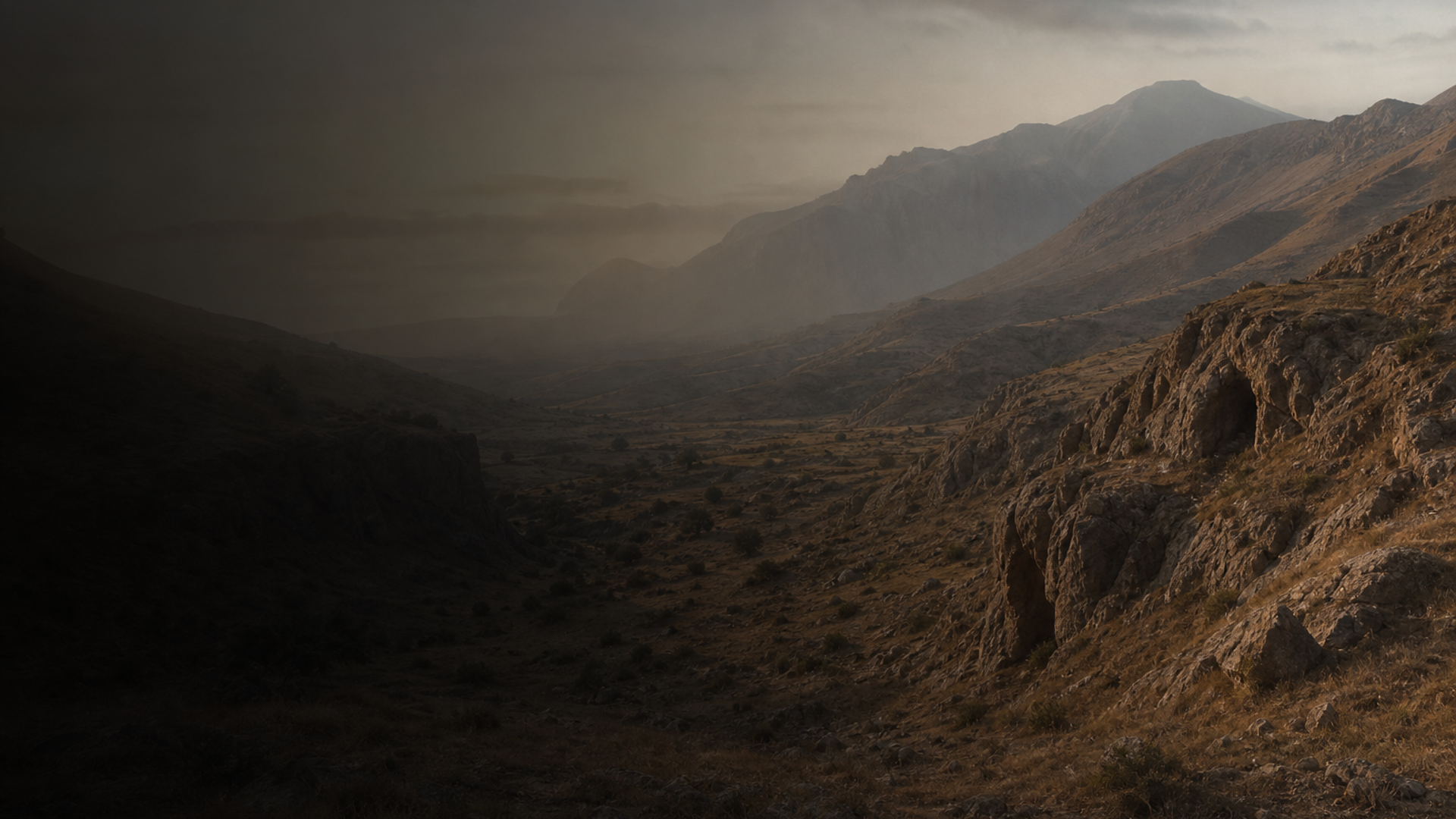
Cinematically, imagine a valley where seasonal herds move across terraced slopes while potters, leatherworkers, and early metallurgists shape the material world. Regional exchange routes likely linked Areni to the Anatolian plateaus, the southern Caucasus, and parts of the Levant. Limited evidence suggests local innovation paired with imported ideas: pottery styles, copper fragments, and food processing residues hint at both continuity from earlier Neolithic farmers and new technical horizons in the Chalcolithic.

Because the genetic sample set for Armenia_C is small (n=5), conclusions about population origins remain tentative. Archaeology provides the scaffold — settlement traces, funerary practice, and craft debris — while ancient DNA offers hints about ancestral mixtures and possible long-distance connections that archaeology alone cannot prove.

  • Areni-1 cave, Vayots Dzor: key Chalcolithic site (4350–3500 BCE)
  • Material culture suggests links to Anatolia, Caucasus, and the Levant
  • Small ancient DNA sample size requires cautious inference
Chapitre IV

Daily Life & Society

Archaeological layers at Areni-1 preserve intimate traces of everyday life: processing tools, ceramic forms, and organic residues that evoke diets of cereals, pulses, and domesticated animals. The cave’s stratigraphy records use for storage, mortuary activity, and craft production, implying communities that combined pastoral mobility with sedentary worksites.

Social life likely unfolded at multiple scales — family compounds tied to seasonal herding cycles, craft specialists producing pottery and textiles, and communal rites performed in sheltered caverns. The presence of finely made ceramics, ochre, and worked bone suggests aesthetic and symbolic dimensions to material culture. Evidence for early viniculture and preserved organic artifacts at Areni-1 highlight technological ingenuity in food processing and storage.

Cultural landscapes would have been textured by exchange: raw materials and finished goods moving along mountain corridors, facilitating interactions with neighboring groups. That said, the archaeological picture is stronger than the genetic one here — while artifacts speak to connected lifeways, the DNA sample from this specific cultural horizon remains small and cannot fully resolve social structure or mobility patterns.

  • Mixed pastoral and agricultural economy with craft specialization
  • Cave contexts used for storage, craft, and ritual activity
Chapitre V

Genetic Profile

The Armenia_C dataset comprises five individuals from Areni-1 dating between 4350 and 3500 BCE. These limited data show paternal lineages assigned mainly to haplogroup L (two samples) with one refined to L1a, and maternal lineages including H (2), K (2), and U4a (1). Because n=5 is very small, all genetic inferences must be treated as preliminary and hypothesis-generating rather than definitive.

mtDNA: The presence of haplogroups H and K fits within a broad West Eurasian maternal spectrum. Haplogroup K is commonly associated with early farming expansions in parts of Anatolia and Europe, while H is widespread across late Neolithic and later West Eurasia. U4a is less common but occurs in northern and steppe-associated contexts, suggesting possible links or mobility involving northern or steppe-derived maternal ancestry.

Y-DNA: Haplogroup L and its subclade L1a are relatively rare in the Caucasus and Europe and are today more frequent in parts of South and West Asia. Their appearance here may reflect localized founder effects, long-distance connections, or transient gene flow from the south; archaeological parallels for long-range exchange provide a plausible context.

Overall interpretation: archaeological evidence of regional exchange combined with this genetic signal is consistent with a mixed ancestry picture for Chalcolithic Areni — contributions from Anatolian/Levantine farmer-derived lineages, Caucasus hunter-gatherer substrata, and possible southern inputs — but low sample count (<10) makes these patterns provisional.

  • Small sample (n=5) — interpretations are preliminary
  • mtDNA H/K/U4a suggest farmer and possible steppe/northern links
Chapitre VI

Legacy & Modern Connections

The human echoes of Chalcolithic Areni may still ripple in the Caucasus genetic landscape, but direct continuity is difficult to demonstrate with only five ancient genomes. Some maternal haplogroups found at Areni (H and K) persist broadly in modern West Eurasian populations, which can reflect long-standing lineages that survived later demographic shifts. The paternal presence of L-lineages is intriguing because L is uncommon in contemporary Armenia and the Caucasus; this could represent a localized ancient lineage that later diminished or admixed away.

Modern Armenian genetic diversity is the product of many later movements—Bronze Age migrations, Iron Age expansions, and historic population flows—so any direct lines to Areni must be inferred cautiously. Nonetheless, combining the cinematic material record of Areni-1 with these first genetic glimpses produces a richer, more textured story: Chalcolithic communities were not isolated relics but actors in dynamic regional webs. Further sampling across time and sites will be essential to trace which threads persisted into the medieval and modern genetic tapestry of the South Caucasus.

  • Some mtDNA lineages at Areni persist regionally today
  • Low sample numbers limit claims of direct continuity
Propulsé par l'IA

Assistant IA

Posez des questions sur la culture Areni Chalcolithic Threads

Assistant IA par DNAGENICS

Débloquer cette fonction
Posez des questions sur la culture Areni Chalcolithic Threads. L'assistant IA peut expliquer les résultats génétiques, le contexte historique, les preuves archéologiques et les liens génétiques avec les populations actuelles, dans les limites de l'interprétation.
Exemple d'analyse IA

La culture Areni Chalcolithic Threads représente un chapitre fascinant de l'histoire humaine…

L'analyse génétique met en évidence des similarités avec des populations antérieures et des signes d'adaptations propres. Les échantillons d'ADN ancien éclairent les schémas migratoires et les liens entre populations, avec des limites qui dépendent de l'étude et du contexte archéologique.

Il s'agit d'un aperçu de l'analyse IA. Accédez à l'assistant complet pour explorer :

  • Composition et similarité génétique
  • Schémas migratoires et origines
  • Vie quotidienne et pratiques culturelles
  • Contexte génétique actuel

Explorez d'autres cultures antiques

Découvrez les récits de civilisations issues du monde antique