


Chapitre I
Le récit
Comprendre la culture Botocudo of the Rio Doce Valley
Archaeological remains from the Rio Doce Valley (dated 1479–1842 CE) and three ancient genomes offer a preliminary window into Botocudo lifeways and genetic ancestry. Limited samples show Y haplogroup C and mtDNA B, underscoring Indigenous continuity and the need for more data.
Time Period
1479 CE – 1842 CE (radiocarbon range of samples)
Region
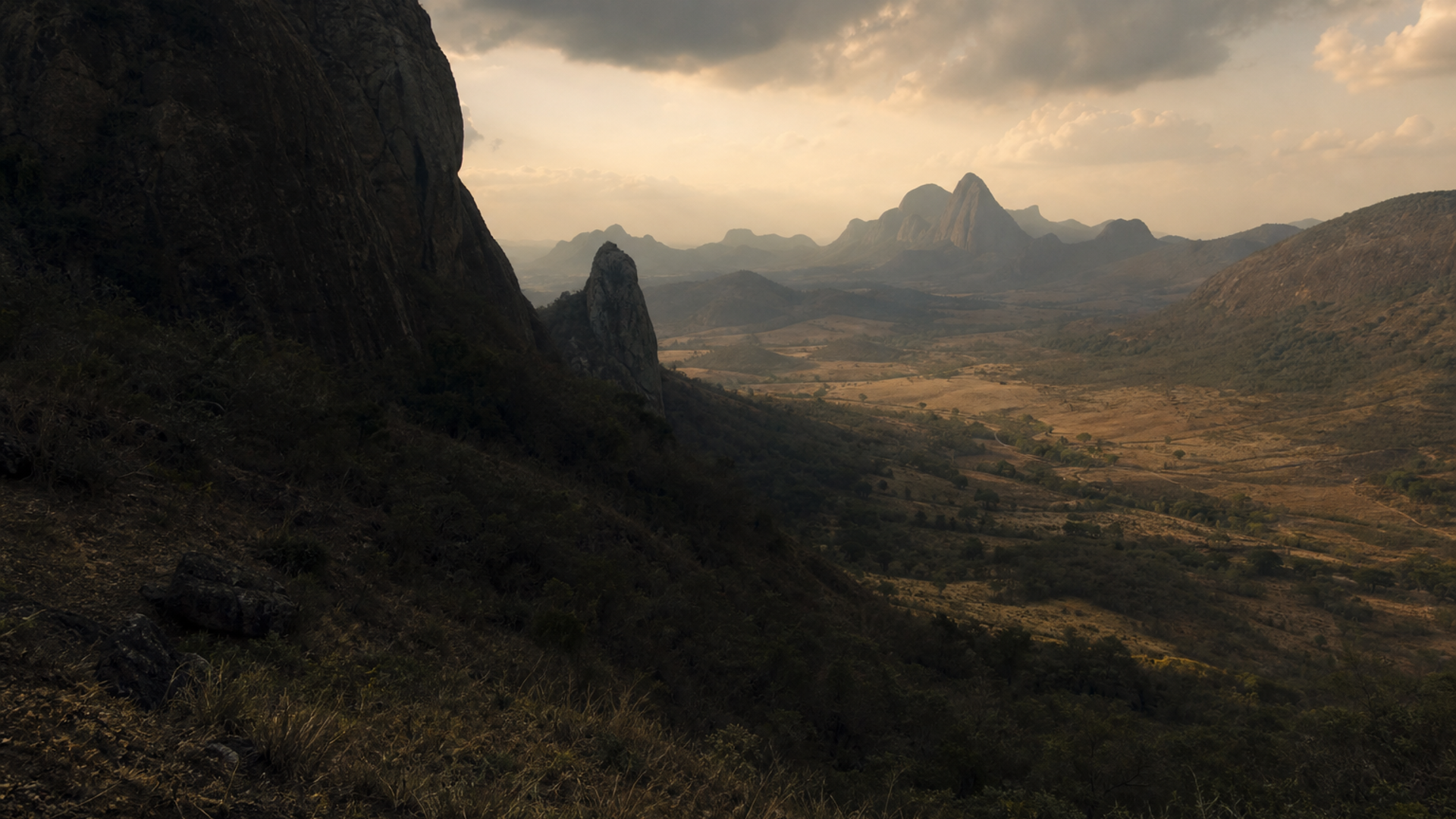
Rio Doce Valley, Minas Gerais region, Brazil
Common Y-DNA
C (observed in 1/3 samples)
Common mtDNA
B (observed in 1/3 samples)





