Aller au contenu principal
Profil culturel

Carpathian Neolithics: Hungary_MN

A glimpse into Middle Neolithic life in the Carpathian Basin through four ancient genomes

5359 CE - 4046 BCE
Hungary (Carpathian Basin)

Le récit

Archaeogenetic and archaeological traces from four Middle Neolithic Hungarian sites (5359–4046 BCE) reveal farming communities in the Carpathian Basin. Limited samples suggest mixed farmer–forager ancestry and diverse maternal lineages; conclusions remain preliminary.

Time Period

5359–4046 BCE (Middle Neolithic)

Region

Hungary (Carpathian Basin)

Common Y-DNA

I, F (each observed once; n=4)

Common mtDNA

H, K, V1a, U (each observed once; n=4)

Chronologie

5359 BCE

Earliest dated sample from Hungary_MN

One of the Hungary_MN genomes dates to 5359 BCE, marking an early Middle Neolithic presence in the Carpathian Basin; interpretations are preliminary due to small sample size.

Origins & Emergence

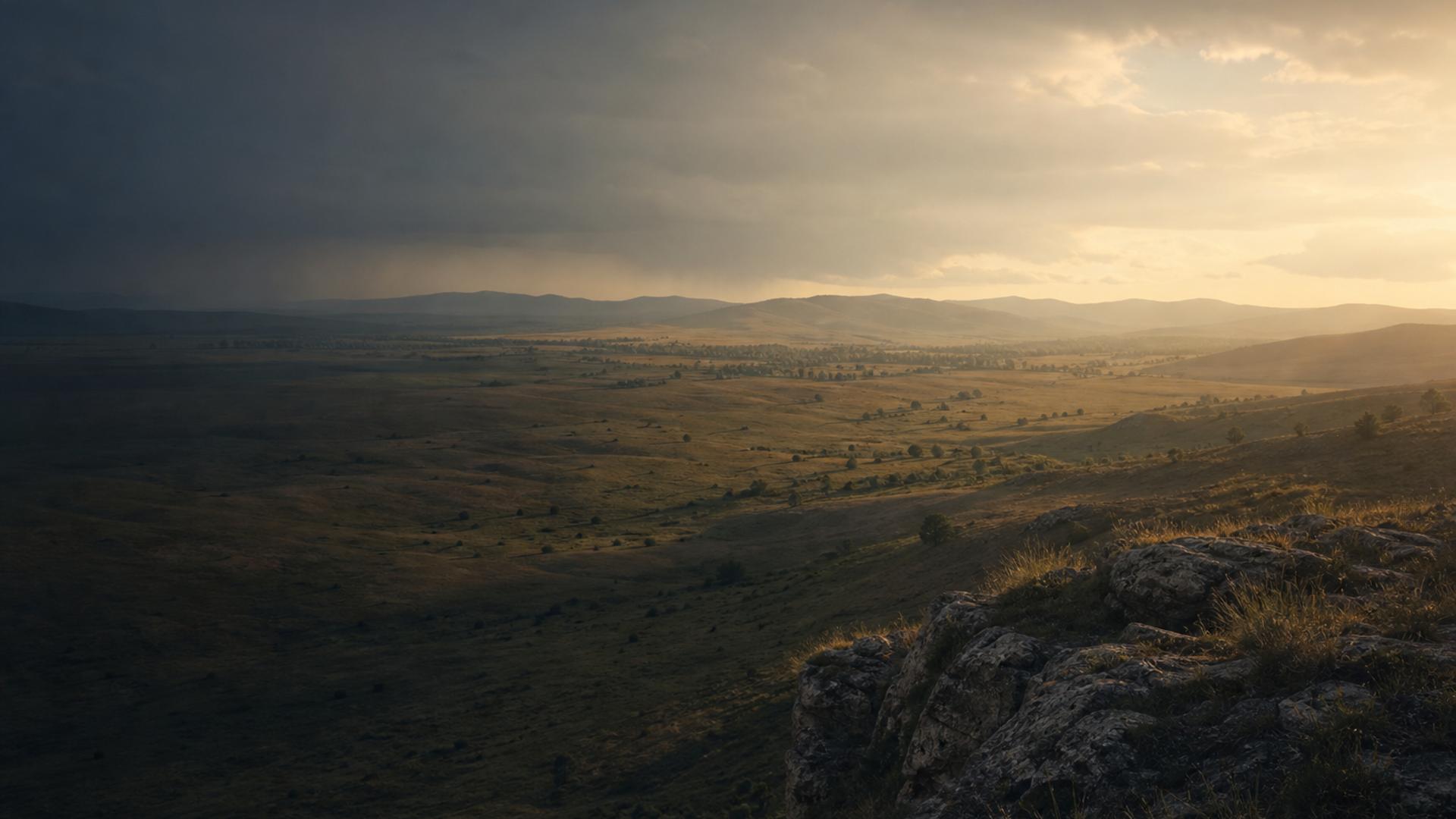
Beneath the wide, low skies of the Carpathian Basin, Middle Neolithic communities reworked the landscape—turning wild grasslands into fields and forging new social landscapes from pottery, house plans, and burial rites. Archaeological data from sites such as Szigetszentmiklós-Üdülősor, Furta-Toulskes, Ebes-Zsong-völgy and Berettyóújfalu-Nagybócs-dűlő-2 (dated between 5359 and 4046 BCE) indicate settled farming lifeways with domesticated cereals, pulse crops, and managed herds. Material culture—coarse and decorated ceramics, hearth-centered houses, and localized burial features—speaks to enduring regional traditions in the Middle Neolithic Carpathian Basin.

Genetically, these communities are part of the broader wave of early European farmers who trace much of their ancestry to Neolithic populations that expanded from Anatolia and the Balkans. However, the story is not uniform: limited ancient DNA from these four individuals shows genetic signatures consistent with primarily farming-associated ancestry combined with varying amounts of local hunter-gatherer input. Because sample count is small (n=4), any model of population movement or cultural diffusion must be treated as provisional. Archaeology and genetics together suggest a gradual, complex integration of people and practices rather than a single, dramatic replacement event.

  • Evidence from four sites in Hungary dated 5359–4046 BCE
  • Settled farming with domesticated plants and animals
  • Mixed ancestry likely from Anatolian farmers and local foragers

Daily Life & Society

Daily life in Middle Neolithic settlements of the Carpathian Basin would have been organized around seasonal rhythms: sowing and harvesting cereals, tending sheep and cattle, crafting pottery, and maintaining household structures. Excavations at Ebes-Zsong-völgy and Berettyóújfalu-Nagybócs-dűlő-2 reveal house remains and hearth features that suggest extended-family dwellings and labor divisions centered on farming and craft production. Pottery, often decorated with impressions and simple motifs, served both utilitarian and ritual functions—containers for cooking, storage, and perhaps offerings in domestic or funerary contexts.

Burial practices remain variable across the region. Some interments show flexed positions and simple grave goods, pointing to local traditions of remembrance and lineage. Lithic debris, bone tools, and animal remains attest to a diet combining cultivated grains with wild resources. Seasonal mobility for hunting or exchange networks connecting the Carpathian lowlands to surrounding uplands likely supplemented local diets and facilitated ideas and object flows.

Archaeobotanical and zooarchaeological data indicate an economy rooted in agriculture but sensitive to environmental variation; archaeological interpretations are strengthened when combined with even modest ancient DNA datasets that can track kinship and mobility across sites.

  • House remains and hearths indicate sedentary family units
  • Pottery and tools reflect mixed farming and craft production

Genetic Profile

The genetic snapshot from Hungary_MN is small—four individuals—but it is narratively powerful when integrated with the archaeological record. Y-chromosome haplogroups observed are I (1 sample) and F (1 sample). Maternal lineages include mtDNA haplogroups H, K, V1a, and U (each observed once). These lineages fit broadly within the diversity expected for Middle Neolithic Europe: maternal haplogroups like H and K are common among early European farming communities, while U and V1a can reflect persistence of or admixture with local forager lineages.

Genome-wide patterns (from comparable Middle Neolithic contexts) typically show predominant ancestry related to Anatolian farmers combined with variable western hunter-gatherer ancestry. For Hungary_MN, limited evidence suggests a farmer-majority ancestry with detectable local hunter-gatherer contribution. The presence of Y-haplogroup I—often associated in Europe with Mesolithic hunter-gatherers—paired with farmer-associated mtDNA haplogroups, hints at sex-biased interactions or complex kinship networks, but with only four males/females sampled, such inferences remain tentative.

Crucially, the small sample size (n=4) limits statistical power: observed haplogroups may not represent the full population diversity. Further sampling across sites and temporal layers is required to resolve patterns of migration, kinship, and social structure.

  • Observed Y-DNA: I, F (each observed once; n=4)
  • Observed mtDNA: H, K, V1a, U (each observed once; n=4)

Legacy & Modern Connections

The Middle Neolithic inhabitants of the Carpathian Basin contributed threads to the genetic tapestry of later European populations. Elements of their ancestry persisted regionally, blended by subsequent migrations in the Copper and Bronze Ages. Archaeologically, techniques in farming, pottery, and settlement organization laid foundations for later cultural developments in the Carpathian lowlands. From a genetic viewpoint, the mix of farmer-derived and hunter-gatherer-derived lineages seen in these four genomes echoes a broader European pattern of integration rather than simple replacement.

Because the dataset is small, direct links between these particular individuals and modern populations should be drawn cautiously. What is clear is that coupling archaeology with ancient DNA provides a cinematic, human-scale view of deep time: people who tilled the same soils and shaped the same pottery as their neighbors long ago also carried genetic stories that can now be read across millennia. Ongoing sampling and analysis will refine how these Middle Neolithic communities fit into the larger story of European prehistory.

  • Contributed mixed farmer–forager ancestry to later regional populations
  • Archaeology and aDNA together reveal social and demographic continuity

Assistant IA

Assistant IA par DNAGENICS

Débloquer cette fonction
Posez des questions sur la culture Carpathian Neolithics: Hungary_MN. L'assistant IA peut expliquer les résultats génétiques, le contexte historique, les preuves archéologiques et les liens génétiques avec les populations actuelles, dans les limites de l'interprétation.
Exemple d'analyse IA

La culture Carpathian Neolithics: Hungary_MN représente un chapitre fascinant de l'histoire humaine…

L'analyse génétique met en évidence des similarités avec des populations antérieures et des signes d'adaptations propres. Les échantillons d'ADN ancien éclairent les schémas migratoires et les liens entre populations, avec des limites qui dépendent de l'étude et du contexte archéologique.

Il s'agit d'un aperçu de l'analyse IA. Accédez à l'assistant complet pour explorer :

  • Composition et similarité génétique
  • Schémas migratoires et origines
  • Vie quotidienne et pratiques culturelles
  • Contexte génétique actuel