Préparation du rapport

Chargement des informations et références disponibles

Connexion au corpus archéologique…

Collecte des archives antiques

Aller au contenu principal
Danube–Tisza Avar Cluster
Profil culturel

Danube–Tisza Avar Cluster

Middle–Late Avar burials (650–800 CE), Danube–Tisza, Hungary — four ancient genomes

650 CE - 800 CE
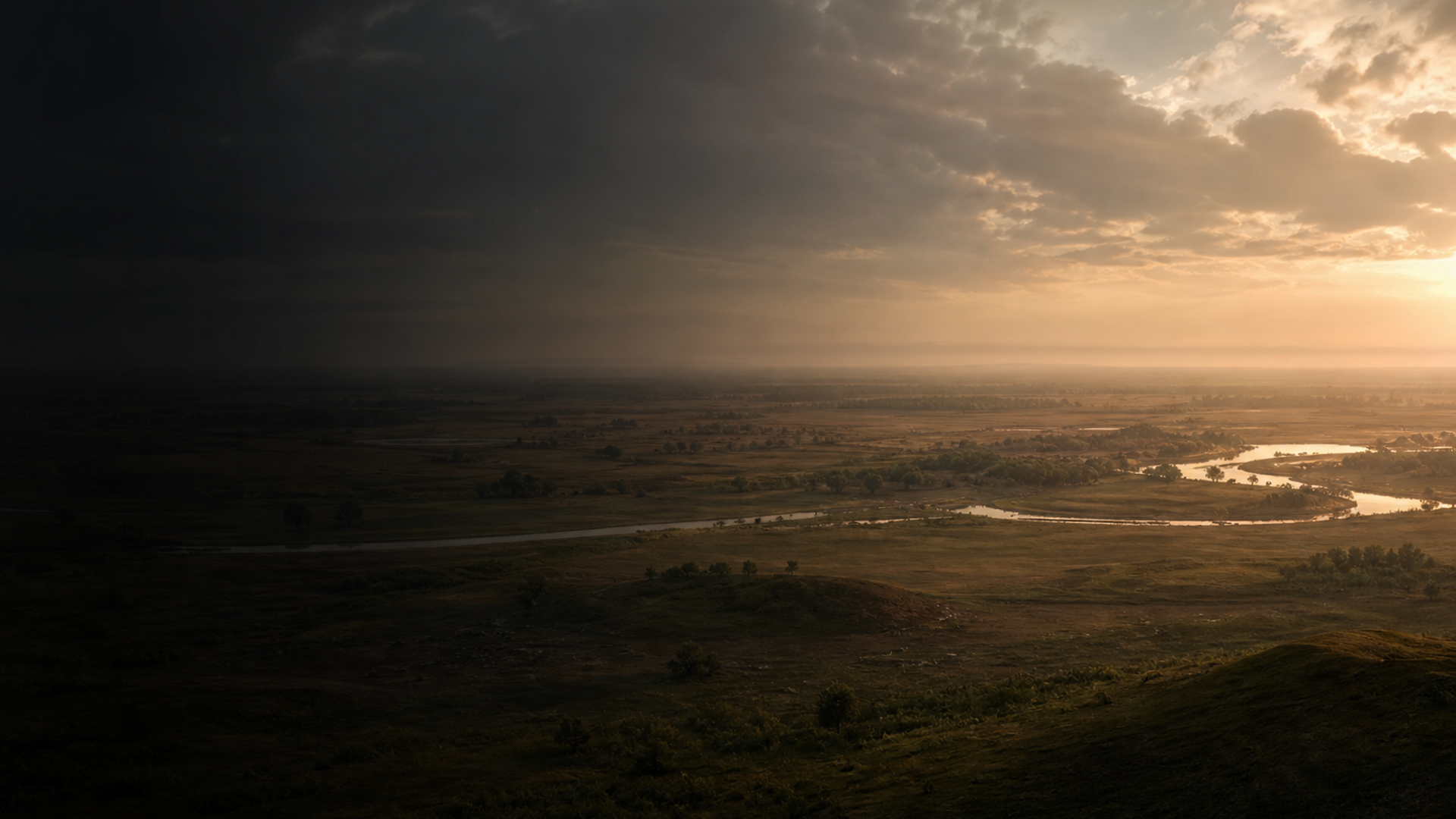
Danube–Tisza interfluve, Hungary
Faites défiler pour commencer
Chapitre I

Le récit

Comprendre la culture Danube–Tisza Avar Cluster

Genomes from four Middle–Late Avar period burials in the Danube–Tisza interfluve (650–800 CE) reveal mixed maternal lineages (mtDNA C, H, F), suggesting local and steppe-derived ancestries. Limited sample size means conclusions are preliminary.

Time Period

650–800 CE (Middle–Late Avar)

Region

Danube–Tisza interfluve, Hungary

Common Y-DNA

Not reported / undetermined (small sample)

Common mtDNA

C (2), H (1), F (1)

Chapitre II

Chronologie

Moments clés de l'histoire de cette culture

568 CE

Avar arrival in the Carpathian Basin

Historical and archaeological evidence places Avar groups entering the Pannonian Basin in the late 6th century CE, establishing political presence in the region.

650 CE

Middle Avar period (regional consolidation)

Regional material cultures and burial practices consolidate; the sampled burials fall within this broader horizon.

796 CE

Collapse of Avar Khaganate (Frankish campaigns)

Late 8th-century political upheavals, including Frankish military action, contribute to the fragmentation of Avar political structures.

Chapitre III

Origins & Emergence

The sites sampled — Albertirsa Szentmártoni út, Albertirsa-Szentmártoni út and Kunszállás-Fülöpjakab — lie in the fertile Danube–Tisza interfluve, a corridor of movement and cultural contact in the Pannonian Basin. Archaeological data indicates these burials date to the Middle to Late Avar period (c. 650–800 CE), a century when the Avar Khaganate was fragmenting and local communities show varied burial rites and material influences.

Material culture across the region often reflects a blend of steppe nomadic traditions and local Central European practices. Limited evidence suggests that some groups retained horse-related and metalwork traditions tied to steppe identities, while others adopted more settled agricultural lifeways. This mosaic is consistent with a multi-ethnic political landscape in which mobility, alliance, and assimilation were ongoing processes.

Because the available genetic dataset is small (four genomes), any model of population formation for these sites must remain provisional. Archaeology provides the cultural backdrop; genetics offers a partial glimpse of ancestral components that intersect here — but fuller sampling is required to trace precise migration and admixture events.

  • Sites located in Danube–Tisza interfluve: Albertirsa and Kunszállás
  • Dates: Middle–Late Avar period, ≈650–800 CE
  • Cultural signals suggest steppe and local Central European interaction
Chapitre IV

Daily Life & Society

Excavated Avar-period cemeteries in the Danube–Tisza region typically preserve a range of burial practices: inhumations with variable orientation, grave goods ranging from utilitarian items to personal adornment, and occasional evidence for horse equipment. These patterns reflect a society in which pastoral mobility and settled farming coexisted.

Local communities would have engaged in mixed economies — tending livestock, cultivating crops on the rich plain, and participating in long-distance exchange networks that brought metalwork and prestige objects. Social differentiation is visible in graves with richer assemblages, but these signals do not map neatly onto single ethnic identities; rather, they indicate rank, gender, age, and connections to broader Avar and steppe traditions.

Given the fragmentary nature of cemetery sampling at the named sites, reconstructions of household economy and social hierarchy remain interpretive. Osteological and isotopic analyses at similar Avar sites often reveal dietary diversity and mobility, suggesting families and lineages with different life histories co-resided in the same landscape.

  • Mixed pastoral and agricultural economy on the Pannonian plain
  • Burial diversity implies social differentiation and cultural mixing
Chapitre V

Genetic Profile

Four genomes from the Albertirsa and Kunszállás contexts yield a maternal haplogroup mix: two individuals with mtDNA C, one with H, and one with F. Haplogroup C and F are more frequently associated with East Eurasian/East Asian maternal lineages, while H is widespread across Europe. This combination suggests maternal ancestry that includes both eastern steppe-derived and local European components.

No consistent Y‑DNA signature is reported from this small set, so paternal lineage patterns remain undetermined for the cluster. With only four samples, population-level inferences are highly tentative: patterns seen here might reflect individual mobility, marriage practices, or small-scale admixture rather than broad demographic shifts. Comparative studies of other Avar-period datasets have documented varying proportions of steppe-related ancestry, often depending on chronological phase and social status.

Genetic data should be read alongside archaeology: maternal East Eurasian markers align with historical and archaeological evidence for steppe connections in the Avar world, while European mtDNA points to assimilation with local populations. Larger sample sizes and genome-wide analyses will be necessary to resolve timing and directionality of gene flow in the Danube–Tisza area.

  • mtDNA mix: C (2) — East Eurasian signal; H (1) — West Eurasian; F (1) — East/Inner Asian lineages
  • Y‑DNA not reported; conclusions are preliminary given n=4
Chapitre VI

Legacy & Modern Connections

The Middle–Late Avar communities of the Danube–Tisza interfluve contributed to the genetic and cultural tapestry of medieval Central Europe. The mosaic of maternal lineages observed in these four genomes mirrors a longer process of mixing between steppe-derived groups and local European populations that helped shape later medieval populations in Hungary.

While it is tempting to draw direct lines between these individuals and modern groups, caution is warranted: genetic continuity is complex, and centuries of additional migrations and population turnover followed the Avar period. Nonetheless, the presence of East Eurasian maternal markers in Pannonian burials underscores the role of long-distance connections across Eurasia in forming the genetic landscape of early medieval Europe.

  • Reflects admixture between steppe and local European ancestries
  • Direct links to modern populations require broader, denser sampling
Propulsé par l'IA

Assistant IA

Posez des questions sur la culture Danube–Tisza Avar Cluster

Assistant IA par DNAGENICS

Débloquer cette fonction
Posez des questions sur la culture Danube–Tisza Avar Cluster. L'assistant IA peut expliquer les résultats génétiques, le contexte historique, les preuves archéologiques et les liens génétiques avec les populations actuelles, dans les limites de l'interprétation.
Exemple d'analyse IA

La culture Danube–Tisza Avar Cluster représente un chapitre fascinant de l'histoire humaine…

L'analyse génétique met en évidence des similarités avec des populations antérieures et des signes d'adaptations propres. Les échantillons d'ADN ancien éclairent les schémas migratoires et les liens entre populations, avec des limites qui dépendent de l'étude et du contexte archéologique.

Il s'agit d'un aperçu de l'analyse IA. Accédez à l'assistant complet pour explorer :

  • Composition et similarité génétique
  • Schémas migratoires et origines
  • Vie quotidienne et pratiques culturelles
  • Contexte génétique actuel

Explorez d'autres cultures antiques

Découvrez les récits de civilisations issues du monde antique