Préparation du rapport

Chargement des informations et références disponibles

Connexion au corpus archéologique…

Collecte des archives antiques

Aller au contenu principal
Dawn Farmers of Vinkovci
Profil culturel

Dawn Farmers of Vinkovci

Early Starčevo settlers in Croatia, 5650–5450 BCE — where fields and genes first meet

5650 CE - 5450 BCE
Vinkovci-Nama, Croatia (Vukovar-Syrmia)
Faites défiler pour commencer
Chapitre I

Le récit

Comprendre la culture Dawn Farmers of Vinkovci

Archaeological and ancient-DNA evidence from Vinkovci-Nama ties three Early Neolithic individuals to the Starčevo horizon (5650–5450 BCE). Limited samples suggest Anatolian-related farmer ancestry with maternal lineages HV, K, T2b and Y-lineages H and F — preliminary but evocative.

Time Period

5650–5450 BCE

Region

Vinkovci-Nama, Croatia (Vukovar-Syrmia)

Common Y-DNA

H, F (limited samples)

Common mtDNA

HV, K, T2b

Chapitre II

Chronologie

Moments clés de l'histoire de cette culture

5650 BCE

Initial occupation at Vinkovci-Nama

Archaeological evidence indicates settlement activity begins at Vinkovci-Nama, linked to the Starčevo cultural horizon.

5450 BCE

Late Starčevo phase in eastern Croatia

Material culture and burials at the site mark continued Starčevo presence toward the mid-6th millennium BCE.

Chapitre III

Origins & Emergence

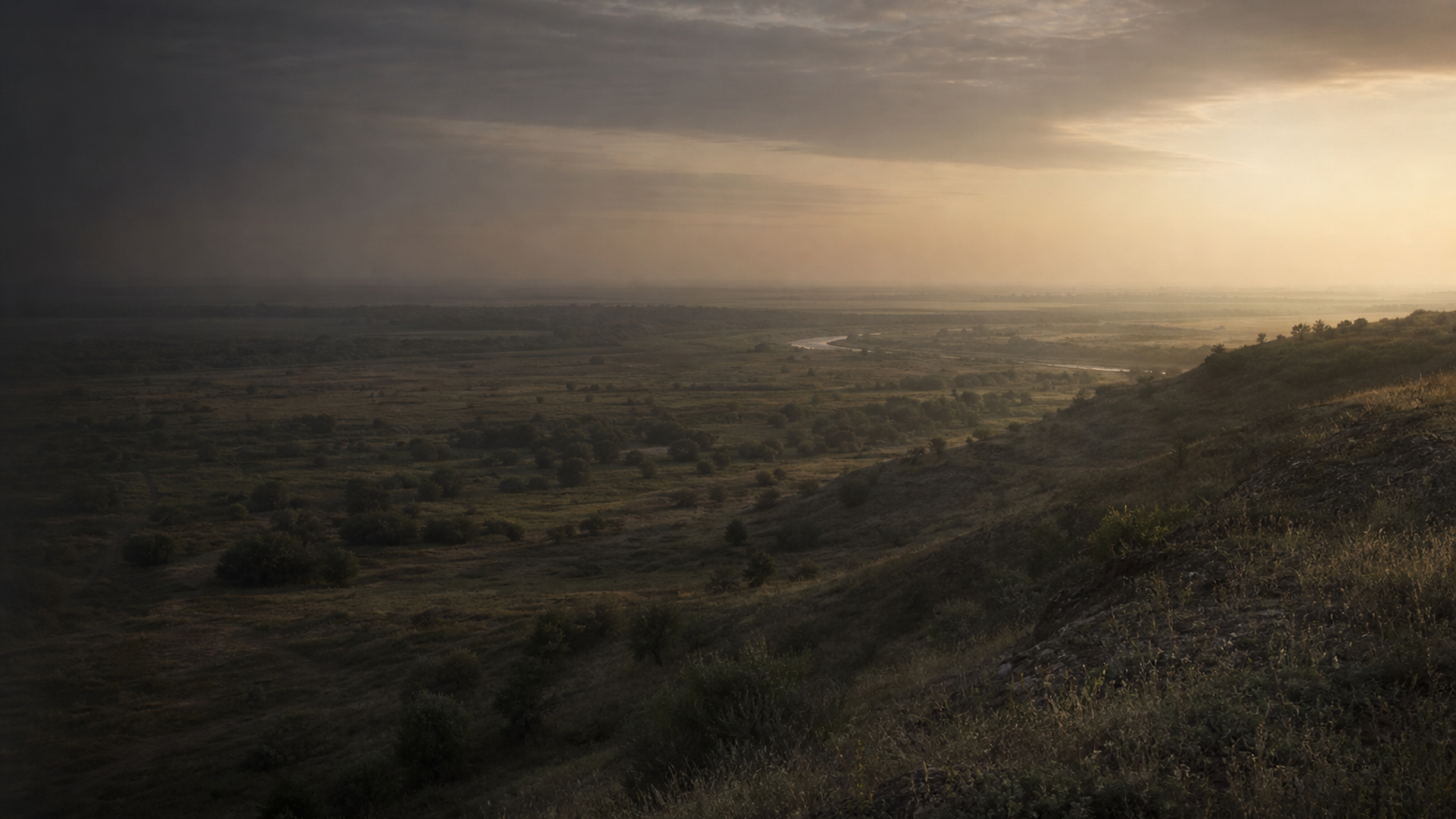
Across the low, riverine plains near the modern town of Vinkovci, the first fields of the Starčevo horizon spread like a new skin across the Neolithic landscape. Archaeological data indicates occupation at the Vinkovci-Nama site between c. 5650 and 5450 BCE, part of a wider Starčevo phenomenon that transformed the Balkans during the Early Neolithic. Pottery styles, longhouses and impressed ware place these people within the Starčevo cultural network that stretched through present-day Croatia, Serbia and Bosnia.

Genetically, Early Neolithic communities in this region are best understood as bearers of Anatolian-derived farmer ancestry that moved into Europe during the seventh–sixth millennia BCE. Limited evidence from three sampled individuals at Vinkovci-Nama supports this broader pattern: their mitochondrial lineages (HV, K, T2b) match maternal haplogroups often associated with early farming groups across Southeast Europe. The Y-DNA signal is sparse and includes haplogroups reported here as H and F; both are present in prehistoric contexts but require more data to resolve population-level significance.

Caution is essential: with only three samples, conclusions about migration paths, founder effects, and local admixture remain provisional. Archaeological context — settlement layout, ceramics and subsistence evidence — provides a richer, complementary story to the genetic snapshots.

  • Vinkovci-Nama occupied c. 5650–5450 BCE within the Starčevo cultural sphere
  • Material culture links to broader Early Neolithic Balkans patterns
  • Genetic affinity consistent with Anatolian-derived farmer ancestry (preliminary)
Chapitre IV

Daily Life & Society

Life at Vinkovci-Nama would have been shaped by the rhythms of river and soil. Archaeological remains attributed to Starčevo communities show cultivated cereals, pulses, and domestic animals such as cattle, sheep and goats; these staples powered a settlement economy built around mixed farming. Flecks of ochre, finely decorated pottery and simple flint tools imply a sensory world of cooked grain, red-painted bowls and repaired tools.

Houses in Starčevo contexts are often rectangular or elongated, suggesting family-based household units that managed plots and animals. Social life likely combined productive work with ritual expression: pottery motifs and occasional burial deposits hint at symbolic behavior and community memory. Seasonal mobility for pasture or resource gathering may have complemented sedentary cultivation, while craft specialization — pottery, stone knapping — created recognizable material signatures.

Archaeobotanical and zooarchaeological data from the wider Starčevo area indicate a diet centered on wheat and barley, supplemented by wild resources. This material record, paired with genetic indicators of farmer ancestry, paints a picture of communities adapting new agricultural practices to the rich floodplain environments of the eastern Adriatic hinterland.

  • Mixed farming economy: cereals, pulses, cattle, sheep and goats
  • Household-level settlements with pottery, flint tools and ritual deposits
Chapitre V

Genetic Profile

The genetic dataset from Croatia_EN_Starcevo comprises three Early Neolithic individuals from Vinkovci-Nama dated to c. 5650–5450 BCE. Although small, these samples offer a window into the biological makeup of Starčevo communities in eastern Croatia.

Mitochondrial DNA: The three mtDNA haplogroups observed — HV, K and T2b — are commonly reported in Early European farmers across Southeast and Central Europe. These maternal lineages are consistent with an influx of Anatolian-related farming populations during the Neolithic transition.

Y-chromosome DNA: The reported Y-haplogroups include H and F. Haplogroup F is a deep-rooted clade ancestral to many downstream lineages and is sometimes encountered in early farming and pre-farming contexts; haplogroup H (Y-H) is less frequently observed in European Neolithic samples but appears in a variety of ancient settings. Given the sample size (n=3), these Y-lineages should be treated as individual observations rather than definitive population-level markers.

Overall ancestry: Archaeological and genetic synthesis suggests these individuals carry the characteristic Early Farmer genetic profile — predominately Anatolian-related ancestry with variable, often low-level, contributions from local European hunter-gatherers. However, with fewer than 10 samples, any inference about regional structure, sex-biased processes, or fine-scale migrations is preliminary and requires broader sampling to test.

  • mtDNA: HV, K, T2b — typical Early Farmer maternal lineages
  • Y-DNA: H and F observed; small sample size makes conclusions tentative
Chapitre VI

Legacy & Modern Connections

The Starčevo occupants of Vinkovci-Nama left a legacy inscribed in both earth and genome. Archaeological traces mark a pivotal shift to farming landscapes in the eastern Adriatic basin — fields, pottery traditions and settlement forms that contributed to later Neolithic trajectories in the Balkans. Genetically, their Anatolian-related farmer ancestry forms a foundational layer in the genetic history of Southeast Europe.

Modern population genetics shows that descendants of these early farmers blended with incoming groups across millennia, producing the complex tapestry of lineages seen today. Yet it is important to avoid direct one-to-one identifications: cultural continuity in material terms does not always equate to unbroken genetic continuity. With only three ancient genomes from Vinkovci-Nama, connections to specific modern groups must remain cautious and framed as part of a long, multi-layered process of admixture and cultural change.

  • Contributed to the Neolithic transition in the Balkans and the spread of farming
  • Genetic legacy forms part of the deep Anatolian-derived ancestry in Europe (interpret cautiously)
Propulsé par l'IA

Assistant IA

Posez des questions sur la culture Dawn Farmers of Vinkovci

Assistant IA par DNAGENICS

Débloquer cette fonction
Posez des questions sur la culture Dawn Farmers of Vinkovci. L'assistant IA peut expliquer les résultats génétiques, le contexte historique, les preuves archéologiques et les liens génétiques avec les populations actuelles, dans les limites de l'interprétation.
Exemple d'analyse IA

La culture Dawn Farmers of Vinkovci représente un chapitre fascinant de l'histoire humaine…

L'analyse génétique met en évidence des similarités avec des populations antérieures et des signes d'adaptations propres. Les échantillons d'ADN ancien éclairent les schémas migratoires et les liens entre populations, avec des limites qui dépendent de l'étude et du contexte archéologique.

Il s'agit d'un aperçu de l'analyse IA. Accédez à l'assistant complet pour explorer :

  • Composition et similarité génétique
  • Schémas migratoires et origines
  • Vie quotidienne et pratiques culturelles
  • Contexte génétique actuel

Explorez d'autres cultures antiques

Découvrez les récits de civilisations issues du monde antique