Préparation du rapport

Chargement des informations et références disponibles

Connexion au corpus archéologique…

Collecte des archives antiques

Aller au contenu principal
Early Farmers of Vojvodina
Profil culturel

Early Farmers of Vojvodina

Three Neolithic individuals from Vojvodina offer a glimpse of the first farmers' lives and genes.

5610 CE - 4452 BCE
Serbia (Vojvodina)
Faites défiler pour commencer
Chapitre I

Le récit

Comprendre la culture Early Farmers of Vojvodina

Archaeogenetic and archaeological data from three Early Neolithic individuals (5610–4452 BCE) from Hrtkovci and Gomolova, Vojvodina, Serbia, show uniform male G lineages and mixed maternal haplogroups, consistent with Anatolian-farmer ancestry but preliminary due to small sample size.

Time Period

5610–4452 BCE

Region

Serbia (Vojvodina)

Common Y-DNA

G (3)

Common mtDNA

H*, K, HV

Chapitre II

Chronologie

Moments clés de l'histoire de cette culture

5610 BCE

Early Neolithic burials at Hrtkovci

Human remains dated to the Early Neolithic recovered from Hrtkovci (Vojvodina) mark local participation in the farmer expansion into the central Balkans.

Chapitre III

Origins & Emergence

The period 5610–4452 BCE in Vojvodina falls within the wider Early Neolithic expansion that brought farming from Anatolia into the central Balkans. Archaeological data indicates settlements and ritual deposits associated with Early Neolithic Serbia near Hrtkovci and Gomolova (Vojvodina). Material traces — pottery styles, domestic animal bones and cereal imprints documented regionally — fit the broader Starčevo–Körös horizon that reshaped local lifeways.

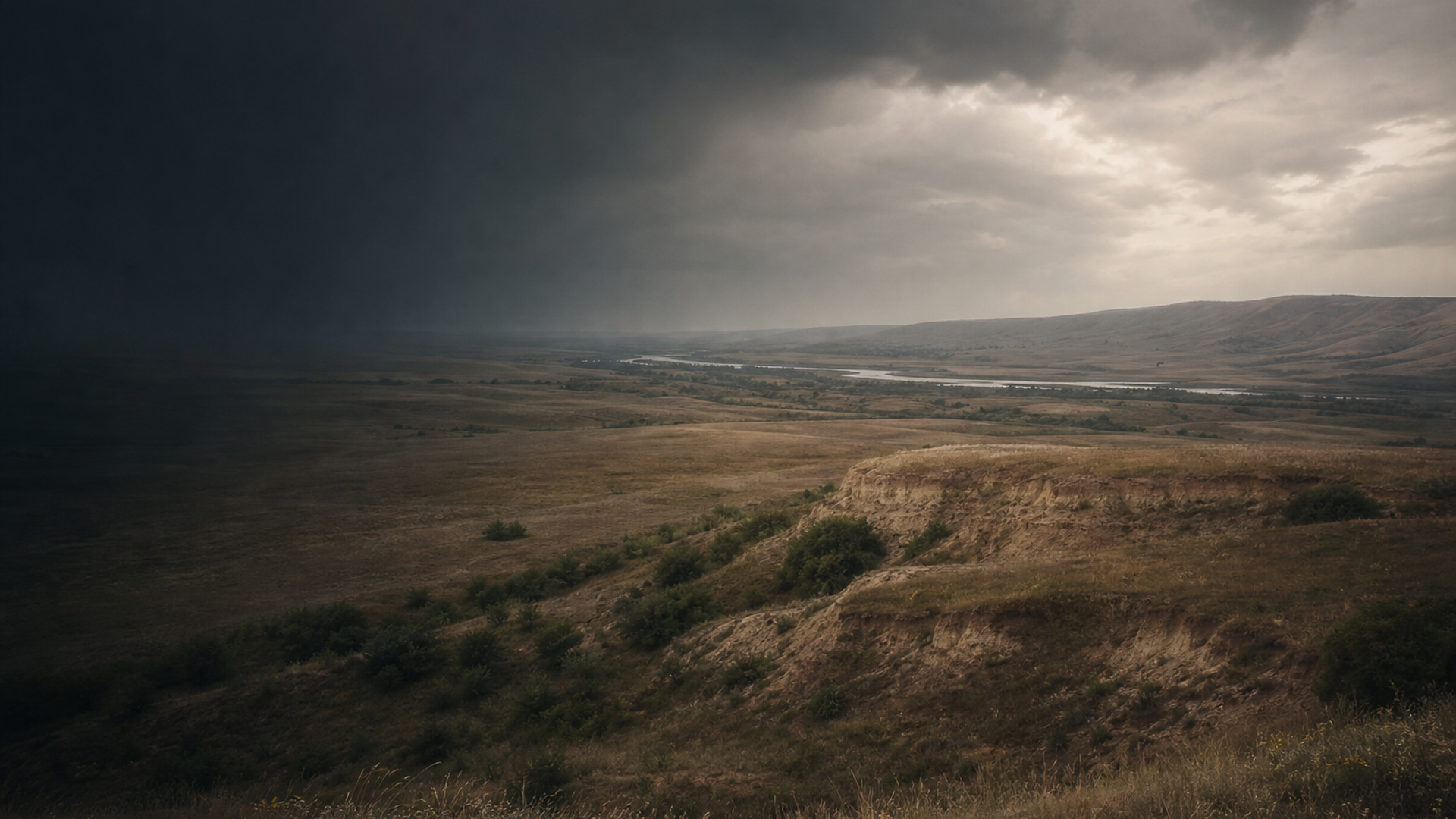
Cinematically, imagine river valleys newly staked with fields, reed-thatched longhouses, and pots cooling on hearths as the first generations of farmers established footholds on the Pannonian plain. Genetically, the Serbia_EN label groups individuals from this transformative wave. Limited evidence suggests these sites were part of a network of early farming communities that moved along river corridors and settled fertile lowlands.

Because only three genomes underlie this profile, conclusions about population movements must remain cautious. The archaeological signatures in Vojvodina combined with genetic affinities seen elsewhere in the Balkans support an origin story tied to westward-moving Anatolian farmers, but local complexity and interactions with Mesolithic groups likely shaped the emergent societies.

  • Associated with Early Neolithic expansion into the central Balkans
  • Site names: Hrtkovci and Gomolova (Vojvodina, Serbia)
  • Interpretations tentative due to very small sample size
Chapitre IV

Daily Life & Society

Archaeological remains from Early Neolithic sites in Vojvodina portray an economy based on domesticated plants and animals, pottery production, and settled hamlets. Hearth-centered houses and storage pits implied a seasonal rhythm of sowing, harvesting and animal husbandry. Stone tools and ground adzes attest to woodworking and construction activities necessary for longhouse architecture.

Burial practices in the region are varied; limited excavations at sites like Hrtkovci have produced isolated graves and inhumations that, when combined with regional parallels, suggest community-based funerary customs rather than monumental cemeteries. Artefacts and wear patterns hint at a division of labor that balanced household tasks with communal food production.

Environmentally, the Pannonian plain offered rich alluvial soils and riverine resources. Archaeobotanical finds from nearby Early Neolithic contexts typically include einkorn, emmer and pulses; faunal assemblages emphasize goats, sheep and cattle. These economic shifts reconfigured social relations, property concepts and mobility patterns.

All of these reconstructions remain conditioned by the fragmentary record at Hrtkovci and Gomolova: archaeological data indicates local settlement, but site-scale variability and limited excavation mean many aspects of daily life are inferred from regional comparisons.

  • Economy: domesticated cereals and herd animals; pottery and woodworking
  • Burials modest and variable; community-focused funerary practices
Chapitre V

Genetic Profile

The genetic dataset for Serbia_EN comprises three individuals dated between 5610 and 4452 BCE, recovered from Vojvodina sites Hrtkovci and Gomolova. All three male individuals carry Y-chromosome haplogroup G — a lineage widely associated in archaeogenetic studies with early European farmers (frequently represented by subclade G2a in broader datasets). Mitochondrial diversity among the three includes H*, K and HV.

This combination — uniform paternal G lineages alongside diverse maternal haplogroups — can reflect demographic processes seen elsewhere in Neolithic Europe: migrating farmer groups often display strong male-line founder effects with more heterogeneous maternal contributions. Archaeogenetic analyses across the Balkans consistently show substantial Anatolian Neolithic-related autosomal ancestry in Early Neolithic individuals; the Serbia_EN samples are likely part of that pattern, carrying the genetic signals of Anatolian-derived farmers mixed to varying degrees with local forager ancestry.

However, with only three genomes, these observations are preliminary. Small sample counts exaggerate apparent uniformity: the trio’s shared Y haplogroup might indicate kin burial, a local founder event, or simply sampling bias. Archaeological context combined with future larger datasets will be necessary to distinguish migration pulses from family or community structures. Until then, interpretations should emphasize uncertainty and the need for more samples.

  • All three males: Y-DNA haplogroup G — consistent with early farmer lineages
  • Maternal mtDNA: H*, K, HV — indicates maternal diversity; conclusions are preliminary
Chapitre VI

Legacy & Modern Connections

The genomes from Hrtkovci and Gomolova offer a window into the deep past of the central Balkans. Early Neolithic farmer ancestry introduced new crops, livestock and technologies that reshaped Europe’s demographic landscape; portions of this genetic legacy persist in later populations across the region. Archaeogenetic links between Anatolian-derived farmers and modern Europeans show a complex tapestry of continuity and admixture over millennia.

For Serbia, these early farmer genomes contribute to mapping how Neolithic ancestry entered and spread through the Pannonian plain. Yet the small sample size (three individuals) limits broad claims about continuity to modern groups. Rather than definitive answers, these data provide evocative starting points: they trace one early thread in a long story of migrations, local interactions and genetic recombination that ultimately formed the genetic mosaic of contemporary Southeastern Europe.

  • Contributes to the story of Anatolian-derived farmer ancestry reaching the Balkans
  • Interpretations of continuity with modern populations are tentative given sample scarcity
Propulsé par l'IA

Assistant IA

Posez des questions sur la culture Early Farmers of Vojvodina

Assistant IA par DNAGENICS

Débloquer cette fonction
Posez des questions sur la culture Early Farmers of Vojvodina. L'assistant IA peut expliquer les résultats génétiques, le contexte historique, les preuves archéologiques et les liens génétiques avec les populations actuelles, dans les limites de l'interprétation.
Exemple d'analyse IA

La culture Early Farmers of Vojvodina représente un chapitre fascinant de l'histoire humaine…

L'analyse génétique met en évidence des similarités avec des populations antérieures et des signes d'adaptations propres. Les échantillons d'ADN ancien éclairent les schémas migratoires et les liens entre populations, avec des limites qui dépendent de l'étude et du contexte archéologique.

Il s'agit d'un aperçu de l'analyse IA. Accédez à l'assistant complet pour explorer :

  • Composition et similarité génétique
  • Schémas migratoires et origines
  • Vie quotidienne et pratiques culturelles
  • Contexte génétique actuel

Explorez d'autres cultures antiques

Découvrez les récits de civilisations issues du monde antique