Préparation du rapport

Chargement des informations et références disponibles

Connexion au corpus archéologique…

Collecte des archives antiques

Aller au contenu principal
Germanic Horizons
Profil culturel

Germanic Horizons

Archaeology and DNA trace a people shaped by migration, trade, and the North Sea world

169 BCE - 2332 CE
Central & Northern Europe (Germany, UK, Poland, Italy, Netherlands…)
17 échantillons d'ADN antique
Faites défiler pour commencer
Chapitre I

Le récit

Comprendre la culture Germanic Horizons

Scientific synthesis of 491 Germanic-period genomes (169 BCE–2332 CE) linking burial sites in Germany, England, Italy and beyond to archaeological cultures and migratory events. Genetic data illuminate population continuity, mobility, and regional admixture while highlighting sampling limits.

Time Period

169 BCE – 2332 CE (dataset range)

Region

Central & Northern Europe (Germany, UK, Poland, Italy, Netherlands…)

Common Y-DNA

R (97), I (39), L (12), G (9), J (7)

Common mtDNA

H (91), U (56), J (34), K (21), T (20)

Chapitre II

Chronologie

Moments clés de l'histoire de cette culture

2500 BCE

Indo-European expansions begin to shape northern Europe

Bronze Age movements and cultural shifts set linguistic and genetic foundations later associated with Germanic-speaking populations.

Chapitre III

Origins & Emergence

The Germanic world emerges from a palimpsest of Bronze Age roots, Iron Age transformations and first-millennium CE migrations. Archaeological horizons tied to the Wielbark and Przeworsk cultures in what is now Poland and northern Germany (e.g., sites associated with the Wielbark Culture and Przeworsk Culture) show material changes — new grave rites, weapon types and craft networks — that archaeological data indicate were vectors for cultural identity between c. 300 BCE and 400 CE. The later migration-era movements that linked Scandinavia, northern Germany and the North Sea coasts with Britain are visible in Anglo-Saxon Early Medieval cemeteries in Kent (Eastry) and Cambridgeshire (Ely) and in continental burial grounds such as Anderten, Drantum and Dunum in Lower Saxony and Alteglofsheim or Altheim in Bavaria.

Genetic evidence complements this archaeological picture by revealing both continuity and admixture. The deep-rooted Indo-European substrate that likely contributed to early Germanic languages has antecedents stretching back to the third and second millennia BCE; limited ancient DNA from earlier periods implies ancestral components shared across northern Europe. Archaeological chronology and radiocarbon-dated graves form the scaffold for interpreting genome-wide shifts: where a cemetery shows a change in grave goods or rite, genomes sometimes show increased eastern or southern ancestry — consistent with episodes of migration and local integration. Uneven sampling and preservation bias mean these patterns are robust in aggregate (491 samples) but can be tentative at single sites, so regional synthesis remains the safest interpretive frame.

  • Cultural roots in Bronze/Iron Age Central and Northern Europe
  • Material culture shifts visible at Wielbark and Przeworsk-linked sites
  • Archaeology and radiocarbon provide temporal anchors for genetic change
Chapitre IV

Daily Life & Society

Beneath the broad sweep of migrations, the lived world of Germanic communities was local and vividly material. Settlement archaeology and cemeteries from Bavaria (Altenerding-Klettham, Alteglofsheim), Lower Saxony (Anderten, Drantum, Dunum) and northern Italy (Collegno) reveal timber halls, longhouses, specialized craft zones and burial rites that encoded social status — weapon burials for some men, rich female graves with beads and brooches, and varied infant graves. In Anglo-Saxon England, cemeteries such as Eastry and Ely preserve grave alignments and grave goods that articulate community identities and changing connections across the North Sea.

Economy and diet were mixed: archaeobotanical and zooarchaeological data indicate cereal agriculture, pig and cattle herding, supplemented by fishing and coastal resources in maritime zones. Craft specialization — ironworking, textile production, glass and amber trade — linked inland settlements to long-distance exchange networks stretching to the Mediterranean and the Baltic. Climate fluctuations and shifting trade routes tracked in the archaeological record likely shaped mobility: some people moved seasonally, others permanently, while kin networks and alliances mediated integration of newcomers. Osteological indicators and isotopes occasionally reveal nonlocal childhood origins, corroborating stories of movement seen in both artifacts and genomes.

Archaeological evidence indicates unequal preservation across regions; many inland and southern sites provide richer organic archives than peat-covered marsh cemeteries, which biases reconstructions of everyday life.

  • Longhouses, timber halls and craft zones in settlement archaeology
  • Grave goods and isotopes show mobility, trade and social differentiation
Chapitre V

Genetic Profile

The dataset of 491 genomes spanning 169 BCE to 2332 CE provides a dense window into population dynamics traditionally labeled “Germanic.” Y-chromosome data show a dominance of haplogroup R (97 samples) with substantial representation of I (39), and smaller counts of L (12), G (9) and J (7). These distributions reflect a northern/central European male lineage core (R and I) together with low-frequency lineages that point to episodic contacts with southern and eastern regions. Mitochondrial diversity centers on haplogroup H (91), U (56), J (34), K (21) and T (20), a pattern typical for Europe but with regional shifts that track past movement and admixture.
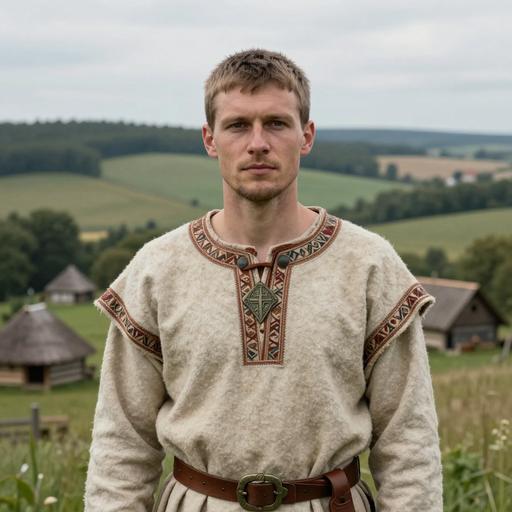
Genome-wide analyses reveal three broad tendencies: (1) local continuity in many regions — especially where material culture remains stable — indicating descent from preceding Iron Age populations; (2) pulses of admixture coinciding with migration-era horizons, where eastern or southern ancestry components increase at some sites (consistent with archaeological signals of incoming groups such as Langobards into Northern Italy and Hungary); and (3) high intra-population diversity in port and frontier zones (e.g., Frisian and coastal Dutch sites), reflecting trade and mobility across the North Sea.
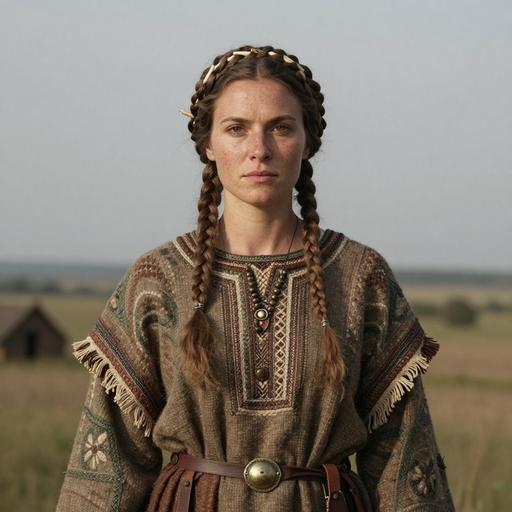
Caveats: sampling is geographically uneven (more samples from Germany and England), and some haplogroups with low counts should be treated cautiously. If particular site sample sizes are small (<10), conclusions about that cemetery remain preliminary. The dataset’s long nominal date range includes late or anomalous metadata entries that require careful contextual vetting before historical inference.

  • Dominant Y-DNA lineages: R and I; mtDNA centered on H and U
  • Genome-wide signals show local continuity plus episodic admixture
Chapitre VI

Legacy & Modern Connections

The archaeological and genetic legacy of Germanic-speaking communities is woven into modern European populations and languages. Place names, linguistic substrata and genetic echoes persist across northern Europe: coastal and inland populations show varying proportions of the ancestral components identified in ancient genomes. Historical groups identified archaeologically — Anglo-Saxons in England, Langobards in Italy and Hungary, and regional Saxons across northern Germany and the Netherlands — contributed to regional gene pools through both migration and assimilation.

Ancient DNA clarifies that modern ancestry is a palimpsest: rather than wholesale replacement, many regions experienced admixture and continuity. This helps explain why genetic signals linked to ‘Germanic’ archaeology are shared with neighboring populations: borders were porous, and identities were fluid. Future sampling from understudied regions and tightly dated cemeteries (and careful curation of anomalous dates) will continue to refine how we link material culture, language spread and genetic ancestry. Limited evidence from particular sites must be framed as preliminary until corroborated by larger samples.

  • Modern northern European genomes retain mixed ancestry from migration-era events
  • Archaeology + DNA show continuity with episodes of migration and integration
Chapitre VII

Catalogue d'échantillons

17 échantillons d'ADN antique associés à la culture Germanic Horizons offrent des repères génétiques sur les populations de cette période.

17 / 17 échantillons
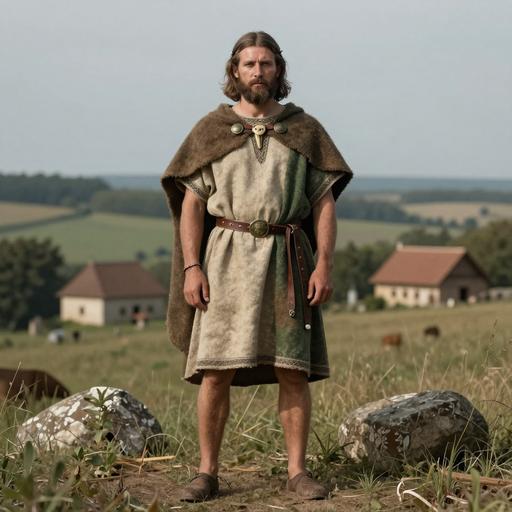
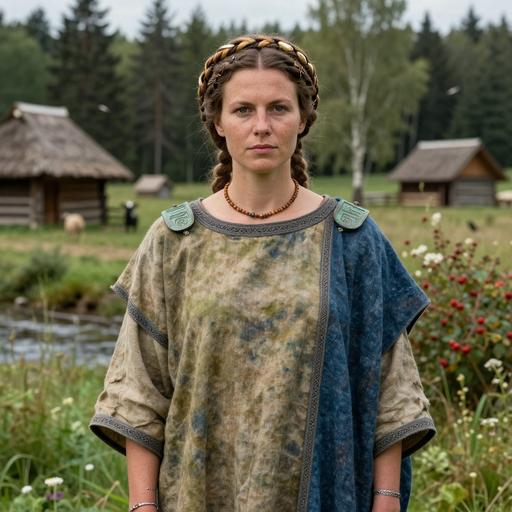
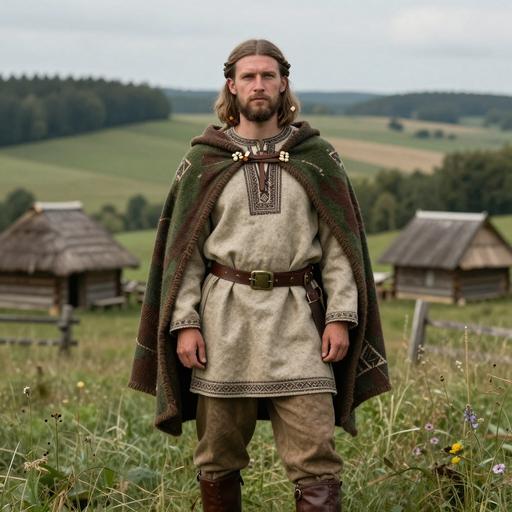
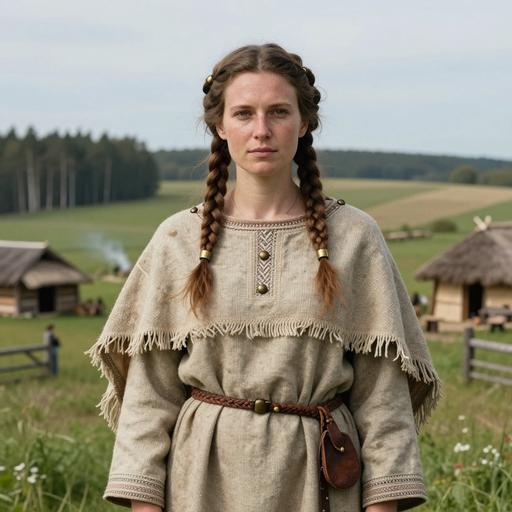
Portrait Échantillon Pays Époque Date Culture Sexe Y-ADN ADNmt
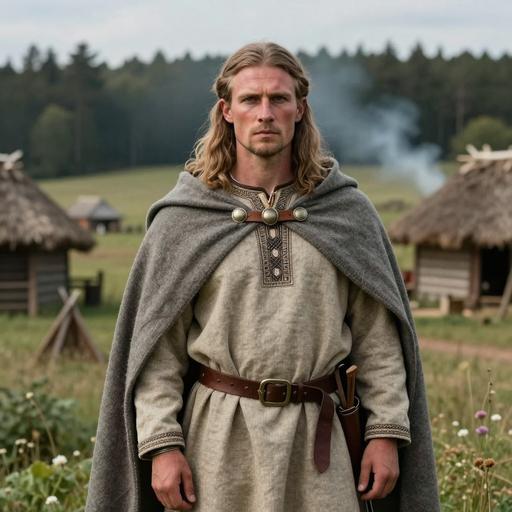
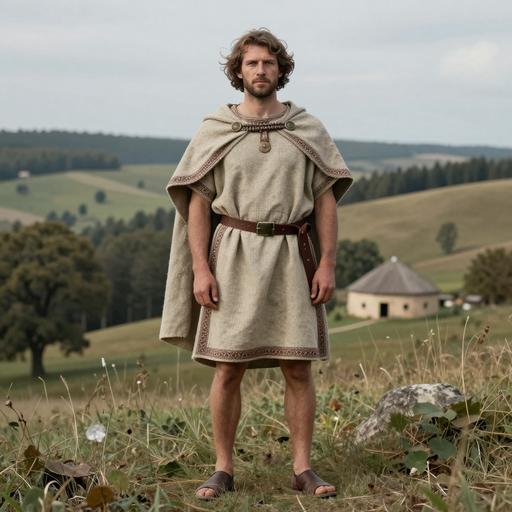
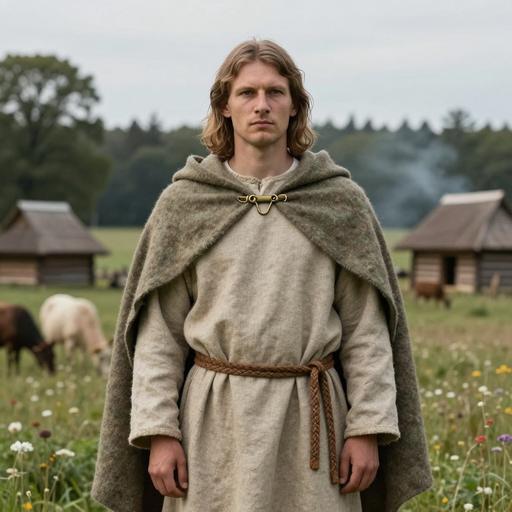
Reconstruction artistique de IA Wielbark individual, Poland
IA Wielbark individual, Poland
Poland Poland_Maslomecz_Wielbark_IA 211-383 calCE Germanic M M2012 U3a1a
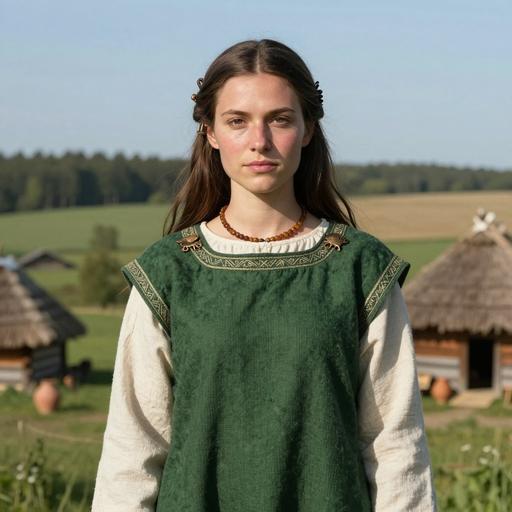
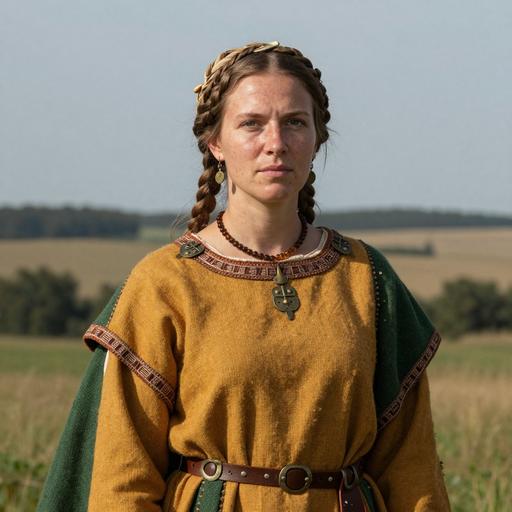
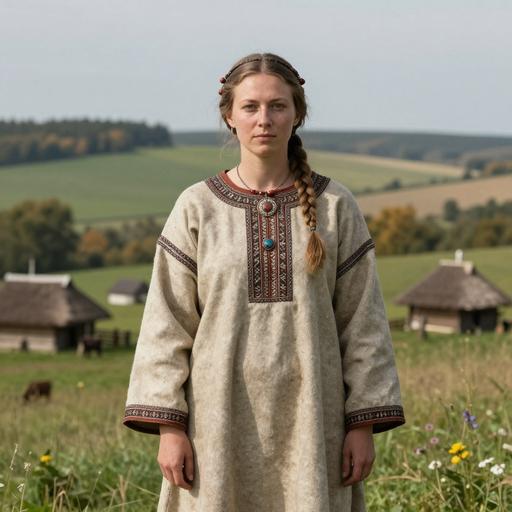
Reconstruction artistique de IA Wielbark individual, Poland
IA Wielbark individual, Poland
Poland Poland_Maslomecz_Wielbark_IA 132-262 calCE Germanic F - J1c3
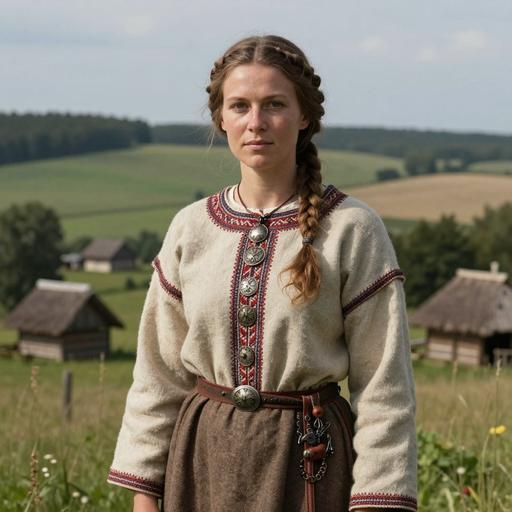
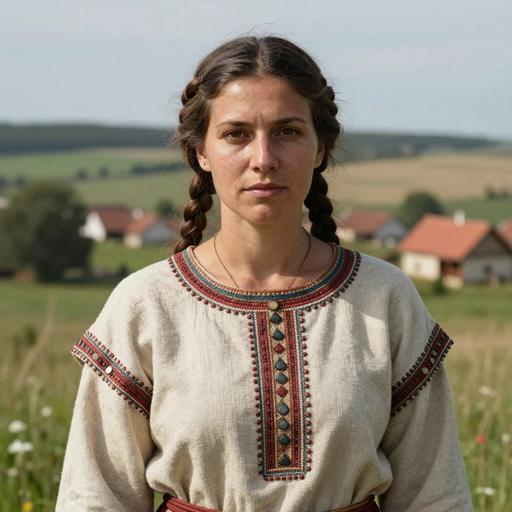
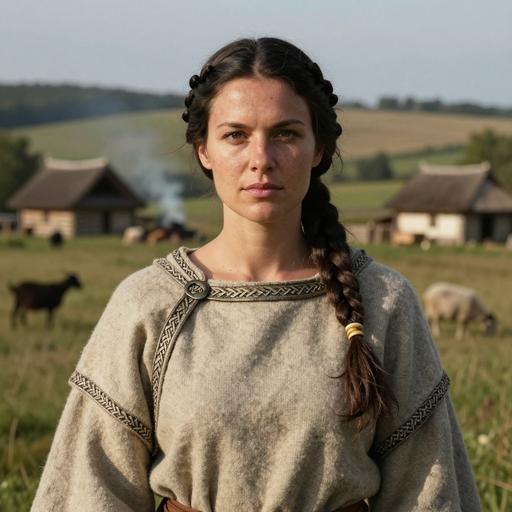
Reconstruction artistique de IA Wielbark individual, Poland
IA Wielbark individual, Poland
Poland Poland_Maslomecz_Wielbark_IA 200-400 CE Germanic F - U3a1a
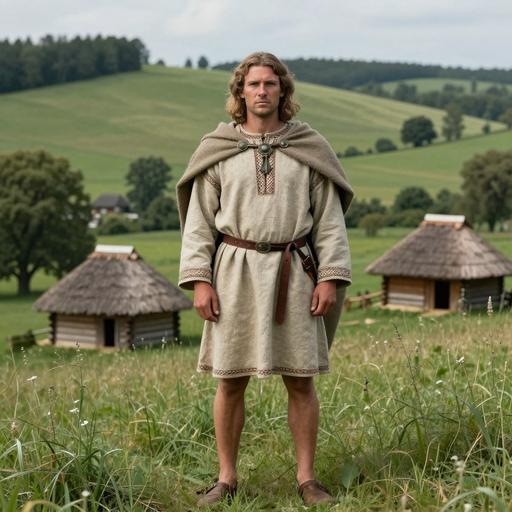
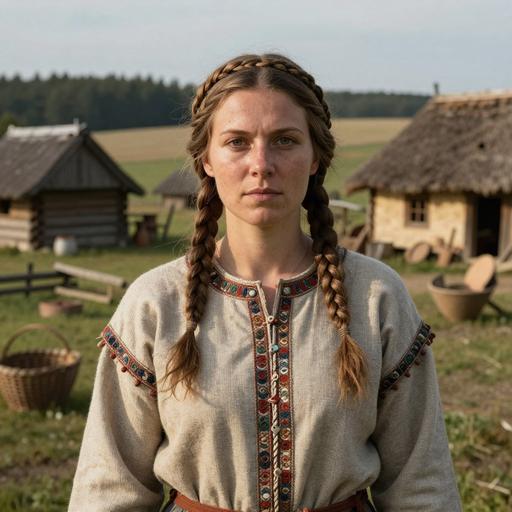
Reconstruction artistique de IA Wielbark individual, Poland
IA Wielbark individual, Poland
Poland Poland_Maslomecz_Wielbark_IA 200-400 CE Germanic M P30 U5a1b3
Reconstruction artistique de IA Wielbark individual, Poland
IA Wielbark individual, Poland
Poland Poland_Maslomecz_Wielbark_IA 133-330 calCE Germanic U - H16
Reconstruction artistique de IA Wielbark individual, Poland
IA Wielbark individual, Poland
Poland Poland_Maslomecz_Wielbark_IA 328-431 calCE Germanic M L80 T
Reconstruction artistique de IA Wielbark individual, Poland
IA Wielbark individual, Poland
Poland Poland_Maslomecz_Wielbark_IA 200-400 CE Germanic U - HV0f
Reconstruction artistique de IA Wielbark individual, Poland
IA Wielbark individual, Poland
Poland Poland_Maslomecz_Wielbark_IA 200-400 CE Germanic U - H1cg
Reconstruction artistique de IA Wielbark individual, Poland
IA Wielbark individual, Poland
Poland Poland_Maslomecz_Wielbark_IA 128-258 calCE Germanic M Z2040 HV0f
Reconstruction artistique de IA Wielbark individual, Poland
IA Wielbark individual, Poland
Poland Poland_Maslomecz_Wielbark_IA 200-400 CE Germanic M L22 K1c1
Propulsé par l'IA

Assistant IA

Posez des questions sur la culture Germanic Horizons

Assistant IA par DNAGENICS

Débloquer cette fonction
Posez des questions sur la culture Germanic Horizons. L'assistant IA peut expliquer les résultats génétiques, le contexte historique, les preuves archéologiques et les liens génétiques avec les populations actuelles, dans les limites de l'interprétation.
Exemple d'analyse IA

La culture Germanic Horizons représente un chapitre fascinant de l'histoire humaine…

L'analyse génétique met en évidence des similarités avec des populations antérieures et des signes d'adaptations propres. Les échantillons d'ADN ancien éclairent les schémas migratoires et les liens entre populations, avec des limites qui dépendent de l'étude et du contexte archéologique.

Il s'agit d'un aperçu de l'analyse IA. Accédez à l'assistant complet pour explorer :

  • Composition et similarité génétique
  • Schémas migratoires et origines
  • Vie quotidienne et pratiques culturelles
  • Contexte génétique actuel

Explorez d'autres cultures antiques

Découvrez les récits de civilisations issues du monde antique