Préparation du rapport

Chargement des informations et références disponibles

Connexion au corpus archéologique…

Collecte des archives antiques

Aller au contenu principal
Goyet Gravettian — Belgium's Paleolithic Echo
Profil culturel

Goyet Gravettian — Belgium's Paleolithic Echo

Four ancient genomes from Goyet Cave illuminate Gravettian life and early European ancestry, interpreted cautiously.

26307 CE - 23994 BCE
Wallonia, Belgium (Goyet Cave, Troisième caverne)
4 échantillons d'ADN antique
Faites défiler pour commencer
Chapitre I

Le récit

Comprendre la culture Goyet Gravettian — Belgium's Paleolithic Echo

Human remains from Goyet Cave (c. 26,307–23,994 BCE) offer a rare glimpse of the Gravettian in Belgium. Four genomes provide preliminary links between archaeology and deep ancestry; conclusions remain tentative due to small sample size.

Time Period

c. 26,307–23,994 BCE

Region

Wallonia, Belgium (Goyet Cave, Troisième caverne)

Common Y-DNA

Undetermined (4 samples; preliminary)

Common mtDNA

Undetermined (4 samples; preliminary)

Chapitre II

Chronologie

Moments clés de l'histoire de cette culture

26000 BCE

Gravettian occupation at Goyet Cave (Troisième caverne)

Archaeological layers and radiocarbon dates place human activity in the Troisième caverne around 26,300–24,000 BCE, associated with Gravettian tools and faunal remains.

Chapitre III

Origins & Emergence

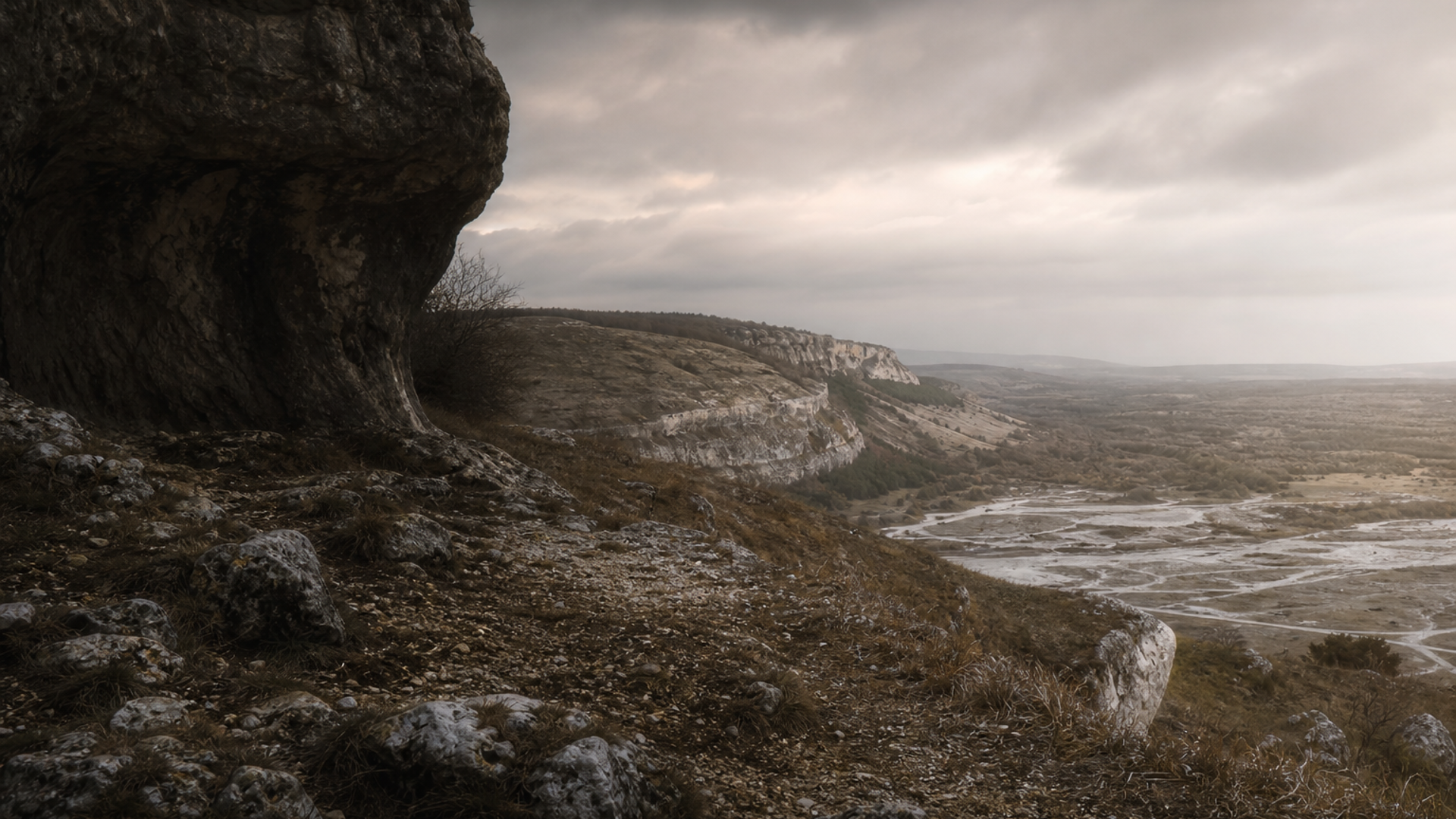
Beneath the dark throat of Goyet Cave, on a limestone ridge above the Meuse, humans of the Gravettian horizon occupied, hunted, and left traces between roughly 26,307 and 23,994 BCE. Archaeological data indicate repeated episodes of use at the Troisième caverne (Gesves, Namur province), where lithics, faunal bones and ornament fragments weave a picture of mobile, skilled hunter-gatherers adapting to cold, steppe-like environments.

The Gravettian tradition across Europe is characterized by small backed blades, personal ornaments, and an emphasis on big-game hunting. In Belgium, layers at Goyet preserve stone tool assemblages and faunal remains consistent with this broader cultural package. Limited evidence suggests seasonal occupation patterns and specialized hunting of reindeer, horse and other Pleistocene fauna nearby.

Genetically, these people lived during a turbulent climatic interval of the Last Glacial Maximum’s decline. Archaeological context from Goyet anchors the genetic samples to a specific landscape and material culture, letting us ask how cultural patterns and ancestry moved together. Given the small sample set (four genomes), the timing and pattern of arrival, local continuity, and relationships to neighboring groups remain hypotheses that require more data to confirm.

  • Goyet Cave (Troisième caverne) yields Gravettian layers dated c. 26,307–23,994 BCE
  • Material culture: backed blades, ornaments, big-game hunting evidence
  • Occupational sequences suggest repeated seasonal use of the cave
Chapitre IV

Daily Life & Society

Archaeological deposits at Goyet evoke a cinematic winter: smoke-stained floors, concentrated hearths, and caches of flaked stone. The Gravettian toolkit found in the Troisième caverne includes small, retouched blades and burins optimized for working hides and wood—tools that supported clothing production, shelter construction, and scorched winter diets.

Faunal assemblages, though affected by post-depositional processes, point to reliance on migratory ungulates. Bone fragmentation patterns and cut marks suggest skilled butchery and marrow extraction. Personal ornaments—beads and carved pendants—testify to symbolic life, social ties and long-distance exchange networks that carried raw materials and styles across hundreds of kilometers.

Burial practices in Gravettian contexts elsewhere combine with ornamentation to suggest social differentiation; at Goyet, human remains are present but the mortuary record is fragmentary. Archaeological data indicate complex social behaviors but cannot, on their own, reveal kinship or detailed social structure. Integration with genetic data offers one path to testing these social hypotheses.

  • Stone tools and faunal remains indicate specialized hunting, hide-working, and seasonal occupation
  • Ornaments and symbolic artifacts imply social networks and identity beyond immediate camps
Chapitre V

Genetic Profile

Four ancient genomes from the Troisième caverne at Goyet provide a precious, though limited, window into Gravettian ancestry in Belgium. Archaeogenetic analyses link these individuals to broader Upper Paleolithic genetic variation seen across Europe, but with strong caveats: sample count is low (<10), so population-level inferences are provisional.


Where larger Gravettian datasets exist, researchers have observed mitochondrial lineages of haplogroup U variants and Y-chromosome lineages that often fall within early European lineages (for example, basal branches of I or C in some sites). However, for the Goyet individuals specifically, published site-level haplogroup assignments are limited or undetermined; therefore we emphasize uncertainty rather than firm claims.

Despite sparse direct haplogroup information, genomic affinities suggest these Goyet individuals contribute to the deep ancestry of later European populations. Patterns of shared genetic drift and allele frequencies link them to contemporaneous Gravettian groups in Central and Eastern Europe, hinting at mobility and contact on a subcontinental scale. Future sampling and higher-coverage genomes are required to clarify sex-specific lineages, kinship, and the role of the Goyet population in postglacial demographic re-expansions.

  • Four genomes provide preliminary links to broader Gravettian genetic variation
  • Site-level haplogroups are undetermined; conclusions remain tentative due to small sample size
Chapitre VI

Legacy & Modern Connections

The human echoes from Goyet tie the soil of modern Belgium to a deep Paleolithic past. Archaeological remains show cultural ties across Europe; genetic signals—though preliminary—suggest that the people who used Goyet contributed ancestry components that persisted in postglacial populations. This legacy is not a direct line to any single modern group, but part of a mosaic of ancestries that formed European genetic landscapes over millennia.

For public audiences and ancestry platforms, the correct message is caution: with only four genomes, interpretations must be humble. Yet each sequence enriches the narrative of human resilience, mobility, and cultural creativity at the end of the Ice Age. Continued excavation and sequencing will sharpen the picture, turning evocative whispers from Troisième caverne into robust stories of connection.

  • Goyet contributes to the broad ancestry mosaic of postglacial Europe
  • Small sample size means modern connections are suggestive, not definitive
Chapitre VII

Catalogue d'échantillons

4 échantillons d'ADN antique associés à la culture Goyet Gravettian — Belgium's Paleolithic Echo offrent des repères génétiques sur les populations de cette période.

4 / 4 échantillons
Portrait Échantillon Pays Époque Date Culture Sexe Y-ADN ADNmt
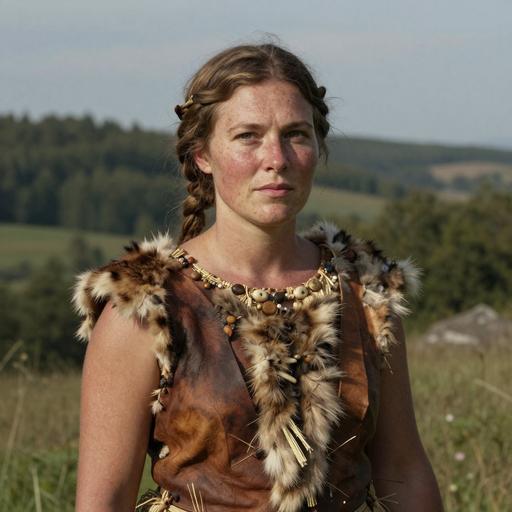
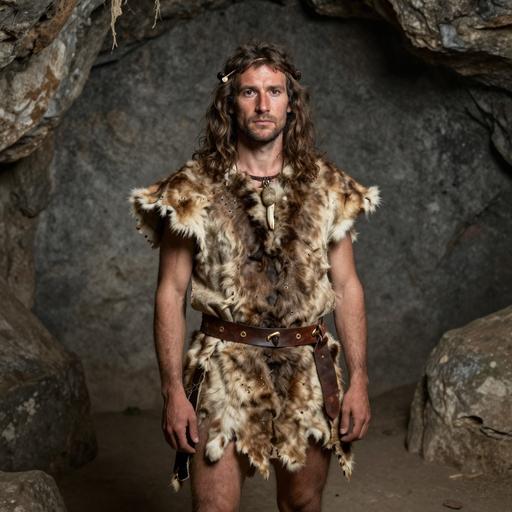
Reconstruction artistique de Gravettian individual, Belgium
Gravettian individual, Belgium
Belgium Belgium_Gravettian 24410-23994 calBCE (21910±70 BP, GrM-13122) Pre-civilization F - -
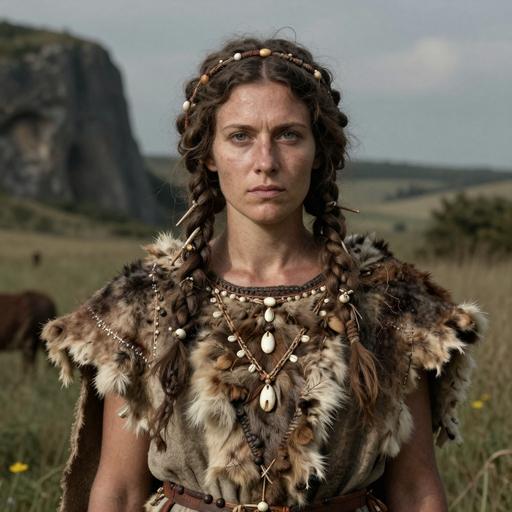
Reconstruction artistique de Gravettian individual, Belgium
Gravettian individual, Belgium
Belgium Belgium_Gravettian 26307-25753 calBCE (23780±120 BP, GrA-66437) Pre-civilization F - -
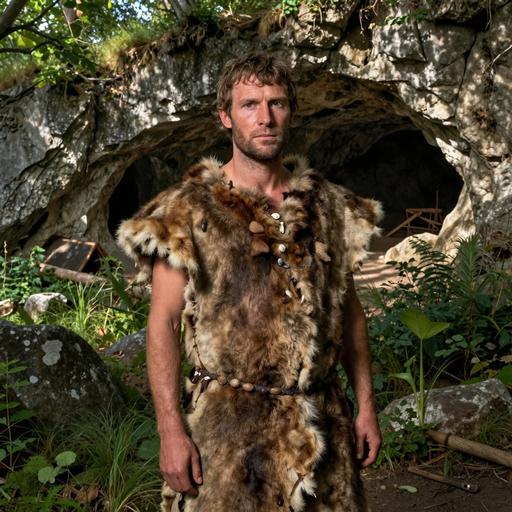
Reconstruction artistique de Pre-civilization individual, Belgium
Pre-civilization individual, Belgium
Belgium Belgium_Gravettian 25728 BCE Pre-civilization M - -
Reconstruction artistique de Pre-civilization individual, Belgium
Pre-civilization individual, Belgium
Belgium Belgium_Gravettian 26062 BCE Pre-civilization M - -
Propulsé par l'IA

Assistant IA

Posez des questions sur la culture Goyet Gravettian — Belgium's Paleolithic Echo

Assistant IA par DNAGENICS

Débloquer cette fonction
Posez des questions sur la culture Goyet Gravettian — Belgium's Paleolithic Echo. L'assistant IA peut expliquer les résultats génétiques, le contexte historique, les preuves archéologiques et les liens génétiques avec les populations actuelles, dans les limites de l'interprétation.
Exemple d'analyse IA

La culture Goyet Gravettian — Belgium's Paleolithic Echo représente un chapitre fascinant de l'histoire humaine…

L'analyse génétique met en évidence des similarités avec des populations antérieures et des signes d'adaptations propres. Les échantillons d'ADN ancien éclairent les schémas migratoires et les liens entre populations, avec des limites qui dépendent de l'étude et du contexte archéologique.

Il s'agit d'un aperçu de l'analyse IA. Accédez à l'assistant complet pour explorer :

  • Composition et similarité génétique
  • Schémas migratoires et origines
  • Vie quotidienne et pratiques culturelles
  • Contexte génétique actuel

Explorez d'autres cultures antiques

Découvrez les récits de civilisations issues du monde antique