Préparation du rapport

Chargement des informations et références disponibles

Connexion au corpus archéologique…

Collecte des archives antiques

Aller au contenu principal
Lech Valley Middle Bronze Age
Profil culturel

Lech Valley Middle Bronze Age

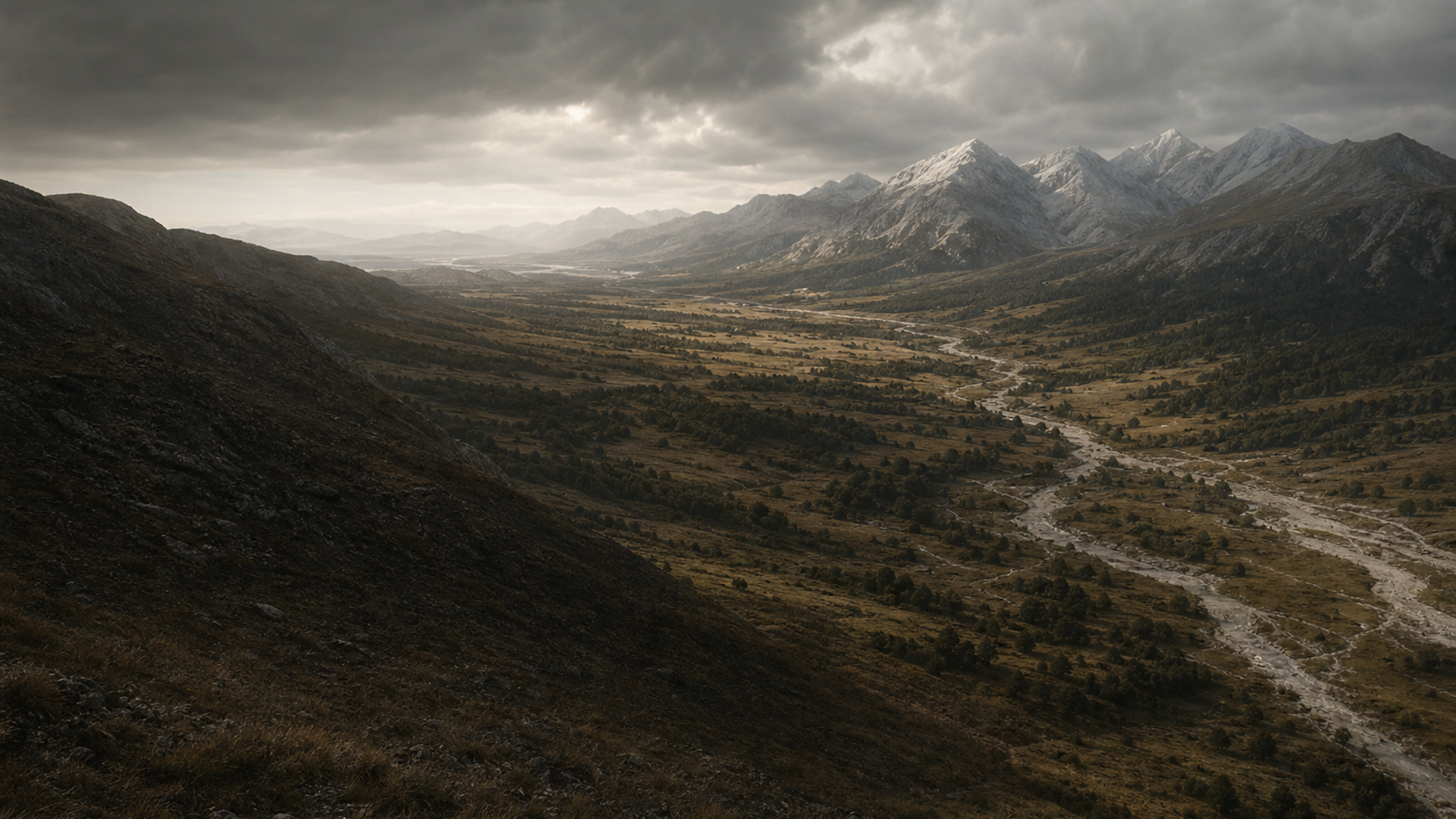
A riverine landscape of bronze, bones, and emerging genetic clues

2193 CE - 1224 BCE
Lech Valley, Bavaria, Germany
Faites défiler pour commencer
Chapitre I

Le récit

Comprendre la culture Lech Valley Middle Bronze Age

Archaeological remains from the Lech Valley (2193–1224 BCE) reveal a Middle Bronze Age community centered on Oberottmarshausen and Haunstetten. Fifteen genomes show maternal continuity and limited paternal diversity; interpretations remain preliminary.

Time Period

2193–1224 BCE

Region

Lech Valley, Bavaria, Germany

Common Y-DNA

R (1), R/K (1), CT (1) — low counts

Common mtDNA

H (5), J (3), U (2), X (1), T (1)

Chapitre II

Chronologie

Moments clés de l'histoire de cette culture

2193 BCE

Earliest sampled individuals

Radiocarbon-dated individuals from Oberottmarshausen mark the start of the dataset (2193 BCE); these remains anchor initial genetic inferences.

Chapitre III

Origins & Emergence

The Lech Valley communities sampled here lived along the river corridor of what is now Bavaria during the Middle Bronze Age (2193–1224 BCE). Archaeological data indicates continuity of settlement in the Oberottmarshausen and Haunstetten areas, where gravel pits and small urban fringes preserved domestic debris and funerary deposits. The landscape is painted in broad strokes by metalworking sparks and ceramic assemblages: bronze tools and ornaments appear in regional contexts, suggesting active participation in long-distance exchange across Central Europe.

Limited evidence suggests these groups maintained local traditions while also adopting material forms circulating through Bronze Age networks. Radiocarbon dates anchoring the dataset fall across the 22nd to 13th centuries BCE, a period of dynamic social reorganization elsewhere in Europe. The genetic sample (15 individuals) provides a nascent glimpse into biological ancestry but is small enough that demographic stories remain tentative. Archaeological indicators — settlement traces, burial fragments, and stray metalwork — combine with these genomes to create a portrait that is cinematic in its textures but careful in its claims.

  • Settlements focused along the Lech river corridor (Oberottmarshausen, Haunstetten).
  • Material culture shows regional Bronze Age connections and local continuity.
  • Radiocarbon dated range: 2193–1224 BCE; sample size is 15 individuals.
Chapitre IV

Daily Life & Society

Life in the Lech Valley Middle Bronze Age can be imagined in tactile vignettes: farmers tending barley and pulses on river meadows, metalworkers hammering bright bronze on anvil stones, and households assembling pottery forms that echo regional fashions. Archaeological excavations at Kiesgrube Lauter (Oberottmarshausen) and Haunstetten-Postillionstraße have revealed domestic features, cremation-related deposits and stray finds that imply mixed mortuary practices.

Social organization likely revolved around small farming communities linked by seasonal markets and exchange routes that followed river valleys. Bronze items — tools, pins, and simple ornaments — indicate craft specialization and access to copper and tin networks, though the scale of production remains unclear. The material record shows both everyday utility and symbolic display: personal ornaments and carefully made ceramics that would have marked identity in life and death. While the archaeological picture is richer than the genetic one, together they hint at a society shaped by local ties and wider Bronze Age currents.

  • Economy: mixed agriculture with craft specialization (bronze working evident).
  • Mortuary evidence suggests varied funerary practices; both inhumation and cremation contexts are reported regionally.
Chapitre V

Genetic Profile

The genetic dataset from Germany_Lech_MBA comprises 15 individuals dated between 2193 and 1224 BCE. Maternal lineages are dominated by haplogroup H (5 individuals) with additional representation of J (3), U (2), X (1), and T (1). This mtDNA mix is consistent with broader Bronze Age Europe, where H is frequently common and other haplogroups reflect diverse maternal ancestries.

Paternal coverage is sparse: three identifiable Y-haplogroups appear as R (1), R/K (1), and CT (1). Low Y-sample counts limit confident statements about male-line continuity or migration; the presence of R-affiliated lineages aligns with widespread Bronze Age patterns in Europe but must be treated as preliminary.

When archaeology and genetics are read together, a cautious narrative emerges: archaeological data indicates long-standing local practices with influxes of material culture, while mtDNA suggests maternal continuity through the Middle Bronze Age. The limited and uneven Y-DNA signal underscores the need for more male-line sampling before asserting demographic shifts. Overall, these genomes provide promising but tentative insights into population structure, mobility, and kinship in the Lech Valley.

  • mtDNA dominated by H (5) with J, U, X, T present — maternal continuity suggested.
  • Y-DNA sparse (three reported haplotypes); low counts make paternal conclusions preliminary.

Chapitre VI

Legacy & Modern Connections

The echoes of the Middle Bronze Age in the Lech Valley are visible in the soil and in our genes. Maternal haplogroups common in these samples, especially H, persist widely in modern European populations, hinting at deep maternal continuity in the region. Archaeological continuities — craft traditions, settlement locations by the Lech, and riverine exchange routes — likely shaped local cultural landscapes that would be inherited and transformed in later centuries.

It is important to stress uncertainty: with only 15 individuals and limited paternal resolution, direct links to specific modern groups cannot be asserted. Instead, these data illuminate a chapter in a long regional story: communities rooted in river valleys, participating in Bronze Age networks, and leaving biological traces that invite further sampling and interdisciplinary study.

  • Maternal lineages (notably H) show continuity with broader European populations.
  • Conclusions about direct modern descent are tentative due to sample size and coverage.
Propulsé par l'IA

Assistant IA

Posez des questions sur la culture Lech Valley Middle Bronze Age

Assistant IA par DNAGENICS

Débloquer cette fonction
Posez des questions sur la culture Lech Valley Middle Bronze Age. L'assistant IA peut expliquer les résultats génétiques, le contexte historique, les preuves archéologiques et les liens génétiques avec les populations actuelles, dans les limites de l'interprétation.
Exemple d'analyse IA

La culture Lech Valley Middle Bronze Age représente un chapitre fascinant de l'histoire humaine…

L'analyse génétique met en évidence des similarités avec des populations antérieures et des signes d'adaptations propres. Les échantillons d'ADN ancien éclairent les schémas migratoires et les liens entre populations, avec des limites qui dépendent de l'étude et du contexte archéologique.

Il s'agit d'un aperçu de l'analyse IA. Accédez à l'assistant complet pour explorer :

  • Composition et similarité génétique
  • Schémas migratoires et origines
  • Vie quotidienne et pratiques culturelles
  • Contexte génétique actuel

Explorez d'autres cultures antiques

Découvrez les récits de civilisations issues du monde antique