Préparation du rapport

Chargement des informations et références disponibles

Connexion au corpus archéologique…

Collecte des archives antiques

Aller au contenu principal
Modern Australia: Threads of a Continent
Profil culturel

Modern Australia: Threads of a Continent

Archaeology and DNA illuminating contemporary Australian identities

2000 CE
Australia
Faites défiler pour commencer
Chapitre I

Le récit

Comprendre la culture Modern Australia: Threads of a Continent

An integrative overview connecting archaeological continuity across Australia with genetic signals in 11 modern-era samples (2000 CE). Discusses heritage, colonial layers, and the limits of small-sample genetic inference for ancestry interpretation.

Time Period

2000 CE (Modern)

Region

Australia

Common Y-DNA

Not specified in these samples; broader studies show Indigenous & recent European lineages

Common mtDNA

Not specified in these samples; broader studies show deep Indigenous maternal lineages and recent admixture

Chapitre II

Chronologie

Moments clés de l'histoire de cette culture

2500 BCE

Regional cultural developments

Archaeological records show continued Indigenous occupation and regional cultural practices across Australia, part of a much longer human presence on the continent.

Chapitre III

Origins & Emergence

Australia’s archaeological landscape is a palimpsest: the deep imprint of First Peoples layered beneath the more recent markers of colonial contact and modern urban life. Archaeological data indicates human presence on the continent for tens of thousands of years (for example, Willandra Lakes and Lake Mungo), with cultural traditions, rock art, and seasonal mobility shaping long-term land use. By 2000 CE the island continent hosted a complex mosaic of Indigenous nations with persistent local knowledge, alongside settler communities formed since European colonization (post-1788).

For the Modern_Australia dataset the temporal focus is 2000 CE — a snapshot of contemporary populations rather than prehistoric demography. While archaeological evidence anchors deep continuity, modern material culture and stratified historic sites (ports, colonial buildings, industrial layers) document rapid cultural and demographic change in the last two centuries. Limited evidence in a modern-sample dataset points to the need to interpret ancestry in light of both millennia of Indigenous occupation and the pronounced effects of recent migration and admixture. Archaeology provides the spatial and cultural context — sites, place names, and continuity of practice — that must be paired with genetic data to tell a population’s full story.

  • Deep Indigenous occupation attested across Australia (e.g., Lake Mungo, Willandra Lakes)
  • 2000 CE samples represent contemporary population structure, not ancient settlement events
  • Interpretation must pair archaeological continuity with recent demographic change
Chapitre IV

Daily Life & Society

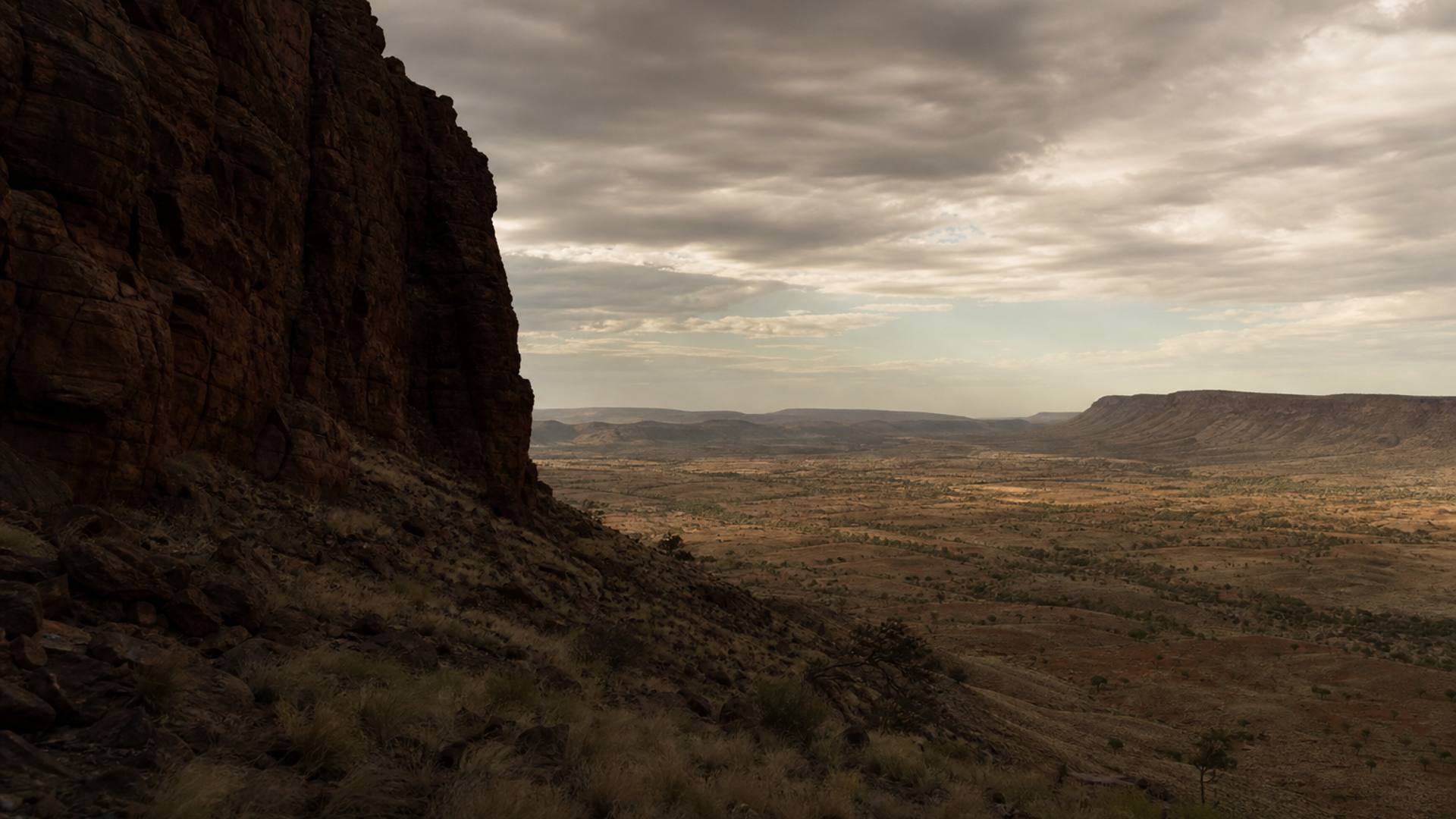
The lived world of Australia in 2000 CE is cinematic: red interior deserts, temperate coastal cities, and island communities that carry distinctive cultural traditions. Archaeological traces of daily life range from ancient stone tools and hearths to colonial-period artefacts, shipwreck debris, and modern refuse deposits that document dietary, economic, and technological transitions. Ethnographic and archaeological records show persistent cultural practices among many Indigenous communities—ceremonial life, rock art production, and traditional ecological knowledge—that coexist with industrialized urban lifestyles.

Archaeologists working in contemporary settings often encounter multilayered deposits where Indigenous, colonial and modern materials are interwoven. Historic sites (convict-era settlements, pastoral stations) and urban stratigraphy record rapid shifts in diet, health, and movement that are mirrored in demographic changes visible in genetic datasets. For ancestry interpretation, this means modern Australians frequently inherit a composite biography: deep Indigenous roots for some, recent European or Asian ancestry for others, and many with combinations of these threads. Archaeological context (site histories, recorded migrations, and material culture) helps ground genetic patterns in place and time.

  • Material culture ranges from ancient stone sites to colonial and industrial layers
  • Everyday life in 2000 CE reflects a blend of Indigenous continuity and recent migration
Chapitre V

Genetic Profile

The genetic data underlying the Modern_Australia identifier come from 11 samples dated to 2000 CE. This is a modest sample size: archaeological and population-genetic inference from such datasets should be treated as preliminary. Limited evidence suggests patterns consistent with two overarching processes: deep Indigenous ancestry that reflects Australia’s long-term human occupation, and post-contact admixture stemming from European colonization and later global migrations.

Broader genomic studies (outside this small sample) show that many Indigenous Australian lineages are deeply divergent from other Eurasian populations, reflecting isolation and long-term continuity on the continent. In contrast, modern urban populations of Australia typically display signatures of recent admixture and immigrant ancestry from Europe, Asia, and the Pacific. For the 11-sample Modern_Australia set, the absence of reported common Y or mtDNA haplogroups in the input limits specific uniparental conclusions; genome-wide analyses (autosomal SNPs) typically provide more robust estimates of recent admixture proportions and population structure than single-lineage markers in small cohorts.

Caveats: small sample size, potential sampling bias (geography, self-identified ancestry), and ethical considerations around Indigenous DNA mean conclusions must remain cautious. Additional samples, clear provenance (site names, community consent), and combined archaeological context are essential to refine ancestry interpretations.

  • Sample count = 11: modest; conclusions preliminary
  • Signal likely reflects Indigenous continuity plus recent European/immigrant admixture
Chapitre VI

Legacy & Modern Connections

The legacy of Australia’s human story is both deep and immediate. Archaeology frames a narrative of long-term Indigenous occupation and rich regional cultures; genetics reveals how those ancient threads persist in contemporary genomes, sometimes intermixed with later arrivals. For people using ancestry platforms, the combination of archaeological context and DNA can validate oral histories, reveal migration events, or underscore the limits of small datasets.

Ethical stewardship matters: partnerships with Indigenous communities, transparent reporting of sample provenance, and careful contextualization of genetic results respect living descendants and improve scientific accuracy. As databases grow and archaeological sampling expands, the picture of modern Australian ancestry will sharpen — transforming cinematic landscapes of red earth and coastal storms into genealogical maps that honor both continuity and change.

  • Combines deep Indigenous continuity with modern admixture in many lineages
  • Ethical community engagement and expanded sampling are needed for clearer ancestry maps
Propulsé par l'IA

Assistant IA

Posez des questions sur la culture Modern Australia: Threads of a Continent

Assistant IA par DNAGENICS

Débloquer cette fonction
Posez des questions sur la culture Modern Australia: Threads of a Continent. L'assistant IA peut expliquer les résultats génétiques, le contexte historique, les preuves archéologiques et les liens génétiques avec les populations actuelles, dans les limites de l'interprétation.
Exemple d'analyse IA

La culture Modern Australia: Threads of a Continent représente un chapitre fascinant de l'histoire humaine…

L'analyse génétique met en évidence des similarités avec des populations antérieures et des signes d'adaptations propres. Les échantillons d'ADN ancien éclairent les schémas migratoires et les liens entre populations, avec des limites qui dépendent de l'étude et du contexte archéologique.

Il s'agit d'un aperçu de l'analyse IA. Accédez à l'assistant complet pour explorer :

  • Composition et similarité génétique
  • Schémas migratoires et origines
  • Vie quotidienne et pratiques culturelles
  • Contexte génétique actuel

Explorez d'autres cultures antiques

Découvrez les récits de civilisations issues du monde antique