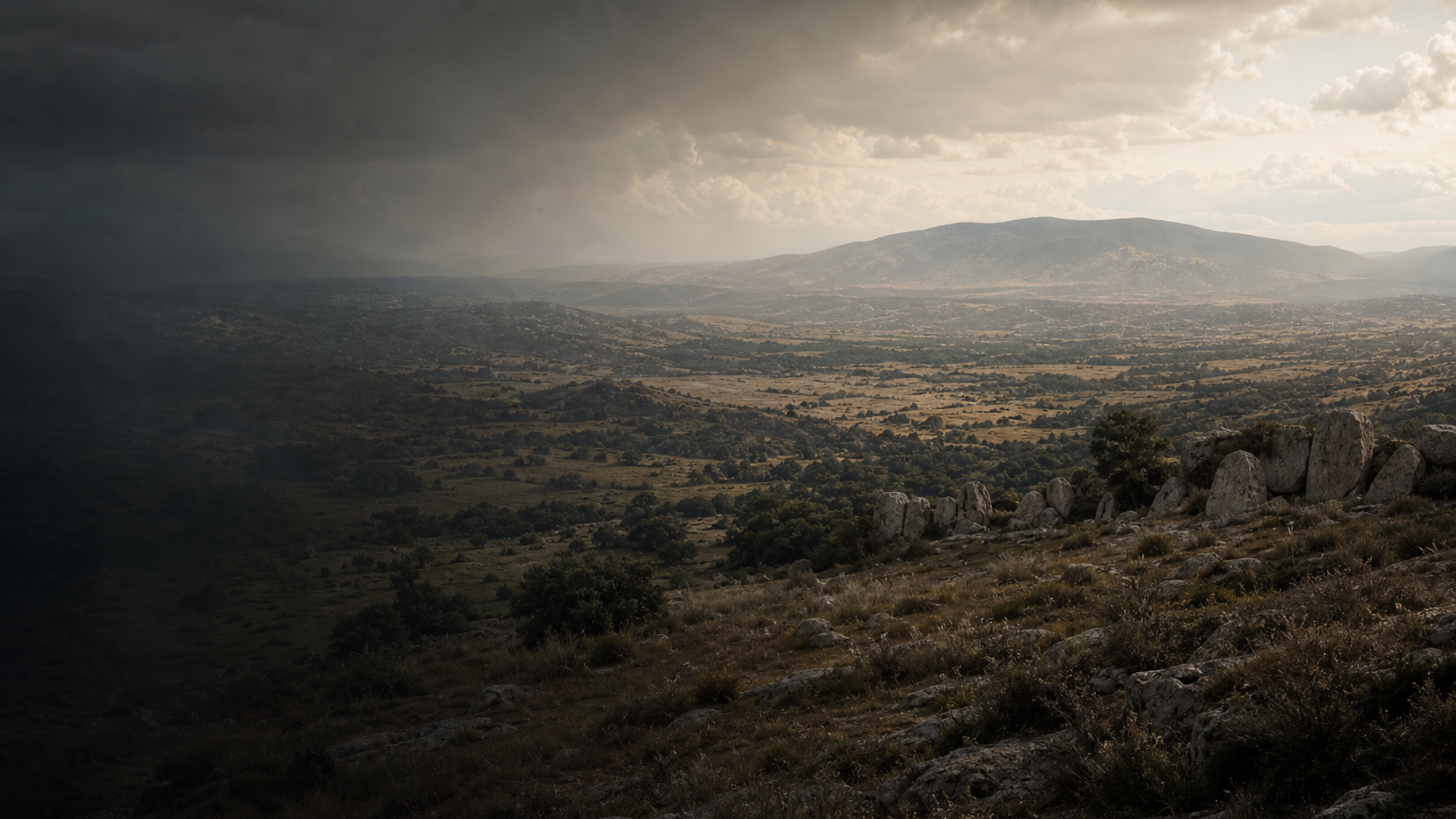
Everyday life in Middle Neolithic Occitanie was threaded between land and sea: small-scale farming of cereals and pulses, managed herds, and exploitation of coastal and river resources. Archaeobotanical remains from regional Neolithic contexts indicate cereal cultivation and orchard species adapted to Mediterranean climates; faunal assemblages suggest a mix of caprines, cattle and pigs, supplemented by fish and shellfish where coasts or wetlands were accessible.
Material culture would have been tactile and visual—hand-built and wheel-absent pottery decorated with impressed or incised motifs, polished axes and adzes shaped from local lithic resources, and organic crafts such as basketry and textile working that leave scant traces but are implied by toolkits. Roquepertuse stands out for its monumental carved elements and structured deposits, suggesting communal gatherings and complex social performance: rites of passage, ancestor veneration, or other rites that anchored social identities.
Social organization was likely egalitarian but differentiated; burials and depositional contexts show variability in treatment, suggesting emerging status distinctions without clear hierarchical evidence. House plans—where preserved—point to family-level household units with shared courtyards. Mobility appears moderate: most resources were local, but exotic materials and stylistic influences document long-distance contacts along the western Mediterranean.
Archaeological data indicates resilient communities adapting farming lifeways to Mediterranean ecologies, creating landscapes of lived memory and embodied practice.