Préparation du rapport

Chargement des informations et références disponibles

Connexion au corpus archéologique…

Collecte des archives antiques

Aller au contenu principal
Pica Ocho Coast: A 700‑Year Echo
Profil culturel

Pica Ocho Coast: A 700‑Year Echo

A lone ancient genome from Pica Ocho illuminates coastal lifeways and Native American lineages

1230 CE - 1380 CE
Pica Ocho, Coast, Chile
Faites défiler pour commencer
Chapitre I

Le récit

Comprendre la culture Pica Ocho Coast: A 700‑Year Echo

Ancient DNA from a single individual (1230–1380 CE) at Pica Ocho on Chile's coast links material remains to Native American maternal A2 and paternal Q lineages. Limited samples make conclusions preliminary, but archaeology and genetics together hint at coastal subsistence and regional connections.

Time Period

1230–1380 CE

Region

Pica Ocho, Coast, Chile

Common Y-DNA

Q (1 sample)

Common mtDNA

A2 (1 sample)

Chapitre II

Chronologie

Moments clés de l'histoire de cette culture

1300 CE

Occupation at Pica Ocho (dated)

Radiocarbon-calibrated contexts place the sampled individual at Pica Ocho between 1230 and 1380 CE, within late precontact coastal occupations.

Chapitre III

Origins & Emergence

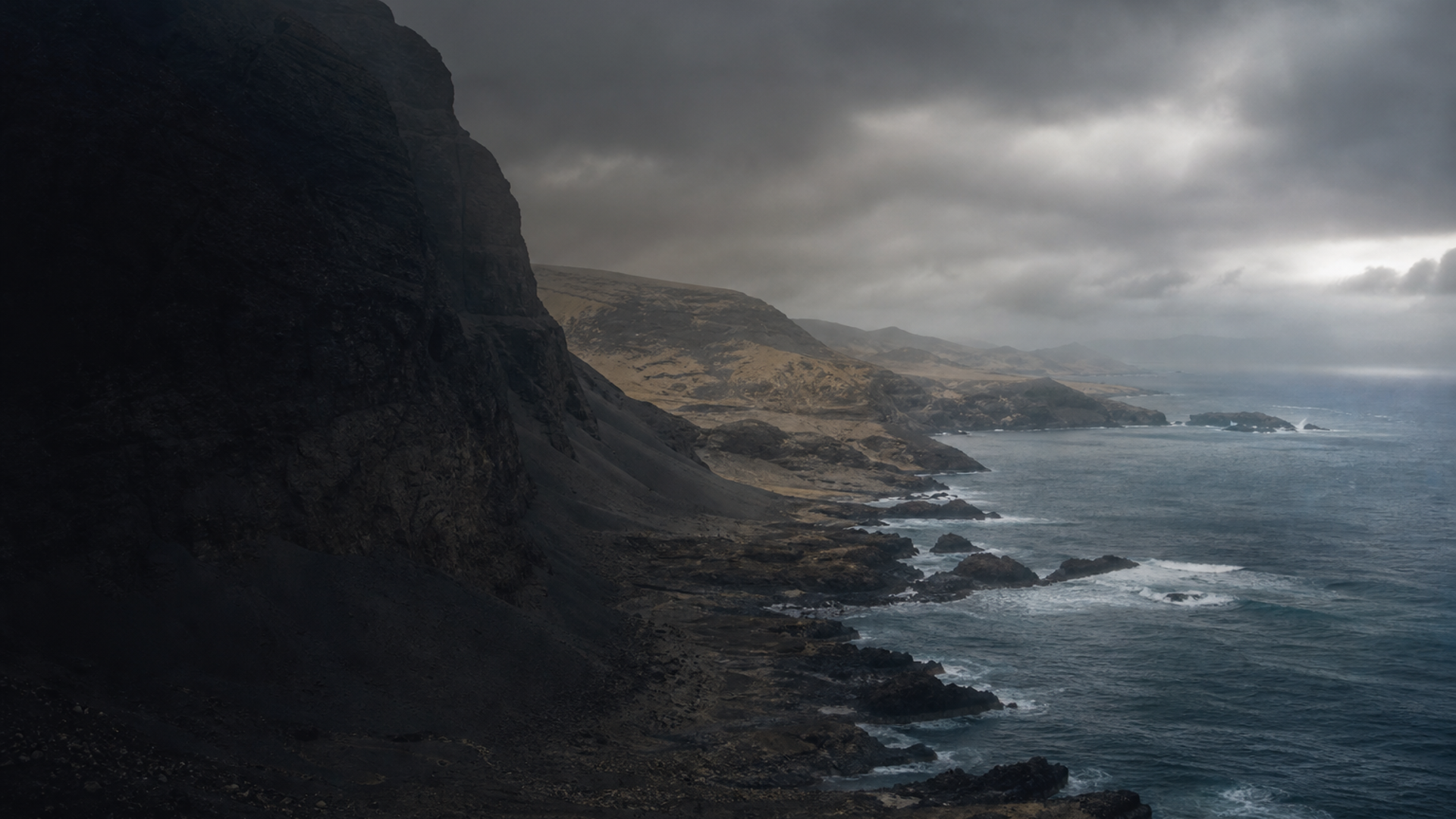
Along the ragged coast near the Pica Ocho site, archaeological layers speak of people who read the tides as a calendar and carved their lives into rock and sand. Radiocarbon-calibrated contexts place the human remains associated with this genetic sample between 1230 and 1380 CE, a period of dynamic regional interaction in northern Chile. Archaeological data from coastal sites in this stretch of the Atacama margin indicate fishing, shellfish collection, and small-scale exchange with inland oases and highland caravan routes. Limited evidence suggests that coastal groups maintained distinct lifeways adapted to aridity and rich littoral resources.

Material culture visible in adjacent Pica Ocho contexts — chipped stone tools, shell middens, and occasional pottery fragments — suggests continuity with broader coastal traditions rather than a sudden intrusive population. The lone genome recovered aligns with this picture: its mitochondrial A2 and Y-chromosome Q haplogroup place the individual within well-established Native American genetic lineages, consistent with long-standing occupation of the region. However, with only a single sampled individual, claims about migration, demographic shifts, or precise relationships to neighboring cultures remain provisional. Ongoing excavation and more comprehensive sampling of burials and settlement strata are necessary to trace how coastal lifeways emerged and transformed across the 13th and 14th centuries CE.

  • Site: Pica Ocho, coastal Chile; dated 1230–1380 CE
  • Archaeology indicates coastal foraging, shell middens, and small-scale exchange
  • Existing evidence favors continuity with regional coastal traditions
Chapitre IV

Daily Life & Society

The daily world of the Pica Ocho individual can be imagined through the grain of the archaeological record: salt-lashed winds, terraces of mussel shells, and a diet anchored in sea and shore. Coastal middens at nearby sites contain abundant marine invertebrates and fish remains, implying specialized knowledge of tides, seasonal runs, and intertidal ecology. Stone tools recovered from the Pica Ocho vicinity suggest activities of fish processing, hide working, and plant extraction; occasional pottery shards point to storage and cooking practices adapted to a maritime diet.

Social life likely revolved around small kin groups with mobility calibrated to resource pulses. Ethnographic analogies and archaeological settlement patterns indicate exchange ties with inland oasis communities and caravan corridors that crossed the Atacama — movement that could have transmitted goods, ideas, and genes. Architectural traces at coastal camps were ephemeral: wind-sheltered rock overhangs, light windbreaks, and hearths leaving charcoal lenses. Burial practices are known only from limited contexts here; the single genetic sample comes from one such interment, so broader statements about ritual and social differentiation must remain cautious. Nonetheless, material and environmental evidence together paint a picture of resilient coastal communities skilled in harvesting the sea and navigating arid landscapes.

  • Diet dominated by marine resources; shell middens are common
  • Small, mobile kin groups with inland exchange ties
Chapitre V

Genetic Profile

Ancient DNA extracted from one individual at Pica Ocho yielded a maternal haplogroup A2 and a paternal haplogroup Q. Both lineages are well‑documented across the Americas: mtDNA A2 is widespread among Native American populations and often associated with deep regional continuity, while Y‑DNA Q is a foundational paternal lineage in Indigenous American histories. These genetic signals concord with archaeological expectations of long-term local ancestry rather than a recent foreign incursion.

Because the dataset comprises a single sample, any demographic inference must be stated as highly preliminary. Limited evidence suggests local continuity and affiliation with pan‑American genetic branches, but it cannot resolve fine-scale relationships to nearby coastal or highland groups, nor patterns of kinship within the Pica Ocho community. Genetic data can, however, be paired with isotopic and osteological analyses to reconstruct mobility and diet: for example, if isotopes show marine protein reliance, that would corroborate the coastal subsistence inferred from middens. Future sampling across multiple burials and sites would allow population‑level statistics (e.g., allele sharing, admixture dates, and effective population size estimates), transforming this single genome from a tantalizing hint into a robust demographic narrative.

In sum, the Pica Ocho genome aligns with established Native American haplogroups and supports archaeological impressions of continuity — but broader conclusions await larger sample sizes.

  • mtDNA A2 and Y‑DNA Q suggest placement within Native American genetic variation
  • Single sample => conclusions are preliminary; more genomes needed for population analysis
Chapitre VI

Legacy & Modern Connections

The genetic and archaeological traces at Pica Ocho form a fragile bridge between past and present: familiar haplogroups persist among Indigenous peoples across the Americas, tying a 13th–14th century coastal life to living communities. Archaeological continuity in tool types and subsistence strategies suggests cultural threads that may extend into historic and ethnographic records from the Atacama coast and adjacent oases. For local descendant communities, such findings can deepen understanding of ancestral ties to specific places and resources.


At the same time, the single-sample nature of this dataset demands humility. Any conversation about identity, heritage, or population history should involve descendant stakeholders and emphasize the provisional nature of scientific interpretations. As additional ancient genomes and archaeological contexts are analyzed, a clearer picture should emerge about how coastal and inland networks shaped human lives along Chile's arid shores.

  • Genetic continuity hints at links with modern Indigenous lineages
  • Engagement with descendant communities is essential given limited data
Propulsé par l'IA

Assistant IA

Posez des questions sur la culture Pica Ocho Coast: A 700‑Year Echo

Assistant IA par DNAGENICS

Débloquer cette fonction
Posez des questions sur la culture Pica Ocho Coast: A 700‑Year Echo. L'assistant IA peut expliquer les résultats génétiques, le contexte historique, les preuves archéologiques et les liens génétiques avec les populations actuelles, dans les limites de l'interprétation.
Exemple d'analyse IA

La culture Pica Ocho Coast: A 700‑Year Echo représente un chapitre fascinant de l'histoire humaine…

L'analyse génétique met en évidence des similarités avec des populations antérieures et des signes d'adaptations propres. Les échantillons d'ADN ancien éclairent les schémas migratoires et les liens entre populations, avec des limites qui dépendent de l'étude et du contexte archéologique.

Il s'agit d'un aperçu de l'analyse IA. Accédez à l'assistant complet pour explorer :

  • Composition et similarité génétique
  • Schémas migratoires et origines
  • Vie quotidienne et pratiques culturelles
  • Contexte génétique actuel

Explorez d'autres cultures antiques

Découvrez les récits de civilisations issues du monde antique