Big Bar, 5,700 Years Ago

下载的 PDF 是图像副本。如需可选中文本及更好的辅助技术支持,请使用打印功能。

Big Bar, 5,700 Years Ago

揭开一个失落的文明

正在加载考古记录……

正在收集古代记录

跳转到主内容
Big Bar, 5,700 Years Ago
文明焦点

Big Bar, 5,700 Years Ago

A single ancient voice from northwest Canada connects archaeology and maternal ancestry

3796 CE - 36415700 BCE
Northwest Canada (Big Bar site)
滚动开始
Chapter I

剧情

了解 Big Bar, 5,700 Years Ago 文化

Archaeological and genetic evidence from the Big Bar site (3796–3641 BCE) reveals a maternal A2 lineage in northwest Canada. Limited samples mean conclusions are preliminary, but the find illuminates early Holocene lifeways and ties to broader Indigenous genetic continuity.

Time Period

3796–3641 BCE (~5,700 BP)

Region

Northwest Canada (Big Bar site)

Common Y-DNA

Not reported / unknown (no male haplogroup data)

Common mtDNA

A2 (1 sample)

Chapter II

时间线

这种文化历史上的关键时刻

3700 BCE

Big Bar individual lived

Approximate midpoint of the sample date range (3796–3641 BCE); represents a mid-Holocene presence in northwest Canada.

Chapter III

Origins & Emergence

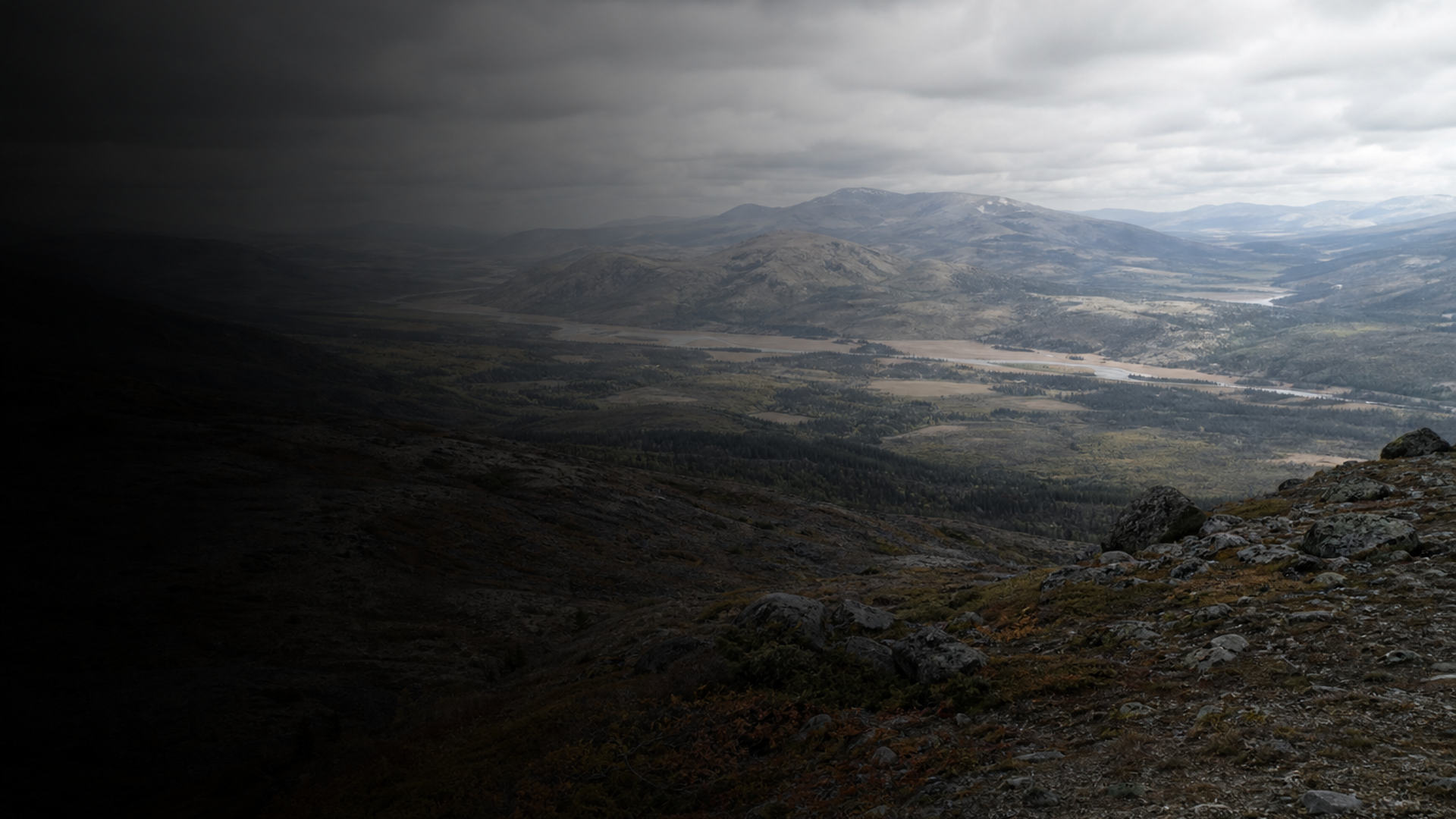
Under a sky that would have watched millennia pass, the Big Bar individual lived during the mid-Holocene, roughly 3796–3641 BCE. Archaeological data indicates occupation in a riverine or near-coastal landscape of northwest Canada — a mosaic of rich salmon runs, estuaries and old-growth forests that shaped mobile forager economies across the region. At a continental scale, this interval follows the dispersal of the first peoples into North America after the Last Glacial Maximum and reflects regional adaptation to stable postglacial ecosystems.

Genetically, the single recovered mitochondrial genome belongs to haplogroup A2, a lineage widely observed among Indigenous peoples across North and Central America. This mtDNA signal aligns with models that trace maternal ancestry to ancestral Beringian and First American populations. However, with only one sample, any narrative about population movement, local emergence, or continuity must remain cautious. The archaeological assemblage from Big Bar—limited in published detail—offers context but not comprehensive demographic resolution.

Limited evidence suggests that the Big Bar individual belonged to a community shaped by riverine resources and seasonal mobility, but broader patterns of settlement intensity, social organization, and interactions with neighboring groups require larger datasets. Future excavations and additional ancient genomes from the Northwest would be needed to move from evocative possibility to robust reconstruction.

  • Mid-Holocene occupation: 3796–3641 BCE (~5,700 BP)
  • Site context: Big Bar, northwest Canada — likely riverine/coastal adaptations
  • Caution: single sample limits population-level inferences
Chapter IV

Daily Life & Society

Archaeological traces from similar northwest Canadian contexts suggest lives fashioned by seasonal cycles: spring and autumn fish runs, diverse plant harvesting, and the strategic use of river corridors for travel and trade. Stone tools, chipped and ground implements, and ephemeral hearths typically speak to highly mobile but place-attached communities that exploited predictable resources. At Big Bar, the material record—while not yet richly published—fits this broader regional pattern where small household groups aggregated at key resource locales.

The cinematic rhythm of daily life would have been punctuated by communal processing of fish, tool maintenance, and the weaving of social ties through exchange of raw materials and crafted goods. Shell, bone and stone artifacts at comparable sites indicate intimate knowledge of local ecology and specialized craft skills. Decoration and body adornment, although rarely preserved, are inferred from ethnographic continuity among Northwest Coast and interior groups.

Socially, networks likely extended across river valleys and coastal inlets, facilitating marriage ties, information flow and shared seasonal knowledge. Archaeological data indicates these societies balanced mobility with deep place-based knowledge, a relationship that allowed cultural continuity over millennia. Yet, the specific social structure of the Big Bar community remains largely speculative until more archaeological and genetic samples are analyzed.

  • Economy: seasonal fishing, foraging, and riverine mobility
  • Social networks: regional ties across river valleys and coastal corridors
Chapter V

Genetic Profile

The genetic portrait from Big Bar is rooted in a single mitochondrial genome assigned to haplogroup A2. Haplogroup A2 is one of the founding maternal lineages in the Americas and is widespread among modern and ancient Indigenous populations from Alaska to South America. Its presence at Big Bar is consistent with long-standing maternal continuity across northwest North America and with models of early postglacial dispersal from Beringia into the continental interior and coast.

Because only one sample is available, statistical power is extremely limited. Population-level claims—such as continuity between the Big Bar population and specific modern First Nations, or detailed migration routes—cannot be robustly tested. No Y-chromosome haplogroup is reported for this sample, so paternal ancestry remains unknown. Moreover, ancient DNA preservation, contamination risk, and sample context all influence interpretation; archaeological data must be integrated with genetics to avoid overreach.

Nevertheless, this mitochondrial signal adds a genetic waypoint to the map of Holocene human presence in northwest Canada. It demonstrates that by ~5,700 BP, maternal lineages common across the Americas were present in this landscape. Future nuclear genomes and larger sample sets could reveal admixture patterns, kinship networks, and subtle population structure invisible from a single mtDNA sequence.

  • mtDNA A2 found — a founding maternal lineage in the Americas
  • Single-sample dataset: conclusions are preliminary; no Y-DNA reported
Chapter VI

Legacy & Modern Connections

The Big Bar individual offers a poignant bridge between deep-time lifeways and the cultural landscapes of Indigenous peoples today. Archaeological and genetic echoes—like the A2 maternal lineage—underscore long-standing human presence and adaptation in northwest Canada. Such findings complement oral histories and contemporary Indigenous knowledge, but they do not substitute for them.

Researchers must proceed collaboratively and respectfully; genetic snapshots should be contextualized within community values and archaeological stewardship. As more data emerge, the Big Bar genome may contribute to regional reconstructions of ancestry and migration, but any linkage to present-day groups must be made with caution, consent and nuance. For now, this single ancient voice reminds us of resilient lifeways shaped by rivers, seasons and enduring knowledge systems.

  • Connects ancient maternal lineage (A2) to broader Indigenous genetic continuity
  • Emphasizes collaborative, cautious interpretation with descendant communities
AI 电源

AI 助手

就 Big Bar, 5,700 Years Ago 文化提问

AI 助手 由DNAGENICS公司制作

解锁此特性
Ask questions about the Big Bar, 5,700 Years Ago culture. Our AI assistant can explain genetic findings, historical context, archaeological evidence, and modern connections.
AI 样本分析

Big Bar, 5,700 Years Ago 文化是人类历史中值得了解的一章……

遗传分析揭示了与早期种群的联系,同时显示了独特的适应和文化创新的证据。 古代DNA样本提供了对迁徙模式、社会结构以及古代种群之间的生物关系的深刻见解。

这是人工智能分析的预览。 解锁全AI 助手, 以探索关于:

  • 遗传组成和祖先
  • 移徙模式和起源
  • 日常生活和文化习俗
  • 现代遗传遗产

探索更古老的文化

揭开古代世界文明的故事

使用优惠码 可减免 35% • 11月12日 到期




