Bratislava La Tène Echoes

下载的 PDF 是图像副本。如需可选中文本及更好的辅助技术支持,请使用打印功能。

Bratislava La Tène Echoes

揭开一个失落的文明

正在加载考古记录……

正在收集古代记录

跳转到主内容
Bratislava La Tène Echoes
文明焦点

Bratislava La Tène Echoes

Late Iron Age lives revealed on the Danube shore — bones, bronze, and maternal lineages

190 CE - 1 BCE
Slovakia (Danube Basin)
滚动开始
Chapter I

剧情

了解 Bratislava La Tène Echoes 文化

Archaeological remains from Bratislava (190–1 BCE) link local La Tène communities to wider Iron Age networks. Four ancient genomes show mainly European maternal lineages (V, HV, H). Limited samples mean conclusions are preliminary but suggest continuity and regional admixture.

Time Period

190–1 BCE (Late Iron Age, La Tène)

Region

Slovakia (Danube Basin)

Common Y-DNA

Unknown — limited data (n=4)

Common mtDNA

V (2), HV (1), H (1)

Chapter II

时间线

这种文化历史上的关键时刻

2500 BCE

Bronze Age transformations

Bronze Age social and technological changes set demographic and cultural foundations that later influenced Iron Age (La Tène) societies in the Danube basin.

Chapter III

Origins & Emergence

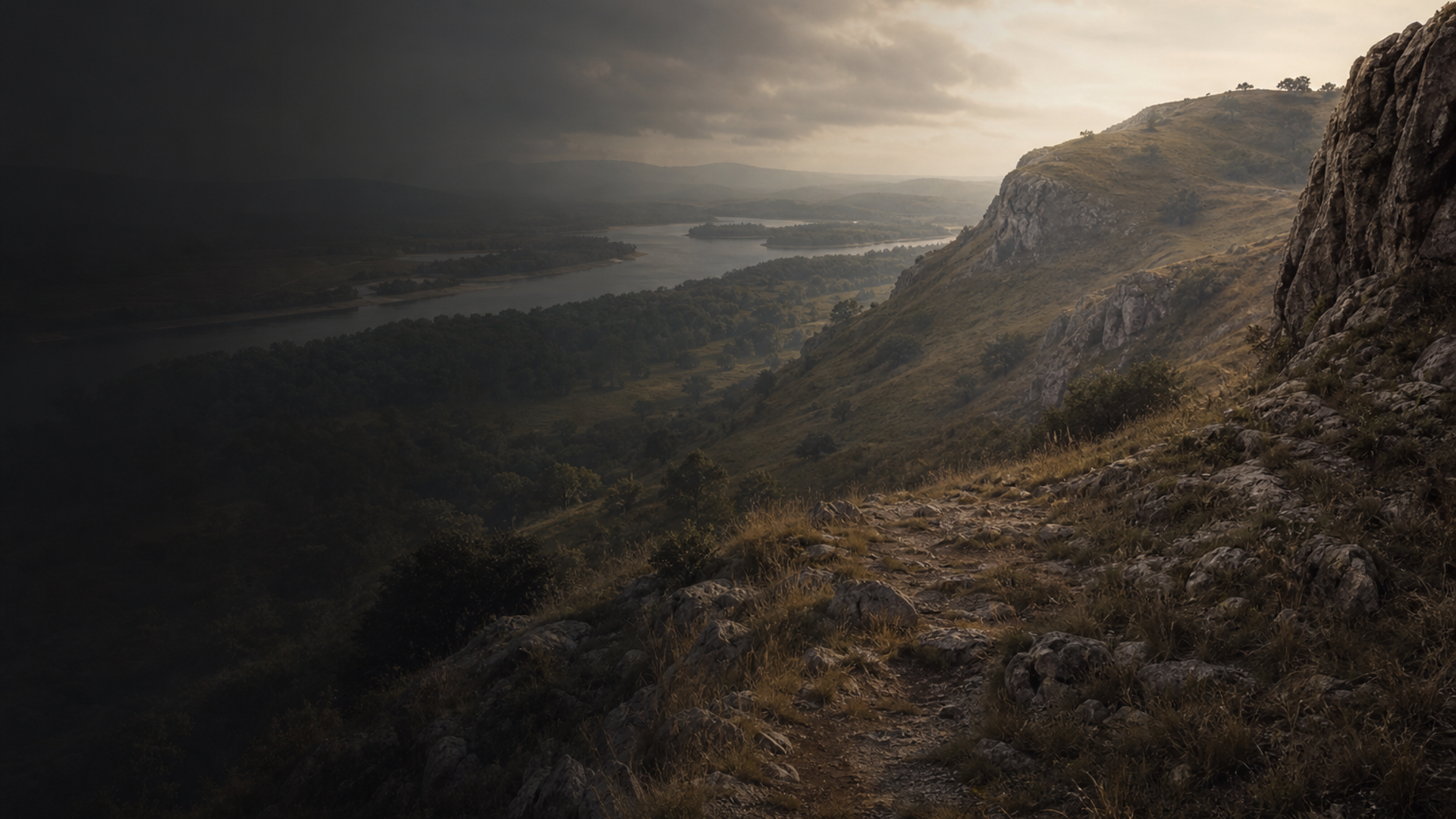
The La Tène horizon in present-day Slovakia belongs to the broader Iron Age flourish commonly associated with Celtic material culture across Central Europe. Archaeological layers exposed at Bratislava Castle and the Pánffy Palace excavation (Panská 19–21) date to roughly 190–1 BCE and preserve human remains embedded in a landscape of river traffic, fortified promontories and craft workshops.

Archaeological data indicates that La Tène communities here participated in long-distance exchange along the Danube: metalwork styles, imported raw materials and shared artistic motifs link local populations to networks stretching from the Rhine to the Balkans and into the Mediterranean. Limited evidence suggests cultural continuity with preceding Hallstatt traditions alongside new social dynamics—mobile warriors, specialized smiths and increasingly visible elite display in graves and hoards.

Genetic and osteological evidence from small sample sets can help test whether these cultural shifts reflected large-scale population replacement, elite mobility, or more subtle processes of assimilation. In the case of the Bratislava samples, the picture that emerges is one of admixture layered on long-term local roots rather than wholesale demographic overturn. However, with just four genomes the archaeological and genetic story remains a work in progress.

  • La Tène occupation attested in Bratislava 190–1 BCE
  • Material culture links the Danube corridor to wide Iron Age networks
  • Preliminary genetic signals point to continuity with regional populations
Chapter IV

Daily Life & Society

Life in La Tène Slovakia unfolded against river plains and defensible heights. Settlements clustered near the Danube where trade, craft and transport converged; artisans worked iron and bronze, producing tools, weaponry and distinctive decorated metal fittings. Archaeological excavations at Bratislava Castle and the Pánffy Palace area reveal layered deposits: habitation floors, work areas and human burials that together sketch social rhythms.

Burial evidence across La Tène Europe shows variation—from modest inhumations to richly furnished graves—reflecting social differentiation. In the Bratislava assemblage the skeletal material recovered with the four genetic samples offers insight into diet, mobility and life histories when combined with isotopic and material analyses. Archaeology indicates a mixed economy of farming, animal husbandry and craft specialization, with social identities expressed through dress, weaponry and imported goods.

Seasonal movement, riverine commerce and interregional marriage likely shaped daily life: the Danube acted as both highway and cultural seam, bringing people and objects into sustained contact. Yet the archaeological record also preserves local continuities in settlement location, pottery styles and burial rites, underscoring how traditions adapted rather than disappeared in the face of new influences.

  • Riverine settlements facilitated trade and craft specialization
  • Burial variation points to social differentiation and mobility
Chapter V

Genetic Profile

Genetic data from the Bratislava La Tène set are sparse but informative. Four individuals dated 190–1 BCE yielded mitochondrial haplogroups V (two individuals), HV (one) and H (one). These maternal lineages are widespread in prehistoric and modern Europe: haplogroup V is often linked to postglacial recolonization and later Neolithic and Bronze Age populations, while H and HV are common across Neolithic farmer-descended and later European groups.

No consistent Y-DNA signal is available from this small set (male lineage data are absent or unreported), so interpretations of male-mediated migration remain unresolved. Archaeogenetic studies elsewhere in La Tène contexts indicate complex ancestry profiles combining local Neolithic farmer-derived lineages, steppe-derived ancestry introduced in the Bronze Age, and variable Mediterranean inputs. The Bratislava mtDNA assemblage is compatible with such admixture scenarios but cannot on its own distinguish between long-term maternal continuity and female-mediated mobility.

Importantly, with only four samples (<10), any population-level inference must be treated as preliminary. Limited evidence suggests continuity of common European maternal lineages in this region during the Late Iron Age, but larger, sex-balanced datasets and isotopic mobility analyses are needed to resolve patterns of migration, marriage networks and social stratification.

  • mtDNA: V (2), HV (1), H (1) — typical European maternal lineages
  • Y-DNA: no clear signal reported; male-lineage conclusions are preliminary
Chapter VI

Legacy & Modern Connections

The mitochondrial haplogroups found at Bratislava link this small La Tène sample to broader European maternal lineages that persist in modern populations. Archaeological continuity in settlement locations, craft traditions and riverine trade routes suggests cultural threads that may have influenced later regional identities.

Genetically, the presence of haplogroups H, HV and V is not surprising—they are common in modern Europeans—yet this alone does not prove direct ancestry. Limited sample size prevents confident claims of direct genetic continuity with contemporary Slovak populations. Still, when combined with archaeological continuity, these genetic signals hint that Late Iron Age communities were part of long-standing demographic landscapes rather than abrupt newcomers.

Future integrated studies—more ancient genomes, isotopes and fine-grained archaeology—will refine how La Tène-era lives contributed to the genetic and cultural tapestry of Central Europe.

  • Maternal lineages found are widespread in modern Europeans
  • Small sample sizes limit claims of direct continuity; more data needed
AI 电源

AI 助手

就 Bratislava La Tène Echoes 文化提问

AI 助手 由DNAGENICS公司制作

解锁此特性
Ask questions about the Bratislava La Tène Echoes culture. Our AI assistant can explain genetic findings, historical context, archaeological evidence, and modern connections.
AI 样本分析

Bratislava La Tène Echoes 文化是人类历史中值得了解的一章……

遗传分析揭示了与早期种群的联系,同时显示了独特的适应和文化创新的证据。 古代DNA样本提供了对迁徙模式、社会结构以及古代种群之间的生物关系的深刻见解。

这是人工智能分析的预览。 解锁全AI 助手, 以探索关于:

  • 遗传组成和祖先
  • 移徙模式和起源
  • 日常生活和文化习俗
  • 现代遗传遗产

探索更古老的文化

揭开古代世界文明的故事

使用优惠码 可减免 35% • 11月12日 到期




