Bronze Age Voices of Croatian Caves

下载的 PDF 是图像副本。如需可选中文本及更好的辅助技术支持,请使用打印功能。

Bronze Age Voices of Croatian Caves

揭开一个失落的文明

正在加载考古记录……

正在收集古代记录

跳转到主内容
Bronze Age Voices of Croatian Caves
文明焦点

Bronze Age Voices of Croatian Caves

Maternal lineages and archaeology from Bezdanjača Cave, 2000–800 BCE

2000 CE - 800 BCE
Croatia (Bezdanjača Cave)
滚动开始
Chapter I

剧情

了解 Bronze Age Voices of Croatian Caves 文化

Archaeological and genetic evidence from 38 individuals at Bezdanjača Cave (Croatia, 2000–800 BCE) reveals a Middle–Late Bronze Age population with diverse maternal lineages (U, T, H). Limited paternal data and local archaeological contexts point to regional mixture and links to wider Bronze Age transformations.

Time Period

2000–800 BCE

Region

Croatia (Bezdanjača Cave)

Common Y-DNA

Undetermined (limited or inconsistent data)

Common mtDNA

U (8), T (7), H (5), HV (3), H5r (2)

Chapter II

时间线

这种文化历史上的关键时刻

2000 BCE

Bronze Age consolidation in western Balkans

Regional Bronze Age communities, including those using Bezdanjača Cave, show increasing metallurgy and exchange, setting the stage for Late Bronze Age social change.

Chapter III

Origins & Emergence

The Middle to Late Bronze Age occupation represented by the Bezdanjača Cave assemblage (Croatia, c. 2000–800 BCE) sits at a crossroads of long-standing local traditions and pan-European transformations. Archaeological data indicates intensified metalworking, changing burial practices, and broader exchange networks in the western Balkans during this interval. Material culture and stratigraphy at Bezdanjača and nearby sites show continuity with earlier Neolithic and Eneolithic communities while also exhibiting traits similar to contemporaneous Urnfield and regional Bronze Age horizons.

Genetically, 38 analysed individuals provide a window into maternal line continuity and incoming influences: mtDNA haplogroups dominated by U, T and H suggest a mixture of deep local maternal lineages and more widespread Bronze Age maternal types. Limited Y‑chromosome information prevents firm statements about paternal continuity or male-biased migration here. Archaeological context—burials, grave goods, and metallurgy—implies social changes that may reflect mobility, marriage networks, and exchange across the Adriatic and Danubian corridors.

Limited evidence suggests the population at Bezdanjača was neither wholly isolated nor entirely replaced; rather, it was part of a mosaic of communities adapting technologies and identities across the Bronze Age Balkans. Further excavation and broader genomic sampling across neighbouring sites are needed to refine timelines of arrival and interaction.

  • Bezdanjača Cave reflects Middle–Late Bronze Age activity (2000–800 BCE)
  • Material culture shows local continuity with regional Bronze Age influences
  • mtDNA points to mixed maternal ancestry; Y-DNA remains underdetermined
Chapter IV

Daily Life & Society

Life in Bronze Age Croatia, as glimpsed through bezdanjača contexts and related settlements, combines the intimate scale of cave and small-hamlet occupations with evidence of long-distance exchange. Archaeological remains—potsherds, metal fragments, faunal remains and lithic tools—suggest households engaged in pastoralism, seasonal agriculture, and specialized metalworking. Grave assemblages at regional cemeteries and cave deposits show variability in wealth and mortuary practice, implying social differentiation.

Cinematic scenes of daily life might place families tending flocks on terraced slopes, craftsmen sharpening bronze tools by the hearth, and traders arriving with amber or salt along river routes. Archaeobotanical and zooarchaeological traces indicate mixed diets of cereals, pulses, and domesticated animals, complemented by wild resources. Settlement patterns hint at mobile aspects: pastoral transhumance and seasonal resource use likely structured community calendars.

Archaeology also records changing ritual landscapes—new burial rites and cemetery organization during the Late Bronze Age that could reflect shifting beliefs or social alliances. Such behavioral changes often correspond with genetic signals of admixture seen elsewhere in Europe, suggesting that altered social networks accompanied genetic exchange.

  • Mixed economy: farming, herding, and craft specialization
  • Varied mortuary practices indicate social differentiation and changing rituals
Chapter V

Genetic Profile

The genetic snapshot from 38 individuals dated to c. 2000–800 BCE at Bezdanjača Cave emphasizes maternal diversity and regional admixture patterns typical of Bronze Age Europe. Observed mtDNA counts—U (8), T (7), H (5), HV (3), H5r (2)—indicate a predominance of lineages that are common across Neolithic farmers, Mesolithic foragers, and Bronze Age populations. Haplogroup U is often associated with deep European maternal ancestry, while H and T are widespread among Neolithic and later groups; the presence of HV and H5r, though limited, adds nuance to maternal continuity.

Crucially, Y‑chromosome haplogroups are not consistently reported or are sparse for this dataset, so paternal lineage patterns remain unresolved. This limits conclusions about sex-biased migration (for example, steppe-associated male influxes) specific to these samples. Nevertheless, genome-wide studies of nearby Bronze Age contexts generally document increased Steppe-related ancestry starting in the 3rd–2nd millennium BCE, layered onto earlier Anatolian farmer and Western hunter-gatherer ancestries. The Bezdanjača maternal profile fits a model of regional admixture: local maternal continuity with incoming genetic components.

Interpretations must remain cautious: 38 samples are informative but represent a single locality. Broader sampling across the Croatian Bronze Age is required to test whether these mitochondrial patterns reflect local persistence, selective burial practices, or wider demographic shifts.

  • mtDNA dominated by U, T, H lineages—indicative of mixed European maternal ancestry
  • Y‑DNA data are sparse or inconsistent; paternal patterns cannot be firmly resolved
Chapter VI

Legacy & Modern Connections

The genetic and archaeological threads from Bezdanjača weave into modern understandings of Balkan population history. Maternal lineages found in these Bronze Age individuals echo haplogroups still present in contemporary European populations, hinting at continuity in maternal descent lines across millennia. At the same time, the archaeological signatures of metallurgy, exchange, and changing rituals mark cultural shifts that contributed to the ethnogenesis of later Iron Age and historical communities in the region.

For modern genetic ancestry interpretation, these data demonstrate how localized Bronze Age populations were dynamic—shaped by internal continuity and external connections. While the mtDNA picture is informative, the lack of detailed Y‑chromosome data for this sample set underscores the need for balanced sampling. Continued integration of archaeology and ancient DNA will refine how Bronze Age demographic processes in Croatia contributed to the genetic landscapes of later populations.
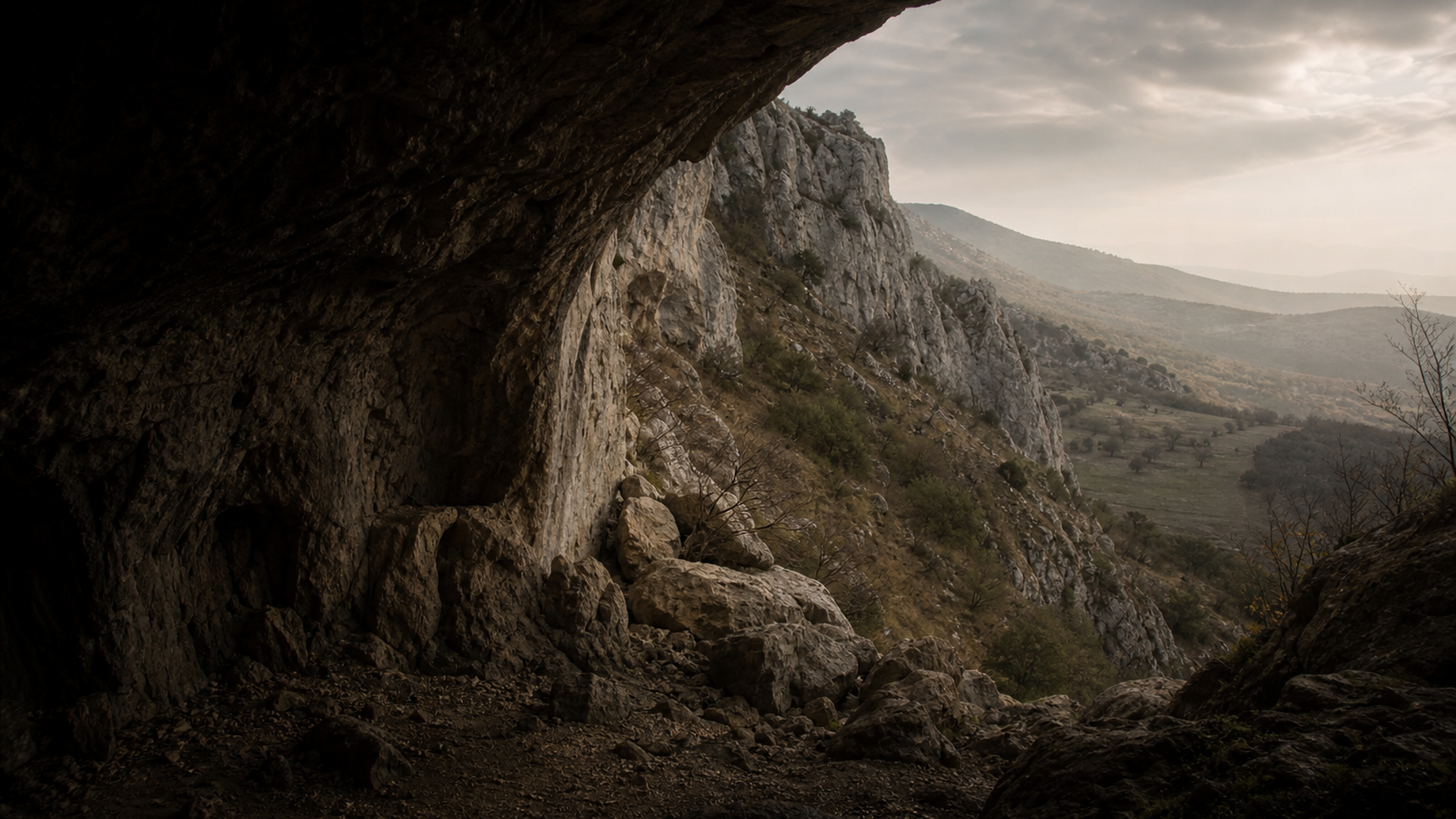

  • Maternal lineages parallel haplogroups still found in Europe today
  • Results highlight the need for broader, balanced sampling to trace paternal links
AI 电源

AI 助手

就 Bronze Age Voices of Croatian Caves 文化提问

AI 助手 由DNAGENICS公司制作

解锁此特性
Ask questions about the Bronze Age Voices of Croatian Caves culture. Our AI assistant can explain genetic findings, historical context, archaeological evidence, and modern connections.
AI 样本分析

Bronze Age Voices of Croatian Caves 文化是人类历史中值得了解的一章……

遗传分析揭示了与早期种群的联系,同时显示了独特的适应和文化创新的证据。 古代DNA样本提供了对迁徙模式、社会结构以及古代种群之间的生物关系的深刻见解。

这是人工智能分析的预览。 解锁全AI 助手, 以探索关于:

  • 遗传组成和祖先
  • 移徙模式和起源
  • 日常生活和文化习俗
  • 现代遗传遗产

探索更古老的文化

揭开古代世界文明的故事

使用优惠码 可减免 35% • 11月12日 到期




