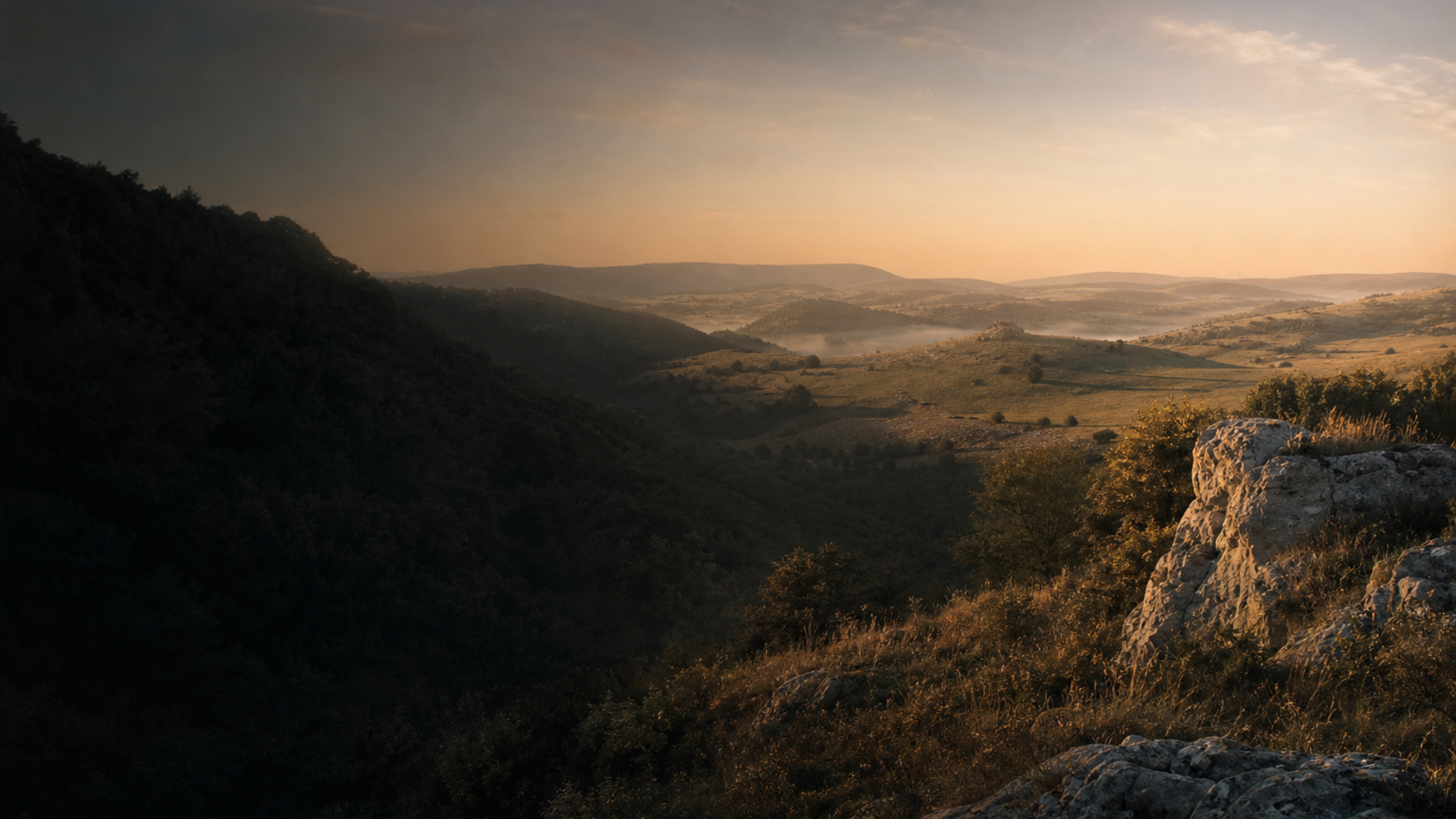
Bronze Dawn of Grand Est

下载的 PDF 是图像副本。如需可选中文本及更好的辅助技术支持,请使用打印功能。

Bronze Dawn of Grand Est

揭开一个失落的文明

正在加载考古记录……

正在收集古代记录

跳转到主内容
Bronze Dawn of Grand Est
文明焦点

Bronze Dawn of Grand Est

Early Bronze Age communities in eastern France, seen through archaeology and DNA

2840 CE - 1600 BCE
Grand-Est (Eastern France)
滚动开始
Chapter I

剧情

了解 Bronze Dawn of Grand Est 文化

Early Bronze Age Grand Est (2840–1600 BCE): nine ancient genomes from Bischwihr, Obernai, Pont-sur-Seine, Rixheim and Martincourt reveal a mix of steppe-derived Y lineages and Neolithic maternal haplotypes. Archaeology and genetics together offer a cautious window into regional change.

Time Period

2840–1600 BCE

Region

Grand-Est (Eastern France)

Common Y-DNA

R (5 samples)

Common mtDNA

T (3), K (2), H, I4a, (one sample labeled R1b needs confirmation)

Chapter II

时间线

这种文化历史上的关键时刻

2500 BCE

Early Bronze emergence in Grand Est

Regional adoption of bronze technology and changes in grave goods mark shifting social networks around 2500 BCE.

Chapter III

Origins & Emergence

The Early Bronze Age in Grand Est unfolds like a coastline of transformation: familiar Neolithic lifeways reshaped by new metal technologies, mobility and social displays. Archaeological sites represented in this dataset — Bischwihr (Muehlacker), Obernai (PAEI), Pont-sur-Seine, Rixheim (Zac du Petit Prince) and Martincourt (Meurthe‑et‑Moselle) — span a long span (2840–1600 BCE) and capture regional variation across the eastern plains and river corridors.

Material culture shows continuity with late Neolithic and Bell Beaker traditions alongside emergent bronze metallurgy. Hoards, isolated metalwork and changes in grave goods suggest long-distance connections: copper and bronze objects likely circulated along rivers such as the Seine. Archaeological data indicates increased social differentiation in burial practices at some sites, but preservation and sample coverage remain uneven.

Genetically, a majority of male lineages in these nine samples belong to haplogroup R (5/9), a pattern consistent with broader Early Bronze Age Western Europe where steppe-derived paternal lineages expanded. Limited evidence suggests maternal lineages remain diverse and include typical Neolithic farmer haplogroups (T and K). Because the sample count is small, these patterns should be treated as preliminary glimpses rather than definitive population histories.

  • Sites: Bischwihr, Obernai, Pont-sur-Seine, Rixheim, Martincourt
  • Timeframe: 2840–1600 BCE, Early Bronze Age
  • Evidence of metalwork, changing burial rites, and long‑distance exchange
Chapter IV

Daily Life & Society

Archaeological data from the Grand Est suggests a landscape of mixed farming, riverine exchange and artisan households. Fields and pastures would have surrounded small nucleated settlements and seasonal camps; archaeobotanical and zooarchaeological traces (where preserved) point to cereals, cattle and sheep as staples. Metallurgy — the hum of hammer on bronze — becomes visible in the archaeological record through tools, ornaments and production debris found near habitation zones and in special deposits.

Social life is glimpsed in funerary practice and crafted objects. Some graves show personal items that may mark age, gender or status; brooches and metal pins echo wider European fashions. Pont-sur-Seine and nearby river routes likely served as arteries for ideas and goods, carrying copper and finished bronze between the Alpine and northern European worlds. Yet, preservation biases and uneven excavation intensity mean many facets of daily life remain conjectural. Small sample numbers from genetic studies compound this uncertainty: nine genomes can suggest trends but cannot reconstruct household composition or detailed social norms.

The picture that emerges is an animate, occasionally volatile world where ancestral farming traditions met new technologies and mobility, producing cultural mosaics in eastern France.

  • Mixed farming, pastoralism and artisan metalworking
  • River corridors (Seine) likely important for trade and contact
Chapter V

Genetic Profile

The genetic dataset for France_GrandEst_EBA comprises nine individuals dated between 2840 and 1600 BCE. Because n < 10, conclusions must remain cautious and provisional. Still, the recovered signal aligns with broader Early Bronze Age dynamics in Western Europe.

Y-chromosome: Five of nine male individuals belong to haplogroup R. While finer subclade resolution is not uniformly reported here, haplogroup R in this period frequently corresponds to R1b-associated lineages that spread across much of western Europe after the late Neolithic. This paternal pattern is consistent with steppe-related ancestry movements that have been documented elsewhere in the Early Bronze Age.

Mitochondrial DNA: Maternal lineages are diverse: T (3), K (2), H (1), I4a (1), and one sample reported as R1b under mtDNA which may reflect a labeling discrepancy and should be verified. T and K are common in European Neolithic farmer-derived maternal pools, suggesting continuity of maternal ancestry alongside incoming paternal influences.

Interpretation: The juxtaposition of steppe-associated paternal markers and principally Neolithic maternal haplogroups points to a sex-biased admixture pattern seen in many Bronze Age contexts. However, low sample size, possible reporting inconsistencies, and uneven temporal coverage mean these genetic patterns are indicative rather than definitive. Expanded sampling and higher-resolution haplogroup calls would clarify demographic processes in Grand Est.

  • Preliminary: 9 samples (interpret with caution)
  • Predominant Y: R (5); mtDNA: T, K, H, I4a — maternal diversity suggests Neolithic continuity
Chapter VI

Legacy & Modern Connections

The echoes of the Early Bronze Age in Grand Est persist in both material and genetic landscapes. Culturally, bronze technology and the social practices that accompanied metal wealth set trajectories for craft specialization and regional exchange networks that would deepen over the second millennium BCE. Rivers like the Seine remained conduits of mobility and commerce, shaping later historical pathways.

Genetically, patterns seen in this small sample mirror long-term trends across western Europe: expansion of R-lineage paternal markers and continued presence of Neolithic maternal lineages such as T and K. These lineages contribute to the deep ancestry of modern populations in northeastern France, though millennia of migration and admixture have layered many additional genetic inputs since the Early Bronze Age. Because the dataset includes only nine genomes, modern continuity should be inferred with restraint; larger regional studies are necessary to map precise genetic inheritance.

Ultimately, the Grand Est Early Bronze communities are part of a cinematic transformation — metal glinting in the dawn light, local traditions meeting far‑reaching connections — whose genetic and archaeological traces still shape the region's story.

  • Bronze-age metallurgy and exchange shaped later craft and trade
  • Genetic signals hint at paternal steppe influence and maternal Neolithic continuity
AI 电源

AI 助手

就 Bronze Dawn of Grand Est 文化提问

AI 助手 由DNAGENICS公司制作

解锁此特性
Ask questions about the Bronze Dawn of Grand Est culture. Our AI assistant can explain genetic findings, historical context, archaeological evidence, and modern connections.
AI 样本分析

Bronze Dawn of Grand Est 文化是人类历史中值得了解的一章……

遗传分析揭示了与早期种群的联系,同时显示了独特的适应和文化创新的证据。 古代DNA样本提供了对迁徙模式、社会结构以及古代种群之间的生物关系的深刻见解。

这是人工智能分析的预览。 解锁全AI 助手, 以探索关于:

  • 遗传组成和祖先
  • 移徙模式和起源
  • 日常生活和文化习俗
  • 现代遗传遗产

探索更古老的文化

揭开古代世界文明的故事

使用优惠码 可减免 35% • 11月12日 到期